Friday, April 29, 2022

The Impacts Of Adaptive Capacity On Transcriptional Plasticity


        With climate change on the horizon, it is important to understand the consequences this will have on our oceans. The marine copepod, Acartia tonsa, was selected as a model organism in a study conducted by Brennen et al. This study aimed to clarify the relationship between adaptation and transcriptional plasticity. The study compared species found in their home environment with that those under experimental future projections. Different groups were kept in either one condition or the other, while others started in one and were kept for 20 generations before transitioning to the alternative. The results revealed that A total of 1876 genes were differentially expressed between control and experimentally evolved replicate lines. These genes are primarily related to stress response, gene expression regulation, actin regulation, developmental processes, and energy production.
        It was revealed that there were faster losses of plasticity during rapid adaptation than theory would predict. The results showed that although plasticity did not impede adaptation, adaptation eroded plasticity. Losing plasticity does not stop organisms from somewhat reverting back to their ancestral conditions; however, it does result in a trade-off of losing adaptive genetic variation.
        The use of experimental evolution is very important to understanding adaptive mechanisms. Since these are going to be the conditions future organisms will exist in, Understanding future mechanisms is just as important as understanding the current mechanisms in order to create comprehensive conservation strategies. These strategies require foresight to ensure their efficacy for the ecosystems of the future. It also revealed possible implications should we cut out emissions and revert back to cooler and less acidic conditions, which can further aid the formulation of such strategies.

Study Finds Human DNA Variants that Relate to Severe COVID-19 Cases


After analyzing human DNA variants related to severe COVID-19 cases are also related to other serious medical conditions. This includes blood clots and altered autoimmune responses. The data used for this study came from a program by the United States Department of Veterans Affairs, which has one of the largest biobanks in the world. Examining a variety of DNA from them is ideal as the DNA could be exploited by Covid-19. After obtaining this data, the researchers began to look into whether any other health conditions were more likely to be associated with the variants associated with more severe Covid-19. 


In order for this to be done, over 1,500 phenotypes had to be examined. This means that the identifiable traits of disease were found using an electronic health record. According to one of the researchers, one of the things that stood out to them was the high number of immune mediated conditions that shared “genetic architecture” with severe COVID-19. These variants were associated with Covid-19 in the ABO locus. The patients carrying these variants were more likely to have conditions related to blood clots. However, some of the variants were associated with not some having some of these autoimmune conditions


This article gave me insight on how genetic variants could relate to the severity of Covid-19, which is something that I hadn’t thought about prior to reading this article about this study at the University of Pennsylvania. The findings within this study challenges some of the assumptions that are made about Covid-19. The research also shines a light on the risks that people with certain DNA are predisposed to. Linking genetic variations with data provided by biobanks is imperative and extremely valuable both in current and future crises. This is an article that shares the same topic.


Thursday, April 28, 2022

New factors that can predict breast cancer recurrence defined


5 Steps to Detecting Breast Cancer Early - NWPC


In Science Daily, "the researchers were focused on the breast epithelial cells, which are the layer of the cells that form the ducts and lobes that milk is produced during lactation. The investigators extracted these cells from donated non-cancerous tissue in the same breast as the one that had cancerous tissue removed during a mastectomy. The scientists were looking for numerous factors that could kick-start recurrence, but their main target was the entire collection of RNA sequences in a cell. Even though surgical techniques continue to improve, undetectable microscopic pieces of tumor can still remain are one of the factors for recurrence of breast cancer is up to 15% of women. However, after surgery researchers found significantly altered RNA. In particular, they say significant changes in genes such as "BRCA 1/2", to decide whether they should get certain kinds of chemotherapy or just receive hormonal therapy."


Farmers Association in PA Uses Genetics to Prevent CWD in Deer


New observations made by the PA Deer Farmers Association may have made a breakthrough as they use genetics to find a way to combat CWD, or chronic wasting disease, in different species of deer. Chronic Wasting Disease, also known as zombie deer disease that only affects species of deer and elk. It is a neurological disease that is contagious and fatal and causes a decline in many deer populations. While there is not one direct cause specifically linked to CWD, researchers believe that the disease is caused by an abnormal prion. The prion, a cellular protein that affects the central nervous system, infects the deer. The disease causes abnormal behavior such as isolation from their population, blank expressions, and excessive drooling occur, and eventually this leads to death. Minimizing this disease allows deer populations to thrive as well as minimizes contact to humans.

In Pennsylvania, CWD has been a big problem for its deer population for about 10 years, and while it has been in the Midwest for decades, it has become detrimental, and may farmers and agriculturalists want to combat this problem. Researchers have taken initiative to look at the deer who test positive for CWD and investigate how they can combat this problem. Specifically, Texas A&M has worked on using genetics as a way to help deer with CWD. They have found that a genetic component has a role in passing down the disease.

Because a link has been found where deer can pass this disease down to their offspring, the PA Farmer's Association has worked to combat this issue. They have been able to look at herds where their deer have tested positive and test them to see what their genes reveal about their susceptibility to CWD. Using biopsies of the live deer, they are able to separate the deer with high susceptibility genes and breed the ones with lower risk in order to get rid of the CWD completely. 

This is a great idea because deer and other related species are very common, especially in New Jersey. While there is not a lot of research related to CWD passing onto to humans, there are related diseases that mimic the same symptoms, and CWD can pass on to other species like birds. Deer are important for so many reasons, so it is important to take this seriously and use selective breeding and genetics to help get rid of the disease.

Related Articles:

A Similar Disease to Deer, but in Humans: Creutzfeldt-Jakob Disease

Samples of CWD in Tests from 2021


Wednesday, April 27, 2022

Exome sequencing in bipolar disorder identifies AKAP11 as a risk gene shared with schizophrenia

A model for the regulation of the Hippo pathway by Vgll3 and Akap11. By...  | Download Scientific Diagram


According to the article, results from the bipolar exome (BipEX) collaboration analysis of whole-exome sequencing of 13,933 individuals diagnosed with bipolar disorder (BD), matched with 14,422 controls. We find an excess of ultra-rare protein-truncating variants (PTVs) in BD patients among genes under strong evolutionary constraint, a signal evident in both major BD subtypes, bipolar 1 disorder (BD1) and bipolar 2 disorder (BD2). We also find an excess of ultra-rare PTVs within genes implicated in a recent schizophrenia exome meta-analysis (SCHEMA: 24,248 SCZ cases and 97,322 controls) and among binding targets of CHD8. Genes implicated from GWAS of BD, however, are not significantly enriched for ultra-rare PTVs. Combining BD Gene level results with SCHEMA, AKAP 11 emerges as a definite risk gene.  

Bovine Study Shows the Important Role of Genetics

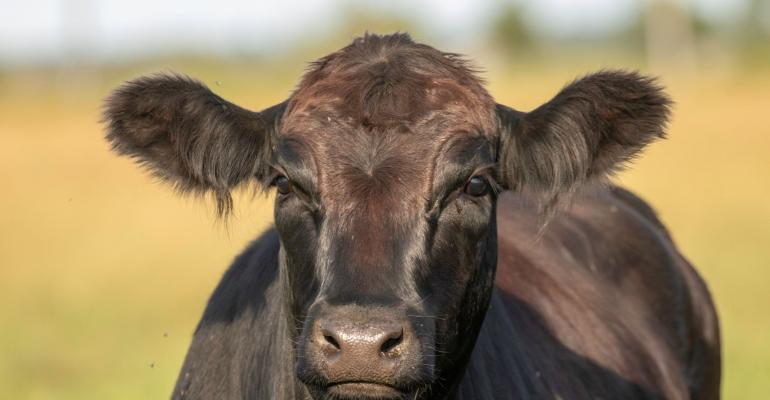
This article summarizes a study led by Yana Safonova in which black angus cows were studied as well as their responses to the Bovine Respiratory Disease vaccine. BRD is the leading cause of natural death for cows, and the medicine is extremely expensive, causing the cattle industry to spend about $900 million dollars a year. Vaccination of the cows would help decrease these expenses greatly. The question that the researchers wanted to answer was why are certain black angus cows reacting differently to the same vaccine. Using a computational tool, the research team analyzed sequenced data from the antibodies black angus cows produced as a result of the vaccine.


The researched found that there unique structure of the antibodies produced by the vaccine, and the how efficient the vaccine was is determined prior to an immune response. Because the team’s method can reveal these genetic markers. This way, cattle producers can use this information to selectively breed cows that are less susceptible to this disease based on their genetic information. This is the largest immunogenetics study across any species to date. Research projects similar to this will allow scientists to find certain patterns in the human genome that can determine a person's reaction to a vaccine prior to receiving it. 


This finding was extremely fascinating, and after reading it, I immediately began to think about how the methods used during this study could impact human beings that are genetically predisposed to certain diseases. With the new strains of COVID 19 and the increased need for vaccines, this type of study would work for a plethora of subjects. The vaccination process can be properly examined across different genomes. More information pertaining to this study can be found here.


Genetic Aging in DNA linked with Risk of COVID

Africa’s oldest DNA helps explain connections between ancient African tribes.


Researchers discovered evidence that as recently as 20,000 years ago members of regional ancient African tribes would travel between regional tribes in search of mates. The discovery was made on the backs of archeological discovers of common types of stone and bone toolmaking as well as other archeologically identifiable cultural behaviors that were present among African tribes in completely different regions. Based on comparisons to current human DNA from modern day Africans, it can be assumed that hunter-gatherers from ancient tribes in the same three parts of Africa. The timeline of the interregional traveling can be explained by the peak of the last ice age, which would have reduced the habitable areas for humans.

This discovery was made more difficult by the regional patterns of Africans approximately 2,000 years ago, who migrated from east to southern Africa. The  DNA used for this discover was from the bones of ancient individuals who were estimated to have lived about 18,000 to 5,000 years ago. Calculations of the genetic variation in present day African groups were used as a benchmark for the ancestry patterns in the ancient DNA.


https://www.sciencenews.org/article/africa-oldest-human-dna-mating-long-distance-stone-age


https://www.nature.com/articles/s41586-022-04430-9


Creating a Hypoallergenic Cat

   An article from Science Tech Daily talks about how researchers from InBio are working on developing a cat that is hypoallergenic and safe for those who suffer with allergies to cats. People who are allergic to cats are allergic to a protein called Fel d 1 that is shed by all cats. Researchers looked at the Fel d 1 gene in 50 domestic cats in order to find a coding region that can be used in CRISPR editing, and when compared to a handful of exotic cat samples it was determined that with the amount of variation seen suggests that Fel d 1 is nonessential for cats. Researchers have used CRISPR- Cas9 to disturb the Fel d 1 with relative sucess, and they are hoping that they will be able to use gene deletion technology to remove the Fel d 1 from some cats making them safe for cat allergy sufferers. 

    I think this is an amazing feat of science and technology, and as someone who knows many people who suffer from cat allergies but still love cats, I think this will help animal people all over the world. Like dogs, cats can offer many therapeutic benefits, but because there is no hypoallergenic breed of cat people who suffer from allergies to cats cannot appreciate the benefits of owning at cat. I'm hoping in the near future that cat allergy sufferers will soon be able to interact with the first hypoallergenic cats. 

Other links:

CRISPR Journal

An mRNA Vaccine to Prevent Genital Herpes


     In this article it goes in depth of how there have been only three human clinical trials that have close into finding a cure for Herpes Simplex Virus (HSV). The article then goes on as to what was learned from each trial and to what each scientist should learn from the three trials. We then go into the subject of how mRNA technology will help find a vaccine for this disease. After the COVID-19 vaccine was found in 2021, opened the eyes for many scientist who are trying to have a breakthrough with the HSV vaccine. For this study the authors are focusing on a trivalent mRNA vaccine for both HSV-1 and HSV-2. 

    For more articles like this, please click here

Tuesday, April 26, 2022

The Science of ADHD


According to " Chadd.Org" Research has demonstrated that ADHD has a very strong neurobiological basis. Although precise causes have not yet been identified, there is little question that heredity makes the largest contribution to the expression of the disorder in the population. In instances where heredity does not seem to be a factor, difficulties during pregnancy, prenatal exposure to alcohol and tobacco, premature delivery, significantly low birth weight, excessively high body lead levels, and postnatal injury to the prefrontal regions of the brain have all been found to contribute to the risk for ADHD to varying degrees. 

Research does not support the popularly held views that ADHD arises from excessive sugar intake, excessive television viewing, poor child management by parents, or social and environmental factors such as poverty or family chaos. Of course, many things, including these, might aggravate symptoms, especially in certain individuals.  But the evidence for such individual aggravating circumstances is not strong enough to conclude that they are primary causes of ADHD.  A related problem that has some accumulating evidence is sensitivity to food or additives such as colorings and preservatives.  Several controlled double-blind studies suggest that these might be important for a minority of children with ADHD, and a couple of controlled studies suggest a small effect on all children whether or not they have ADHD.  Further research on this connection is warranted.


Monday, April 25, 2022

Holothurian's Unique Genomic Adaptations to Chemosynthetic Ecosystems


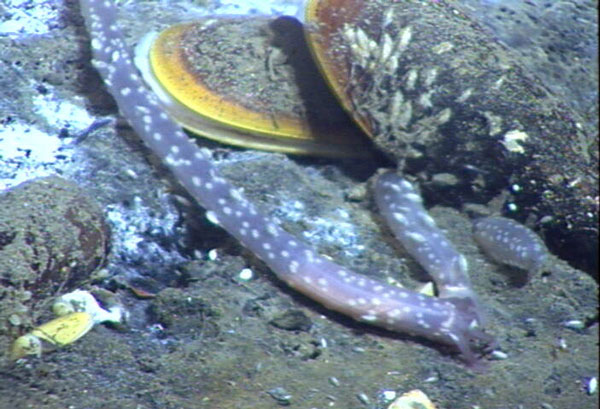
        Holothurians thrive in chemosynthetic ecosystems such as hydrothermal vents, cold seeps, and organic falls. These ecosystems are characterized by high hydrostatic pressure, low temperature, lack of oxygen, and high concentrations of reducing chemicals. Unlike most organisms that rely on symbiotic chemosynthetic microbes to obtain nutrients, some holothurians do not. The unique adaptations they have are not thoroughly understood, so an investigation into the genome of Chiridota heheva, an apodid holothuroid, provides insight.
        The study conducted by Zhang et al. revealed that the aerolysin-like protein family was expanded and possibly served to assist with microbe digestion. Other expanded gene families serve as adaptations to cell cycle delays as a result of increased hydrostatic pressure. These gene families impact cell cycle progression, protein folding, and ribosome assembly. Four hypoxia-related genes were identified as positively selected genes suggesting that the reprogramming of glucose metabolism serves as another adaptation. Mammals have similar hypoxia coping mechanisms which point towards convergent evolution.
        This research is very important since it looks at such a unique organism. Since many of the conditions, such as hypoxia, are becoming more common with climate change, a better understanding of organisms that can already withstand such conditions may help predict future outcomes and determine possible anthropogenic adaptive measures. The prospect of convergent evolution in responses to environmental stress also serves as valuable data for how mammals may react in the future.

What to read next: Complete mitochondrial genome of Benthodytes marianensis (Holothuroidea: Elasipodida: Psychropotidae): Insight into deep-sea adaptation in the sea cucumber


We finally have a fully complete human genome

 rows of puzzle pieces with the letters A, T, C and G and one section highlighted

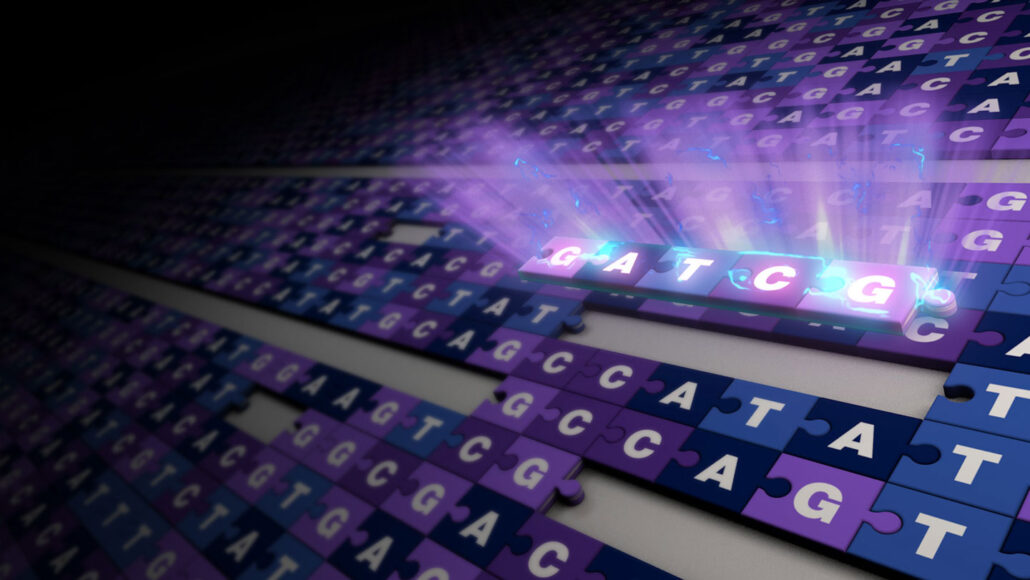
The researchers did complete the human genome, even though there is no such thing has the human genome. Anyone will have 2 large portions that are similar to similarly identical, and smaller portions that are widely different. Researcher Eichler Wang states, "The old reference genome Is a conglomerate of more than 60 people's DNA, not a single individual, or a single cell on the planet, has that genome. And that goes for the new, complete genome, too." This new genome does not come from a single person, the genome is a complete hydatidiform mole (which is a tumor that arises when the sperm cell fertilizes an empty egg when the Father's chromosomes are duplicated).

In addition, a typical diploid human genome has an average of 315 rDNA copies, with a standard deviation of 104 copies. According to Nature.com, a newly sequenced genome adds 200 million base pairs to the 2013 version of the genome sequence. T2T-CHMI3, represents only one persons' genome, but the T2T Consortium is willing to aim over the next 3 years to sequence more than 300 genomes form all over the world. 

BRD in Cattle


Sunday, April 24, 2022

In Dog DNA, Small Size Has an Ancient Pedigree


A group of researchers collaborated together to come up with DNA charts.  They came to the conclusion that smaller dog breeds seem to be ancestral to larger canines. In fact, there is no specific gene that determines a dog's size whatsoever, but there are 25 genes that can determine their unique size. It is called a single "IGF1 Allele". A single IGF1 single-nucleotide polymorphism haplotype is common amongst all small breeds, and it is nearly absent in larger canines. In the article, it states, "This little bit of DNA isn't a gene, as a result of by definition a gene has to comprise the directions to make a protein. However, many different stretches of DNA have the directions for bits of RNA that assists to manage genes. He discovered a DNA have the directions for bits of RNA that assist to manage genes. He discovered a DNA stretch that has directions for what is known as anti-sense RNA, which performs a major function in controlling the manufacturing of proteins specified by genesis discover known as IGF1-AS and it is available in 2 variants. 


     An article written by Elizabeth Gamillo for the Smithsonian Magazine discusses CRISPER gene editing technology and cats. Researchers are using CRISER to engineer hypoallergenic felines. They way this is possible is by blocking genes responsible for a major cat allergen. 

    InBio, a United States biotech company is removing sections of DNA in cats at specific locations in the genome. After analyzing DNA in 50 domestic cats researchers identified regions along the two genes that the team could cut and edit with CRISPR. This is the first step in being able to breed the resulting hypoallergenic cats to produce offspring that are not genetically modified.

    Removing the allergen causing gene is anticipated to not cause any health risks to the cat. And the protein is believed to be not essential for survival. There are ways to reduce the amount of the allergen causing gene without the use of CRISPER, but not totally remove it. 

Saturday, April 23, 2022

    An article written by Dan Robitzski for the The Scientist explores how behavioral traits are passed down in mice by each parent. Each gene that governs specific behaviors are expressed unequally in various cells in the brain and adrenal system. Maternal alleles shape foraging behavior in male offspring and paternal alleles shape this behavior in female offspring.

    Genomic imprinting is a process that causes genes to be expressed in a parental-origin-specific manner. In contrast to expression of genes from both chromosome homologues.

     In other words, one of the parent's alleles was preferred and expressed over the other in different regions. Research shows that cells in multiple brain regions specifically express a maternal allele for a gene that encodes an enzyme involved in making several neurotransmitters. The paternal copy of this gene was preferentially expressed in the adrenal gland which produces hormones.

    The mechanism that would explain this phenomenon remains unclear, but is assumed to be quite complex. It is interesting to believe genomic imprinting may occur in other species, and why one parental allele may be favored or suppressed over another in different regions in recognizable patterns.  
 

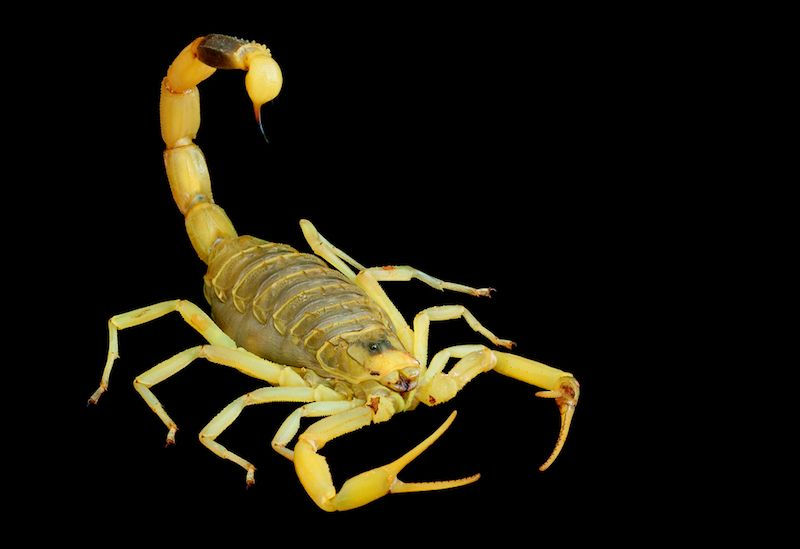
Research shows that the smaller the scorpion, the deadlier


     A team of scientists at NUI Galway's Ryan Institute analyzed 36 species of scorpions to show that larger scorpions have less potent venoms and really are better in comparison to smaller ones. There was also a correlation with the size of their pinchers: smaller pinchers typically mean more potency. 

    The researchers connected in the study that their venomous sting and their pinchers are used to capture their prey and are used as defense mechanisms. Energy used to make bigger pinchers means less energy is available for its chemical arsenal, resulting in larger scorpions which can use their physical size are less reliant on venoms, while the smaller species have evolved more potent venoms. 

Related Article

Wednesday, April 20, 2022

Fruit Flies Help Reveal Effects of Autism-Linked Mutations


Experiments with fruit flies have allowed researchers to find and analyze rare genetic mutations that are commonly found in autistic individuals. By using fruit flies as ‘living test tubes’, researchers can study which genetic variants identified in autism spectrum disorder persons have functional consequences. The work focused on missense mutations, in which a switch of a single DNA letter alters one amino acid in a protein.

“The scientists engineered 79 autism-linked variants — most of which are missense variants — into the equivalent genes in fruit flies, or Drosophila. The variants came from the Simons Simplex Collection, a repository of genetic data from families with one autistic child. The researchers discovered that 30 of these changes had significant consequences for the flies, such as a reduction in courtship behaviors; greater or lesser amounts of grooming; smaller eyes; and smaller, crumpled, serrated, blistered or absent wings” (Choi, 2022).

Scientists cautioned that although these 30 mutations did have strong consequences in fruit flies, they did not mean that they all had a direct correlation to autism in humans. One of the genes linked to disruptive effects in fruit flies is GLRA2. It helps control chemical messengers in the brain but if not present or found to be mutated shows as a spectrum of neurodevelopmental conditions, such as autism, epilepsy, developmental delay, and intellectual disability.

The strategy and testing method could help researchers investigate other human mutations of unknown significance and determine how genetics affect other diseases as well.

More research on autism and genetic studies can be accessed here

Genetically programmed alternative splicing of NEMO mediates an autoinflammatory disease phenotype

graphical abstract

NEMO mutation frequently results in an x-linked clinical disorder called "anhidrotic ectodermal dysplasia" (EDA), which is due to impaired NF-B activation in response to EDA receptor signaling during development. Most NEMO mutations are hypomorphic and lead to a combined immunodeficiency and susceptibility to encapsulated bacteria, DNA viruses, and atypical mycobacteria. For instance, deletion of mutations affecting the N-terminus impairs the association of NEMO with the catalytic subunits IKK and leads to fatal herpes virus infection, whereas deletion mutations of the C-terminus lead to an anti-inflammatory syndrome combined with immunodeficiency. Hence, whereas certain mutant forms of NEMO lead to disease predominates may be secondary to impaired regulation of proinflammatory pathways. Isoforms of NEMO resulting from alternative splicing have been described in cell lines and patients, but the molecular mechanisms by which these isoforms lead to disease are not completely understood. 

Tuesday, April 19, 2022

Study Discovers Possible Genetic Link to Suicide Attempts


A news report from KSAT.com discusses a study done in November 2021 about how suicide attempts have a genetic link to them, and not just a genetic link of mental illness. Unfortunately, suicide is a leading cause of death in America and attempts are even higher than ever. In 2020 alone, 45,000 died by suicide and over a million attempts, meaning that every 11 minutes an American attempts to end their life. While this specific cause of death has been attributed to mental heath and their disorders, researchers at Mount Sinai in New York tried to identify a genetic cause independent of psychiatric disorders, and their findings were unheard of.

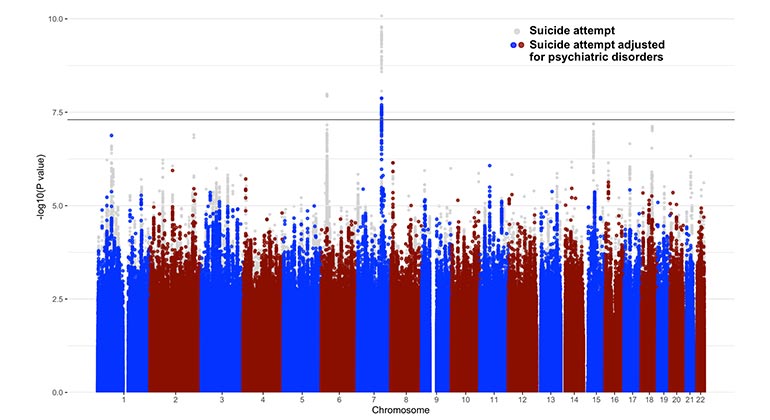
The study consisted of a genome-wide study of 500,000 people, 30,000 of which had attempted suicide, which is about 6% of the study's population. This association study was conducted by the International Suicide Genetics Consortium, and focused on looking at similarities among the human genome for those who had attempted suicide. During the study, evidence was found that the suicide attempts were consistent with psychiatric disorders and the genes associated with a higher risk of those diseases, but another result was discovered as well.

Chromosome 7 has had a lot of interest in the medical community as it is the chromosome for cystic fibrosis, polydactyly, deafness, and many other health conditions. The researchers found that there was a region located on Chromosome 7 that contain variants which could increase a person's risk for attempting suicide. The region identified on Chromosome 7 is also linked to non-psychiatric issues like insomnia and risky behaviors. This discovery paves the way for further research into this region as well as a more in-depth look at other chromosomes to determine if there are other genetic variations related to suicide independently of psychiatric disorders.

This study provides a great insight in helping find a scientific way to help prevent suicide. By looking into the genome and finding a specific region that is common in the people who have attempted suicide can lead into possible treatments or even provide a reason as to why certain people are more inclined to attempt suicide. Suicide is a horrible health problem that has affected millions of Americans and it is especially common among teenagers and young adults. This research could possibly help look into the reasoning for that along with mental health resources in order to make sure death by suicide decreases.

Related Articles

Information Regarding Chromosome 7

Suicide Prevention and Mental Health Resources

Unraveling The Biology of a Mysterious Condition: Stuttering


Stuttering has been a condition that many have feared to be judged for. Many claim its origins to be from traumas or psychological issues, however, researchers have explored this condition more and discovered that it comes down to genetics and brain differences.

Over 70 million people worldwide suffer from this condition. Its traces lead back ancient China and Rome, but no accepted causes have ever been determined until only a few years ago. Brain scans showed, “…genetic mutations related to stuttering are associated with structural abnormalities in the corpus callosum, a bundle of fibers that connects the two hemispheres of the brain and ensures they can communicate; and the thalamus, a relay station that sorts sensory information to other parts of the brain. Past research has also linked stuttering to the basal ganglia, brain structures involved in the coordination of movement” (Ungar, 2022).

Even with scientific evidence many people still incorrectly believe that people stutter because they are nervous or shy and could make it stop if they tried harder. At the present time, speech therapy is the only way of treatment for stuttering. These discoveries may lead to medications in the near future that can be taken to alter levels of chemicals in the brain thought to be responsible. However, for some stuttering is a part of who they are, and they wouldn’t want to change that.

Overall, this discovery in biology brings about it hope that will decrease the stigma against those with this condition and allow better opportunities for individuals to excel in areas most would consider to be impossible.

A similar article on this story can be accessed here


Monday, April 18, 2022

How are childhood trauma and genetics linked to risk of being obese?


New research has found associations between genetics, obesity, and childhood trauma, linking social health determinants, genetics, and disease. The new study focuses on Adverse Childhood Experiences (ACEs), which are traumatic and unsafe events that children endure by the age of 18. 

    According to the research findings of the 16,000 participants, those who had experienced one or more types of ACE were more likely to become obese adults. Those who experienced four or more ACEs were more than twice as likely to become severely obese. There was a steady increase in BMI for each ACE a person experienced, which indicates a strong relation between obesity and ACE. 

    Combination of genetics, environmental factors such as poverty and abuse, food insecurity, and poor relationships with parental guardians can increase this risk. Obesity can increase the chance for multiple health problems such as cardiovascular diseases, high blood pressure, high cholesterol, and type 2 diabetes. Losing weight can help to decrease the chances of being affected by these health issues. 

Related article

Friday, April 15, 2022

Thousands of new Viruses Discovered in the Ocean


In an article published by Live Science, a new study identified more than 5,000 new virus species in the world’s oceans. The researchers in this study analyzed tens of thousands of water samples from around the globe, hunting for RNA viruses. These viruses are understudied compared with DNA viruses, which use DNA as their genetic material, according to the authors.


The diversity of the newly-discovered viruses was so great that reachers proposed doubling the number of taxonomic groups needed to classify these viruses from the existing five phyla to 10 phyla. As stated by Matthew Sullivan, a professor of microbiology at The Ohio State University, the discovery of an entirely new phylum, Taraviricota, in nearly all of the world’s oceans suggests that they’re ecologically important.


Studies of RNA viruses usually just focused on those that cause diseases, according to Sullivan, however, these make up a very small percentage of all RNA viruses on Earth. For the study, the researchers analyzed 35,000 water samples taken from 121 locations in all five of the world’s oceans. The examined genetic sequences were extracted from plankton, which are common hosts for RNA viruses. They homed in on sequences belonging to RNA viruses by looking for an ancient gene called RdRp, which is found in all RNA viruses but is absent from other viruses and cells. Over 44,000 sequences were identified with this gene.


The RdRp gene is billions of years old and has thus evolved many times. Because the gene’s evolution goes so far back, it was difficult for researchers to determine the evolutionary relationship between the sequences. So the researchers used machine learning to help organize them.


Overall, 5,500 new RNA virus species were identified that fell into the five existing phyla as well as the five newly proposed phyla, which were named Taraviricota, Pomiviricota, Paraxenovirivota, Wamoviricota, and Arctiviricota. Virus species in the Taraviricota phylum appeared to be absent from temperate and tropical waters while viruses in the Arctiviricota phylum are abundant in the Arctic Ocean, according to the researchers.


Understanding how the RdRp gene diverged over time could lead to a better understanding of how early life evolved on Earth.


Related article: https://www.nature.com/articles/sdata201817

Decoding a direct dialog between the gut microbiota and the brain


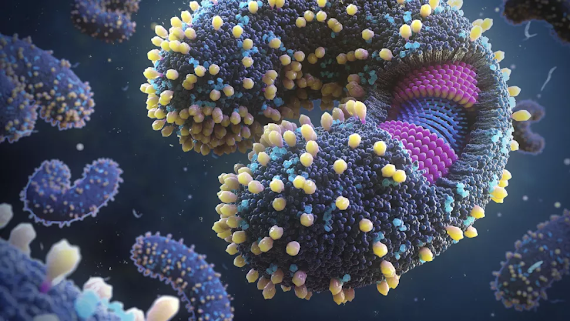
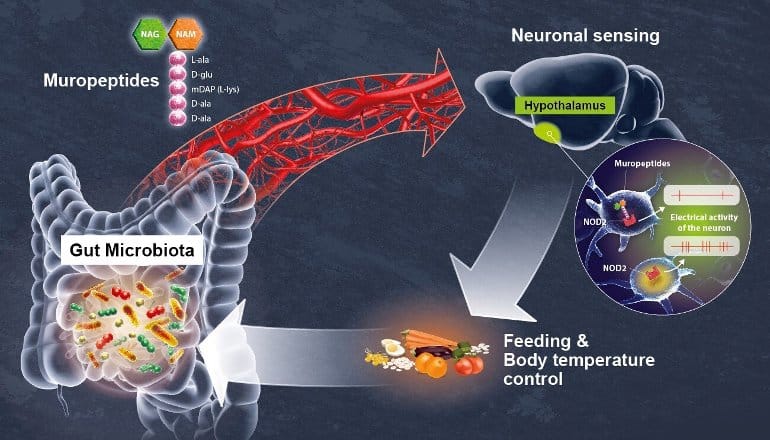
By-products of the gut microbiota circulate in the bloodstream, altering host physiological processes such as immunity, metabolism, and cognitive function. Hypothalamic neurons in an animal model directly sense differences in bacterial activity and adapt appetite and body temperature appropriately, according to researchers from the Institut Pasteur (a partner research organization of Université Paris Cité), Inserm, and the CNRS. These findings show that the gut microbiota and the brain communicate directly, a finding that could lead to new therapeutic methods for metabolic illnesses including diabetes and obesity. The gut is the body's greatest bacterial reservoir. The degree of interaction between hosts and their gut microbiota is becoming clearer, highlighting the relevance of the gut-brain axis. The researchers concentrated their efforts on the NOD2 (nucleotide oligomerization domain) receptor, which is present primarily in immune cells. Muropeptides, which are the building components of the bacterial cell wall, are detected by this receptor. Furthermore, variations of the gene coding for the NOD2 receptor have previously been linked to digestive problems, such as Crohn's disease, as well as neurological diseases and mood disorders. These findings, however, were insufficient to show a link between neuronal activity in the brain and bacterial activity in the stomach. This was uncovered in a new investigation by a group of scientists.
The scientists first discovered that the NOD2 receptor is expressed by neurons in numerous parts of the brain in mice, particularly in the hypothalamus, using brain imaging techniques. They discovered that when these neurons come into touch with bacterial muropeptides from the stomach, their electrical activity is reduced. Muropeptides, on the other hand, have no effect on these neurons if the NOD2 receptor is missing. As a result, the brain loses control over eating habits and body temperature. The mice acquire weight and become more prone to type 2 diabetes, especially in older females. Scientists discovered that neurons may directly perceive bacterial muropeptides, despite the fact that this activity was previously assumed to be exclusively performed by immune cells.
Muropeptides' impact on hypothalamic neurons and metabolism raises questions about their possible participation in other brain functions and may help us comprehend the link between certain brain illnesses and NOD2 genetic variations.

Article links:


Short Lived DNA Loops


This article discusses the findings of a study from MIT which suggests that loops formed from proteins coating DNA are more short lived than previously thought. The researchers monitored the movement of one stretch of the genome in a living cell for about two hours. 

These loops are formed by a process called extrusion. This is when a molecular motor promotes growth of larger loops. These experiments during this study only offered snapshots of moments in time, and offered very little information about how loops change over time.


The researchers used this method to see the stretch of the genome in mouse embryonic stem cells. If the loop was present for a 20 to 45 minutes out of the entire duration of cell division which is about 12 hours, then this fully looped state is not the primary regulator of gene expression. One of the researchers recommended that new models of DNA repair, 3D structure of the genome, and other processes are necessary. They argue that the process of extrusion is more important than having loops that are constantly extruded. 


Because other loops in the genome are more difficult to study, they plan to study these loops in a variety of different cell types. This technique could offer an abundance of information about the ways in which the short span of these loops could potentially affect gene expression. There are thousands of loops and these MIT researchers only examined one during this study. There is also a relationship between the neurodevelopmental disorder FOXG1 syndrome and faulty loop formations. Using the same technique that was used during the study will allow the researchers to look at other loops. Here is a similar article


Is Oxford Nanopore Sequencing Ready for Analyzing Complex Microbiomes?

 Avantor Enters Global Distribution Agreement With Oxford Nanopore  Technologies - Contract Pharma

        Lee Kerkhof, a Rutgers University professor has recently done a seminar at Stockton University about the use of Oxford Nanopore MinION. From this seminar, he has made references of the sequencing device and if it is effective. In this article, the main focus was if the Oxford Nanopore MinION is ready to be used for a heavier mechanism. 

    This article shows what has been updated on the new device, for instance the MinION has "... the increase in sequence accuracy from 65 to 96.5% during the last 5 years" (Kerkhof et al. 2021).  This is showing the reader the major changes in the devices has improved the device. The overall conclusion for this mini review is scientists do not know what other research scientists are going to do with such a device in their labs. 

Researchers discover gene variant partially responsible for height in world’s shortest people.


While there are many common variants in DNA known to affect height each has only about a millimeter difference or so. However, a gene variant found in 5% of Peruvians is observed to reduce height by up to 2.2 centimeters. This is the largest observed effect on height by any common gene variation. Rare variations like Marfans syndrome can have much larger effects on height but are found in less than 1% percent of individuals.

The variation is located on the FBN1 gene, a gene which involves producing a protein involved in forming bone, connective tissues, skin and other issues. Marfans syndrome is also linked to a variation within this gene. However the 5% of Peruvians who carry this variant are not considered sick in any pathological definition. Researchers surmised that natural selection favors the variant for shorter individuals, but it is unclear wether there is an evolutionary advantage it gives the those affected currently.

https://www.sciencenews.org/article/gene-variant-height-peruvians-short

https://www.nature.com/articles/s41586-020-2302-0


New Study Identifies 120 Genes Linked to Schizophrenia


    An article by Robert Preidt for U.S. News unveils a study that identified 120 genes linked to schizophrenia. This is currently the largest genetic study done on schizophrenia and includes 45 countries. Researchers analyzed DNA from roughly 77,000 people who suffer from schizophrenia and 244,000 without the disease. The study has identified specific genes that are linked with the disease, which could lead to new and more effective treatments, as many people with schizophrenia do not respond well to current treatments. 

    The inheritance pattern of schizophrenia is usually unknown. The probability of developing schizophrenia is higher for family members of affected individuals. Genetic variation is the most likely cause of the disease, and usually it is a combination of multiple genetic changes. There are also environmental factors associated with schizophrenia, such as exposure to infections before birth and extremely high stress during childhood.


Unidentified Women For Over 30 Years, Finally Has A Name


Studies found that chemical compound promotes healthy aging


    A recently discovered chemical compound helped elderly mice with obesity lose fat and weight, add muscle and strength, reduce age-related inflammation and increase physical activity.

    BAM15, a mitochondrial uncoupler, helps to prevent obesity, or age-related muscle loss accompanied by an increase in fat tissue. As people change, muscle mass becomes more of a concern. They become less active, which increases the chances of falls, strokes, heart disease, poor quality of life, and premature death. It is not so much of a concern in young kids because they are still active when they are young, which helps to maintain the muscle mass.

    In this study, mice were tested with the BAM15 supplement, and they were found to have a decrease in weight, yet still an increase in muscle mass and strength. BAM15 works by making the mitochondria less efficient, resulting the mitochondria to burn more energy. This can be useful in helping the aging age better and healthier, for long-lasting lives. 

Related Article


Insight Into the Evolutionary History and Phylogenetic Relationships of Deep Sea Asteroidea Using Mitogenomics


        Mitogenomics is the the the sequencing and analysis of mitochondrial DNA. The majority of mitochondrial DNA comes from maternal descent, is relatively small, and has a high nucleotide substitution mutation rate. allowing researchers to better understand the evolutionary history and phylogenetic relationships of a particular organism.
        Sun et al. use this technique to study the geographic origin and relationships between shallow water and deep-sea Asteroidea. For their experiment, they selected five deep-sea genomes. It showed that deep-sea Asteroidea had a much higher A+T nucleotide content compared to those in shallow water, providing insight into the divergence of base composition. Studying the genome also allowed researchers to identify the sequences responsible for the deep-sea adaptations against cold temperatures and hydrostatic pressure.
        By comparing sequences of different Asteroidea with each other and seeing when new mutations arose and for how long they were passed on, the origin of each mutation could be speculated. The more matches in DNA, the closer the relationship. Using this information, it was speculated that during the Triassic-Jurassic transition marked by a mass extinction event, the rapid divergence between the deep and shallow water varieties occurred to fill in the newly opened niches. Although it was inconclusive, the results also pointed towards a deep-sea ancestral origin.
        It is important to understand the evolutionary history and evolutionary mechanisms of organisms since it helps us understand why a species may exist in a certain environment and how the world as we know it today came to be. It is also important to compare the survival mechanisms of different organisms because it can help with cultivation for commercial purposes or conservation efforts.


What to read next: Global Diversity and Phylogeny of the Asteroidea (Echinodermata)