Showing posts with label sequencing. Show all posts

Monday, April 21, 2025

Stanford Medicine Develop RNA Blood Tests to Detect Cancer and More

 In a recent article by Kimberly D'Ardenne researchers at Sandford University have found a way to analyze the RNA molecules in a patients bloodstream called "cell-free RNA" to detect cancer treatment, resistance, and tissue injury from a single blood draw.


Unlike traditional DNA-based liquid biopsies this test focuses on mRNA fragments circulating in the bloodstream, offering a new way to monitor diseases that don't involve genetic mutations. It accurately detected lung cancer in 73% of patients, even in its early stages by analyzing about 5,000 genes not typically found in healthy blood. This test can also be used to identify non-genetic forms of treatment resistance giving doctors a chance to adjust treatment options before symptoms appear. Remarkably it works on both new and archived blood samples with the potential to to transform how we detect and treat diseases in the future. As co-author Dr. Maximilian Diehn put it, "We're reading the molecular history of the body - from just a blood sample."


Article: https://med.stanford.edu/news/all-news/2025/04/rna-blood-test-cancer-detection.html

Journal Article: https://www.nature.com/articles/s41586-025-08834-1

Friday, April 18, 2025

Woolly mammoth chromosomes reconstructed using fossilized sample


Woolly mammoth chromosomes reconstructed using fossilized sample:


    A team of international scientists assembled the woolly mammoths genetic code using fossilized chromosomes. The chromosomes came from a 52,000 year old carcass that was discovered in Siberian permafrost. The animal was freeze-dried on death, which essentially preserved the 3D structure of ancient chromosomes. Which are thread-like structures containing DNA. Since the scientists show the shape of the animals chromosomes, it then allows them to assemble the DNA sequence of the extinct creatures. The researches then use computer modeling to reconstruct the full 3D chromosome structure from the fossilized data. The team saw that the woolly mammoth had 28 pairs of chromosomes and saw what key genes were responsible for hair follicle development and could help explain why mammoths are woolly and elephants now a days are not. 


    In my opinion, I think all of this research these scientists have found is very fascinating and crazy to think about. As it would be cool to have a once extinct animal to be here again blows my mind. How technology has changed, and the many advancements that were made benefits all of this newly found research. I don't exactly know how I would feel if a woolly mammoth would be alive, and put on this earth again. This feels like the movie "Jurassic Park."


Sources:


Wednesday, November 20, 2024

Alternative Transcription Initiation Sites in Soybean Genes


 The discovery of DNA's double helix structure occurred more than 70 years ago. Scientists have found a new way to read this structure within genes. Many species of plants and animals have reference genomes which are used by researchers for their own genetic analysis. The soybean genome is used widely in agricultural research for commercial and industrial purposes. While the soybean reference genome may be very advanced, it was missing locations for transcription initiation sites for individual genes within it-- until now.

Transcription initiation sites are locations in DNA that act as the start of transcription, where an mRNA copy of DNA is synthesized to then be translated into a protein. By finding where these sites are within a genome, it allows for a better understanding of how genes are expressed. Normally, transcription initiation sites are located around a TATA box (a thymine and adenine rich DNA sequence), but researcher and major contributor to the soybean reference genome Jianxin Ma disagrees. He and his researchers found that the predicted transcription initiation sites on the reference gene had only about 3% accuracy based on their new study. They identified transcription initiation sites in roughly 40,000 genes. These sites had sequences that varied from what was normally expected. By further completing the database, it improves its effectiveness as a research tool for many geneticists.

https://www.sciencedaily.com/releases/2024/11/241119181836.htm
https://academic.oup.com/plcell/advance-article/doi/10.1093/plcell/koae288/7900478#493737809


Drug resistant fungi tracked by new molecular detection

 A yeast fungus by the name of Candida parapsilosis has been on an outbreak in Berlin, Germany. The fungus can colonize the skin and digestive tract of humans. This is typically harmless but it can cause severe wound and tissue infections like life threatening septicemia in immunocompromised individuals. The fungus is typically treated with antifungal agents but new strains are appearing which are resistant to these typical drugs and it is becoming more difficult to treat. Dr. Amelia Barber from Friedrich Schiller University Jena and Dr. Grit Walther from the National Reference Centre for Invasive Fungal Infections (NRZMyk) are investigating the outbreak of the drug resistant fungus. The team discovered the genetic relationships and transmission dynamics of the C. parapsilosis strains and developed a new identification (typing) strategy for it called Multilocus Sequence Typing (MLST).


MLST sequences multiple short DNA regions to genetically distinguish the different strains of the C. parapsilosis. It is a cheap and faster alternative to whole genome sequencing which normally takes a long time and makes it difficult to follow the outbreak. The new method differentiates and tracks the fungi strains in order to react quickly to new outbreaks and effectively subdue the, more often than not, drug resistant strains.

While I’m not affected by the fungi itself, this new method of short DNA sequencing can be important for other outbreaks that may arise which affect my livelihood. Bacteria and fungi are becoming increasingly resistant to our modern cures, and it makes it hard to track the outbreak. An example is our covid outbreak in which new strains would arise frequently. It was hard to follow and distinguish these new strains but this method could be useful for doing just that if another pandemic arises again.


Links:

https://medicalxpress.com/news/2024-11-molecular-method-tracks-outbreak-drug.html

https://my.clevelandclinic.org/health/diseases/25154-candida-parapsilosis


Monday, April 25, 2022

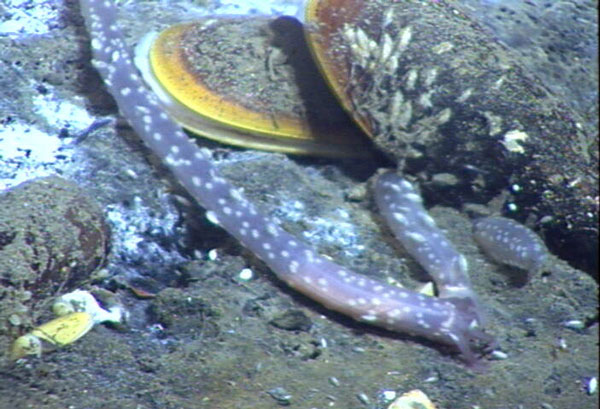
Holothurian's Unique Genomic Adaptations to Chemosynthetic Ecosystems


        Holothurians thrive in chemosynthetic ecosystems such as hydrothermal vents, cold seeps, and organic falls. These ecosystems are characterized by high hydrostatic pressure, low temperature, lack of oxygen, and high concentrations of reducing chemicals. Unlike most organisms that rely on symbiotic chemosynthetic microbes to obtain nutrients, some holothurians do not. The unique adaptations they have are not thoroughly understood, so an investigation into the genome of Chiridota heheva, an apodid holothuroid, provides insight.
        The study conducted by Zhang et al. revealed that the aerolysin-like protein family was expanded and possibly served to assist with microbe digestion. Other expanded gene families serve as adaptations to cell cycle delays as a result of increased hydrostatic pressure. These gene families impact cell cycle progression, protein folding, and ribosome assembly. Four hypoxia-related genes were identified as positively selected genes suggesting that the reprogramming of glucose metabolism serves as another adaptation. Mammals have similar hypoxia coping mechanisms which point towards convergent evolution.
        This research is very important since it looks at such a unique organism. Since many of the conditions, such as hypoxia, are becoming more common with climate change, a better understanding of organisms that can already withstand such conditions may help predict future outcomes and determine possible anthropogenic adaptive measures. The prospect of convergent evolution in responses to environmental stress also serves as valuable data for how mammals may react in the future.

What to read next: Complete mitochondrial genome of Benthodytes marianensis (Holothuroidea: Elasipodida: Psychropotidae): Insight into deep-sea adaptation in the sea cucumber


Tuesday, April 5, 2022

Interaction Between Host MicroRNAs and the Gut Microbiota in Colorectal Cancer

 Nanopore Sequencing – Bio Basic Asia Pacific Pte Ltd 

    It is always vital to know what is fairly recent in the world of a geneticist. Learning which method of sequencing will help the process of depicting snips.  The research article, Interaction between host microRNAs and the gut microbiota in colorectal cancer. ASM, 3(3): 1-13, has found microRNA plays apart as a "host-microbiome" in colorectal cancer.

    It is important to note that our study uses 16S rRNA gene sequencing to characterize microbiome taxonomic composition and computationally predicted pathway composition using PICRUSt v1.0.0 (71). Although this method is widely used, metagenomic shotgun sequencing can be more accurate and informative in understanding the functional makeup of a microbial community. Similarly, to impute miRNA functional profiles, we used an in silico prediction method, miRPath (71, 72). While both of these methods have been rigorously tested and validated with experimental data, the results remain predictions and may not represent the real biological system (71, 72). Another limitation of our approach is that it identifies correlations and not causal relationships. Nevertheless, this approach allows us to generate a microbiome- and miRNA transcriptome-wide characterization of potential interactions, which shed light on potential new mechanisms of host-microbiome interactions.” (Yuan et al 2018). This study is using specific techniques to receive their answers. It then shows these techniques do have their benefits with certain aspects but has its drawbacks

    For an article similar to this please click here

Monday, March 8, 2021

New Human Genome Represents the Most Common Sequences

In an article from The Scientist, researchers are creating a "consensus genome" which will halve the number of errors that occur when mapping transcripts. Researchers also found that the version of the reference particularly known as the GRCh38 or Build 38 has about 98 percent of the sequence from 11 individuals and 70 percent from one person. There are new ways being developed by scientists to better understand the vast collection of genomes that represent all DNA sequences. 

From my understanding from reading the article, if researchers succeed in creating the pangenome or graph genome they will be able to reduce the errors caused during transcription. From the data received during the RNA sequencing, the mapping method is used to match reads of the reference genome. 


Tuesday, November 17, 2020

Melanoma Risk tracked through DNA Analysis


https://www.usnews.com/news/health-news/articles/2020-10-08/dna-analysis-might-reveal-melanoma-risk

https://www.google.com/search?q=melanoma+genetics

New research developed a method of tracking and rating the rate melanoma spread throughout the body. Melanoma arises from genetic mutations in special cells called melanocytes. Sequencing DNA from samples of melanocytes in living melanoma patients and non cancerous cadaver origins, they determined a higher percentage of melanocytes in the melanoma patients. In their research, they stumbled across many people that had mutations related to melanoma unknowingly and many have a higher chance of further mutation (dependent on sun exposure). The way this helps people is that dermatologists can now have a method to test the melanocyte amount in the patient so they will know their risk of developing melanoma. 

Saturday, October 10, 2020

Deciphering the Y chromosome in various great apes to determine evolution

     A group of scientists from Penn State, used various Y-specific male chromosomes of great apes to determine how the chromosome developed along with studying the implications it has had on male fertility within humans. Based on the difficulties shared by sequencing a Y chromosome, for instance repetitive sequences, assembling sequences, and aligning sequences for comparison, the team had to create their own computational protocols to address the biological questions at hand. With regards to previous research, teams had already sequenced the DNA of chimpanzees, humans, and gorillas, to determine that the Y chromosome human's possess is more closely related to gorillas than chimp, and this lead to the use of the Bonobo and orangutan DNA for comparison. From the sequencing of the bonobo, it had determined that there were accelerated rates of DNA sequence change and gene loss, which now has the possibility of the pattern change prior to the evolutionary split of the two species. Orangutans acted "as expected" and served as a control group to to the other great apes. The scientists then tried to create a Y-chromosome based on the ancestors of the great apes, to determine the point at which they had separated as a species to help determine the evolutionary chain. Very interesting in terms of genetic evolution, and provides a large amount of insight into the difficulties of determining when and where gene loss occurs within the period of which species split. Hopefully the research the group has done provides a clearer image for the future in more research with regards to the Y-chromosome, and it can help determine the DNA in other species. 


https://www.sciencedaily.com/releases/2020/10/201006153503.htm


https://www.pnas.org/content/early/2020/10/02/2001749117

Tuesday, September 24, 2019

There is No Specific Gene for Homosexuality

A huge study was done to determine if there was a gene of sequence of genes that accounted for sexual behavior, specifically the preference of some individuals. The study was done to either prove of disprove that a single gene can alter someone's sexual preference so much that they completely change their preference. In the study, they polled nearly half a million people, becoming one of the largest studies of its time and toppling other past studies. Scientists took the DNA of people and studied the single nucleotide polymorphisms(SNPs) based on their sexual preference and what their history was. This meaning, if they have had all same-sex or all opposite-sex partners in their lifetime. The study found that there is no direct affect from genes to attraction. There may be indirect causes such as alter scent receptors, but nothing that directly correlates to sexual behavior. Out of all the SNPs studied, less than 1% had a direct association with same-sex attraction.
Image result for gene

I agree with the article in the case that it's not just genes that determine attraction. There is obviously some sort of environmental factor that comes into play when determining attraction. This study is important because it shows that attraction is not one straight forward thing that can be simply altered by a gene. Rather it is a complex mechanism within the human body that is influenced by a number of internal and external sources. I think this article carries a lot of weight politically. This can help people to understand that attraction is not so easily explained or manipulated.

https://www.sciencenews.org/article/no-evidence-that-gay-gene-exists
https://www.scientificamerican.com/article/massive-study-finds-no-single-genetic-cause-of-same-sex-sexual-behavior/

Thursday, September 19, 2019

Seahorses' Odd Biology Explained by Sequencing Genome

Seahorses are unique sea creatures with several oddities such as lacking caudal and pelvic fins, possessing tubular mouths with no teeth, having a body covered with bony plates, grasping tails to latch onto various sea grasses and coral, and the males having a brood pouch to give birth to offspring. Sequencing of the tiger tail seahorse genome was performed using the de novo assembly, the same method used to sequence the Giant Panda genome. The genome and traits of the seahorse was also compared to close relatives such as the pipefish and seadragons.


The seahorse lacks genes called "P/Q-rich SCPP", which allow minerals to collect and form teeth. Since the seahorse lacks this gene, it is likely their tubular mouths formed as a result of being toothless. Seahorses are also missing the gene that is involved in the development of pelvic fins in other fish and legs in humans. This gene, called tbx4, functions in telling the embryo to grow hind limbs or pelvic fins in fish. To make up for the lack of pelvic fins, seahorses swim by beating a small fin on their back rapidly and relying on tiny pectoral fins near the back of their heads to help them steer.

Although finding a lack of certain genes help explain some of the seahorse's unique biology, the exact ability for males to give birth is still unknown. The study was able to find a large number of genes in the male brood pouch under the family astacin metalloproteases. These genes are responsible for embryo hatching and are present in other fish. An evolutionary biologist who was not a part of the study, Kenyon Mobley, states that the genome alone cannot explain the transition of birth responsibility to males from females. However, he said it was possible that paternal care was the byproduct of losing another trait rather than a critical step during evolution.

I find this study to be very interesting, especially since the same technique used to sequence the Giant Panda genome was replicated on the seahorse. Also, seahorses are very unique creatures that have been around for millions of years. By uncovering the genome and looking at the genes the creature does or does not possess, we are able to learn more about the evolutionary biology of seahorses and how they have adapted to survive to this day. I can't wait to see the de novo assembly technique being used more in the future as we sequence the genomes of other species inhabiting our planet.

Links:
https://www.pbs.org/newshour/science/unlock-secrets-seahorses-look-genes
https://www.reuters.com/article/us-science-seahorse/undersea-mystery-seahorse-genetic-secrets-unveiled-idUSKBN1432PY
https://www.nature.com/articles/nature20595#gene-loss

Saturday, September 14, 2019

Panda Genome Sequenced

Relatively recently, the entire panda genome has been sequenced with blood samples collected from a 3 year-old panda named Jingjing. Scientists used a technique called parallel sequencing, first creating short reads on the panda's DNA and then using the smaller pieces to connect and construct the entire panda genome. Information from the panda's genome will help scientists understand the panda's unique biological and behavioral traits. Such traits include their restrictive diet of only bamboo and their low fecundity rate, or their ability to produce few offspring. An understanding of the panda genome may also help aid with extended conservation efforts.

The panda genome is smaller than that of humans, with humans having about 3 billion base pairs and the panda 2.4 billion base pairs. Although there is a difference in the number of base pairs, pandas have about 21,000 genes coding for proteins which is similar to that of humans. Observation of the panda genome also revealed a high rate of heterozygosity, suggesting that inbreeding is not a cause for declines in population. Although inbreeding is not an issue for pandas, other studies have revealed that the genetic makeup changes less from generation to generation leading to a slower rate of evolution.


Sequencing of the panda genome has revealed an important discovery which could explain why the panda has such a restrictive diet. Pandas have mutations in two copies of a taste gene called T1R1. This particular gene encodes for the savory tastes of high-protein foods, including meat. Scientists believe that the panda cannot taste meat, so they turned to bamboo as their only food source. Pandas do have the genes to digest and extract nutrients for meat, but not bamboo. Therefore, the species rely heavily on the symbiotic relationship with microbes to extract nutrients from the bamboo plant.


I find it interesting that only few mammalian species have their entire genome sequenced, but not surprising as it is very costly and time-consuming. However, I do believe sequencing genomes is important when considering comparative genetics since they help determine the fundamental basis of biological functions. I hope the technique used in this study, parallel sequencing, will help sequence more mammalian genomes in the future and further our understanding of the similarity and differences between species on Earth as well as explain the behavior of certain species. 

Links:
https://www.wired.com/2009/12/giant-panda-genome/
https://www.nature.com/articles/nature08696#Sec8
https://web.stanford.edu/group/neurostudents/cgi-bin/wordpress/?p=345/

Wednesday, April 25, 2018

10 Times the Human With a Smile


           The axolotl, a smiling Mexican amphibian, is the largest genome ever sequenced. It has 32 billion base pairs, ten times the size of human genome. The axolotl has been bred and studied in laboratories for over 150 years and is endangered in the wild. The axolotl is an extremely interesting organism: it regenerates damaged organs, regrows amputated limbs with all bones, muscles, and nerves, and even heals wounds without scar tissue. The amazing thing about its ability to heal and regrow is that it will do so with the new organs or limbs functioning just like they did before. For example, a crushed spinal cord can function again normally like it was never crushed. This animal was the first salamander genome to ever be sequenced. It took so long to be done because it has many repetitive parts in its genome. This genome sequencing is just the beginning of their studies, but a huge advance in science because it has the potential to answer many questions. The genes involved in regeneration are being identified and studied. 

summarized article:
https://www.nytimes.com/2018/02/01/science/axolotl-genes-limbs.html

original scientific study:
https://www.nature.com/articles/nature25458


Thursday, April 12, 2018

Axolotl Genome Sequenced: Unlocking Regeneration

Mexican axolotl salamanders are amphibians that spend their whole lives underwater. Credit: Jamie Catto
The axolotl (Ambystoma mexicanum) is an endangered salamander that can be found in the waters of Mexico. These salamanders spend their entire lives under water, so they are already different from the salamanders we are used to here in New Jersey. But there are other qualities to this fantastic creature that are pretty unexpected. The axolotl can regrow any severed limb with fully functioning bone, muscle, and nerves. But that's not all - they can even repair a broken spinal cord to the point where it functions like it was never damaged. The genome of these natural wonders was unsequenced and a mystery, until January 2018 when The axolotl genome and the evolution of key tissue formation regulators was published in Nature

The study was finally able to sequence the genome of the axolotl, revealing that it has a sequence of 32 billion base pairs - that's a bit more than 10x the amount of base pairs in the human genome. The scientists working on this project even had to develop a new gene assembler called MARVEL for the project! The findings from this genome indicated that some genes that are responsible for limb regeneration may be restricted by species, and that intron size may play a key role in the genes used during development. Further, the study found that the axolotl "does not contain the essential developmental gene Pax3" (Nowoshilo et. al. 2018), but they do have a paralogue, Pax7, which could lead to further understandings of the developmental genes of the axolotl. The ultimate goal for understanding the axolotl genome is to understand how their genes are able to make changes in RNA and proteins in order to transform adult cells to stem cells that facilitate regeneration. 

I think that the potential in understanding the axolotl genome is incredible. The ability for the axolotl to regenerate it's limbs and spinal cord functions after damage is incredible on it's own, and the potential for understanding stem cell production could be a huge step for human medical research. I'm looking forward to seeing how further research into the axolotl genome pans out, and how we are able to relate their wealth of genetic information to the human genome and development. 

Tuesday, November 21, 2017

Genome Sequencing of Scandinavian Wolves shows Extensive Inbreeding

A study published in Science Daily describes the full genetic effects of intense inbreeding within a threatened species. The Scandinavian Wolf population was originally started in the 1980's with only two animals. The species grew, but it still incredibly threatened and populations are still low. Due to this low population, inbreeding is incredibly common. The research, which was conducted by Uppsala University, sequenced the entire genome of 100 wolves, and showed how incredibly inbred the species is.

Inbreeding, as we know, lowers the overall genetic diversity within a species. Genetic diversity is key in survival of a species, especially those with low populations and species that are endangered. Efforts have been put forth towards diversifying and protecting these wolf populations, however biology is working against the scientists. Disease or some other mutation could easily run through the small population and destroy it very quickly, where otherwise it could not. I think this study is great in showing us the problems with these wolves, however unfortunately there is no simple solution towards fixing the problem and regrowing the population. This gives great insight into the problem, but no solutions.

Wednesday, November 15, 2017

Genome of Wheat Ancestor Sequenced


         Sequencing the bread wheat genome had been measured an insoluble task, due to its enormous size and complexity. Yet it is extremely important for the global food supply, providing more than 20% of the calories and 23% of the protein consumed by humans. The researchers at the University of California, Davis, came a step closer to solve the puzzle by sequencing the genome of a wild ancestor of bread wheat known as ‘Aegilops tauschii,’ a type of goat grass. Researchers applied a combination of advanced technologies to generate a reference-quality genome sequence for Aegilops tauschii. It is highly pliable and tolerant of diseases, it also is primary source of genes for the bread-making properties of wheat flour. Researchers are discovering new genes that is going to improve wheat baking quality, resistance to disease, and tolerance to extreme environmental conditions. One practical result of the effort of the researchers is that the discovery of two new genes for resistance to a competition or wheat stem rush to which there is virtually no resistance in wheat. Those genes were transferred from A.T into Wheat and are now available. 

            Wheat and its wild ancestors have genomes much greater than humans, which makes the tougher sequence. Jan Dvorak, a leader of the project Department of Plant Scientists at UC Davis said that they technically started this project decades ago, there were no technology to sequence genomes of that size and complexity. The technologies used by the researcher now, can be applied to any plant genome, so the implications extend beyond wheat. Contributors to the research include scientists from different universities, John Hopkins, University of Georgia, Albany, California, and from Germany.   

References:

University of California - Davis. (2017, November 15). Genome of wheat ancestor sequenced: Technological breakthrough will help decode massive bread wheat genome, accelerate wheat breeding. ScienceDaily. Retrieved November 15, 2017 from www.sciencedaily.com/releases/2017/11/171115133855.htm

Quinton, A. (2017, November 15). Genome of Wheat Ancestor Sequenced. Retrieved November 15, 2017, from https://www.ucdavis.edu/news/genome-wheat-ancestor-sequenced


Wednesday, November 26, 2014

Orchid genome has been sequenced

The first orchid species to have its genome sequenced is officially P. equestris. Orchids are an incredibly diverse and specialized group and are particularly endangered due to habitat loss and illegal collection. 

P. equestris is the first sequenced plant capable of Crassulacean Acid Metabolism (CAM). Interestingly, when the orchid's CAM loci were compared to those of non-CAM plants the researchers found evidence for gene duplication and loss. Perhaps these mutations led to CAM photosynthesis. The orchid's introns are much longer than those of any sequenced plant, probably due to transposable elements within those introns. Its genes may also help explain the mechanism of self-incompatability in plants. 

The sequencers also found evidence for a paleopolyploidy that may have occurred before orchids became as diverse as they are today. Perhaps this polyploidy helped the orchids to radiate as extensively as they did. 

Ultimately, the sequencing of P. equestris will aid in conservation and breeding of the orchids as they face more habitat destruction. 

Tuesday, November 25, 2014

Centipedes get genome sequenced, reveal secrets of arthropod evolution

The genome of centipedes have been sequenced for the first time. Arthropods are underrepresented in terms of which organisms get sequenced. Professors at the Hebrew University of Jerusalem postulate that the centipede's genome tells us how arthropods made the sea-to-land transition.

It turns out that insects and centipedes independently evolved mechanisms for life on land. Centipedes do not have the gene for air-sniffing that insects do, so it sought elsewhere in its genetic arenal for a solution--at a locus that insects lack.

Link

Sunday, November 16, 2014

Thank You Genetic Changes For My Precious Cat

Everyone knows that cats are the best animal, but little was known about how genetics influenced the domestication of the cat. A recent study showed that found some of the genes that were responsible for the differences in wildcats and house cats. The research was published in the Proceedings of the National Academy of Sciences that also looks at a journal article released in Gigascience that was about the cat genome. This was worked on internationally because cats are just that important. Really, they are important because more than 250 diseases that are found in humans are similar in cats. Cats are useful for the study of medicine and diseases for humans.
My cat Scruffles with Goldie the Chicken. He doesn't ever attack chickens.

The study showed that that the difference in house and wild cat personalities are their genes according to Stephen O'Brien. He said that cat domestication began with the spread of agriculture and wildcats were scavenging for waste. He believes that our human ancestors worked their way up to approaching a feeding wildcat and maybe even got their hands on a few kittens.
Looking at the genome, researchers found 3 possible genetic links that lead to a change in the temperament of the cats. House cats have mutations on genes to mediate aggressive behavior, form memories, and control the ability to learn based on stimuli. These cats mated and passed these gene changes onto their precious little kittens. Humans also were found to change the genes involved in cat diets because cats began to be able to digest plant matter much more efficiently. Getting involved with humans caused cats to become more domesticated and become the lovable cuddly balls of fur they are today.
This article is exciting because the genomes of cats have been examined more and can lead to medical changes for humans as more research is done. It also shows how genome sequencing are being deciphered and how scientists can link certain genes to certain traits and discover mutations and changes. It is also just exciting because it is about cats. Overall this article is a good read though.

Article: http://www.wired.com/2014/11/genes-cat-domestication/

Saturday, October 25, 2014

FLY GENOME COULD HELP US IMPROVE HEALTH AND OUR ENVIRONMENT


The house fly's (Musca domestica) genome (691 Mb) has been sequenced and researched by numerous scientists to conclude that it can be used to aid humans with "toxic and disease causing environments." Musca domestica's ability to decompose waste and carry hundreds of human diseases like typhoid, tuberculosis and worms, make them important to study: sequencing their genome can promote human health and perhaps also allow us to live in toxic environments.


Scientists sequenced the genomes of six female houseflies to compare them to the Drosophila melanogaster genome (123 Mb) to find that certain genes were only in a house fly. The house fly had more diverse immune genes and contained unique detoxification genes compared to the fruit flies.


I believe that sequencing the genomes of house flies will be very important and helpful to scientists when developing new treatments and/or vaccines for humans. Perhaps humans may be immune to such diseases house flies are immune to one day. The detoxification genes in house flies that help break down waste will also aid us in improving the environment and handle human waste. Even though house flies are a nuisance, they may have more of a positive effect than a negative.

Article:
http://www.medicalnewstoday.com/releases/283867.php
Related Article: