Showing posts with label treatment. Show all posts

Monday, April 21, 2025

Stanford Medicine Develop RNA Blood Tests to Detect Cancer and More

 In a recent article by Kimberly D'Ardenne researchers at Sandford University have found a way to analyze the RNA molecules in a patients bloodstream called "cell-free RNA" to detect cancer treatment, resistance, and tissue injury from a single blood draw.


Unlike traditional DNA-based liquid biopsies this test focuses on mRNA fragments circulating in the bloodstream, offering a new way to monitor diseases that don't involve genetic mutations. It accurately detected lung cancer in 73% of patients, even in its early stages by analyzing about 5,000 genes not typically found in healthy blood. This test can also be used to identify non-genetic forms of treatment resistance giving doctors a chance to adjust treatment options before symptoms appear. Remarkably it works on both new and archived blood samples with the potential to to transform how we detect and treat diseases in the future. As co-author Dr. Maximilian Diehn put it, "We're reading the molecular history of the body - from just a blood sample."


Article: https://med.stanford.edu/news/all-news/2025/04/rna-blood-test-cancer-detection.html

Journal Article: https://www.nature.com/articles/s41586-025-08834-1

Sunday, March 23, 2025

New CRISPR tool enables more seamless gene editing — and improved disease modeling

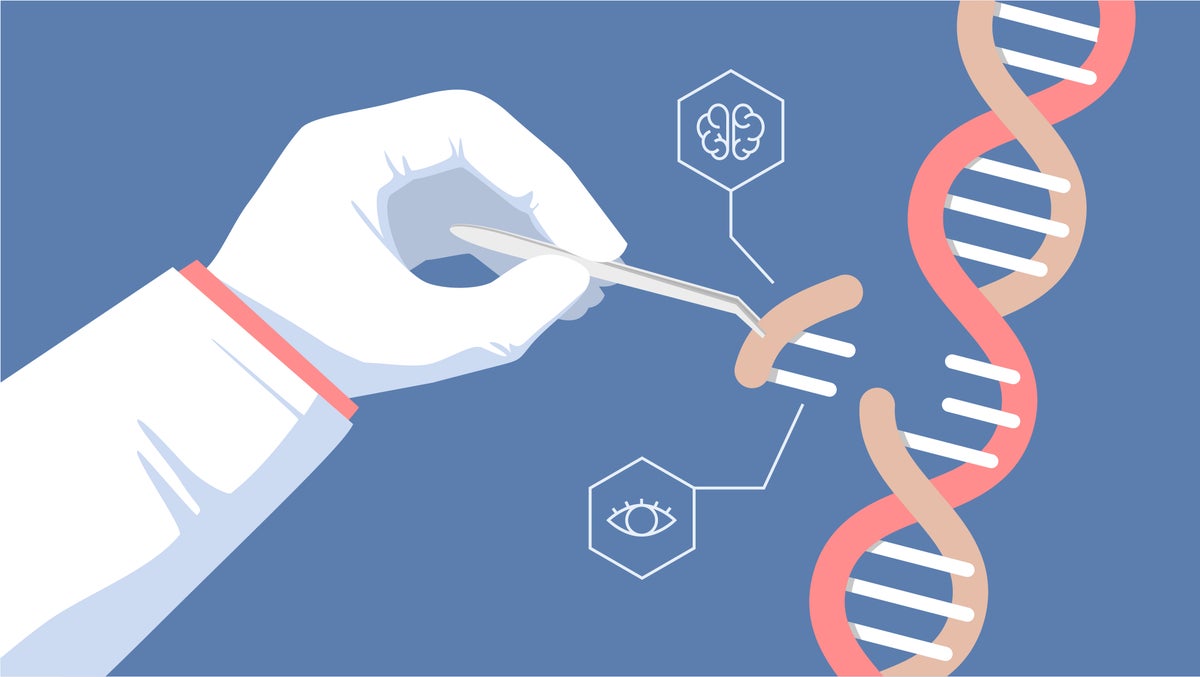
 Yale researchers have developed a new CRISPR tool that makes gene editing more smooth, accurate, and efficient. This development enhances the capability of CRISPR, a technique recognized for its ability to modify DNA with extraordinary precision. The new method decreases gene editing mistakes, increasing the reliability of genetic alterations, which is critical for both research and medicinal applications. Improving the accuracy of gene editing has the potential to open up new pathways for therapeutic development and personalized treatment.

The Dark Side of CRISPR | Scientific American

    One of the most intriguing uses for this new technology is illness modeling. The upgraded CRISPR technology enables scientists to generate more precise genetic models of illnesses, hence boosting genetic research and therapy development. This might lead to a better understanding and potential solutions for genetic abnormalities, since researchers can more accurately duplicate human diseases in the lab. The new CRISPR technology represents a tremendous advancement, paving the path for more tailored medicines and transforming our approach to genetic research and therapy.

Friday, November 24, 2023

Decoding The Complexity of Alheizmer’s Disease

                                     Decoding The Complexity of Alheizmer’s Disease


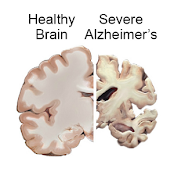
Alheizmer’s disease has been one that has torn people and families apart because of its horrible side effects. Many people who are diagnosed with Alheizmer’s struggle to live a normal life and most of the time need someone to aid them all hours of the day. This disease affects over six million people in the U.S. and there is very little treatment for slowing down the disease.

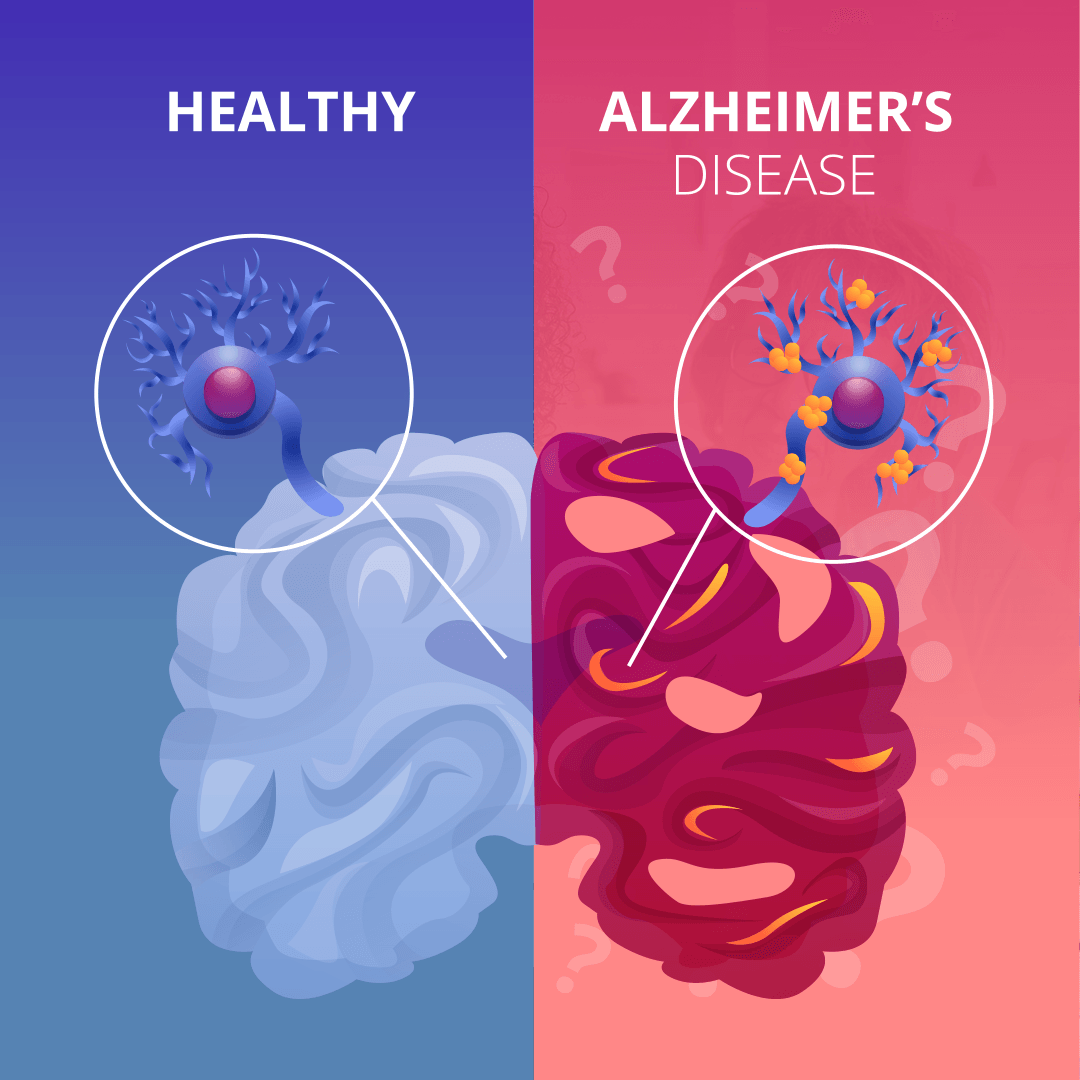
Scientists are attempting to find new targets for Alheizmer’s and different ways to effectively treat it. They have started working with different analyses on genomic, epigenomic, and transcriptomic changes that occur in the cell type in the brains of the patients with Alheizmer’s. The researchers examined how gene expression is altered as Alzheimer's disease advances using over 2 million cells from over 400 postmortem brain tissues. Additionally, they monitored alterations in the epigenetic modifications of cells, which aid in identifying the genes that are active or inactive in a certain cell. When combined, these methods provide the most comprehensive understanding of the genetic and molecular causes of Alzheimer's disease to date. 

In my opinion, this is a great study that is being conducted. There are many people who struggle with this disease every year for there to not be a stronger way to treat the disease. Through genetics it can provide a major breakthrough and help even possibly reverse the disease slightly. It is evident that the treatments we have today are not cutting it and it is not doing a strong enough job to help patients recover. This study is a very promising one as it contributes to fighting a disease that is devastating around the entire country.

Links:

Monday, December 13, 2021

Studies Suggest the Common Cold Can Help With Bladder Cancer Treatment


Using viruses to treat cancers has been successful including the use of a modified form of herpes to treat melanoma.  As a virus enters the immune system, it replicates itself in a cancer cell which causes the body to react as if it is a common cold and attack it.  

Current treatment for bladder cancer, the seventh most common form, has been unsuccessful.

A strain of the common cold, CVA21, was used in a study of 15 patients in the UK.  They were each given one dose of the strain a week prior to their surgeries for the removal of their tumors.  

Urine samples showed CVA21 was able to kill many cancerous cells and did not attack the healthy cells in the body.  This response lead researchers to believe that the virus inflamed the tumor, which in turn jumpstarted the immune systems response.  

While this only occurred in a small sample size, this can be used in the future for bladder cancer treatments in hope to be successful in destroying cancer cells in patients.  

Sunday, November 21, 2021

Reversing Polycystic Kidney Disease

ADPKD stands for Autosomal Dominant Polycystic Kidney Disease. This disease is autosomal dominant which means only one allele is needed for the person to be affected. ADPKD causes kidneys to have fluid-filled cysts that result in inflammation and scarring of the kidney tissue. This impairs the function of the kidneys, and the two genes responsible for this disease are the mutant genes PKD1 and PKD2. The function of the proteins that come from these genes is unknown. Researchers believe the function of these enzymes is to transmit chemical signals from outside the cell to the nucleus of the cell.  

Stefan Somlo MD. and his research team did some experiments on mice models. They inactivated the PKD2 gene and then reactivated it in the mice. They found that the mice developed cysts at first and when they did "gene therapy", the cysts of the kidneys shrunk and the tubules gained their natural form. This demonstrated the plasticity of the kidney and they repeated this experiment for the PKD1 gene. The researchers concluded that the re-expression of this gene showed potential regenerative abilities. They are evaluating which molecular pathways are activated when the disease is reversed to determine the best possible treatment for ADPKD. 

Saturday, August 7, 2021

How to Control Epilepsy

HOW TO CONTROL EPILEPSY


    Epilepsy is a medical condition where it affects the brain resulting in an individual having seizures. This is a long term condition to have to live with, there is not just one type of seizures; there are different types of seizures most of the time it is associated with epilepsy. For example, a person can be can be shaking and fall down, or some appears as "staring spells". 

    Some way people have manage their epilepsy are through medications, fixing their daily activities such as having a healthy diet, receiving regular amount of sleep, and lowering stress. A major necessity is to have a healthy support from family and friends. It is very important to find a specialist for this condition to continue with treatment. 


1. Epilepsy Fast Facts | CDC

2. Four Ways to Get Better Seizure Control | Features | Epilepsy | CDC


Tuesday, August 3, 2021

HIV: Defeated Naturally By A Human's Immune System

 This HIV/AIDS Specialist Explains Its Similarities — And Differences — To  COVID-19

In this article, it discusses multiple cases of people who naturally cured their own HIV. In the past, there has been two cases where people have been cured of HIV when receiving a bone marrow transplant, but now we have seen someone cure it with their own immune system. A patient who had the virus, eventually showed no functional HIV copies in any of their cells, even though they still had some nonfunctional copies of the virus, it suggests that some people's immune systems can eliminate the virus on its own like usual. Another patient, only had one functional copy out of 1 billion blood cells, and it was stuck in a genetic prison, which can hold the key to controlling the virus because they did not need antiretroviral drugs. In understanding the extensive nature of this, the first patient had undetectable levels of the virus without drugs for 24 years.

Studying their immune systems on how it fights the virus, could change all treatments of HIV as we know it and could lead us to cure, but it is still a huge question right now.

Links:

https://www.sciencenews.org/article/hiv-immune-system-elite-controllers

https://www.cdc.gov/hiv/basics/whatishiv.html


Thursday, July 22, 2021

Geneticists Discover How Mutation Can Lead to a Childhood Cancer, and a Drug to Reverse Its Effects


    Geneticists at a research institution in Dublin, Ireland have discovered how a gene mutation known as H3K27M causes diffuse midline glioma (DMG), which is an incurable, devastating form of childhood cancer. In these lab studies with model cell types, however, these geneticists also discovered a targeted drug that successfully reverses the effects of the mutation and slowly slows the growth of cancer cells. This landmark discovery gives a new understanding to the genetics of DMG, giving it a more therapeutic approach with hopes of better treatment in the near future. Adrian Bracken, a Professor at Trinity College School of Genetics and Microbiology, led this research, stating that the team has “taken a huge step forward in [their] study of DMG tumors and hope that the insights will help design and implement precision oncology-based treatment approaches in DMG patients in the future”. EZH2 inhibitor drugs have already received FDA approval for treatment of two types of adult cancer, so Bracken and his team propose that these drugs could be useful for kids with DMG as well. Overall, the findings of this monumental study were how the mutation H3K27M causes DMG, how to target this cancer-causing gene with a drug that slows the growth of cancer cells, and a model cell line for future targeted DMG approaches.


Link to Article: https://scitechdaily.com/geneticists-reveal-how-mutation-causes-a-devastating-childhood-cancer-use-drug-to-reverse-its-effects/

Link to Study: https://www.nature.com/articles/s41588-021-00897-w

Thursday, April 29, 2021

People with rare blood clots after a COVID-19 jab share an uncommon immune response

 blood clot

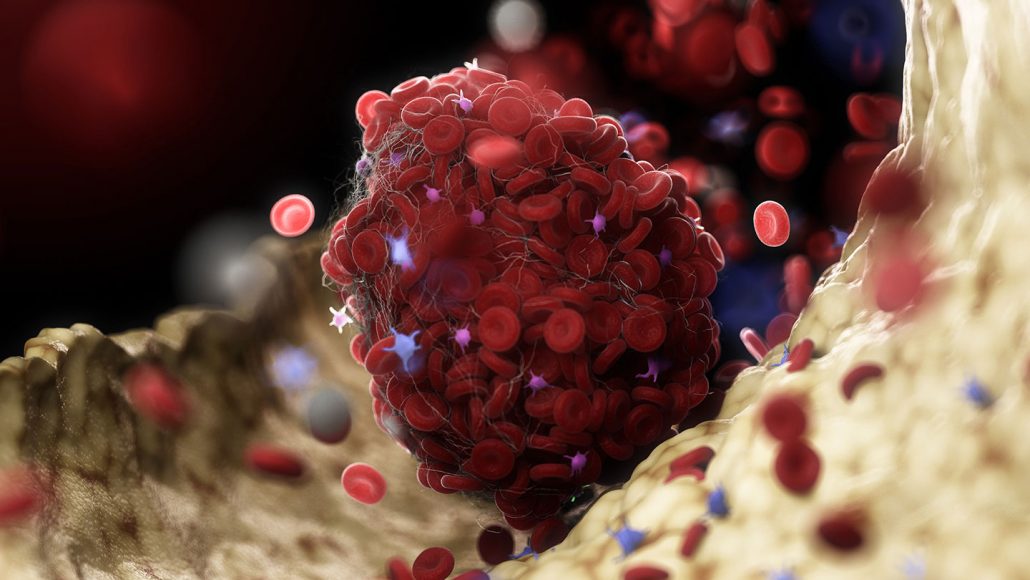
People who got vaccinated by AstraZeneca’s or Johnson & Johnson’s Covid-19 shots make antibodies that spark clots. The figure above is about antibodies that bind to proteins called platelet factor 4 may be behind rare, but dangerous blood clots. On the positive side, there is a test doctors can use to identify it and get patients the right care. Of the millions vaccinated with the  AstraZeneca’s or Johnson & Johnson’s Covid-19 vaccines a small number of people have developed severe blood clots, such as ones in the sinuses that drain blood from the brain and a few have died. Studies suggest that some inoculated people develop an immune response that attacks a protein called platelet factor 4 or PF4, which makes platelets form clots. Those platelets get used up before the body can make more. So these patients wind up with both the rare clots and low levels of blood platelets. Currently, health care workers can test for antibodies that recognize PF4. And if a patient tests positive, there are many other anticoagulants other than heparin that clinicians can use for treatment. I found this article interesting because of the different reactions that people having to specific vaccines.

Links:

1.https://www.sciencenews.org/article/covid-vaccine-blood-clot-immune-astrazeneca-johnson-johnson

2.https://www.nejm.org/doi/full/10.1056/NEJMoa2105385

Sunday, April 25, 2021

SIckle Cell Treatment Is Not Cancer Relted

 Sickle Cell Treatment Shows It Is Not Linked To Cancer

A scanning electron micrograph of sickle red blood cells (oblong, tapered cells in dark red) among healthy red blood cells. 

  An article named "Sickle Cell Treatment Not Linked to Cancer, Researchers Say" talks about how just after a few weeks of working on gene therapy researchers have already proven that it is not linked to cancer. Throughout this article in The New York Times, they also describe the treatment and study methods that they used.

    There was also a separate sickle cell trial held at Bostons Children's Hospital but it was soon shut down when Bluebird Bio stated that two cancers were found but they were being funded/ getting the study paid for by the National Institute of Health. The researchers in this study were asking the National Institute of Health to resume their work but they were not allowed to.

Article: Sickle Cell Treatment Not Linked to Cancer, Researchers Say - The New York Times (nytimes.com)

About Sickle Cell Treatment: ADAKVEO® (crizanlizumab-tmca) | Health Care Providers (novartis.com)


Tuesday, April 13, 2021

Potential Drugs for Early COVID-19 Treatment Identified


    A recent study involving genetics suggest that drugs that target two proteins, IFNAR2 and ACE2, should be identified through clinical trials. "IFNAR2 is the target for approved drugs often used by patients with relapsing forms of the central nervous system disorder multiple sclerosis" (Veterans Affair Research Communications). The ACE2 therapy was developed before the pandemic to reduce inflammatory response in the patients with severe respiratory disorder.

    Dr. Juan Casas led this study. He stated that the main problem they tried to overcome was this: how can we identify if any existing drugs can be repurposed for managing COVID-19 in its earlier stages. They eventually leaned towards human genetics to identify these drugs. They went about this route because the majority of drugs already target a human protein encoded by a gene. It's possible to use genetic variants within those specific genes to determine its respective protein. They based their studies off of already conducted, large-scale human studies.


https://www.sciencedaily.com/releases/2021/04/210409124757.htm

https://www.npr.org/sections/health-shots/2021/04/07/984871031/drugs-targeting-immune-response-to-covid-19-show-promise

Friday, November 6, 2020

New Treatments for Autism


    Scientists have found how to manipulate chemicals in the brain to possibly help create treatments for those with autism using mice. Autism causes difficulty making close bonds with friends and family. Friends and family both release separate chemicals in the brain and for someone with autism one of these receptors is disrupted causing an inability to feel this connection. They were able to manipulate the mice so that they valued interactions with a surrogate mother but did not value connections with other mice. According to Healthline.com, Autism occurs in 1 in every 59 births with a 4:1 male to female ratio. I think that this kind of research is great. Some families find it difficult to cope or help their children with autism. Finding treatments like this is a great step for those who deal with mental illness every day.

https://www.sciencedaily.com/releases/2020/10/201029105022.htm

https://www.healthline.com/health/autism


Friday, September 25, 2020

New Genetic Cause of Epilepsy Found


    Researchers have discovered two new gene mutations that cause epilepsy, more specifically the Familial adult myoclonic epilepsy (FAME). The two gene mutations are STARD7 and MARCH6 and they form the FAME2 and FAME3. These mutations form from repeat mutation which are mutations that are involved with neurological diseases. This explains why it is found in epilepsy. This new discovery proves to be extremely beneficial to families who have been affected with this disease because it allows a new treatment plan that could work out better for the patient themselves. With this knowledge testing is available to see the change thats able to be done for the patient which would include a more controlled form of the disease itself. Due to this form of mutation it can be very hard to find the mutation in the DNA sequence so special tools are used such as the expanded short tandem repeat algorithm. This tool can scan an entire genome to find the mutation and other tools aren't able to pick up repeat expansions. This discovery has relieved many families and patients that have had to deal with a disease that no one knew it was caused by. With this information we can begin to work on the important parts of the disease and maybe even find a cure.

https://medicalxpress.com/news/2019-12-genetic-epilepsy.html

https://www.aesnet.org/sites/default/files/file_attach/12.7%20-%20New%20Insight%20Into%20the%20Genetic%20Causes%20of%20Epilepsy_0.pdf


Monday, November 11, 2019

Possible Improvements to CAR-T Treatment

CAR-T is a developing treatment option for leukemia and lymphoma patients which utilizes a patients immune system to fight off cancer cells. It works drawing blood and extracting T-cells from a patient. The T-cells are then genetically modified to produce chimeric antigen receptors, or CARs, which will allow them to identify and attack the cancerous cells. Once T-cells are injected back into the body, they begin to multiply. The multiplication causes a violent reaction, but doctors have learned to control the shock. This technique creates a "living drug" which will live and continue to generate in patient's body.
Image result for CAR-T
This treatment has recently been approved by the FDA and has been showing promising results. There are a few problems, however. Firstly, the price is astronomical. Second, there is a high frequency of relapse in patients.

Scientists are attempting to solve both of these issues. To combat the massive price tag, a generic version of CAR-T cells are being tested. The generic cell can be mass produced, stored, and are not made from the cells of a patient. Removing the process of the unique CAR-T cells should drastically cut the price. To help fight the high relapse rate, scientists are experimenting with adding a second identifying CAR group to the T-cells. The second group will hopefully help the cells identify the cancer cells should the cancer reappear.

I am very eager to see if these techniques of modifying T-cells to fight disease can be applied to other diseases. I think it would be possible to create identification sites for, at least, bacterial infections. I think the main thing holding it back is cost and practicality. It is way easier and cheaper to give antibiotics than it is to create T-cells for less severe conditions.

Links:
https://www.genengnews.com/insights/crafting-a-more-efficient-car-t-cell-industry/
https://www.npr.org/sections/health-shots/2018/08/16/636749192/scientists-race-to-improve-living-drugs-to-fight-cancer#

Friday, November 8, 2019

Using CRISPR to Fight Cancer

CAR-T therapy is a new form of cancer treatment that has been developed over the last few years. It works by modifying the T-cells of a patient to attack the cancerous cells in their body. While results have been promising in some leukemia and lymphoma patients, scientists hope to increase the effectiveness of the treatment. In order to do so, an additional three genes have been removed from the T-cells using CRISPR. Without these genes, the T-cells are able to attack the cancer cells more aggressively.

These initial trials were not testing effectiveness, but safety. The patients who received these modified T-cells showed no significant adverse signs after six months.

I think these results are exciting advancements for cancer treatments. We've known for a long time that each case of cancer is highly specific and it is impossible to create a single treatment that would cure the disease. CRISPR is allowing us to create specific solutions to these specific cases.

Links:
Article
CAR-T Information

Friday, July 12, 2019

Cancer Specific Antigens Encoded in "Junk" DNA

Although we have made great strides in cancer treatment with things like chemotherapy and radiation, both of these therapies harm the healthy cells in the patients body while trying to eliminate the cancer causing cells. These treatments causes things like hair loss, weight loss, appetite loss, edema, fatigue, and many more negative side effects to the patient. In trying to find a safe and effective cancer treatment, scientist have sought to identify the antigens that are present on the surface of the cancer cells but not on healthy cells. This will allow them to pinpoint the mutant cancer cells, but unfortunately the hunt for these Tumor-Specific Antigens (TSA's) has largely been focused on predicting the mutated peptides from the cancer genome in individual patients, making them different for each cancer patient.

In trying to solve this problem, Claude Perreault expanded her solution to more than one patient at a time. She decided to use mass spectrometry to identify the peptides on the surface of different types of cancer cells in mice and humans. Her research discovered 40 TSAs. Of the 23 TSAs from humans, "most were not mutated and instead were generated from sequences whose expression is normally suppressed epigenetically, and many were shared among patients and tumor types", says Perreault.

The next step was to find where these peptides came from, so Perreault and her researchers searched every segment of mouse and human DNA. They discovered that over 90% of the TSAs came from "junk DNA," regions in the DNA that were previously thought to be noncoding. To see if the TSAs discovered would jump start the mice immune system, they injected them into the mouse. From this they found that some of the TSAs showed a weak immune response, but others showed an impressive immune response with one giving a 100% survival rate in mice.

I believe that researching TSAs to a greater depth could be a huge breakthrough in treating cancers. TSAs have the potential to eliminate some of the horrible side effects of chemotherapy and radiation and only get rid of the cells that are harming the patient. Although we have yet to prove that TSAs are a better alternative to other already established cancer treatments, with more studies I believe that tumor-specific antigens could be the future of curing cancers.


Monday, October 1, 2018

Breakthrough Leukemia Treatment Backfires in a Rare Case

         In recent years, doctors and researchers at the University of Pennsylvania had come up with a very affective leukemia treatment called Kymriah or CAR-T therapy. Kymriah works by removing a patient's white blood cells and finding their T-cells. The lab then introduces a virus to the T-cell that will carry new genetic material to them, making them form the ability to recognize and kill cancer cells as they come across them.
          For the fact that this is still a relatively new treatment for cancer patients, it is still considered experimental. The young man in this case had an extremely persistent and strong form of leukemia, and unfortunately was killed because of a rare occurrence inside the treatment of his cancer. Normally, the doctors will inject the white blood cells and new T-cells back into the body. Some leukemia cells would come out with the white blood cells, but ultimately be killed due to the new genetics of the T-cells, or so it was thought.

         In this rare case, one of the leukemia cells which was picked up during the initial process of collecting the cells, was genetically modified by the virus that was supposed to be only affecting the T-cell. In a result of this, the leukemia cell which was produced was immune to the treatment by the T-cells, resulting in the old leukemia being killed off, and the new leukemia reproducing soon after that.
          Now that scientists and researchers know that this is a possible outcome for this new treatment, they are working on making sure that all of the leukemia cells which are collected with the white blood cells at the beginning of patient treatment are gone before undergoing viral exposure. Although very sad, I believe this extremely rare death to be beneficial to the science community in that we will be able to learn from the mistake of what could possibly happen and be able to create a new drug or treatment in which will better serve these sick individuals.

Related Article
Original Article

Wednesday, May 2, 2018

Genetics based medicine making treatments more expensive. Who will Pay?

With the growth of genetics based medicine used to treat different diseases, hospitals and health insurers are trying to figure out how to cover the costs.

These gene-based treatments alter or deliver new genes to patients but come with high prices. Two new cell therapy treatments, Novartis AG and Gilead Sciences Inc priced their cell therapy at $475,000 and $373,000 respectively. While the prices of these therapies is are already expensive, administering them can add hundreds of thousands of dollars including the cost of staying in the hospitals and other services.

Currently hospitals are not making money as payment systems aren't set up to cover treatments combining both infusion of drugs and episodes of hospital care. Because payment systems have not been set up for these new treatments, few patients have been able to receive them.


Article: The Million-Dollar Cancer Treatment: Who Will Pay?
Related: Novartis Sets a Price of $475,000 for CAR T-Cell Therapy

Sunday, November 26, 2017

Gene Therapy for Bubble Babies

David Vetter, the baby in the photograph above, has Severe Combine Immunodeficiency disease. This disease became well-known in the 70s and 80s because of this young boy. He lived in this germ-free bubble for 12 years thus giving the disease the name "bubble baby" syndrome. Recently, within the past week, The National Institute of Health and Care Excellence published an article stating that they can possibly cure this rare disease using gene therapy. However, the cost of the treatment would be 500,000 euros which is approximately 600,000 US dollars. This gene therapy is very specialized and is only offered in one hospital in Italy. This is an alternative for those who do not have stem cell donors.

I believe that due to the cost of this therapy, the public would not make much use of this innovative technology. Hopefully in the future the cost of this therapy will decrease so that more people can take advantage of this option for treatment of rare diseases.


Cites:
https://www.theguardian.com/society/2017/oct/23/gene-therapy-for-bubble-baby-syndrome-approved-on-nhs-strimvelis

http://www.scid.net/

Monday, April 17, 2017

Research May Point to Treatment for Cold Sores

Image result for cold sores

Studies has shown that 9 out 10 people get cold sores due to a mutating gene. Researchers from the University of Edinburgh in Scotland have tested different genes to identity the proteins that help prevent this virus. When comparing them to the blood sample of 20 people with cold sores they saw one gene that was constantly mutating. This gene was called IL28B, which doesn't make the necessary proteins in order to fight off the cold sore. This study provide further researcher in identifying treatment for cold sores and other infections such as herpes.

New York Times Here
Read More Here