Showing posts with label genetic. Show all posts

Sunday, November 23, 2025

The Mutation that threatens to rewrite her life, Blog#4


The Mutation that threatens to rewrite her life

Evgeniya Staleva

BIOL- 2100-001- Genetics

Professor Guy F. Barbato

November 23, 2025


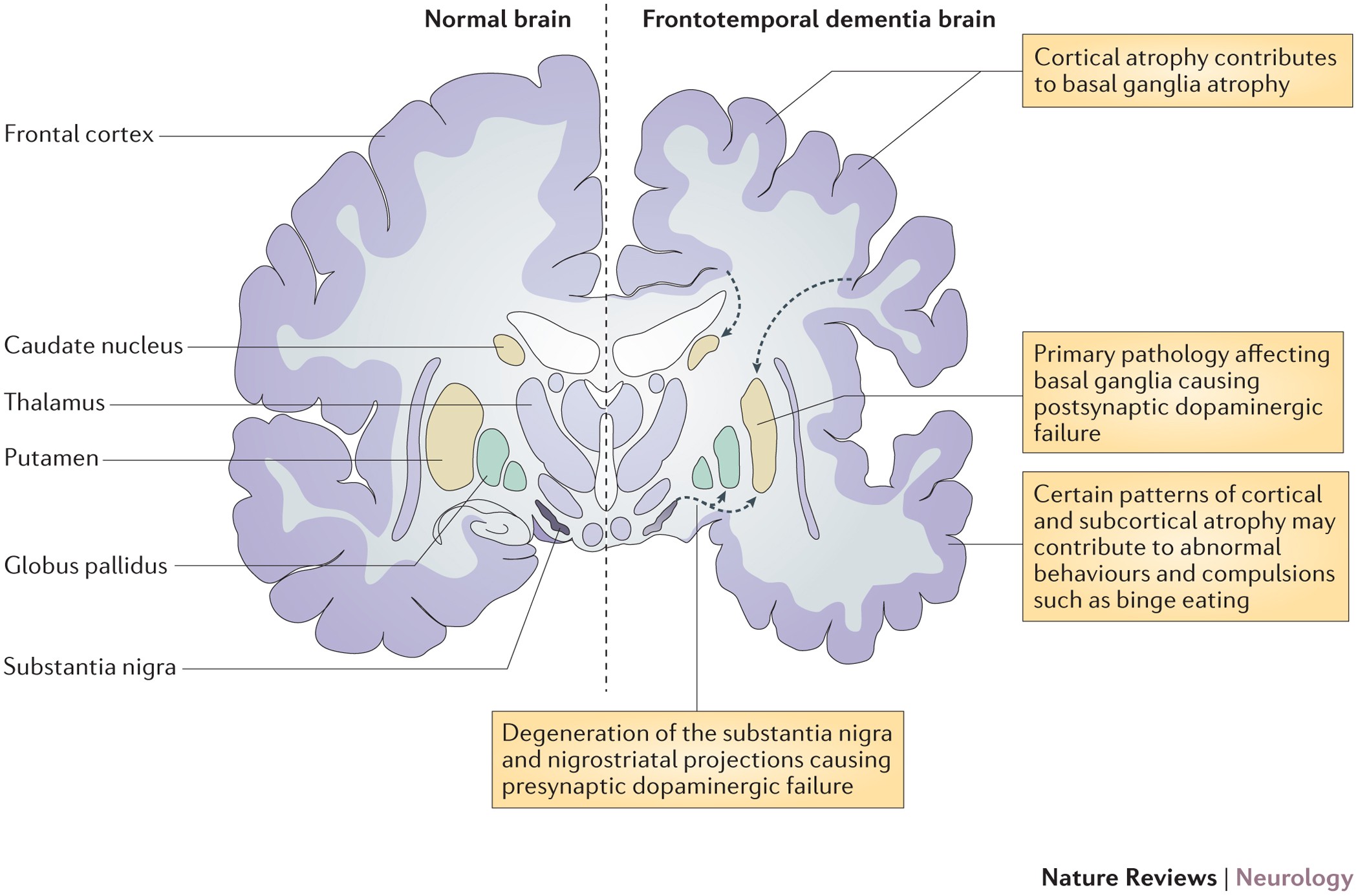
Linde Jacobs is a woman with a rare MAPT gene mutation.  It is a defect leading to frontotemporal dementia (FTD). The narrator displays artistic appeal and scientific understanding. Linde realizes, after watching her mother suffer with mental decline - personality change, impulsivity, and later, misdiagnosis - she will have the same fate, and so will her daughters. The write-up talks about how Linde’s family has had generations of FTD (Mandavilli, 2024). Further, it also mentions her mother’s misdiagnosis by the healthcare system.  Linde channels her sad feelings into action despite being very frightened. She reaches out to senior neurologists, enrolls in research studies, and takes part in MAPT-mutation families. She contributes skin cells for stem cell modeling, shares her family’s journey at scientific meetings, and launches a nonprofit to enhance treatment possibilities. Even though a cure is not yet available, several experts interviewed by New Scientist have cautiously optimistic expectations. They believe that rigorous testing of MAPT-targeted therapies may occur within the next few years.

The article is sad and inspiring. If the disease is severe, genetic, and currently incurable, then one obtains a strong emotional response to information related to genetics. The most striking thing to me is that Linde is determined and able to establish the definition of scientific evolution not only to herself but also to her daughters and many of her family. She explains how personal narratives can be used to attract researchers and hasten innovation. There is also the report that illuminates the truth on misdiagnosis and the role of doctors to be conversant with uncommon dementias, and the role of patient-powered science. Linde shows how the action of one individual can be significant at the end of the day.

Sources

https://www.ncbi.nlm.nih.gov/books/NBK1505/

https://www.nytimes.com/2024/12/22/health/frontotemporal-dementia-genetic-mutation-linde-jacobs.html


Friday, November 21, 2025

The Silent Genocide: Ethics Of CRISPR and Gene Editing.


    The idea of “designer babies” honestly feels like something out of a movie, but after learning more about CRISPR, it’s clear that this could become normal in the future. I read a study where researchers edited the CCR5 gene in human embryos to try to make them resistant to HIV (Ma et al., 2017). That completely surprised me. They were not just testing cells in a dish. They actually showed that human embryos can be edited in a way that changes how they develop. It is great to think about preventing genetic diseases, especially the ones that are painful or deadly. But once we start editing embryos, it becomes hard to know where the limits should be. If we can remove a disease, what is stopping people from wanting to change things like height or intelligence someday?

CRISPR: A Shiny New Pair of Genetic Scissors – The Meliorist Publishing  Society

    CRISPR is powerful, but it definitely is not perfect. Another study pointed out that the editing process can cause mistakes. These are called off-target effects, and they can lead to new problems that scientists do not fully understand yet (Berg, Cwik, & Bordoni, 2025). That part made the whole thing feel more real to me. It also reminded me of the situation in 2018 when a scientist in China edited twin embryos. Those children are growing up with edits in their DNA that no one can predict long term. So even though gene editing could help many people, it also comes with huge responsibilities. Just because a technology is available does not mean we are ready for the risks. I think using CRISPR to stop serious diseases makes sense, but choosing traits or changing things just because someone wants a certain type of child feels like crossing a line. Genetics affects future generations, so we have to be careful with how far we take it. If we let this get out of hand, it wouldn't be ridiculous to see the appearance of “less desirable” traits be reduced drastically. That begs the question, who gets to decide which traits are more or less desirable and when does this just become eugenics with extra steps.


References

Berg, A., Cwik, B., & Bordoni, L. (2025). The ethics of human embryo editing via CRISPR-Cas9: A systematic review. Journal of Medicine and Philosophy, 50(1), 1–29. https://doi.org/10.1007/s10730-024-09538-1

Ma, H., Marti-Gutierrez, N., Park, S.-W., Wu, J., Lee, Y., Suzuki, K., ... & Mitalipov, S. (2017). Correction of a pathogenic gene mutation in human embryosNature, 548, 413–419. https://doi.org/10.1038/nature23305

Monday, April 21, 2025

NOVA1: The Gene That Found Its Voice

    How humans developed the ability to speak has been a mystery to scientists for a very long time, especially because it doesn't leave behind physical evidence like fossils. A new study found a gene called NOVA1 changed a significant amount in humans somewhere around 250,000 and 500,000 years ago. NOVA1 might have played a role in helping early humans speak in more advanced ways. In a study, scientists inserted the human version of NOVA1 gene into mice, which resulted in the mice making more complex sounds, especially during mating calls. Dr. Darnell discovered that the human version of NOVA1 influenced the production of over 200 proteins in mouse brains, many of which are linked to how animals produce sounds. This points to NOVA1 potentially affecting the brain's control over speech-related behaviors. Dr. Jarvis and Dr. Darnell explain that NOVA1 is most likely just one of many genes involved in language development. The evolution of the gene became common in humans after we split from Neanderthals and Denisovans. Their research, along with studies on the FOXP2 gene, gives us new clues about how language might have evolved. 


    I chose this article because language is such a fundamental part of what makes us human, yet I never really thought about how it might have developed through genetics and evolved over time. It's fascinating how much the NOVA1 gene may have contributed to our ability to produce more complex sounds. I thought the study done using mice was especially interesting and informative because it demonstrated the impact the human version of NOVA1 has on brain function and sound production. When I found out that the mating calls became more complex with the introduction of the gene, I was honestly speechless. The study was a creative and effective way to connect genetics to speech-related behaviors, and it not only helped scientists better understand how language evolved but also made the topic more engaging and meaningful for me as a student.  

Wednesday, April 17, 2024

Future of Preventable Lyme Disease

 Lyme disease is a bacterial infection that is transmitted by Ticks. This disease affects half a million people in the United States per year. Although antibiotics are needed to treat the disease, many people still feel the effects after months to even years. Some researchers at MIT have found a protein in sweat that protects against Lyme disease. About 1/3 of the population in the United States have this protein in their genes. It is in the hopes of the researchers that they will be able to use the protein in order to make preventable creams or treatments for those with Lyme disease.  The researchers who found this protein in the genes of people with and without Lyme disease primarily found secretoglobin, SCGB1D2 are a family of proteins found in tissues of organs and play a role in immune responses. The researchers are using the SCGB1D2 in order to test against the disease in mice. 

Personally, I know a lot of people with Lyme disease and some of those people still have affects from the disease after taking the antibiotics. This is a groundbreaking discovery because it has the potential to help many people feel better and increase their health. 


Article Link: https://news.mit.edu/2024/protein-found-human-sweat-may-protect-against-lyme-disease-0319

Additional Link: https://www.cdc.gov/lyme/index.html#:~:text=Lyme%20disease%20is%20the%20most,bite%20of%20infected%20blacklegged%20ticks.

Friday, March 15, 2024

Is A.I. Our Future?

Scientists have started to work on making programs that can make sense of data from cells atlases which are like catalogs of data from different cells. An A.I. program called GeneFormer, which was made by a computational biologist was fed data of 30 million cells. The scientist tested heart cells from individuals with abnormal heartbeat rhythms and GeneFormer was able to recommend the reduction of activity in 4 genes that previously have not been related to heart disease. When the genes activity were reduced 2/4 of the cases had improvements in the cell activity. This caught the attention of Stanford who then built CellXGene which is one of the biggest databases of cells of 33 million. This program made a Universal Cell Embedding which grouped cells into clusters of how genes were used. Other scientists believe this can create the correct representation of a cell and even predict what a cell would do in any situation. In order to keep this from turning into a risk there was a signed call for technology to be regulated so no biological weapons could be made.

In my opinion I think this is how we can advance our understanding of life. I think A.I. could be extremely helpful or the worst thing that will happen. However, if we keep it regulated to do no harm I believe this could help us battle many types of diseases and issues of the human body as well as other species. 


Link: https://www.nytimes.com/2024/03/10/science/ai-learning-biology.html?searchResultPosition=8

Additional Link: https://www.technologyreview.com/2023/09/19/1079261/czi-ai-cell-disease/

Monday, December 11, 2023

Genetic Modification of Crops

In our world today, food security is a major point of concern. There are several parts of the world that lack adequate supply of food to meet the population of people living in that area. Consequently, the need for genetically modified crops which will help increase food production and provide adequate food for different populations in different places.

According to the Royal Society, "Genetic modification of plants involves adding a specific stretch of DNA into the plant's genome, giving it new or different characteristics. This could include changing the way the plant grows, or making it resistant to a particular disease. The new DNA becomes part of the GM plant's genome which the seeds produced by these plants will contain."

Some crops that have been genetically modified are corn, soybeans, tomatoes, potatoes, summer squash, apples and so on. The benefits of these modifications are not farfetched as they range from increased crop yield to tastier food, more nutritious food, disease and drought-resistant crops, and faster supply of the crops among others.


Nonetheless, geneticists believe that there are still some disadvantages of these crops which could be increased antibiotic resistance which may be toxic for organisms, and the fact that some of these foods could cause allergic reactions due to the heavy use of chemicals on them.


The reality however is that genetically modified crops have come to stay in our world and the only thing that can be done is to find way to continuously make them better and suitable for human consumption.

Sources

https://royalsociety.org/topics-policy/projects/gm-plants/what-is-gm-and-how-is-it-done/

https://medlineplus.gov/ency/article/002432.htm

https://www.businessinsider.com/why-gene-edited-crops-are-the-future-of-food-modification-2016-6


Friday, November 24, 2023

Decoding The Complexity of Alheizmer’s Disease

                                     Decoding The Complexity of Alheizmer’s Disease


Alheizmer’s disease has been one that has torn people and families apart because of its horrible side effects. Many people who are diagnosed with Alheizmer’s struggle to live a normal life and most of the time need someone to aid them all hours of the day. This disease affects over six million people in the U.S. and there is very little treatment for slowing down the disease.

Scientists are attempting to find new targets for Alheizmer’s and different ways to effectively treat it. They have started working with different analyses on genomic, epigenomic, and transcriptomic changes that occur in the cell type in the brains of the patients with Alheizmer’s. The researchers examined how gene expression is altered as Alzheimer's disease advances using over 2 million cells from over 400 postmortem brain tissues. Additionally, they monitored alterations in the epigenetic modifications of cells, which aid in identifying the genes that are active or inactive in a certain cell. When combined, these methods provide the most comprehensive understanding of the genetic and molecular causes of Alzheimer's disease to date. 

In my opinion, this is a great study that is being conducted. There are many people who struggle with this disease every year for there to not be a stronger way to treat the disease. Through genetics it can provide a major breakthrough and help even possibly reverse the disease slightly. It is evident that the treatments we have today are not cutting it and it is not doing a strong enough job to help patients recover. This study is a very promising one as it contributes to fighting a disease that is devastating around the entire country.

Links:

Monday, November 15, 2021

The 15 Genes that Can Cause Bipolar Disorder

 Bipolar disorder (BP) is a mental health disorder that impacts one’s mood, energy, and every day functions. There are three main types of bipolar disorder which are Bipolar I, Bipolar II, and Cyclothymia. All of these types include mood shift, high/low energy levels, irritability, and  manic episodes. This disorder can be heritable and be passed down from generation to generation. There are different genes that make up BP. 

In the article “Genome-wide association study of more than 40,0000 bipolar disorder cases provide new insight not the underlying  biology,” a study was conducted to determine which genes are found in people living with bipolar disorder. After studying over 40,000 people with (BP) they were able to identify that there are 64 genomic loci connected to the disorder.  From the loci, 15 specific genders were determined including HTR6, MCHR1,DCLK3, and FURIN. The research team was also able to specifically identify the certain genes of each type of BP with some being the same and others being different. Being able to identify the genes that can cause BP can further help understand the genetic component associate with it as well s ways to help people dealing with the disorder.    

https://www.nature.com/articles/s41588-021-00857-4 

https://www.nimh.nih.gov/health/topics/bipolar-disorder

Saturday, August 7, 2021

Risks of Familial Amyotrophic Lateral Sclerosis (FALS)

    Amyotrophic Lateral Sclerosis is a neurodegenerative disease that affects nearly 5,000 people a year. Upon diagnosis, the body's nerve cells located in the spinal cord will begin to die causing loss of muscle mass, strength, and inability to control movement.  While over 90 to 95 percent of ALS cases are labeled as sporadic cases, meaning there is no proof of family inheritance, the other 5 to 10 percent of cases show family history of ALS. According to medline, there is proof that the ALS mutation has been passed on as a autosomal-dominant allele, homozygous recessive allele, and even as an X-linked dominant pattern. FALS begins to show symptoms in a person's late forties, early fifties. In extremely rare cases, the body can begin to degenerate in its adolescent years. 

    Every case of ALS varies in its own way, there are four key genes that are found to be mutated in cases of ALS. Those four genes are as follows, C9orf72, SOD1, TARDBP, and FUS. About 60% of cases of FALS have identifiable genetic mutations, where as the other 40% have unidentifiable mutations. Initial symptoms of ALS include uncontrolled body movements, weakness, and loss of facial muscles. ALS is most commonly known as Lou Gehrig's disease, my second link is a foundation started by a fraternity brother who was diagnosed in 2011. His wife, Suzanne Alexander carries on her husband's legacy by raising money for ALS research and treatment methods. 


Link: https://medlineplus.gov/genetics/condition/amyotrophic-lateral-sclerosis/

Link: https://livelikelou.org/

Sunday, August 1, 2021

Genetic Risks of Inbreeding


    In our society today the term "inbreeding" is typically only used when it pertains to animals. For example, a dog having blue eyes is a recessive trait to the dominant brown eyes. The most efficient way to reproduce a generation of dog offspring with blue eyes is breed a male and female dog that carry the blue eyed phenotype, meaning they are homozygous recessive for it. As illustrated in the flow chart, it is possible for an offspring to inherit the homozygous recessive trait from parents who do not physically show it. These are the risks that are posed when inbreeding occurs amongst humans. Hypothetically, imagine the recessive trait in this instance was a chronic auto-immune disease, skeletal abnormality, or chronic genetic disorder. According to a study done in 2011, inbreeding practically doubles a person's susceptibility to inheriting a genetic disorder. If a person were to mate with someone outside of their family gene pool, if they do not carry the recessive trait for the unfavorable disease the offspring can resist being born with that phenotype. 


    There are many undesirable traits that put an offspring at risk when inbreeding. The offspring is susceptible to reduced fertility, birth rate, and immune function. They also have increased risk of cardiovascular disease, facial asymmetry, and risk of genetic disorders. The rates of child mortality is higher, and the growth of the human body as an adult is smaller. The most common genetic disorders that inbreed offspring face are schizophrenia, limb malformation, blindness, congenital heart disease, and neonatal diabetes. 


Link: https://www.thoughtco.com/inbreeding-definition-effects-4171861

Link: https://www.bbcearth.com/news/what-are-the-effects-of-inbreeding

Thursday, July 29, 2021

Noninvasive Prenatal Testing (NIPT)


Noninvasive Prenatal Testing is a procedure used to determine the genetic code of a fertilized baby, while it is still in the first trimester. The purpose of this procedure is intended to make sure non-desirable traits are not inherited from family tree's that have a history of these traits. The procedure is done by something as simple as a blood draw. Once the blood is drawn from the maternal parent, the blood is sent to a laboratory and examined by geneticists. The results would return in 8 to 14 days. 


Link:  1https://medlineplus.gov/genetics/understanding/testing/nipt/#:~:text=Noninvasive%20prenatal%20testing%20(NIPT)%2C,in%20a%20pregnant%20woman's%20blood.

Link: https://www.mayoclinic.org/tests-procedures/noninvasive-prenatal-testing/about/pac-20384574

Wednesday, December 9, 2020

Variants in LRRC34 reveal distinct mechanisms for predisposition to papillary thyroid carcinoma

Figure 1

This article is about thyroid cancer. Thyroid cancer is the most common malignancy of the endocrine system. This is the 12 common cancer in the Unites States and about 52,070 people were reported in the year of 2019 with illness. This article also talks about different types of thyroid cancer. For instance Non-medullary thyroid cancer (NMTC) comprises the vast majority of thyroid cancer that arises from thyroid cells of follicular. Papillary thyroid carcinoma (PTC) demonstrates high heritability and a low somatic mutation burden relative to other cancers. Therefore, the genetic risk predisposing to PTC is likely our to a combination of low penetrance variants. The study demonstrates two separate mechanisms, one in G protein signaling and the other in transcriptional control, dictating PTC risk at 3q26 using the biochemical and genetic techniques. 

https://jmg.bmj.com/content/jmedgenet/57/8/519.full.pdf

https://europepmc.org/article/med/32051256

Saturday, December 5, 2020

Intellectual Disability caused by Genetics


The article I came across talks about intellectual disabilities. This occurs when a person has diffiucalty with mental abilities, because of genetic abnormalities. These diseases can affect their intellectual functioning- such as learning, judgment, and problem-solving abilities, practical functioning- the ability to function independently, and social functioning- the ability to function normally in society. These conditions develop often due to injury, disease, or brain conditions, usually before the age of 18. Most causes of intellectual disability include genetic conditions such as down syndrome, phenylketonuria, or fragile X syndrome. Symptoms include taking longer to learn and develop intellectually than most. I think knowing how certain diseases may affect the brain is interesting to read about. I also believe it's helpful for parents to know what symptoms and signs to look out for. 

https://www.medicalnewstoday.com/articles/intellectual-disability#diagnosis

https://www.cdc.gov/ncbddd/developmentaldisabilities/facts-about-intellectual-disability.html


Sunday, November 29, 2020

Can you smell ants too?

 Scrolling on TikTok until five a.m. might not be great, but at least it can teach you some things.


Like the fact that some people can smell ants??

After a video sparked a debate on TikTok, people started wondering whether it was actually possible to smell tiny little ants. And yes, it is. According to Clint Penick, an ant researcher and assistant professor at Kennesaw State University, ants release a pungent smell when in danger or dead. One of these specific smells is formic acid sprayed by carpenter ants which are a very common house ant. It is believed by some that the ability to smell ants is genetic, leading people to conclude that as the reason some people smell this scent on ants more than others. I've never really thought of smelling an ant to pinpoint a smell's location, but next time I see one, I might have to...

So can you smell ants?

Wednesday, July 10, 2019

Can ADHD be Inherited?

Attention deficit hyperactivity disorder, commonly known as ADHD, can effect a person’s attention, behavior and learning ability. The disorder seems to impair neurotransmitters in four different regions of the brain. 

In reference to ADDitude, Inside the ADHD Mind,  researchers suspect a gene is involved in the creation of dopamine, or lack thereof, which may be traced to the effects of ADHD. Dopamine functions as a neurotransmitter in the brain that can affect a person’s mood, learning and concentration. Although experts can not be sure exactly what causes ADHD, those with a parent or sibling with the condition are at greater risk. 

Can a Brain Scan Help Diagnose ADHD? -American Health Imaging
Researchers believe a combination of genetic, environmental and social factors contribute to the latency of ADHD. To continue the research, scientists evaluated DNA in search of variations contributing to ADHD. Researchers studying ADHD believe more than on gene is associated with the disorder due to its complexity. In 2018, a global team of researchers completed a study where they discovered genetic variations that accounted for about 22% of the risk for ADHD. For further information, the study can be read at Nature’s Genetics.


According to the Journal of Clinical Child and Adolescent Psychology, a study from 2016 reports 9.4% of children between the ages of 2 and 17 years of age, received an ADHD diagnosis. That equals approximately 6.1 million children in the United States. I knew ADHD was common, but the numbers from this study were shocking to me. With a disorder being so substantially common, it’s hard to believe scientists, researchers or doctors still don’t know what causes it. Oddly enough, this article ties into our lecture today because if researchers believe more than one gene is linked to the affects of ADHD, it would make sense for genes to be linked or how crossing-over plays a role in the diagnosis of ADHD. 

Friday, April 27, 2018

Depression: Pioneering study pinpoints 44 genetic culprits


         From a new study it was found that the genetic data of thousands of participants identified 44 genetic loci linked with the risk of depression. Depression is one of the most common mental disorders in the U.S. Some risk factors of depression are the combinations of biological, environmental, and of a psychological nature. Inherited genetic variations are apart of the biological factors, however before this study researchers have had a hard time pinpointing which genetic locations in our DNA are directly linked with having a higher risk of depression. 

       The researchers managed to access and analyze seven different sets of genetic data, as well as identified 44 genetic loci that are linked with the risk of depression. Of these 44, 30 of them were not known before to be risk factors. The study resulted in them discovering that there are 153 genes linked with depression. This could lead to the improvement of  treatments for this condition.
        In my opinion these results are very important and could have large impact on future studies. Being in college there are many students that get over whelmed with school work and end up becoming depressed. It affects many people all around us. The results of this study can lead to further studies for developing better treatments that target genetic factors involved in depression. This can be the beginning of finding a way to prevent major depression. 

Link to article:
https://www.medicalnewstoday.com/articles/321652.php
Link to more information:
https://www.medicalnewstoday.com/kc/depression-causes-symptoms-treatments-8933


Monday, December 12, 2016

Atlantic Killifish Adaptation

Species change according to the surrounding environment for survival. This adaptation can take a couple of years or even millions demanding on the species. Most species become extincted before they are able to catch up to the environmental chances going on around them. For a species to go through evolution in a short period of times, that is able to adapt to the changing environment as it is happening around them means that the species could have a high rate of genetic diversity  Most species though do not have such high genetic diversity. 


A recent study was done on 400 Atlantic Killifish from a polluted/nonpolluted area. The study showed that they are "8,000 times more resistant" to pollution than any other fish studied (ScienceDaily). Scientist thought it could be genetic diversity but then discovered that the Atlantic Killifish already had a genetic variation for pollution, that allows them to adapt to such high polluted areas so quickly. While the other species are dying from the pollution or undergoing mutations (extra fin, 2 heads), the Atlantic Killifish comes out unharmed from all the pollution. There are not that many solutions to withstand pollution and this may be one of the limited adaptation to it. 


https://www.sciencedaily.com/releases/2016/12/161208143334.htm

Autism spectrum disorders: New genetic cause of identified


Autism spectrum disorders (ASD) affect about one percent of the world's population and are characterized by a range of difficulties in social interaction and communication. A team of researchers led by Gaia Novarino, Professor at IST Austria, has identified a new genetic cause of ASD. There are many different genetic mutations causing autism, and they are all very rare. A new autism-linked gene was not only revealed, but it also identified the mechanism by which its mutation causes autism. Mutations in other genes share the same autism-causing method. They were able to identify mutations in a gene called SLC7A5 in several patients born to consanguineous marriages and diagnosed with syndromic autism. SLC7A5 transports a certain type of amino acids into the brain. Researchers studied mice in which SLC7A5 is removed at the barrier between the blood and the brain, to understand how mutations of SLC7A5 lead to autism. They removed the gene from the mice and discovered that it caused an interference with protein synthesis in neurons. The mice showed reduced social interaction and behavioral changes. The researchers reintroduced the missing SLC7A5 gene into the mice and after three weeks, improvements in behavior were seen. Researchers found a potential treatment for a form of ASD only in mice. It is going to take many more years of research until this process can be performed on human patients. Before the study, autism spectrum disorders were always thought to be irreversible conditions. The way they treated symptoms in the mice cannot be directly used in humans. It showed that some of the neurological complications presented by mice missing SLC7A5 can be rescued. So, it is possible that patients may eventually be treated as well.

The fact that researchers found a potential treatment for a form of ASD only in mice is still a great thing. That shows we are one step closer in finding a treatment for humans. Hopefully in a few years, there will be results in potential treatments for autism spectrum disorders for humans.

Sunday, December 11, 2016

Arabidopsis Modified to Express Drosophila Melanogaster Gene

Over the years the use of TNT has left the soil of lands contaminated. TNT is used for many things, but one of the things that uses it the must is war.  There are still stretches of land contaminated from World War II. Scientist has found a way to modify Arabidopsis, which is a plant in the same family as the cabbage, to remove the TNT from the soil. Scientist modified Arabidopsis to express glutathione transferase (DmGSTE6) which is a gene found in Drosophila melanogaster, also known as the fruit fly. When the gene was inserted into the plant scientist noticed that the glutathione gene plant compared to that of a wild-type plant had two major differences. The first thing that was different was that the modified plant was more resistant to TNT and second, it was able to remove the TNT from the soil compared to the natural wild type plant which was not able to.


This is just the begin of the project, the scientist hope to be able to insert this gene into other plants or grasses that are more able to grow in more harsh environments. This to me is quite amazing. These same scientist as part of the team that recently discovered away to remove RDX from soil by modifying a grass species to absorb it. If they are able to combine the RDX removal factor and TNT removal factor, all in one plant, that would be a break through.


https://www.sciencedaily.com/releases/2016/12/161207091315.htm

Wednesday, April 13, 2016

Researchers at 23andMe Determine Sleeping In Longer is Genetic

Figure 1. An adorable sleeping baby

23andMe has recently utilized their database to analyze 89,000 DNA sequences of people to determine if waking up early or sleeping in late is due to genetics. In addition to analyzing the DNA sequences, the profiles of each participant was analyzed to determine there characteristics such as sex, age, and illnesses. Through this data, the researchers have come to the conclusion that people that are female, are over 60 years old or are not suffering from insomnia are more likely to not stay up late and feel fine with waking up early. The opposite characteristics were true with people who stayed up late and slept in longer. However, this data is not 100% conclusive due to the fact that only people of European descent were studied, but it does provide substantial evidence due the vast number of participants.

I have always believed that this trait to be due to genetics, and I am not surprised that the data collected by 23andMe supports it. It would be interesting to see the if the researches would eventually be able to create better drugs to help people go to sleep and feel well rested when they wake. Or the possibility of a "Power Nap" pill where it would make a 30 minute nap equivalent to an 8 hour sleep. This would have a heavy impact on how the world worked because people would be able to work more and longer and still have many more hours in the day for family and spending the extra money they are making which would in turn boost the economy. This is a bit of a far fetched idea, but I believe we are one step closer to it with the new findings of the researchers.