Showing posts with label "depression". Show all posts

Friday, December 12, 2025

Misophonia Has Genetic Links to Anxiety And Depression, Study Reveals

             A recent study has shown that misophonia, a condition that makes sounds like chewing, grinding and snoring overly agitating and anxiety inducing, can be linked to inherited depression and anxiety. 
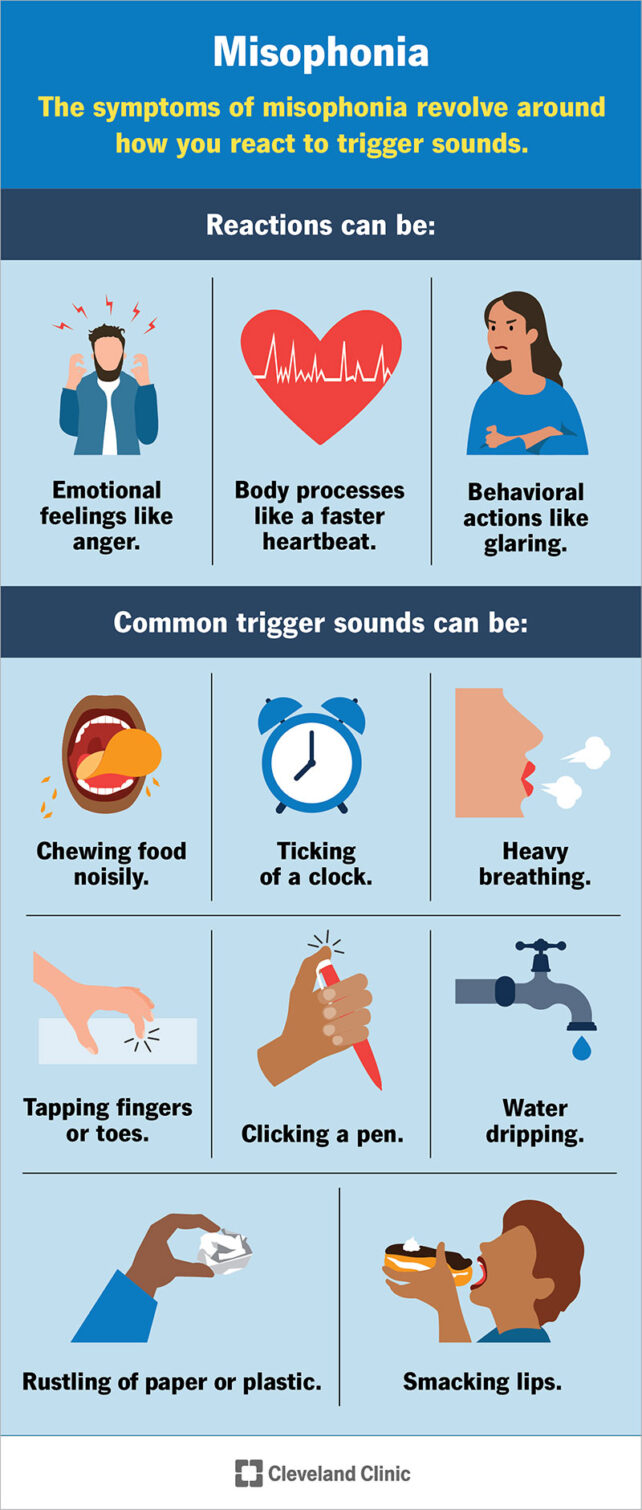
Misophonia Has Genetic Links to Anxiety And Depression, Study Shows 

        Researchers in the Netherlands have found that genetic mood conditions like anxiety, depression, and PTSD susceptibility were all linked to having misophonia as well as chronic tinnitus. As someone who suffers from both misophonia and tinnitus this article was very concerning. However, I do not feel like I have any of the other conditions so that is good. 

        It makes sense though, that these things would be linked. The feeling that you get when you hear someone slurp a hot drink is similar to the feeling of dread you get in your stomach when you read the bill from your dentist. 

        Overall I found this article very fascinating and relatable but also it reminded me I need to be aware of the way I feel and how I react to the situations I am in.


Dawson Fournier

Source: https://www.sciencealert.com/misophonia-has-genetic-links-to-anxiety-and-depression-study-reveals

Secondary: https://my.clevelandclinic.org/health/diseases/24460-misophonia 

Friday, March 1, 2024

Blaming Our Genes: The Heritability of Our Behaviors

This article helps to uncover the question of whether some traits people have are really beyond their control or something they could have picked up throughout their years of development.  When it comes to behavior, genetics plays a significant role, as shown by studies on various traits and disorders. Twin studies and family genetic studies help us understand the heritability of behaviors, indicating how much of a trait is influenced by genetics versus the environment, basically nurture vs. nature. Traits like intelligence and addictive behavior (food addiction, alcohol/drug addictions, sex addiction) both have substantial genetic components, with estimates of heritability ranging from 50% to over 90%, indicating that traits like these are more likely than not to get passed down across generations.  Disorders like schizophrenia, bipolar disorder, and depression also have strong genetic bases, with heritability estimates ranging from 70% to 85%. Similarly, conditions like familial advanced sleep phase syndrome (FASPS), obsessive-compulsive disorder, and autism have clear genetic components contributing to their development. Understanding the genetic basis of these behaviors and disorders can help destigmatize mental illness, improve diagnosis and treatment, and even lead to the development of new therapies.  This article was very interesting to me, but it also freaked me out in a way because of the way that disorders like depression and bipolar disorder can be passed down from generation to generation. I know someone who suffers from depression personally, so I know that the lows are very low and the high can be at times too high. I also know that this person really dislikes the fact that they have this disorder and would be incredibly upset at the fact that will more likely than not pass the trait down. I can't even begin to imagine how it might feel like it's all your fault when your child experiences similar struggles that you face.


Sources

Tuesday, February 20, 2024

Does Depression Result From Genetics?

 Article Link: https://fherehab.com/learning/factors-increase-genetic-predisposition-mental-health/ 

Additional Link: https://www.verywellmind.com/common-causes-of-depression-1066772 

Have you ever heard the phrase, “depression runs in the family?” The 2021 article posted on FHE Health states that Mental illness is a biopsychosocial disease that has a strong genetic component. Even though the exact set of causes have yet to be determined, if a parent, sibling or grandparent is diagnosed with a mental illness, the likelihood of developing the same or similar kind of mental illness does increase. Genetic disorders appear when abnormalities happen in the person’s genome. These genetic disorders are inherited when a defective gene from both parents is passed to their children and then affect the child’s DNA. 

A study posted in 2018 determined that genetic mental health disorders such as autism, schizophrenia, ADHD, bipolar disorder and depression are traceable to certain inherited gene variations. Functional magnetic resonance imaging scans showed that people with the genetic variation occurring in the serotonin transporter gene demonstrated hyperactivity in a brain area that processes anxiety and fear. This genetic variation is involved in brain cell signaling and communication. However, for depression the association to having this mental illness and its traces of heritability are still unclear. There’s ongoing research which supports the theory that the interaction between genetic and environmental factors increase a person’s chance of developing depression. 

It is very interesting to hear about the science of mental illness and how some mental disorders can be traced back to the individual's inherited genes. I am wondering what further research can be done to further understand the correlation between genetics and mental health. 


Thursday, November 30, 2023

Is there a genetic factor in depression


 Depression and depression-related disorders (DD) are some of the most common and studied mental illnesses. An individual with depression or a DD can experience a wide range of symptoms, from disinterest in hobbies to suicidal thoughts. Depression often affects an individual beginning in adolescence and can last a lifetime. Medications are available for people who struggle with depression. Depression can also have many causes such as a hormonal imbalance or trauma. 

In 2018 physiologists and geneticists attempted to discover a clear genetic link to depression. They analyzed the genome of individuals with depression and DD who also had a familial history of the condition. Through their analysis, they were unable to determine a clear link. I chose to highlight this study because it shows that there is still a lot more for us to discover related to depression and its heritability. 

Monday, October 30, 2023

Genetic Component to Seasonal Affective Disorder


    Seasonal affective disorder, also known as SAD is a form of depression related to the change in season. Most people affected by SAD experience a depressive episode during the change from spring and summer to fall and winter. Seasonal affective disorder can be treated through medications and light therapy and symptoms can range from mild to severe depression. 

    As awareness around mental health conditions grows, research into causes and risk factors has also expanded. In 2018 a paper was published in Nature magazine focused on a possible genetic component to seasonal affective disorder. Genetic risk factors for other mental illnesses have been determined through similar genetic analysis. During this study however, researchers did not find one gene statistically significant but concluded there is a stong likelihood that gene ZBTB20 is involved. Researchers determined gene ZBTB20 had the strongest association through he genome-wide analysis. 

Sunday, October 22, 2023

Genetic Basis of Postpartum Depression

PPD, GABA, and the Thalami


    A recent study from the UNC School of Medicine revealed that 14% of the variability in postpartum depression (PPD) is due to genetic factors/on a genetic basis and also provided a glimpse into the connections PPD has with a variety of pre-existing psychiatric disorders. The basis of PPD symptoms lays with GABAergic neurons in the hypothalamus and thalamus; areas of your brain responsible for regulatory functions (hunger, thirst, thyroid function, etc), and seem to have promising advancements for future PPD research. This data was collected using a genome-wide-association study and compiled data in order to get a bigger glimpse into PPD. Jerry Guintivano, PhD, assistant professor of psychiatry at the UNC School of Medicine, was able to identify similarities in the genetic architecture of PPD and major depression, bipolar disorder, anxiety disorders, post-traumatic stress disorder, insomnia, and polycystic ovary syndrome, meaning "...PPD symptoms likely occur as a result of the interplay between the same genes involved in these other psychiatric and hormone-related conditions." Furthermore, the research concluded a link between PPD, its genetic architectural siblings, and GABAergic neurons in the hypothalamus and thalamus of the brain: neurons releasing GABA neurotransmitters appear to have a link to PPD and its similar familial connections of disorders. Brexanolone is a common drug used to treat PPD and now researchers are able to see the interconnectedness of Brexanolone and the two regions of the brain, which is promising for additional treatment in the foreseeable future. Due to such a wide study and too few PPD cases, however, the researchers at UNC were unable to identify specific locations on the genome or loci that are consistently similar amongst the data group.

    This study was fascinating to read and it provided an overlap between multiple specialties in biology -- from neuroscience to anatomy to physiology. Women's health is making big strides in the 21st century and I think this article is just another step towards more progress being made. The linkage between hormones and psychiatric disorders seems to be a hot topic, and scientists had avoided looking at female models for a long time due to the "complexity" of female hormones and their interactions with physiological processes in the body. But now, we have more evidence that encourage this research and should make women feel a lot better about the improvements being made and the connections established between the two factors. Furthermore, the researchers had also confirmed that PPD is genetic which is also a huge step as well! This can impact treatment plans for pregnant women and might improve their quality of postpartum treatment if they are better prepared and more aware of their chances for PPD. Nevertheless, this study was so interesting to read about and I love the idea of its medical/pharmaceutical improvements as well. 


LINKS:

1) https://neurosciencenews.com/post-partum-depression-genetics-24968/ 

2) https://news.unchealthcare.org/2023/10/researchers-confirm-postpartum-depression-heritability-home-in-on-treatment-mechanism/ 


Friday, October 13, 2023

Genetic Basis of the Brain-Gut Axis in IBS

From Gene to Gut: IBS and Your Mental Health

    With the upward trend of brain-gut connection research, comes intriguing results. Researchers from the University of Oslo, University of Bergen, and University of California, have found conclusive results about the connection between genetic inheritance of IBS and mental health conditions. The sample size included 53,400 people with IBS and 433,201 control participants while they searched for genomic risk loci, or specific areas of interest in DNA sequences that appeared to correlate with the IBS and mental health conditions. IBS and mental health conditions are polygenic traits as they rely on a heavy influence from various genes, and many of these genes were found to be shared in the sample sizes. There were 70 loci identified in the connection between IBS and mental health conditions, with the results concluding: 7 associated with GAD, 35 with depression, 15 with schizophrenia, and 27 with BPD. Now, new connections and pathways between the brain and gut can be better examined and enhance our understanding of these conditions.

    This was a great article to read, and also put many things into perspective. Many clinicians neglect the fact that a physical medical condition can have an impact on your mental health, and I believe this data directly proves there is a definite connection between the two. Furthermore, IBS is often used to describe food sensitivity to FODMAPS, and most people with IBS are instructed to follow a low FODMAP diet; however, this alludes to the fact that maybe IBS shouldn't be classified as a food-sensitivity related disorder, but rather that of a mental health condition because stress and anxiety factors can trigger the same symptoms. In my opinion, this is a classical case of medicine placing an umbrella term for a condition that can have many different causes, but are neglected to be looked into any further. I feel strongly about this topic, and hope to change the narrative when I enter the medical field.


Links for further research:

1) https://www.sciencealert.com/many-of-the-genes-behind-ibs-could-also-affect-our-mental-health 

2) https://medicine.missouri.edu/news/irritable-bowel-syndrome-patients-suffer-high-rates-anxiety-and-depression

Tuesday, April 12, 2022

Study Reveals a Genetic Overlap Between Childhood and Adult Mental Health Disorders


An article posted by Medical News explains that a new study carried out by the University of Queensland found that hereditary factors are partly responsible for childhood anxiety and depression that persists into adulthood. This study was the largest of its kind (involving data from 64,641 children between the ages of 3 to 18 years) to examine the role of genetics in repeated measures of anxiety and depression in children.


Professor Christel Middeldorp, associated with the UQ Child Health Research Centre and Children’s Health Queensland, stated that children who had similar levels of anxiety and depression tended to be alike genetically. The study also revealed a genetic overlap between childhood and adult mental health disorders when comparing the results in this childhood study with the results of previous adult studies. These findings can help mental health and medical professionals identify people most at risk of symptoms continuing across the lifespan and can help these individuals find suitable treatment(s) and resources.


Genetic variants need to be further investigated because they increase the risk of recurrence and co-occurrence with other disorders. According to Middledorp, “Mental health symptoms often come together, so those who experience anxiety or depression have a greater risk of disorders such as ADHD or aggressive behavior.” As substantiated by the National Center for Biotechnology Information (NCBI), genetics account for around 40% of a person’s risk of suffering anxiety and depression, with environmental factors accounting for the rest. There is a difference in how people respond to stressors and part of that difference is genetic.


Future research will analyze how genetics and environmental variables, such as school and family life, impact each other and how, together, they influence childhood anxiety and depression.


Related article: https://bmcpsychology.biomedcentral.com/articles/10.1186/s40359-019-0326-8

Saturday, February 12, 2022

Possible Correlation Between Maternal Depression and Gene Expression in Fetuses


        In an article from The Scientist, Chloe Tenn discusses how depression may be correlated with epigenetic changes to the placenta in pregnant women. The connection of maternal depression and stress to the developing fetus has not yet been proven, but is currently under investigation. The National Institutes of Health (NIH) monitored over 300 women during their pregnancies between 2009 and 2013. They used surveys to assess their mental health at six intervals during their pregnancies and compared them to placental tissue samples they collected after delivery. 

     After comparing the data NIH genetic epidemiologists discovered that in their sample of women maternal depression was linked with 16 methylation sites, while stress was linked to another two sites. DNA methylation regulates gene expression, and typically acts to repress gene transcription. Two of the sites that were found to be linked with depression are associated with changes in the expression of ADAM23 and CTDP1 genes. These genes affect neurodevelopment and psychiatric conditions such as schizophrenia and bipolar disorder.
       
    Opinion: The sample size of the experiment was quite small, but the reasoning seems sound. Much more research will be needed to come to a conclusion, but depression and stress have an impact on hormones which could lead to epigenetic consequences for children still in utero. 

Monday, November 11, 2019

Can Depression be Eliminated?

Suicide rates have grown higher and higher, as depression has as well. There may be a biological reason as to why some people are more susceptible to depression than others. Jonathon Flint hopes to find genetic links to depression and cut down on this mental struggle significantly. He hopes by the end of this century depression can be completely cured.

I think that depression can be linked to some people genetically, but depression can also be caused due to current events happening in someone's life. Everyone experiences sadness throughout their lifetime and some people have harder lives than others, making them more susceptible to depression. Sometimes depression seems to run in families and I think this may be due to genetics. It is great that there is research being conducted on this topic to help people with predetermined depression and hopefully he is successful.


Image result for depression
https://discovermagazine.com/2019/november/prognosis

Related Article:
https://www.healthline.com/health/depression/genetic#curing-depression

Sunday, September 15, 2019

Genetics Influence on Depression


Genetics Influence on Depression
 At least ten percent of people in the US will experience major depressive disorder. This number is two times more evident within women rather than men. Going against the majority of the stigma that society manifests toward depression, in most cases the cause of depression has been linked to be about 50% genetics. In order to study the heritability of major depression within a family, scientists seek twins. If genes are a part of the cause and a patient has an identical or fraternal twin, then the identical twin would be at higher risk than the fraternal twin. This is due to the percent of genes in common being double amongst identical twins. This experiment lead many scientists to predict that the heritability of major depression is probably about 40 to 50 percent. Further tests have been done as well leading to roughly the same conclusion. For example, a British research team isolated a gene that appears to be evident in multiple family members that have been diagnosed with depression. As a result of this experiment the chromosome 3p25-26 was found in more than 800 families with recurrent depression. Even on a bigger scale, the results of a genome wide meta analysis of genetic data from 807,553 individuals (246363 cases and 561,190 controls) linked 102 genetic variants and 269 genes to depression. These numbers were then validated in an independent sample of another 1,507,153 individuals. Then within gene set analysis MAGMA* identified 269 putative genes** and 15 gene sets that were associated with depression, along with the connection between prefrontal brain regions and their role with depression. All of these experiments concluded to roughly the same ending; depression has a genetic factor along with its environmental factors. Its genetic factor is definitely not simple and is believed to be a combination of genetic changes that predispose some people to become ill, not just a single gene. Meaning that no one can “inherit” depression from their mom or their dad, it goes a lot deeper than that. Each person inherits a combination of genes from mom and dad and these combinations can potentially lead to diseases such as depression. 
          Overall, in my opinion these studies are crucial to breaking the stigma against depression. People must stop blaming those who are suffering already. In fact it has been found that depression is the leading cause of disability worldwide and is estimated that 1 in 6 people will develop depression during their lifetime. With this being said, you know someone who is struggling whether they have come forward about it or not. This information prioritizes the fact that society must unwarp their opinions toward depression. Being scientifically researched and proven to have another reason other than “I’m just sad” has to eventually have an effect on breaking the stigma against depression. People are not simply just lazy, it’s not always their fault. Try telling a cancer patient to stop having cancer. 


a segment of DNA whose protein and function is unknown**
a genetic analysis tool*


Genetics of Brain Function. “Major Depression and Genetics.” Genetics of Brain Function, 


        med.stanford.edu/depressiongenetics/mddandgenes.html.


Faris, Stephanie. “Is Depression Genetic or Environmental?” Healthline, Healthline Media, 25   


        July 2017, www.healthline.com/health/depression/genetic#outlook.


“Genetics of Depression Linked with Hundreds of Genes and Different Behavioral Traits.” 


         GEN, 6 Feb. 2019, www.genengnews.com/news/genetics-of-depression-linked-with-  


         hundreds-of-genes-and-different-behavioural-traits/.

Friday, April 12, 2019

Can genetic variants predict depression risk in young people?


In a recent article on MedicalNewsToday, the idea of analyzing the genetic makeup of adults with depression is being used to predict which children are at risk for developing the illness. Several researchers have come together to work on creating a gene map of children who they believe are likely to develop depression. Data was analyzed from over 460,000 adults and they were able to calculate risk scores for children. In the group of children participants of ages seven to eighteen, 279 had symptoms of depression and 187 were healthy. The researchers also looked at the effect of early experiences of abuse on the young participants' mental health. Using the polygenic risk score calculations and exposure to childhood abuse helped the researchers to predict children at risk for depression.
Image result for depression children
After reading this article, I truly find the research to be very interesting and important. If researchers can accurately predict which children are going to develop depression, it can help reduce the amount of people that suffer from the illness. Depression can take over a person's life and knowing ahead of time who might develop the illness may help to prevent it.


Tuesday, April 2, 2019


Is insomnia an issue in your life?


    If you do not suffer from insomnia there is a high chance that at least you know someone that does. The negative effects of not being able to sleep at night are more serious than what we think. This involves physical health overall and also the efficiency at work or any other activity. Researchers have found that the inability of falling asleep involves a genetic component. Nature genetics provided information related to the issue and this implicates issues in brain regions related to heart diseases as well as psychiatric disorders such as depression. These studies have used DNA from many individuals. The first study done by Danielle Posthuma from Vrije University Amsterdam examined 1.3 million people using data from the genetics company 23andMe. Their results states “ 202 areas of the genome linked to insomnia were identified, indicating 956 genes”. 
    The next part of the investigation was to figure in which regions of the brain this was taking place. As a result they found them to be within the axons of neurons and parts of the cortex and the deep subcortical brain regions such as the striatum which is involved in movement. Another researcher, Richa Saxena from of Massachusetts General Hospital surveyed 450,000 genomes also from a Biobank. This investigation resulted in 236 genes in 57 regions. An extra step taken in this case was the observations of participants who wore motion detectors for a week in order record tossing, turning and sleepwalking. Their conclusion was that insomnia is related to neuropsychiatric disorders. Cognitive behavioral therapy can be more helpful rather than taking drugs which might not be as effective and can be addictive.
woman lying in bed stares at clock in the middle of the night
 People with insomnia have trouble falling asleep, staying asleep and in some cases both.

Even though I do not have this issue, I do know people that suffer from insomnia on a daily basis. Sometimes even people that stay awake all night due to their work schedules, are still not able to sleep at night. To people that do not suffer from insomnia as myself, we might think how is that even possible but it is a problem that unfortunately many people have. As mentioned, this will eventually cause health issues as well as not being productive due to lack of sleep.

Sunday, March 17, 2019

The Genetics Behind Insomnia

An article at the Scientific American discusses the the findings of studies done on the genetic basis of Insomnia, and its possible link to things like depression and heart disease. There were two genome-wide association studies or GWAs done on insomnia, and it was found that when looking that when looking at a wide variety of individuals there were several area of the genome that were linked to insomnia, and even more genes that were involved with it. In the studies it was also found that several of the genes involved with insomnia are also linked to things like depression, anxiety, and type 2 diabetes. It was also found that insomnia is more closely related to psychiatric diseases than it is to other sleep related disorders, and that it may cause depression and coronary artery disease.

I found this article to be fascinating because many people wouldn't think that a disorder like insomnia could genetically linked when it in fact is. I also think it is rather interesting that many of these diseases and disorders that were previously believed to have no link to genetics actually do now that they are being looked into. These studies are now helping to open the door for further research and discovery in the biology of these disorders.

Tuesday, February 12, 2019

Scientist find genetic causes of Loneliness

A geneticist by the name of John Perry from the University of Cambridge has been researching genetic roots to loneliness, The research studied genetic variations in 487,000 participants in the UK. Participants were asked about their perception of loneliness, how frequent their social activities are, and the quality of their interactions with others. This long-term studied identified 15 genetic variations linked to some parts in the brain region where emotion is controlled and metabolism. It is believed that individuals with a higher Body Mass Index (BMI) are more susceptible to loneliness and depression. Perry supported this claim by saying that it's either because, they are self-conscious about their weight or that being lonely/depressed could change the way they ate or exercised. He also states if we would be able to pinpoint these pathways then maybe we could improve these individuals cardio-metabolic health.

I found this article interesting to read and I like the fact that at the end of the article John Perry does mention that just because, we might be able to identify these specific traits in individuals does not mean that people with these traits will have a higher likelihood of developing loneliness/depression. There are so many factors, genetically and non-genetically that can contribute to how someone is socially and mentally. I just personally think that this would be hard to study considering those factors.

Sunday, November 18, 2018

Genetic Predisposition to Obesity Linked with Depression

Read the full articles by clicking on the links below!
Link 1
Link 2


Being overweight can cause depression, specialists say, with the impacts thought to be to a great extent mental.

Image result for obesityWhile past investigations have discovered that individuals who are corpulent will probably have discouragement, it has been hazy whether that is down to melancholy driving weight changes or the turn around.

Presently, in the biggest investigation of its sort, specialists say having hereditary variations connected to a high weight record (BMI) can prompt misery, with a more grounded impact in ladies than men. Additionally, they say the examination recommends the impact could be down to variables, for example, self-perception.

"Individuals who are more overweight in a populace are more discouraged, and that is probably going to be in any event halfway [a] causal impact of BMI [on] melancholy," said Prof Tim Frayling, a co-creator of the investigation, from the University of Exeter therapeutic school.

Image result for obesity and depressionWriting in the International Journal of Epidemiology, the analysts from the UK and Australia portray how they utilized information from the UK Biobank, an exploration try including 500,000 members matured somewhere in the range of 37 and 73 who were enlisted in 2006-10.

The scientists took a gander at 73 hereditary variations connected to a high BMI that are likewise connected with a higher danger of ailments such diabetes and coronary illness. They likewise took a gander at 14 hereditary variations connected to a high level of muscle versus fat however which were related with a lower danger of such medical issues. While the previous gathering could be connected to gloom through natural or mental systems, the last would just be required to have a mental impact.

The group at that point took a gander at members' doctor's facility information and answers from a large group of surveys – including self-reports of seeing a GP or specialist for nervousness or sadness. The group recognized around 49,000 members whom they were sure had discouragement.

Generally speaking, the group discovered that individuals with a higher BMI will probably be discouraged.

Friday, April 27, 2018

Depression: Pioneering study pinpoints 44 genetic culprits


         From a new study it was found that the genetic data of thousands of participants identified 44 genetic loci linked with the risk of depression. Depression is one of the most common mental disorders in the U.S. Some risk factors of depression are the combinations of biological, environmental, and of a psychological nature. Inherited genetic variations are apart of the biological factors, however before this study researchers have had a hard time pinpointing which genetic locations in our DNA are directly linked with having a higher risk of depression. 

       The researchers managed to access and analyze seven different sets of genetic data, as well as identified 44 genetic loci that are linked with the risk of depression. Of these 44, 30 of them were not known before to be risk factors. The study resulted in them discovering that there are 153 genes linked with depression. This could lead to the improvement of  treatments for this condition.
        In my opinion these results are very important and could have large impact on future studies. Being in college there are many students that get over whelmed with school work and end up becoming depressed. It affects many people all around us. The results of this study can lead to further studies for developing better treatments that target genetic factors involved in depression. This can be the beginning of finding a way to prevent major depression. 

Link to article:
https://www.medicalnewstoday.com/articles/321652.php
Link to more information:
https://www.medicalnewstoday.com/kc/depression-causes-symptoms-treatments-8933


Monday, April 9, 2018

Sex Specific Depression Gene Alteration

    Researchers at the University of Pittsburgh Medical school have identified specific gene changes in both men and women who suffer from major depression. The researches noticed a total of 776 differently expressed genes in men with depression and 882 in women but the most interesting part is that of all these different genes only 21 overlapped between the two sexes. In almost all areas where women showed increased expression of a gene men showed reduced expression and vice versa. Due to examining postmortem tissue the Researchers were unable to distinguish to what degree these gene expressions affected the disorder simply that they were there consistently.
  
    This is so important because it opens up new areas to investigate how depression occurs and what can be done to effectively treat it as it affects millions of people across the globe and not every available treatment option works well for everyone. For starters this shows that treatment for men and women may have to differ greatly as they show two distinctly different sets of causes at least at a genetic level that may be key to creating a universal 'cure' to depression. Obviously a lot more work need to be done and other avenues have to be explored but this is a very promising discovery for both genetics and psychology.


Article - https://www.medicalnewstoday.com/articles/321245.php
Study - http://www.biologicalpsychiatryjournal.com/article/S0006-3223(18)30065-9/abstract

Saturday, April 7, 2018

Insomnia has been linked to several genes

Insomnia is a disorder than many of us have had to go through at some point in our lives. But only 10% of the entire country has been reported to have chronic insomnia. A group of researchers found seven different genes that coded for insomnia, proving it is a genetic disorder that is fairly common. The researchers also found that the genes that code for insomnia also link to many other genetics disorders such as, restless leg syndrome, anxiety, depression, and neuroticism. This article was interesting to read because it has always been known that disorders like anxiety and depression were commonly associated with insomnia. Not everyone has been affected by insomnia directly but almost everyone has known someone who suffered from insomnia.


https://www.medicalnewstoday.com/articles/317919.php?sr
https://sleepfoundation.org/insomnia/content/what-causes-insomnia

Thursday, April 5, 2018

Genetics Behind Depression is different in Men and Women

It was recently published in the Journal of Biological Psychiatry, that the molecular mapping of depression is different among men and women. Our gender determines how certain genes are expressed, and the genes for depression, in men and women, can have opposite expressions. This means that men and women could possibly be treated differently for the disorder. In a study, completed by the University of Pittsburg and Toronto’s Centre for Addiction and Mental Health, tissue from postmortem brain tissue of 50 people with diagnosed clinical depression was analyzed. 26 were men and 24 were women. In addition, 50 postmortem brains, without depression, were analyzed. In women, it was found that the gene affecting synapse function in women was more expressed, than it is in men, creating ore protein. However, in men, it was the opposite effect. Only 21 genes had the same effect in both men and women. 

Additionally, researchers found that depression is more common among women, and women are more likely to have symptoms associated with their depression, such as weight gain.

This study is monumental for the world of mental health. It shows there is opposing pathology for sexes, which can change how depression is treated differently in men and women; this could make treatments work better.