Showing posts with label " Brain". Show all posts

Tuesday, November 25, 2025

Genetic and Immune Findings Reveal New Clues to Alzheimer’s Disease

 A new study has identified a special group of microglial brain cells that appear to protect against Alzheimer’s disease. According to the report, these cells actively clear harmful protein buildup and reduce inflammation, two major contributors to Alzheimer’s progression. The discovery suggests that some people may be genetically predisposed to have more effective microglia, which could help slow or prevent cognitive decline.
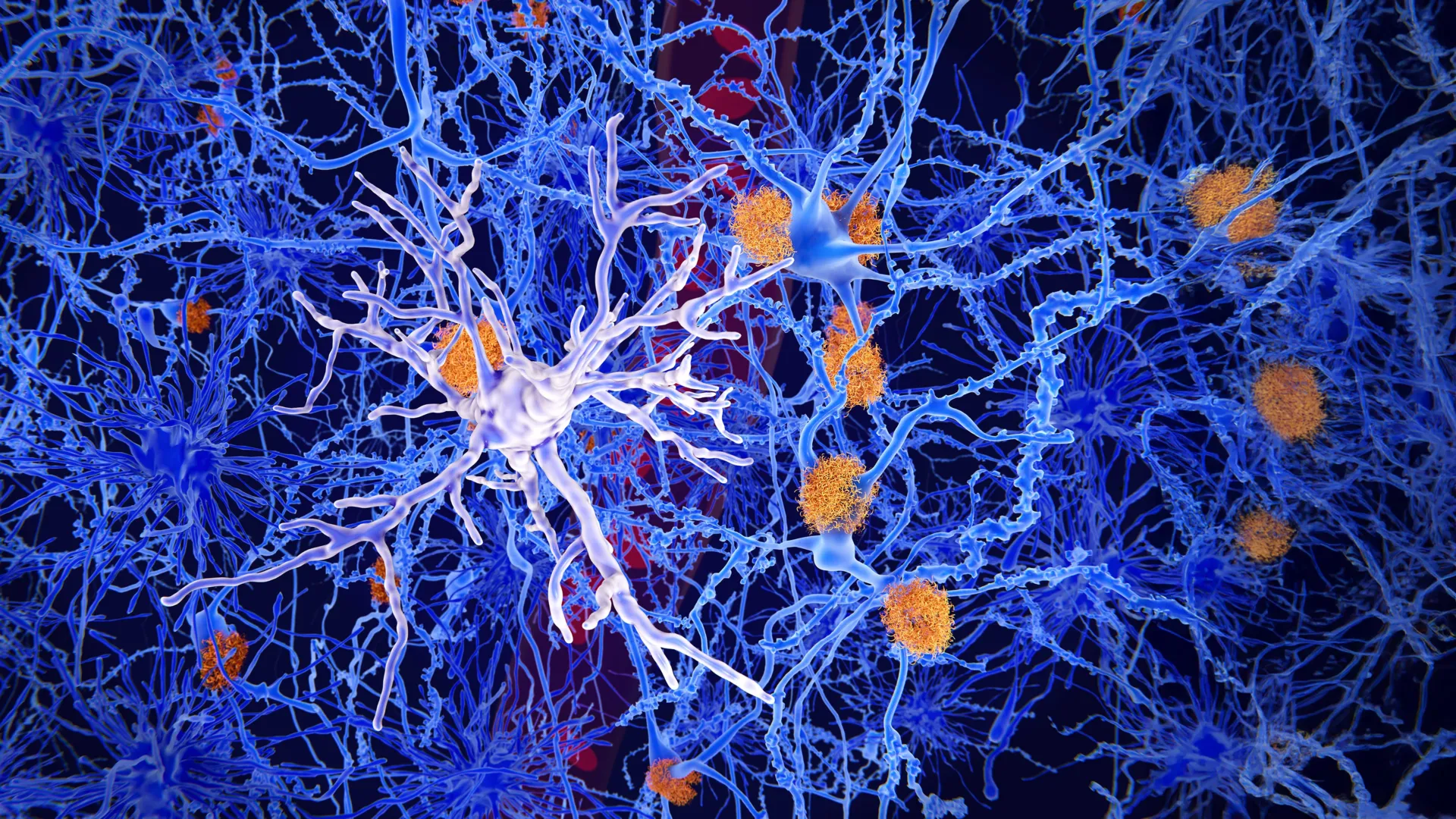


This finding is important because it shifts focus toward the immune system’s role in Alzheimer’s. Instead of viewing the disease solely as a problem of amyloid plaque or tau tangles, researchers now see inflammation and immune responses as key drivers. Understanding the genes that control microglial activity could lead to therapies that strengthen the brain’s natural defenses.


A related study also shows how certain immune molecules can trigger damaging inflammation in the brain. Targeting these molecules may offer another pathway to prevent or reduce the neuroinflammatory processes that worsen Alzheimer’s symptoms.


Together, these studies highlight how genetics and immune biology intersect in neurodegeneration and offer new directions for earlier detection and future treatments

Main Article: https://www.sciencedaily.com/releases/2025/11/251108083902.htm

2nd Article: https://www.sciencedaily.com/releases/2025/06/250602154905.htm


Monday, December 9, 2024

Are Our Brains the Same Age As We Are?

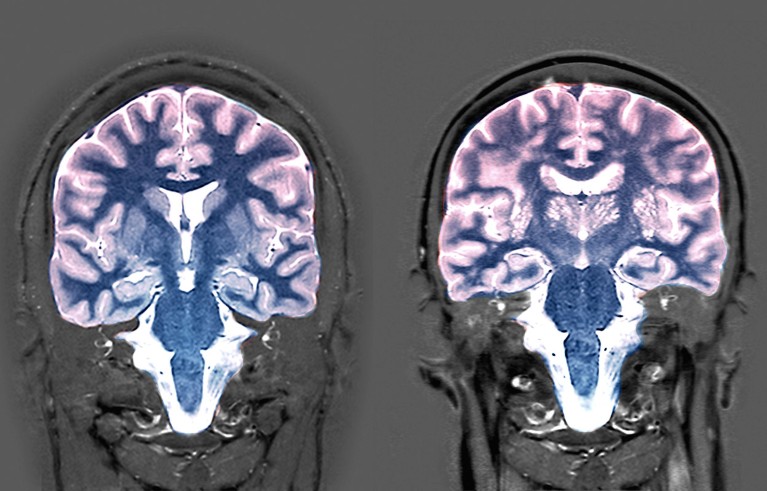
Coloured MRI scans of frontal sections through two brains.
This image shows aging of human brains. Brain of a 25 year old and
 a 74 year old (left to right, respectively) (Naddaf, 2024). 

In a recent study, researchers in China looked into brain scans and blood samples of 10,949 healthy adults of varied ages to estimate brain age gap (BAG). BAG is a measurement between an individual's actual age and their "brain age" (calculated by hundreds of structural features such as: amount of white matter, cortex thickness, brain volume, etc). This measurement can be used to indicate brain health, and on average the participant's brain age was found to be around three years younger or older than their actual age. 

One of their targets for this study was to determine what biomarkers/proteins are associated with accelerated brain aging, for which 8 were identified (and five additional proteins for slower brain aging). Some of these proteins are also known to be involved in brain function, such as movement, cognition, and mental health. One of the proteins, brevican (BCAN), is known to be a key factor in physiological and pathophysiological plasticity processes (Frischknect et. al, 2012). It is noted that higher levels of BCAN are correlated with slower brain aging; interestingly, those with Alzheimer's have less BCAN than healthy individuals. Another interesting finding that was noted is that at ages 57, 70, and 78 years old very distinct brain aging symptoms are noted. 57 year old brains exhibited changes in proteins for metabolism, would healing, and mental health, while at age 70 brains proteins showed changes that heightened risks for dementia and strokes. Lastly, at 78, it was seen that proteins associated with immunity and inflammation were changed. 

These are extremely interesting findings when thinking in context of our genetic predisposition for certain brain disorders. Neuroscientist Mark Mattson commented that our next step is to answer where the proteins are coming from (and discovering the mechanisms in which they coded for). However, this study opens the door to identifying the genes and proteins that should be targeted for those with age-related brain disorders. Also, because they identified the proteins associated with these brain disorders, we may be able to diagnose individuals with disorders long before symptoms are seen, based on the amount of proteins that they have (especially if it is a hereditary condition that their families have a history of). I found this article especially interesting because of how complicated the human brain is. The possibility of us understanding another part of our complex brains is exciting, especially when it is through genetic research!

How DNA Impacts Brain Health: Genetics & Neurology

Sources used:

https://www.nature.com/articles/d41586-024-04055-0

https://www.nature.com/articles/s43587-024-00753-6

https://www.sciencedirect.com/topics/biochemistry-genetics-and-molecular-biology/brevican  

Saturday, April 13, 2024

Humans Really Can Have Superpowers–Scientists are Studying them

Many people believe that superpowers are fictitious and can only be seen on T.V, but genetics has proven otherwise. Sometimes, due to our environment, our genes can enhance our way of life. For example, the people who live in the Himalaya’s have adapted to the high altitude with genes that supercharge their strength and endurance. These heightened abilities are starting to catch the attention of scientists and there beginning to learn how our minds and bodies develop these abilities. 


There are certain genes that are able to give us an advantage and even tap into potential we didn’t know we had. Alex Honnold, famous rock climber, had his brain scanned since he seemed to fear nothing. Scientists wanted to see whether this was something to do with how his brain functioned. Scientists presented Honnold with a serious of images that should have triggered activity in his amygdala. What they found was that there was no activity in the amygdala which is a part of the brain that is connected to fear. There is nothing structurally wrong with Honnold’s brain, but it’s possible that he has conditioned himself to force down certain brain activity by focusing on planning each move. This is a “superpower” that we can achieve. This conditioning method is used by psychologists to help patients get over fears. 


Friday, April 12, 2024

Neurological conditions have sex biases found in brain protein expression

 A team from Emory University used more than 1200 donated post-mortem brains to identify 10,200 proteins for sex-based differences. From the 10,200 proteins, 1200 of them showed differences in expressed levels based on biological sex. As the article explains, "They assessed protein expression between alleles with single nucleotide polymorphisms and looked for pQTL differences to determine if sex influenced this allele expression" (The Scientist). Ultimately, they found that these 1200 proteins corresponded to about 150 proteins with sex-based expression. The team compared these proteins to other sex-based proteins associated with psychiatric, neurologic, or morphologic traits and found 35 similarities. The team currently believes that with extended research, time, and genomic studies, this data could improve treatments and therapeutic remedies in the future. 

While reading about the research done, I found it important to take note of such a big sample size provided by the donation of the brains but also from the 10,200 proteins found during the study, having a large protein database can offer a lot to a study. The connection that was shown between specific protein expression levels and neurological conditions is crucial to understanding the condition itself but can also lead to other benefits. The findings could hopefully help those affected by these neurological conditions by refining treatments that accommodates these specific proteins and reviewing treatment plans in general. 


https://www.the-scientist.com/biological-sex-influences-brain-protein-expression-71763
https://medicalxpress.com/news/2023-10-reveals-biological-sex-brain-proteins.html#google_vignette


Monday, November 20, 2023

A Very Specific Kind of Brain Cell Dies Off in People with Parkinsons

 A Very Specific Kind of Brain Cell Dies Off in People with Parkinsons


A very specific kind of brain cell dies in people with Parkinson’s | Science News

Parkinson's disease - Symptoms and causes - Mayo Clinic

United States Population (2023) - Worldometer (worldometers.info)

By: Laura Sanders


    After reading this article about the kind of cell that removes in people with Parkinson's disease. Parkinson's disease affects the nervous system and any part of the body where the nerves controls. According to Mayo Clinic, the symptoms for this disease are tremors, rigid movements, bradykinesia, speech & writing changes, and impaired balance. There is no reported cure for Parkinson's except for medications that improves the symptoms. In the U.S. 1 million people are likely to have Parkinson's disease compared to a total population of 340 million according to World Meters. The article talks about how the dopamine cells in the substantia nigra that is categorized into ten different groups. Scientists found out that one of the cell types was diminished after examining a dead patient with Parkinson's. I found this article very interesting and learned so much about this disease that people unfortunately face. 

Friday, October 13, 2023

Genetic Basis of the Brain-Gut Axis in IBS

From Gene to Gut: IBS and Your Mental Health

    With the upward trend of brain-gut connection research, comes intriguing results. Researchers from the University of Oslo, University of Bergen, and University of California, have found conclusive results about the connection between genetic inheritance of IBS and mental health conditions. The sample size included 53,400 people with IBS and 433,201 control participants while they searched for genomic risk loci, or specific areas of interest in DNA sequences that appeared to correlate with the IBS and mental health conditions. IBS and mental health conditions are polygenic traits as they rely on a heavy influence from various genes, and many of these genes were found to be shared in the sample sizes. There were 70 loci identified in the connection between IBS and mental health conditions, with the results concluding: 7 associated with GAD, 35 with depression, 15 with schizophrenia, and 27 with BPD. Now, new connections and pathways between the brain and gut can be better examined and enhance our understanding of these conditions.

    This was a great article to read, and also put many things into perspective. Many clinicians neglect the fact that a physical medical condition can have an impact on your mental health, and I believe this data directly proves there is a definite connection between the two. Furthermore, IBS is often used to describe food sensitivity to FODMAPS, and most people with IBS are instructed to follow a low FODMAP diet; however, this alludes to the fact that maybe IBS shouldn't be classified as a food-sensitivity related disorder, but rather that of a mental health condition because stress and anxiety factors can trigger the same symptoms. In my opinion, this is a classical case of medicine placing an umbrella term for a condition that can have many different causes, but are neglected to be looked into any further. I feel strongly about this topic, and hope to change the narrative when I enter the medical field.


Links for further research:

1) https://www.sciencealert.com/many-of-the-genes-behind-ibs-could-also-affect-our-mental-health 

2) https://medicine.missouri.edu/news/irritable-bowel-syndrome-patients-suffer-high-rates-anxiety-and-depression

Tuesday, September 12, 2023

DNA mutations for harm potential

DNA mutations for harm potential

Genetic Mutations are changes in which a DNA sequence of an organism changes during cell division and makes copies of themselves. Scientists at a place called DeepMind have built an artificial intelligence program in which they can predict whether or not genetic mutations can either cause a disease or be harmless. The program that makes the predictions are about missense mutations in which a single letter is misspelled in the DNA code. A typical person has about 9,000 missense mutations meaning only 2% have been known to be either pathogenetic or benign. So, researchers used AlphaMissense to set a program to see how the mutation affects human protein. The conclusion was that 57% of missense mutations were most likely harmless given that 32% were harmful. Scientists have given out some predictions to help geneticists how mutations work and how to find rare disorders. The program that they have also may help figure out mutations that have not been linked to a specific disorder and can help doctors find a treatment.

AI is great for many things but in my opinion AI's are complicated to figure out and I don't think we fully perfect it. But it is cool that the AI that scientists are using can generate a score on how risky the genetics change on a human. But knowing what mutation is going on in your DNA is important because it can provide valuable information about your genetics and potential health risks. It may also help you understand your medical decision or even figure out your inherited conditions.

In this image of the Gene mutation it shows the AI application in which it can examine the risk of multiple diseases or can respond to a different pharmaceutical interventions.
Reference:
Guardian News and Media. (2023, September 19). Google DeepMind AI tool assesses DNA mutations for harm potential. The Guardian. https://www.theguardian.com/science/2023/sep/19/google-deepmind-ai-tool-assesses-dna-mutations-for-harm-potential.


Tuesday, December 6, 2022

Sites in the Brain Where RNA Is Edited Could Help to Better Understand Neurodevelopment and Disease


Researchers at Mount Sinai have determined new avenues for understanding molecular and cellular mechanisms of brain development and how they affect both disease and health by cataloging sites in the brain where RNA is modified. As an individual ages, the RNA editing rate in the brain increases. This modification happens throughout one's lifetime through a process known as adenosine-to-inosine (A-to-I) editing. With this they could explore the implications across a range of aging and neurodevelopmental disorders. Because there are so many already identified A-to-I sites, it can be difficult to determine which sites are physiologically important. The researchers were able to narrow it down to about 10,000 sites that have potential functional roles from early fetal development through advanced aging. These sites will help get a better understanding of brain neurodevelopment through a lens of A-to-I RNA modifications.  

While DNA is widely known as the genetic blueprint of all human and other living things, RNA is responsible for carrying out the instructions to create functioning proteins. When modifications accumulate on RNA, it can alter the way a protein functions. These A-to-I changes are introduced by a group of ADAR enzymes whose edits have been known to have an important physiological role in early fetal development by regulating neuronal signaling and synaptic transmission. All of this shows that in the course of a lifetime, thousands of individual edits will accumulate in the RNA in the brain and will likely produce functional ramifications as a person ages.  

The data collected by the Mount Sinai study was from more than 800 individuals covering all stages of pre and postnatal development. The broad data can create a timeline to depict how A-to-I editing changes over time. The work uncovered by the researchers can now provide many avenues for future studies and offer insight into the role of RNA editing in the promotion of health and disease.  

Friday, April 15, 2022

Decoding a direct dialog between the gut microbiota and the brain


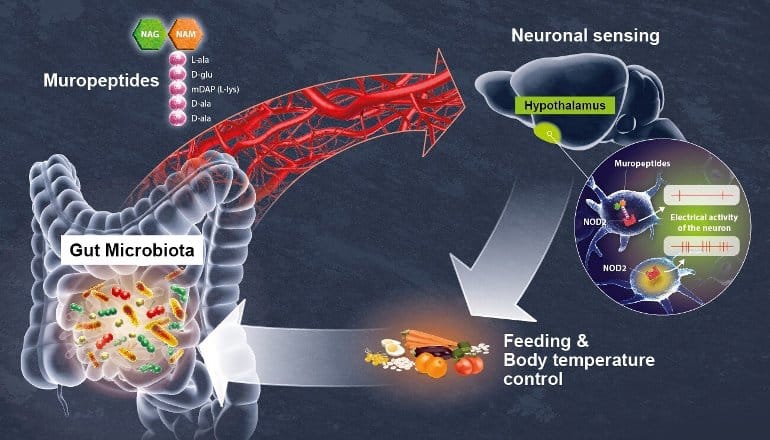
By-products of the gut microbiota circulate in the bloodstream, altering host physiological processes such as immunity, metabolism, and cognitive function. Hypothalamic neurons in an animal model directly sense differences in bacterial activity and adapt appetite and body temperature appropriately, according to researchers from the Institut Pasteur (a partner research organization of Université Paris Cité), Inserm, and the CNRS. These findings show that the gut microbiota and the brain communicate directly, a finding that could lead to new therapeutic methods for metabolic illnesses including diabetes and obesity. The gut is the body's greatest bacterial reservoir. The degree of interaction between hosts and their gut microbiota is becoming clearer, highlighting the relevance of the gut-brain axis. The researchers concentrated their efforts on the NOD2 (nucleotide oligomerization domain) receptor, which is present primarily in immune cells. Muropeptides, which are the building components of the bacterial cell wall, are detected by this receptor. Furthermore, variations of the gene coding for the NOD2 receptor have previously been linked to digestive problems, such as Crohn's disease, as well as neurological diseases and mood disorders. These findings, however, were insufficient to show a link between neuronal activity in the brain and bacterial activity in the stomach. This was uncovered in a new investigation by a group of scientists.
The scientists first discovered that the NOD2 receptor is expressed by neurons in numerous parts of the brain in mice, particularly in the hypothalamus, using brain imaging techniques. They discovered that when these neurons come into touch with bacterial muropeptides from the stomach, their electrical activity is reduced. Muropeptides, on the other hand, have no effect on these neurons if the NOD2 receptor is missing. As a result, the brain loses control over eating habits and body temperature. The mice acquire weight and become more prone to type 2 diabetes, especially in older females. Scientists discovered that neurons may directly perceive bacterial muropeptides, despite the fact that this activity was previously assumed to be exclusively performed by immune cells.
Muropeptides' impact on hypothalamic neurons and metabolism raises questions about their possible participation in other brain functions and may help us comprehend the link between certain brain illnesses and NOD2 genetic variations.

Article links:


Tuesday, April 12, 2022

Autism May Be Revealed During Fetal Brain Scans


By the age of eight, about one in every 44 children has been diagnosed with autism. According to the researchers, MRI scans can detect changes in the brains of fetuses that could be early markers of a child's autism spectrum disorder diagnosis. They claim that the scans can help parents detect autism early and begin intervention programs for their children at a younger age. The researchers looked at 39 MRI brain scans of fetuses who were around 25 weeks pregnant. Later in life, nine of the children were formally diagnosed with ASD. In addition, ten children exhibited various health issues that were seen in children with ASD, despite the fact that they were not formally diagnosed with ASD. The insular lobe of the brain was found to be substantially larger in children with ASD, according to the researchers. The insular cortex is a deep brain region that is important for motor control, sensory processing, and social behavior - all of which are cognitive processes that these people must sometimes manage.

This is fascinating because it identifies very early brain abnormalities in persons on the autism spectrum and pinpoints them to a brain region crucial for emotional and sensory functioning, both of which are known to be damaged by autism. Although this is only the first stage, the research adds to our understanding of the early indicators of ASD. Given that a variety of genetic and environmental factors might influence the onset of ASD as early as the fetal stages, it's critical to discover the earliest signs of brain abnormalities in potential autism patients.

Links to articles:

https://www.healthline.com/health-news/indications-of-autism-may-be-revealed-during-fetal-mri-scans

https://www.zmescience.com/science/fetuses-in-the-womb-successfully-screened-for-autism/

https://scitechdaily.com/autism-associated-brain-differences-can-be-observed-in-prenatal-mri-scans-in-the-womb/


Study Reveals a Genetic Overlap Between Childhood and Adult Mental Health Disorders


An article posted by Medical News explains that a new study carried out by the University of Queensland found that hereditary factors are partly responsible for childhood anxiety and depression that persists into adulthood. This study was the largest of its kind (involving data from 64,641 children between the ages of 3 to 18 years) to examine the role of genetics in repeated measures of anxiety and depression in children.


Professor Christel Middeldorp, associated with the UQ Child Health Research Centre and Children’s Health Queensland, stated that children who had similar levels of anxiety and depression tended to be alike genetically. The study also revealed a genetic overlap between childhood and adult mental health disorders when comparing the results in this childhood study with the results of previous adult studies. These findings can help mental health and medical professionals identify people most at risk of symptoms continuing across the lifespan and can help these individuals find suitable treatment(s) and resources.


Genetic variants need to be further investigated because they increase the risk of recurrence and co-occurrence with other disorders. According to Middledorp, “Mental health symptoms often come together, so those who experience anxiety or depression have a greater risk of disorders such as ADHD or aggressive behavior.” As substantiated by the National Center for Biotechnology Information (NCBI), genetics account for around 40% of a person’s risk of suffering anxiety and depression, with environmental factors accounting for the rest. There is a difference in how people respond to stressors and part of that difference is genetic.


Future research will analyze how genetics and environmental variables, such as school and family life, impact each other and how, together, they influence childhood anxiety and depression.


Related article: https://bmcpsychology.biomedcentral.com/articles/10.1186/s40359-019-0326-8