A new study has identified a special group of microglial brain cells that appear to protect against Alzheimer’s disease. According to the report, these cells actively clear harmful protein buildup and reduce inflammation, two major contributors to Alzheimer’s progression. The discovery suggests that some people may be genetically predisposed to have more effective microglia, which could help slow or prevent cognitive decline.
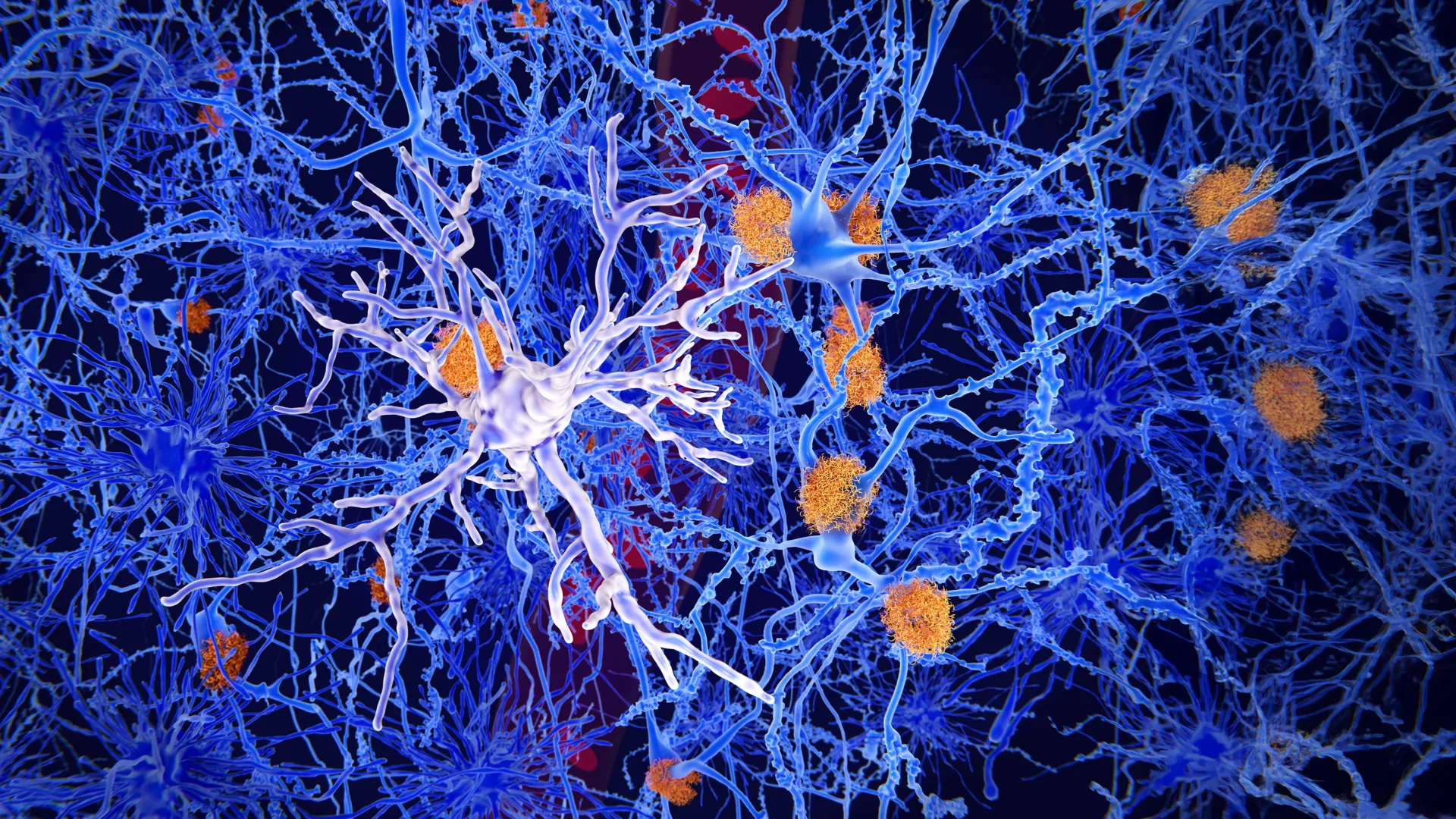
This finding is important because it shifts focus toward the immune system’s role in Alzheimer’s. Instead of viewing the disease solely as a problem of amyloid plaque or tau tangles, researchers now see inflammation and immune responses as key drivers. Understanding the genes that control microglial activity could lead to therapies that strengthen the brain’s natural defenses.
A related study also shows how certain immune molecules can trigger damaging inflammation in the brain. Targeting these molecules may offer another pathway to prevent or reduce the neuroinflammatory processes that worsen Alzheimer’s symptoms.
Together, these studies highlight how genetics and immune biology intersect in neurodegeneration and offer new directions for earlier detection and future treatments
Main Article: https://www.sciencedaily.com/releases/2025/11/251108083902.htm
2nd Article: https://www.sciencedaily.com/releases/2025/06/250602154905.htm

Matthew, this is a really compelling shift in how we comprehend Alzheimer's, especially by highlighting the immune system's role rather than just plague and tangles. The idea that certain people may be genetically predisposed to have more protective microglia opens up exciting possibilities for personalized treatments. Targeting certain immune pathways instead of only protein buildup could lead to more effective therapies that slow disease progression. Overall, these findings suggest a more hopeful and multifaceted approach to fighting Alzheimer's.
ReplyDeleteThis is a fascinating and well-explained summary of recent Alzheimer’s research! I really like how you highlighted the role of microglia and the immune system, which gives a new perspective beyond the traditional focus on amyloid plaques and tau tangles. It’s exciting to see how genetics might influence the effectiveness of these protective cells, and the potential for therapies that boost the brain’s natural defenses.
ReplyDeleteI also like how you included the related study on immune molecules triggering inflammation.
It really emphasizes how complex and interconnected neurodegeneration is. Overall, this post does a great job showing how genetics and immune biology together can open new paths for early detection and treatment. Very informative and encouraging for anyone interested in Alzheimer’s research!
Hi Matthew, this was very insightful and really brings a new light on Alzheimer's. I find that discovering how genetics can affect the effectiveness of the cells that fight off Alzeihmer's progression can lead to a breakthrough in being able to detect who is more susceptible to Alzeihmer's earlier in their life. Thus, an early "pre-diagnosis" would help individuals recieve more help for preventative measures.
ReplyDelete