Showing posts with label gene. Show all posts

Friday, April 25, 2025

StCDF1 and the Greener Way to Grow Potatoes

     Potatoes are one of the most popular starchy vegetables all over the world, but did you know to grow potatoes they use a lot of nitrogen fertilizer? Nitrogen fertilizer is harmful for the environment and is expensive for farmers to buy. Researchers recently discovered the StCDF1 gene in potatoes, this gene helps control when potatoes grow tubers. Tubers are the parts of the potato that we consume. The StCDF1 gene also affects how efficiently the plant is able to absorb nitrogen. What the StCDF1 gene does, is turns off the enzyme that helps the plant use nitrogen, knowing this now makes sense to why potatoes currently need so much fertilizer to grow. When colder places in Europe were growing potatoes, the StCDF1 gene became more active, which enabled the tubers to grow throughout the colder seasons but reduced nitrogen efficiency even more. Researchers were able to disable StCDF1 to test what would happen, it resulted in the plants growing lots of big leaves and roots with no tubers. This left them thinking that the older potato varieties probably used nitrogen more efficiently. In the future, scientists are going to try to modify the StCDF1 gene and crossbreed to create potatoes that will grow efficiently without using a ton of fertilizer. 



    This article really interested me because it demonstrates how one gene like StCDF1 can make a huge impact on how potatoes grow and how efficiently they use nitrogen. This study's finding can help farmers out a lot because they will be able to spend less on fertilizer while producing good quality potatoes. Not only will this help farmers out but it will also be helping our environment. Soil with excess nitrogen damages ecosystems, pollutes water, and adds to our global warming problem. This article puts into perspective how much genetics impacts real world situations. Applying genetics to industries like the agriculture industry makes it more interesting to learn about. 

Monday, April 21, 2025

NOVA1: The Gene That Found Its Voice

    How humans developed the ability to speak has been a mystery to scientists for a very long time, especially because it doesn't leave behind physical evidence like fossils. A new study found a gene called NOVA1 changed a significant amount in humans somewhere around 250,000 and 500,000 years ago. NOVA1 might have played a role in helping early humans speak in more advanced ways. In a study, scientists inserted the human version of NOVA1 gene into mice, which resulted in the mice making more complex sounds, especially during mating calls. Dr. Darnell discovered that the human version of NOVA1 influenced the production of over 200 proteins in mouse brains, many of which are linked to how animals produce sounds. This points to NOVA1 potentially affecting the brain's control over speech-related behaviors. Dr. Jarvis and Dr. Darnell explain that NOVA1 is most likely just one of many genes involved in language development. The evolution of the gene became common in humans after we split from Neanderthals and Denisovans. Their research, along with studies on the FOXP2 gene, gives us new clues about how language might have evolved. 


    I chose this article because language is such a fundamental part of what makes us human, yet I never really thought about how it might have developed through genetics and evolved over time. It's fascinating how much the NOVA1 gene may have contributed to our ability to produce more complex sounds. I thought the study done using mice was especially interesting and informative because it demonstrated the impact the human version of NOVA1 has on brain function and sound production. When I found out that the mating calls became more complex with the introduction of the gene, I was honestly speechless. The study was a creative and effective way to connect genetics to speech-related behaviors, and it not only helped scientists better understand how language evolved but also made the topic more engaging and meaningful for me as a student.  

Monday, December 9, 2024

The Gene that Helps Us Digest Bread

The Gene that Helps Us Digest Bread


    Researchers at the University at Buffalo and the Jackson Laboratory discovered that humans' ability to digest starchy foods is linked to ancient duplications of a gene called AMY1. This gene produces the enzyme amylase which breaks down starch into glucose. The researchers analyzed the genetics of 68 ancient human bodies, the oldest of which was from 45,000 years ago. However they believe the gene duplications could date back to 800,000 years ago. The gene was even shown to be present in Neanderthals. This all suggests human bodies adapted to starch very early on in their evolution. The research shows that as farming became more popular, the copying of the AMY1 copy increased, which further enhanced starch digestion. Humans adaptation to starchy foods greatly contributed to human survival because they would not have been able to digest all of the food coming from the farming without it. Researchers also believe the AMY1 gene's role in starch digestion could provide new insights into research on metabolic health, obesity, and type 2 diabetes.


https://www.usnews.com/news/health-news/articles/2024-10-18/love-bread-pasta-humans-hunger-for-carbs-has-ancient-roots

https://www.usnews.com/news/health-news/articles/2024-10-18/love-bread-pasta-humans-hunger-for-carbs-has-ancient-roots

Sunday, December 8, 2024

Can Kidney Cells Make Memories?


Not quite. Kidney’s can make memories on a molecular level but not the type of memories we commonly think of. Kidney cells, like neurons, can store information and recognize patterns. The researcher, Nikolay Kukushkin, says that this does not contradict current knowledge on memories, it simply adds to current knowledge because they do not act like neuron memories. Other cells, like neurons, need to keep track of stuff that is going on which they do using a protein central to memory process called CREB. For a little background in memory in neurons, a chemical signal passed through them which then begins CREB production. CREB activated more genes which change the cell and start the molecular memory machine.

Through their experiment of inserting embryonic kidney cells with a glowing gene found in fireflies, they activated memory instructions in the kidney cell. The kidney cell responded to artificial chemical pulses which are like the signals which trigger memory in neurons. Different lengths of pulses triggered various levels of responses, or lighter. It is believed the newfound idea that cells can be given more complicated memory tasks, that this has a potential to introduce new potential drugs to treat disease, specifically memory loss related.

This has enormous potential, and I would love to see where it goes. It is currently just a thought and a small step in proving potential of this finding. I do not see why other cells could not mimic the process of neurons because at a simple level neurons are just specialized cells, so it makes sense that these kidney cells could perform this. It would be interesting to see this application in medicine or aiding those with memory loss.

Links

https://www.sciencenews.org/article/brain-kidney-cells-memory

https://www.hopkinsmedicine.org/health/wellness-and-prevention/inside-the-science-of-memory


Friday, December 6, 2024

Surprise RNAs solve mystery of how butterfly wings get their colorful patterns

Naturalist figured out how butterfly wings acquire their complicated pattern and varieties of colors such as red yellow white and black striping. In 2016 geneticists thought that most of the wing-pattern variations are encoded from protein producing gene called cortex. Three team have now instead proved that a different gene that was missed in previous researches is the key. The final product of the newly discovered gene is not a protein but RNA (lncRNA for long noncoding RNA), which function is to regulate and turn on and off genes that are responsible for the pigmentation of black and pattern on the wing. 

The discovery was possible through a mutant butterfly that was put on sale on Ebay and bought from biologist Luca Livraghi of George Washington University after being flagged from a colleague. The butterfly in case was a completely white butterfly of the genus Heliconius. The team sequenced a dozen of those mutant ivory butterfly and realized that there was a deletion in the region of the cortex gene. The researchers then realized that the deletion of DNA included a sequence that encode the lncRNA that no one had examined before. The team then decided to expand the research to other species of butterflies. Using  the gene editor CRISPR the team disabled the lncRNA gene in painted lady butterflies (Vanessa cardui) which are easy to breed in lab and had colorful wings. The CRISPR edit produced white-winged painted lady butterflies just like the Heliconius. Moreover the team tried to disable the cortex gene and realized that it doesn’t affect the color of the wings. 

The results of this study were also proofed to be right and can be extended to other butterfly species that are distantly related to it. A Cornell evolutionary biologist (Robert Reed), joined effort with Livraghi and used the same CRISPR techniques on buckeye butterfly. By cutting different parts of the lncRNA,  Reed was able to produce butterfly with little or no color. Moreover, Antonia Monterey and Shen Tian from National University of Singapore, while focusing on microRNA found that one of those short RNA sequence was active on bush brown butterfly (Bicyclus anynana) just like Livraghi found for his butterfly. The Singapore team disabled in an experiment the DNA that encoded the microRNA, called mir-193 and the bush brown butterfly wings became lighter just as predicted from the other team. The experiment was then repeated by cutting mir-193 on Indian cabbage white( Pieris canidia) and changed the wings from black-patterned to white. This confirmed that the microRNA was a short part of the longer lncRNA. 

It is crazy to think how such a short piece of information can change drastically the phenotype of butterfly  species that are very distantly related. Because the microRNA mir-193 is proven to be conserved in animal kingdom, scientists and researchers think that this small piece of  RNA can be used in other species to regulates genes. Moreover, the focus is always have been on DNA but RNA turned out to be as much as important as DNA not only for transcription and translation but also for gene regulation. 

A gene edit affecting one wing (right) of this Heliconius erato radically changed its normal color pattern


"Out of one, many"

     It is a well known fact that an alteration to a gene sequence, whether it be a mutation, deletion, or substitution, can have varying effects on the final product of that sequence. Sometimes it doesn't affect the sequence at all while other times the results are catastrophic. So it may seem mundane when a research team in the University of Pennsylvania observed such adverse effects when they changed a single gene within a sequence. However, it was what they were aiming to achieve that makes this so interesting.

    A led by plant biologist Aman Husbands from the University of Pennsylvania were studying a group of HD-ZIPIII transcription factors, TFs, when they realized that despite using the same materials, these TFs interpreted sequences completely differently. To further study this, they chose two different TFs, CORONA, CNA, and PHABULOSA, PHB. They found that these two TFs would bind to the same region on the DNA but noticed a difference in their START domains, the lipid-binding region of the TFs. Concluding that these START domains dictated how these TFs interpreted the sequence, they decided to switch the START domains of CNA and PHB. By mapping out the results, the researchers found that the START regions regulated what genes the TF could bind to, ultimately changing the final product. Aman Husbands, parodying a Latin phrase, called this "Out of one, many" referring to how a single change in the START domain creates a brand new template for binding sites, one change, many possibilities.


    As with most discoveries, the possible medical use for this is immense. While this type of experimentation is new, the researchers are trying to see what different kinds of changes to the START domain will cause. It would be interesting if this could be used to fix genetic disorders caused by mutations or if it could be used to suppress harmful disorders.


Thursday, November 21, 2024

A new color of cat has been discovered

A new color of cat’s coat called “salty liquorice” has been discovered by researchers in Finland. Cats that have this peculiar color coat are also known as  “Salmiak cats”. The word Salmiak is actually the Finnish word for salty liquorice and it was given from the Finnish researcher, that discover this particular coat, to cats that are black with speckles of white. Salmiak cats not only have those speckles but they also present a tuxedo pattern around the neck, chest, belly and paws. This peculiar pattern of the coat it is obtained because the hair of the cats change/fade from the root to tip. The hair in fact is black closer to the skin and fade to white towards the tip. This is kind of a genetic big deal. 

Cats as we have observed early in the semester, comes in two basic colors black and orange. Every other color involve a degree of fading of the one of the two and or a combination of both. The Salmiak pattern is mostly noticeable in solid black cats, but it can occur in brown tabby, tortoiseshell and dilution (blue) and in both male and female. Salmiak cats, instead it has been discovered missing the gene that fades the color. Genotype testing  revealed the missing of the all known variants associated with the phenotype white-haired: full White (W), spotting (Ws) and the Birman white Gloves associated (Wg)

All those phenotypic variation can usually be found on the allele of the KIT proto-oncogene (KIT). The absence of the KIT gene drove the researcher Dr. Heidi Anderson to sequence the whole genome of the cat. Through testing,  researchers, were able to confirm the lack of the coding variants. Salmiak-colored cats in fact, have a deletion of approximately 95kb located at the 65kb downstream of the KIT gene. Moreover, through blood testing of 181 cats,  PCR and gel electrophoresis it was confirmed that the genetic mutation is recessive and only by crossbreeding two homozygous the Salmiak pattern can be seen as a phenotype.  

Cats have always fascinating me from a genetic point of view. If we think about it the arrays of crossing overs and genetic mutations can affect vastly the way cat look like. By studying in detail cat genome other rare cats mutation like the Salmiak could be discovered and  help us understand better feline coat coloring.


Salmiak cat color compared to salty liquorice.


Advances in Understanding Miscarriages

An article published by Mirage News  study done by Rutgers University recently revealed some of the genetic causes behind miscarriages. Researchers found that some women have a gene variant that causes accelerated aging of their eggs, with a difference of a single amino acid in the resultant protein. This leads to higher rates of aneuploidy, and as a result a higher chance of miscarriage. Rutgers decided to conduct a follow-up study on mice, and the results showed that the variant was indeed associated with egg abnormalities.

This new discovery may have an important impact on women's reproductive health. As the article states, it may give women who are aware of this variant more time for planning a family. Having this information might allow women to make more informed, more successful choices.

I personally thought that this was a really insightful article; the writer simplifies the full research into digestible, interesting information. As a woman myself, I do worry about my own reproductive health and fertility, so I find that this article quite helpful in explaining why things like miscarriages happen. I was very surprised to find how simple the cause was as well; everything that was written in the article were all concepts and terms that I was very familiar with. All in all, this article makes me feel less fearful and more in control about my own reproductive health.

ARTICLES
https://www.miragenews.com/researchers-target-genetic-variant-linked-to-1362336/

Tuesday, November 19, 2024

Soybean agriculture and genetic transcription

Findings published in The Plant Cell showed recent advancements in genomic research led by researchers from Purdue University. There was a conventional understanding that each gene had a single transcription initiation site. The research led by Jianxin Ma, discovered that over 97% of previously predicted transcription initiation sites are incorrect, and that soybean genes exhibit different transcription initiation sites. These alternative sites allow the transcription factors to bind in different locations, causing different proteins to be produced from the same gene.

The researchers used STRIPE-seq technology which allowed for clear mapping of the initiation sites across the genome. This data will be incorporated into SoyBase, a database that stores genomic information of soybean by many different researchers. Many other researchers share crucial information for the breeding and cultivation of soybeans. A post-doc researcher from Chilvers lab at Michigan State U created a large, free, publicly available database to show plant breeders trends in resistance and gene efficacy in different regions. Austin went as far as using google translate from old surveys from China and South America that were not in English (which is not a monumental task, as the article might lead you to believe), to produce a better and more complete database of phenotypic data and responses to different stressors.

Soybean seams to be a very collaborative field of science that I would have never expected to have such completeness and level of study. I suppose most agricultural companies nowadays benefit from scientific research for the development of crops and soil as farming becomes more and more pressurized for rises and demands in efficiency. Having 97% of pieces of genomic data corrected is, however, an extremely interesting turnover of the previous literature understanding of this variable.


https://m.farms.com/news/new-resource-for-breeding-better-soybeans-219997.aspx

https://phys.org/news/2024-11-advancements-genomic-reveal-alternative-transcription.html

A mouse made with a gene older than animal life

    The current theory of evolution tells us that all life had to evolve from an ancestor and that different species may share a common ancestor. Even the split between unicellular organisms and multicellular organisms had to have had a common ancestor at some point in time. 

    Dr. Alex de Mendoza of Queen Mary University of London and a team of researchers from the University of Hong Kong ventured out to see if a gene found in choanoflagellates could be used to make stem cells to produce a living mouse. Choanoflagellates were chosen since they are the closest single-celled organism related to animals as well as having a version of the Sox and POU genes, genes responsible for the development of different cell types found within animals. The team put the choanoflagellate Sox and POU genes into mouse cells to replace the native Sox and POU genes, producing stem cells. The stem cells made were essentially codes that which were overwritten by the new Sox and POU genes. These stem cells were then injected into a mouse embryo resulting in a living, breathing mouse that had physical traits belonging to the donor embryo and the new stem cells. What this confirmed was that the Sox and POU genes, genes older than animal life, were essential parts of the puzzle for animal life to even exist.

    The implications of this discovery are incredible. The fact that a single-celled organism has genes vital for multicellular life to exists is interesting as it implies these genes might have not originally served the role we as humans use them for. It's possible they were meant to serve a different purpose entirely and some change or mutation resulted in the evolution of the multicellular organism since the Sox and POU genes in choanoflagellates are not exactly the same as the animal version. I find it really interesting how one discovery can make us question what we know about genetics and how much we actually understand.

Monday, October 28, 2024

New Anatomical Discoveries in the Female Reproductive Tract of Fruit Flies

Drosophila melanogaster, commonly known as the fruit fly, has been used as a model organism for decades thanks to its unique anatomical traits that make it perfect for research in genetics. Having been thoroughly studied, its physiology and anatomy are well understood. However, a recent study further analyzing the female reproductive anatomy in fruit flies has found new developments in how localized cellular specialization influences gene expression and ultimately reproduction as a whole within the species. The study found that the uterine lining of fruit flies is made of eleven unique cell types that likely correspond to certain gametes and reproductive fluids. The study intends to provide a foundation for further molecular research of fruit fly reproductive anatomy.


https://www.sciencedaily.com/releases/2024/10/241025165753.htm
https://www.pnas.org/doi/10.1073/pnas.2409850121

Monday, October 7, 2024

Using an 'Epigenetic Clock' to Predict How Long One May Live

    The article, Could a Cheek Swab Predict When You Might Die, jumps right into a new test called a CheekAge and how this test can, someday, accurately predict how long someone has to live, as well as analyze mortality rates for an individual. CheekAge test tracks epigenetics via simply swabbing cells within the mouth.  Epigenetics tracks how a person's environment or lifestyle can alter how genes function throughout their lifespan. Typically, when researchers observe epigenetics, they follow a key tracker: DNA methylation. DNA methylation is a phenomenon where, without changing the essential composition of the gene, but the gene's ability to function/ gene activity is a result of molecular alteration or shifts in the DNA segments. The CheekAge takes advantage of DNA methylation by analyzing specific DNA methylation patterns from cells inside the mouth collected via a swab. CheekAge almost acts as an "epigenetic clock,"  subsequently examining and comparing results from the test to basic methylation patterns associated with life span "mile markers." 

    Dr. Maxim Shokhirev and his team of colleagues conducted a study that involved participants who underwent testing once every three years for DNA methylation via blood cell analysis-- roughly 450,000 different methylation sites on each of their genomes were taken and observed. These same participants underwent the CheekAge test, and the results were examined and compared. Dr. Shokhirev and colleagues concluded that CheekAge is accurately and significantly associated with mortality, this was concluded through extensive and longstanding datasets. Dr. Shokhirev and his team observed specific methylation sites that seemed pivotal in determining when one might die. One gene site possibly linked to suppressing cancer is PDZRN4 and ALPK2, a gene linked to heart health and cancer development. Other methylation sites have been connected to other health diseases and syndromes, such as inflammation, metabolic syndromes, and even osteoporosis. These genes can be analyzed to see if they significantly impact the lifespan of an individual. 

    Currently, blood-based epigenetic testing is the preferred method. However, the CheekAge could be a cheaper, faster, more convenient, and a valuable alternative to analysis of tracking the biology of aging, as it uses a simple, noninvasive cheek swab rather than a blood sample being drawn from a patient. 

I found this article interesting because the idea of using a cheek swab to date and potentially predict mortality is foreign yet so interesting, which is why it sparked my curiosity. Regardless, future studies still need to be conducted to identify and clarify other health-related relations that can be linked to CheekAge. However, I believe CheekAge can be used as a means of reducing some healthcare costs [a very prevalent and pervasive crisis in this day and age] since CheekAge is a simpler, cheaper, and faster method of epigenetic testing, making healthcare more widely accessible and available to people. Potentially, being able to use CheekAge to determine the frequency of age-related diseases, duration of health spans, and better predict risk rates for individuals diagnosed with life-threatening diseases could remarkably change the healthcare system for the better!


Saturday, September 28, 2024

Restoring Vision Loss Caused by Leber Congenital Amaurosis Using Gene Therapy

     The article begins by explaining a unique cause of vision loss in both adults and children. A rare inherited condition called Leber Congenital Amaurosis, more specifically LCA1, is the result of a mutation in the GUCY2D gene. This gene plays a crucial role in producing the proteins that facilitate vision.  LCA1 generally affects people in early childhood. LCA1 affects roughly only 100,000 individuals worldwide. 

    Researchers at the University of Pennsylvania believe they can inject a new unmutated gene into the retinas of adults and children diagnosed with LCA1-- which could improve vision by 100-1,000 times their original vision.  A total of fifteen patients diagnosed with LCA1- twelve children and three adults-- participated in a new study. All subjects had vision equal to or below 20/80 [a normally sighted individual could see an object at eighty feet, whereas these individuals could only see that same object at twenty feet.] 

    A newly developed form of gene therapy called ATSN-101, developed by Atsena Therapeutics, was performed under a phase two trial designed to gauge the treatment's safety and dosages. Hence, the injected therapy was examined under three varying dosages. Three adults received low and medium dosages of ATN-101, once the lower doses were cleared and assessed, three children and three adults received a high dosage of ATN-101. The patients were tested on their ability to navigate through a dimly lit pathway, read eye charts, undergo "light flash" tests performed in dark environments, and other eye performance exams to assess the results.  The end result was an improvement in vision nearly immediately, usually, within a month, improvements were seen, and treatments lasted around a year. Two out of the nine patients' sight improved by 10,000-fold compared to their sight prior to treatments. Any side effects observed using the therapy were generally related to the surgery itself that was used to implant the gene therapy; such as temporary acute hemorrhages in the eye and or temporary eye inflammation. 

I found this article interesting as I had never heard of the condition Leber Congenital Amaurosis or knew what caused this disease; a mutation in a specific gene called LCA1.  This article piqued my interest from the beginning, and after skimming it, I grew more interested in the topic.  I found it particularly interesting when the authors mentioned that a team of researchers had prior success applying gene therapy to correct another form of Leber Congenital Amaurosis caused by a mutation in another gene referred to as CEP290.  Overall, I found the research in this article both enlightening and hopeful, not only as a viable treatment for individuals with this condition but as a reaffirming promise for the field of gene therapy in treating other conditions/diseases in medicine. 


Thursday, September 12, 2024

Successful Vegetarian Lifestyle Suspected to Be Linked to Genes


    In the article, 'This study finds vegetarianism may be in the genes". Dr. Nabeel Yaseen, of Northwestern University Feinberg School of Medicine, and collaborators conducted a study by comparing data from the UK Biobank that included 30,000 individuals; where about 5,324 of the individuals were vegetarians who had not eaten any meat or products derived from animal flesh for a year plus. With this data, they found approximately thirty-four genes that may assist in an individual's ability to follow a strict [vegetarian] diet and three genes closely linked to this trait.

    This information is what led to Yaseen's hypothesis that vegetarians may have different variants of these genes when compared to an individual who follows an average non-vegetarian diet, this gene is what could allow vegetarians to sustain this diet. Yaseen and colleagues then ran a genome-wide association study to further their research. Since there are SNP's (single nucleotide polymorphs) associated with the trait, they observed the neighboring genes, which led to finding the three genes strongly associated with vegetarianism. Two of the three genes (NPC1 and RMC1) both play a role in lipid metabolism. This leaves readers to ponder Yaseen's final hypothesis regarding the association of these two genes with vegetarianism: meat may contain lipid nutrients that some individuals need and others can thrive without it [vegetarians being the ones who don't need it, thus allowing them to keep away from animal-based proteins for extended periods of time.]

I found this article interesting because I've been a vegetarian my whole life, I was raised as such. Throughout my life, people have always shown interest in my diet, so much so that they try to follow the diet. This effort typically lasts about a week, and then they return to their previous diets. This is why when the article discussed the possibility of genetics affecting the ability of an individual to adhere to a strict vegetarian diet over others, I was curious. However, the way the research was conducted and the data that came from it, may be flawed, i.e. the data was only pulled from Caucasian participants because they wanted the findings to be linked to the vegetarian diet not "ethnicity", etc. Furthermore, I find the premise strange-- simply because I find diets are typically more environmentally influenced, such as by one's culture, budget, immediate environmental conditions, preferences, health desires, ethical and religious beliefs, etc. As to whether I agree or disagree with this article, I believe more research needs to be done with a larger study group to refine these findings and then I will be more apt to decide.


Sunday, July 28, 2024

Genes may cause severe COVID 19

Even though COVID-19 is not a major issue to most people in 2024, researchers are still interested in learning why it had certain affects. The article discusses how researching about covid-19 is important since we get a better understanding of how the immune system reacts when it comes into contact with a pathogen. Especially, the research can be useful if another pandemic occurs in the future and we can be better equipped with knowledge on how to combat it.

The TLR7 gene is responsible for determining a person's reaction to the virus. Those who had a mutation in the gene causing it to be nonfunctional were more severely affected by the virus. Additionally, this gene is only found on the X chromosome which posed further questions since women have two and men only have one. Thus, women could have two chances at a functioning TLR7 gene but researchers still found that women frequently had the mutated TLR7 gene. Some research suggested that the "broken" TLR7 gene could influence function in the "healthy" copy.

This makes sense why many people had different reactions to covid. It makes me wonder if this gene is also why some people felt fine after the first vaccine but worse after the second and vice versa. I also wonder if this gene had any role in if someone was asymptomatic or not. Definitely an interesting study that brings about a lot of other questions.


Saturday, April 13, 2024

Humans Really Can Have Superpowers–Scientists are Studying them

Many people believe that superpowers are fictitious and can only be seen on T.V, but genetics has proven otherwise. Sometimes, due to our environment, our genes can enhance our way of life. For example, the people who live in the Himalaya’s have adapted to the high altitude with genes that supercharge their strength and endurance. These heightened abilities are starting to catch the attention of scientists and there beginning to learn how our minds and bodies develop these abilities. 


There are certain genes that are able to give us an advantage and even tap into potential we didn’t know we had. Alex Honnold, famous rock climber, had his brain scanned since he seemed to fear nothing. Scientists wanted to see whether this was something to do with how his brain functioned. Scientists presented Honnold with a serious of images that should have triggered activity in his amygdala. What they found was that there was no activity in the amygdala which is a part of the brain that is connected to fear. There is nothing structurally wrong with Honnold’s brain, but it’s possible that he has conditioned himself to force down certain brain activity by focusing on planning each move. This is a “superpower” that we can achieve. This conditioning method is used by psychologists to help patients get over fears. 


Monday, March 25, 2024

A New Connection Between ALS and FTLD

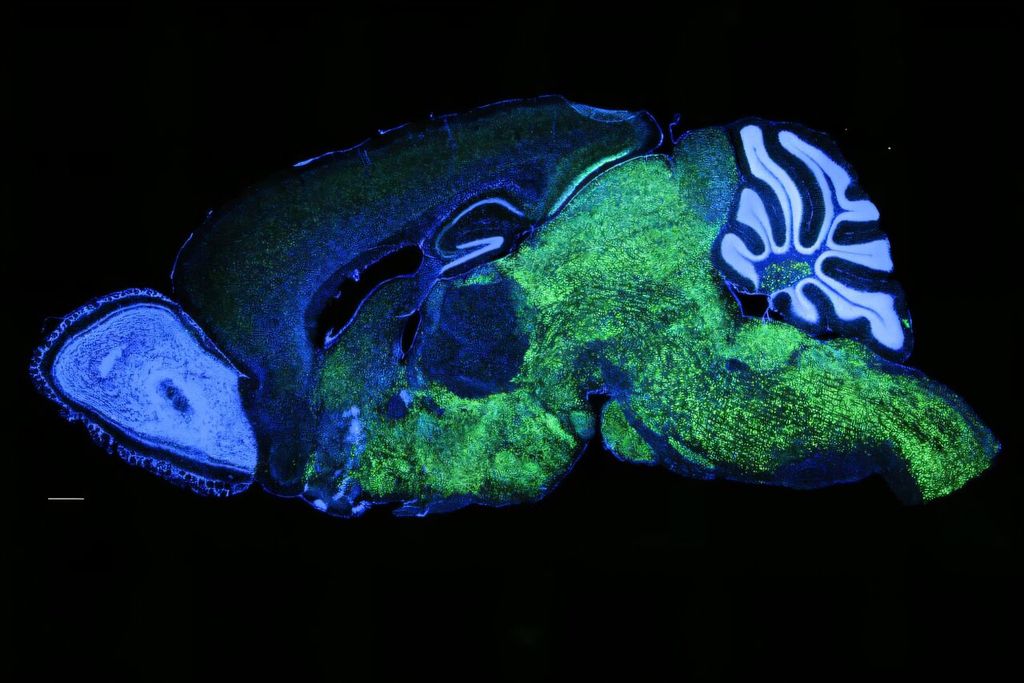
What we know about amyotrophic lateral sclerosis (ALS), commonly called Lou Gehrig's disease, and frontotemporal lobar degeneration (FTLD) is that they are both neurological disorders. This article suggests that they may arise from a similar genetic root. 
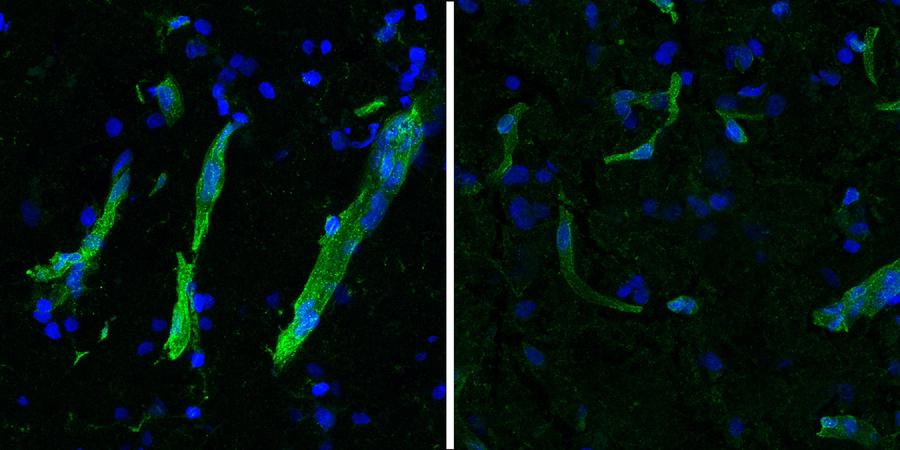
    Using 73 postmortem brain samples, scientist at MIT and the Mayo Clinic compiled gene expression patterns in 620,000 cells of 44 different cell types, and of individuals who had ALS, FTLD, or were unaffected. The pattern they noticed was that in both diseases, the cells responsible for each disorder had nearly identical expression. The study also confirmed some already present theories of the diseases, like genes we thought to be linked to them showing up in the particular gene expression of problematic cells. The last big discovery showed a pattern of a compromised blood brain barrier in the brains of people with either disease. 
    These findings are significant because it narrows down our understanding of the disease mechanisms by relating them. If we can prove they arise from thr same pathway, possibly even through the same exact genes, we can look what other similarities they have and find the root problem that the genes are causing. It could be in the neurons or the blood brain barrier, neither, or both. And of course, the more we know, the better we can treat.

Source:
https://news.mit.edu/2024/als-ftld-show-strong-molecular-overlaps-0322

Posted by: Michael Breslin

Monday, March 18, 2024

Preventing Breast Cancer

The BRCA1 and BRCA2 genes can carry certain mutation which can increase a women's susceptibility of getting breast cancer by 80%. After finding out that their likeliness of getting breast cancer are up 80% some have an option of a mastectomy which removes the breasts and can prevent the diseases by 90%. In the study they followed the data of 1,600 women with the BRCA genes from 9 countries. Half of the women got mastectomies and half did not. Of the half that did go through with the mastectomy there were 20 cases of breast cancer and 2 deaths. However, of the half who did not get the mastectomy there were 100 cases of breast cancer and 7 deaths. 

In my opinion I think it is great that women have the option and ability to chose whether or not they receive a mastectomy. It does make me wonder in the future if there would be anything genetically we could figure out instead of having women either get a mastectomy or have an 80% chance of getting breast cancer. Overall, I'm glad that they can catch it early in some cases now within an individuals genes and hope that it keeps saving lives in the process.


Link: https://www.usnews.com/news/health-news/articles/2024-02-20/preventive-mastectomies-may-save-lives-of-women-with-breast-cancer-genes

Additional Link: https://www.mayoclinic.org/diseases-conditions/breast-cancer/symptoms-causes/syc-20352470


Genetically Vegetarian?

 It was discovered that a large number of Americans, 48% to 64%, that identify as vegetarian are still found to be consuming poultry, fish and/or red meat. New research suggested that it came down to one's DNA, and findings point to three particular genes that seem to be strongly linked to vegetarianism. To research this, scientists had to compare the impact of genes on eating patterns, comparing strict vegetarians to non-vegetarians (control group). These scientists discovered that there are potentially 31 genes associated. Several of these discovered genes were found to be involved in the metabolism of fat and/or brain function. It is speculated that there is a need for lipid components in non-vegetarians, suggesting that those who are vegetarian have no need for these components and are able to synthesize them endogenously. 

I think these findings are really interesting in that vegetarianism could be genetically linked. I expected the research to be about environmental changes that would affect one's decision of being vegetarian. Such as the lone star tick which makes the person bitten develop an allergy to alpha-gal, allergy towards red meat. However, it is interesting that there are possibly genes that make a person favor vegetarianism. It also makes perfect sense, especially if it is based on lipid components and what some people may or may not be able to synthesize. 


Friday, December 8, 2023

Genetic variant may help prevent obesity

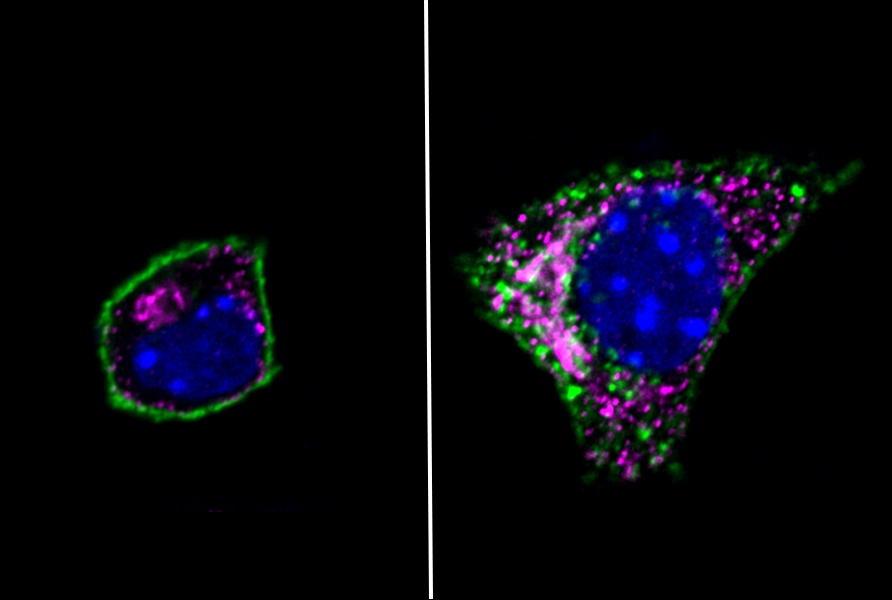
images of insulin-producing beta cells show the GIP receptor Q354 variant

Researchers at Weill Cornell Medicine found insight into the role of a genetic variant in combating obesity and how genetic variations can affect one’s susceptibility to weight gain. They focused on a genetic variant that is found in the glucose-dependent insulinotropic polypeptide (GIP) receptor which is known for stimulating insulin and associated with leaner BMI. In order to study and understand the mechanics of this variant, researchers used CRISPR-Cas9 technology. They used this to genetically engineer mice with the variant in the gene that encoded the GIP receptor. They found that the mice with this variant tended to stay leaner and processed sugar more efficiently than the other mice with a different common variant of the receptor. Researchers found that there was a bigger difference between the female subjects with and without the gene variant compared to the male subjects who, as a group, experienced little differences when consuming a regular diet. They did find that both male and female mice were protected from obesity by the gene variant when they were fed a high-fat diet, unlike the other litter without the variant, which suffered from obesity. The variant caused a high sensitivity to the GIP hormone that triggers insulin release in mice. Insulin regulates blood sugar levels and helps convert food into energy. More insulin was produced by the pancreatic cells in response to both the glucose and GIP hormone which would explain the increased efficiency in processing glucose.
        Researchers stated that on a cellular level the GIP receptors and their effect/behavior impact metabolism and weight gain/loss. More research needs to be done to confirm the effects of the variant and researchers also claimed that they want to study the differences in the receptor’s behavior in other types of cells. They more specifically mentioned brain cells as they could play a crucial part in the sensation of “hunger” and potentially regulate it. In pursuit of a precision medicine approach, they stressed the importance of understanding how different genetic variants in the GIP receptor responded to the available weight loss medications that are currently on the market in hopes of matching a specific weight loss drug to a specific genetic variant. It is interesting to see the steps that it takes to reach this goal and how this provides an important piece of the puzzle for tailored weight loss treatments based on an individual's genetic variants.


Links:
https://www.sciencedaily.com/releases/2023/12/231207161355.htm
https://news.weill.cornell.edu/news/2023/12/specific-genetic-variant-may-help-prevent-obesity#:~:text=Genetic%20Variants%20of%20the%20GIP%20Receptor&text=%E2%80%9CStudies%20suggest%20that%20people%20with,biochemistry%20at%20Weill%20Cornell%20Medicine.