Showing posts with label "gene variants". Show all posts

Thursday, November 20, 2025

Genetic Breakthroughs in Bipolar Disorder Blog #2


Angelina Tadros

Genetics Blog #2

Dr. Barbato

November 20, 2025


Genetic Breakthroughs in Bipolar Disorder


Bipolar disorder (BD) is a highly heritable psychiatric condition. Its genetic basis has been difficult to map because it involves many small genetic effects rather than a singular “bipolar gene”. This large multi-ancestral study broadens our understanding by identifying 298 genetic loci linked to BD, making it one of the strongest genetic analyses done so far. The researchers compared clinically diagnosed cases with a large set of self reported data (from 23AndMe and others), finding that the self reported samples often more closely resemble BD type II, while clinically established samples matched better with BD type I and schizophrenia related genetic patterns. This shows that bipolar disorder varies across different groups of patients (clinically diagnosed and self reported), and that the type of sample researchers use can influence the kind of genetic patterns they see.

This study further revealed that many of the identified genetic variants influence pathways involved in synaptic function( how neurons communicate with each other at the synapses), dopamine and calcium signaling, and specific neuron types in the prefrontal cortex and hippocampus- areas heavily involved in mood regulation. Genetic risk scores are able to now give some sort of an idea of who might inherit/develop bipolar disorder, especially when using high quality clinical data, although they are not yet reliable enough for medical decisions. Still, the study identified over 100 genes that may contribute to the disorder, showing links between bipolar disorder, schizophrenia, and other mental health conditions.

Figure 1-shows the correlation, and standard error, between BD and other disorders

This research is important for individuals living with bipolar disorder because it ensures that BD is a biological, brain-based condition, not an issue of personal weakness. By exposing how complex the genetics of bipolar disorder truly are, this study helps scientists move a step in the right direction toward more accurate/precise diagnoses and possibly better treatments at some point in the future. While the results are not yet entrusted to predict who will get BD, it offers an opportunity to better understand and grow in how we think and address similar situations. The study ultimately brings us closer to understanding its biology and offers hope for improved therapies in the future.

Article link +picture link 

https://www.nature.com/articles/s41586-024-08468-9

Similar article https://www.thelancet.com/journals/lancet/article/PIIS0140-6736(09)60072-6/abstract


Tuesday, October 21, 2025

Yeast: Cracking the Code of Genetic Diversity

A recent study done on yeast genomes aimed to better understand how genetic variation contributes to phenotypic diversity by focusing on structural variants and how they are overlooked compared to single nucleotide differences. Some of these variants include insertions, deletions, and rearrangements. Using over 1,000 strains of Saccharomyces cerevisiae (budding yeast), researchers created 1,482 almost complete genomes through long-read sequencing. This allowed them to construct a detailed pangenome containing 8,541 gene families, over 2,000 of which were not present in the standard yeast reference genome. These new discoveries revealed that structural variants play a significant role in genetic diversity, often originating from processes like horizontal gene transfer or rapid evolution.

Through integrating these genomic assemblies with over 8,000 molecular and organismal traits, researchers have discovered that structural variants had a much stronger influence on phenotypic differences than they did on single-nucleotide polymorphisms. They contributed critically to complex traits and were often tied to multiple characteristics at once. Despite the study being limited to yeast and not being able to fully resolve all genetic complexities, it did demonstrate the power of combining complete genome sequencing with large-scale trait data. This approach offers a framework for studying how genetic variation influences diversity in more complex species, including humans.


    This study is fascinating as it pushes beyond the traditional focus on small DNA changes and emphasizes the importance of larger structural variation in shaping biological diversity. It displays how even simple organisms like yeast can assist in answering complex genetic questions that apply to all living things. Research not only enhances our understanding of evolution and trait development but also shows us new possibilities for studying genetic disorders and variation in humans through genome-scale methods.

https://www.sciencedirect.com/topics/neuroscience/saccharomyces-cerevisiae

Monday, October 13, 2025

Obesity Prediction Could Be Guided by Genetic Risk Scores

 In an article written by the NY Times, there was a study conducted to see if there was a correlation between obesity and one’s genetic makeup. Many believe that your genetic component is stronger than your environment. Dr. Hiroschorn, an author for Nature Medicine states that genetics offers indications of who is and isn’t at risk of being obese. “Finding a genetic footprint for obesity has proved challenging. With rare exceptions, there’s not one gene or even a few that are the culprits. Instead, obesity is spurred by thousands of gene variants acting in concert. Each variant exerts a tiny effect”.

With the data given from these genetic variants, it could help the providers give the patients the proper guidance and support to live a healthier lifestyle in anticipation of weight-related health dangers. The scores given can give us an idea of when young children could get obesity as adults. This would provide a lot of help for the future generations of kids and prevent issues such as heart disease (elevated cholesterol and blood pressure). Aside from genetic factors, there are also environmental factors that greatly affect the individual but genetic composition is definitely important.


https://www.nytimes.com/2025/07/21/health/obesity-genetic-risk-score.html?searchResultPosition=2 

https://obesitymedicine.org/blog/obesity-and-genetics/ 


Friday, May 2, 2025

Genetic Study of Asthma

    In a recent article published on May 2, 2025 by the Physician's Weekly, states that researchers found significant differences in genes potentially linked to adult-onset asthma and childhood-onset asthma with an overlap between the two. After combining experiment and computational approaches to reanalyze genome-wide association study (GWAS) for data on AOA and COA the researchers ended up discovering hundreds of genetic variants with a high likelihood of having a causal effect on both types of asthma. The researcher team applied a fine mapping of a statistical technique with asthma, in order to summarize statistics found from the UK Biobank. It was explained that the GWAS association provides sets of variants associated with the disease in order to perform the research. So when the variants overlap with chromatin regions in cell types that are relevant to asthma pathogenesis like lung epithelial cells can potentially cause casualties to the asthma phenotypes. The researcher were able to incorporate data on expression quantitative trait loci, which is a genetic variant associated with differences in the gene expression and chromatin interactions from blood and lung cell types to link the fine mapped variants to their target genes Therefore refining the list to the likelihood of casual genes. After doing so the fine mapped analysis revealed 21 credible sets of variants for AOA and 67 for COA with just a 16% of sets shared by the both. Once the researchers searched the loci for cis-regulatory elements linked to asthma they were able to nominate 62 candidate genes for AOA and 169 for COA which was more than 60% of which exhibited open chromatin in multiple cell lineages, that could include many genes that would've involved immune and inflammatory responses. They were able to confirm regulatory effect, and that six of these candidate elements were tested in brachial epithelial cells by using luciferase reporter assays. According to the study, four of them showed allele specific activity consistent with the asthma risk variant which would then narrow the function gap.


Links: 


Thursday, November 21, 2024

Advances in Understanding Miscarriages

An article published by Mirage News  study done by Rutgers University recently revealed some of the genetic causes behind miscarriages. Researchers found that some women have a gene variant that causes accelerated aging of their eggs, with a difference of a single amino acid in the resultant protein. This leads to higher rates of aneuploidy, and as a result a higher chance of miscarriage. Rutgers decided to conduct a follow-up study on mice, and the results showed that the variant was indeed associated with egg abnormalities.

This new discovery may have an important impact on women's reproductive health. As the article states, it may give women who are aware of this variant more time for planning a family. Having this information might allow women to make more informed, more successful choices.

I personally thought that this was a really insightful article; the writer simplifies the full research into digestible, interesting information. As a woman myself, I do worry about my own reproductive health and fertility, so I find that this article quite helpful in explaining why things like miscarriages happen. I was very surprised to find how simple the cause was as well; everything that was written in the article were all concepts and terms that I was very familiar with. All in all, this article makes me feel less fearful and more in control about my own reproductive health.

ARTICLES
https://www.miragenews.com/researchers-target-genetic-variant-linked-to-1362336/

Wednesday, April 10, 2024

In the Genetics of Congenital Heart Disease, Noncoding DNA Fills in Some Blanks

Nancy Fliesler, from the Boston’s Children Hospital, talks about how for a couple decades now, researchers have been trying to find out what are the genetic causes for congenital heart disease (CHD). Some causes include chromosomal abnormalities, genetic variants affecting protein-coding genes, and environmental factors, but this only accounts for about 45 percent of cases of CHD. There has been evidence that noncoding DNA does contribute to CHD. It’s difficult to find out which noncoding variants are involved in heart disease, and which are not. Statistical filters were applied to separate the noncoding variants that were not contributing to CHD. 7,000 variants in noncoding DNA regions were left after the separation. 403 affected the activity of transcription enhancers out of the 7,000 variants they tested. 


They then had to introduce 10 of the noncoding variants into normal human stem cells at a certain location on the genome. Four out of the ten variants altered the expression of neighboring genes when the stem cells formed into cardiomyocytes. The research conducted suggest that hundreds more noncoding variants contribute to CHD which could explain cases that are negative by exome sequencing. Future findings could eventually be used to classify patients’ risks, predict outcomes of surgery, or change the course of structural heart disease during pregnancy or after birth. This is important research as we didn’t know for sure what was causing CHD. To know now that there is a noncoding DNA that is the culprit for this disease is revolutionary. 


Wednesday, November 22, 2023

Suicide Genetics

    Suicide happens to be one of the leading causes for death and was the cause of over 48,000 deaths in 2021. From the year 2000 until then suicide rates had gone up 36%, and now new research is identifying gene variants that are associated with the increased risk of attempting suicide. This research of genes had also found connections to physical and mental health issues, chronic pain, ADD/ADHD, lung conditions, and heart disease.  

    The data collected for this came from 22 different populations which had ethnic backgrounds as well and showed that the effect came from different genes and not just one gene influencing risk. When taking genetic suicide attempts and comparing it to over 1,000 other health issues, the researchers found an overlap in mental health conditions and physical health conditions. It was also told that just because you have one of these health factors does not mean that you are at a high risk for suicide; That only containing combinations of genetic predisposition and having other stressors on top of that can increase your risk for a suicide attempt.

    What was identified in the study was gene variants and how they control processes in cells that are related to managing people's stress, repairing their damaged DNA, and also interacting with the immune system. At the end of this research, it was concluded that this data is not the cause, but that new pathways have been found to help in assessing and treating suicide risk. This will result in exploring common biological factors in mental and physical health conditions. 


Source:

Other:

Monday, November 20, 2023

Largest-Ever Study of Suicide Genetics Gives Clues to Who's at Risk

Largest-Ever Study of Suicide Genetics Gives Clues to Who's at Risk


In a groundbreaking study published in the American Journal of Psychiatry on October 1, researchers have identified 12 gene variants that may be linked to an increased risk of suicide attempts. Led by Anna Docherty, an associate professor of psychiatry at the Huntsman Mental Health Institute (HMHI) at the University of Utah, the research sheds light on the intricate connection between genetics, mental health, and various physical ailments.

Contrary to expectations, the study revealed that it isn't a single gene but the cumulative impact of different genes that contributes to the risk of suicide attempts. Drawing data from 22 diverse populations, including people of various ethnic backgrounds, the research team conducted a meta-analysis involving the Million Veteran Program and the International Suicide Genetics Consortium. This comprehensive approach included data from nearly 44,000 documented suicide attempts and over 915,000 ancestry-matched individuals serving as a control group.


The findings uncovered a complex web of genetic variants associated with suicide attempts. The team then compared this data with genetic information on more than 1,000 other health issues. Remarkably, the study demonstrated significant overlap not only with mental health conditions but also with various physical health problems such as chronic pain, attention-deficit/hyperactivity disorder (ADHD), lung conditions, heart disease, smoking, and lung-related illnesses.

This study showing that causes of suicide can be studied through genes that we are born with is very good and helpful information that can help treat people who are suicidal. Many times people who are suicidal are not able to express how they feel and it makes it much harder for people trying to help. With this study it can make it easier to see what genes are effecting people into having them be suicidal.


Links:


Sunday, November 19, 2023

Hypodontia of Maxillary Lateral Incisors

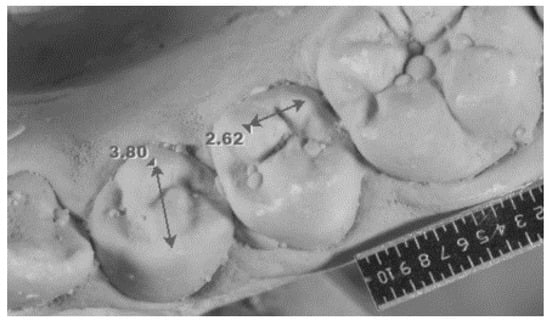
 Hypodontia, also known as tooth agenesis, is a frequent variation found in dental development and could occur as a part of a syndrome or in a nonsyndromic form. Genetic factors are a major component of the formation of these teeth in terms of size and shape. This particular study focuses on a specific variant of MSX1 (MSX1 rs8670). A sample of patients with isolated, maxillary, lateral incisor agenesis and matched controls had the measurements and morphology of their teeth noted. The methods of this analysis were: genotyping the MSX1 rs8670 genetic variant and morphometric measurements with a 2D image analysis. They were both performed for 26 hypodontia patients and 26 matched controls. This genotyping showed that the presence of the T allele increased the risk of upper lateral incisor agenesis to about 6.9 times the risk of individuals without the allele. There were also easily identifiable morphological differences between hypodontia patients and controls and between the unilateral and bilateral agenesis cases. Of all the teeth affected by hypodontia, the crown of the bucco-lingual dimension was the most affected. There was also evidence indicating that there was significant variation in the crown shape with the Carabelli trait of the upper first molars. The overall findings conclude that the MSX1 rs8670 variant does have associations with variations of the morphological outcomes in dentition. However, epigenetic and environmental factors interact with this variant to cause the variation in morphology, not just the variant itself.


The article highlights how genetics is intertwined with environmental factors, creating variation in morphology; in this case, specifically teeth. This demonstrates that a reliance on a singular factor for an outcome is not very common. Further linking of factors are needed to truly understand the observable traits in an individual, beyond just one or the other. I find the results of this analysis to be a beneficial supplement in studying similar variants in dentition in future analysis.


Link to the article “Genetic and Morphological Variation in Hypodontia of

Maxillary Lateral Incisors”: https://doi.org/10.3390%2Fgenes14010231

another related article: https://doi.org/10.1177/154405910808700715


Saturday, November 18, 2023

Genes linked to Raynaud's Phenomenon


     Raynaud's phenomenon is a rare condition when fingers and toes go numb, get cold, and turn a different color. This is due to the blood vessels constricting and scientists have found that this condition is triggered by two gene variants. Raynaud's phenomenon happens when a person feels cold or stressed. This conditions causes the skin to turn white or blue, then red. Not many people are affected as it only affects 2 to 5% of the population and it is mostly seen in women. Raynaud's phenomenon is most often diagnosed in people in their 20's. There are drugs for this, like the antidepressant Remeron, but the side effects for most medications include dizziness and headaches due to the drop in blood pressure. Scientists found that one gene variant in particular affects the constriction and relaxation of blood vessels which is why this occurs. This variant also controls the receptors for releasing hormones when the body is cold or stressed.

     This really sparked my interest because I am a woman. This is something I've never heard of and found that this condition is rare but happens to affect people like me. But a question I have to ask is, why does it mostly happen to women out of the 2-5% that have this condition? Are there factors that make this condition lean more towards the female sex? After doing a little bit of research, I found that the exact cause is unknown, however, genes play a role in the development of this condition as well as estrogen. The higher the estrogen levels, the more likely it is to cause someone to have Raynaud's phenomenon. Even though estrogen levels are tied to this condition, the newly discovered gene variants are the most probable cause behind this phenomenon.

 Sources:

https://www.niams.nih.gov/health-topics/raynauds-phenomenon#:~:text=Raynaud%2527s%2520phenomenon%2520is%2520a%2520condition,as%2520the%2520ears%2520or%2520nose

https://www.usnews.com/news/health-news/articles/2023-10-16/scientists-spot-genes-linked-to-raynauds-phenomenon

Friday, April 29, 2022

Study Finds Human DNA Variants that Relate to Severe COVID-19 Cases


After analyzing human DNA variants related to severe COVID-19 cases are also related to other serious medical conditions. This includes blood clots and altered autoimmune responses. The data used for this study came from a program by the United States Department of Veterans Affairs, which has one of the largest biobanks in the world. Examining a variety of DNA from them is ideal as the DNA could be exploited by Covid-19. After obtaining this data, the researchers began to look into whether any other health conditions were more likely to be associated with the variants associated with more severe Covid-19. 


In order for this to be done, over 1,500 phenotypes had to be examined. This means that the identifiable traits of disease were found using an electronic health record. According to one of the researchers, one of the things that stood out to them was the high number of immune mediated conditions that shared “genetic architecture” with severe COVID-19. These variants were associated with Covid-19 in the ABO locus. The patients carrying these variants were more likely to have conditions related to blood clots. However, some of the variants were associated with not some having some of these autoimmune conditions


This article gave me insight on how genetic variants could relate to the severity of Covid-19, which is something that I hadn’t thought about prior to reading this article about this study at the University of Pennsylvania. The findings within this study challenges some of the assumptions that are made about Covid-19. The research also shines a light on the risks that people with certain DNA are predisposed to. Linking genetic variations with data provided by biobanks is imperative and extremely valuable both in current and future crises. This is an article that shares the same topic.


Wednesday, April 20, 2022

Fruit Flies Help Reveal Effects of Autism-Linked Mutations


Experiments with fruit flies have allowed researchers to find and analyze rare genetic mutations that are commonly found in autistic individuals. By using fruit flies as ‘living test tubes’, researchers can study which genetic variants identified in autism spectrum disorder persons have functional consequences. The work focused on missense mutations, in which a switch of a single DNA letter alters one amino acid in a protein.

“The scientists engineered 79 autism-linked variants — most of which are missense variants — into the equivalent genes in fruit flies, or Drosophila. The variants came from the Simons Simplex Collection, a repository of genetic data from families with one autistic child. The researchers discovered that 30 of these changes had significant consequences for the flies, such as a reduction in courtship behaviors; greater or lesser amounts of grooming; smaller eyes; and smaller, crumpled, serrated, blistered or absent wings” (Choi, 2022).

Scientists cautioned that although these 30 mutations did have strong consequences in fruit flies, they did not mean that they all had a direct correlation to autism in humans. One of the genes linked to disruptive effects in fruit flies is GLRA2. It helps control chemical messengers in the brain but if not present or found to be mutated shows as a spectrum of neurodevelopmental conditions, such as autism, epilepsy, developmental delay, and intellectual disability.

The strategy and testing method could help researchers investigate other human mutations of unknown significance and determine how genetics affect other diseases as well.

More research on autism and genetic studies can be accessed here

Thursday, September 19, 2019

Does Our DNA Make Us All Unique or All the Same?


"Does Our DNA Make Us All Unique or All the Same?" Bob Grant


As we know, all human beings look different with almost all the same basic physical features. How is that? It all comes back to human genetics. "The study of human heredity occupies a central position in genetics"(Carson 2019). Therefore, this study is so popular due to the fact that understanding human heredity can allow for scientist and doctors to diagnose and treat any disease that involves genetics; but also humans want to know why they are the way they are. Which ties into Bob Grant's statement, "A better understanding of the genetic diversity among humans could motivate an appreciation of both our similarities and our differences"(Grant 2019). With that being said, finding a better understanding of the genomic tapestry, that makes up the human species, will stem from,"diversifying our cataloging and curation of human genome sequences"(Grant 2019). As research continued on this topic, the Human Genome Project realized that individual genomes varied much greater than originally expected. For instance, "researchers now know that human genomes differ from one another by about 0.6 percent"(Grant 2019). Believe it or not, this is six times greater than originally expected in the early 2000s.
Image result for dna makes us unique


So, are all humans different or the same? As people become ore educated in the genomic science world, people begin to appreciate how unique people really are, thanks to the genitives blueprints that build each individual. Although, research continues to notice the insane similarities in every human's DNA. Therefore, humans are just as much different, as they are the same. Today, researching of the widespread misuses of genetic science include the finding of the specific DNA that makes humans different from one another. For instance, after intensive research, researches discovered, "the genetic ambiguity between “races” far outweighs any clustering of genes capable of defining a particular race"(Grant 2019). Therefore, looking at DNA from this aspect, can really make all individuals seem very different.

On the other hand, looking at the main genetic similarities, that all humans carry, shows that all humans are somehow all related. Fortunately, for the human species, being alike can also bring a whole new development of medicine. Researchers found, "Our sameness can aid us in making therapies that are specific to genomic profiles shared by groups of people"(Grant 2019). Overall, researchers of this topic must come together to help science and medicine as a whole and use this complexity of research to it's advantage. Knowing the genetic commonalities and differences is what will guide the human species going forward.


https://www.the-scientist.com/editorial/does-our-dna-make-us-all-unique-or-all-the-same--66307
https://www.britannica.com/science/human-genetics

Saturday, November 24, 2018

Gene vital for post-stroke recovery identified for the first time

     According to the American Stroke Association, nearly 800,000 individuals in the United States have a stroke each year. Strokes are the fifth leading cause of death. The two types of stroke are ischemic and hemorrhagic. Ischemic stroke are due to clots in the blood vessel to the brain and they account for 88 percent of strokes while a hemorrhagic stroke occurs when a blood vessel bursts leading to the brain. A physician named Dr. Jordi Jimenez Condi has identified a gene responsible for significant recovery in stroke patients at Hospital del Mar.
   The gene that was found responsible for the recovery in stroke patients is called PATJ gene. PATJ is a gene involved in cell binding and it is expressed vastly in nervous tissue. PATJ is also associated with sleep disorders and obesity. The study used data from over 2000 patients. It showed that patients with specific PATJ gene variants in stroke patients resulted in worse recovery. In the future, the gene variants can be distinguished for each individual specifically and it will allow individuals to have specialized rehabilitation strategies. This is an important study because it will allow individuals to make new drugs that are effective in stroke patients. 130,000 people die annually due to ischemic stroke which can be reduced if new drugs have a positive effect on the genes present in an individual.

Thursday, November 22, 2018

The Largest-Scale Genetic Study of Chinese People to Date


Data from noninvasive prenatal testing for fetal trisomy (condition that can cause Down Syndrome) was used by scientists in order to determine and predict past and present characteristics of people in China. The testing analyzes free floating bits of fetal DNA in the mother's blood. This test occurs in China and costs only $100 compared to high quality, whole genome sequencing which costs $1,000 per person. Using the cheaper testing method came with a cost by covering only 10 percent or less of the person's genome, while the more thorough test covered 80 percent or more. Designing custom software and using heavy computations and statistics made up for the leftover analysis.

The resulting data represented nearly every Chinese province which eclipsed many genome-wide studies which include only tens of thousands of participants making this the largest scale genetic study of Chinese people. A total of 141,431 individuals participated. Some information they reported included data showing that more northern than southern Chinese populations contain a mutation of FADS2, a gene involved in metabolizing fatty acids, which indicates a diet richer in animal content. This helps explain the type of food that they eat in their area based on their resources and climate. Also, DNA that was not aligned to the human genome against a database of viral sequences were found in order to diagnose viruses, most commonly identifying hepatitis B and other viruses that can affect pregnancies. In addition, 48 gene variants associated with height and 13 with body mass index were collected by analyzing the height and body mass index of their samples. Doing this reveals associations between genes and specific traits through noninvasive pregnancy testing. This data collection on evaluating prenatal testing is still moving forward today for more than 3.5 million Chinese people.

This type of research seems very promising and intriguing to me as they can continue this type of data analysis for other races, not just Chinese. Since I am Filipino, I'm hoping they can expand their data collection in the Philippines so I can learn more about genetic characteristics and their history. Each race should receive this type of testing which can lead to predictions in human traits of fetuses.

Monday, October 8, 2018

Could we use gene mutations to treat diabetes and heart disease?


A recent study has brought to light a link between mutations of three genes that control cholesterol and can possibly lower the risk of cardiovascular problems and type 2 diabetes. This study, conducted  at the Stanford University School of Medicine and Veteran Affairs Palo Alto Health Care System, linked this genetic information on about 300,000 veterans. The study focused on how the three gene variants/ mutations were linked to positive effects rather than how they damaged the body. If the veterans carried the following genes: ANGPTL4 for type 2 diabetes, PDE3B for coronary heart disease, and PCSK9 for abdominal aortic aneurism then they on average had better levels of blood cholesterol. Also depending on the gene in which they carry they had less of a risk of developing the disease correlated with that gene. With this information they hope for the creation of drugs that will mimic the effects of these gene variants.

The mutation that Stanford is most closely looking at is PDE3B, because a drug is circling the market already called Cilostazol. They hope that this drug can be a strong contender to treat heart disease. Researchers pooled 297,626 veterans and collected their cholesterol to look for the variant that played a role. The study told of 188 previously known genetic markers and 118 new ones. PDE3B was found in the study to lower triglycerides, raise HDLs and lower heart disease by 20%. Cilostazol is thought to have the same effect, but it has not been proven. I think that once a large trial has been conducted with this drug or another one that has the same genetic makeup it should be on the market. Being able to lower bad cholesterol, diabetes and heart disease (the number one killer in America) would be a huge breakthrough in medicine.

Wednesday, April 11, 2018

Gene study solves mystery of 'alien' skeleton


        The Ata skeleton was discovered 15 years ago in Chili, it puzzled scientists because they thought it might have been evidence of alien life. They thought this because of the skeleton's strange proportions. The Ata skeleton is 6 inches long, has 10 pairs of ribs, and a cone shaped head. But new research proves that it is in fact a human skeleton.
         Scientists at University of California and Stanford University concluded after unearthing 64 gene variants that could have caused Ata's deformations. They concluded that the skeleton was that of a girl approximately 6-8 years old when she died, who had genetic mutations linked with dwarfism and bone disorders. They made these conclusions after they ran a whole-genome analysis of the skeleton, and then running the genome through the Human Phenotype Ontology database. They did this in hopes of pinpointing genetic variants in the Ata skeleton that may be tied to a human disease. 
       Some of the 64 gene variants that they discovered have been associated with multiple human disorders, of those include dwarfism and rib abnormalities. The researchers identified four novel single nucleotide variants within the genes that are also linked to bone diseases such as scoliosis.

        In my opinion it would have been very interesting if the research had concluded that the skeleton was evidence of alien life, however it is good that they concluded it to be human remains. They stated that the findings of this new study can help to gain a better understanding of the genetic mutations that cause bone diseases in humans. They can advance on what they have learned form the Ata skeleton. The researchers believe that with further study the findings from Ata can pave the way for new treatments of bone diseases or maybe even to speed up bone growth. 
         The results of this study are important and brings researchers and scientists a step closer to finding treatments from bone disease. There are many people who would be able to benefit from treatment for bone disease. Any step closer to a finding that helps take away some of the people who are suffering in life is an extraordinary finding. I hope they continue to study the Ata skeleton in order to learn more and continue the findings of helping with bone development and bone diseases. 

Link to article
Another link