Showing posts with label cholesterol. Show all posts

Sunday, December 7, 2025

A New Approach to Cholesterol Management Through Gene Editing


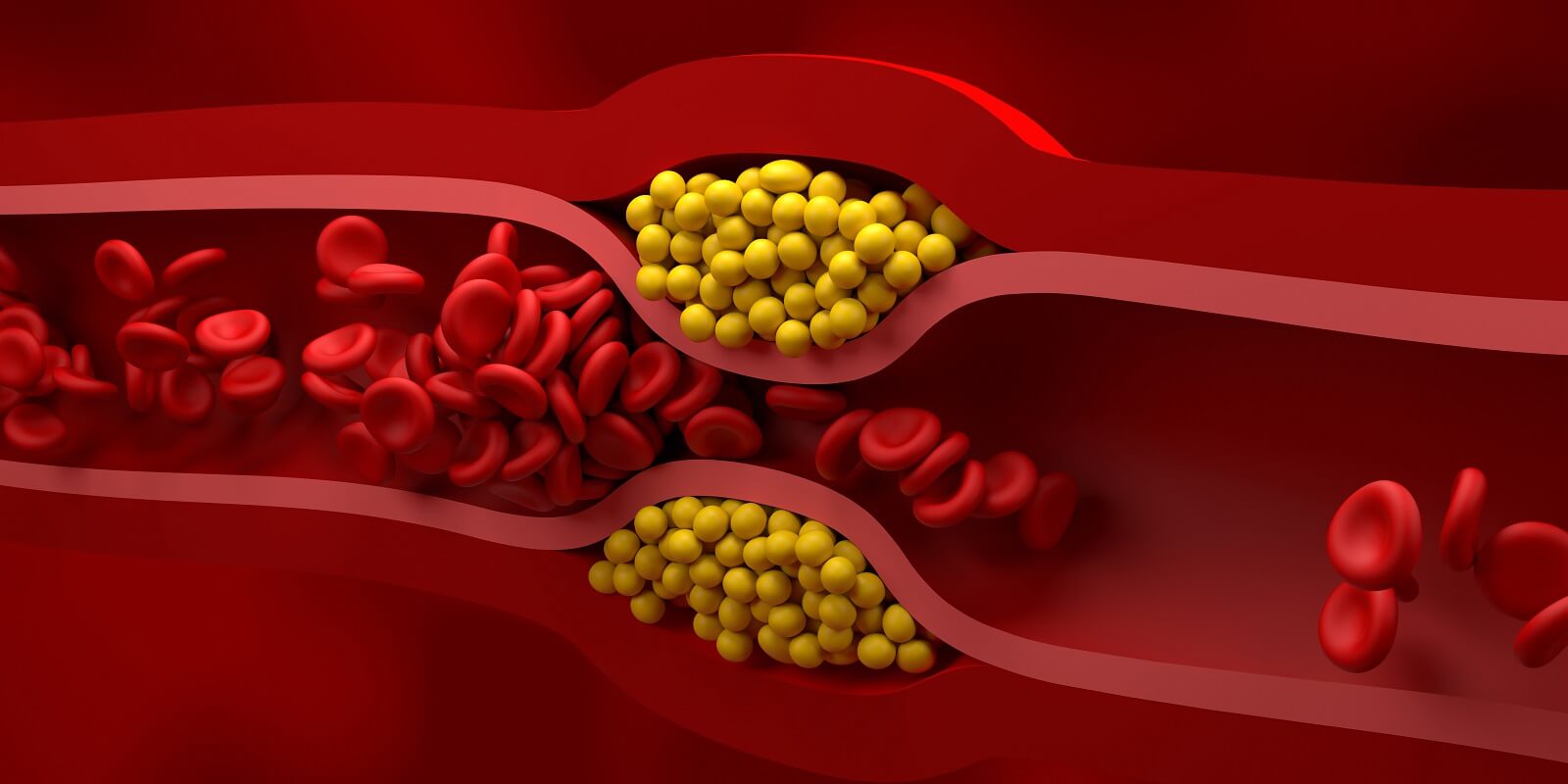
The recent Cleveland Clinic CRISPR trial represents a revolutionary approach to a pervasive health challenge that affects over a quarter of American adults. LDL cholesterol, while essential for bodily functions such as cell membrane construction and hormone production, becomes dangerous when present in excessive amounts. As explained in Cleveland Clinic's health education materials, elevated LDL levels contributw to artherosclerotic plaque accumulation in arterial walls, raising the risk of heart attacks, strokes, and peripheral artery disease. Traditional management strategies have relied on daily medications like statins or lifestyle modifications including dietary changes and increased physical activity, yet adherence remains problematic. Approximately half of patients discontinue cholesterol-lowering medications within a year. This compliance gap emphasises the need for more durable therapeutic solutions. 

The November 2024 trial results offer a glimpse into what such a solution might look like. By using CRISPR-Cas9 technology to permanently disable the ANGPTL3 gene in liver cells, researchers achieved dramatic reductions in both LDL cholesterol and triglycerides with a single intravenous infusion. The therapy, called CTX310, essentially mimics a naturally occurring genetic variant found in some individuals who exhibit lower lifetime cardiovascular risk without adverse health consequences. Within two weeks of treatment, participants experienced approximately 50% reductions in harmful lipid levels that persisted for at least 60 days, with no serious safety concerns emerging during the initial follow-up period. This represents a paradigm shift from managing cholesterol through repeated interventions to potentially correcting the underlying genetic mechanism in a one-time procedure. 

The convergence of gene-editing technology with our understanding of lipid metabolism demonstrates how modern genetics is transforming preventive cardiology. Rather than battling patient non-adherence or the cumulative burden of lifelong medication courses, CRISPR based therapies could fundamentally alter the trajectory of cardiovascular disease for millions of people with treatment resistant lipid disorders. While the technology remains in early development, requiring extensive long term safety monitoring over 15 years, the initial results suggest that permanently rewriting problematic genetic instructions may become a viable strategy for conditions previously manages only through sustained behavioral and pharmaceutical interventions. This approach exemplifies precision medicine at its most literal, editing the genetic code itself to prevent disease rather than treating its symptoms. 

Sources: 

“Cleveland Clinic First-in-Human Trial of CRISPR Gene-Editing Therapy Shown to Safely Lower Cholesterol and Triglycerides.” Cleveland Clinic, Cleveland Clinic, 8 Nov. 2025, newsroom.clevelandclinic.org/2025/11/08/cleveland-clinic-first-in-human-trial-of-crispr-gene-editing-therapy-shown-to-safely-lower-cholesterol-and-triglycerides.

“What’s so Bad about LDL?” Cleveland Clinic, 26 Nov. 2025, my.clevelandclinic.org/health/articles/24391-ldl-cholesterol.

Saturday, November 9, 2024

New Gene Editing Treatment Cuts Dangerous Cholesterol in a small study


A small group of patients  with severe heart diseases after trying all the available cholesterol-lowering medications statin volunteered in experimental study that use gene editing to lower cholesterol. The results published from the Verve Therapeutics of Boston at the AHA(American Heart Association) proved that the treatment reduce cholesterol levels and it appears to be safe without side effects. The study was conducted by Dr. Sekar Kathiresan. The trial involved 10 patients on the average age of 54. The patients received a single infusion of microscopic lipid nano particles that contains molecules to edit and block the gene PCSK9 which is responsible of cholesterol synthesis in particular the LDL cholesterol. The lipid spheres were injected through the blood stream to reach the liver. Once into the liver cells the spheres would open up and release two molecules. One of the molecules had instruction for the DNA to create a gene editing tool, the other one is a messenger to bring the editing gene tool to the appropriate gene. The gene editing tool works like a pencil and an eraser. The eraser delete the base of the targeted gene while the pencil writes a new one that will  turn off PCSK9. Patients that received the treatments dropped the level of LDL by 39 55%.

The end goal of this study and of this treatment was and it is to find a way to administer a single cholesterol-lowering treatment that can change the outcome of hearth diseases. Heart diseases are the most common diagnosed diseases and are the leading cause of death in America, by causing nearly 800,000 deaths every year. Most of those are related to cholesterol and LDL type. The connection between LDL and the gene was discovered at first by  French researchers, that found a mutation of the gene PCSK9 , was leading to high level of LDL cholesterols. The mutated gene founded in the French study was then looked at more accurately and it was discovered that there were people with a different mutation of the same gene that could have lower LDL cholesterol and protect from the disease. In fact, people with either one or both PCSK9 gene disabled had very low LDL levels. Different pharmaceutical company started then work on a treatment that could reproduce the same effect. The first  treatments created was made of ripetitive injections of antibodies that blocked the gene.  This new genetic editing technique is a great breakthrough regarding hearth disease because recreate the effect of the mutation find in certain people. 

In my opinion if this gene editing technique could  be administered on larger scale it could make the difference  between preventing and curing hearth diseases. The question at the moment is on the safety of this genetic treatment and on its long lasting effects. If those two aspects of the treatment could be controlled heart disease could become way more easy to fight. 

 3D angiogram scan of a heart with atherosclerosis 


Monday, August 5, 2024

Omega 3 Supplements Found to Help with Cholesterol

In the article, researchers conducted a study using data from 441,000 participants to predict the genetic likelihood of high cholesterol. High cholesterol can be detrimental to ones health since it increases risk of stroke and heart attack. People who have it, can combat their cholesterol with exercise and a healthy diet. However, sometimes high cholesterol is still unavoidable in the cases where it is genetically inherited. However, the study found that those who take fish oil supplements may be able to counteract the genetic predisposition for high cholesterol. This can be a pretty easy fix for those with high cholesterol since all they have to do is remember to take a pill each day.

 I found this article particularly interesting since I am someone who is affected by high cholesterol due to my genetics. I combat it by eating a healthy diet and checking my levels every so often to make sure it does not get too high. I wonder if fish oil supplements are more beneficial that trying to eat a lot of fiber.

Additionally, when I looked more into this, I found an article claiming that fish oil can actually be detrimental to heart health. Apparently it can increase the risk of atrial fibrillation as well as increase stroke chances by 5%. This contradicts the first article and I wonder how it is able to help cholesterol but also be increasing chances of stroke and atrial fibrillation.


Wednesday, April 10, 2024

Understanding how humans perceive bitter tastes

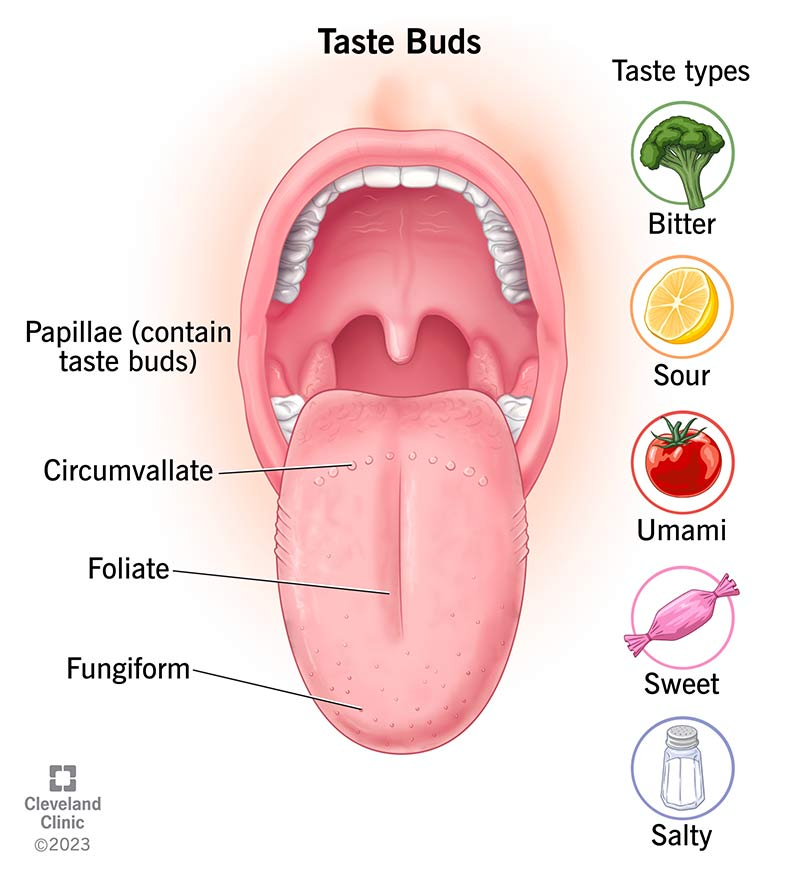
 Scientists from the UNC School of Medicine wanted to understand how humans perceive bitter tastes, starting with understanding the specific taste receptor. TAS2R14 is the bitter taste receptor which is a part of a bigger family of bitter taste receptors, the G protein-coupled receptor (GPCR) family. However, this specific receptor stands out because of its ability to identify 100 different bitter substances. Findings from the research concluded that when bitter tastants encounter the taste receptor, the chemicals wedge themselves to allosteric sites, which causes the protein to change shape and activates the G protein. The receptor being active sends signals to tiny nerve fibers in the gustatory cortex, where the bitterness is perceived. Researchers also found that cholesterol also helps bitterness tastes be perceived. Cholesterol puts the TAS2R14 receptor into a semi-active state so the tastant can easily activate it. The article explains, "While the exact role if bile acid or cholesterol in TAS2R14 remains unknown, it may play a role in the metabolism of these substances or in relation to metabolic disorders such as obesity or diabetes" (ScienceDaily). These findings have brought researchers closer to finding deeper connections between certain proteins and other metabolic processes. 

I think this new information is hopeful, especially for those struggling with metabolic disorders. I would have never thought that bitter tastes could be related to cholesterol nor that there were so many bitter taste receptors. I also find it fascinating how much information could be found from a protein site, with these findings, drugs could be put together to treat and regulate G proteins through allosteric sites, possibly changing so many peoples lives. overall, I thought this article was interesting to read and eye opening, realizing that though it may not seem like it, thousands of things are truly connected whether they seem like it or not. 


https://www.sciencedaily.com/releases/2024/04/240410112824.htm 

https://neurosciencenews.com/bitter-taste-perception-receptors-25896/ 

Sunday, March 17, 2024

Gene Therapy for High Cholesterol

 In 2023, two new gene therapies for high cholesterol were researched and found promising results. One of these therapies involved the gene-editing that targets the PCSK9 gene, this approach would make a small change in the gene. This editing would delete the gene's ability to charge a rise in the cholesterol levels. From extensive research, in theory, this would be a one time treatment that would last a lifetime. The second treatment focused on a particular type of cholesterol [lipoprotein(a)], which is a genetic condition, therefore diet and exercise would not make a difference. The study uses a drug called lipodisiran, which targets the mRNA. This targeted mRNA tells the body to produce Lp(a), but it is this drug that shuts down that process. Of course, there still needs to be more trials for both of these therapies, as they are new and had only a small sample size. 

In the United States many people face high cholesterol, whether it be from birth, genetic, or through their diet. If the situations are bad enough, diet and exercise can only go so far and the statins that they are prescribed might become too mild for their levels. Having these intense therapies would help millions of people, not only in America, but also all around the world. Dietary health is very important to a human being's wellness. Having a balanced diet can aid in other health problems and potentially prevent some. 


Monday, November 20, 2023

New Research Points to Promise of Gene Therapy for High Cholesterol

 What Are the Symptoms of High Cholesterol? | Everlywell

        Two new gene-editing treatments that target extremely high levels of cholesterol in people genetically predisposed to the condition were found safe and effective in two new studies. One of the treatments, from Verve Therapeutics based in Boston, targets the PCSK9 gene using a gene-editing approach. A tiny change is made to the gene, affecting the gene as an eraser, deleting the gene’s ability to fuel a rise in cholesterol levels. In Verve’s preliminary study, 10 patients received doses that did not make a measurable difference in their LDL levels, however 3 patients were given higher doses and their LDL levels decreased by more than half. Verve’s research was limited to people with the genetic disorder familial hypercholesterolemia. With this condition, cholesterol levels are high from birth and many patients suffer from heart attacks in their 30s or 40s.  The second study demonstrated the possibility of treating high levels of lipoprotein(a) cholesterol. People with this genetic condition of high lipoprotein(a) are at a higher risk of having their arteries clogged because Lp(a) attaches itself to LDL making them stickier and more likely to cause plaque. The study involved 48 patients who were given a drug called lepodisiran, which targets mRNA. In this condition, mRNA tells the body to produce Lp(a) but the drug stops this process. Via the study, the drug was found to be safe with no major side effects but also dramatically lowered Lp(a) levels, decreasing levels by 94% for nearly one year. 

The results presented by these two studies show really exciting, promising results. Even though there are still years of additional research before the FDA would consider approving them, these results show results that could be incredibly beneficial for individuals with high cholesterol levels. The first PCSK9 gene study could theoretically be a one-time treatment that would last an individual their lifetime. The mRNA gene study could also theoretically become a treatment similar to that of a yearly vaccination to treat the disorder. The possibilities created from both these studies could relieve individuals with those disorders of the daily prescriptions and injections, and from the strict diet and exercise. And more importantly, the expected lifespan could increase by a lot with a decrease in other medical risks like expected heart attacks. While these studies on gene therapy have made a big impact on treatments for genetically disposed high cholesterol levels, it also paves the way for a broader look into therapeutic gene therapies for different cardiovascular diseases. 

https://www.usnews.com/news/health-news/articles/2023-11-13/two-new-studies-point-to-the-promise-of-gene-therapy-for-high-cholesterol 

https://www.cdc.gov/genomics/disease/lipoprotein_a.htm 

https://www.cdc.gov/genomics/disease/fh/FH.htm#:~:text=Familial%20hypercholesterolemia%20(FH)%20is%20a,sometimes%20called%20%E2%80%9Cbad%20cholesterol.%E2%80%9D

Monday, October 26, 2020

Your Genes Can Control Your Cholesterol Levels

Low-density lipoprotein - Wikipedia
Genetic mutations can effect the production or function of lipoproteins, which transport and store cholesterol. This mutation is called FH, which occurs when there is a mutation in one of your chromosomes for the LDL receptor , which plays an important role in balancing cholesterol levels. Homozygous FH occurs when both parents pass down the gene to the offspring and it leads to very high levels of LDL (low density lipoprotein), which leads to increased cholesterol levels in the blood, blocked arteries, and cholesterol skin deposits. This also occurs early in life, even during childhood, and it is difficult to treat. Treatment can include filtering to blood to remove the LDL particles, known as LDL apheresis. Heterozygous FH is when only one parent passes down the mutated gene and it still leads to elevated LDL levels, high cholesterol, and cholesterol deposits under their skin or on their Achille's tendon, but it does not occur early in life like Homozygous FH. Heterozygous FH is usually detected after the patient's first coronary event such as a heart attack, but it is easier to treat than Homozygous FH and treatment usually consists of oral medication. If one parent is heterozygous and the other parent does not have the mutation at all, all of their children will have a 50% chance of getting the mutation. Meanwhile if One parent is homozygous and the other does not have the mutation, all of their children will have a 100% chance of getting the mutation. Therefore, this mutation is a dominant trait because you only need one allele to express it. 


Friday, April 5, 2019

Beauty Spots in the Genome

According to ScienceDaily, there is a new study conducted by Qiongshi Lu and colleagues, who have discovered that 'beauty spots' vary with a person's sex. Scientist's have performed a genome-wide study that used about five thousand individuals genetic information to find the genome that is linked to 'beauty spots'. Researcher's found several genes related to 'beauty spots' on individuals' face, but there was a difference in the traits depending on the individuals' sex. For women, genetic variation that was linked to 'beauty spots' was also linked to genes for body mass. For men, genes for 'beauty spots' was also linked to the gene that affects blood cholesterol levels. This study is new and upcoming, and it determines how some genetic information for one gene can be a result for another gene and how it varies for different sex's. So far, the study has been done on individuals with the same age and with the same ethical background. Future research can examine individuals with a variety of ages and with different ethical backgrounds.
Moles Allure April Beauty By Numbers

I found this article to be interesting because I did not know that 'beauty spots' had anything to do with genetic information. It was interesting to understand that 'beauty spots' are in our genetic information and how they vary between an individuals sex. Hopefully, with further research, scientists can determine if an ethical background also plays a role with 'beauty spots'.

Monday, October 8, 2018

Could we use gene mutations to treat diabetes and heart disease?


A recent study has brought to light a link between mutations of three genes that control cholesterol and can possibly lower the risk of cardiovascular problems and type 2 diabetes. This study, conducted  at the Stanford University School of Medicine and Veteran Affairs Palo Alto Health Care System, linked this genetic information on about 300,000 veterans. The study focused on how the three gene variants/ mutations were linked to positive effects rather than how they damaged the body. If the veterans carried the following genes: ANGPTL4 for type 2 diabetes, PDE3B for coronary heart disease, and PCSK9 for abdominal aortic aneurism then they on average had better levels of blood cholesterol. Also depending on the gene in which they carry they had less of a risk of developing the disease correlated with that gene. With this information they hope for the creation of drugs that will mimic the effects of these gene variants.

The mutation that Stanford is most closely looking at is PDE3B, because a drug is circling the market already called Cilostazol. They hope that this drug can be a strong contender to treat heart disease. Researchers pooled 297,626 veterans and collected their cholesterol to look for the variant that played a role. The study told of 188 previously known genetic markers and 118 new ones. PDE3B was found in the study to lower triglycerides, raise HDLs and lower heart disease by 20%. Cilostazol is thought to have the same effect, but it has not been proven. I think that once a large trial has been conducted with this drug or another one that has the same genetic makeup it should be on the market. Being able to lower bad cholesterol, diabetes and heart disease (the number one killer in America) would be a huge breakthrough in medicine.

Tuesday, November 14, 2017

No More Cholesterol


In an article posted by Julie Steenhuysen on the Reuter's website, it informs that there are studies being done using nanotechnology to permanently edit genes. In "Nanotech, gene editing used to edit cholesterol gene: U.S. study," US researchers are integrating nanotechnology and gene editing techniques, specifically CRISPR.  In my last article I mentioned that a company was going to use a virus-like vehicle to deliver the CRISPR scissors, in this article, researchers are instead inserting chemically-modified CRISPR components into nano-scale fat particles and injecting them into mice, where they eventually make their way to liver cells. Located in these liver cells is the gene of interest, PCSK9- otherwise known as the cholesterol gene. While some drug companies have been able to synthesize drugs that inhibit this mechanism (shown above), many of these drugs are ineffective for patients who suffer from high cholesterol. Researchers now believe that they can get rid of this gene all together so that patients who suffer from atherosclerosis and hypercholesterolaemia can find relief. The same team of researchers are hoping to find other liver-associated diseases that they can possibly treat with their nanotechnology/CRISPR system.

I think that these researchers have an ingenious way of transporting the CRISPR technology into the body. There is a better chance that the body will invite the fat particles instead of unknown virus vehicles which our antibodies can attack. The removal of this gene would mean that no cholesterol proteins are synthesized, even in future filial generations! While this does sound amazing, it also does scare me that genes can be erased so easily. Who decides who gets this power?? There needs to be limitations to who can use this kind of technology. I understand that some researchers are using this technology for scientific reasons, but then there are others who will abuse it till no end. Also, this research makes me think what problems will arise due to the cholesterol gene deletion. Since we evolved with this gene, it has to play a more significant role in our genome in some way or another. Ultimately, I hope this research gives light to cures for other prominent diseases in our society today.


References:

http://www.reuters.com/article/us-health-gene/nanotech-gene-editing-used-to-edit-cholesterol-gene-u-s-study-idUSKBN1DD1ZN

http://www.pharmaceutical-journal.com/news-and-analysis/features/pcsk9-inhibitors-the-next-cholesterol-lowering-blockbusters/20068181.article


Tuesday, April 12, 2016

When It Comes To Heart Attacks, Less Seems To Be More


In the United States alone, heart disease is the number one cause of death in both men and women. Although both a poor diet and not enough exercise are large contributing components to heart disease, scientists have begun to discover that genetics also plays a large role in decreasing a person’s chance of having a heart attack. Specifically, people who have a mutation on a gene called ANGPTL4 run a 50% lower risk of having a heart attack. They also had lower levels of triglycerides in the blood.

In the study conducted, researchers analyzed 13,000 genes from 200,000 patients, looking for correlations between ANGPTL4 mutations and coronary artery disease (CAD). Patients who had the mutation had not only a much lower incidence of heart attacks, but also had lower levels of triglycerides. It is relevant to note that ANGPTL4 inhibits the lipoprotein lipase (LPL) enzyme, which breaks down triglycerides. This lead the researchers to hypothesize that if ANGPTL4 is not working, then the LPL enzyme is not inhibited, thus lowering the triglycerides found in the blood. Over time this leads to less fat deposits in the arteries, significantly reducing a person’s heart disease risk.

These findings lead to two important conclusions that are very valuable to clinical medical practice. First is, it highlights the importance of healthcare professionals emphasizing lowering triglycerides, and not just cholesterol. Secondly, the discovery of this ANGPTL4 mutation could lead to a new target for medications. It also makes me want to run out and get my blood tested! It is really interesting overall what a big contribution genetic research can/is contributing to modern medicine. Hopefully in a decade or two, targeted medicines will be available for almost all the conditions that affect humans. However, the topic of is they will be affordable or not is a whole other discussion (#FeelTheBern!)

http://www.popsci.com/genetic-mutation-could-save-you-from-heart-attack 
http://www.nejm.org/doi/full/10.1056/NEJMoa1507652?query=featured_cardiology& 

Thursday, April 9, 2015

Doctors Joke is Actually a Reality

The article, “Shorter Stature May Pose Higher Risk of Heart Disease”, was published in The New York Times. The article talked about how shorter people have an increased risk of heart disease. Doctors have always said that as a joke, but recently they found out that it is actually true. After analyzing genetic data they found that for every extra 2.5 inches brings a 13.5 % decrease in risk of heart disease. There is a 30% increased risk for a person that is five feet compared to a person who is five feet six inches. This risk is strictly with height, not with the other factors, such as smoking, weight, exercise, cholesterol, or diet.

There are 180 genetic variants of height and they hope to find which of those affect the risk of heart disease. They found some genetic variants that were more likely to cause heart disease, but they did not know what they controlled, obesity, diabetes, etc. What they did find was that one variant had higher LDL levels. Although they have data, some people are not completely buying it and are saying that the correlation is not strong and it could be caused by something else.

The reason why this article caught my eye was because, I, myself am short, measuring in at 5 feet 2 inches. After reading the article, they did make valid points, and with the data shows that I have a predisposition for heart disease, just from my height. Which in a way is a good thing to know, because it can make me get checked for it more regularly and make sure I keep up my diet and exercising habits. There is still more to be found about the height being a factor in heart disease, but so far I find it very interesting and will definitely be keeping up with it.

Wednesday, November 19, 2014

Can errors in a singles gene protect against heart disease?

            New research coming from Washington University School of Medicine in St. Louis, shows that rare mutations in shutting down a single gene, can be linked to lower cholesterol levels, and almost a 50% reduction in the risk of heart disease. This gene is called NPC1L1, which is often the main target in the drug, which is prescribed to lower cholesterol. As we all know, we inherit two copies of every gene, but those that only inherit one copy of this gene seem to automatically be protected against the high LDL cholesterol, which is also known as the "bad" cholesterol. This is the cholesterol that leads to coronary heart disease, which narrows the hearts arteries and leads to heart attacks. Nathan Stitziel a cardiologist from Washington University School of Medicine stated that "when people have one copy of a gene not working, it's a little like taking a drug their entire lives that is inhibiting this gene."
          Researchers used genetic data from large clinical trials to find individuals with the naturally occurring mutation in the NPC1L1 gene. They gathered 113,000 people total, and of these people only 82 were found to have the mutation that shut off one copy of the NPC1L1 gene. They were able to gather that only 1 in 650 people have this mutation of the gene. These individuals with only one working gene, had an average of 12 milligrams per deciliter lower  of LDL cholesterol, than a majority of the population. These people also did not appear to differ from a majority of the population, in blood pressure, body mass index and diabetes rate. Ezetimibe, which is a drug that helps lower cholesterol, inhibits the NPC1L1 gene,  and approximately has the same effect of only one working gene. While this drug is known for lowering cholesterol it is still a debate on whether it reduces heart disease. Stitziel then made a comment that "It's not possible to draw a direct conclusion about ezetimibe from this study, but we can say this genetic analysis gives us some confidence that targeting this gene should reduce the risk of heart attack. Whether ezetimibe specifically is the best way to target NPC1L1 remains an open question."
          We usually think that having a mutation to a gene or only having one copy is bad or harmful to us, but in this case I think it could be a good thing. Those that have this mutation have less of a risk of heart attacks and coronary heart disease, which in the long run is a very helpful to us.

Original Link: http://www.medicalnewstoday.com/releases/285363.php
Related information: http://www.medicalnewstoday.com/articles/184130.php

Tuesday, April 9, 2013

Eat your heart out

Researches are looking into a study that was done in Australia in 1966 to 1973. One group of men with heart disease increased the amount of omega-6-rich polyunsaturated fat intake to 15 percent of calories, while reducing the saturated fat intake to less than 10 percent. Another group of men with heart disease continued with their normal diets. The men with the omega-6-rich polyunsaturated fat diet reduced their cholesterol by 13 percent by were more likely to die. This was surprising to me and the researchers.

Polyunsaturated oils, while decreasing cholesterol, may simultaneously promote inflammation throughout the body, says Philip C. Calder, a professor of nutritional immunology at the University of Southampton, in England, who wrote an editorial accompanying the new analysis. This inflammation may initiate heart disease and “outweigh any possible good effect” of the oils.

Researchers say we have not fully understood how cholesterol affects heart disease but they will jump to conclusions to suggest to substitute  animal fat to  omega-6-rich polyunsaturated fat. This also does show that genetic has a lot to do with it too.

http://search.proquest.com/nytimes/docview/1317452716/13D54F57C6D67715EF2/11?accountid=29054