Showing posts with label Body Mass Index. Show all posts

Monday, October 27, 2025

Genetic Insights into Why Depression Affects Women More Than Men

       In a recent study done by Dr. Jodi Thomas at the School of Biomedical Sciences at The University of Queensland, it has been found that major depressive disorder (MDD) impacts almost twice as many women as it does men. Researchers findings in the study with over 200,000 men and women with MDD start to unpack the underlying causes of MDD in both sexes. They categorized genetic effects into three separate groups: shared effects present in both sexes, sex-dependent effects that differ in magnitude or direction, and sex-specific effects present in only one sex. Their analysis revealed that women carry about 13,200 genetic variants linked to MDD while men have only 7,100, suggesting that women might bear a higher genetic burden (including 6,100 variants potentially unique to females). Additionally, three genomic regions were identified as major only in women, supporting the presence of sex-specific genetic influences.

The study also focused on genetic correlations between MDD and metabolic traits like body mass index (BMI) and metabolic syndrome. These correlations were stronger in women, consistent with clinical observations that women with MDD more often experience metabolic symptoms. With this, researchers recorded limitations in statistical power, meaning that not all causal genetic regions could be definitively identified. In addition, genetic correlations between men and women with MDD were slightly lower than expected, underscoring possible differences in cohort characteristics. This suggests that twin studies and GWASs may capture distinct aspects of genetic risk.


    Ultimately, the study highlighted a noteworthy variant on the X chromosome in men, mapping to the IL1RAPL1 gene, which is involved in memory and has been associated with several other traits but not previously with MDD. While the role of this gene in male depression is still unclear, it provides a promising opportunity for further research. Overall, the study harps on the importance of sex-stratified analyses to comprehend the biological function of MDD and points to the need for more data collection and further investigation into molecular mechanisms that mediate sex-dependent and sex-specific genetic impacts.


Sources:

https://www.nature.com/articles/d41586-025-03374-0

https://www.nature.com/articles/s41467-025-63236-1

https://www.mayoclinic.org/diseases-conditions/depression/symptoms-causes/syc-20356007


Thursday, September 18, 2025

Using Genetics to Predict an Individual's Chances of Obesity

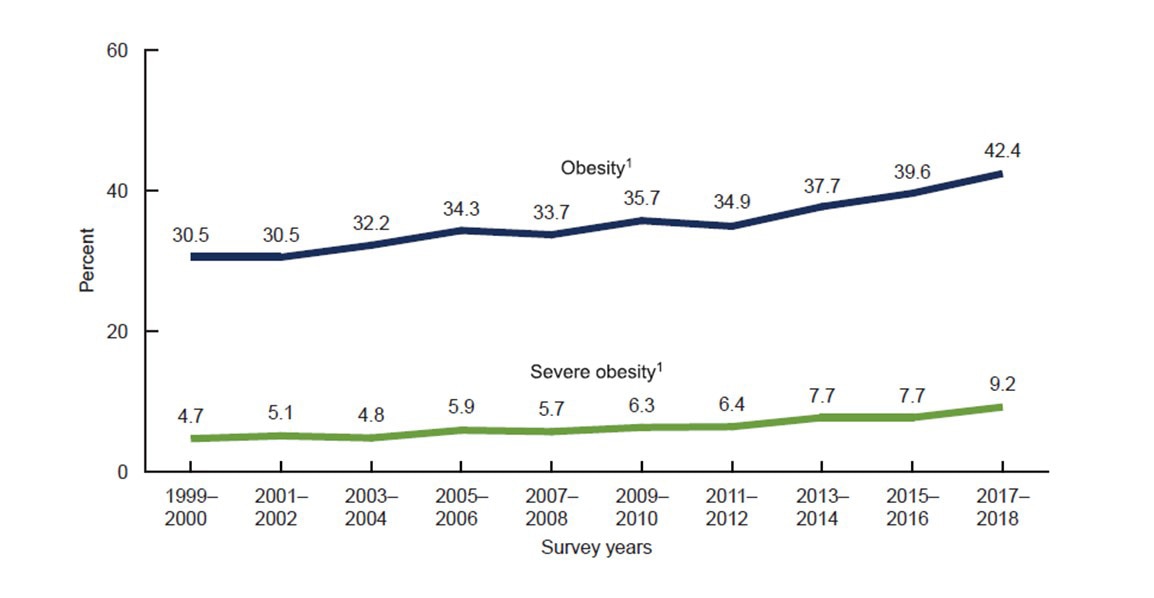
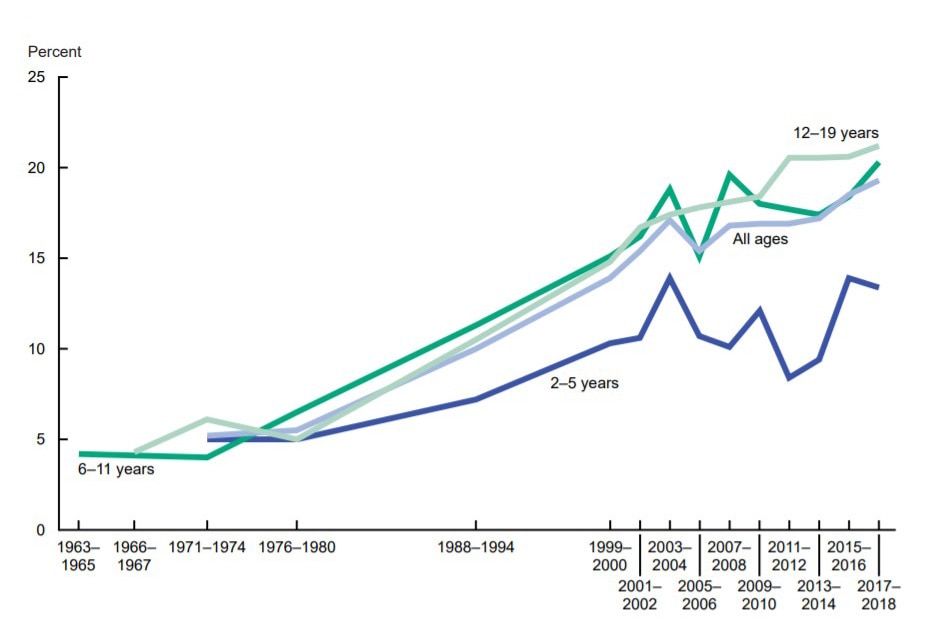
The New York Times article titled “Obesity Prediction Could Be Guided by Genetic Risk Scores” explains the new hope that genetic technology may be beneficial in determining individuals who are most at risk for obesity. The article explains basic connections between people based on both genetics and environment. For example, identical twins tend to have the same Body Mass Index regardless of their proximity in relationship. This shows that genetics plays a greater role in determining obesity than an individual's environment does. However, determining which genes are precursors for obesity proves to be a challenge. Kolata explains that it isn't just one or a couple of genes that play a role in obesity, but rather thousands that work together. A study including a population of 5 million people was used to create an obesity risk score, also known as a polygenic risk score. Combining gene variants, this technology is used to determine the body mass index of individuals. This study is expected to be a useful tool for doctors internationally in determining which children will be at risk for obesity and which adults will retain weight more strongly. In recent studies, this data has been applied to determine which individuals with obesity will have cardiovascular issues. The researchers behind this study hope that as their study continues, they may find applicable ways to use their data in the prevention of obesity. 


This data is useful and relevant to the ongoing obesity crisis in America. Since obesity is not directly life-threatening, it often goes overlooked. The hope with this new database is that people may be able to prevent obesity before it even displays itself as an issue. This genetic technology has the chance to help people and increase their quality of life. 


https://www.niddk.nih.gov/health-information/health-statistics/overweight-obesity


Friday, April 5, 2019

Beauty Spots in the Genome

According to ScienceDaily, there is a new study conducted by Qiongshi Lu and colleagues, who have discovered that 'beauty spots' vary with a person's sex. Scientist's have performed a genome-wide study that used about five thousand individuals genetic information to find the genome that is linked to 'beauty spots'. Researcher's found several genes related to 'beauty spots' on individuals' face, but there was a difference in the traits depending on the individuals' sex. For women, genetic variation that was linked to 'beauty spots' was also linked to genes for body mass. For men, genes for 'beauty spots' was also linked to the gene that affects blood cholesterol levels. This study is new and upcoming, and it determines how some genetic information for one gene can be a result for another gene and how it varies for different sex's. So far, the study has been done on individuals with the same age and with the same ethical background. Future research can examine individuals with a variety of ages and with different ethical backgrounds.
Moles Allure April Beauty By Numbers

I found this article to be interesting because I did not know that 'beauty spots' had anything to do with genetic information. It was interesting to understand that 'beauty spots' are in our genetic information and how they vary between an individuals sex. Hopefully, with further research, scientists can determine if an ethical background also plays a role with 'beauty spots'.

Monday, April 10, 2017

One Gene Can Lead to Obesity

Obesity has become the most common disease known in North America, claiming over 5.3 million people. To be considered obese, this person must get their Body Mass Index (BMI) calculated. Relating height and weight to receive a BMI score of 30 or more obesity causes many other health risks including type 2 diabetes, gallbladder disease, coronary heart disease, cancer, and hypertension. Years of research have been collected, analyzing over 161 papers, Meyre and his colleagues from McMaster University and the University of British Columbia. Finding 79 reported obesity syndromes, 19 have been classified as monogenic that can be found by a simple lab test. 11 others have been partially clarified and 27 have been mapped to a chromosomal region, the remaining 22 syndromes have not been identified to specific genes or chromosomes. 


Understanding the mutations of the genes that cause obesity will help better prepare individuals to prevent an unhealthy living style. The monogenic syndromes reveal that there is 100% chance of becoming obese but it is very rare. Only 0.1% of the obese population is overweight because of one gene. I think that this research will only develop more, the knowledge will help people life better quality lives. A persons genetics tells a lot right now but more that the scientist divulge into the studies more genes will be located and understood.