Showing posts with label genetic obesity. Show all posts

Thursday, September 18, 2025

Using Genetics to Predict an Individual's Chances of Obesity

The New York Times article titled “Obesity Prediction Could Be Guided by Genetic Risk Scores” explains the new hope that genetic technology may be beneficial in determining individuals who are most at risk for obesity. The article explains basic connections between people based on both genetics and environment. For example, identical twins tend to have the same Body Mass Index regardless of their proximity in relationship. This shows that genetics plays a greater role in determining obesity than an individual's environment does. However, determining which genes are precursors for obesity proves to be a challenge. Kolata explains that it isn't just one or a couple of genes that play a role in obesity, but rather thousands that work together. A study including a population of 5 million people was used to create an obesity risk score, also known as a polygenic risk score. Combining gene variants, this technology is used to determine the body mass index of individuals. This study is expected to be a useful tool for doctors internationally in determining which children will be at risk for obesity and which adults will retain weight more strongly. In recent studies, this data has been applied to determine which individuals with obesity will have cardiovascular issues. The researchers behind this study hope that as their study continues, they may find applicable ways to use their data in the prevention of obesity. 


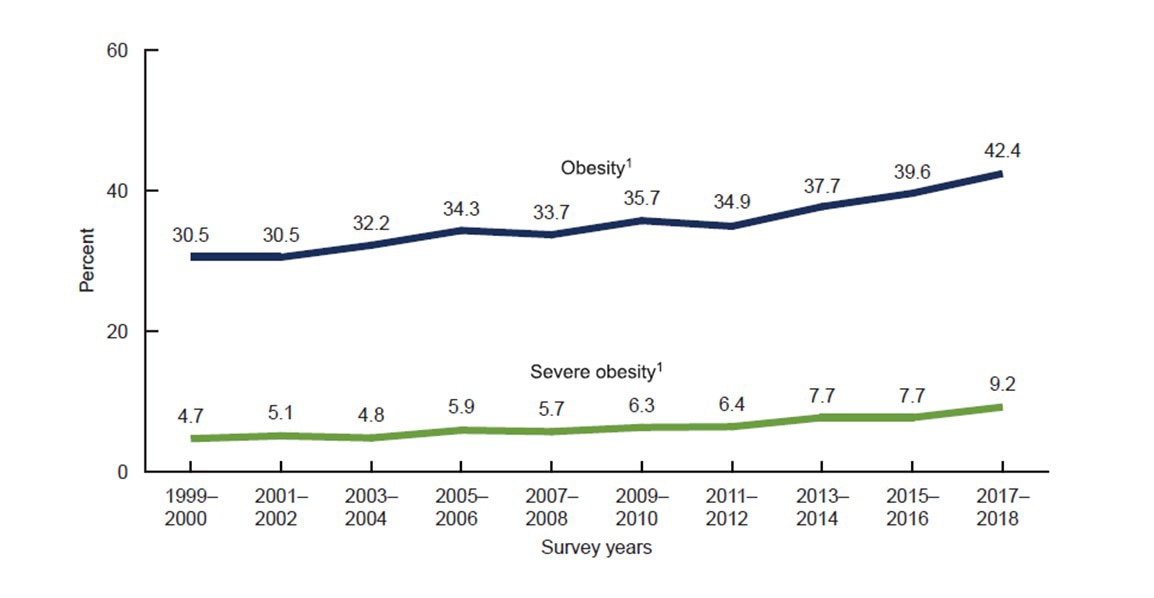
This data is useful and relevant to the ongoing obesity crisis in America. Since obesity is not directly life-threatening, it often goes overlooked. The hope with this new database is that people may be able to prevent obesity before it even displays itself as an issue. This genetic technology has the chance to help people and increase their quality of life. 

https://www.niddk.nih.gov/health-information/health-statistics/overweight-obesity


Monday, January 29, 2024

Genetics Are NOT Destiny


 The Obesity Prevention Source article from Harvard T.H. Chan School of Public Health discusses the role of genetics in obesity. It highlights that while genes do play a part in determining susceptibility to obesity, they are not the sole determinant. The article explains that there are rare forms of obesity caused by mutations in single genes, but more common forms of obesity are influenced by multiple genes and environmental factors.  Some environmental factors listed include the amounts of places in which people weren't previously able to get food before are everywhere now like gas stations and pharmacies, also the decreased amount of time people, especially young children spend outside nowadays.  The interaction between genes and the environment, such as diet and physical activity, is crucial. Research indicates that while certain gene variants may increase the risk of obesity, a healthy lifestyle can counteract these effects. The article emphasizes the importance of understanding genetic contributions to obesity while also addressing environmental factors to prevent and treat obesity effectively.

I found this article rather interesting, because nowadays many influencers involved in nutrition and fitness love to claim that genetics is the biggest factor when it comes to maintaining body health and no matter what most of us do, our genetics will never allow a certain body type. While this is true to some very little extent, I think this article shows that incorporating certain habits into our daily lives is so much more effective than blaming our problems on genes passed down. To quote the article, "Genes may co-determine who becomes obese, but our environment determines how many become obese". I really like this statement because it allows for no excuses in regards to people who feel they are destined for failure due to their genes. 


Sources

1. https://www.hsph.harvard.edu/obesity-prevention-source/obesity-causes/genes-and-obesity/

2. https://www.nature.com/articles/s41576-021-00414-z

Thursday, December 7, 2023

Deciphering Obesity's Genetic Component with Data


   Deciphering Obesity's Genetic Component with Data


        A group of geneticists at the University of Tokyo developed a data-driven way to decipher obesity genetics using obesity related SNPs from publicly available data. Using the data, they selected key genes and found 74 key genes related to obesity. Of the 74 genes selected, 37 of them had not been reported for the physiopathology of obesity. Finally, the group detected that 23 of the 74 genes are potential targets for 78 drugs that are already available and marketed.

Understanding the biological processes that lead to obesity is the most important step in stopping it. With an understanding of the genes that cause obesity via an in silico investigation, researchers can narrow the scope of what to work on when it comes to therapeutic targets. This kind of research is important as it informs what treatments are possible without having to rely on mass amounts of testing. Currently, Ozempic, a drug used for type 2 diabetes treatment, has seen use as a weight loss drug. The problem with this usage is that Ozempic is not approved as a weight loss treatment. With research like this group has done, further investigations into trends like the usage of Ozempic can be investigated further to find out if it can be used safely as a weight loss medication.


https://www.ozempic.com/why-ozempic/what-is-ozempic.html

https://www.nature.com/articles/s10038-023-01189-3

Saturday, July 29, 2023

Bardet-Biedl Syndrome

Bardet-Biedl syndrome (BBS) is a rare genetic disorder that 9 out of 10 times causes obesity. It is rare because it is autosomal recessive, so both parents have to carry the recessive gene for a 25% chance their child could have BBS. More than 20 genes have been found to be associated with BBS. Only about 2500 people in the United States have BBS. A parent of a child with BBS explained how their child would eat so much, and sneak food so often that they had to put locks on their cabinets and fridge to keep their child out. It is a struggle because hunger is sometimes all that victims can think about, but the urge never goes away. Common symptoms across those with BBS include obesity (typically by age 5), hyperphagia, visual impairments, postaxial polydactyly, renal anomalies, diabetes, cognitive impairments, and more. The pathway that regulates hunger, satiety, and energy spent is the MC4R pathway. The pathway is activated by leptin, a neuro-signaling hormone from the adipose tissue. BBS genes help guide leptin to the POMC neurons, and without it, hunger, satiety, and energy cannot be controlled. Diet and exercise are not usually enough to treat BBS. IMCIVREE is a prescription medicine for people ages 6 years and older with obesity due to BBS. It helps them lose weight and keep weight off. Side effects of IMCIVREE include male and female sexual function problems. depression and suicidal thoughts, darkening moles, and benzyl alcohol toxicity.