Showing posts with label Obesity. Show all posts

Friday, September 19, 2025

Dormant Power: The Hibernation Code Hiding in te Human Genome

In a study done by the University of Utah Health, new genetic research proposes that humans carry the same hibernation-related DNA that hibernating mammals have. In hibernators like squirrels, researcher have found that a gene cluster called the fat mass and obesity locus (FTO) plays a significant role. While humans have these genes as well, this region is the strongest genetic risk factor for human obesity. Researchers who identified the hibernator-specific DNA region near the FTO altered neighboring genes, discovering that the FTO locus is critical in metabolism. In hibernator-specific regions in mice, some mutations sped up and slowed down weight gain, while others impacted the mice’s ability to recover body temperature after being in a hibernation-equivalent state. These DNA regions were found not to be genes themselves, but DNA sequences that communicate with genes nearby and alter their expression up and down.

In understanding the hibernator’s ability to change its metabolism, better treatments for human metabolic disorders, including type 2 diabetes, could be created. In looking at the human potential of hibernator genes, researchers concluded that the hibernator-associated changes in the genome seemed to disrupt the function of certain DNA pieces rather than create a different function. Considering this, it seems that hibernators may have lost constraints that would otherwise stop extreme flexibility in the ability to control metabolism. This means that humans may be on a restrained temperature scale locked to a narrow range of constant energy consumption, while hibernators do not have this lock.

Hibernators also have the capacity to reverse neurodegeneration, stop muscle atrophy, and stay in good health despite fluctuations in weight. The researchers at the University of Utah Health believe their findings show that humans may already have the necessary genetic code to adapt similar behaviors. Finding this hidden hibernator mechanism within the human genome could help to significantly improve our own health.

Thursday, September 18, 2025

Using Genetics to Predict an Individual's Chances of Obesity

The New York Times article titled “Obesity Prediction Could Be Guided by Genetic Risk Scores” explains the new hope that genetic technology may be beneficial in determining individuals who are most at risk for obesity. The article explains basic connections between people based on both genetics and environment. For example, identical twins tend to have the same Body Mass Index regardless of their proximity in relationship. This shows that genetics plays a greater role in determining obesity than an individual's environment does. However, determining which genes are precursors for obesity proves to be a challenge. Kolata explains that it isn't just one or a couple of genes that play a role in obesity, but rather thousands that work together. A study including a population of 5 million people was used to create an obesity risk score, also known as a polygenic risk score. Combining gene variants, this technology is used to determine the body mass index of individuals. This study is expected to be a useful tool for doctors internationally in determining which children will be at risk for obesity and which adults will retain weight more strongly. In recent studies, this data has been applied to determine which individuals with obesity will have cardiovascular issues. The researchers behind this study hope that as their study continues, they may find applicable ways to use their data in the prevention of obesity. 


This data is useful and relevant to the ongoing obesity crisis in America. Since obesity is not directly life-threatening, it often goes overlooked. The hope with this new database is that people may be able to prevent obesity before it even displays itself as an issue. This genetic technology has the chance to help people and increase their quality of life. 


https://www.niddk.nih.gov/health-information/health-statistics/overweight-obesity


Friday, December 8, 2023

Genetic variant may help prevent obesity

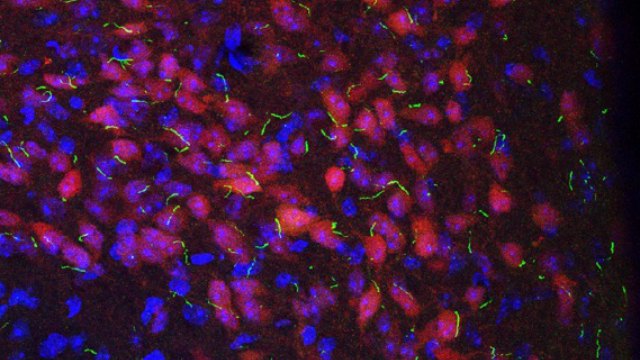
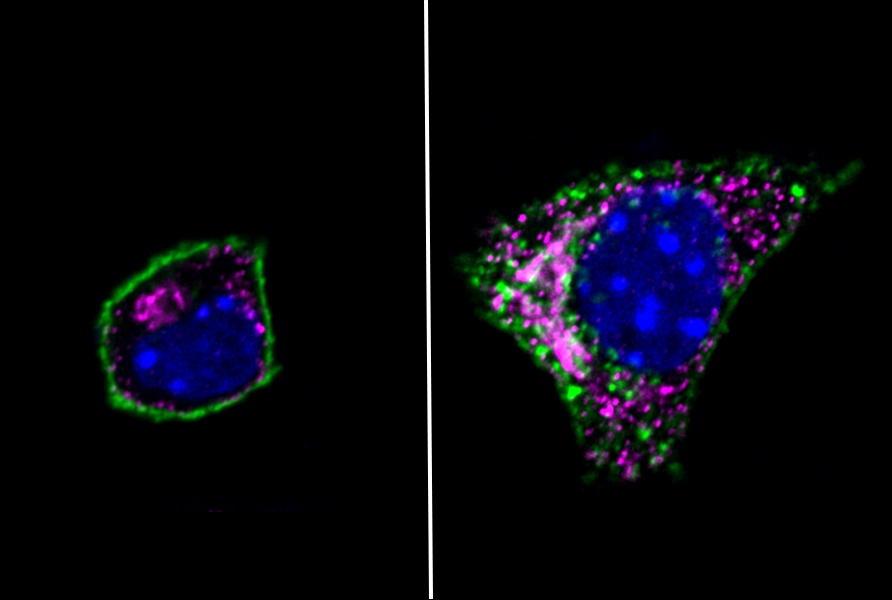
images of insulin-producing beta cells show the GIP receptor Q354 variant

Researchers at Weill Cornell Medicine found insight into the role of a genetic variant in combating obesity and how genetic variations can affect one’s susceptibility to weight gain. They focused on a genetic variant that is found in the glucose-dependent insulinotropic polypeptide (GIP) receptor which is known for stimulating insulin and associated with leaner BMI. In order to study and understand the mechanics of this variant, researchers used CRISPR-Cas9 technology. They used this to genetically engineer mice with the variant in the gene that encoded the GIP receptor. They found that the mice with this variant tended to stay leaner and processed sugar more efficiently than the other mice with a different common variant of the receptor. Researchers found that there was a bigger difference between the female subjects with and without the gene variant compared to the male subjects who, as a group, experienced little differences when consuming a regular diet. They did find that both male and female mice were protected from obesity by the gene variant when they were fed a high-fat diet, unlike the other litter without the variant, which suffered from obesity. The variant caused a high sensitivity to the GIP hormone that triggers insulin release in mice. Insulin regulates blood sugar levels and helps convert food into energy. More insulin was produced by the pancreatic cells in response to both the glucose and GIP hormone which would explain the increased efficiency in processing glucose.
        Researchers stated that on a cellular level the GIP receptors and their effect/behavior impact metabolism and weight gain/loss. More research needs to be done to confirm the effects of the variant and researchers also claimed that they want to study the differences in the receptor’s behavior in other types of cells. They more specifically mentioned brain cells as they could play a crucial part in the sensation of “hunger” and potentially regulate it. In pursuit of a precision medicine approach, they stressed the importance of understanding how different genetic variants in the GIP receptor responded to the available weight loss medications that are currently on the market in hopes of matching a specific weight loss drug to a specific genetic variant. It is interesting to see the steps that it takes to reach this goal and how this provides an important piece of the puzzle for tailored weight loss treatments based on an individual's genetic variants.


Links:
https://www.sciencedaily.com/releases/2023/12/231207161355.htm
https://news.weill.cornell.edu/news/2023/12/specific-genetic-variant-may-help-prevent-obesity#:~:text=Genetic%20Variants%20of%20the%20GIP%20Receptor&text=%E2%80%9CStudies%20suggest%20that%20people%20with,biochemistry%20at%20Weill%20Cornell%20Medicine.

Thursday, December 7, 2023

Deciphering Obesity's Genetic Component with Data


   Deciphering Obesity's Genetic Component with Data


        A group of geneticists at the University of Tokyo developed a data-driven way to decipher obesity genetics using obesity related SNPs from publicly available data. Using the data, they selected key genes and found 74 key genes related to obesity. Of the 74 genes selected, 37 of them had not been reported for the physiopathology of obesity. Finally, the group detected that 23 of the 74 genes are potential targets for 78 drugs that are already available and marketed.

Understanding the biological processes that lead to obesity is the most important step in stopping it. With an understanding of the genes that cause obesity via an in silico investigation, researchers can narrow the scope of what to work on when it comes to therapeutic targets. This kind of research is important as it informs what treatments are possible without having to rely on mass amounts of testing. Currently, Ozempic, a drug used for type 2 diabetes treatment, has seen use as a weight loss drug. The problem with this usage is that Ozempic is not approved as a weight loss treatment. With research like this group has done, further investigations into trends like the usage of Ozempic can be investigated further to find out if it can be used safely as a weight loss medication.


https://www.ozempic.com/why-ozempic/what-is-ozempic.html

https://www.nature.com/articles/s10038-023-01189-3

Friday, April 15, 2022

Studies found that chemical compound promotes healthy aging


    A recently discovered chemical compound helped elderly mice with obesity lose fat and weight, add muscle and strength, reduce age-related inflammation and increase physical activity.

    BAM15, a mitochondrial uncoupler, helps to prevent obesity, or age-related muscle loss accompanied by an increase in fat tissue. As people change, muscle mass becomes more of a concern. They become less active, which increases the chances of falls, strokes, heart disease, poor quality of life, and premature death. It is not so much of a concern in young kids because they are still active when they are young, which helps to maintain the muscle mass.

    In this study, mice were tested with the BAM15 supplement, and they were found to have a decrease in weight, yet still an increase in muscle mass and strength. BAM15 works by making the mitochondria less efficient, resulting the mitochondria to burn more energy. This can be useful in helping the aging age better and healthier, for long-lasting lives. 

Related Article


Wednesday, November 17, 2021

The Genes that Can Cause and Prevent Obesity


A
 research team at the University of Virgina conducted a study that identified 14 genes that caused obesity and 3 genes that prevent it. This study will allow researchers to develop drugs that can help with obesity.Obesity is a health condition that affects many people, both adult and children, in the United States. Having this condition can lead to all kinds of medical problems such as heart disease, type 2 diabetes, and high cholesterol. The purpose of the study is to further understand the development of obesity and how to stop it. There are not a lot of studies regarding the development of it, but rather there are more research on the different gene mutations that result from it. The scientists involved in the study used C.elegan worms to find out what specific genes cause or prevent this  health condition. Since C.elegans have similar genetic characteristics as humans,  they were able to become obese once they consumed a large amount of sugar. It was determined that there are 14 genes that cause it and 3 that prevent it which was it of the 293 genes they examined. This is one step closer in creating drugs that are safe and effective in stopping obesity. 

https://currentsciencedaily.com/stories/608776054-university-of-virginia-researchers-find-obesity-causing-genes-could-lead-to-medicines-to-prevent-weight-gain

https://www.cdc.gov/obesity/about-obesity/index.html

Monday, November 15, 2021

C. elegans Gives Hope to Overcoming Obesity Epidemic


Scientists at the University of Virginia have recently identified 17 genes associated with obesity. High calorie diets covered in high-fructose corn syrup and sugar drive our obesity epidemic. Genes also play a major role in obesity by determining how our bodies metabolize food for energy. Hundreds of genes associated with obesity have been identified by genomicists, but the specific genes that cause or prevent obesity are unknown. O'Rouke and her colleagues studied C. elegans which share more than 70% of their genes with humans. These worms have been used to decipher how common drugs work. The team fed some worms a regular diet and some were fed a high-fructose diet. They screen 293 genes associated with obesity. From their obesity model, they identified 14 genes that can cause obesity and 3 genes that can prevent it. They discovered blocking 3 genes that prevented the worms from becoming obese led them to have better neuro-locomotory function and live longer. In lab mice, blocking one of the genes prevented weight gain, lowered blood sugar levels and improved sensitivity to insulin. This gives hope to anti-obesity therapies to reduce the obesity epidemic. 
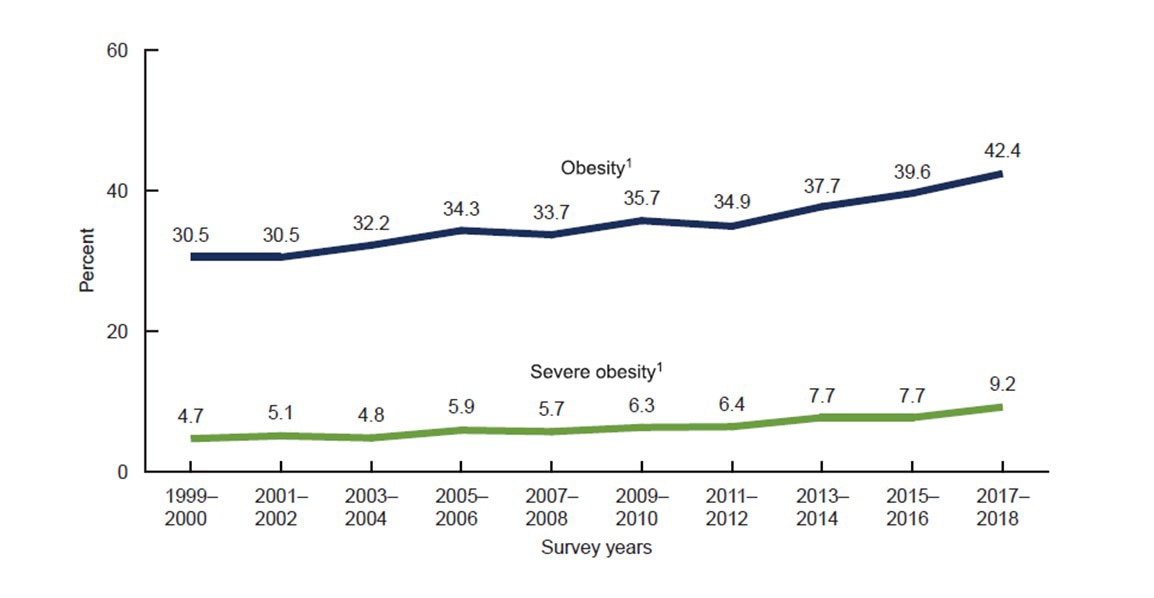
Hopefully in the near future these discoveries can be implemented in humans. Worms, which seem completely different from humans, provide essential information about our own DNA. More than 40% of Americans are affected by obesity, so these findings are a huge step forward in helping this problem.

Sunday, November 14, 2021

How Genes Influence Food Choices, Obesity

How many fruits and vegetables do we really need? - Harvard Health


Within this article a study was conducted to evaluate how ones genetics plays a role the it comes to a persons choice when picking and consuming food, as well as how food intake is affected through gene sequences which influence obesity. A team of researchers say there a various signals in a genes which take affect on eating behaviors such as appetites and the regulation of energy balance such as energy expenditures from blood levels in important metabolic hormones and nutrients.  Depending on the variation between these signals one can feel more hungry which could cause higher rates of obesity. Researchers conducted a study where the main nutrients the body needed and utilizes in very large quantities in order to have a better grasp on the various genetic regions that influence preferences within diets. Through this analyzation 26 regions had been found which had a correlation to increased food choices with fat, protein, or carbs. This happened because special areas of the brain are influenced from those genes which are all across the central nervous system which are more responsive to food groups like fats, carbs and proteins. The discovery of the genetic variants was a huge step in trying to determine if the composition of someones diet is casually linked to diseases such as type 2 diabetes and obesity. The researchers were able to highlight how different individuals have different food consumption behaviors and believe with this information hope to help people fixate their diets by identifying what food groups someone is genetically susceptible to prefer and notify the individual about it so they will approach those food groups with better dietary implements.

Friday, April 30, 2021

Using CRISPR to make Brown fat cells as a potential treatment for obesity and diabetes


In this article, they talk about how scientists have been able to synthesize brown fat cells in the lab and were successfully able to transfer it into mice, resulting in less buildup of bad fats in the mice. This study was conducted by a molecular biologist at Harvard Medical School, Yu-Hua Tseng. The study utilized gene editing technology known as CRISPR to convert white fat into brown fat by altering the gene called UCP1.  The goal of this research is to hopefully apply these findings to treat individuals that are obese and suffer from diabetes.

The body stores two main types of fat; white fat and brown fat. While white fat is typically referred to as "bad fat", the brown fat is actually "good fat" because it helps us burn energy and stay lean. It's commonly known that brown fat is useful for hibernating animals and even infants for his thermogenic qualities. When the UCP1 gene is altered, it converts the fat to brown fat, which causes mitochondria to generate more energy, released in the form of heat. 

Thursday, November 26, 2020

Weight Control: Will Power or Genetics?


    In the New York Times article "This Genetics Mutation Makes People Feel Full - All the Time", The research of the relationship between the MC4R gene and weight control is explored. The author of this article writes about researcher Dr. Sadaf Farooqi, professor of metabolism and medicine at the University of Cambridge, and her colleagues, who have done extensive research on the effect the MC4R gene has on weight control. Farooqi found that while most people with MC4R mutations tend to be severely overweight because they rarely feel full, some people have a MC4R mutation that makes them rarely feel hungry.

   This mutation keeps the MC4R gene turned on, while other MC4R mutations keeps the MC4R gene turned off. This proves that the cause of weight gain is more rooted in biological factors than most people realize. It's not always about self-control, it can also depend on genetic factors that people don't have any control over. Regardless, this issue needs more research done, but this means that there could be all sorts of drugs made to control hunger and satiety, to help with these genetic mutations.


Additional Links

https://www.medpagetoday.com/endocrinology/obesity/89476

Monday, November 9, 2020

Gene editing may help obesity in future


Humans have different types of fats. One type is white type which is what makes human obese. Another type is the brown type which burns energy and keeps people lean. Scientists in this article have tried to treat obesity by turning this white fat into brown. To achieve this, the researchers used CRISPR-Cas9. They used this technology to insert a molecular switch into the DNA of white fat cells. This boosted how much protein was made, which then turned the white fat cells into human brown-like ones. This was then transplanted into mice. They did a study with many different groups of mice and measured many different numbers like blood sugar. The mice with more brown cells ended up being less obese. This scientist hopes this will one day treat obese in humans. In my opinion, I believe this is a steppingstone to curing obesity. Changing these cells to burn energy rather than store can help a lot of people. This is a good start to help genetics in humans.


Extra information

Tuesday, July 21, 2020

Are Oranges the Cure to Obesity, Heart Disease, and Diabetes?


Are Oranges the Cure to Obesity, Heart Disease, and Diabetes?

A molecule found in oranges and tangerines, called nobiletin, has been shown to drastically reduce obesity in mice. The molecule not only reduces obesity, it was proven to drastically improve factors that can lead to diabetes and other health problems. A group of researchers at Robarts Research Institute at Western tested the molecule on two sub sets of mice. All of the mice were fed a high fat, high cholesterol diet, but the mice that were given the molecule had reduced levels in blood fats and insulin resistance levels compared to the mice that were not given the molecule. Nobiletin can also reverse the plaque build up in the arteries. 

The researchers however still do not know why or how the nobiletin works. The next steps the team want to take are testing to see if the molecule has the same effect on humans and finding out why this molecule has that effect on the metabolic system of mice. 


Saturday, November 23, 2019

This Genetic Mutation Makes People Feel Full


The subjects in this study had been thin all their lives, and not because they had unusual metabolisms. They didn’t care much about food. Britain researchers have discovered a genetic alteration that mutes their appetite. The scientists’ study relied on data from the U.K. Biobank, which includes a half million people aged 40 to 69. Participants have provided DNA samples and medical records and have allowed researchers to track their health over years.

The study of the appetite-dulling mutation was led by Dr. Sadaf Farooqi, professor of metabolism and medicine at the University of Cambridge, and Nick Wareham, an epidemiologist at the university. The study drew on Dr. Farooqi’s research into a gene, MC4R. She has probed it for 20 years, but for the opposite reason: to understand why some people are overweight, not why some are thin. People with MC4R mutations tend to be obese. Researchers have recorded as many as 300 mutations in this gene, and they are the most common single-gene cause of obesity. The mutations destroy satiety, the feeling of fullness after a meal, Dr. Farooqi and her colleagues have found. Normally, when people eat a meal, the gene is switched on and sends a signal telling people they are full. Then the gene turns itself off. But some people carry a rare mutation in MC4R that prevents the gene from working. As a result, their bodies never get the signal that they have eaten enough. They always feel hungry and often are overweight. In the new study, Dr. Farooqi and her colleagues found that in some thin people, the MC4R gene is always turned on, instead of always off, because of different mutations involving a previously unknown metabolic pathway.


Monday, July 1, 2019

New Genetic Test Can Assess an Individual's Risk for Obesity

        Amid the United States' obesity epidemic, new research suggests that a person's genes can predispose an individual to becoming obese over the course of their life. Researchers working under Dr. Amit Khera of the Broad Institute have compiled a genetic test which analyzes over 2 million genes associated with an individual's body mass index (BMI), or in other words, genes that have an impact on weight. By analyzing these genes, a person can be given a "score" which assesses their risk of obesity. This scoring mechanism was used to assess people in the United States and United Kingdom who have been part of long-running health studies. found that those who scored in the top 10% were on average 30 pounds heavier and 25 times as likely to be obese than those with a score in the bottom 10%. Furthermore, of those in the top 10% who were U.S. citizens, 16% went on to become severely obese in the next 27 years, compared to just 1% of those within the top 10%. In addition to this, multiple studies showed that the higher the score, the more overweight the individual on average.  
   
        Dr. Khera makes it clear that if such a system of genetic testing to assess risk were to be used, it would need to be done with the goal of understanding the underlying biological causes of obesity as well as improving health. Specialists generally agree that obesity is can be attributed to environmental causes with the same strength as genetics, meaning someone with a high score on this scale does not mean they are doomed to be obese, because the genetic predisposition can easily be countered with proper diet and active lifestyle. Dr. Khera cites this as a main reason against the use of this scale becoming a common practice. If someone is informed that they genetically have a very high risk of becoming obese, it is likely they could "accept defeat" and not take action towards living a healthy life. Likewise, someone at low risk could also see this as a free pass to live an unhealthy life and eventually become obese as a result. Khera states that "the real value in this research is gaining a greater understanding of biology, as well as coming to understand how those with a high risk manage to keep weight off. "

       I found this study interesting because I'm truly amazed at our ability to use human genomes as a reference point in assessing risk factors, as well as using the genome to diagnose illnesses. In doing this we are given the ability to develop new drugs and lifestyles that combat disease. In the near future, genetic assessments similar to this will become a staple in medicine used to assess patients and to determine the best methods of treatment. It is also very interesting that the combination of genes the researchers analyzed were used to make a "score", instead of looking at single genes. I agree with Dr. Khera in that such a system has the ability to "needlessly scare" people into thinking they have no hope simply because a test says they're at risk. However, how does this apply if someone has inherited the gene which causes Huntington's Disease; should they be told or should this information be withheld?  In the future it will be important to determine how, and when to present this type of sensitive information to a patient, while using our advancing knowledge of genomics to help people live healthier lives.
Image result for obesityImage result for obesity
https://www.health24.com/Medical/Genetics/News/will-you-become-obese-a-genetic-test-may-tell-20190420-2

Tuesday, April 9, 2019

Obesity Leads to Gamete Damage


Obesity can lead to a multitude of serious health problems. One that is not often discussed is the damage that it can cause to sperm production. In one experiment Zucker rats, chosen for metabolic characteristics that are close to our own, were examined for a variety of traits revolving around reproductive function. Twelve rats were selected from the same litter, some of which were over fed resulting in obesity. After being examined it was found that obesity caused many problems in regard to reproductive function.
               Among the things affected were the physical anatomy of the genitals, difference in organ weight, onset of puberty, and sperm production. The affects obesity had on sperm production were alarming. It was found that gamete production was significantly decreased as well as having notable damage to the DNA. The DNA fragmentation may result from cells that did not undergo apoptosis correctly and proceed to spermiogenesis. This is most likely due to a deficiency in leptin, a hormone that helps to regulate reproductive function.

These findings are startling to say the least as these hormones and receptors are also part of our own genome. As the obesity crisis continues on, we must start to worry about the damage being inadvertently done to future generations. Not only do future generation have to deal with the epigenetic effects of artificial additives and unknown consequences of GMO foods, but they may very well be damaged before conception.

Tuesday, March 19, 2019

Canine Genetics May Give Way to Discoveries in Obesity Genetics


Through a series of DNA tests carried out on the Labrador dog breed, it was found that some dogs carry a mutation in a gene called pro-opiomelanocortin, or POMC for short. This mutation has shown to be the leading cause in obesity among dogs, as it controls the impulse that dogs have for eating. There are dogs that have a strong impulse to eat, to where they would go to any lengths to obtain food, and there are also dogs that have a weaker impulse for eating, and are able to occupy themselves with other activities. It was found in that dogs with a mutation in the POMC gene have a higher chance in being obese than do dogs without the mutation. Scientists are trying to connect obesity in dogs due to mutation in the POMC gene to obesity in humans. It has also been shown in studies that a mutation in the POMC gene among humans has a partial effect on the obesity of humans. It is through these studies that it can easily be deduced that in some cases, obesity in humans as well as dogs may be attributed to genes rather than habits of the organism itself.

Image result for fat labrador dog


I find it fascinating that there are genes that either cause or facilitate obesity in dogs as well as humans. In terms of dogs, I had previously believed that some simply had bigger appetites than others, due to differences in body type or overall personality. It makes a lot more sense that owners have to keep their dogs on a strict diet so that their dogs do not become obese, because many dogs are unable to control their eating impulses. This also proves to be true in humans that have stronger eating impulses than others. There are many genes that can contribute to obesity in humans, and it is logical that even a mutation in just one of these genes can contribute to obesity in humans. Metabolism can be affected; the digestion of food can be affected; the appetite of the human can be affected. It is sad to think that there is such a stigma surrounding obesity, when most of the time, obesity is an uncontrollable health condition to the humans affected, much like a disorder of the skin or organs.

Friday, March 1, 2019

Fat keeps you healthy?

Researchers at Columbia University Medical Center published an article on Science Daily in which scientist have discovered a new particle in fat that works with the immune system to rejuvenate fat and help fight infections. Adipocytes are specialized cells found in fat tissue that stores excess calories as triglycerides and breaks them down to smaller fatty acids and releases them to the blood steam to be used as energy. However, it was discovered that fat tissues also contain many immune cells, including a large number of macrophages. The macrophages take up the lipid-filled particles, called adipocyte exosomes (AdExos) which control the development of immune cells. I researched more information of adipocytes and found that they produce antimicrobial peptides, pro-inflammatory cytokines, ad adipokines that work together to combat infection, modify the function of immune cells and maintain metabolic homeostasis.


Scientists aren't sure how this is happening, but believe it is similar to the mechanism of bone, where osteoclasts breakdown bone to calcium and phosphate, which is used to make new bone. The function of AdExo was studied only in mice, therefore, I believe more research is required to investigate to see if these particles appear in humans, and whether they contribute to lipids we measure in circulation and in metabolic diseases.

Tuesday, December 4, 2018

Cilia in Neurons Linked to Obesity

       
        The article Primary Cilia in Neurons Linked to Obesity discusses a link between two gene variants and an increased risk of obesity and diabetes. On January 8 of this year, Nature Genetics reported that the proteins that are localized to cilia of neurons in the hypothalamus(a region of the forebrain that controls hunger and other homeostatic systems) control food intake in mice. Nature Genetics also published two human genetic studies tying variants of a neuronal ciliary gene, adenylyl cyclase 3, to an increase risk of developing obesity and diabetes. This research contributes significant information about the importance of cilia in the brain. The mouse experiment contributed a consensus that cilia in the brain are important for feeding behaviors and energy homeostasis. All 3 of the experiments show that cilia function can have important affects on the general population and not only in the instance of ciliopathies(uncommon diseases caused by mutations to the genes that affect primary cilia). A geneticist at the University of California, Christian Vaisse, states it was recently found that obesity in ciliopathies was linked to the function of primary cilia in neurons. Removal of primary cilia from all the neuron cause the adult mice to become obese.
       A mutation to the gene that codes for MC4R(melanocortin 4 receptor) is GPCR(G-protein coupled receptor) which is involved in regulating food intake is one of the lead genetic mutations that cause severe obesity. Vaisse and his colleagues also found that the MC4R has a very large amount of primary cilia in neurons in the hypothalamus except for the two mutation of the gene which prevent accumulation. These studies give us good insight on the importance and roles of primary cilia in the brain. Vaisse and his colleagues plan to continue studying genes that predispose humans to obesity and their cilia. The plan on using this information to eventually to formulate a medication that acts of primary cilia signaling in MC4R neurons and may help people with defects of this pathways. I think this is very useful information in the field and I am interested to see where the research is taken next.

Sunday, November 25, 2018

Obesity Is Associated With The Brain And Genetics


Brain structure and mental performance are genetically connected to obesity, based on this research.  As a branch of the Human Connectome Project, 1,200 people participated in a study that involved magnetic resonance image (MRI) and cognitive test data exams, conducted by researchers of the Montreal Neurological Institute and Hospital (The Neuro).  It was then recently published by the Proceedings of the National Academy of Sciences.

Cognitive flexibility, ability to delay gratification, visuospatial ability and verbal memory were revealed from the participants with higher body mass index (BMI) in this study.  A majority from that high BMI group had thicker left prefrontal cortexes and thinner right prefrontal cortexes as well.  It is known that an injured right prefrontal cortex resulted to greater food consumption.  Additionally, these individuals had amygdalae that were greater in size.  That region of the brain affects how a person reacts to cues of food.  Furthermore, they had smaller sized entorhinal-parahippocampal structures, a region affecting episodic memory and context mediation.  Those two findings mean that obese people are more sensitive to visual cues, and cannot strongly resist them by thinking of the consequences such as weight gain.  A majority of the subjects were siblings to determine the heritability of the traits and obesity using BMI.  It was learned that several cognitive and neurological traits have genetic links with obesity.  It can then be concluded that genetics is involved in obesity, possibly through brain anatomy and cognitive functions.

This leads me to think that the types of bodies we have are largely determined by higher-level brain systems that play roles in cognition, decision-making and motivation.  Lastly, our different brain systems that determine the amount of food we each consume can be said to be moderately heritable.

For additional information, refer to the original article.

For additional information, click the link of the journal the heritable correlation of neurobehavior with obesity.

Tuesday, July 31, 2018

Photo courtesy of:
      Diabetes is on the rise in both, adults and children. In 2015, it was estimated that over 30 million adults were diabetic. From 1980-2014, the total number of people affected by diabetes quadrupled. Scientists from the Universitat Autonoma de Barcelona have used gene therapy to reverse the disease in rodents. Gene therapy works by introducing new genetic material into the cells, therefore creating new proteins, or by offsetting the already present bad genes. In an experiment with mice, scientists were able to deliver a gene called FGF21, and in doing so, the mice had lost weight and their insulin resistance was lowered. 
     This research is important because diabetes and obesity are affecting more people than ever, and these rates do not appear to be dropping. Both of these conditions can lead to more health problems, making gene therapy a hopeful solution.