Showing posts with label " "Gene". Show all posts

Sunday, December 7, 2025

CRISPR Therapy Changes Everything for Kids With Blood Disorders

     This week I came across a news story that honestly made genetics feel real instead of just something we learn from Punnett squares and worksheets. Researchers reported that a CRISPR-based treatment called Casgevy is helping young kids with sickle cell disease and beta-thalassemia go at least a year without symptoms or blood transfusions. That might not sound huge at first glance, but for families dealing with these illnesses, that’s basically life-changing.

    What really stuck with me is that these disorders usually mean hospital visits, tons of pain, and a lot of uncertainty. So seeing actual children, some as young as five, finally getting a chance to live more normal lives because their genes were edited feels almost like a science movie becoming real.


    Another thing that stood out is how far gene editing has come. It wasn’t that long ago that CRISPR was just something scientists were experimenting with in labs. Now it’s being used to treat real people with real diseases. And not just slow down symptoms, but potentially cure them. That’s wild.

Overall, this news definitely made genetics class feel more relevant. We’re learning about gene expression, mutations, and inheritance—but this shows what all that knowledge is building toward: being able to actually fix what goes wrong in our DNA. 


Wednesday, November 26, 2025

Is Some of Our DNA Really Junk?

     I’ve always thought of DNA as this super organized instruction manual — you know, genes that code for proteins and everything else being mostly filler. But this new study from Cornell kind of blew that idea out of the water. Apparently, there’s a huge chunk of our DNA — the parts we used to call “junk” — that might actually be doing important stuff. They used a new sequencing method to explore these regions, which are full of repetitive sequences and transposons, and the results are surprising.

    The coolest part is that these “hidden” regions could be involved in regulating genes, influencing how our bodies respond to stress or disease, and maybe even explaining why some mutations have effects we didn’t understand before. It’s kind of crazy to think that for years we were ignoring half of our genome, and now it might hold answers to questions scientists have been puzzling over for decades.


    Honestly, this makes me rethink my idea of DNA. It’s not just neat, tidy segments coding for proteins. It’s messy, flexible, and seems to have hidden layers that we’re only starting to notice. I like that this study challenges the old idea of “junk DNA”,  it’s a reminder that science is always growing and getting better, and what we think we know might just be the tip of the iceberg.

    For genetics, this is exciting because it opens a whole new set of questions. How do these hidden regions interact with the genes we already know about? Could they help explain complex diseases? And, on a bigger scale, what else might we be missing because our tools weren’t good enough to see it? It really shows how much there still is to discover about our own genome.


First Source: https://phys.org/news/2025-11-genome-hidden-dna-sequencing-technology.html?utm_source=chatgpt.com#google_vignette 

Second Source: https://phys.org/news/2025-10-reveals-hidden-regulatory-roles-junk.html 


Genetic Link to Why We Choose "Now" vs. "Later"

     I saw this UC San Diego article about impulsive decision-making, and it honestly surprised me more than anything I’ve read lately. The researchers found a bunch of genetic regions—eleven of them—that seem to be tied to how likely someone is to choose a smaller reward now instead of a bigger reward later. I always thought “impulsive vs. patient” was mostly personality or how you grew up, so seeing a genetic connection made me rethink that a bit.


What's cool is that these genes aren’t random. A lot of them show up in brain-related pathways, especially ones involved in development and cognition. In other words, the same genetics that help shape how the brain forms might also influence how we make everyday choices. It’s weird to think about, because we usually separate “biology” from “behavior,” even though they overlap more than we realize.

    This kind of research matters for genetics because it pushes the idea that genes don’t just control obvious traits like height or hair color. They also connect to things we normally chalk up to behavior or psychology. If impulsivity has a partly genetic root, that could explain why some people struggle more with addiction, risky decisions, or certain mental-health challenges.

    That said, it’s definitely not all genetics. Environment still plays a huge role. Two people might have similar genetic tendencies but end up very different depending on what they go through. Still, identifying these genes gives researchers a starting point for understanding why impulsivity shows up more strongly in some individuals. Overall, the study gives a pretty cool look at how complex human behavior really is. It’s not nature or nurture—it’s both tangled together.


First source: https://today.ucsd.edu/story/genetic-study-links-impulsive-decision-making-to-a-wide-range-of-health-and-psychiatric-risks

Second source: https://www.apa.org/monitor/2019/04/impulsivity-research 

Thursday, October 23, 2025

Pathogenic UNC13A variants cause a neurodevelopmental syndrome by impairing synaptic function


This article speaks on the UNC13A gene that is responsible for information transfer between neurons. It usually contains neurodevelopmental syndrome which is known to cause seizures, tremors and even early (childhood) death. There are three mechanisms that are known to be examined and they consist of “reduction in synaptic strength caused by reduced UNC13A protein expression, increased neurotransmission caused by UNC13A gain-of-function and impaired regulation of neurotransmission by second messenger signalling” (Pathogenic UNC13A variants cause a neurodevelopmental syndrome by impairing synaptic function, 2025).  


There are various different types of UNC13A variants that present neurodevelopmental deficiencies. There are three subdivisions of this, let’s start with part A. This is known to compromise variants, sometimes over 50%. This leads to reduced synaptic strength which results in early seizures and developmental delay. Part B are usually heterozygous variants, they increase neurotransmission. This also leads to movement disorders and seizures. Part C is more mild and known to be caused by a heterozygous variant as well. Usually in this case there is little development impairment, seizures and there seems to be a dominant inheritance pattern across generations.


Asadollahi, R., Ahmad, A., Boonsawat, P., Shahanoor Hinzen, J., Lohse, M., Bouazza-Arostegui, B., Sun, S., Utesch, T., Sommer, J. D., Ilic, D., Padmanarayana, M., Fischermanns, K., Ranjan, M., Boll, M., Ka, C., Piton, A., Mattioli, F., Isidor, B., Õunap, K., … Lipstein, N. (2025, October 22). Pathogenic UNC13A variants cause a neurodevelopmental syndrome by impairing synaptic function. Nature News. https://www.nature.com/articles/s41588-025-02361-5#Sec10

Account - genecards suite. (n.d.). https://www.genecards.org/cgi-bin/carddisp.pl?gene=UNC13A


Sunday, August 9, 2020

Will your brain stay sharp into your 90s? Certain factors are key.


Can some of us stay sharp during our 90’s? This is a question that researches sought to answer. I remember an interview done by the astrophysicist Neil DeGrasse Tyson to Steven Hawking. During the interview one question got my attention, he asked him what his biggest fear in life was. Hawking responded to lose his mental capacity. For Hawking, he didn’t care much about any other competence but to think critically every day. Beth Snitz a professor of neurology at the University of Pittsburg decided to study what seems to protect us from disease and impairment in our 90s. Her team found that people whose scores were usually normal on thinking and memory test are less likely to have problems with their thinking skills even if they contain amyloid protein plaques (linked to Alzheimer’s disease). Another finding was those with APOE 2 gene mutations were tied to have a lower risk of Alzheimer's disease because they were less likely to develop amyloid plaques as compared to other people who did not have this mutation. Another interesting link to mental deficit was people who suffered from high pulse pressure were linked to an increase in plaques, this is because as you get older the pulse pressure gets higher and is a sign of the blood vessels aging. Overall, our brain is an incredible organ that contains many mysteries in which I hope our scientific community can discover in the future.

New Links Found Between Autism-Related Social Difficulties and Genetic Modifications


The neuroligin-3 gene is found to have been altered, leading to a reduction in the effect of the oxytocin hormone. This alteration may be the cause for many of the social difficulties in people with autism. While it is caused by multiple factors, this particular alteration could lead scientists toward a treatment to help with the social difficulties faced.


Oxytocin is a hormone that affects mammalian social behavior and interaction. Using mice, the researchers examined how the mutation in the neuroligin-3 gene affected the signaling pathway for oxytocin, and thus how it affected the behavior of the mice in social situations. Researchers are confident that this alteration is reversible with a treatment involving an inhibitor of protein synthesis. In the mice, behavior became normal, which gave scientists hope that this treatment could help people dealing with social difficulties relating to autism. Overall, this study may lead to the elimination of social difficulties in people with autism, which would make for a better quality of life for many.


Article: https://www.sciencedaily.com/releases/2020/08/200805124054.htm

Related Article: https://www.autismspeaks.org/what-causes-autism

Monday, August 3, 2020

Do Gene Mutations Explain COVID-19 Cases in the Young?


Article: https://www.usnews.com/news/health-news/articles/2020-03-30/do-gene-mutations-explain-covid-19-cases-in-the-young
Related Article: https://medicalxpress.com/news/2020-07-genetic-mutations-predispose-individuals-severe.html

    COVID-19 has been infecting and killing millions all over the world. What seems to be the case is that the most vulnerable population is the elderly and those with predisposed diseases that have the greatest risk. Besides this vulnerable population there is a small percent of people that are young and healthy that contract COVID-19 and pass away. What scientists are thinking, is that there may be some type of genetic mutation that causes these healthy young people to fall severly ill. Scientists are examining the DNA of 500 patients that are severly ill in the ICU, with no underlying health conditions. This is too early to project any results just yet. 

Gene defects linked to eczema, wheeze, and nasal disease among babies

See the source image
 
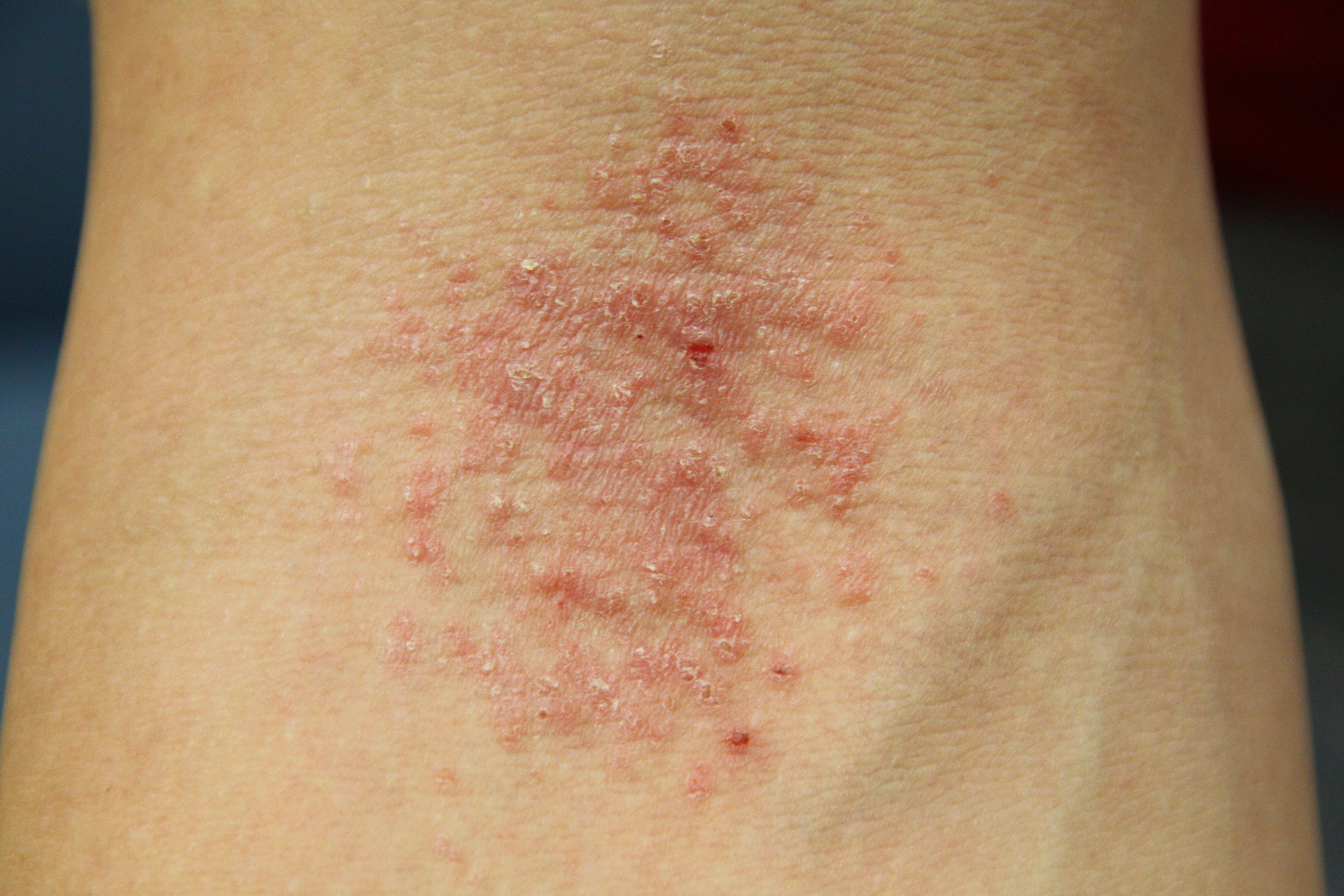
     A link has been discovered between a common gene defect and eczema, nasal blockage, and wheeze among babies as young as six months old. Filaggrin is a protein that is present in the skin and nasal cavity and helps maintain the skin barrier. Previous studies has shown that defects in the gene synthesizing filaggrin are strongly linked to developing eczema and how serious eczema and asthma get over childhood and throughout life. 
     Some of the babies with these gene defects could be getting primed from birth or soon after for a life of suffering from allergy related disease. The GO-CHILD study recruited 2312 pregnant women in England and Scotland who gave a cord blood sample at birth or saliva in infancy for genotyping of babies. A letter was sent out as a follow up for symptoms such as dry skin, eczema, and nasal blockage ar 6, 12, and 24 months. Gene defects made eczema, wheeze, and nasal blockage worse at 6 months. Defects were affecting eczema at one year but weren't worsening wheeze or nasal blockage. At two years, eczema and nasal blockage worsened, but wheeze didn't. The use of simple emollients from birth targeted towards those who have these gene defects may help correct this problem, alleviating suffering in infancy and life. Since some aren't affected, a defective outer barrier in skin and mouth could make some babies more vulnerable than others. 


Sunday, August 2, 2020

CRISPR-Cas9 tool: Understanding and possibility of improving gene editing.

Everything You Need to Know About CRISPR-Cas9
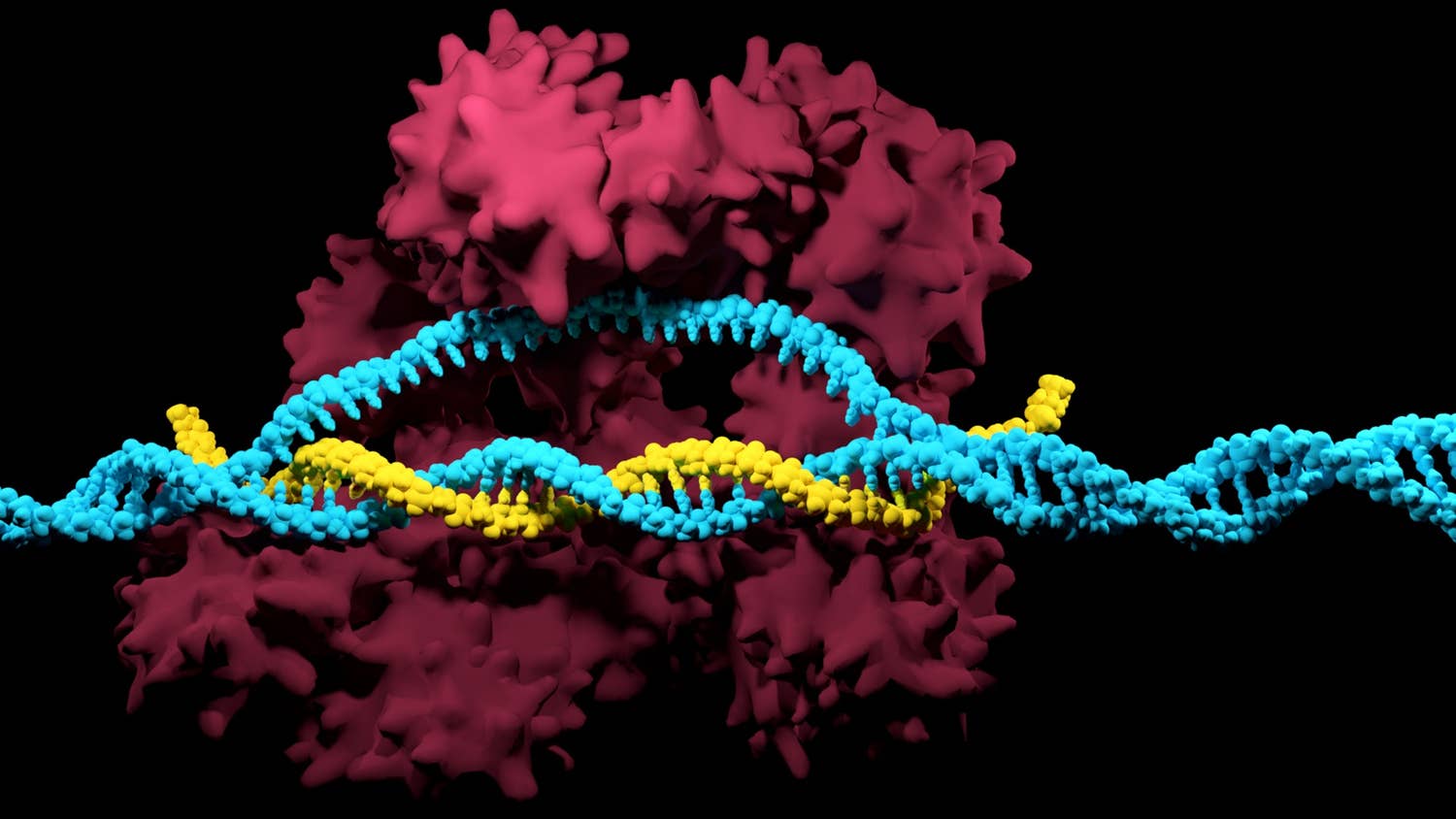
CRISPR is a family of DNA sequences found in the genomes of prokaryotic organisms such as bacteria and archaea. These sequences are derived from DNA fragments of bacteriophages that had previously infected the prokaryote. They are used to detect and destroy DNA from similar bacteriophages during subsequent infections. Researchers at the University of California, Berkeley were able to obtain the first 3D structure of the base editor that is able to bind to the DNA. "A base editor is a type of Cas9 fusion protein that employs a partially deactivated Cas9 -- its snipping shears are disabled so that it cuts only one strand of DNA -- and an enzyme that, for example, activates or silences a gene, or modifies adjacent areas of DNA. Because the new study reports the first structure of a Cas9 fusion protein, it could help guide the invention of myriad other Cas9-based gene-editing tools".[1] CRISPR-Cas9 was used to target enzyme regions to manipulate genes. David Liu of Harvard University combined a Cas9 with another bacterial protein to allow the surgically precise replacement of one nucleotide with another. With this finding scientist were able to modify the base editor called ABE8e which was much faster.

Why are Labrador Retrievers always hungry?

Labrador Retriever Dog Breed Information

Why are Labrador Retrievers always hungry? 


A group of researchers wanted to get a deeper understanding of canine obesity. One breed that always seems to be overweight is the Labrador Retriever. Many owners of this breed say that it does not seem like their dogs ever get full. After conducting a study, it was found that in some Labrador Retrievers and other flat coat breeds similar, there is a gene variation called POMC. One of the responsibilities of this gene is to act as  that "off" button and to not eat anymore. All of the dogs that were used in this experiment did not have the POMC deletion. However, a majority of the labs that were tested did have this mutation. Researchers also noticed that POMC deletion was associated with a 2 kg weight increase. A dog with this mutation would have a harder time of staying slim. They are using this information about canine obesity as a transition into human health. 


Can’t Sleep? Could be Down to Genetics


    People normally sleep for about 229,961 hours or on average about one third of their lifetime. Although people with sleeping disorders usually sleep less than that compared to the average person. The statistics of people with insomnia are on the rise about one in three people have insomnia this is a 10% increase from many years ago. For a long time doctors have been trying to find cures and prevent this from happening without having an exact cause of why this is happening. In recent research researches have found a genetic link from sleep disorders such as insomnia to physical and psychiatric issues. In this study lead by Murray Stein, DNA was taken from various soldiers. To not only confirm that sleep issues are hereditary but they also are linked to physical and psychiatric issues going on with ones body.


Article: https://www.sciencedaily.com/releases/2018/03/180309095520.htm

Related Article: https://www.mayoclinic.org/diseases-conditions/sleep-disorders/symptoms-causes/syc-20354018

Saturday, August 1, 2020

More Clues to the Genes Behind Hearing Loss


Article: https://www.usnews.com/news/health-news/articles/2020-07-16/more-clues-to-the-genes-behind-hearing-loss 
Related Article: https://www.technologynetworks.com/genomics/news/common-genetic-variant-identified-as-frequent-cause-of-deafness-337136

    This past month, Dutch scientists have been able to research and identify a common genetic variant that can cause deafness. There are about 118 genes identified to be linked to deafness, most of these exressed at birth or early childhood. A study of about 200 people was conducted and it was found that a missing section of the RIPOR2 gene was detected in 20 of 23 families with inherited deafness. With more studies, it was found that the gene variant could be found in those with hearing loss and those with no hearing loss yet. It is predicted that the gene variant is present in more than 43,000 people who can either be present with hearing loss or are at risk. Identifying this gene is going to open up doors to making a targeted gene therapy. 

Friday, July 31, 2020

Scientists Move Closer to Mapping Entire Human Genome

Article: https://www.usnews.com/news/health-news/articles/2020-07-14/scientists-move-closer-to-mapping-entire-human-genome
Related Article: https://www.genome.gov/human-genome-project
    
    The human genome has been studied tremendously in the recent years. Almost all of it has been mapped an identified but we are still missing hundreds of important DNA sequences. The goal: to map the entirety of the human genome. Scientists have been getting closer and closer to this with their most recent accomplishment; producing a complete DNA sequence of a single human chromosome. This process is similar to reconstructing a jigsaw puzzle without and clues or context on each piece. This time, scientists used a new computer system and started with the X chromosome allowing them to dive into newly uncovered sequences they have not seen before. 

Gene variant that causes Peruvians to be among the shortest people in the world

There are about 4000 common variations in DNA that affects a persons height, they usually only make the difference of 1 or 2 millimeters up or down. However, there has been a gene variant in about 5% of Peruvians that reduces height by approximately 2.2 centimeters. The variant is located on the FBN1 gene, which produces a protein that aids in the forming or bone, connective tissue, skin and other tissues. 
Source 1: https://www.sciencenews.org/article/gene-variant-height-peruvians-short
Source 2: https://www.medicinenet.com/script/main/art.asp?articlekey=33167

Gene variant that lowers the hormone levels in birth control


There has been a gene variant discovered in 5% of the population that has been linked to the low blood  levels of the active ingredient in hormonal contraceptives. This genetic variant is known as CYP3A7. This variant is mostly known to affect oral contraceptives as opposed to the implant forms of contraceptives. There were also two other gene variants discovered, however, those did not have as much of an impact on the hormonal contraceptives as the CYP3A7. 
    
The CYP3A7 gene variant will explain the rise of unplanned pregnancies that a lot of women are experiencing even while on birth control. The assumption that women who experienced unplanned pregnancies while on birth control is a fault has been around for many years and can now be explained by this gene variant. 
Source 1: https://www.the-scientist.com/news-opinion/gene-variant-linked-to-lower-levels-of-hormonal-birth-control-65600
Source 2: https://www.snpedia.com/index.php/CYP3A7

African turquoise killifish stop aging?

These African Turquoise Killifish "Press Pause" on Aging
Have you ever wonder if there was a species that is able to stop aging? Researcher have found a fish called African turquoise killifish, that are able to stop their development when they are embryos, which is called Diapause. Researches used the genes of the fish to analyze the aging, and discovered that it was actually halted. Its pretty amazing that they are able to halt there development for five months to two years, and then continue without any consequences. Researcher used to information in order to halt diseases or be able to find a way to preserve human organs for long-term.


Tuesday, July 28, 2020

Genetics could help protect coral reefs from global warming

See the source image

Global warming, pollution, and human activities are all causes for the ocean water temperatures rising. This ultimately leads to the death of coral reefs. A study from Columbia University provides evidence that genetic sequencing can reveal evolutionary differences in reef-building corals. This could help scientists identify which strains could adapt to warmer seas. This provides a window into the genetic process that allows some corals to resist dramatic climate shifts. Using genomics can help identify which corals have the capacity to lice at higher temperatures and reveal genetic variants associated with climate resilience.
     Mass bleaching of reefs first occurred in the late 1990's when high water temperature destroyed the symbiotic relation with colorful algae, causing corals to turn white. Reefs can recover from this, but prolonged periods of environmental stress can ultimately kill them. Genetic differences could influence survival and bleaching tolerance. In a study, 237 samples were collected at 12 locations in the Great Barrier Reef. This generated the highest quality sequences. This sequencing allowed researchers to look across the genome for signatures where adaptation occurred and to find genetically distinct variations associated with bleaching tolerance. No gene was responsible for response to bleaching, but many genetic variants influence the trait.

https://www.sciencedaily.com/releases/2020/07/200716144731.htm
https://news.columbia.edu/news/genetics-could-protect-coral-reefs-global-warming

Monday, July 27, 2020

Gene related to brain damage in pre-term infants identified

See the source image

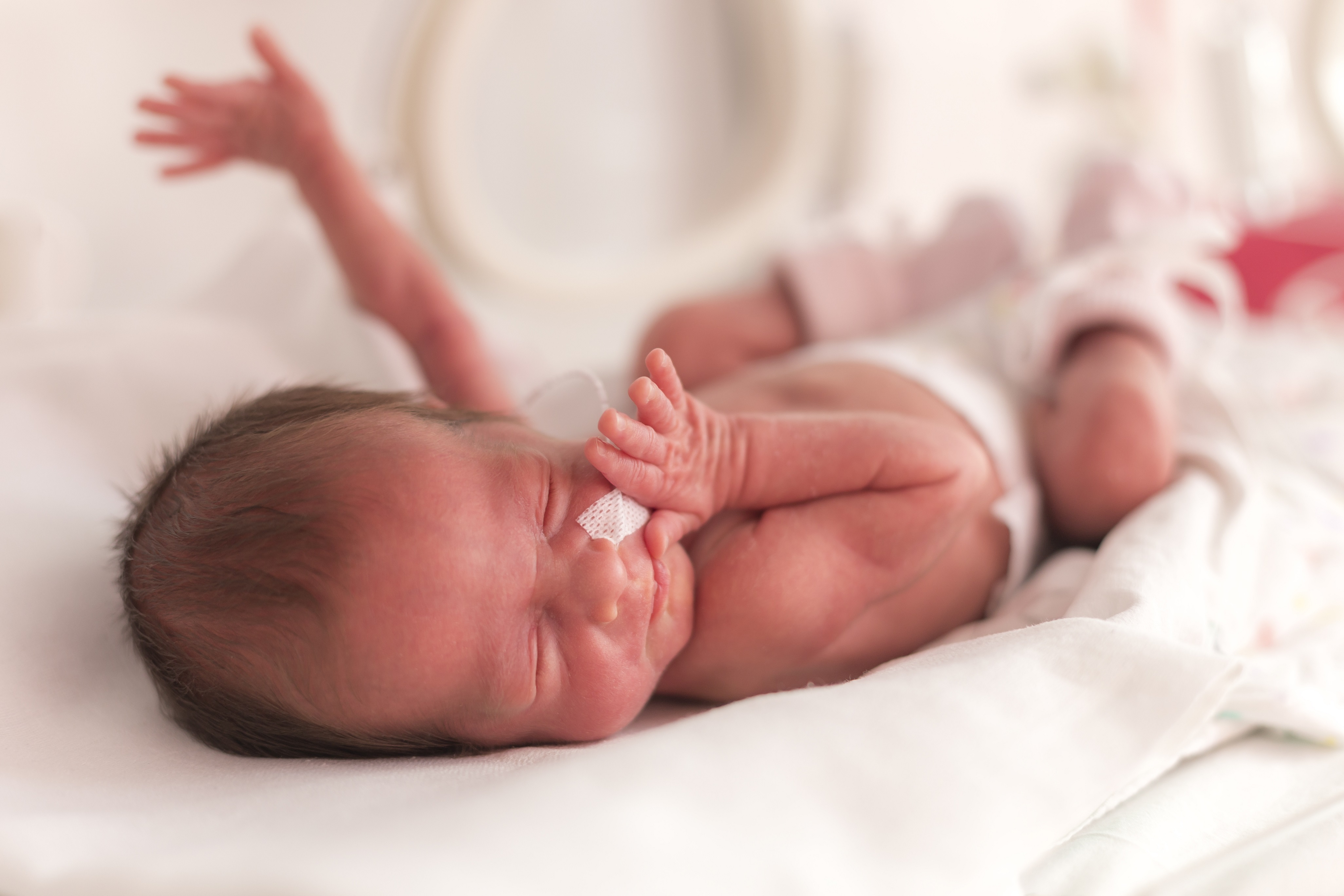
     Premature labor can be caused by inflammation in the mother or baby that causes infection. This infection can cause damage to the brain that leads to lifelong conditions which include cerebral palsy, autism, and learning or behavioral disorders.
     A study in Nature Communications investigated the role of microglial cells which control immune response in brain responding to inflammation. The gene DLG4 was found and is thought to be involved in controlling the inflammatory process. DLG4 was thought to only play a role in the nervous system. This new finding suggests that it's involved in the process of brain damage in some pre-term babies. This can help researchers discover future treatments for these diseases.
     In one study, mouse models of inflammation and genomic analysis of over 500 brain scans were used. It identified differences in the way DLG4 was expressed in microglia in models and brain scans. This finding requires further study to confirm the role of microglia and the DLG4 gene, but links the gene with both the immune response and neuropsychiatric diseases. Once the function is known, these diseases may be able to be treated.

https://www.sciencedaily.com/releases/2017/09/170905104401.htm
https://medicalxpress.com/news/2017-09-gene-brain-pre-term-infants.html

APOE4 Gene holder may be at a higher risk of contracting COVID-19


Video - Normal Brain vs. Alzheimer's
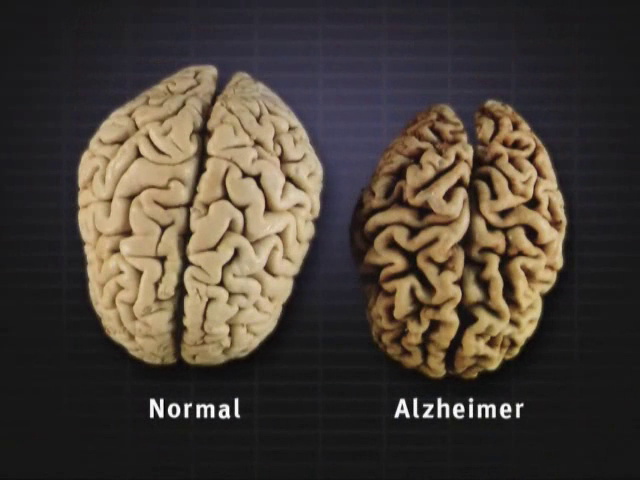
Researchers have recently discovered that a genetic variant that raises the risk of developing Alzheimer disease may also increase the dangers of COVID-19. They have discovered that a version of APOE gene called APOE4 in patients were more likely to test positive for COVID-19 than the APOE3 version. Studies have been also conducted with patients who have dementia that contracted the virus to show more serve symptoms or die, then further studies confirmed that the APOE4 showed a increase of serverity when contracted with COVID-19 than APOE3."Among nearly 400,000 participants in the large genetic database called the UK Biobank, only 3 percent have two copies of APOE4, while 69 percent have two copies of APOE3. The remainder have one of each version. But the APOE4 version was more common than expected among people diagnosed with COVID-19, the study found. Of 622 people who tested positive for the coronavirus, 37 had two copies of APOE4. On a population scale, that means about 410 of every 100,000 people with two copies of that version of the gene would test positive, the researchers calculate. That compares with 179 of every 100,000 people with two copies of APOE3 testing positive. "[1]
The APOE is a protein that is involved in the metabolism of fats in the body. When a person has the APO4 gene they risk of having a number of protein clumps in the brain tissue, which would cause Alzheimer and dementia. The APOE also helps the immune system suppress T cell proliferaiton and neutrophil act. This may be the reason of the rise of COVID-19 contraction in patients with APOE4 being at much more risk in contracting and severity of symptoms but more studies would need to be conducted in order to support the claim.

Sunday, July 26, 2020

Genes and cardiovascular health both affect dementia risk


See the source image

     In a study in the journal Neurology, researchers found that dementia associated common gene variants or the APOE 4 genotype can double the risk on dementia, while good cardiovascular health can halve the risk. Genes and cardiovascular risk can independently add to or subtract from a person's risk of dementia. Adopting a healthier lifestyle while having a high genetic risk of dementia could reduce the risk.
     In the study, there were 1211 participants. Those who had a high risk score based on several common gene variants were 2.6 times more likely than those with a low risk score to develop dementia. The APOE 4 genotype is found in 10-15% of the general population. Those in the study with one APOE 4 allele were 2.3 times more likely to develop dementia than those who didn't have it at all. Participants were also scored based on their cardiovascular health. This included physical activity, cholesterol, diet, blood pressure, weight, blood glucose, and smoking status. Those with favorable cardiovascular health were 55% less likely to develop dementia. There was no interaction found between genetic risk score or APOE 4 and cardiovascular health which confirms that these affect the development of dementia independently.

https://www.sciencedaily.com/releases/2020/07/200721114729.htm
https://www.medicalnewstoday.com/articles/genetics-and-cardiovascular-health-may-contribute-to-dementia-risk