Showing posts with label "Genes" "mutation". Show all posts

Friday, December 5, 2025

Mutations Occurring In Human Genome Much Faster Than Previously Thought

                   Mutations are the basis over evolution providing genetic diversity to allow for the survival of the most fit. Modern technology allows for the comparison of parental genomes to their children. With this comparison mutation rates can be calculated and used to understand human biology. “The researchers estimate that every human has nearly 200 new genetic changes that are different from either parent” (University of Utah Health). Further investigation shows that parts of the human genome change much faster than known. "To get a complete, high-resolution picture of genetic variation over time, the team sequenced each person's DNA using multiple different technologies"(ScienceDaily). Parts of the human genome previously thought to be unchanging are changing at rapid rates. 
                   This doesn’t just affect research but medical care as well. Genetic counselors now must adjust their probabilities considering this randomness. If a child is found to be afflicted was it inherited, or a mutation and if it was a mutation is it now inheritable to their offspring? With this research and sequencing results made publicly available for further exploration a lot more genetic findings can now be discovered. 

Image from ScienceDaily

Tuesday, December 2, 2025

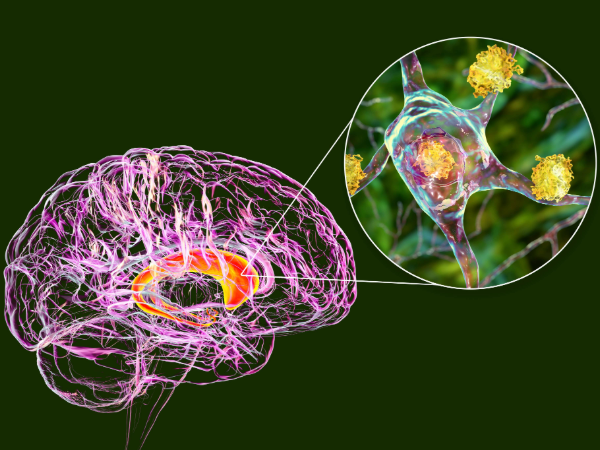
When Science Offers Hope! The Latest Huntington’s Discovery, Blog#7

 When Science Offers Hope! The Latest Huntington’s Discovery

Evgeniya Staleva

BIOL- 2100-001- Genetics

Professor Guy F. Barbato

December 2nd, 2025


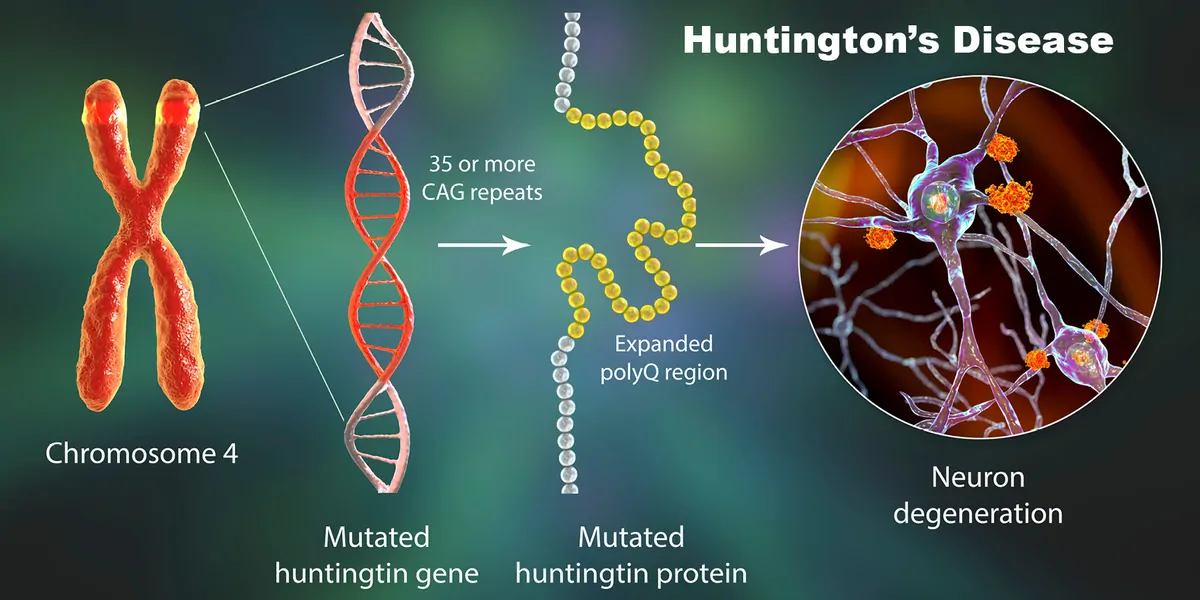
According to the article, the most recent gene therapy for Huntington's disease offers some optimism to patients of this degenerative disorder. It has been found that gene therapy, injected into the brain, slowed down the progression of symptoms by three-quarters in patients over three years. The treatment is aimed at attacking the symptoms of Huntington's disease caused by a protein known as Huntingtin. The mutation in the Huntington gene causes a protein to appear that kills the brain cells and causes Huntington's disease. Based on the initial findings of the study, it was the first study that report a high-level benefit of treatment in people with the disease.


However, the treatment is by no means risk-free. The surgery of going into the brain is associated with complications such as inflammation and pressure buildup within the brain itself. A small number of patients who took part in the trial experienced these side effects, but these side effects were resolved by medication or subsided without medication. According to some experts, the treatment is irreversible, and this treatment will have long-term side effects of which we are still unaware. Irrespective of these dangers, Huntington's disease can be slowed down with the help of therapy. Therefore, it may bring a little solace to patients and families for whom therapies fail.

This is a major breakthrough in the treatment of neurodegenerative diseases using this new gene therapy. Although the risks are present, the probability of such revolutionary treatment to transform the disease in Huntington is remarkable. In case it succeeds, it is possible to apply the same process to other disorders as well. There is a need to conduct more research and keep an eye on whether it is successful.


https://www.nytimes.com/2025/09/26/well/huntingtons-disease-treatment.html

https://www.medcentral.com/neurology/new-gene-therapy-for-huntingtons-shows-75-decrease-in-disease-progression

https://www.uab.edu/medicine/news/neurology/breakthrough-in-huntingtons-disease-treatment-shows-unprecedented-results-for-patients

Tuesday, November 18, 2025

Personalized Gene Editing for All Angelina Tadros

 Angelina Tadros

November 18, 2025

Genetics

Dr. Barbato


Personalized Gene Editing for All

 A recent study discusses how the field of genetic medicine is going through major change, from a one size fits all medication style to more personal and uniquely fixed treatments that can correct someone's specific genetic mutation. The article explains how scientists and the FDA are working together to make personalized gene-editing treatments available to more patients. An important example is an infant named KJ, who was given a custom CRISPR treatment for a severe genetic disorder. Ultimately, his case proved that personalized editing is possible, but it also showed that the traditional drug-approval system is too slow and expensive to support one patient at a time therapies. This caused the FDA to explore new approval pathways that focus on approving entire platforms instead of individual custom drugs.

These platforms depend on the programmable nature of CRISPR technology, scientists can use the same basic treatment while switching out a small part of the RNA to target different mutations. The researchers described platforms for phenylketonuria (PKU) and for seven types of urea-cycle disorders (UCDs-which is what KJ had). After back and forth with the FDA, they found support for a streamlined process where only minimal new testing is required for each new mutation added to a platform. This means many patients with different genetic variants could be treated under one large general clinical trial.

Overall, the article highlights a major shift in genetic medicine and an interesting twist on medicine for once believed untreatable rare diseases. Instead of developing a new therapy from scratch for each patient, platform based editing could make customized treatments faster, safer, and more widely available. With continued support from the FDA and research agencies, personalized gene editing could move from experimental trials like KJ’s to a normal option for patients with rare genetic diseases. This discovery can be life changing for many.

Figure 1


Figure 1 demonstrates how all of the different variants are included efficiently in one trial, by each new IND mostly just reusing the original one and needing only small lab tests for each new variant.


Sources 

Article + Picture link: https://www.cell.com/ajhg/fulltext/S0002-9297(25)00397-0

Extra source: https://www.sciencedirect.com/science/article/pii/S1465324925007492

Sunday, March 31, 2024

New FDA Approved Therapy for Children Battling Muscular Dystrophy

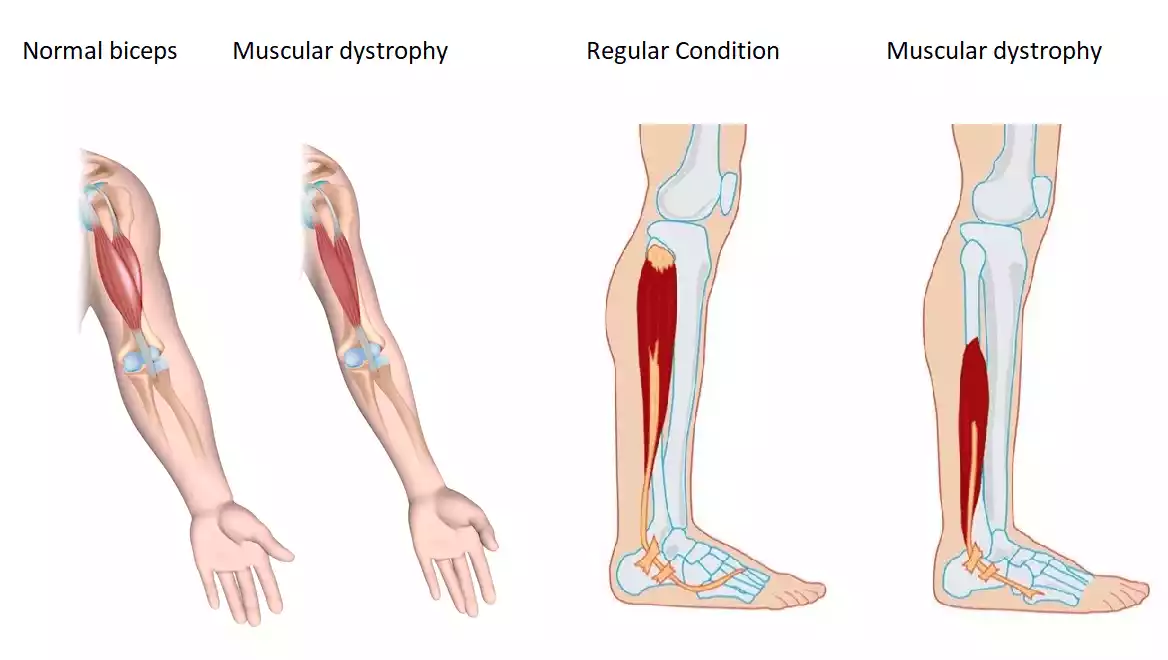
     Muscular dystrophy (MD) is a group of genetic disorders that are characterized by progressive weakness and degeneration of the skeletal muscles. The skeletal muscles control the movement within the body. This severe condition is caused by mutations in genes that are responsible for the structure and function of the muscle cells. Some types of MD manifest early on in one's childhood, but this is not always the case. It is more than devastating to see that so many kids suffer from MD whilst there being no cure to this day, though scientists have been working on different potentially effective therapies for children. 

    In June 2023, it was announced that the FDA had approved the very first gene therapy for children (ages 4-5). The gene therapy includes using " a shortened form of the dystrophin gene. This microdystrophin gene produces a protein about one-third the size of the original protein. The shortened gene is packed into harmless viruses for delivery to muscle cells." Though, this is not a cure, it can most definitely help benefit the young lives of those who are suffering from MD.

    It is scary to think so many of the common day diseases still have not been cured, but it's very beneficial to see that scientists are working for therapies in the meantime to increase the living quality of those suffering. It will be interesting to see what improvements scientists continue to make as time goes on and hopefully there will be a cure in the near future.


Thursday, December 7, 2023

The Effect of Smoking on Human DNA

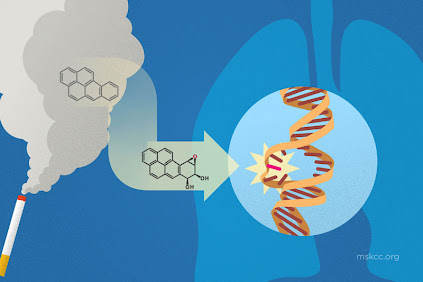
 How Do Cigarettes Cause Cancer? | Memorial Sloan Kettering Cancer Center

A study performed by a team at the Ontario Institute for Cancer Research has offered a little bit of insight into how tobacco consumption from smoking triggers tumor development. According to the team, smoking appears to prevent the formation of proteins that are responsible for regulating the amount of “runaway” cells that develop. Smoking gives rise to “stop-gain” mutations in cellular DNA, resulting in the body to stop making the protective proteins. Without the presence of these “tumor suppressor” proteins, tumors are more likely to occur as the abnormal cells can keep growing without being “checked”, or eliminated. The research team used the genetic legacy of a smoker’s DNA and compared it to DNA collected from 12,000 tumor samples totaling 18 different types of cancer. The examination found that the occurrence of smoking seemed strongly connected to stop-gain mutations that left people more vulnerable to cancer. They also found that the longer and more intensely a person smoked, the more stop-gain mutations were found in their tumors. 

The study is interesting because it highlights the effect of smoking on critical proteins and the impact of deactivating these proteins on long term health. It could be inferred from this research that other lifestyle habits, like alcohol consumption,  could impact the proteins with a boost in stop-gain mutations. This research seems important because being able to explain some of the molecular mechanisms of what leads to cancer by smoking can assist in better understanding how lifestyle can affect the risk of cancer. 

https://www.usnews.com/news/health-news/articles/2023-11-08/smoking-undermines-human-dna-that-would-normally-prevent-cancer 

https://www.cdc.gov/tobacco/campaign/tips/diseases/cancer.html#:~:text=Smoking%20can%20cause%20cancer%20and%20then%20block%20your%20body%20from%20fighting%20it%3A&text=Poisons%20in%20cigarette%20smoke%20can,or%20change%20a%20cell's%20DNA.

Monday, October 30, 2023

How Cystic fibrosis is inherited

According to the Cystic Fibrosis Foundation, Cystic fibrosis is a progressive, genetic diseases that affects the lungs, pancreas and other organs. Around the world, in about 94 countries, there are about 105,000 individuals living with Cystic fibrosis. Cystic fibrosis is not racially-selective and as such, it can affect anyone in any racial or ethnic group. Cystic fibrosis is caused by a mutation in the Cystic fibrosis transmembrane conductance regulator (CTFR) gene. 


The disease affects the cells that produce secreted fluids in the body like mucus, sweat and digestive juices. Usually, these fluids are thin and slippery but the mutation of the CTFR gene causes them to be sticky and thick and they begin to block tubes, ducts, and passageways in the lungs and digestive system. The past years have seen an improvement in the quality of life of people living with Cystic fibrosis due to improved medical research.

Usually, every child inherits one CFTR gene from each parent making a gene pair. Consequently, when a child inherits a mutated CFTR gene from both parents, the child will have cystic fibrosis. On the other hand, if a mutated CFTR gene is inherited from just one of the parents then the offspring will be a genetic carrier of the CFTR gene. It is important to note that for this to happen then the other parent must have a normal CFTR gene.

Sources

https://www.cff.org/intro-cf/about-cystic-fibrosis

https://www.mayoclinic.org/diseases-conditions/cystic-fibrosis/symptoms-causes/syc-20353700#:~:text=Cystic%20fibrosis%20is%20a%20disorder,mucus%2C%20sweat%20and%20digestive%20juices.

https://www.nhlbi.nih.gov/health/cystic-fibrosis/causes#:~:text=Every%20person%20inherits%20two%20CFTR,be%20a%20cystic%20fibrosis%20carrier.

Tuesday, October 10, 2023

Genome Mapping of Lavender Corn Snakes


    Corn snakes are a species of non-venomous snake native to New Jersey. They come in a wide range of color varieties that have been bred for the pet trade. The pet trade often demands new and interesting morphs of snakes and lizards to draw high prices and interest. These morphs are created through breeding and the genes involved in their color have complex interactions.

    In 2020, a study was conducted to map the genome of lavender corn snakes and compare it to the wild type. DNA samples were taken from lavender and wild-type corn snakes and sequenced. Researchers hypothesized the lavender mutation was due to a mutation in the LYST gene responsible for making a protein called the lysosomal trafficking regulator. They also hypothesized that this mutation affected the xanthophores and melanophores responsible for pigment in corn snakes. They concluded that there was a mutation in the premature stop codon of the LYST gene of lavender corn snakes that is responsible for the pink and gray coloration. 

Tuesday, September 12, 2023

DNA mutations for harm potential

DNA mutations for harm potential

Genetic Mutations are changes in which a DNA sequence of an organism changes during cell division and makes copies of themselves. Scientists at a place called DeepMind have built an artificial intelligence program in which they can predict whether or not genetic mutations can either cause a disease or be harmless. The program that makes the predictions are about missense mutations in which a single letter is misspelled in the DNA code. A typical person has about 9,000 missense mutations meaning only 2% have been known to be either pathogenetic or benign. So, researchers used AlphaMissense to set a program to see how the mutation affects human protein. The conclusion was that 57% of missense mutations were most likely harmless given that 32% were harmful. Scientists have given out some predictions to help geneticists how mutations work and how to find rare disorders. The program that they have also may help figure out mutations that have not been linked to a specific disorder and can help doctors find a treatment.

AI is great for many things but in my opinion AI's are complicated to figure out and I don't think we fully perfect it. But it is cool that the AI that scientists are using can generate a score on how risky the genetics change on a human. But knowing what mutation is going on in your DNA is important because it can provide valuable information about your genetics and potential health risks. It may also help you understand your medical decision or even figure out your inherited conditions.

In this image of the Gene mutation it shows the AI application in which it can examine the risk of multiple diseases or can respond to a different pharmaceutical interventions.
Reference:
Guardian News and Media. (2023, September 19). Google DeepMind AI tool assesses DNA mutations for harm potential. The Guardian. https://www.theguardian.com/science/2023/sep/19/google-deepmind-ai-tool-assesses-dna-mutations-for-harm-potential.


Sunday, August 2, 2020

Why are Labrador Retrievers always hungry?

Labrador Retriever Dog Breed Information

Why are Labrador Retrievers always hungry? 


A group of researchers wanted to get a deeper understanding of canine obesity. One breed that always seems to be overweight is the Labrador Retriever. Many owners of this breed say that it does not seem like their dogs ever get full. After conducting a study, it was found that in some Labrador Retrievers and other flat coat breeds similar, there is a gene variation called POMC. One of the responsibilities of this gene is to act as  that "off" button and to not eat anymore. All of the dogs that were used in this experiment did not have the POMC deletion. However, a majority of the labs that were tested did have this mutation. Researchers also noticed that POMC deletion was associated with a 2 kg weight increase. A dog with this mutation would have a harder time of staying slim. They are using this information about canine obesity as a transition into human health. 


Monday, July 27, 2020

Cryptic Coloration Seen in Stick Insects Found to be Linked to Supermutation


A million base pair adaptive deletion, called a supermutation, has been found to be present in stick insects in North America. There are known to be multiple genes that affect the look of an organism in addition to its environment. Factors such as color are affected by such genes and adaptations in non-domesticated organisms. Seven different species of stick insects were looked at for genetic mutations that cause cryptic coloration, known more commonly as camouflage. One particular species, Timema chumash, was found to be able to morph to show various colors, besides the usual greens and browns.


Scientists were able to use genome mapping to find a supermutation, which is a million base pair deletion. The supermutation caused the type of color variation found in the Timema chumash, called a continuum of color variation by Gompert who is an author on the paper, to be converted into the more discrete morphs seen in other species. So far, researchers believe that this may give insight into any gaps or shifts in evolution, which is known to be a continuous process.


Overall, this paper shows great insight into evolution and how what we know about it has changed and will continue to change. Mutations in one species of an organism may have different effects in another. This tells us that the world and its beings are forever changing, and although there are gaps we do not currently have data for, gene mapping may be the process that can answer such questions.


Article: https://www.sciencedaily.com/releases/2020/07/200723143731.htm

Related Article: https://www.usu.edu/today/story/sticking-out-usu-genetic-ecologist-uses-genome-mapping-to-reveal-supermutation

Sunday, November 24, 2019

Black meat, bones, and organs in Chickens

See the source image
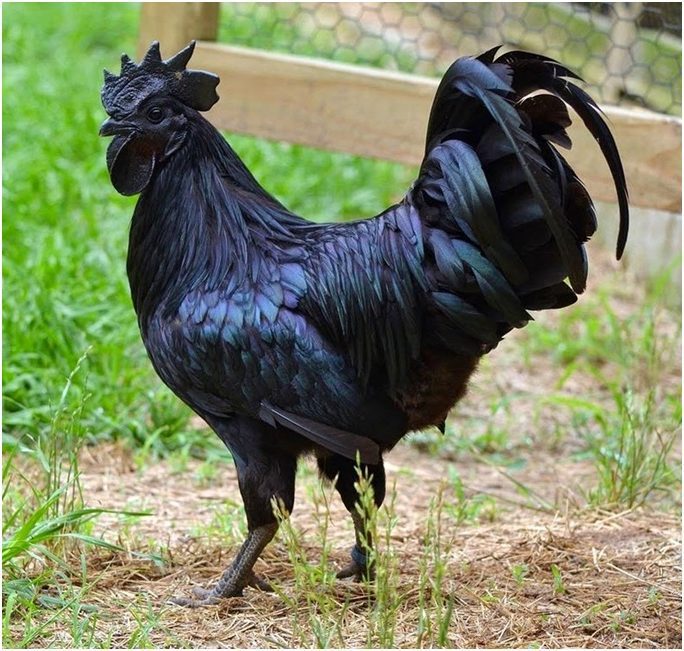
There are a few breeds of chickens in which they are completely black. These chickens have "fibromelanosis" which is due to a mutation, and happen to be very rare. An expressed gene, which controls skin color, known as EDN3, is expressed more than the normal chicken. This causes the the bones and organs to be black. This mutation luckily does not affect the chickens, and merely causes the dark color.

In my opinion, this mutation is actually really cool. I figured bones weren't all white, grayish, etc. but it took me by surprise that the bones and organs of an animal could be black as well as I've never really seen that before. I also find it interesting that the reason that these breeds have continued to spread around the world is because people liked the coloring of the chickens, and they would be bred as they were taken around.

https://www.nationalgeographic.com/animals/2019/09/why-black-chickens-fibromelanosis/

https://www.motherearthnews.com/homesteading-and-livestock/ayam-cemani-chickens-zbcz1910

Tuesday, November 19, 2019

Mutation causing Milky White Blood


Three siblings were discovered to have milky white blood due to a genetic disorder. The blood was full of fat that caused the coloration. The siblings, two of which were a set of twins, were born to a first cousin couple that are part of a Pennsylvania Dutch family. As teens the siblings experienced abdominal pain and when they sought medical help they were diagnosed with hypertriglyceridemia. This disorder causes an increase of triglycerides in the blood. However, further testing recently done in their fifties showed that they actually have an ultra rare condition known as familial chylomicronemia syndrome causing very high levels of triglycerides causing the color of the blood to turn milky white. 
Figure above shows the molecular form of a triglyceride
The siblings have long attempted to control their triglyceride levels to alleviate the symptoms of abdominal pain, fever and vomiting.  There was only one gene found to cause the condition when normally there are multiple. The gene usually breaks down triglycerides in the blood. Each sibling was found to have two copies of the mutated gene which must have been passed down from each parent. The Particular gene mutation found in the children has never been seen before. Their condition can be helped by a low fat diet.
I was intrigued by the title of this article “A Rare Genetic Disorder Turned These Siblings' Blood 'Milky' White” because I had no idea that this could occur. I found it interesting that these patients blood had so much fat in it that it became a white color. I was surprised that this condition could be alleviated by a controlled diet.


Monday, November 5, 2018

New mouse model shows brain effects of autism gene

         At Columbia University, a study is being performed on mice to determine the effects of the autism gene on the brain.  The gene that was found responsible for the defects is called HNRNPU. HNRNPU is known to bind cellular machinery that transcribes genes  Mutations in the HNRNPU gene can lead to intellectual disability, language deficits and seizures. Mice lacking the gene were linked to autism and showed drastic change in behavior.
       Researchers performed an experiment consisting of a control group and a mutant to notice the difference among the mice with a single copy of HNRNPU. The mutant mice were found to be much smaller and they cried less when separated from their mothers when compared to the control group. Numerous genes in the mutants were found to be altered in expression when compared to the control. The altered genes are known to be involved in epilepsy and intellectual disability.
     I found this article interesting because autism can change a persons life completely. As research is being performed on the effects of autism, we will approach a solution in the future to correct the altered gene or reduce the effects in an individual. While Dugger and her colleagues have not analyzed the data for autism genes, there is a correlation between the HNRNPU gene and expression of genes.

Image result for autism spectrum

Monday, March 19, 2018

Bad Memory? Might be Due to Genetics


Bad Memory? Might be Due to Genetics

More than 100 genes have been identified to play a role in memory processing in the human brain. This study is a part of a relatively new field called “imaging genetics” it focuses on how genes determine structural and functional organization in the brain. Past studies that tried to link behavior and genes but lacked neural markers which can be essential to link to the two. The memory genes were able to be identified by using genotyping and brain imaging. The study used RNA in post- mortem brain tissue and intracranial EEG (iEEg) data from epilepsy patients alone with analyses from fMRI data linking resting- state brain behavior to specific genes. The RNA allowed researcher to determine gene expression. The iEEG data from epilepsy patients performing episodic memory task while electrodes would localize seizures essential inhibits function of specific parts of the brain. Interestingly some memory genes overlap with several genes associated with autism which bring about new research opportunities. I found this article to be interesting because it is combining genetics with cognitive neuroscience which I have not heard of before. Usually cognitive neuroscience is focused on what brain structure performs what function or what role does a certain neurotransmitter play. Now researchers are looking at the origin of these components which reflex upon the advancements of technology and understood knowledge. Also, I believe this study could continue and eventually help people who experience memory loss whether the loss is due to age, amnesia, or Alzheimer’s disease.

Monday, February 26, 2018

U.S. Scientists Sucessfully Use CRISPR to Research a Cure for Genetic Diseases in Human Embryos

The U.S. was not the first scientists to do research with CRISPR to cut DNA to edit the genomes of human embryos. Chinese scientists attempted similar experiments, but not enough embryos were viable after the use of CRISPR for it to be considered successful. These Chinese scientists collaborated with Shoukhrat Mitalipov (Oregon Health and Science University) and other researchers from South Korea to find more successful results to their study. The earliest stage possible of a human embryo is when it is only one cell, at this point is when they added CRISPR. As the embryo developed and cells divided the genetic traits were passed on to all cells. For ethical and legal reasons, the embryos that were used were made for research only and are not capable of developing past three days. The genetic defect in these embryos caused serious heart problems and after the CRISPR cut the DNA of the human embryo and additional genome editing technology was used, successful results were shown and 72% of the embryos had no sign of the genetic defects anymore several days later. This does not mean that tomorrow these procedures will be available to everyone in real human embryos; but it does mean that we are one giant step closer to ending genetic diseases. Many people believe using human embryos is not ethical and should not be done, but what these people do not understand is that the research is being done on specially designed human embryos for research purpose only so they will never have the potential to one day become life. This research needs to continue because it is truly amazing how far we have come with CRISPR considering it was only discovered as a possible way to fix genetic diseases just in 2012.


Article URL: http://time.com/4882855/crispr-gene-editing-human-embryo/

Additional Information: https://www.nature.com/articles/nature23305.pdf


Tuesday, November 21, 2017

Amish Mutation Protects Against Diabetes and May Extend Life


A genetic mutation exists in an Amish community in Indiana that protects members that have the mutation from Type 2 diabetes. The mutation is also thought to extend the lifespans of those that carry it. The mutation affects a protein called plasminogen activator inhibitor-1 also known as PAI-1. The protein itself is known for promoting blood clotting. The mutation causes carriers to produce low levels of this protein. The protein also is suspected to have connections to the aging process. In lab experiments, mice engineered to have higher levels of the protein seem to age faster and dye younger than those with regular levels. In the Amish community, the carriers of the mutation were found to have an avergae life span of age 85 which was roughly ten years longer than members of the community without the mutation. More tests done on the community showed that carriers of the mutation had 28 percent lower levels of insulin. Carriers of the mutation also seem to have had 10 percent longer telomeres than those without. Telomere length is an indicator for biological aging. Longer telomeres are linked to longevity. To me this research is pretty interesting. I hope scientists are able to use this research in order to help diabetes patients in the future.   


https://www.nytimes.com/2017/11/15/well/live/amish-mutation-protects-against-diabetes-and-may-extend-life.html

https://newatlas.com/amish-genetic-mutation-lifespan-diabetes/52212/


Thursday, May 4, 2017

The genome and HVC

 The only way to better comprehend how any germ or virus interact with the human body is to repeat and study a large sum of people with the certain characteristic. Researches at the University of Oxford want to provide new information of hepatitis C virus (HCV) and how the genome interacts and changes the virus. The only way to reveal more information is to study deeply within the material. A 500 patient study found within the genome two places where genetic variation in calibration with the immune system. This new found information will allow scientist to create treatments that better highlight the type of HCV that person. 


I think this information is a great step in helping patients suffering from the symptoms of HCV, they will be provided with treatments that are better suited for their specific virus. This like many other genetic mutations are coming to light, but without the technology to read the genome scientists would have no idea how to better help the lives of their patients. 


Monday, May 1, 2017

How Old is Smallpox Really?


     According to research by an international team of researchers Smallpox might have merged way later then we previously thought. Tissue samples were taken from a Lithuanian child mummy that us dated back to the 1600's. It was concluded that the cause of death was smallpox, but not exactly the strain we cause just a hundred years ago. Reconstructing the full RNA sequence of the smallpox virus strain and compared the results to more recent samples. With this information the team was able to make a time line of the smallpox virus and piece together information about the different strands. While looking at the timeline for the diseases the rate of mutations was also studied and their was found to be two major strand groups, and all related back to a simple common ancestor.  With the information uncovered about the common ancestor it was evaluated that smallpox must have not always been such an epidemic. If small pox had been an epidemic for the thousands of years that it has been around researchers would not have been able to find a common ancestor since it would have diverged tremendously over time. 
     This article is extremely fascinating because with a small sample from a mummy that is thousands of years old they were able to make a time line for small pox and better understand how the virus grew and mutated. With more data like this hopefully we can come to better understand how viruses are spreading so rapidly and diverging out of nowhere. With this knowledge we can better understand and develop more vaccines and save thousands of lives.  

For more information on the history of smallpox go to - https://www.cdc.gov/smallpox/history/history.html

Main article: http://blogs.discovermagazine.com/d-brief/2016/12/08/child-mummy-smallpox-timeline/#.WQfiYIn5601