Showing posts with label Huntington's Disease. Show all posts

Tuesday, December 2, 2025

When Science Offers Hope! The Latest Huntington’s Discovery, Blog#7

 When Science Offers Hope! The Latest Huntington’s Discovery

Evgeniya Staleva

BIOL- 2100-001- Genetics

Professor Guy F. Barbato

December 2nd, 2025
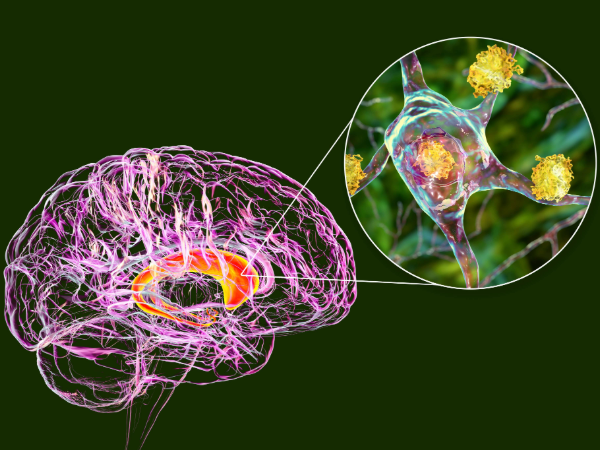


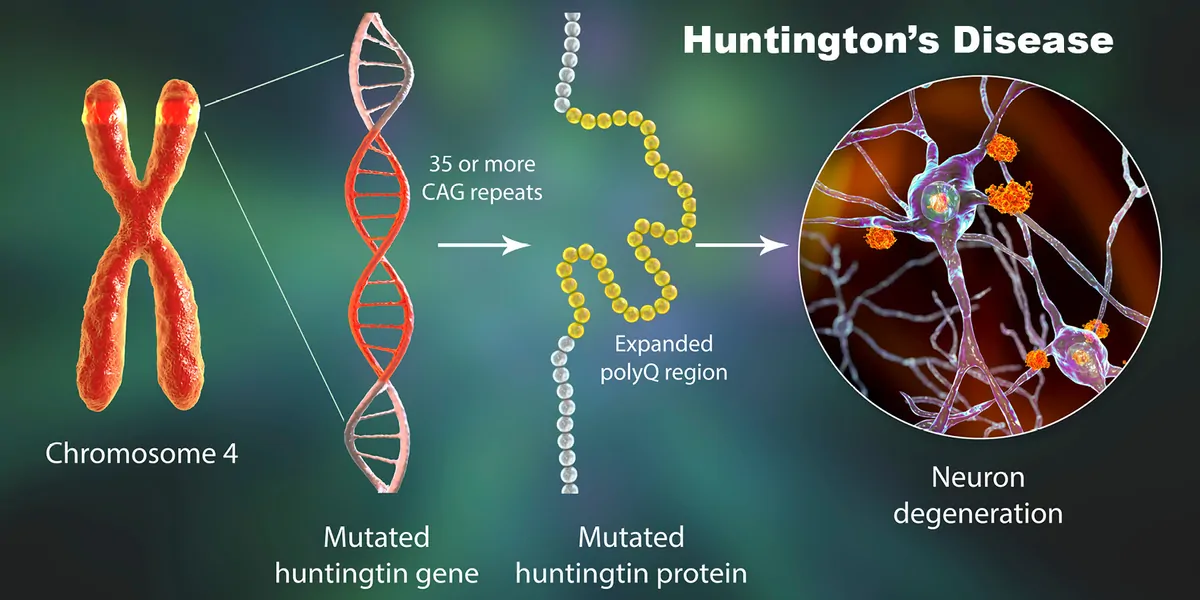
According to the article, the most recent gene therapy for Huntington's disease offers some optimism to patients of this degenerative disorder. It has been found that gene therapy, injected into the brain, slowed down the progression of symptoms by three-quarters in patients over three years. The treatment is aimed at attacking the symptoms of Huntington's disease caused by a protein known as Huntingtin. The mutation in the Huntington gene causes a protein to appear that kills the brain cells and causes Huntington's disease. Based on the initial findings of the study, it was the first study that report a high-level benefit of treatment in people with the disease.


However, the treatment is by no means risk-free. The surgery of going into the brain is associated with complications such as inflammation and pressure buildup within the brain itself. A small number of patients who took part in the trial experienced these side effects, but these side effects were resolved by medication or subsided without medication. According to some experts, the treatment is irreversible, and this treatment will have long-term side effects of which we are still unaware. Irrespective of these dangers, Huntington's disease can be slowed down with the help of therapy. Therefore, it may bring a little solace to patients and families for whom therapies fail.

This is a major breakthrough in the treatment of neurodegenerative diseases using this new gene therapy. Although the risks are present, the probability of such revolutionary treatment to transform the disease in Huntington is remarkable. In case it succeeds, it is possible to apply the same process to other disorders as well. There is a need to conduct more research and keep an eye on whether it is successful.


https://www.nytimes.com/2025/09/26/well/huntingtons-disease-treatment.html

https://www.medcentral.com/neurology/new-gene-therapy-for-huntingtons-shows-75-decrease-in-disease-progression

https://www.uab.edu/medicine/news/neurology/breakthrough-in-huntingtons-disease-treatment-shows-unprecedented-results-for-patients

Tuesday, April 16, 2024

Why Huntington's Disease may take so long to develop

In this article, researchers have found that the growth of copies in the HTT gene within specific brain cells is what causes Huntington's disease to progress. This growth, which can produce hundreds of copies, alters gene activity and ultimately results in cellular death. Reducing the MSH3 protein, which is important for DNA repair, could stop this growth, providing a possible treatment method. Through the use of single-cell sequencing and gene activity analysis, the research offers new approaches to therapy and sheds light on the mechanism underlying the disease.

This study offers an achievable goal for treatment and possible treatment approaches, which represents a major leap in our understanding of Huntington's disease. The use of modern techniques such as single-cell sequencing shows how important interdisciplinary approaches are to understanding complicated neurological illnesses. Going forward, people with Huntington's disease may have better results from additional research into the function of MSH3 and the development of specific medicines.


Sources:
https://www.genecards.org/cgi-bin/carddisp.pl?gene=MSH3
https://www.sciencenews.org/article/huntingtons-disease-development-gene-brain

Wednesday, December 13, 2023

Why Huntington's Disease May Take So Long To Develop

    Huntington's disease is a rare genetic disorder which causes for brain regions to die because of progressive degeneration of nerve cells in the brain, and it affects movement, cognitive functions, and emotions. The disease has first symptoms which begin when someone is in their 30's and 40's, but there are ever rarer cases where is shows up in peoples 20's which is referred to as "Juvenile Huntington's disease". It has been shown that Huntington's is caused by a repeated bit of the HTT gene, and in some brain cells, that repeated bit can grow to hundreds of copies over time. Based off findings it is seen that the adding of the repeated in

vulnerable brain cells are what the main drive of Huntington's disease is.

   What is shown now is that if we are able to keep the growth of the repeats in order than we may be able to slow or even stop the disease from moving forward. Based off this finding, researchers are now looking for ways to lower the level of Huntington. 


Sources

Why Huntington’s disease may take so long to develop (sciencenews.org)

Huntington's disease - Symptoms and causes - Mayo Clinic

Huntington's Disease | Johns Hopkins Medicine

Sunday, November 19, 2023

Why Huntington's Disease May Take So Long To Develop

 Why Huntington's Disease May Take So Long To Develop


Why Huntington’s disease may take so long to develop (sciencenews.org)

Huntington's disease - Symptoms and causes - Mayo Clinic

By: Tina Hesman Saey


    After reading this article discusses how Huntington's disease takes a long time to develop. HTT is the mistakenly repeated gene that brings forth Huntington's disease. According to Mayo Clinic, Huntington's disease is a rare, inherited disease that causes the progressive breakdown of nerve cells in the brain. Huntington's disease causes cognitive, movement, and psychiatric disorders. Preventing the repetition of the HTT gene can stop the disease from growing. 41,000 people in the U.S. have Huntington's disease and 200,000 people are at risk of having that condition. I found this shocking that a large number of Americans suffer from this illness. I learned that people who have more than 40 repeats are at risk of obtaining Huntington's disease rather than a person having 26 or fewer repeats. This disease is very fatal because it can potentially cause paralysis or death due to heart failure. I believe that this article was very educational and increased my knowledge of Huntington's Disease and how it can develop. 


Friday, December 2, 2016

Taking a Closer look at Huntington's Disease

Huntington’s Disease is a hereditary disorder that results in the death of nerve cells in the brain. Individuals with this disease begin to show symptoms around the ages of 30 and 40. They show loss of cognition or ability to think.  It occurs when a faulty gene disrupts DNA translation. It also decreases the ability to produce the Huntington protein, which leads to the cell not functioning properly.
Many scientists believe that it is caused when nerve cells in the brain are destroyed.  In order to find out what mainly affects motor function as a result of this disease, scientists found in a previous study that the early form of Huntington’s disease caused the skeletal muscles to have defects in the later stages. In addition, they also found that the protein called CIC-1 decreased in function because chloride ions were carried into the cells. This is the leading factor to why DNA translation became faulty for making the CIC-1 protein. The faulty translation is what could be the cause of the physical movements due to Huntington’s disease.

Although they found out what causes the cell to malfunction, that study did not aid in finding out whether the defect in protein code was only because the death of nerve cells or if it changes as the disease progressed. For this, they conducted a new study where they looked at healthy, wild type mice. They studied what happened during DNA translation to make the CIC-1 protein when the disease develops and also as it progresses. More specifically, they wanted to find out what happened to the messenger RNA as it carried the code for CIC-1 protein. They found that in both the young control mice and the Huntington's mice there was a defect in the encoding process for messenger RNA for CIC-1 protein. Although this was the case, they found something very interesting. They found out that as the healthy mice aged, the defect corrected itself to produce the functional CIC-1. The scientists discovered that Myosin was expressed in the muscles of newborn mice. Myosin, a motor protein was also found to be expressed in the mice with adult- onset Huntington's disease. From this study, they concluded that Huntington's disease causes disturbance in the muscles as well as brain tissue but changes over a period of time. Learning that this disease effects the skeletal muscles rather than just brain tissue and varies over time, will lead to increased help in patient care.  

Monday, November 30, 2015

Researchers Find Novel Proteins Linked to Huntington’s Disease

Normal brain (left) compared to brain of Huntington's Disease patient (right).

Huntington’s disease is an inherited disorder that damages nerve cells in the brain. The disease causes the brain to deteriorate which results in behavioral and cognitive problems as well as uncontrolled movements. Around 30,000 people in the United States have Huntington’s disease, and approximately 200,000 people in the United States are at risk of inheriting the disease. Currently, there is no cure for the disease and there is no way to stop the disease from progressing further. Researchers from the University of Florida have found that the gene that causes Huntington’s disease “makes an unexpected cocktail of mutant proteins that accumulate in the brain”. The identified mutant proteins were found to kill neurons and build up in particular parts of the brain associated with the disease. The researchers examined the brains of 12 deceased Huntington’s patients and found four proteins known as RAN proteins which contribute to the disease. RAN proteins each consist of long repeats of particular amino acids. Dr. Laura Ranum, director of the center for Neurogenetics at the University of Florida explained that these RAN proteins are “too long for cells to deal with and they build up as aggregated clusters that kill cells”. Researchers believe that there is a strong possibility that the four RAN proteins found could contribute to Huntington’s disease. The RAN proteins were found in the frontal cortex, the cerebellum, and also various white matter regions of the brain. Banez Coronel, who worked on the study stated that this is the first time that proteins related to Huntington’s disease were found in white matter. Researchers also believe that there is a strong chance that RAN proteins may be linked to eight other types of neurodegenerative diseases such as spinobulbar muscular atrophy. Despite the new findings, researchers believe that further research still needs to be conducted in order to understand how RAN proteins are made and if the production of these proteins can be blocked.


It was interesting to learn that the four RAN proteins found in the brains of Huntington’s patients may also be linked to eight other neurodegenerative diseases. It will be interesting to see if researchers in the future will be able to block the production of RAN proteins in order to stop the disease from progressing. Although more research still needs to be conducted, I think that these new findings will play a key role in better understanding Huntington’s disease and hopefully one day finding a cure for the disease.

Tuesday, October 27, 2015

Trial Starts for New Huntington's Drug

Landmark Huntington's Trial Starts


"The first drug that can potentially correct the underlying defect that causes Huntington's disease has been taken by patients in a clinical trial. The disease is caused by the brain producing a mutant protein called huntingtin which damages and ultimately kills off brain cells. As Huntington's progresses it leads to uncontrolled movements, behavior changes and poor cognition. Life expectancy after diagnosis can be as short as 10 years."

The drug used in the clinical trial is known as a gene silencer. It works by targeting mRNA (messenger RNA) strands which contain the instructions for the mutated protein. The drug was manufactured to bind to the mRNA and neutralize it. The drug will be administered via injections into the spinal cord over the course of four months and then the patients will be observed for an additional three months.

This is an amazing step forward in the field of medicine. Not only is Huntington's incurable to date, but the medications for it only treat the symptoms while doing nothing to slow the damage. The article goes on to discuss the safety precautions the clinicians are taking while administering the drug. Hopefully, the results for the human trials are as promising as the pre-clinical work.


Tuesday, April 7, 2015

Deadly protein in Huntington's Patients spinal fluids can now be measured

Huntington’s disease is a genetic neurodegenerative disease that occurs in adults causing psychiatric symptoms, dementia, and involuntary movements. It is caused by a single gene mutation, which triggers the release of a mutant protein. In 1993 the mutated gene was identified however it was not till recently that a new test has been found that can quantify the amount of protein buildup in patients with Huntington’s disease. The international team of scientists from IRBM Promidis, University of British Columbia, CHDI Foundation, and University College London created a test that can detect the Huntington’s protein in Cerebrospinal Fluid (CSF) using Singulex SMC Technology Erenna Immunoassay system. The test can even measure protein build up in patients who have not yet experienced any symptoms yet. The CSF is collected through a lumbar puncture or spinal tap and then the protein can be measured from the fluid. The protein is released into the CSF from the brain cells it is killing, and is referred to as the “smoking gun” which displays how much damage it has done to the patient. The higher the amount of protein detected in the CSF the more the disease has progressed.
Although there is no treatment yet for Huntington’s there are a few human trials on drugs, which reduce production of the proteins, to be starting in the near future. With this test it will be possible to tell if the drug is affective against Huntington’s disease and hopefully assist in finally finding a cure for the disease. This article proves how we are constantly making great improvements in medicine, and leaves hope for those who previously were offered none. Huntington’s disease was a death sentence and soon it may no longer be.
Related Article

Tuesday, November 25, 2014

Link Between DNA Transcription, Disease-Causing Expansions


     Scientists have known that long nucleotide base repeats in the human genome have led to heritable human diseases such as Huntington’s disease. Huntington’s disease is a neurodegenerative disease that affects muscle coordination and leads to a deterioration of cognitive thought. There are many nucleotide base repeats that are stable, but their lengthening over time leads to genome instability and changes in gene expression which can cause these diseases. Up until now, it was thought that the lengthening of these nucleotide base repeats was caused during DNA replication or when DNA repair machinery was active in the cell. However, it was found that the lengthening of these base pair repeats also occurs during transcription, which is the process of forming RNA from a DNA template within a cell.


In a study performed by a research team led by Sergei Mirkin, the White Family Professor of Biology at Tufts' School of Arts and Sciences, the correlation between transcription and the expansion of base pair repeats was observed in yeast. The team used genetic systems to track the lengthening of nucleotide base pair repeats during DNA replication, DNA repair, and transcription. These genetic systems were also used to track the number of expansions in transcribed and non-transcribed parts of reporter genes. It was found that both transcribed and non-transcribed fragments of the reporter genes showed expansion, but the transcribed form of the reporter genes was ten times more likely to undergo the expansion process. This is because in a transcriptionally active state, the transcribed DNA segment has significantly less nucleosome density which leaves more room for repeat expansions of nucleotide base pairs.

                                      
     I find this article interesting because it relates the expansion of nucleotide base pairs to heritable diseases such as Huntington’s. By learning more about what causes these diseases, more efficient methods of treatment or cures can be discovered and implemented.

Source: Link Between DNA Transcription, Disease-Causing Expansions

Tuesday, October 28, 2014

Creating Brain Cells From Human Skin Cells to Help Huntington's Patients

Stem cell development is a promising area of research, and holds a lot of secrets to cell development. However stem cells are highly controversial, which limits the possibilities for research in these areas. Stem cells allow for the potential of  being able to create needed cells for the body that cannot be produced on their own, such as brain cells. With diseases like ALS (Lou Gehrig's) and Huntington's, brain cells degenerate and the brain is unable to recreate those lost cells.

Brain with and without Huntington's


At Washington University in St. Louis, researchers have just discovered a new way to create brain cells needed for Huntington's patients. This method avoids using stem cells, which makes it less controversial, and also avoids creating multiple cell types that usually comes with stem cell research. These cells were created from human skin cells and converted directly into brain cells.The types of brain cells created are medium spiny neurons, and they are the cells that degenerate in a Huntington's patient. They are responsible for controlling movement, which causes uncontrollable, jerky movements in a patient who has degeneration of those neurons. These brain cells were then transplanted into mice, where they were found to have lived at least 6 months. These cells also behaved similarly to native brain cells of the mice.

Medium Spiny Neurons


The DNA in any cell of a person's body contains the instructions on how to be any type of cell seen in the body. The researchers found two microRNAs that are used in packaging the part of the DNA that codes for brain cells. These cells, when exposed to these 2 microRNAs, were able to be changed into neurons. These neurons could then be changed into specific neurons, such as medium spiny neurons, by being exposed to transcription factors specific to those neurons. Without the microRNAs, the transcription factors alone were not enough to create the neurons. This new method of creating brain cells is planned to be tested with Huntington's patients, and also being tested on mice with a model of Huntington's.

This research break-though is astounding. Patients diagnosed with Huntington's typically are diagnosed with a death sentence of 15-20 years. Usually patients either die by infection or commit suicide. This research gives those with degenerative brain diseases hope. With this research there is the potential to repair crucial cells that have been destroyed. It also allows for hope in families with the disease that even if it is passed down to their children that there may be a way to keep the disease from ever being debilitating.

Source: Human Skin Cells Reprogrammed Directly Into Brain Cells

Monday, April 14, 2014

Potential Molecular Defense Against Huntington's Disease

A team of researchers from the University of Leicester have identified a potential defense against Huntington's Disease, a fatal neurodegenerative disorder which has no cure. This disease is progressive and mutant protein called huntingtin, which results in an expanded CAG repeat. The researchers have identified glutathione peroxidase activity,an antioxidant in cells, protects against symptoms of the disease. They hope this enzyme activity can be further developed and eventually used to treat people. They used model systems such as baker's yeast, fruit flies and cultured mammalian cells to help discover these mechanisms of defense. There are drug compounds that mimic the glutathione peroxidase activity that have been tested on humans already and can possibly be used to treat people. I have never personally met anyone with Huntington's disease but I have heard about how bad it is, how it is a dominant disorder and how there is still no cure. It is always passed down in families and I think finding a cure is very important because of the number of lives it takes every year.


Friday, November 22, 2013

Precision Gene Editing Paves Way for Transgenic Monkeys

As highlighted in a recent article published in Scientific American, scientists have made great strides in creating monkeys that are genetically engineered with human mutations. As opposed to the more commonly used lab mice, transgenic monkeys are predicted to have the ability to more closely mimic human genetic conditions than other lab animals. Furthermore, these monkeys are more beneficial because some diseases cannot be fully replicated in other lab animals. Scientists are hopeful that these transgenic monkeys can be used to recreate and find more effective treatments for human diseases such as Alzheimer’s and autism. A geneticist at Emory University, Anthony Chan, created the first five transgenic monkeys that were genetically engineered with the human mutation for Huntington’s disease. Unfortunately, three out of the five monkeys that were given the disease swiftly developed extreme symptom’s of the disease and had to be killed within the first month of their creation. 


Monkeys have recently been found to more closely mimic human diseases than other lab animals. 

Scientists, specifically geneticists, throughout the world are currently developing techniques to edit genomes through used RNA and enzymes as opposed to viruses, which is arguably much more dangerous. Although there are many benefits to utilizing transgenic monkeys as opposed to other transgenic animals, there are some drawbacks when it comes to an experimental laboratory viewpoint. Compared to mice who quickly reach sexual maturity and are able to produce large litters, monkeys take at least fifteen months to reach sexual maturity and carry their offspring for five months. Monkeys also do not produce large litters, they typically give birth to no more than two offspring. 


Although there are some negative aspects of using transgenic monkeys, I believe that the benefits outweigh the drawbacks. These monkeys offer hope for cures for such common and incurable diseases. It is exciting to think that there will be a possible cure for Alzheimer’s and autism; these two diseases have become more and more common in our population. Genetically engineered primates could be the key to unlocking cures for those diseases that are capable of affecting our friends, families, and even ourselves. It is fascinating to see how work in the field of genetics can completely change how we diagnose and treat terminal illnesses.


Methods for creating transgenic animals

Monday, April 15, 2013

The Huntington's Inhibitor

There has been research done at the Manchester Institute of Biotechnology on how an enzyme in the brain can interact with a compound for Huntington’s Disease. It is said that it actually inhibits the its activity. This means that it can be used as a possible treatment method. They first identified the molecular structure of the enzyme KMO, which is found in the brain. The found that a compound called UPF 648 was able to bind incredibly well to the enzyme thus acting like an inhibitor. The only problem was that it was not a molecule that would make it past the blood brain barrier. They are now on a search for other compounds that can act as great inhibitors but also make it into the brain through the blood.
Compound found to be an inhibitor to Huntington's

Even though they did not find this compound, I believe this is a huge achievement in itself. They were able to map the structure of KMO which is such a huge deal because it was not done before, and took a great deal of time. Also, I believe that even though UPF 648 was not an ideal compound, it is a step in the right direction. I think that it is a huge accomplishment knowing that one day they could possibly find a compound to suppress Huntington’s.


Thursday, December 6, 2012

Hundreds Of Potential Drug Targets For Huntington's Disease Identified By Genome-Scale Study

Researchers at the Buck Institute have identified hundreds of identifiable “druggable molecular targets” linked to the deadly Huntington’s disease. By using RNA interference technology, the researchers were able to create a road map that could reveal to this mysterious disease. Huntington’s disease is a rare genetic disorder that is inherited. The strange part of this rare disease is that it is a dominant allele. Huntington’s disease does not show its motor skill regression symptoms until the adult stage of a human’s life. This genetic disease affects 150,000 that are at risk for this disease that causes the release of neuronal toxins. The research provided exhibits the benefits pharmaceutical modification of the RRAS gene (gene that controls motility and neural development) could benefit those with Huntington’s disease.

Sunday, November 4, 2012

Treating Huntington's Disease with XJB-5-131

The University of Utah publishes information regarding one of the most severe genetic diseases found in humans, Huntington’s Disease.  Huntington’s Disease is caused by a genetic mutation on chromosome 4.  The disease causes harm by destroying the brain’s basal ganglia.  It is believed that this is caused by oxidative damage to mitochondria.  This part of the brain controls important functions such as thinking and movement.  A recent article published in Science Daily highlighted the work being done by scientists at the Lawrence Berkeley National Laboratory.  The scientists have synthesized a new compound that alleviates the symptoms of Huntington’s Disease in mice.

[caption id="" align="aligncenter" width="280" caption="Chromosome 4"][/caption]

The compound being tested is an antioxidant called XJB-5-131.  It is believed that the compound is able to improve the health of mitochondria and prevent the degradation of neurons.  The Huntington’s mice that were given the compound behaved and looked like mice that did not have the disease.  The scientists tested the motor skills and grip strength of mice with Huntington’s disease after being given XJB-5-131.  Nearly all of the affected mice were able to pass these tests, and the Huntington’s mice that were not given the compound performed much more poorly in the tests.  The scientists also studied the mitochondria of the mice that were given XJB-5-131 and found that the compound lessened the oxidative damage on the mitochondria.  With the success of XJB-5-131, the scientists are testing if derivatives of the compound yield better results.


The results from this study may lead to a cure for Huntington’s Disease.  This is incredibly important because of the severity of the disease.  Huntington’s Disease typically begins in people aged 30 to 50.  Upon the onset of the disease, a person will only live for 10 to 20 more years.  A cure derived from XJB-5-131 may allow those affected with the disease to live much longer and healthier lives.  This would benefit both the people with the disease and those present in their lives.


Thursday, April 19, 2012

New Insight Into the Cellular Defects in Huntington's Disease

Researchers at the Instut Curie in France have recently discovered a new function for the Htt protein concerning Huntington’s disease. Huntington’s disease is a neurogenerative disorder that over a span of time decreases mobility and function, and shortens the lifespan of a person with the disorder. It is caused by a mutant Htt gene and is inherited. Symptoms commonly develop during the mid 30s and 40s, but it may vary between individuals.
In a study done on mice led by Frédéric Saudou, the Htt protein was found to regulate the formation of cilia in the cells. They also found that the cilia in Huntington’s patients and in the mouse model with the disorder were longer and disorganized. Due to these findings, the researchers feel that the longer cilia could be a cause of some symptoms of Huntington’s disease, and plan to continue studies on this idea to test the validity of it. Other researchers, by Scott Zeitlin and Jeh-Ping Liu, at the University of Virginia say that this idea proposed bySaudou is important because it could help determine whether or not therapeutic strategies to normalize the cilia could in turn help alleviate the symptoms of Huntington’s disease in patients with the disorder.

Experimental therapeutics in mouse models of Huntington's disease

Tuesday, February 7, 2012

New Hope for Huntington’s disease

A story posted in the Medical News Today Janurary 14, 2012, states that new hope has been discovered for Huntington’s disease. Last year a research study conducted by Jan A. Nolta (UC Davis stem cell program and UC Davis Institute for Regenerative Cures) was published in the journal Molecular and Cellular Neuroscience that they may be able to provide gene therapy for individuals affected with Huntington's Disease by using inhibitory RNA sequences to reduce the amount of the mutant huntingtin protein. Huntington’s disease is a neurological degenerative genetic disorder that is caused by the mutation of the huntingtin gene, comprised of the abnormal repeating of the building block of DNA that appears on the fourth chromosome. The accumulation of the huntingtin protein in the brain of an individual leads to progressive uncontrolled movements, dementia and death.

In the study conducted by using a mouse model, the research team genetically created mesenchymal stem cells that were made from the bone marrow of the individuals that were unaffected with the disease to transfer the inhibitory RNA sequences from donor cells to the target cells. From this transfer, the amount of the huntingin protein present dropped significantly by over 50 %. The research team has hopes of transferring the RNA inference technology over to humans in a “sustained, safe and effective manner”.

It is intriguing to find that researchers have found a way to reduce the Huntingtin protein and even possibly eliminating the disease all together.  Huntington’s disease usually does not appear in individuals until they reach middle age, so individuals who have not developed the signs and symptoms the chance to stop the progression of the disease for it begins; also help the individuals already suffering from the disease before it progresses further.