Showing posts with label 5-HTT gene. Show all posts

Wednesday, December 13, 2023

Why Huntington's Disease May Take So Long To Develop

    Huntington's disease is a rare genetic disorder which causes for brain regions to die because of progressive degeneration of nerve cells in the brain, and it affects movement, cognitive functions, and emotions. The disease has first symptoms which begin when someone is in their 30's and 40's, but there are ever rarer cases where is shows up in peoples 20's which is referred to as "Juvenile Huntington's disease". It has been shown that Huntington's is caused by a repeated bit of the HTT gene, and in some brain cells, that repeated bit can grow to hundreds of copies over time. Based off findings it is seen that the adding of the repeated in

vulnerable brain cells are what the main drive of Huntington's disease is.

   What is shown now is that if we are able to keep the growth of the repeats in order than we may be able to slow or even stop the disease from moving forward. Based off this finding, researchers are now looking for ways to lower the level of Huntington. 


Sources

Why Huntington’s disease may take so long to develop (sciencenews.org)

Huntington's disease - Symptoms and causes - Mayo Clinic

Huntington's Disease | Johns Hopkins Medicine

Sunday, November 19, 2023

Why Huntington's Disease May Take So Long To Develop

 Why Huntington's Disease May Take So Long To Develop


Why Huntington’s disease may take so long to develop (sciencenews.org)
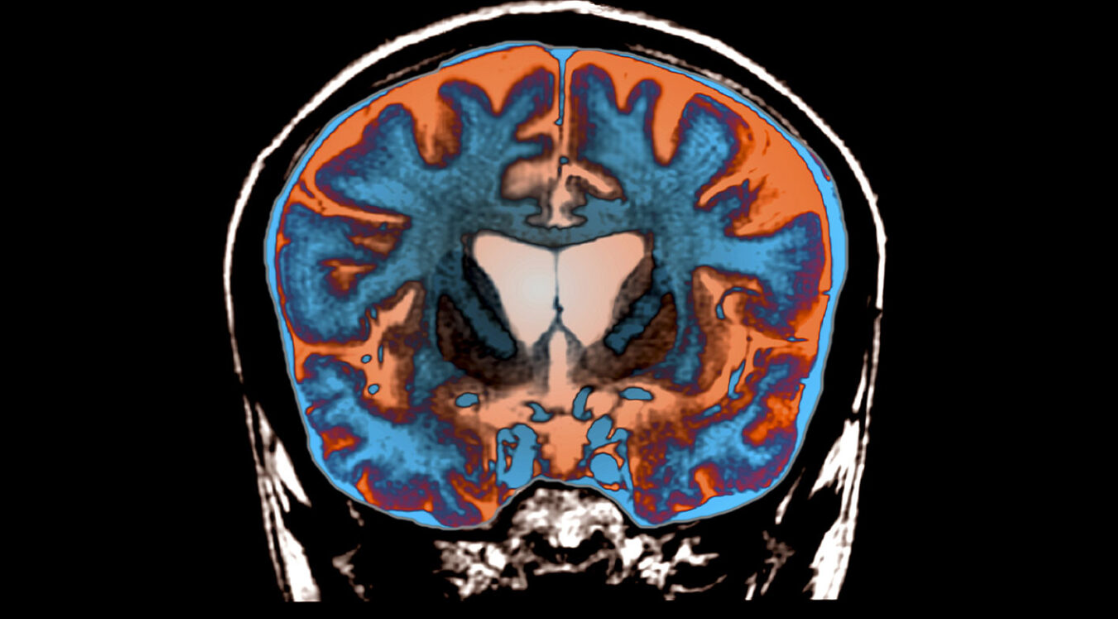
Huntington's disease - Symptoms and causes - Mayo Clinic

By: Tina Hesman Saey


    After reading this article discusses how Huntington's disease takes a long time to develop. HTT is the mistakenly repeated gene that brings forth Huntington's disease. According to Mayo Clinic, Huntington's disease is a rare, inherited disease that causes the progressive breakdown of nerve cells in the brain. Huntington's disease causes cognitive, movement, and psychiatric disorders. Preventing the repetition of the HTT gene can stop the disease from growing. 41,000 people in the U.S. have Huntington's disease and 200,000 people are at risk of having that condition. I found this shocking that a large number of Americans suffer from this illness. I learned that people who have more than 40 repeats are at risk of obtaining Huntington's disease rather than a person having 26 or fewer repeats. This disease is very fatal because it can potentially cause paralysis or death due to heart failure. I believe that this article was very educational and increased my knowledge of Huntington's Disease and how it can develop. 


Friday, November 22, 2013

The role of genetics in our social interactions and environment


Nature vs. Nurture has been constantly applied to human interactions for decades. This article provides adequate detail about just how genetics has been apart of this process. The context of this work touches on issues such as how studies of the 5-HTT mutations can affect the person's emotions, more specifically how they can regulate them. Another main concern would be how our levels of oxytocin are controlled by inheritable genes or are they? There are millions of outcomes inside the human body that result from the intermixing of our parents genes. This article takes that idea a step further to see how the outside world can too make an influence on our genotypes and phenotypes. I find it very interesting that there are so many different factors that can affect how a person acts and matures to be. 


Another useful article that can be used to further explore this side of genetics can be found : http://www.sciencedaily.com