Showing posts with label " CRISPR". Show all posts

Wednesday, April 29, 2026

Sick Baby Now Thriving After Experimental Gene Therapy


This article details advancements in personalized medicine.  Specifically, how this experimental therapy helped a once-sick baby now prosper.  KJ Muldoon, the ill baby, was born with a rare and life-threatening condition called Carbamoyl phosphate synthetase I deficiency, or CPS I Deficiency.  The mortality rate for infants born with this deficiency is about 50% because CPS I keeps the body from removing ammonia in the blood, which can lead to toxic buildup that can be fatal for 1/2 of the cases.  Researchers at CHOP and Penn Medicine thought that a base editing technique could fix the mutation.  They used precise technology known as CRISPR methods.  This involved "cutting" DNA to change one letter, and therefore, fix the mutation.  How did this work out for KJ Muldoon?  According to the article, he is growing, and he can eat a more regular diet.  His body is fighting common illnesses off better, as well.


Picture Picture & Article: https://www.pbs.org/newshour/science/experimental-gene-editing-helped-a-desperately-ill-baby-thrive-scientists-say-it-could-someday-treat-millions 

Second Article: https://almanac.upenn.edu/articles/medical-miracles-at-penn-medicine-breakthrough-with-customized-crispr-treatment-for-patient-with-cps1 

Wednesday, April 22, 2026

Genetic Technologies Invented to Combat Antibody Resistance in Bacteria


https://today.ucsd.edu/story/next-generation-genetics-technology-developed-to-counter-the-rise-of-antibiotic-resistance 

https://aspe.hhs.gov/collaborations-committees-advisory-groups/carb

One of the most prominent problems in modern medicine is the growth of bacteria that are resistant to current medical drugs or antibodies.  However due to a new breakthrough this could become a problem of the  past.  Researchers at the University of San Diego have invented a new technology that will be utilized to fight the growing threat of antibiotic resistance.  This system is known as the pPro-MobV and it uses CRISPR technologies to inhibit certain genes.  Genes that give bacteria resistance to antibodies and can be passed down to future generations can be targeted and disabled.  This new development offers scientists a new way to eliminate the problems of antibody resistance in different viruses.  

Monday, December 8, 2025

The Ethical Dilemma of Genetic Engineering: How Far Should We Go?

Genetic engineering is one of the most exciting and controversial topics in science today. Technologies like CRISPR allow scientists to edit genes, and this could mean huge breakthroughs in curing diseases or improving crops. But there's a big question: how far is too far when it comes to changing the genetic makeup of living things, especially humans? For example, gene editing could potentially lead to the creation of “designer babies” where parents pick traits like eye color or intelligence for their child. While that might sound cool, it also raises serious ethical issues. Scientific American discusses how scientists are trying to set guidelines to make sure gene editing is used responsibly and doesn’t go too far.


At the same time, gene editing could be a game-changer for treating genetic diseases. Imagine being able to fix a disease like sickle cell anemia by editing out the defective gene. This could change the lives of millions of people. But as exciting as this is, it also brings up tough questions. If we can cure diseases, should we also be allowed to enhance people’s genes for things like better athletic ability or intelligence? The NCBI article dives into these tough ethical issues, pointing out that while gene editing has huge potential, we need to be careful and think about the bigger picture.

Sunday, December 7, 2025

A New Approach to Cholesterol Management Through Gene Editing


The recent Cleveland Clinic CRISPR trial represents a revolutionary approach to a pervasive health challenge that affects over a quarter of American adults. LDL cholesterol, while essential for bodily functions such as cell membrane construction and hormone production, becomes dangerous when present in excessive amounts. As explained in Cleveland Clinic's health education materials, elevated LDL levels contributw to artherosclerotic plaque accumulation in arterial walls, raising the risk of heart attacks, strokes, and peripheral artery disease. Traditional management strategies have relied on daily medications like statins or lifestyle modifications including dietary changes and increased physical activity, yet adherence remains problematic. Approximately half of patients discontinue cholesterol-lowering medications within a year. This compliance gap emphasises the need for more durable therapeutic solutions. 

The November 2024 trial results offer a glimpse into what such a solution might look like. By using CRISPR-Cas9 technology to permanently disable the ANGPTL3 gene in liver cells, researchers achieved dramatic reductions in both LDL cholesterol and triglycerides with a single intravenous infusion. The therapy, called CTX310, essentially mimics a naturally occurring genetic variant found in some individuals who exhibit lower lifetime cardiovascular risk without adverse health consequences. Within two weeks of treatment, participants experienced approximately 50% reductions in harmful lipid levels that persisted for at least 60 days, with no serious safety concerns emerging during the initial follow-up period. This represents a paradigm shift from managing cholesterol through repeated interventions to potentially correcting the underlying genetic mechanism in a one-time procedure. 

The convergence of gene-editing technology with our understanding of lipid metabolism demonstrates how modern genetics is transforming preventive cardiology. Rather than battling patient non-adherence or the cumulative burden of lifelong medication courses, CRISPR based therapies could fundamentally alter the trajectory of cardiovascular disease for millions of people with treatment resistant lipid disorders. While the technology remains in early development, requiring extensive long term safety monitoring over 15 years, the initial results suggest that permanently rewriting problematic genetic instructions may become a viable strategy for conditions previously manages only through sustained behavioral and pharmaceutical interventions. This approach exemplifies precision medicine at its most literal, editing the genetic code itself to prevent disease rather than treating its symptoms. 

Sources: 

“Cleveland Clinic First-in-Human Trial of CRISPR Gene-Editing Therapy Shown to Safely Lower Cholesterol and Triglycerides.” Cleveland Clinic, Cleveland Clinic, 8 Nov. 2025, newsroom.clevelandclinic.org/2025/11/08/cleveland-clinic-first-in-human-trial-of-crispr-gene-editing-therapy-shown-to-safely-lower-cholesterol-and-triglycerides.

“What’s so Bad about LDL?” Cleveland Clinic, 26 Nov. 2025, my.clevelandclinic.org/health/articles/24391-ldl-cholesterol.

Wednesday, November 26, 2025

Personalized Gene Editing

 Zaneyah Hughes

November 26, 2025

Genetics

Dr. Barbato

Personalized Gene Editing

    The Children’s Hospital of Philadelphia (CHOP) made history by being the first in the world to personalize the CRISPR gene-editing technology in order to save an infant’s life. The infant, named KJ, had a rare metabolic disease called severe carbamoyl phosphate synthetase 1 (CPS1) deficiency. Thanks to Ahrens-Nicklas and Kiran Musunuru, MD, PhD.'s years of preclinical research studying similar variants to KJ’s disease, they were able to target KJ’s variant soon after birth. 


    Not only is this use of CRISPR technology groundbreaking, but as it proved in KJ’s case, it's also life-changing. If KJ hadn’t have been treated with the gene editing therapy by the CHOP and Penn Medicine team, he would’ve been stuck with the general solution for patients with CPS1 deficiency. The problem with that is that he would have required a liver transplant, which requires the patient to be medically stable and old enough for it. Sadly, KJ was neither before the gene-editing therapy. Even though the CHOP and Penn Medicine team personalized KJ’s gene-editing therapy doesn’t mean that this was a solution unique only to him. I feel like Dr. Ahrens-Nicklas and Musunuru’s technique to save KJ can be applied not just to other patients with similar diseases, but many of people who have genetic diseases.


Source: https://www.chop.edu/news/worlds-first-patient-treated-personalized-crispr-gene-editing-therapy-childrens-hospital

Extra Source: https://innovativegenomics.org/news/first-patient-treated-with-on-demand-crispr-therapy/

Yale Researchers Take Different Look at CRISPR

    I came across this article from Yale about a new kind of CRISPR tool, and it honestly caught my attention more than I expected. Most of what we hear about CRISPR is the usual Cas9 stuff, but this group switched to Cas12 and ended up with something that can hit several genes at once without making as many mistakes. That alone feels like a pretty big deal, especially since CRISPR has always had the problem of editing areas it wasn’t supposed to.


    What really stood out to me is the idea that many diseases aren’t caused by just one gene. We talk about “a gene for this” or “a gene for that,” but a lot of conditions—cancer, autoimmune issues, neurological disorders—are actually messy and involve a bunch of different genes interacting. So having a tool that can handle multiple edits at once makes the research feel a lot closer to what’s actually happening inside a real cell. There’s also the whole ethical side of things, which is hard to ignore. Another group of scientists is even calling for a pause on anything that could change DNA in ways that get passed down to future generations. I get why. Just because we can do something doesn’t automatically mean we should—at least not right away.

    Overall, this update from Yale makes it clear that gene editing is changing quickly. It’s not just about fixing a single broken gene anymore. We’re heading toward a point where scientists might be able to look at entire networks of genes at once, and that could transform how we understand genetic diseases in the long run.


Primary Source:https://news.yale.edu/2025/06/09/yale-genome-engineers-expand-reach-and-precision-human-gene-editing

Second Source: https://www.geneticsandsociety.org/article/gene-editing-leaders-call-10-year-suspension-heritable-human-genome-editing

Tuesday, November 25, 2025

World's First Recipient Of Personalized Gene Editing Treatment Lives

                   CPS1 deficiency, a rare genetic disorder affects one in 1.3 million babies. Only half of babies diagnoses with this disorder make it past the first week. If they do survive that long they would have severe mental and developmental delays and eventually need liver transplants. Their bodies are unable to rid themselves of ammonia, a byproduct of protein metabolism which build up in the blood and crosses into the brain. However, KJ’s parents decided to try something new. In New York Time’s article Baby Is Healed With World’s First Personalized Gene-Editing Treatment, Baby KJ was reported to be the first recipient in the world to receive a custom gene editing treatment. KJ’s treatment was customized so CRISPR, a gene editing tool that finds and cuts specific sequences, found just his single point mutation causing this fatal genetic disorder. Every treatment he receives requires a lower and lower dose. Now over 9 ½ months old and thriving, KJ’s trial opens the door to vast possibilities in gene editing field. 

        What does this mean for others? Parents facing a CPS1 deficiency diagnosis for their child now doesn’t necessarily mean an early end and severely impacted quality of life. Cleveland Clinic estimates there could be as many as 7,000 genetic diseases and disorders that can now be reexamined to find a cure. With living proof this technology works it could potentially be applied to infinites cases and varying severities. 


Sunday, November 23, 2025

Using Genetically Modified Fungus as an Alternative to Meat

Using Genetically Modified Fungus as an Alternative to Meat

Benjamin Pruss

BIOL-2110-001 GENETICS

 Professor Guy F. Barbato

November 23rd, 2025


     A study published on November 19th focuses on a group of scientists who used CRISPR to genetically modify a fungus to produce protein more efficiently while also being more environmentally friendly. This fungus, known as Fusarium venenatum, also referred to as Quorn, is being explored as a potential alternative source of protein or a meat substitute. 

    Fusarium venenatum is a popular alternative to meat due to its similar taste and texture. However, it is not the best source of protein due to its thick cell walls, which aren't easily digested, and it is not the easiest to grow. The researchers wanted to make the fungus easier to digest and grow. The new genetically-modified F. venenatum had thinner cell walls, which made it easier to digest, and also reduced the amount of nutrients required to produce protein. "Gene-edited foods like this can meet growing food demands without the environmental costs of conventional farming," said one of the authors of the study, Xiao Liu of Jiangnan University in Wuxi, China. They found that the production of the GMO required significantly less land and produced less pollution than chicken production. Although they didn't comment on the cost of producing the fungus, it is certainly more environmentally friendly than previously.

Sources

Friday, November 21, 2025

One-Time CRISPR Therapy Halves “Bad” Cholesterol

CRISPR Therapy Halves “Bad” Cholesterol
    Advances in gene editing shows how quickly CRISPR-based therapies are moving from rare-disease, into broader applications. The Phase 1 trial involved CTX310, a CRISPR-Cas9 gene-editing therapy that targets the ANGPTL3 gene in liver cells. By “turning off” ANGPTL3, the treatment dramatically reduced LDL (“bad”) cholesterol by ~50% and triglycerides by ~55%, with effects seen within two weeks and sustained for at least 60 days. 

    Safety results from the initial trial were promising. Participants experienced no serious side effects linked to the CRISPR treatment, and only mild infusion-related reactions were reported. The most significant takeaway is the therapy’s durability. A single treatment may produce long-lasting reductions in harmful blood lipids. Early data indicate substantial editing of the ANGPTL3 gene, up to nearly 90% in some patients, which directly correlates with significant decreases in LDL cholesterol and triglycerides.

    If larger studies confirm both long-term safety and effectiveness, this approach could transform how cardiovascular disease is managed. Instead of relying on lifelong daily medications, patients might be able to receive a one-time gene-editing therapy that permanently lowers their risk. Still, several challenges remain, including determining long-term effects, monitoring for possible off-target edits, and ensuring the therapy is accessible and affordable for the people who need it most.

Main Article: https://newsroom.clevelandclinic.org/2025/11/08/cleveland-clinic-first-in-human-trial-of-crispr-gene-editing-therapy-shown-to-safely-lower-cholesterol-and-triglycerides?

Additional article: https://newsroom.heart.org/news/first-in-human-trial-of-crispr-gene-editing-therapy-safely-lowered-cholesterol-triglycerides?

Thursday, November 20, 2025

Baby Is Healed With World’s First Personalized Gene-Editing Treatment


           A 9 ½ month baby, KJ Muldoon, now became the first human ever to receive a personalized gene-editing treatment. The baby was born with CPS1 deficiency, which is an uncommon genetic disorder with 1-1.3 million births that prevents the body from removing ammonia. Usually, a baby is born with this disorder and passes away within a week, and even survivors remain with severe brain damage and often require a liver transplant. 

                                                            CRISPR gene editing.

        Luckily for this specific baby, doctors at the Children’s Hospital of Philadelphia and research from the University of Pennsylvania discovered a custom CRISPR-based “base editing” therapy for KJ’s exact genetic mutation. The treatment involves using lipid nanoparticles to deliver the editor to the liver. It also contains instructions to produce an enzyme that fixes the mutated DNA letter. It also includes a “GPS” that targets KJ’s unique mutation. This specific process is much faster and cheaper than gene therapy before.

This is a huge development for the healthcare community. This can impact over 30 million Americans and over 7,000 rare genetic disorders. Whereas previous genetic treatments offered limited hope because of the disorders being far too rare, this case offers a sense of relief because personalized gene editing could now be possible for many more patients.

KJ ultimately received three infusions of the gene editor. After the first dose, he was able to tolerate normal protein levels. His ammonia-removal medication was reduced by half. He was able to fight off viral infections that previously would have threatened his life. He is now meeting milestones of development and preparing to go home.

References

Cleveland Clinic. (2023, April 25). CRISPR gene editing 101. https://health.clevelandclinic.org/crispr-gene-editing

Kolata, G. (n.d.). Baby is healed with world’s first personalized gene-editing treatment - The New York Times. https://www.nytimes.com/2025/05/15/health/gene-editing-personalized-rare-disorders.html

Tuesday, November 18, 2025

Defeating Resistant Lung Cancer Using CRISPR

    New groundbreaking research from ChristianaCare's Gene Editing Institute has revealed that CRISPR gene editing can disable the NRF2 gene in lung cancer cells (a key culprit in chemotherapy resistance. When NRF2 is overactive, tumors become a lot more resilient to standard drugs, but by knocking it out using CRISPR/Cas9, researchers were able to restore the cancer cells' sensitivity to chemotherapy and slow tumor growth.

    One of the most promising areas of this work is how precisely the team targeted the resistance mechanism. They were able to lock in on a tumor-specific mutation called R34G and NRF2 while using lipid-nanoparticles (LNPs) to deliver CRISPR safely into tumors in animal models. Amazingly, editing only 20% to 40% of the tumor cells was enough to boost the effectiveness of chemotherapy, a promising insight given that editing each individual cancer cell is not realistic in real-world treatment.


    Thus research could alter the way individuals think about cancer treatment, Rather than creating entirely new therapies, scientists are using gene editing to make existing chemotherapy more effective. Because NRF2 is implicated in resistance across a variety of solid tumors (not only lung cancer), this approach has the potential to benefit several patients. It is still early, but the precision, the targeted delivery, and the dramatic resensitization of tumors all look toward a powerful new weapon in the fight against drug-resistant cancer.

Tuesday, April 22, 2025

Sweet & Smart: How Crispr Is Making Food Tastier

    Crispr is this powerful gene-editing tool that's helped treat sickle cell disease, and now it's being used to level up our fruits and veggies. Scientists in China have recently used Crispr to make tomatoes that taste 30% sweeter than usual and honestly, I think that's pretty fascinating. Jinzhe Zhang and his colleagues  identified two genes in tomatoes that are responsible for lowering sugar levels as the fruit ripens. By using Crispr to remove parts of those genes, it resulted in tomatoes that were noticeably sweeter - without sacrificing their size. This is very significant considering when tomatoes get to be large they tend to lose their flavor, so accomplishing both size and flavor is impressive. Crispr isn't just being used to sweeten tomatoes- researchers are also exploring ways to make apples and pears sweeter as well.  They've even started conducting experiments to create seedless blackberries and less-bitter mustard greens, which really shows how versatile this tool is. 

    The only downside to genetically edited foods is that none of these foods can't hit the grocery stores until they're approved by the government. It might be a while before we get to try these upgraded fruits and veggies, but it's so interesting and exciting to see the advancements being made in genetically edited foods. I think this kind of innovation could have a huge impact on the agriculture industry by helping farmers grow tastier crops that appeal more to consumers, and possibly even helping crops last longer in the face of extreme climate change. 


Tuesday, March 11, 2025

Mutated DNA Fixed in Patients: A Huge Step for Gene Therapy

A recent article by Gina Kolata, published on March 10, 2025 in The New York Times, discusses an exciting breakthrough in gene therapy. Scientists have succesfully fixed a genetic mutation with a single infusion carrying a treatment that precisely targets the mutated gene. This is for the first time that a mutated gene has been returned to normal. This study led by Beam Therapeauticals, focused on alpha-1 antitrypsin deficiency (AATD), which is a genetic disorder that causes serious lung and liver damage and instead of using traditional gene therapy which involve adding or silencing genes, scientists used a special version of CRISPR to edit a single DNA letter, like "correcting a typo" in the genetic code. The patients who received highest doses started making normal levels of the missing protein, which could mean stopping the disease before it gets worse.


        This coud be a turning point in gene therapy, proving fixing faulty DNA inside the body is possible and what's more interesting is that, according to Beam's CEO, John Evans there were no serious side effects. While researchers still have to study long term effects, if further trials confirms it's safety, this could save countless lives and maybe it could pave the way for treating other genetic disorders like sickle cell anemia. The idea of editing DNA, like fixing a typo is something that holds the potential to save many people suffering from genetic disorders.

Wednesday, December 11, 2024

CRISPR Stem-Cell Technique Provides Accessible, Possibly Curative Sickle Cell Treatment

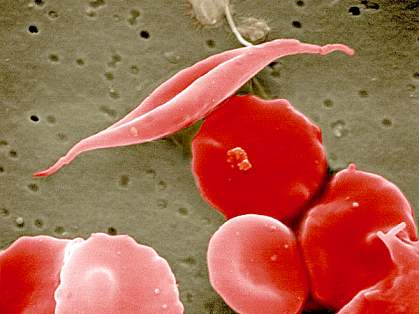
Sickle Cell Anemia is a vicious genetic affliction that affects more than 8 million people every year. Genetic advancements made with the gene editing technology CRISPR has the potential to treat or, hopefully, entirely cure individuals afflicted with the disease as shown in this recent study. By using CRISPR to modify the stem cells within the bone marrow of patients and repair the genetic mutation causing Sickle Cell mutation within them, the hope is that those stem cells can then replicate and overtake a majority of the marrow supplying the patient with new red blood cells. There are current methods to transplant healthy stem cells from a donor into someone affected with Sickle Cell, but by using the patient’s own stem cells and CRISPR technology, the need for finding a donor and risking rejection is no longer necessary and can significantly improve success rates for such a procedure. 


The use of CRISPR technology to repair genetic ailments is an exceedingly promising venture. By using this gene editing technology to repair a patient’s own genetic mutation, the instilled obsolescence of donor marrow/stem cells would be a massive breakthrough. Hopefully by continuing to explore the editing of stem cells, a multitude of other genetic ailments can be cured without the need for transplantation.


Links:


https://www.ucsf.edu/news/2024/11/428941/novel-gene-therapy-trial-sickle-cell-disease-launches

https://curesickle.org/crispr-scd


https://www.genengnews.com/topics/genome-editing/going-public-doudnas-dream-team-launches-groundbreaking-sickle-cell-trial/


Friday, December 6, 2024

Surprise RNAs solve mystery of how butterfly wings get their colorful patterns

Naturalist figured out how butterfly wings acquire their complicated pattern and varieties of colors such as red yellow white and black striping. In 2016 geneticists thought that most of the wing-pattern variations are encoded from protein producing gene called cortex. Three team have now instead proved that a different gene that was missed in previous researches is the key. The final product of the newly discovered gene is not a protein but RNA (lncRNA for long noncoding RNA), which function is to regulate and turn on and off genes that are responsible for the pigmentation of black and pattern on the wing. 

The discovery was possible through a mutant butterfly that was put on sale on Ebay and bought from biologist Luca Livraghi of George Washington University after being flagged from a colleague. The butterfly in case was a completely white butterfly of the genus Heliconius. The team sequenced a dozen of those mutant ivory butterfly and realized that there was a deletion in the region of the cortex gene. The researchers then realized that the deletion of DNA included a sequence that encode the lncRNA that no one had examined before. The team then decided to expand the research to other species of butterflies. Using  the gene editor CRISPR the team disabled the lncRNA gene in painted lady butterflies (Vanessa cardui) which are easy to breed in lab and had colorful wings. The CRISPR edit produced white-winged painted lady butterflies just like the Heliconius. Moreover the team tried to disable the cortex gene and realized that it doesn’t affect the color of the wings. 

The results of this study were also proofed to be right and can be extended to other butterfly species that are distantly related to it. A Cornell evolutionary biologist (Robert Reed), joined effort with Livraghi and used the same CRISPR techniques on buckeye butterfly. By cutting different parts of the lncRNA,  Reed was able to produce butterfly with little or no color. Moreover, Antonia Monterey and Shen Tian from National University of Singapore, while focusing on microRNA found that one of those short RNA sequence was active on bush brown butterfly (Bicyclus anynana) just like Livraghi found for his butterfly. The Singapore team disabled in an experiment the DNA that encoded the microRNA, called mir-193 and the bush brown butterfly wings became lighter just as predicted from the other team. The experiment was then repeated by cutting mir-193 on Indian cabbage white( Pieris canidia) and changed the wings from black-patterned to white. This confirmed that the microRNA was a short part of the longer lncRNA. 

It is crazy to think how such a short piece of information can change drastically the phenotype of butterfly  species that are very distantly related. Because the microRNA mir-193 is proven to be conserved in animal kingdom, scientists and researchers think that this small piece of  RNA can be used in other species to regulates genes. Moreover, the focus is always have been on DNA but RNA turned out to be as much as important as DNA not only for transcription and translation but also for gene regulation. 

A gene edit affecting one wing (right) of this Heliconius erato radically changed its normal color pattern


Thursday, November 21, 2024

Barcoding sEVs

     Cells are known to communicate with each other through extracellular vesicles, specifically small extracellular vesicles (sEVs). These sEVs are like couriers for cells, delivering a package from to another. This package can be RNA, proteins, or lipids, which are needed for a cell to complete its functions. However, due to SEVS travelling from cell to cell, they are also the reason for diseases spreading throughout the body as it infects more and more cells. While we know what sEVs are and what they do, we do not know how they are formed and released, until now. To solve this mystery, team based in Japan developed the CIBER system, CRISPR-assisted individually barcoded sEV-based release regulator

    Given its name, the CIBER system is reliant on CRISPR gene editing. CRISPR works by using an enzyme called Cas that is embedded with gRNA (CRISPR guide RNA) in order to target specific sequences in DNA to cut. CIBER uses this method to target a specific gene which can them be barcoded into sEVS the cell makes. By tracking this gene, the researchers could track the amount of SEVs released by the cell. This system also made it easier to run several experiments at once since each population of sEVs could be easily identified since they would be barcoded with different genes. This new system has now paved a new path to further the understanding of what exactly sEVs are.


    I think cell communication has always been an interesting topic when learning about cell biology. Cells have kind of developed their own language with receptors and proteins that allow for them to regulate what they need and what they don't need. Small EVs were something that I wished I got to learn more about and it turns out that there is still a lot about sEVs that we collectively do not really know. I look forward to this and what possible applications it can have.

Friday, December 8, 2023

Genetic variant may help prevent obesity

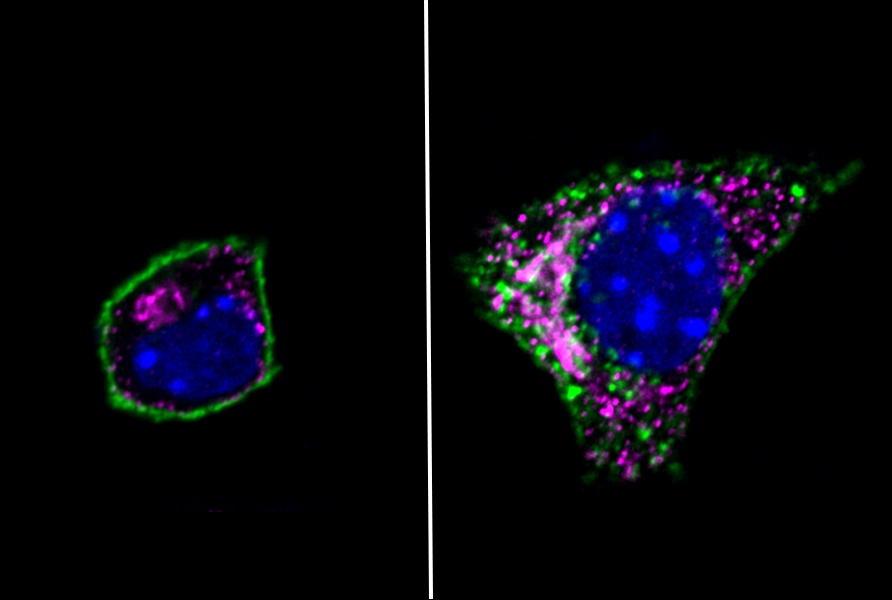
images of insulin-producing beta cells show the GIP receptor Q354 variant

Researchers at Weill Cornell Medicine found insight into the role of a genetic variant in combating obesity and how genetic variations can affect one’s susceptibility to weight gain. They focused on a genetic variant that is found in the glucose-dependent insulinotropic polypeptide (GIP) receptor which is known for stimulating insulin and associated with leaner BMI. In order to study and understand the mechanics of this variant, researchers used CRISPR-Cas9 technology. They used this to genetically engineer mice with the variant in the gene that encoded the GIP receptor. They found that the mice with this variant tended to stay leaner and processed sugar more efficiently than the other mice with a different common variant of the receptor. Researchers found that there was a bigger difference between the female subjects with and without the gene variant compared to the male subjects who, as a group, experienced little differences when consuming a regular diet. They did find that both male and female mice were protected from obesity by the gene variant when they were fed a high-fat diet, unlike the other litter without the variant, which suffered from obesity. The variant caused a high sensitivity to the GIP hormone that triggers insulin release in mice. Insulin regulates blood sugar levels and helps convert food into energy. More insulin was produced by the pancreatic cells in response to both the glucose and GIP hormone which would explain the increased efficiency in processing glucose.
        Researchers stated that on a cellular level the GIP receptors and their effect/behavior impact metabolism and weight gain/loss. More research needs to be done to confirm the effects of the variant and researchers also claimed that they want to study the differences in the receptor’s behavior in other types of cells. They more specifically mentioned brain cells as they could play a crucial part in the sensation of “hunger” and potentially regulate it. In pursuit of a precision medicine approach, they stressed the importance of understanding how different genetic variants in the GIP receptor responded to the available weight loss medications that are currently on the market in hopes of matching a specific weight loss drug to a specific genetic variant. It is interesting to see the steps that it takes to reach this goal and how this provides an important piece of the puzzle for tailored weight loss treatments based on an individual's genetic variants.


Links:
https://www.sciencedaily.com/releases/2023/12/231207161355.htm
https://news.weill.cornell.edu/news/2023/12/specific-genetic-variant-may-help-prevent-obesity#:~:text=Genetic%20Variants%20of%20the%20GIP%20Receptor&text=%E2%80%9CStudies%20suggest%20that%20people%20with,biochemistry%20at%20Weill%20Cornell%20Medicine.

Saturday, December 2, 2023

Researchers Uncover a New CRISPR-like System in Animals That Can Edit The Human Genome

 The First RNA-guided DNA-cutting enzyme found in Eukaryotes, named Fanzor, could one day be harnessed to edit DNA more precisely than CRISPR/Cas Systems

    The first programmable RNA-guided system in eukaryotes has been discovered by a team led by Feng Zhang at MIT's McGovern Institute for Brain Research. They published a study introducing Fanzor, a protein that utilizes RNA guidance to precisely target and edit DNA. Unlike CRISPR/Cas systems, Fanzor is more easily delivered. The team isolated Fanzor proteins from various species and demonstrated their ability to cut DNA using non-coding RNAs. Fanzors show promise for genome editing because they are efficient and can cut DNA very precisely without collateral damage. This marks a significant discovery in eukaryotic organisms. 
    This was honestly very surprising to me even though I don't know much about gene editing and why this is such a big discovery for eukaryotes. It was surprising to hear that something that comes from animals can be more precise at cutting DNA than CRISPR, as well as more easily deliverable. It is just crazy to me that new things are discovered all the time that just make other discoveries seem so complicated and out of date. It's very interesting to think how this is such a big discovery at this time but years later we'll hear about new technology that's even better than this. 

LINKS:


Saturday, November 18, 2023

CRISPR-based mosquito suppression system could reduce child mortality and aid economic development in Africa


chjpdmf zs sci pbwfnzxmvd vic l zs ymdizltazl zsntezotc mju otmtaw hz uuanbn

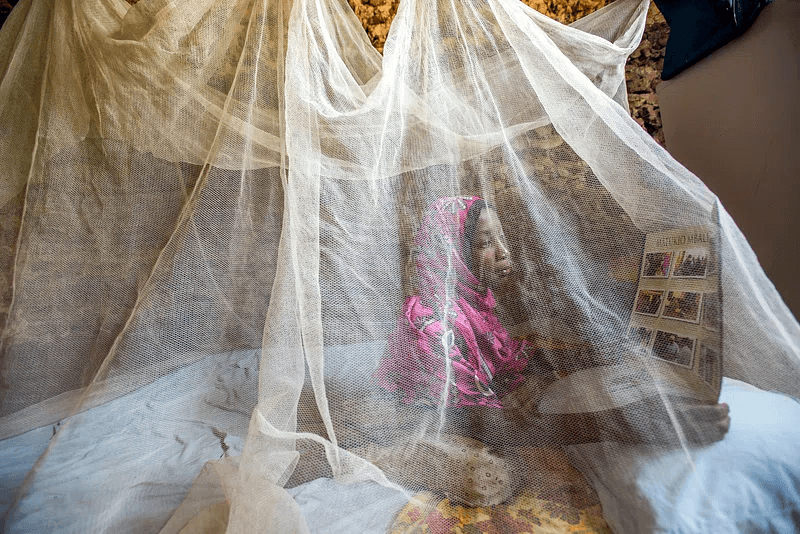
Malaria is a disease caused by mosquitos, specifically female Anopheles gambiae, who have a parasite. Symptoms include fever, chills, and other flu like symptoms. The infections mainly occur in children in sub-Saharan Africa and when left untreated can result in severe complications and death. Scientists have began developing ways to genetically edit the mosquitoes with the parasite causing the disease to spread. Scientists Andrea Smidler, James Pai, and Reema Apte created a technique called Ifegenia which stands for "inherited female elimination by genetically encoded nucleases to interrupt alleles". The technique uses CRISPR genetic editing technology to disrupt a gene known as femaleless (fle) that controls sexual development in A. gambiae mosquitoes. It specifically has a Cas9 nuclease, the CRISPR technology makes cuts and uses a guide RNA to insert the gene. The genetically modified mosquitoes separately express Cas9 and the fle-targeting guide RNA. The offspring of these genetically modified flies was males only, all of the femaled were killed. The male offspring inherit the Ifgenia gene however the genetic edit only affects females reproduction. This genetic editing is a great start to reducing Malaria in sub-Saharan populations when other preventions techniques such as vaccines. 

Thursday, October 26, 2023

Scientists grow humanized kidneys in pig embryo

 Scientists grow humanized kidney in pig embryo 


    Scientists have recently been able to successfully grow a kidney made mostly of human cells in pigs' embryos. This is a big step for research pertaining to creating viable organs for transplants. This is the first time that an organ containing mostly human cells has grown inside of an organism of another species. Stem cell biologist Liangxue Lai and his team at the Guangzhou Institutes of Biomedicine and Health in China were able to make this possible after 5 years of research and refining models. The problem at first was that nobody was able to induce the embryos to make organs because they contained multiple cell types. Lai and his team found the solution when they realized they could modify the human cells using the gene-editing tool CRISPR/Cas9 to increase the activity of multiple genes. This change made it so that the human cells were able to fight back the pigs' cells. 

    A little part of me does think it's a bit weird they are growing inside of pigs and I wonder if this could be a gateway to diseases that are carried by pigs. However, I really believe that this is truly a ground-breaking discovery. Research shows that there are over 100,000 people on the transplant list in the United States and most of those people need kidney transplants. This is definitely a really important advancement and it is a great help to those who need it. It's amazing that after all these years of research, a team was able to modify something to change the whole course of this research. It would be interesting to see other organs being grown in pigs or even other organisms in the future.


LINKS: