Showing posts with label "#Ethics". Show all posts

Monday, December 8, 2025

The Ethical Dilemma of Genetic Engineering: How Far Should We Go?

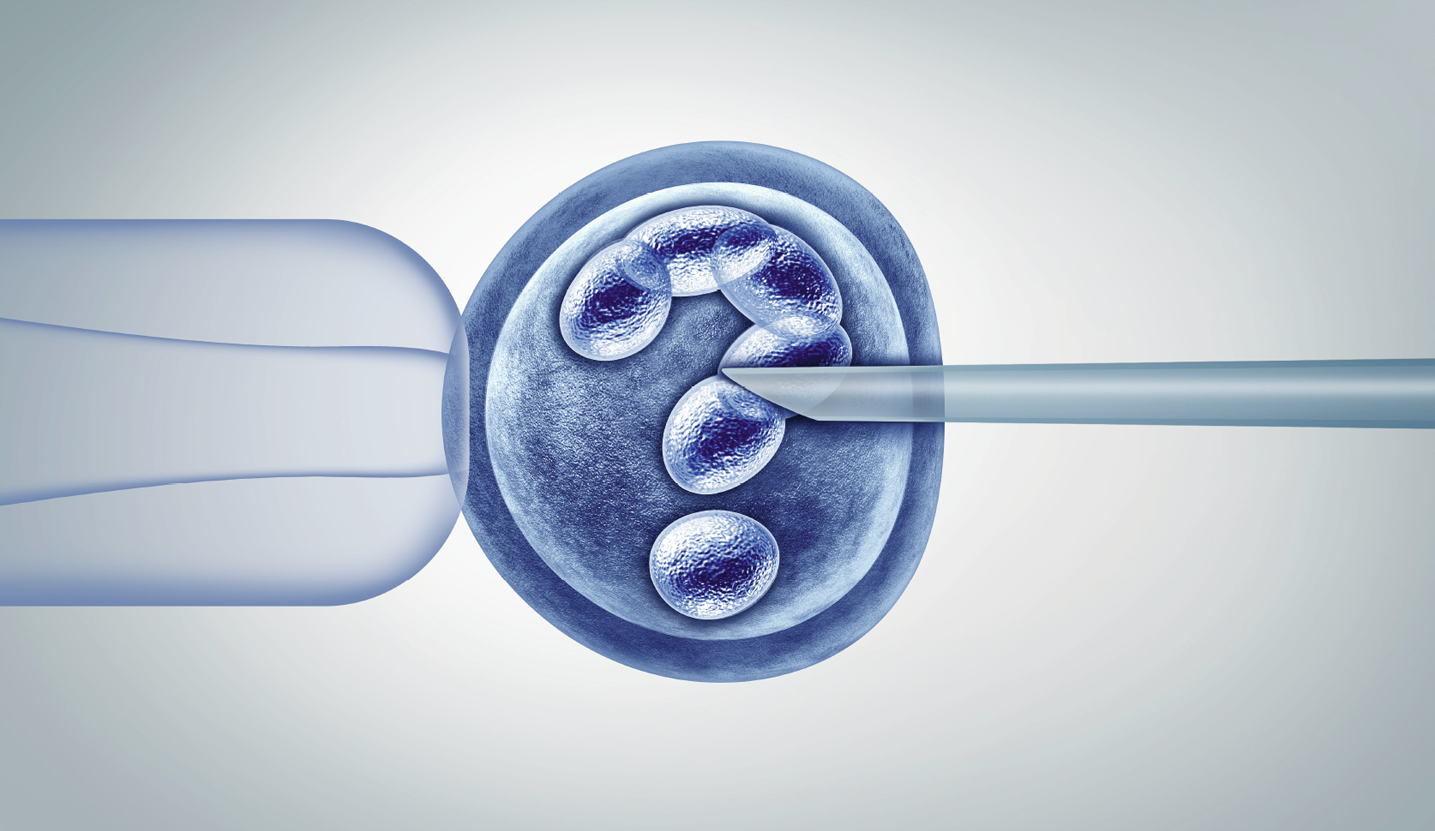
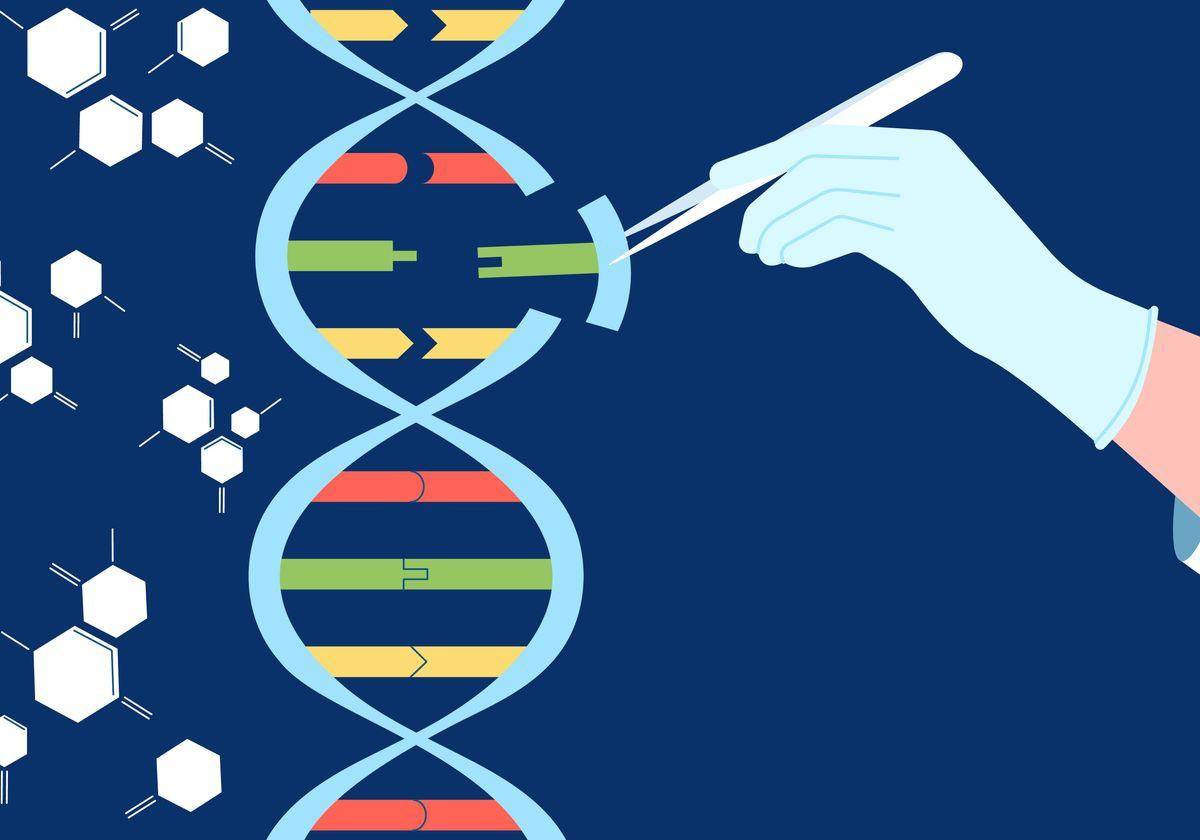
Genetic engineering is one of the most exciting and controversial topics in science today. Technologies like CRISPR allow scientists to edit genes, and this could mean huge breakthroughs in curing diseases or improving crops. But there's a big question: how far is too far when it comes to changing the genetic makeup of living things, especially humans? For example, gene editing could potentially lead to the creation of “designer babies” where parents pick traits like eye color or intelligence for their child. While that might sound cool, it also raises serious ethical issues. Scientific American discusses how scientists are trying to set guidelines to make sure gene editing is used responsibly and doesn’t go too far.


At the same time, gene editing could be a game-changer for treating genetic diseases. Imagine being able to fix a disease like sickle cell anemia by editing out the defective gene. This could change the lives of millions of people. But as exciting as this is, it also brings up tough questions. If we can cure diseases, should we also be allowed to enhance people’s genes for things like better athletic ability or intelligence? The NCBI article dives into these tough ethical issues, pointing out that while gene editing has huge potential, we need to be careful and think about the bigger picture.

Polygenic Embryo Screening: Is it Ethical?

 A recent article discusses a medical and ethical debate in the UK. With the evolution of advanced technology and genetic techniques, a couple's embryos can be predicted for their “quality”- assessing traits like IQ score, height, health, etc. This technique of scoring embryos based on DNA is prohibited in UK fertility clinics- due to both scientific and ethical concerns. However, couples have found legal loopholes that allow them to send samples of their embryos to sites in the US, where polygenic screening is legal. UK clinics are left facing both “legal and ethical confusion” (Delvin 2025). Another article, published in the National Library of Medicine, expresses concern about the recent use of polygenic embryo screening in private companies. The article explains that this technology is and should be used to determine if an embryo can develop severe diseases such as Tay-Sachs and cystic fibrosis. With developing technology, it has also become possible to test embryos for psychiatric disorders and an array of polygenic traits. Based on these predictions, a parent may select the embryos they wish to implant. However, this article urges society that “polygenic embryo screening raises many ethical, legal, and social issues that can potentially lead to harm and have not yet been studied or addressed” (Lencz, 2023).

The idea of Polygenic Embryo screening is both fascinating and alarming. Advancements in technology have allowed science to expand and do what was once deemed impossible. This technology is powerful and can be used to detect serious diseases that may form in a fetus, making it vital to the field of genetics and IVF. However, there are serious ethical concerns behind the way private companies choose to use these advancements. Is it ethically correct for couples to choose which embryo to implant based on the embryo's scores? I struggle with this idea, as it goes against the randomness of life.


Wednesday, December 11, 2024

Innovative CRISPR Gene Editing in Grapes Opens Ethical Alternatives

Modification of crops has been a growing topic of discussion both in the ethical and scientific world. As people continue to grow concerned or conspiratory about the use of gene-editing technology to modify and improve the crops grown around the world, studies like this present concrete explanations in presentable and easily legible formats. The use of CRISPR in this article details how techniques were performed to isolate a specific disease-resistance gene out of a low yield form of grape and implant that gene into a high yield and quality plant to get the best of both without needing to implant foreign (out of species) genetic material into the organism. This method is not always applicable to specific crops without a list of criteria fulfilled, but can be a much more “culturally” acceptable method of displaying gene–editing techniques if nothing else. 


The ethical implications of transspecial gene implementation has been an increasingly hot topic of debate both culturally and scientifically. The use of in-species genetics is a far more palatable and responsible method of instilling resistance and high yield into crops while retaining a very positive public outlook. Strictly enforcing only in-species gene editing isn't something entirely possible yet, but improvements made towards any advancement where it is the more reasonable and easy option should absolutely be pursued.


Links: