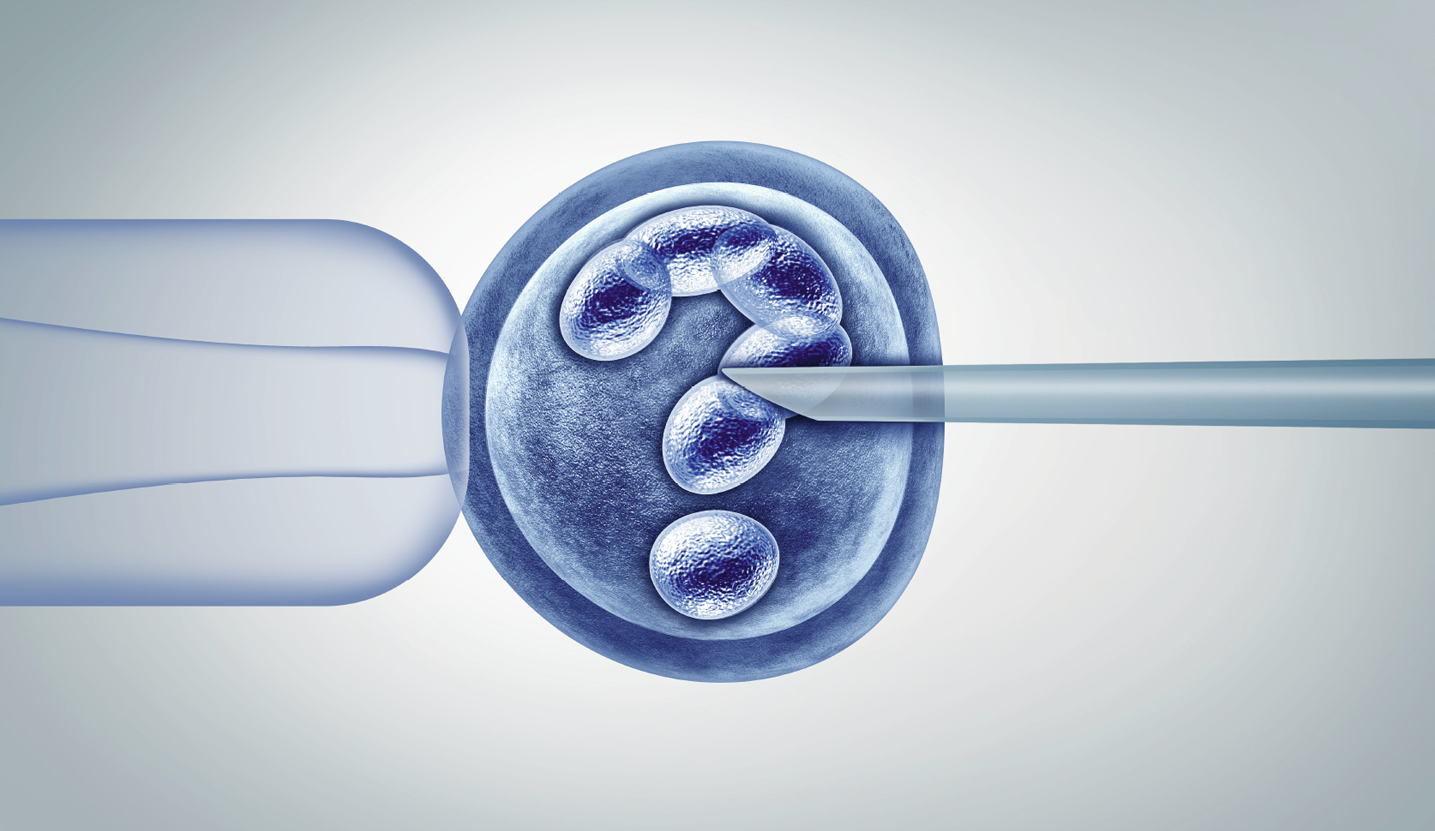
A recent article discusses a medical and ethical debate in the UK. With the evolution of advanced technology and genetic techniques, a couple's embryos can be predicted for their “quality”- assessing traits like IQ score, height, health, etc. This technique of scoring embryos based on DNA is prohibited in UK fertility clinics- due to both scientific and ethical concerns. However, couples have found legal loopholes that allow them to send samples of their embryos to sites in the US, where polygenic screening is legal. UK clinics are left facing both “legal and ethical confusion” (Delvin 2025). Another article, published in the National Library of Medicine, expresses concern about the recent use of polygenic embryo screening in private companies. The article explains that this technology is and should be used to determine if an embryo can develop severe diseases such as Tay-Sachs and cystic fibrosis. With developing technology, it has also become possible to test embryos for psychiatric disorders and an array of polygenic traits. Based on these predictions, a parent may select the embryos they wish to implant. However, this article urges society that “polygenic embryo screening raises many ethical, legal, and social issues that can potentially lead to harm and have not yet been studied or addressed” (Lencz, 2023).
The idea of Polygenic Embryo screening is both fascinating and alarming. Advancements in technology have allowed science to expand and do what was once deemed impossible. This technology is powerful and can be used to detect serious diseases that may form in a fetus, making it vital to the field of genetics and IVF. However, there are serious ethical concerns behind the way private companies choose to use these advancements. Is it ethically correct for couples to choose which embryo to implant based on the embryo's scores? I struggle with this idea, as it goes against the randomness of life.

The legal loophole situation you described is pretty striking, it shows how regulation can't always keep up with what's technically possible. I think you hit on something important with the distinction between screening for serious diseases versus polygenic traits like IQ or height. There is something unsettling about optimizing for complex traits when we don't fully understand how those predictions will play out, especially with all the environmental factors involved.
ReplyDelete