Showing posts with label immune system. Show all posts

Wednesday, April 8, 2026

Are Allergies Genetic?: Understanding the Role of DNA and Environment


        Allergies affect millions of people, but scientists are still working to understand what causes them. A recent article explores whether allergies are genetic and shows that the answer is more complex than a simple yes or no answer. Research suggests that both genetics and environmental factors play important roles in the development of allergies. Allergies occur when the immune system mistakenly identifies a harmless substance, such as pollen or certain foods, as a threat. This triggers an immune response that leads to symptoms like sneezing, rashes, or difficulty breathing.

        Studies show that genetics do contribute to allergy risk. For example, identical twins are much more likely to share similar allergies than fraternal twins, suggesting a strong genetic influence. Scientists have also identified specific genes, such as the FLG gene, that affect the skin’s protective barrier. Mutations in this gene can increase the likelihood of developing conditions like eczema and other allergic responses. However, genetics alone does not determine whether someone will develop allergies. Environmental factors such as early exposure to allergens, diet, antibiotic use, and even the body’s microbiome can influence how the immune system responds. This means that a person may inherit a higher risk of allergies but never actually develop them.

        This research is important because it highlights how genes and environment work together to influence health. Understanding these interactions could help scientists develop better prevention strategies, especially in early childhood. Overall, allergies are not caused by genetics alone, but by a combination of genetic susceptibility and environmental exposure.


Source: 

https://www.livescience.com/health/genetics/are-allergies-genetic


Additional Link: 

https://pubmed.ncbi.nlm.nih.gov/10353570/


Friday, April 3, 2026

Scientists Reverse Type 1 Diabetes in Mice Using a “Blended” Immune System


        A recent study has shown that scientists were able to reverse type 1 diabetes in mice by creating a “blended,” or chimeric, immune system. Type 1 diabetes is an autoimmune disease in which the body’s immune system attacks insulin-producing cells in the pancreas, preventing proper regulation of blood sugar levels.

        In this study, researchers combined bone marrow stem cells and insulin-producing islet cells from a donor and transplanted them into mice. This process created a hybrid immune system made up of both donor and recipient cells. As a result, the newly formed immune system no longer attacked the insulin-producing cells and instead recognized them as part of the body.

        One important aspect of this research is that it avoided the need for long-term immunosuppressive drugs. In most transplant treatments, patients must take these drugs to prevent rejection. However, in this case, the mice maintained normal insulin production without ongoing immune suppression, suggesting a more stable, long-term solution.

        This research is significant because it focuses on treating the root cause of type 1 diabetes rather than managing symptoms. Current treatments, such as insulin injections, only help control blood sugar levels. By modifying the immune system, this approach has the potential to provide a long-lasting treatment

        From a genetic perspective, this study highlights how cellular and genetic processes shape the immune system's recognition of “self” and “non-self.” Understanding these mechanisms could lead to new treatments for other autoimmune diseases. Although more research is needed, this study represents an important step forward in genetic medicine.


Source: 

https://www.livescience.com/health/scientists-cured-type-1-diabetes-in-mice-by-creating-a-blended-immune-system


Additional Link: 

https://www.genome.gov/genetics-glossary/Gene-Expression


Sunday, November 26, 2023

The Power of Synthetic Melanin to Enhance Skin Healing

        The never ending fight against free radicals might come to an end. Scientists at Northwestern University successfully developed synthetic melanin that's applied in a cream. Headlines of a skin cream that can not only protect the skin from the sun but also accelerates wound healing. Sounds like a good investment. 

        The synthetic melanin is modified to have higher free radical scavenging capacity. In other words, aid effectiveness in neutralizing free radicals to protect cells and tissues from damage. In the context of melanin, this is crucial as many obstacles such as UV exposure can disrupt melanin production. Eventually pose risk for skin related issues such as skin cancer. 

        Equally important, the synthetic melanin acts as a super melanin. With amazing results shown for topical applications to injured skin and effects with the immune system. Not only healing and protecting the skin. But has the ability to allow the body to have a calming effect and lower rates of inflammation. As scientists call this super melanin, who is this powerful cream for? Clinical trial testing is currenting ongoing to test for efficacy of the synthetic melanin cream. However, this cream can act as a sunscreen, treatment for poison ivy, treatment for wound care and cancer patients. Synthetic melanin cream is versatile, offering a one-size-fits-all solution that caters to a broad spectrum of applications.


Monday, October 2, 2023

Genetic study of Lyme disease bacteria offers clues to long-lasting symptoms

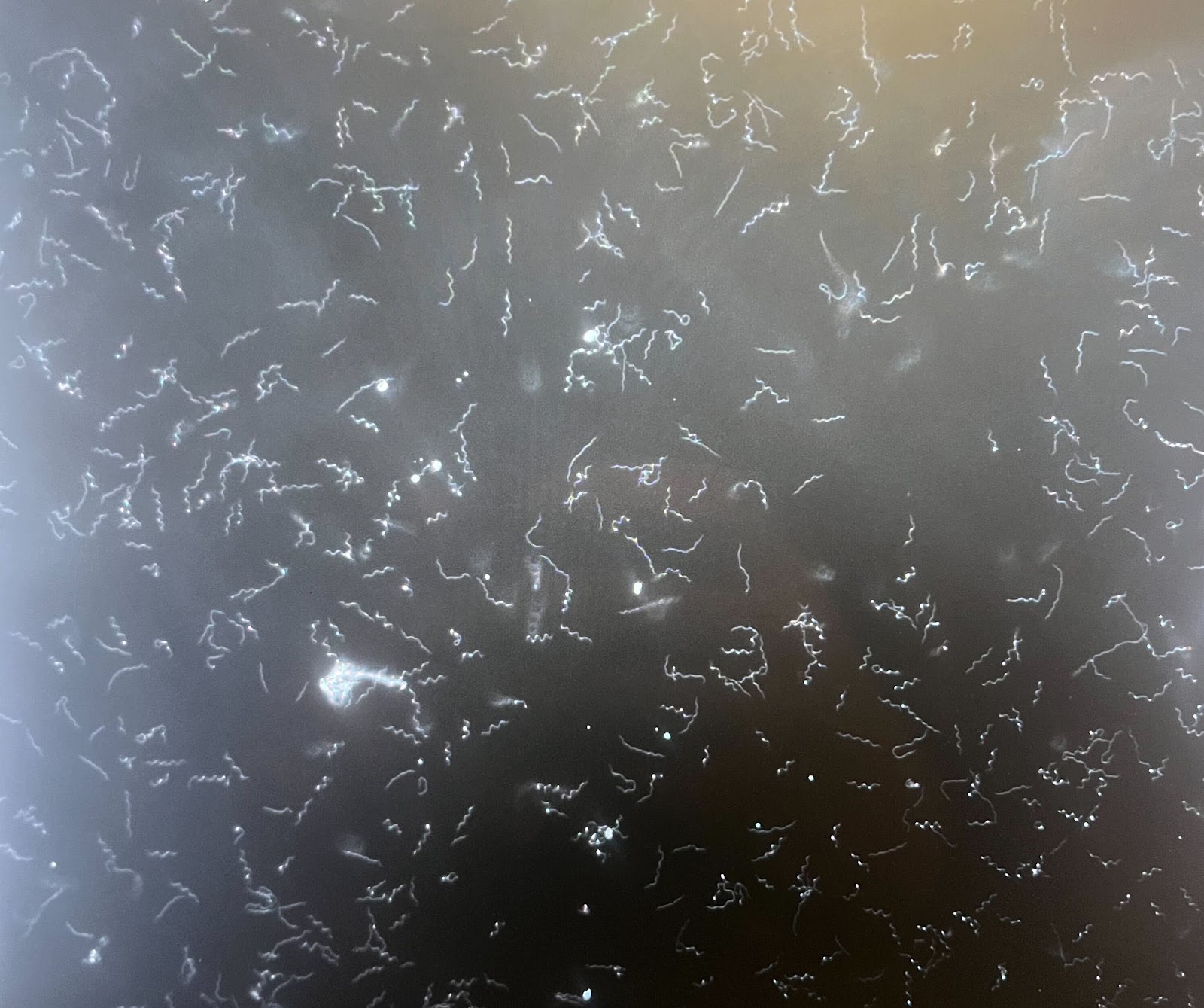
 By mapping out the genetic code of different strains of lyme disease, scientists are figuring out why some of the symptoms of lyme disease linger for extended periods of time. Certain strains of the Lyme bacteria (Borrelia burgdorferi) have a protective outer layer. This layer has a protein that is seen as the armor against the human immune system. This protein gives the bacteria a better chance of spreading, and is most likely why symptoms can persist for long periods of time. Tests for lyme disease have previously only looked at the antibodies to allow for treatment, but never the bacteria itself. After looking more into the bacteria, it was determined that if a person had lyme disease that was deemed disseminated, spread beyond the site of the original bite, this put the person at risk for developing lingering lyme disease symptoms. There are different strains of lyme disease, and while we are unsure of how many there are, there has been evidence suggesting that the type of strain will tell the severity and length of the symptoms. In addition, it is likely that other factors are building into the persistence and severity of these symptoms, and that this isn't just due to the Borrelia burgdorferi bacteria.

Borrelia burgdorferi (Jacob Lemieux)

About half a million are annually affected by lyme disease, which is identified as a vector-borne illness. Of those half a million people affected by lyme disease, a good number of those people struggle with long lasting and severe symptoms. By finding the bacteria and armored proteins, there may be a way to alleviate or shorten the symptoms of lyme disease.


Saturday, July 15, 2023

Is the Absence of the Y Chromosome Accelerating Cancer Progression in Males?

A new study from Cedars-Sinai Medical Center is showing the loss of the Y chromosome assists cancer cells in avoiding detection by the body's immune system. Aging men can lose the Y chromosome during cell division. In some older men, more than 4 out of 5 white blood cells lack a Y chromosome. Loss of the Y chromosome is shown to be heavily associated with several diseases and cancers in aging men. 

The Ceders-Sinai Medical Center concluded that tumors that lack the Y chromosome grow at a much faster rate and are more aggressive, but are also more vulnerable to immune checkpoint inhibitors. This knowledge could provide an explanation as to certain cancers are worse in men than women. It can also help physicians with treatment pathways and help with the research for alternative tumor treatment.  


For example, T-cell exhaustion is a condition in which T cells lose their ability to kill certain cells, weakening the immune system's fight against cancers and other diseases. If we understood the genetic connection between losing the Y chromosome and T-cell exhaustion, we could potentially find a way to prevent it from occurring altogether. 


Tuesday, August 3, 2021

HIV: Defeated Naturally By A Human's Immune System

 This HIV/AIDS Specialist Explains Its Similarities — And Differences — To  COVID-19

In this article, it discusses multiple cases of people who naturally cured their own HIV. In the past, there has been two cases where people have been cured of HIV when receiving a bone marrow transplant, but now we have seen someone cure it with their own immune system. A patient who had the virus, eventually showed no functional HIV copies in any of their cells, even though they still had some nonfunctional copies of the virus, it suggests that some people's immune systems can eliminate the virus on its own like usual. Another patient, only had one functional copy out of 1 billion blood cells, and it was stuck in a genetic prison, which can hold the key to controlling the virus because they did not need antiretroviral drugs. In understanding the extensive nature of this, the first patient had undetectable levels of the virus without drugs for 24 years.

Studying their immune systems on how it fights the virus, could change all treatments of HIV as we know it and could lead us to cure, but it is still a huge question right now.

Links:

https://www.sciencenews.org/article/hiv-immune-system-elite-controllers

https://www.cdc.gov/hiv/basics/whatishiv.html


Monday, August 2, 2021

Is Eczema Determined By Our Genes?


In a 2010 study of the entire human genome, multiple genes that significantly alter the function and composition of the skin in people with cases of eczema. Some of the genes affect the immune system and can result in inflammatory or allergic responses while other genes examined affect the skin exclusively. Genes that affect the skin such as the FLG gene, instruct the skin cells to make filaggrin, a large protein in the outermost layer of the skin (epidermis). In approximately 50 percent of people suffering from eczema, there is a mutation in the DNA sequence of the FLG gene that instructs the cells to make less filaggrin. Filaggrin is crucial to helping the epidermis retain moisture and helping the body protect itself from foreign toxins, bacteria, and allergins. When less filaggrin is produced due to the mutation in the DNA sequence, the skin can often end up dry and more prone to infection and allergic reactions. Genes that code for immune system function such as interleukin (IL) 4, 5, and 13, promote allergic inflammation. These genes pertaining to the immune system can also cause a reduction in the function and health of the epidermis as well as the effectiveness of the immune system’s response to pathogens. Excema is commonly triggered by environmental factors, but people with mutations in the mentioned genes may develop the condition suddenly. 

Helpful Links: 


By Katherine Morone

Wednesday, April 28, 2021

An immune system quirk may help anglerfish fuse with mates during sex

 Male deep-sea anglerfish

    In this article, we learned that some deep-sea species often lack genes involved in the body’ response against pathogens or foreign tissues. In the picture above the male deep-sea anglerfish can be seen fused to a much larger female during mating. This male called Melanocetus johnsonii is attached to the belly of the female. Scientists believe that the loss of key immune system genes may explain how fish pull off the feat. When they reproduce they do not only share sperm but blood and skin. The deep-sea anglerfishes sex resembles a mismatched organ transplant that does not reject the other’s immune system. Boehm and colleagues isolated DNA from 31 preserved anglerfish representing 10 deep-sea species. This was done in order to compare anglerfishes that don’t fuse to their mates with species that fuse are missing genes that help produce new antibodies that get better at binding to perceived threats in future encounters. They realize that not having antibodies may actually be helpful for a female that is exposed to multiple males throughout life. Even when they lack the genes needed to make the parts of T cells that help identify foreign tissue and pathogens. No further experiments were performed to confirm how the missing genes might affect the immune system’s behavior.  This article caught my attention because it is interesting to see the diversity of immune systems within these different species.

links:

1. https://science.sciencemag.org/content/369/6511/1608

2.https://www.sciencenews.org/article/anglerfish-fuse-mates-sex-immune-system-genes


Friday, December 11, 2020

Genetic Factors Influence Takayasu Arteritis Disease

     In this article posted by Medical Xpress the genetic factors that impact one's risk for inflammatory disease were studied. Takayasu is a rare inflammatory disease in which the aorta and other large blood vessels and inhibits regular blood flow throughout the body. The cause of this disease was completely unknown until now; discrpancies in various regions of different genomes have been linked to different immune cells within this disease. The information about the disease that was found was similar to crohns disease. Approaches similar to the treatment of IBS are being used to remedy this disease. I found this arice to be very well written. I found it interesting to read about how the process of discovering new disease operates.

Friday, November 27, 2020

Penicillin allergies and immune system gene

    In this article I came across, I read that Penicillin is found to be extremely effective against the majority of bacterial infections. This is often the first-line antibiotic and is also one of the most common causes of drug allergies. The allergies are said to begin in childhood. People who report penicillin allergies can have a genetic variation on an immune system gene that helps the body distinguish between our own cells and other harmful bacteria and viruses. The genetic variation that can be discovered on someone's DNA, and until recently on a specific gene is known has HLA-B. This is a known gene to provide instructions for proteins that help determine and fight against foreign bodies. These genes play a critical role in the immune system. To me, it is interesting to see how certain medicines may affect certain people. 

https://www.ncbi.nlm.nih.gov/pmc/articles/PMC3255391/

https://www.sciencenews.org/article/penicillin-allergies-immune-system-genetics

Sunday, September 27, 2020

Genetic or immune defects with covid-19


 In "Genetic or immune defects may impair the ability to fight Covid-19," it brings in thinking of some reason of how. Many of the life-threatening cases were people who had genetic or even immune defects that caused them not to be able to fight Covid-19. The organization, Covid Human Genetic Effort, had brought up the fact that there are glitches in the severely ill-patients in type 1 interferon. Type one interferon is a molecule within the immune system that detects infection and stop it from continuing that does the same with viruses. In one, the severely ill patients have a mutation that makes it so they can't create the interferon. In the other, they found that the severely-ill Covid-19 patients had an antibody that connected to the interferon stoping its actions. In both cases,  it causes severe effects on the patient due to genetic/immune defects. 

I believe that there are many ways that the severely ill Covid-19 patients could be in their position though a big one could be the immune defects and genetic effects. The reason I believe this is because the immune system helps fight off anything that can harm us. But if there is a genetic or immune defect, it could not function and let the virus is due to it not being able to fight the virus.

https://www.theguardian.com/world/2020/sep/24/genetic-immune-defects-may-impair-ability-fight-covid-19

https://www.covidhge.com/

Friday, March 1, 2019

Fat keeps you healthy?

Researchers at Columbia University Medical Center published an article on Science Daily in which scientist have discovered a new particle in fat that works with the immune system to rejuvenate fat and help fight infections. Adipocytes are specialized cells found in fat tissue that stores excess calories as triglycerides and breaks them down to smaller fatty acids and releases them to the blood steam to be used as energy. However, it was discovered that fat tissues also contain many immune cells, including a large number of macrophages. The macrophages take up the lipid-filled particles, called adipocyte exosomes (AdExos) which control the development of immune cells. I researched more information of adipocytes and found that they produce antimicrobial peptides, pro-inflammatory cytokines, ad adipokines that work together to combat infection, modify the function of immune cells and maintain metabolic homeostasis.


Scientists aren't sure how this is happening, but believe it is similar to the mechanism of bone, where osteoclasts breakdown bone to calcium and phosphate, which is used to make new bone. The function of AdExo was studied only in mice, therefore, I believe more research is required to investigate to see if these particles appear in humans, and whether they contribute to lipids we measure in circulation and in metabolic diseases.

Monday, January 22, 2018

Does a ‘Strong’ Immune System Ward Off Colds and Flu?


              Researchers have recommended healthy habits and lifestyle to help boost a person’s immune system. Having a stronger immune system will prevent the body from infections, viruses, diseases and having a quicker recovery from sickness. There are many ways to keep a good immune system by being a non-smoker, non second hand smoker, regularly washing hands, healthy diet, getting enough sleep and exercising. Although, having a “strong” immune system can also be by luck, meaning certain genetics (with no clear specifics) can naturally boost someone. As Dr. Pritish Tosh said, “someone might have a particular genetic ability to generate antibodies against certain types of virus like the flu, for instance.” Every person is different with health and their body’s response to sickness due to their genetic composition, however, regardless of genetics, every person should follow a healthy lifestyle and not completely rely on genetics. Overall, the better a person’s immune system is the better chance of warding off colds or the flu.

             I thought this article was interesting and important considering the flu is active in most areas of the U.S and is currently in the peak of the season, which is from November to March. Also, there are many articles and the news is spreading the awareness that this current flu season is getting worse and is particularly rough on kids. I think spreading the awareness reminds people how important it is to take care of themselves and their kids. Today’s society and environment, it is hard to follow a healthy lifestyle because of busy schedules and many life stresses but it’s a reminder to them that health (physically and mentally) is always a priority! It’s a routine that needs to take place in family’s so they can grow healthy together and to teach their kids about health.

https://www.nytimes.com/2017/12/29/well/live/does-a-strong-immune-system-ward-off-colds-and-flu.html?rref=collection%2Fcolumn%2Fask-well

http://www.foxnews.com/health/2018/01/21/flu-season-getting-worse-as-illness-has-lot-more-steam-than-expected.html

https://www.urmc.rochester.edu/encyclopedia/content.aspx?ContentTypeID=134&ContentID=122


Wednesday, November 15, 2017

How flu shot manufacturing forces influenza to mutate

In the past 70 years, vaccine manufacturers have utilized chicken eggs. By injecting the influenza into the egg, replication of the virus occurs and is further used to produce the vaccine. The flu shot's primary function is to train the human immune system to fight the virus. Research conducted by Dr. Nicholas Wu of The Scripps Research Institute (TSRI); however, has found that there is a problem in egg-based vaccine production, specifically for the H3N2 subtype of influenza. Wu used X-ray crystallography to detect a mutation called L194P found on the virus's hemagglutinin glycoprotein. This mutation inhibits an immune response because the protein will not be recognized by the immune system. The L194P mutation has adapted to egg-based production, increased motility, and disrupted the major antibody target site on the virus surface. Due to this adaptation in the virus, the flu vaccine has become less effective in humans and recent vaccines have only shown 33% efficacy against the H3N2 viruses.
With flu season in effect, this article should be a public health concern and indicative of further research in flu vaccination. Physicians should be advised of this new issue and further educate their patients that the flu vaccine does not guarantee prevention of illness. While this study is concerning, it is not a surprise that the virus has learned how to adapt and mutate because egg-based production has been used for quite some time. With this in mind, it is clear that scientists must explore new ways of producing the flu vaccination so that is more effective

https://www.sciencedaily.com/releases/2017/10/171030134625.htm
http://journals.plos.org/plospathogens/article?id=10.1371/journal.ppat.1006682

Wednesday, November 8, 2017

Fish Provide Insight Into the Evolution of the Immune System

Recent studies show how organisms can adapt and adjust their immune system to fight off each unique infection and disease that comes their way.  One study published in the Nature Communications explains why humans have some similar genes to those of Chimpanzees.  These results were determined by first studying fish, particularly Guppy fish.  Scientists at Dalhousie University studied Guppy fishes adaptions to survive.  They did this by studying their immune genes called MHC genes (Major Histocompatibility Complex).  MHC genes a group of genes which code for proteins found on the cell's surface which help the immune system.  They recognize foreign substances and act as sort of a warning system for the immune system to know when to kick into action.  Results show that guppies adjust their immune genes at each location to enhance their ability of survival.  This provides some explanation as to how species adjust their immune system depending on their environment to best allow them to survive.

This study also studied the specifics about how the MHC genes are impacted.  Almost 60 different populations of Guppy fish were studied and hundreds of immune variants were observed.  These immune variants were classified as alleles, but there were also clusters of functional groups within those alleles classified as super types.  The super types track the quick evolution of parasites and so they also have to be well-evolved.  The evolution of such immune genes have been debated by scientists for years, however this study helps bring some clarity.


I think this study was important as it shows new understanding about the immune system, as well as helps clarifies fuzzy generalizations made.  I believe more research should be done on this because the more information we can gain on the immune system the better.  It is after all an incredible body system that helps keep organism alive.

Tuesday, September 26, 2017

DNA Helps in Immune Cells Development


If immune system of human beings is not working or developed properly enough many diseases impact our health. According to the article on medicalxpress, for the immune system to develop properly, it needs the right information at the right time: genetic components have to be activated at the precise time, and promoter areas must be paired exactly with the enhancer clusters. Promoter area is where the gene is expressed, and enhancer clusters are where the cells are matured to perform their specific functions. If the things mentioned above do not happen in a synchronized manner diseases like leukemia result.
The article further explains that the part of DNA known as the non-coding DNA plays a huge part in bringing promoter and enhancer regions together with utmost accuracy by changing the 3D structure of the DNA.When the shape changes, the two regions are brought close together in a loop.  After that, both are separated and repositioned to begin the development of T-cells, which are also known as the building block of the immune system. Hence; the DNA helps the enhancer and promoter regions to find each other at the right time, which results in maturation of immune cells. I have always been mesmerized by the DNA, and to know that it also helps in the development of T-cells is truly astonishing. As mentioned in the article, I hope this discovery will lead to the development of many new treatment methods like treating mutations and suppressing tumors.

Sunday, April 16, 2017

Genetics play a significant role in immunity


In a recent research by King's College London, they have found that nearly three quarters of our traits that grant us immunity are from our genetic makeup. Researchers found that adaptive immune traits in our immune system are influenced heavily on our genes. This finding could help greatly for future research on treatments for different diseases in the human body. They also noted that environmental influences play a key role as well on shaping our innate immune system.

This finding can be key to us in the future for discovering new ways to treat certain diseases like arthritis.


Friday, April 14, 2017

Virus may cause celiac disease


A study recently done in mice shows that a very common virus, T1L may cause celiac disease. This goes along with many studies in the past, that viruses can alter the immune systems response to food. This virus when affected could trick the immune system into attacking the food molecules. Terence Dermody did the study at University of Pittsburgh. He found that the virus first blocks the immune systems regulatory response that tells the body the food molecules are safe. After that is blocked, the virus sends a harm inflammatory response. Individuals who are infected with celiac disease, their body sees gluten as a harmful substance and attack it. Dermody says there are more viruses than just the T1L virus that can manipulate the immune system. The key part is when the gluten cells meet the mesenteric lymph nodes. This is where the decision to attack or not happens. The virus effects these nodes and cells and makes them think that the gluten food molecules are dangerous. This article is very relevant to most people today. A lot of people have stopped eating gluten due to the fact that it makes them sick. This may lead to further knowledge on diagnosing  celiac disease, and even preventing it.  


Related article: http://science.sciencemag.org/content/356/6333/44
Article: https://www.sciencenews.org/article/common-virus-may-be-celiac-disease-culprit

Thursday, April 6, 2017

Identification of mutation makes treatment possible

The location of a genetic mutation which leads to a disease of the immune system has been identified. The gene responsible codes for the protein ZAP70 (70 kDa), which is involved with intracellular signaling with T-cells, which help fight viruses and other invaders in the body. The hypomorphic mutation of this gene can create combined immunodeficiency and new research has lead to the creation of a molecule that blocks this mutation and allows the fully functioning expression of ZAP70. It may be possible to use this as treatment for those with this immunodeficiency or similar hypomorphic mutations. This work matters because the more we know about these slight mutations the closer a proper treatment is to being developed and utilized. Through genetics, it may be possible to save a lifetime of suffering.


Tuesday, January 31, 2017

Your Roommate's Genes Can Effect Your Health

As college students, a lot of us are residents on campus living with a few roommates.  What we may not realize, though, is that the people we live with may influence our health based on each individual's genetic makeup.  In a very recent study, researchers observed the behaviors of mice, focusing on how one affects the other in a number of ways based on genetic traits relating to things such as growth, the immune system, and biological clock.  Specific pairs of mice either affected each other in a more positive way, a more negative way, or remained neutral depending on which type of mouse was caged with another.  Right now, scientists have found about 40 traits that can be effected, while 10% of a mouse's genetics are influenced by another.  Some traits tested in studies were anxiety level, rate of wounds healing, weight, and functioning of the immune system.  In newer studies focusing on traits related to the immune system, more than 30% influenced on how genes were expressed.   For a long time researchers have known that a person's traits can influence one another's behavior through peer pressure. One example a researcher stated involved a difference in roommates' biological clocks, where one tends to wake up early and the other goes to sleep late.  This could lead to poor sleep habits to one person or the other depending on who's behavior changes. 
I thought this study would spark a lot of interest considering many of us probably live with roommate's on campus, experiencing changes in behavior due to the people surrounding them.  I have even noticed a change in my own behavior pertaining to my sleep schedule and how my roommates disturb it, so it would be interesting to see what other ways their genetic traits can effect mine.