Showing posts with label #genes. Show all posts

Monday, April 27, 2026

Is Acne influenced by Genetics?


    Acne is influenced by both genetics and lifestyle choices, but lifestyle alone cannot always override a strong genetic predisposition. Genetics can affect factors such as oil production, pore clogging, hormone sensitivity, and inflammation, making some people more prone to acne regardless of how healthy they eat or how consistent their skincare routine is. Acne is considered polygenic, meaning many genes contribute to its development. For example, genes involving androgen receptors (AR) can influence how strongly the skin responds to testosterone; increased sensitivity can lead to higher sebum production. Inflammatory genes such as TLR2 and TLR4 recognize acne-related bacteria, and variations in these genes can affect how strong the inflammatory response will be. Genes involved in keratinization also play a role in how severe acne may become by influencing pore blockage.

This does not mean maintaining a healthy lifestyle is pointless. Factors such as a balanced diet, stress management, and proper skincare products can help reduce breakouts and keep acne much more manageable, especially in mild cases. However, for severe acne, such as cystic acne, medical treatments may be necessary. Treatments such as benzoyl peroxide, doxycycline, and isotretinoin can be considered. Isotretinoin (formerly known as Accutane), one of the most effective and widely used treatments, is often prescribed when genetics strongly drive acne. It works by dramatically shrinking oil glands, reducing sebum production so pores are less likely to become clogged. In short, lifestyle choices can help manage acne, but they may not fully overcome strong genetic factors.


Link:  https://biologyinsights.com/is-acne-inherited-from-your-mother-or-father/

Additonal Link: https://www.minarsdermatology.com/acne-and-genetics/


Tuesday, April 21, 2026

Designer Babies


“Designer babies” are based on a simple principle: if scientists have the ability to prevent diseases before a child is born, that is a strong and valid reason to genetically edit embryos. Tools such as CRISPR make it possible to reduce or even eliminate severe diseases. Conditions like cystic fibrosis, Huntington’s disease, and sickle cell disease can already be screened for before pregnancy. In the long term, this means a child can be born free of diseases that would otherwise require lifelong treatment if left unedited.

Genetic technology can also allow scientists to build natural disease resistance into embryos. Some people have genetic mutations that make them resistant to infections such as HIV. Scientists also point out that families with sick children can use embryo selection to help save the child. For example, a “savior sibling’s” stem cells from umbilical cord blood can be used for life-saving treatments.

There are also strong economic arguments in favor of gene editing for embryos. Treating genetic diseases through gene editing can not only prevent these conditions but also save money and reduce the physical and emotional burden on patients and their families. While concerns about misuse and the idea of creating “perfect” humans are often raised, scientists argue that the primary goal is to reduce suffering and improve quality of life.


Source: Why Designer Babies Are Good: The Case for Gene Editing - ScienceInsights

Extra Source: What Are Designer Babies?


Tuesday, March 17, 2026

Influence of Genetics on Bipolar Disorder

    This article discusses a study on individuals with bipolar disorder and individuals without bipolar disorder from various racial groups to determine the role genetics has on this disorder. To preface, bipolar disorder is a when a person experiences extreme mood shifts and episodes of depression. The results showed that about 300 gene locations and 6 different genes are linked to bipolar disorder. This study also lead researchers to notice the differences in the organization of genes of the people who have the disorder. The genes that are linked to bipolar disorder are associated with an increased risk of schizophrenia and depression. A lot is still unknown about this specific disorder but this research could potentially lead to more helpful or long term treatment opportunities.


Figure 1: Fictional art of a person's brain who has bipolar disorder

   As mentioned above, genes that are linked to bipolar disorder can also be related to the risk of other mental disorders. It is very interesting to me that people can only have one of the disorders and not experience all of them if the genes overlap. I find this research to be extremely beneficial to help people battling with mental illnesses. The cause of bipolar disorder is partially due to specific genes and their different architectures but also environmental factors do influence a person being diagnosed with bipolar disorder. There is not one specific gene or even cause that makes someone have bipolar disorder making the treatment difficult. Also, bipolar disorder varies within people. Hopefully with time and research, studies are able to understand why people have different experiences with the disorder. I hope that this research is able to help people find the correct solution to this disorder for them. This study will help the production and creation of more personalized treatments to help individuals living with bipolar disorder. 


Reference: https://www.nimh.nih.gov/news/science-updates/2025/study-illuminates-the-genetic-architecture-of-bipolar-disorder 

Additional link explaining bipolar disorder: https://www.mayoclinic.org/diseases-conditions/bipolar-disorder/symptoms-causes/syc-20355955

Brooke McMonagle
3/17/26

Friday, December 12, 2025

New Study Aims to Detect Illness in Babies Early

New Study Aims to Detect Illness in Babies Early 

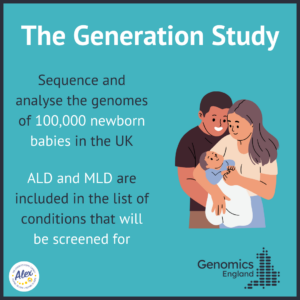
 A new study is providing doctors with a promising way to identify rare but treatable illnesses in newborns long before any symptoms appear. They are using cutting-edge genomic sequencing on umbilical cord blood, in which researchers hope to identify up to 200 inherited conditions (Dias, 2025). Doctors working on the project say that catching these conditions early could change families’ lives who are preparing for a baby, allowing babies access to treatments months or even years earlier than would normally be possible (Dias, 2025).

   There are some concerns involving how they determine who has the illness. Because everyone carries genetic mutations that may never lead to illness, experts worry that screening newborns so early could lead to false positive results that would suggest a problem when there isn’t one. This could cause unnecessary stress, extra testing, and fear for new parents. Some have also raised concerns about how securely the babies’ genetic information will be stored and who will be trusted with access to it (Dias, 2025).

   Although this study has some downsides, it’s still an important step forward in caring for babies. If it works the way doctors hope, it could help stop serious health problems before they even begin.


Although the study has some downsides, I think it could really make a difference for babies’ health. If it works the way doctors hope, it might be able to prevent serious illnesses before they happen. At the same time, I can understand why some parents might feel nervous about their baby’s genetic information being used because it's such a recent study. 


If you want to learn more about the study and see the full research details, you can visit the study’s official website here: https://www.genomicsengland.co.uk/initiatives/newborns 


References:

Dias, A. (2025, November 26). Genomic study of Gloucestershire newborns “could be life-changing.” https://www.bbc.com/news/articles/c0l7lx119nzo

Genomics England. (2024). Newborn Genomes Programme. Genomics England. https://www.genomicsengland.co.uk/initiatives/newborns


Tuesday, October 21, 2025

Walking Through Evolution: The Genes That Help us Walk


Walking Through Evolution?

Kylee French
BIOL-2110-001 - GENETICS Professor Guy F. Barbato October 21, 2025

     Humans are closely related to apes, but one of the biggest changes that happened during our evolution was learning to walk upright, which is a skill known as bipedalism. This ability is something that truly sets us apart, and scientists have always been fascinated by how it developed. Genetics plays a major role in this story, though researchers are still uncovering exactly how our genes helped shape the way we move. One key part of that puzzle is the ilium, a large bone in the pelvis that’s essential for walking. In an article titled, "Uncovering the Genes That Let Our Ancestors Walk Upright", a quote presents, “Many of the leg muscles we use in walking are anchored to the ilium. The bone also supports the pelvic floor, a network of muscles that acts like a basket for our inner organs when we stand up” 
(
Zimmer 2025). This shows how important the ilium is to our ability to stay upright and balanced. Yet despite its importance, scientists have only recently begun to understand how this bone, and the genes behind it, evolved to make walking possible.

    To better understand how humans evolved to walk, Dr. Gayani Senevirathne and her team studied the development of the ilium in both humans and other animals. They compared embryos from mice and 18 different primate species to look for patterns in how the bone forms. As the article explains, “Dr. Senevirathne and her colleagues found that primates develop the ilium in much the same way mice do. Two tiny rods of cartilage take shape on either side of the spine and parallel to it. The rods grow and fuse to the spine, and bone cells replace the cartilage” (Zimmer 2025). This research connects directly to genetics because it shows how the same sets of genes can be used in similar ways across species. However, in humans, these genes behave differently. In human embryos, ilium cells turn the genes on and off in a new pattern in response to signals from nearby cells. This unique change causes the cartilage to form in a new direction, giving humans the pelvis shape needed to walk upright. This discovery helps explains one of the biggest genetic steps in our evolution. Small changes in when and where genes turn on completely reshaped the human pelvis, allowing us to stand and walk on two feet. It’s a reminder of how powerful genetics can be and scientists want to keep learning more about this. 

References

Zimmer, C. (2025, August 27). Uncovering the Genes That Let Our Ancestors Walk Upright. New York Times. Retrieved October 21, 2025, from https://www.nytimes.com/2025/08/27/science/human-evolution-ilium-bipedal.html?searchResultPosition=5

Friday, April 25, 2025

Genes and Your Diet

 Nutrigenomics is the study of how genes interact with the food we eat. Research shows that certain genes can affect how your body responds to nutrients. For example, the FTO gene has been linked to a higher risk of obesity, influencing hunger and fat storage. Lifestyle changes can help override these genetic tendencies. Another key gene, MTHFR, affects how your body processes folate. Variants in this gene may increase the risk of heart disease, especially if your diet is low in B vitamins. As genetic testing becomes more accessible, personalized nutrition is becoming a practical tool for better health. 


My opinion: This is great news, this gives society somewhat of a playbook to follow by. Our bodies are telling us what we do and do not need. Learning how our genes react with the food we eat can boost overall health and what in our diet we need to improve on. This is definitely a topic that needs to be talked about more and spread throughout society. This could help with obesity and the number of health problems that stem from bad fast foods as well. 

Sources: Methylenetetrahydrofolate (MTHFR), the One-Carbon Cycle, and Cardiovascular Risks - PMC

The genetics of obesity: FTO leads the way - PMC

Thursday, April 10, 2025

Saliva Test May Turn Tide on Prostate Cancer, Scientist Claim

 A recent article by James Gallagher in BBC News discusses how scientists have developed a saliva test that could help remodel how prostate cancer screening is done. Around 12,000 men in the United Kingdom die each year from prostate cancer, and screenings have been growing more and more common since the Olympic Sir Chris Hoy announced his diagnosis.


The current blood tests available look for certain levels of prostate-specific antigens that cause many missing cases. This has caused a greater risk of harm than good. The saliva test does not look for signs of cancer, but 130 mutations could be found in DNA, increasing the risk of developing cancerous cells. This study was conducted on men ranging in ages 55 to 69 who are possibly at greater risk for this cancer. The overall outcome of the experiment showed that of 746 men, 187 were found to have prostate cancer, even saving 2 people's lives. The saliva test is on a transform trial while researchers discover the best way to screen people for prostate cancer.

Wednesday, March 19, 2025

A Sister Study Shows linkage between Pregnancy Complications and Heart Risks

    On Monday February 10, 2025 an article published by HealthDay News called Sister Study Shows Link Between Pregnancy Complication, Heart Risks, reported that new research shows that even just being a sister to a pregnant women can result in having an even higher heart risk, suggesting that it can be genetically shared within families. The study lead author Angla Mantel states that it is important to try and identify all of the women early on in order to offer preventive treatment for pregnancy complications as well as having life counseling to follow up on the potential cardiovascular disease risk. Pregnancy conditions such as premature delivery and preeclampsia spikes the blood pressure which can be commonly dangerous to the pregnancy, however numerous studies have shown that women who experience this during their pregnancy are now at a higher risk of heart disease later on in life. Mantels team wondered "what the role of genetics might be in this predisposition." So they decided to review medical records of more than 1.2 million Swedish women who were all free of heart disease during the time of the study. Most of the women have never had any complications during pregnancy, however nearly 166,000 women who did have history with heart disease, there was about 61,000 of their sisters who had never had any pregnancy complications. As expected women with history of pregnancy complications were at higher risk of long term heart issues compared to women without any history of it. But after reviewing the records of the sisters of complication affected women found a risk in the risk. Comparing the women with no complications to the sister group, they faced a 40% higher chance of heart issues over the follow up period. The finding of the study show that the risk of cardiovascular disease after a pregnancy complication does not just depend on how the pregnancy was alone but can also be influences by genes and the environmental factors. 


I found this article very interesting because it this is not just a problem for women who are experiencing difficulties during their pregnancy but can also affect their sisters. This makes me wonder if having pregnancy complications could serve as an early warning sign for the families to seek preventative healthcare early on. This study suggests that genetics are shared with environmental factors in cardiovascular health which leads me to think that if women decided to seek preventative healthcare after finding having early complications, if doctors could use that information to identify high risk individuals earlier. 

Links:

https://www.usnews.com/news/health-news/articles/2025-02-10/sister-study-shows-link-between-pregnancy-complications-heart-risks 

Tuesday, March 11, 2025

How Does Genetics Influence a Dog's Health and Behavior?

Recently, Emily Anthes from the New York Times reported that the genetic influences on dogs' health and behavior based on their breed. For a long time, through selective breeding, humans have been responsible for handcrafting the characteristics that give dachshunds their short legs, Great Danes their immense size, and pugs flat faces. Breeders face the challenge of distinguishing dogs to make them unique but are limited to a few genes. Choosing and inbreeding dogs with recognizable characteristics makes them susceptible to mutations due to exaggerating their attributes to increase rarity. For example, the gene that codes for dog size is insulin-like growth factor-1, which varies in small and large breeds; similarly, only three genes are responsible for a dog’s coat type. A dog’s breed is directly related to its health; since most breeds are homogeneous, they are susceptible to the same diseases, like degenerative eye disease, which is common in Labrador retrievers.


On the other hand, mutts and mixed-breed dogs may have a lesser chance of contracting some of these diseases, but due to how highly inbred they are, they are likely not much less vulnerable. Aside from the hazy connection between dog breeds and health, the connection between dog breeds and behavior is even more unclear. Due to humans prioritizing appearance over behavior when breeding dogs, the main distinction in breeds is how the dogs look, more so than how they behave. While some dogs lean towards one behavior over another, like a terrier, which is more predacious than a border collie, behavior alone is not enough to distinguish the dog breed. Conclusively, only 80% of dogs in the world live free and unconfined from humans, a small percentage of which are purebred or have no known ancestry.

I believe dog breeders wield too much authority over the lives of these powerless animals. Dogs should not have to suffer from inefficient characteristics like a pug's flat face because it'll make the breeder more money. Generally, dog breeders don't consider the genetic factors regarding health or behavior that significantly affect the dog's ability to find a loving home after being bred. This careless act turns dogs from loving beings needing love and care into commodities sold without regard.

Monday, December 9, 2024

Scientists Spot Gene That Could Help Cause Miscarriages


    In a recent study conducted by Rutgers university, a genetic marker had been identified that is directly correlated to accelerated reproductive aging which in turn increase the risk for miscarriage in women. The marker is located on gene KIF18A. This gene is responsible for the accelerated aging of eggs in young females. This effect their fertility and increase the risk for problematic pregnancies. Many miscarriages are due to the eggs having abnormal number of chromosomes. As women age their egg health and viability decreases. 

In the study conducted, the utilized data collected from a vitro fertilization clinic. They analyzed the data of maternal DNA sequences that could have been linked to poor fertility. In this study they found a certain gene marker which caused a higher number of abnormal eggs. They used mice which they used to carry the genetic marker and used mice that did not have the marker. Mice with the marker produced more abnormal eggs then those without the marker. With this study it supports more correlation the causation in the relationship, however with the new findings they are looking into more genetic variants that lead to abnormal eggs and female infertility issues. 

The hope is to allow for more information about female fertility to be discovered. With this type of genetic testing, it can help inform those who would like to have children about the risks, options, or concerns they might have. 

I think this is a great study. My own mother struggled with fertility issues as well as 2 miscarriages. Luckly she was able to go through IVF and have children but so many women struggle with these issues. I think being able to have genetic testing which allows for more information on whether women might have concerns when it comes to pregnancy could be a big factor in their concerns.

Links:


Miscarriage: Causes, Symptoms, Risks, Treatment & Prevention

Sunday, December 8, 2024

Frog Fungal Pandemic

     A killer sweeping across the world is destroying the lives of many frogs and its name: chytrid fungus Batrachochytrium dendrobatidis. Many scientists around the world are worried about the fungi potential to cause mass extinction of frog species all around the world which has presumably already taken 90 species from the world. The way the fungi attacks the frogs system is it targets the frogs skin and can choke the frogs supply of electrolytes unfortunately causing fatal heart attacks. Its spread around the world is theorized from the pet trade and conservation efforts have been only temporary solutions to only individual problems that haven't tackled the whole populations. Without a long term solution frogs may fall off the face of the earth causing a gigantic rift within ecosystems and the food chain. No frogs leads to higher populations of insects that are left unchecked without natural predators to manage their numbers.

   Areas across the Northern Californian wilderness have been heavily affected by the spread of the fungi that had pushed the Sierra-Nevada yellow-legged frogs to the brink of extinction. But recently they have bounced back in a way that from observations they have gained immunity in a way. Researchers at the University of California, Berkley, believes that the answers for a long term solution lie within its genetic code. Erica Bree Rosenblum, a molecular geneticist at the University of California, has recently found a pattern within the frogs who survived better in their ecosystems. She saw that frogs with certain genetic variations and mutations that were not present in those in areas untouched by the fungi epidemic. One of the genes that stood out was that of a blueprint for glycoproteins that bind to pathogens and present them to white blood cells. This discover goes to show that through natural processes species will thrive in unlikely circumstances and adapt to new situations without the help of human interactions and this case is a prime example of natural selection running its course.

Source:

https://www.sciencenews.org/article/frog-survive-fungal-pandemic-bd-fungus

https://www.scientificamerican.com/article/frog-saunas-could-protect-species-from-devastating-fungal-disease/

Genetics of child aggression, a systematic review

This article covers how genetics relates to childhood aggression. This article discusses 87 different studies that all analyze the factors that play into aggressive behaviors in children. It was found that genes do play a large role in the risk of aggression in children. Many genes and pathways play into this including dopaminergic, serotonergic, vasopressin, and oxytocin systems. 


The article mentions that while extensive research has been done, further research is needed in order to fully comprehend the linkage between childhood aggression and genetics. This research is important because understanding the relationship will allow specialists to identify childhood aggression early and be able to come up with strategies for prevention and intervention. 


Links:


https://www.nature.com/articles/s41398-024-02870-7


https://www.chop.edu/conditions-diseases/disruptive-behavior-disorders-children


Friday, November 22, 2024

Genetics of Alzheimers Disease

 Alzheimer’s disease is a common cause for dementia. It is a disease that affects the brain by causing brain cells to die and causes the brain to shrink. Common symptoms of this disease are memory loss and decreasing ability to do everyday tasks. There is no cure for Alzheimers and in serious cases of this disease complications like infection and poor nutrition can lead to death. 

This article covers the many different genetic factors of Alzheimer’s and it talks about the use of  Genome-Wide Association Studies which allows researchers to identify genes that are linked to Alzheimer’s disease. The authors highlight the use of studying various ethnic groups in order to fully comprehend the genetics of this disease. Certain environmental factors were discussed in this article. It was considered that these factors may play a role in the risk of this disease. 


This document provides a direction of where Alzheimer’s research can go. Using the genetic research of this disease, it is possible to identify biomarkers as well as therapeutic targets for Alzheimer’s disease which would allow for a better treatment of this disease. This disease is extremely detrimental to the brain and therefore this is a very influential article. 


Links:

https://www.mdpi.com/1422-0067/24/4/3754


https://www.mayoclinic.org/diseases-conditions/alzheimers-disease/symptoms-causes/syc-20350447


Thursday, November 21, 2024

Zebrafish Embryo Deformity Discovered from Gene


     Genes can encode for a lot of things but can it code for an embryo to properly develop? Researchers at Osaka Metropolitan University have recently discovered it is the case for zebra fish. By targeting Par axial protocadherin (PAPC), which when excluded naturally during the process of cell migration allows for proper formation of embryo notochord, they experimented with the idea of including it to see what exactly it does in helping with formation. When included they found that the cells don't move to their appropriate location causing a deformity in the notochord. Researchers made the inference that a similar gene must react the same way in mammals as it does for the zebrafish.

    By discovering this breakthrough the researchers believe it may open a new door into novel tumor therapies. And this research might prove very helpful in understanding how life is brought up deep within its roots of the cells and genetics. The gene that was discovered to react this way having the properties that might prove very useful in the future of enhancing tumor therapies could create a brighter future for those affected with all forms of cancer. And understanding all processes of the upbringing of life can help in other areas of science.


Sources:

https://www.omu.ac.jp/en/info/research-news/entry-67125.html

https://www.sciencedaily.com/releases/2024/11/241121120632.htm 

Wednesday, November 20, 2024

Ancient DNA and Adaptions lost within


    Over time many ancient adaptations have been lost or masked by the genetic evolution caused by the environments of early humans. Researchers from University of Texas at Austin and the University of California have just revealed their work of trying to understand the ancient genomes of early humans and pick out adaptions that were previously lost to natural selection. They have currently stated to have "revealed genetic signatures that have been previously erased or masked by present day genomes. By studying more than 700 samples taken from archaeological sites across Europe the researchers were able to uncover traces of natural selection from within the genomes. The samples date all the way back to 8500 around the Neolithic period.


    The research helps provide accurate information into the lives of early humans and their adaptions that underwent massive changes from genetic drift and natural selection. One example they used was that of genes with traits that allowed early Europeans to produce vitamin D and digest milk into adulthood showed strong signs of selection. The white pigmentation allowed for farmers in less sunny climate to produce vitamin D and the ability to digest milk had become a big trait after the dairy began to become a produce for farmers. Also they found signs of adaptations to new diseases that were spread due to agriculture and migrations throughout time. The research has opened many paths into the next steps of understanding human evolution and how we got to where we are today.


Sources:

https://www.sciencedaily.com/releases/2024/11/241119181845.htm

https://cns.utexas.edu/news/research/scientists-use-ancient-dna-shed-light-adaptation-early-europeans#:~:text=Leveraging%20a%20unique%20statistical%20analysis%20and%20applying

%20it,their%20environments%20over%207%2C000%20years%20of%20European%20history.

Wednesday, April 10, 2024

Our Understanding of Bird Evolution... WRONG?!

     A new study was released that has completely changed the view of our understanding of the evolution of birds. The University of Florida found a section of one chromosome that was fused and mixed in with other nearby DNA. This specific string of this particular chromosome has spent "millions of years frozen in time" and is only "two percent of the bird genome". This discovery has scientists convinced that finding this section of the genome allows them to group most birds into two categories based on their evolutionary cousins, flamingos and doves. After looking further into exclusive family trees and inspecting individual genes, it was found that recombination, a process that enhances genetic diversity by making sure no two siblings are alike, was not active for a handful of billion years about the time the dinosaurs disappeared. It is said that flamingos and doves look similar in this "frozen" part of their DNA. Although these two things were similar, the rest of the genome is much more distantly related. The scientists who took part in this study also believe that this is possible for other species as well.

    This is a super interesting study that completely changes the course of the original belief about the evolution of birds, especially in terms of genetic diversity and reproduction during the time of the "frozen" section of the bird's chromosome. This is super interesting and might give us a better insight into more species ancestry in the future and allow for a better understanding of evolution! 

                                    Why are Flamingos Pink? And Other Flamingo Facts | Smithsonian's National  Zoo and Conservation Biology Institute

(News Article): https://www.sciencedaily.com/releases/2024/04/240401190411.htm

(Scientific Article): https://www.pnas.org/doi/10.1073/pnas.2319506121

(Alternative Link): https://nationalzoo.si.edu/animals/news/why-are-flamingos-pink-and-other-flamingo-facts

Thursday, November 23, 2023

How Genetics affects our fitness

 A study from the Cambridge Centre for Sport & Exercise Sciences found that an individual's genetic traits can significantly affect the outcome of athletic training. In order to better understand how genes affect muscle strength, cardiovascular fitness, and anaerobic power, 3,012 adults aged 18-55 were surveyed. Each individual had not been previously exposed to exercise training. During the study, each participant was subject to the exact same training regime, though diet, nutrition, recovery, and injuries varied. The researchers discovered that genetic differences are responsible for 72% of the outcome variation for people following identical exercises designed to improve muscle strength. Meanwhile, genetic variations caused 44% of the differences seen following cardiovascular fitness exercises, measured through VO2max testing, and 10% of the differences in outcomes following exercises to improve anaerobic power. In total, the study identified 13 genes, and associated alleles, as being responsible for how well the body reacts to cardiovascular fitness, muscular strength, and anaerobic power exercises. If specific genes show a correlation to increase the effectiveness of specific exercises and training regimens, then training and recovery programs could be designed to fit an individual's needs. A training program allowing for personalized design could prove beneficial for physical therapy patients, athletes, people trying to lose weight, and much more. 


Sunday, August 6, 2023

Families With Multiple Cases Give Clues To Autism Origin


 A study was conducted on over 4,500 people from over 1,000 families that have at least two children diagnosed with Autism. The study included over 1,800 children diagnosed with autism and over 400 children that did not have an autism diagnosis. Seven genes (PLEKHA8, PRR25, FBXL13, VPS54, SLFN5, SNCAIP, and TGM1) that increased the risk of autism were found which were inherited from a rare DNA variation transmitted from parent to offspring. A combination of common inherited variations (polygenic risk)  that increased autism likelihood were also examined. It was shown that offspring who inherited the rare mutation from unaffected parents in combination with the polygenic risk had a higher risk for having autism. The study also found that there is an effect of the genes that cause a developmental effect which delays speech. The pattern was only specific to autism and it suggests that there is a link between the genetic risk for autism and speech delay, which suggests that language delay is a core component of autism. 

Saturday, October 1, 2022

Donkey DNA Reveals Domestication Origin

Researchers have been analyzing the DNA of donkeys to trace the origin of domestication in the species. Donkeys have long been used by humans throughout history and today can be found all over the world, but the question of where donkeys were first domesticated remained unanswered. Asia or Africa has been believed to be their ancestorial homeland, but the exact location was unknown. The head of the current study, molecular archaeologist Ludovic Orlando, attributed the ambiguity to not having a large enough sample size of donkeys from different areas of the world to draw a conclusion. Orlando's study addressed this by gathering genetic data of donkeys from 31 countries worldwide. In total the team sequenced 207 genomes including that of 31 donkeys living 100-4000 years ago. By comparing the genetic information in the DNA Orlando's team was able to trace back domestication to a single event occurring in East Africa 7000 years ago. From this initial domestication in the Horn of Africa, donkeys spread to elsewhere and formed genetically distinct groups. The timing of the domestication in 5000BCE corresponds with the widening of the Sahara desert so its possible donkeys were domesticated to help with moving goods across the arid climate. 

Donkeys have played a vital role to humans throughout history and are still used by many low-middle income countries today. Knowing the origins of donkeys and their domestication can provide us with more insight into how these creatures function and the traits they have evolved to make them so good at the work we need them for like field work and moving goods. I am grateful for the work Orlando and his colleagues have done to answer this question of donkey domestication origin. I hope this model of sampling genomes from individuals of a species from all over the world, can be applied elsewhere for researchers looking to learn more about other species and trace back other domestication events. 

Monday, September 19, 2022

Gene in Brain Linked to High Human Intelligence


A team of European scientists conducted studies on a gene within the human brain, known to be connected with the high intelligence of humans when compared to other species. The scientists inserted the gene, ARHGAP11B, into organoids of chimpanzees which are the closest living relatives to humans. An organoid is a lab-grown group of cells or tissues that have some of the functions of an organ. Organoids were used for the study since scientific experiments involving altering genes have been banned in Europe out of ethical concerns. The chimpanzee organoids introduced to the ARHGAP11B gene showed an increase in neurons and brain stem cells related to brain growth. The scientists in the study found that the gene could enlarge a primate's brain but say further study is needed to determine the size of a role in human brain evolution. Likewise, they also found that when the gene was removed or inhibited in human organoids, the functioning of the cells decreased to the level of a chimpanzee. 

This study showed just how important the ARHGAP11B gene is to the development of the human brain. I think that this study gave great incites into how the human brain evolved and the genes responsible for its high-functioning. I am glad that we have the technology like organoids to develop experiments that we can use to study genes like this, and I how that more studies on this gene are done in the future. I'm sure there is a lot to learn from this gene and even medical applications it has concerning brain development, functionality, and disorders.