Showing posts with label Discovery. Show all posts

Tuesday, December 9, 2025

Genetics of Cerebral Palsy


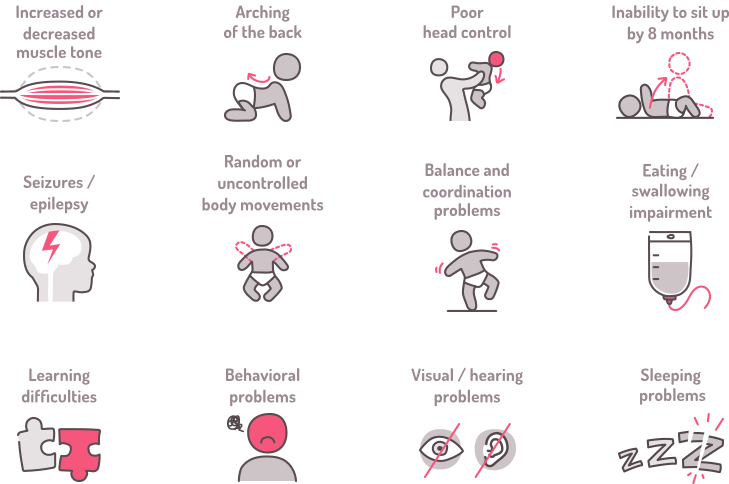
    This study reviews the substantial evidence that genetic mutations are a significant cause of cerebral palsy (CP), a condition traditionally attributed to birth injuries or environmental factors. Through the analysis of large cohort studies using whole exome sequencing and copy number variant (CNV) analysis, the authors identify a core group of 18 genes and 5 recurrent CNVs with strong evidence for causing CP. These genes often disrupt early brain development, cell signaling, and neuronal connectivity, and can overlap with genes known for other neurodevelopmental disorders. The authors propose new criteria for classifying a gene as CP-associated, from initial discovery to clinical application, and argue that the identification of a genetic cause does not invalidate a CP diagnosis if the clinical criteria of a stable, non-progressive motor disorder are met. The review concludes that understanding the genetic architecture of CP refines our neurobiological understanding and opens doors for future mechanism-based research and personalized interventions.

    This research represents a shift in our understanding of cerebral palsy, arguing that it should be viewed as a neurogenetic disorder in a significant subset of patients. The most impactful part of this study is the proposal of diagnostic criteria for CP-associated genes, which brings much-needed rigor to a rapidly evolving field and helps distinguish true causes. It is fascinating to see how these genetic pathways involving cell adhesion, cytoskeletal dynamics, and membrane trafficking converge on the fundamental biology of brain wiring. This genetic lens might explain why individuals with similar environmental risks (like preterm birth) have vastly different outcomes. Further, I enjoy the authors' nuanced stance that a genetic finding complements rather than contradicts a CP diagnosis, which is crucial for ensuring patients retain access to essential services. Ultimately, this study transforms CP from a purely descriptive, symptom-based diagnosis into a group of disorders with discoverable molecular roots, which is the essential first step toward developing targeted, biological therapies.


References: 

1. Lewis, S. A., Shetty, S., Wilson, B. A., Huang, A. J., Jin, S. C., Smithers-Sheedy, H., Fahey, M. C., & Kruer, M. C. (2021). Insights From Genetic Studies of Cerebral Palsy. Frontiers in Neurology, 11, 625428. https://doi.org/10.3389/fneur.2020.625428 

2. Fliesler, N. (2022, January 26). Cerebral palsy can have genetic origins. Boston Children’s Answers. https://answers.childrenshospital.org/cerebral-palsy-genetic/




Wednesday, April 10, 2024

Our Understanding of Bird Evolution... WRONG?!

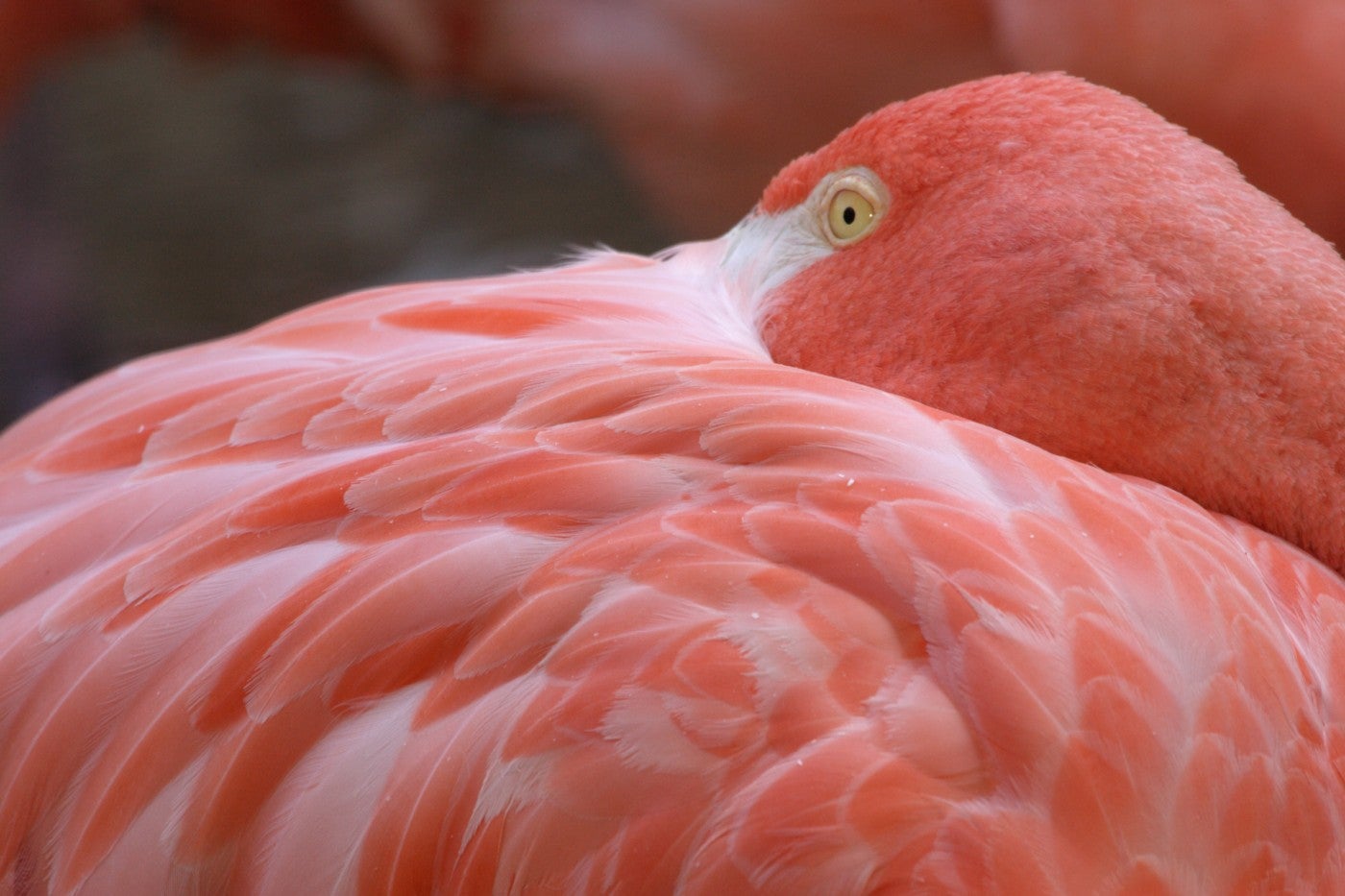
     A new study was released that has completely changed the view of our understanding of the evolution of birds. The University of Florida found a section of one chromosome that was fused and mixed in with other nearby DNA. This specific string of this particular chromosome has spent "millions of years frozen in time" and is only "two percent of the bird genome". This discovery has scientists convinced that finding this section of the genome allows them to group most birds into two categories based on their evolutionary cousins, flamingos and doves. After looking further into exclusive family trees and inspecting individual genes, it was found that recombination, a process that enhances genetic diversity by making sure no two siblings are alike, was not active for a handful of billion years about the time the dinosaurs disappeared. It is said that flamingos and doves look similar in this "frozen" part of their DNA. Although these two things were similar, the rest of the genome is much more distantly related. The scientists who took part in this study also believe that this is possible for other species as well.

    This is a super interesting study that completely changes the course of the original belief about the evolution of birds, especially in terms of genetic diversity and reproduction during the time of the "frozen" section of the bird's chromosome. This is super interesting and might give us a better insight into more species ancestry in the future and allow for a better understanding of evolution! 

                                    Why are Flamingos Pink? And Other Flamingo Facts | Smithsonian's National  Zoo and Conservation Biology Institute

(News Article): https://www.sciencedaily.com/releases/2024/04/240401190411.htm

(Scientific Article): https://www.pnas.org/doi/10.1073/pnas.2319506121

(Alternative Link): https://nationalzoo.si.edu/animals/news/why-are-flamingos-pink-and-other-flamingo-facts

Monday, April 8, 2024

Controversy of the Tiger Cats

    Going back to 2013, there were two new Latin American tiger cat species recognized. These two species were "the southern tiger cat (Leopardus guttulus) and northern tiger cat (Leopardus tigrinus)" of which they were both deemed vulnerable by the IUCN Red List. Recently in 2024, a paper published by Scientific Reports was released that described a third tiger cat species called Leopardus pardinoides

    The biggest debate after the release of this paper lies in understanding the distribution and the vulnerability of each tiger cat species to make sure they are all properly protected and documented. With many protected species, the main thing to do to help them is protect their habitat and prevent habitat loss. With the discovery of a new tiger cat, finding what they need is crucial for their protection. 

    Finding where they are located on the map is also something important to be able to document and protect the tiger cats as a whole. Of course with the new species, the original map has to be completely revised. This also means that there is likely less of each species than they originally thought which shows as a population drop. It was stated that "based on historical distribution, the authors estimated an alarming 55.9% range reduction for L. tigrinus, 50.4% for L. pardinoides, and 68.2% for L. gutullus". 

    Another concern is the spread of diseases by stray dogs in the area to these three tiger cat species. Since these tiger cats are considered endangered species, it's even more concerning for officials. With another controversy over another debated tiger cat species Leopardus narinensis, the water of the debate continues to stay muddy.

    Overall, coming to a conclusion of whether they are a completely newly discovered species is extremely important for their preservation. This leads to more control over land preservation to prevent them from going extinct as well as the management of local stray dogs and possible diseases that could affect the tiger cat population. Getting more of an idea of the areas they inhabit and their population will make it much easier to decide how critical their endangered status is which therefore should determine the amount of intervention required to preserve them.


Composite image details the differences in appearance between the three tiger cats. Each is slightly different in body size and shape, and with differing spot patterns. Curiously, the newly described L. pardinoides has only one pair of teats, while the others have two. A) represents the savanna tiger cat, L. tigrinus; B) represents the newly proposed clouded tiger cat, L. pardinoides; and c) the Atlantic Forest tiger cat, L. guttulus. A likely revision of these species’ threat status could see all three classified as endangered. Image courtesy of de Oliveira et al., 2024.Article title - A tiger cat gains new species designation, but conservation challenges remain
"Composite image details the differences in appearance between the three tiger cats. Each is slightly different in body size and shape and with differing spot patterns. Curiously, the newly describes L. pardinoides has only one pair of teats while the others have two" (Oliveira et al., 2024).
A is the savanna tiger cat (L. tigrinus), B is the possible clouded tiger cat (L. pardinoides), and C is the Atlantic Forest tiger cat (L. guttulus). 


Resources:

(News Article) https://news.mongabay.com/2024/04/a-tiger-cat-gains-new-species-designation-but-conservation-challenges-remain/

(Scientific Article) https://www.nature.com/articles/s41598-024-52379-8

(Alternative Link) https://wildcatconservation.org/wild-cats/south-america/northern-tiger-cat/

Monday, April 1, 2024

Gene Sequencing Discovered the Genetic Causes of Cerebral Palsy

Source: https://medicalxpress.com/news/2024-03-genetic-cerebral-palsy-uncovered-genome.html

Additional Link https://www.mayoclinic.org/diseases-conditions/cerebral-palsy/symptoms-causes/syc-20353999#:~:text=Overview,palsy%20may%20have%20exaggerated%20reflexes.

Cerebral Palsy is a genetic condition that affects development of motor skills in children that occurs on the developing brain, often before birth. Symptoms of this condition can appear during infancy or early childhood. Although treatments such as surgeries; braces, physical, occupational, and speech therapy can help, there is no cure for this treatment and before now, the genetic contributors of this treatment were unknown. However, the 2024 article, “Genetic causes of cerebral palsy uncovered through whole-genome sequencing,” created by The Hospital for Sick Children, stated that A Canadian-led study has identified genes which may be partially responsible for the development of cerebral palsy. 

The scientists from The Hospital for Sick Children (SickKids), the Research Institute of the McGill University Health Centre (RI-MUHC) and Holland Bloorv
iew Kids Rehabilitation Hospital conducted a study in order to research the in depth genetic causes of the condition. The scientists conducted genome sequencing in 327 children with Cerebral Palsy as well as their biological parents and compared them to three clinical cohorts and two pediatric control cohorts in order to determine whether genetic variants may be involved. According to the article, their findings showcased, “More than one in ten children (11.3 percent) had a genetic variant or likely genetic variant for their CP, and 17.7 percent of children had variants of uncertain significance that may be linked with CP after further research. Many of the variants also overlapped with other neurodevelopment conditions, including autism spectrum disorder (ASD) ” (The Hospital for Sick Children, 2024). This study identified that the causes of Cerebral Palsy are more diverse than originally thought as many of the variants are overlapped with other conditions. This new information can allow specialists, like those at The Hospital for Sick Children, to alter their treatment plans in order to provide the best care for each individual patient. 

I thought this was a great article! Not only was this research able to provide more personalized care for people with Cerebral Palsy, but it also opened up the door for more research to be done in the future to hopefully find a cure for this condition. 


Monday, March 29, 2021

A New SRY Gene Fragment has been Discovered


    The SRY gene is a y linked sex determining gene. The SRY gene encodes for male genitalia. The SRY gene is located on one exon. The SRY gene is pleiotropic as it encodes for multiple traits related to male sexual development. If one were to have two x chromosomes but an SRY gene they would have male genitalia (testes). If one were to have the x and y chromosomal pair, but no SRY gene they would have female genitalia (ovaries). Also, if one were to have any sex linked chromosome combination with an SRY gene but the SRY gene is rendered inactive (due to a mutation) they would have female genitalia.

    The SRY gene was discovered in 1985 by studying the DNA sequences of a person with ovaries and a XY gene and 3 people with testis and XX genes. This supported a long held theory that having male genitalia was not a consequence of having a Y chromosome but having a specific gene on the chromosome. The development of human sex charactaristics and it's linkage to specific genes remains largely a mystery.

    Recently researchers in Japan have discovered another piece in mouse SRY. This second piece of mouse SRY, SRY-T, consists of two exons. This SRY-T also seals "instability sequences" on the end of SRY preventing it in degrading, meaning SRY-T is just as crucial for the development of testis as SRY. So the same differences in phenotype when displacing the SRY gene also occur when displacing the SRY-T gene, this was confirmed by researchers at the University of Queensland by using CRISPR. I think this new discovery of a male genitalia linked gene will give us more insight into the development of sex characteristics of both male, female and intergender people.


 Links:


https://www.sciencedirect.com/topics/neuroscience/sry-gene


http://www.embryology.ch/anglais/ugenital/molec02.html#:~:text=It%20was%20only%20thanks%20to,was%20finally%20identified%20in%201985.&text=The%20sequencing%20and%20cloning%20of,is%20responsible%20for%20determining%20gender.


https://theconversation.com/we-discovered-a-missing-gene-fragment-thats-shedding-new-light-on-how-males-develop-147348

Thursday, July 25, 2019

A Baby Was Born With DNA From 3 People. Here's How That’s Possible

In an article by Alice Park, “A Baby Was Born With DNA From 3 People. Here's How That’s Possible”, she explains how it was possible for a thirty-two year old woman to give birth in Greece. The most miraculous part about the birth is that it occurred after she had many failed IVF treatments previously. Genetics explains how this was possible. 
The technique utilized by the Institute of Life in Athens is known as Maternal Spindle Transfer. Very much is still unknown, so the method is not currently allowed to be practiced in the United States. Maternal Spindle Transfer takes DNA from the mother’s egg and puts it into the donor egg of a different woman. The donor egg is first emptied of its own DNA. Then, the egg with the actual mother’s genes is allowed to be fertilized and such. 
Above is an image of how the transfer works. Image is provided by the Institute of Life. 


Research has shown the method to be a viable option for mothers with mitochondrial diseases. Because the mother’s DNA is placed into another egg, it is able to be taken care of by the new egg’s mitochondria. So, women with problems with their own mitochondria are able to use those of another egg. 
In the most recent birth, the mother did not actually have a mitochondrial disease. The success that unfolded leads researchers to believe that the mitochondria may play an even more vital role in reproduction than previously thought. In fact, a new study, “How egg cells choose their best powerhouses to pass on”, done in fruit flies by researchers at NYU and the University of Toronto looks more into the importance of mitochondria. Their tests actually reveal that the cell works hard to make sure that the best mitochondria are passed on. Because the cell works so hard to weed out “bad” mitochondria, it implies that having healthy and functioning mitochondria is vital for reproduction. 
It is amazing that this woman was able to give birth. However, he will become studied very closely throughout his life, because he actually has the DNA of three parents. The explanation for this seemingly impossible situation comes from the intriguing mitochondria. Since the mitochondria has its own DNA, now the baby has DNA from the mother, the mitochondria in the donor egg, and the father. 

I had never previously thought about how important the mitochondria was in reproduction. It makes perfect sense seeing as the mitochondria is constantly referred to as the powerhouse of the cell. If the powerhouse is not functioning properly, how is the cell meant to work half as well? Even more intriguing is the circular DNA in the mitochondria. Through the theory of endosymbiosis, we have learned that the mitochondria was engulfed containing its own DNA. The recent birth of a child with mitochondria different from the mother could hold answers on a very interesting topic facing the field of science. In genetics, our genome seems to hold our own personal blueprint. While a lot of it is similar, even a single difference holds the power to create a whole new individual. I am very curious to see how having donor mitochondria will interact. Regardless, it is truly impressive that this was even able to happen in the first place. 

Monday, July 8, 2019

Scientists Have Created Four New Letters of Artificial DNA

In an article written by Roni Dengler, “Scientists Have Created Four New Letters of Artificial DNA”,  he discusses the creation of four new letters of artificial DNA. These new letters were constructed by Steven Benner and his team. It is monumental to think that DNA holds the building blocks for life, and this alphabet is now doubled. Benner was able to accomplish the feat by using basic chemistry. It was simply a matter of making sure they were the right shape, substance, and able to make the necessary connections regular base pairs can. 

I found this article particularly interesting based on a discussion I had last year in Cells and Molecules. Our professor mentioned how it was not a matter of memorizing the base pairs, but more so understanding how they work. He said it did not have to be A, T, C, G, but it just had to be able to perform the chemistry with other pairs. This is the entire explanation to how uracil takes the place of thymine in RNA. 

Figure 1: Above conveys how base pairing is just the use of chemistry through hydrogen bonding. As long as the chemistry can happen, the base pair letter does not matter. 

Going back to the recent discovery, the new DNA already meets four out of the five requirements for life. Unfortunately, it needs to be able to be self sustaining to meet the fifth. However, there seems to be progress with the base pairs outside of the test tube already. 
A newer article, “Scientists Created Bacteria With a Synthetic Genome. Is This Artificial Life?”, by Carl Zimmer says scientists have created life from scratch. Using synthetic DNA, they have been successful in making a colony of E. Coli. We are actually able to use the DNA that we make. The article goes on to discuss the implications of such a discovery. Now, the world of science could potentially be able to create as Carl Zimmer writes, “living factories”. These could make important molecules or even medicine. 

Overall, it is quite miraculous that scientists were able to construct versions of the very things that construct ourselves. The article ends on the point that with this new discovery, we might have further insight into life outside of our planet. If it was possible to create a different genetic code, there could very well be life out there without the alphabet of A, T, C, and G. 


Thursday, April 26, 2018

The gene Ups Sugar Intake but Lowers Body Fat

Links: 1 & 2

What and the amount we gobble isn't generally up to cognizant decisions. In some cases, it's extremely simply down to our hereditary cosmetics "directing" our nourishing needs.

One quality specifically, called FGF21, has been appeared to assume a critical part in controlling the admission of sugars and lipids.

As of late, confirm has risen that a specific variation of the quality — or the FGF21 A:rs838133 minor allele — may direct the amount we like sugary items.

Image result for FGF21 geneIn an investigation whose outcomes have now been distributed in the diary Cell Reports, first creator Timothy Frayling — from the University of Exeter Medical School in the United Kingdom — and associates recommend that the quality variation that "prompts" us to eat more desserts may associatively drive a decline in muscle versus fat.

As the scientists say in the paper, their investigation was, partially, incited by the information offered by three past hereditary examinations.

They illustrated "that the starch inclination [driven by this variation of the FGF21 gene was particular to sugary items and may likewise expand liquor consumption."

Similarly as they affirmed the discoveries of the past three investigations, Frayling and group experienced an amazement: a similar allele in charge of increasing our admission of sweet likewise seemed to help bring our levels of muscle to fat ratio down.

"We were surprised that the version of the gene associated with eating more sugar is associated with lower body fat," says Frayling.

Image result for sweet tooth

Saturday, April 7, 2018

Discovery in Golgi helps genetic diseases


Researchers of School of Biosciences and University of Alberta discovered a rare organelle called a Golgi in the microbial amoeba, Naegleria gruberi. The Golgi appears in most cells as flattened membranes. The Gogli works as a part of a membrane-trafficking system, in which it is central to modify and transport proteins to the cellular destination. The Golgi apparatus functions to produce material, distributes and packages material, then sends of packages to other locations of the cell.

Researchers found that Golgi appears as an unstacked, tubular membrane structure. This is the first direct evidence for Golgi to appear tubular in the microbial amoeba, Naegleria gruberi. This discovery is very important for it can prevent genetic diseases, such as Alzheimer’s, Parkinson’s and other autoimmune diseases. When the Golgi bodies malfunction in cells, it cases such genetic diseases.

Having this new discovery can help prevent many cases pertaining to genetic diseases. Although more research may be necessary to stop the Golgi from disrupting the cell and function normally. This discovery of the Golgi can impact many lives as well as make a scientific difference in the cellular world.

For additional information, refer to the original article.

To learn more about the Golgi apparatus, click on the link1 link2 attached. 

Monday, April 17, 2017

New Discovery In HSV Research

Herpes simplex virus (HSV) is an infectious disease that lasts forever if you get it. Like chicken pox, it is a virus that an extremely significant population of the world (two thirds of the world are infected with HSV1) gets at some point in their life. Again, like chickenpox, when you are initially infected with the virus that causes HSV, you normally get symptoms (like cold sores, lesions, serious eye conditions). However, after the initial symptoms subside, you are still infected with the virus, it just remains dormant in your body- meaning you still have the virus in your body, but you show no symptoms of it.

HSV has been much of a mystery to scientists since its’ discovery, however, there has been recent progress by NIH and Princeton scientists with this virus. They have identified a new HCF-1 protein complex that plays an additional role in initiating viral infection and reactivation. They found that- in mice- they could reactivate latent HSV by using compounds of these HCF-1 protein complexes. This is important because this research means that we can potentially reveal additional targets for the development of new therapeutics. In other words, with these new and continuing discoveries, we can hopefully minimize the spread of not only HSV itself, but also figure out better ways to keep the virus dormant (so that symptoms don’t ever occur if you are infected) since that would also help decrease the spread of the virus.

Tuesday, September 20, 2016

Mediterranean Mystery: First DNA of Ancient Shipwreck Victim


On August 31st, off the tiny Greek island of Antikythera, sponge divers found human remains from a 2,000 year old merchant shipwreck. This is the first ever shipwreck to be examined by archeologists. The first question that came to mind for the scientists was whether or not they were able to collect DNA from the recovered bones.  After closely examining the remains which consisted of pieces of  skull, teeth, femur, several arm bones, rib bones and petrous bone (dense bone behind the ear), scientists agreed that the bones were very well persevered. This is shocking yet amazing news since it has been over 2,000 years since they've been in the oceans waters! Before testing the remains for DNA, bone expert, Hannes Schroeder suspects the remains belong to a young male, in his early twenties based on the formation of the skull and teeth.

If Schroeder is able to recover the bones DNA and sequence it, this would mean breaking through to new grounds that have never been reached before. The only other ancient DNA identification scientists were able to recover was last year on a sample from a cold climate (northern Europe), which resulted in the discovery of the first Mediterranean ancient genome of a Neolithic (New Stone Age) individual from Spain.

One question that many researchers have been asking themselves is: Why have so many bones been found at this site compared to many other shipwrecks were hardly none are recovered?
Well, researchers have concluded that this shipwreck must have possessed two components that a majority of other shipwrecks did not.
     1. The wreck must have happened fairly quickly, much faster than the time it takes for the passengers to react to it.
     2. Many people must have been below deck at the time of the sinking.
For the time of the wreck, the vessel was extremely large, measuring up to forty meters long. The ship also had multiple decks with many passengers. Since the wreck happened close to shore, researchers think the boat crashed against the rocks and broke up the boat and started sinking, before the passengers on the lower deck realized and had time to evacuate.

More news will be released on this exciting discovery, as soon as the results from the DNA testing are confirmed. Then the next step will be to sequence the genes which will take several months. For now, that is all that has been reported.
The below link is a document on how scientists recover DNA from ancient remains!
http://www.nature.com/nprot/journal/v2/n7/full/nprot.2007.247.html


Thursday, October 22, 2015

There is Hidden Diversity

    In Ecuador's Galapagos Islands a new species has been discovered. There is about 250 tortoises living on the island that turns out to be so genetically distinct from the other tortoises. This new species has been identified as Chelonoidis donfaustoi. Chelonoidis donfaustoi is the first species to be named after a person from Ecuador, Fausto Llerena Sánchez "Don Fausto". Don Fausto served as the park ranging, caring for the tortoises for 43 years. However Tom Fritts, a wildlife biologist, proposed the thought of the 250 tortoises being a completely different species.

    The geographical separation, 20 kilometers, of this tortoise species from the main tortoise population is what caught Fritts' attention. Adalgisa Caccone, an evolutionary biologist from Yale University, accompanied Fritts. Their decade of work and discoveries can be found in their paper. The new species has 25 mitochondrial DNA mutations that separate it from the main population on the islands. The team analyzed micro-satellite loci, which was 12 highly variable DNA regions, in 51 tortoises from both species.  The researches found two distinct clusters emerged when the loci were plotted. The two distinct clusters represent the two tortoise populations.  The team has built a family tree of the islands' tortoises has also been constructed using  research and thousands of samples collected in the past 20 years. The researchers investigated the two Santa Cruz species using their collected sample. The closest relatives of the newly found species, Chelonoidis donfaustoi,  is said to live on a completely different island.
   The discovery of a new species is exciting and mind opening. It makes me realize how much life is out there that we do not know about. Finding new species allows us to research them, observe them, and maybe find new genes that they have. This species of tortoises was literally right in front of their eyes for years, so imagine what could be out there that we are not even seeing yet. Undiscovered species could hold cures for various disease and could be the answers that we are always looking for. 
The full article can be found here!

Friday, May 2, 2014

Humans have a Nose for Gender.

According to researchers who report their findings in the Cell Press "Current Biology," the human body produces chemical cues that communicates genders to members of the opposite sex. Whiffs of the active steroid ingredients androstadienone, which in males and estratetraenol, which is in females, influences our perceptions on movement as being either more masculine or more feminine. this affect, which occurs completely without awareness, depends on both our biological sex and our sexual orientations. Wen Zhou of the Chinese Academy of Science states that, "our finding argue the existence of human sex pheromones, they show that the nose can sniff out gender from our body secretions even when we dont think we smell anything on the conscious level." researchers also found that homosexual males respond to gender pheromones more likely than heterosexual females, but bisexual or homosexual females responded the same as in heterosexual males and females. gender cues were very extreme and ambigous, smelling the hormones produced. this article is interesting and good to know fro scientific study. It shows how many other types of research is being produce for the human curiosity.


Original article: http://www.sciencedaily.com/releases/2014/05/140501123449.html
secondary article: http://www.smithsonianmag.com/ist/?next=/science-nature/human-nose-can-distinguish-between-one-trillion-different-smells-180950175/


Friday, April 25, 2014

Cancer stem cells linked to drug resistance

In a recent article, researchers at the University of California School of medicine have discovered a molecule called CD61 on the surface of drug resistant tumors that appear responsible for inducing tumor metastasis by enhancing the stem cells properties of cancer cells. In most cases, most drugs used to treat lung , breast and pancreatic cancer also promote drug-resistance and ultimately spur tumor growth. Based on these findings, Hatim Husain, MD and assistant professor who treats lung and brain cancer patients at Moores Cancer Center, has designed a clinical trial to attack the pathway of patients with drug resistant tumors. This will be, however, begin with patients who have lung cancer and have experience of cancer progression and drug resistance to erlotinib. This is expected to begin next year. Husain states that "based on the research findings, we hope to better understand and exploit the "Achillies heel" of the Drug-resistant tumors. I believe this research is a better understanding and a step forward to killing the cancer cells. This will take time however and were hoping that it becomes a success in trials.


original article: http://www.sciencedaily.com/releases/2014/04/140420131521.htm

secondary article: http://guardianlv.com/2014/04/stem-cells-increase-in-cancer-patients-possibly-from-drug-resistance/


Friday, April 18, 2014

Target for Treating Dengue fever discovered

In a recent article, two papers at the University of Colorado School of Medicine researchers and colleagues may help scientist treatments or vaccines for Dengue disease, West Nile virus and yellow fever. Plus others. Dengue Fever is a disease caused by a mosquito. Jeffrey S. Kieft, associate professor of biochemistry and Molecular Genetics at the School of Medicine and colleagues published articles in a journal, known as eLife and Science, explaining how flaviviruses produced a unique RNA molecule that leads to disease. He states in the journal that the viruses use a instruction encoded on a single strand of RNA to take over the infected cell and reproduce.The virus also exploits an enzyme that cells use to destroy the RNA to produce short stretches of that RNA to help the virus avoid the immune system. To discover the structure, the scientist used a technique called x-ray crystallography, which allowed them to determine the structure of individual molecules. With this, they hope to understand how the RNA found in many different flaviviruses thwart a powerful enzyme may help scientist develop treatments or vaccines.


Original article: http://www.sciencedaily.com/releases/2014/04/140417191740.html
Secondary article: http://www.who.int/mediacentre/factsheets/fs117/en/


Wednesday, April 16, 2014

Breaking bad mitochondria: How hepatitis C survives for so long

Researchers at the University of California, San Diego School of Medicine have now discovered why people with hepatitis C virus get liver disease. People infected with the "hard-to-kill" pathogen, which infects nearly 200 million people worldwide, attacks the liver cells energy center, the mitochondria. This dismantles the cell's innate ability to fight infection by altering the cells mitochondrial dynamics. Aleem Siddiqui, Professor of medicine and senior author, states that " the virus damages mitochondria in liver cells. Cells recognize the damage and respond to it by recruiting proteins that tell the mitochondria to eliminate the damaged area, but the repair process ends up helping the virus." He also states that, "it's like the bad part of the house is demolished to the benefit of the virus." In the researchers experiments, it showed that hepatitis C-infected cells with higher Drp1 protein levels also produced less interferon, the body's natural immune booster. These cells were also less likely to undergo apoptosis, a process that would encourage damaged cells to essentially kill themselves. While reading this, I hope to see improvement with developing a cure or type of antidote to reduce the attack or kill the attack of the pathogen on the cells mitochondria. Knowing how many people are affected by this is scary, and I'm glad to see that they are taking a step forward with this research. 

Original article: http://www.sciencedaily.com/releases/2014/04/140415143959.htm
Secondary article: http://www.latimes.com/science/la-sci-hepatitis-c-cure-20140412,0,3083638.story#axzz2z4qUMnPX


Friday, April 11, 2014

In a recent article, scientist at the University of Texas in Austin have discovered that a certain protein produced by the influenza A virus helps it withstand on of our bodies natural defense mechanisms. When a influenza virus infects a human cell, it uses some of the host's cellular machinery to make copies of itself, or replicate. researchers have now discovered that the protein produced by human body cells, DDX21, blocks it replication process. Also, they found that a protein created by the virus, NS1, in turns block DDX21 and promotes viral replication. Robert Krug, a professor in the College of Natural Science at the University of Texas at Austin stated that " if you could figure of how to stop the NS1 protein from binding the DDX21, you can stop the virus cold." Krug also believes that by stopping the NS1 protein, you are stopping more important roles for the virus, such as host's synthesis of interferon.I believe this is a great step moving forward to stopping the flu virus. Mechanisms, such as stopping a virus replication is very hard to do so this will take a great amount of time, but hopefully a good amount to stopping the virus once and for all. 

Original artilce: http://www.sciencedaily.com/releases/2014/04/140410153626.htm
Secondary article: http://www.medicalnewstoday.com/articles/275390.php


Tuesday, November 26, 2013

Genes Associated with Alcoholism

Researchers from the University of Iowa Carver College of Medicine and Yale University Medical School have recently found 39 genes that when together are strongly associated with alcoholism in human beings. The researchers viewed different genomes of 1,000 people and tried to find a single gene responsible for the disorder. However, when looking at all of the genes together, 39 of them were discovered to have a correlation with alcoholism. This study was based on not the genes individually, but the protein products they produce. When all 39 genes work together, they produce alcoholism.  


With this discovery, we now know that alcoholism is linked to genetics. In discovering this, we can try to find a drug that can treat or prevent this disorder. Perhaps one day we will be able to greatly reduce or even eliminate alcoholism from the world.