Showing posts with label treatments. Show all posts

Thursday, April 15, 2021

Lizard-like tuatara carry two distinct mitochondrial genomes


Lizard-like species tuatara has two distinct mitochondrial genomes. This revelation was reported recently in January 2021. Tuataras genomes are a very important discovery in nature today as they are the first vertebrate species that are found to have multiple copies of mitochondrial genomes. Mitochondria are tiny energy factories, and their genetic material is usually important in building the structures and keeping them running. Mitochondrial is essential in the development of aging, cancer, and many other biological diseases. 

Finding animals and other species that carry additional mitochondrial genomes can help advance the research of finding cures and diseases that stem from mitochondrial DNA. By studying animals' mitochondrial genomes, we may potentially be one step closer fully understanding how some human diseases work. Efforts to decode the tuatara’s genetic makeup began in 2012, with the launch of the Tuatara Genome Project led by Neil Gemmell, an evolutionary biologist at the University of Otago in Dunedin, New Zealand. His team discovered that the tuatara genome is 50 percent larger than the human genome. This led to a deeper exploration of the mitochondrial part of the genome which is where they discover that this species has two mt- genomes. The discovery raised concerns since mitochondrial DNA is usually inherited only from a mother’s egg, so the scientists expected to see a single copy of the mitochondrial genome, not two copies like they would see in nuclear DNA, which is inherited from both the mother and father. They believe that the purpose of the two mt- genomes are to provide flexibility in how their metabolisms respond to temperature extremes. This finding of the genetic basis for the animal’s metabolic feats can eventually help explain the mitochondrial genome’s function which will then help find treatments for human metabolic diseases. It is wild to me to think that a species can carry two distinct genomes.

Links

1. https://www.sciencenews.org/article/lizard-like-tuatara-mitochondrial-genomes-cold-tolerance

2.https://www.reptilesmagazine.com/tuataras-two-sets-of-mitochondrial-genome-may-help-it-withstand-cold-temperatures-better/#:~:text=Researchers%20have%20discovered%20that%20the,adaptive%20advantage%20to%20harsher%20weather


Friday, February 17, 2017

Genetic Testing: Reason to Gather Your Family Health History

A gloved hand removes a test tube against a gene chart background.
New abilities have developed in genomics-based technologies where physicians are guided toward therapies and screening medical treatments. These treatments developed in order to find individual's genetics and the disease risks. With the knowledge of patient's genetics, it can help physicians make better decisions about their treatment options. Gathering family's history about the health is very crucial to figure out what kind of risk or diseases can afflict in the future. Discussing these topics can help understand the medical heritage that can open doors to better health and wellness.
This is a great topic to bring up with your family to discuss and develop ways to figure out what can possibly happen and the types of risks that can occur in the future. Since technology is advancing rapidly, physicians knowing what can happen will help with better treatments. 


Wednesday, October 15, 2014

Five Human Genes Found to Influence Malaria Severity

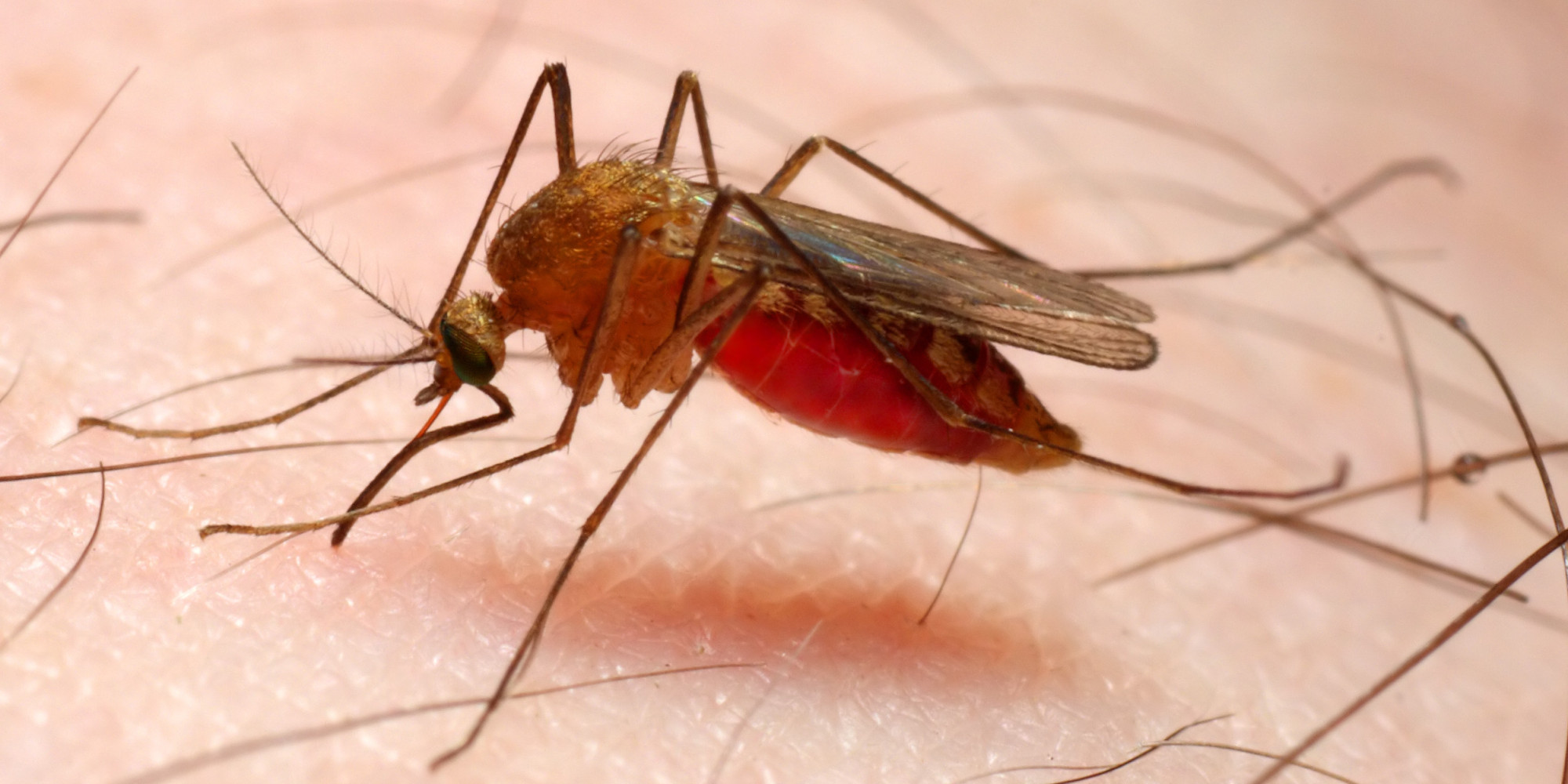
Recently, a large, international multi-center study has discovered some new clues about vulnerability to severe malaria. Dr. Sarah Dunstan of the Nossal Institute of Global Health at the University of Melbourne in Australia recounted how her and her team found those five genes that have a complex role in either protecting or making people more vulnerable to severe malaria. Dr. Dunstan and her team hope that what they have found can lead to the development of new drugs and vaccines to target malaria, as even about 20% who develop severe malaria, who have good hospital treatment, die.

For their study, Dr. Dunstan and her team examined data on around 12,000 cases of severe malaria that was collected from 12 different sites across Asia, Africa, and islands around the Pacific Ocean where access to treatment facilities can be difficult. “It involved a large number of severe malaria patients from multiple countries, which allows us to identify genes that truly have an effect on whether or not you develop severe malaria,” stated Dr. Dunstan. The team found around 30 malaria resistant genes and of those, five- HBB, ABO, ATP2B4, G6PD, and CD40LG- were found to be heavily involved in determining human vulnerability to severe malaria.


I feel that with more research into these genes and why they make humans so vulnerable to such a devastating disease new drugs and treatments can possibly be made that would be very beneficial to those with this disease. Preventing malaria in developing countries, as well as other places around the world, is a very big and significant issue.  Researching more into these genes is an important step in reducing the number of deaths due to malaria. If these researchers can successfully find a way in which to incorporate these genes into bettering the prevention of or treatment for malaria, it would life changing.

Article Link: http://www.medicalnewstoday.com/articles/283154.php


Friday, April 18, 2014

Target for Treating Dengue fever discovered

In a recent article, two papers at the University of Colorado School of Medicine researchers and colleagues may help scientist treatments or vaccines for Dengue disease, West Nile virus and yellow fever. Plus others. Dengue Fever is a disease caused by a mosquito. Jeffrey S. Kieft, associate professor of biochemistry and Molecular Genetics at the School of Medicine and colleagues published articles in a journal, known as eLife and Science, explaining how flaviviruses produced a unique RNA molecule that leads to disease. He states in the journal that the viruses use a instruction encoded on a single strand of RNA to take over the infected cell and reproduce.The virus also exploits an enzyme that cells use to destroy the RNA to produce short stretches of that RNA to help the virus avoid the immune system. To discover the structure, the scientist used a technique called x-ray crystallography, which allowed them to determine the structure of individual molecules. With this, they hope to understand how the RNA found in many different flaviviruses thwart a powerful enzyme may help scientist develop treatments or vaccines.


Original article: http://www.sciencedaily.com/releases/2014/04/140417191740.html
Secondary article: http://www.who.int/mediacentre/factsheets/fs117/en/


Saturday, April 14, 2012

"nanobubbles" single cell cancer targeting

The information in this article will be around for awhile.  Researchers at Rice University, the University of Texas MD Anderson Cancer Center and Baylor College of Medicine (BCM) have come across a new way to get caner fighting drugs just to the cell effected.  The research deals with targeting just cancer cells and treating them with drugs and treatments.  The use of the "nanobubbles" is effective yet expensive.  Nanobubbles are generated when a pulse of laser light strikes a plasmon and wave of electrons that sloshes back and forth across the surface of a metal nanoparticle.  Then by matching the wavelength of the laser to that of the plasmon, and dialing in just the right amount of laser energy the cancer cell is targeted and administered the drugs.  Researchers are able to separate the healthy cells form the cancer cells and place this nanobubble around it that basically explodes it and creates holes for the drugs to rush in and kill it.  This has not yet been tried in animals, so it does have a long way to go before it helps humans out, but it is a very big step forward to a new way of chemotherapy.