Showing posts with label vaccine. Show all posts

Tuesday, November 14, 2023

Gene Editing Can Make Chickens Resistant to Bird Flu

    For decades genetic modification has been occurring, and just recently have we found a way to soon stop the spread of disease on farms. This issue comes after the recent outbreak which affected the poultry industry when millions of chickens had to be put down or were killed due to the illness. 

    However, just recently after making some adjustments to a singular gene it was discovered that chickens became resistant to an avian influenza infection. With this knowledge, genetic modification could help in stopping viruses from replicating inside animals and stop them from transmitting different diseases and flus to other animals and people.

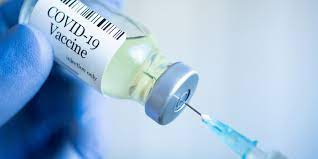
    The two images to the right show the injection of vaccines into chickens. Yes, vaccines have been created to help defend against the flu, but we are faced with many issues when it comes to using them. The vaccine is very costly, and the flu/virus is able to adapt so that it can elude the protection the vaccine offers. Therefore, genetic modification would be the best way to fix this issue considering that gene editing has permanent results.


    A gene called ANP32A directs chicken cells what they need to do in order to make a protein which the flu viruses rely on so that they can take over those cells. After doing a study with chicken cells grown in a lab it was found that when you eliminate the three ANP32 genes from the chicken cells the virus stopped replicating completely. More testing is being done for other genes due to the fact that could cause problems with chicken developments.


Main Source: 

Gene editing can make chickens resistant to bird flu (sciencenews.org)

Extra Links:

Using gene editing to fight deadly genetic diseases | News | Harvard T.H. Chan School of Public Health


Thursday, October 26, 2023

A Decreased Risk of Alzheimer's and Parkinson's in Your Genes?

Alzheimer's, Parkinson's, and The DR4 Gene


    A recent Stanford led medical study about Parkinson's disease (PD) and Alzheimer's disease has revealed that people with a mutation of the DR4 gene have a decreased risk of PD and Alzheimer's. About 1 in 5 people carry the mutation of the DR4 gene, which was discovered to reduce the chance of developing PD or Alzheimer's by 10%. Researchers also believe the tau proteins involved in Alzheimer's may also be involved with PD, hence the close relatedness of decreased risks that we see in this article and the gathered genomic-based conclusions. Other studies have shown that the DR4 mutation protects against PD, and combining the new research, it is believed that it may pose the same effect in preventing Alzheimer's. The data suggested that in people with DR4, there were fewer neurofibrillary tangles, which as associated with the tau proteins that aggressively effect the brains of those with Alzheimer's disease as it progresses, creating the plaque that impairs cognition.  There are immunological connections with DR4 as well, and they are promising enough to possibly initiate the creation of a vaccine that can attack and destroy the fibers that create the tau proteins coating the brain.

    With a significant increase in patients with both PD and Alzheimer's, this idea of a vaccine could be very promising and useful in the near future. Also, the fact that the scientists at Stanford were able to discover and pinpoint the exact gene is also very exciting as well. As we continue to make these advances in science and medicine, many things are looking up in our future and the future of middle aged individuals that will soon be susceptible to deteriorating and life altering diseases and conditions. Overall, this article was exciting to read because of how relevant this is to the conditions we are facing in the medical field, and have been, over the past two decades. With this in mind, what these scientists and Stanford University are doing is amazing, and I am ecstatic to be in the field of biology at this time in our world!


LINKS:

1) https://med.stanford.edu/news/all-news/2023/08/stanford-medicine-led-study-finds-genetic-factor-fends-off-alzhe.html 

2) https://www.sciencealert.com/a-single-gene-variant-protects-from-both-alzheimers-and-parkinsons 

Friday, October 20, 2023

Tasmanian Devils Threatened by an Infectious Cancer

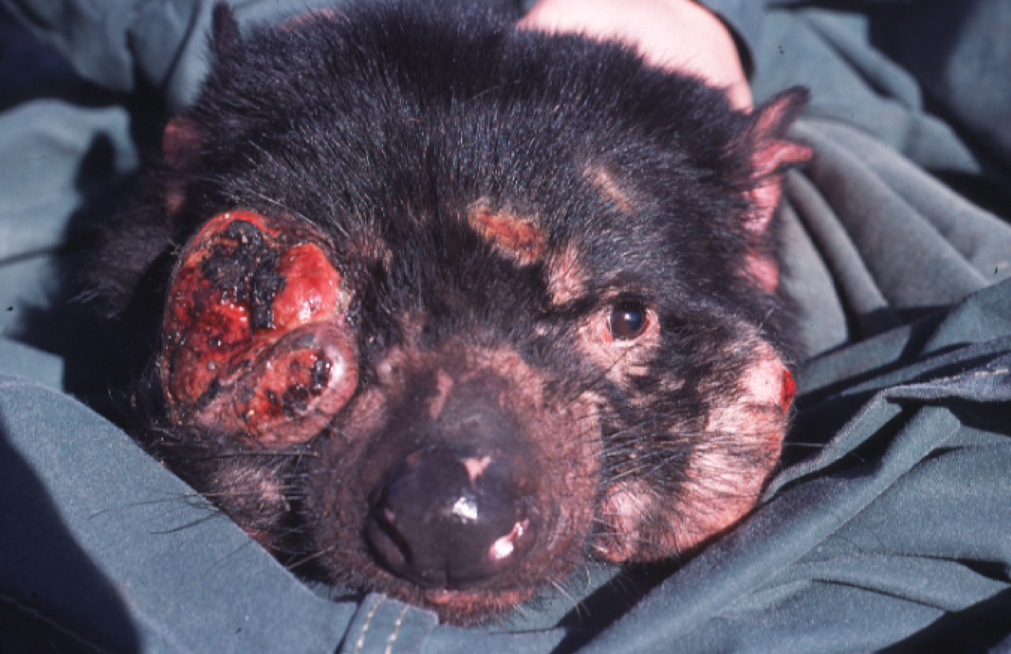
In the mid-1990s zoologists in Tasmania noticed something grotesque. Growing from the maws of one of the world's most tenacious carnivores were masses of malignant tumors. The Tasmanian Devil Sarcophilus harrisii is famed for its high prey drive, aggressive social behaviors, and its loud vocalizations. These tumors quickly popped up on Tasmanian Devils throughout the island, an epidemic of cancer. Most cancers are isolated to the individual afflicted by the cancer, meaning that the cancer starts its cycle and ends its cycle (usually this means death) within the body of the infected. The cancer afflicting Tasmanian Devils was quickly recognized as transmissible via contact with body fluids, and named "Devil Facial Tumor Disease" (DFTD for short). As previously mentioned, DFTD spreads from contact with bodily fluids, Tasmanian Devils have the unfortunate habit of communicating with one another through bites and open mouth displays meant to intimidate rival devils. This pattern of behavior makes it very likely that an infected individual will spread DFTD to an uninfected individual via saliva or any open wounds on the face caused by previous squabbles. 

A pair of Tasmanian Devils biting one another, a common transmission vector for DFTD

DFTD has decimated 80% of the Tasmanian Devil wild populations and is a serious concern amongst conservationists as it could very well mean extinction for the Tasmanian Devil. DFTD cells exhibit tetraploidy, meaning that they have four sets of chromosomes instead of the typical diploid condition. DFTD cells also release Major Histocompatibility Complexes (MCH) which trick the Devil's immune system into thinking that the tumor cells are normal diploid somatic cells.

A Tasmanian Devil with advanced DFTD

 This bizarre distinction between the chromosome counts and the release of specific MCH molecules aids scientists in saving the species through vaccines. Previous efforts to create and implement vaccines using dead DFTD cells have had some success in the past, however, these vaccines were only effective in about 20% of the population with the remaining 80% still at risk of dying. Earlier this year an mRNA Adenovirus Vaccine was approved to be tested on captive populations. Much like the Covid-19 Vaccines, this new DFTD vaccine uses a modified adenovirus to break into cells and insert proteins similar to the MCH into the Tasmanian Devil's body.

 This, in theory, should train the Tasmanian Devil's immune system to recognize MCH molecules in the body as a foreign threat. By mounting an immune response to the MCH proteins, DFTD cells that also produce those proteins will be unable to trick the Devil's immune system into allowing the tumors to enter and proliferate within the body. This will hopefully create a more effective preventative for the spread of DFTD and give these charismatic devils a leg up against the looming threat of extinction.

See Nature Article on DFTD here


Wednesday, April 27, 2022

An mRNA Vaccine to Prevent Genital Herpes


     In this article it goes in depth of how there have been only three human clinical trials that have close into finding a cure for Herpes Simplex Virus (HSV). The article then goes on as to what was learned from each trial and to what each scientist should learn from the three trials. We then go into the subject of how mRNA technology will help find a vaccine for this disease. After the COVID-19 vaccine was found in 2021, opened the eyes for many scientist who are trying to have a breakthrough with the HSV vaccine. For this study the authors are focusing on a trivalent mRNA vaccine for both HSV-1 and HSV-2. 

    For more articles like this, please click here

Thursday, December 9, 2021

mRNA HIV Vaccine


Scientists at the National Institute of Allergy and Infectious Diseases have recently tested an experimental mRNA HIV vaccine in mice and non-human primates and found promising results. The tests have shown that it is safe and is effective against HIV-like diseases. Rhesus monkeys received a priming vaccine and multiple boosters which resulted in a 79% lower exposure risk of infection to simian-human immunodeficiency virus when to compared to monkeys who had not received the vaccines. The vaccine works similar to the mRNA COVID-19 vaccines by carrying coded instructions for making two key HIV proteins instead of carrying instructions for the coronavirus spike protein. Some mild, temporary side effects were seen such as loss of appetite in the animals who received the vaccines, but the vaccine was highly tolerated. Macaques were immunized weekly for thirteen weeks, and after the thirteen weeks, 2 out of the 7 immunized remained uninfected. The other 5 had a delayed reaction at just after 8 weeks, and those not immunized became infected after three weeks. The scientists are working to refine their vaccine protocol to lower the amount of inoculations needed to produce an immune response. These results are promising to take control of one of the world's most serious health challenges.

Wednesday, April 14, 2021

Waiting Too Long Between COVID Vaccine Doses May be Risky


In some countries, like the UK, people have been waiting extended periods of time for their second COVID vaccine dose. The reason for this is to be able to administer more people with at least some level of protection before administering second doses. While this may sound like a reasonable plan, some experts warn that there is a risk to the longer wait times between doses. 

It is a possibility for an escape variant of COVID-19 to be produced, which means the virus could mutate and become resistant to the vaccine during the extended period of time. However, it is difficult to predict such a possibility and it is extremely rare. What studies have shown is reduced transmission between those who have received the vaccine, and that is what we know for now. 

Sources:

https://www.the-scientist.com/news-opinion/will-delaying-vaccine-doses-cause-a-coronavirus-escape-mutant--68424

https://www.businessinsider.com/fauci-coronavirus-variant-mutation-2nd-vaccine-dose-covid-2021-1?r=US&IR=T

Friday, December 11, 2020

mRNA Vaccines for COVID-19


    COVID-19 has been rapidly taking away lives this year and scientists all over the world have been racing against the clock to find a vaccine to help people gain immunity to this deadly disease. Until recently, mRNA vaccines never made it to phase 3 of trials. Traditional vaccines used DNA and RNA wrapped in proteins as well a small piece of the virus itself so the body becomes immune. mRNA vaccines seem to worker better against traditional vaccines. In my opinion, I am interested to see if the mRNA vaccine will make it's way to people around the world. Although no vaccine is 100% immunity or safe I believe mRNA vaccines are our best shot in defeating COVID-19.
    

https://www.health.harvard.edu/blog/why-are-mrna-vaccines-so-exciting-2020121021599

https://www.phgfoundation.org/briefing/rna-vaccines

Sunday, November 22, 2020

Why Do Covid-19 Vaccines Need to be Kept So Cold?


   As I am sure most of you have heard, Pfizer has produced a vaccine for Covid-19 and is awaiting approval from the U.S. Food and Drug Administration. However, unlike most other vaccines, their product must be stored at -70 degrees Celsius. The vaccine is based on messenger RNA, "which carries instructions for building copies of coronavirus' spike protein. Human cells read those instructions and produce copies of the protein, which in turn, prime the immune system to attack the coronavirus," (Saey, 2020). But, why does this vaccine need to be kept so cold? The main reason is in the chemical differences between RNA and DNA. RNA is used in cells to create proteins, but after the mRNA is read, is it degraded, which helps in controlling the amount of protein made. By putting RNA-based vaccines in the freezer, this prevents the enzymes from destroying the RNA, which is needed in a vaccine. Another difference between DNA and RNA is in their nucleotide bases. DNA has thymine, while RNA has uracil. The nucleotide uracil juts out from the RNA strand and causes some issues when dealing with vaccines. Uracil acts as a flag for special proteins in the immune system that are involved in detection of viruses. Lastly, RNA's single strand structure creates many secondary structures in the RNA strand, which makes RNA quite unstable. All of these obstacles in RNA make it difficult for vaccine makers to create a vaccine that allows RNA to survive at least long enough to make proteins. Storing the vaccine in extremely cold conditions aids in these RNA-based problems, but still does not solve all of the problems faced by vaccine makers. In my opinion, it is going to be nearly impossible to get vaccines to the general public with such stipulations. Unfortunately, our freezers at home don't reach -70 degrees Celsius, so storage is the biggest issue these companies face. Maybe a better way to adjust the vaccine would be to provide storage containers that allowed the vaccine to be used up to a certain amount of days. Similar to how a thermos keeps beverages hot or cold, maybe the vaccine could be placed in a device that keeps the vaccine cold until use. This may be easier than trying to reconfigure the chemical nature of the vaccine, however, vaccine makers will need more time to fix these problems before the vaccine can be distributed. 


https://www.sciencenews.org/article/coronavirus-covid-19-why-vaccines-cold-freeze-pfizer-moderna

https://www.npr.org/sections/health-shots/2020/11/17/935563377/why-does-pfizers-covid-19-vaccine-need-to-be-kept-colder-than-antarctica

Wednesday, December 11, 2019

Ebola Rendered Useless when Genetically Modified

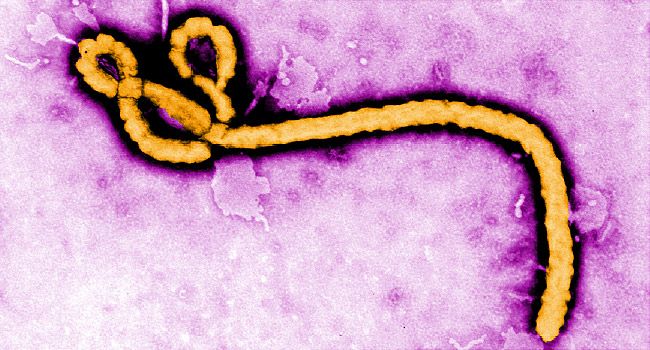
Image result for ebola virus"

The Ebola virus is notorious for being one of the most deadly viruses in the modern world. Akin to many other epidemic-causing pathogens, the Ebola virus has resulted in the deaths in over 11,000 individuals, primarily in West Africa. However, cases of this deadly virus have been documented all over the world, including 66 cases in America and over 3,000 cases in Europe.

Researchers at the Center for Microbial Pathogenesis at Georgia State University performed a study in an attempt to incapacitate Ebola in response to the growing threat of the disease. The team genetically altered a sample of Ebola, specifically changing the VP35 protein. This protein allows Ebola to fight off any early immune responses the host organism may enact. This mutated virus was not only safe for the team to work with, but is also completely ineffective. Additionally, when monkeys who had first been exposed to the mutated version of the virus were later exposed to the wild-type virus, they exhibited immunity to it.

This study is fascinating because it introduces a potential "vaccine" for the Ebola virus. With further animal and human testing, this discovery could be huge. Applications of this mutated virus would be life-changing in areas heavily affected by Ebola, and could hopefully lead to eradication of the disease as a whole.

Article: https://www.usnews.com/news/health-news/articles/2019-09-18/tiny-genetic-tweak-may-stop-ebola-virus-in-its-tracks
Related Website (Paper on the function of VP35): https://www.ncbi.nlm.nih.gov/pmc/articles/PMC3061251/

Tuesday, April 10, 2018

A vaccine for edible plants? A new plant protection method on the horizon


Pests and plant diseases can cause crop losses and can be a threat to global food security. The disease is now fought with a pesticide, that is sprayed all over plants and could also cause harm to your health. Dr. Minna Poranen found a new approach to plant protection, which involves plants fighting against pathogens with double stranded RNA molecules. This can be sprayed directly onto the leaves without harmful consequences. This vaccine triggers an innate defense mechanism of plants known as a RNA inference. This is beneficial because you can choose which pathogens you want to target by using RNA molecules, which share sequence, identify with the pest's genes, which prevents their expression. This allows us to target the plant disease or pest and keeps the expression of genes in the plant protected.  The Academy of Finland’s Synthetic Biology Research Programme demonstrated the efficacy of RNA based vaccines, using it against plant virus infections.  There is no release date as to when this vaccine will be made available because there is no relevant legislation yet.

Friday, April 28, 2017

Personalized Cancer Vaccines

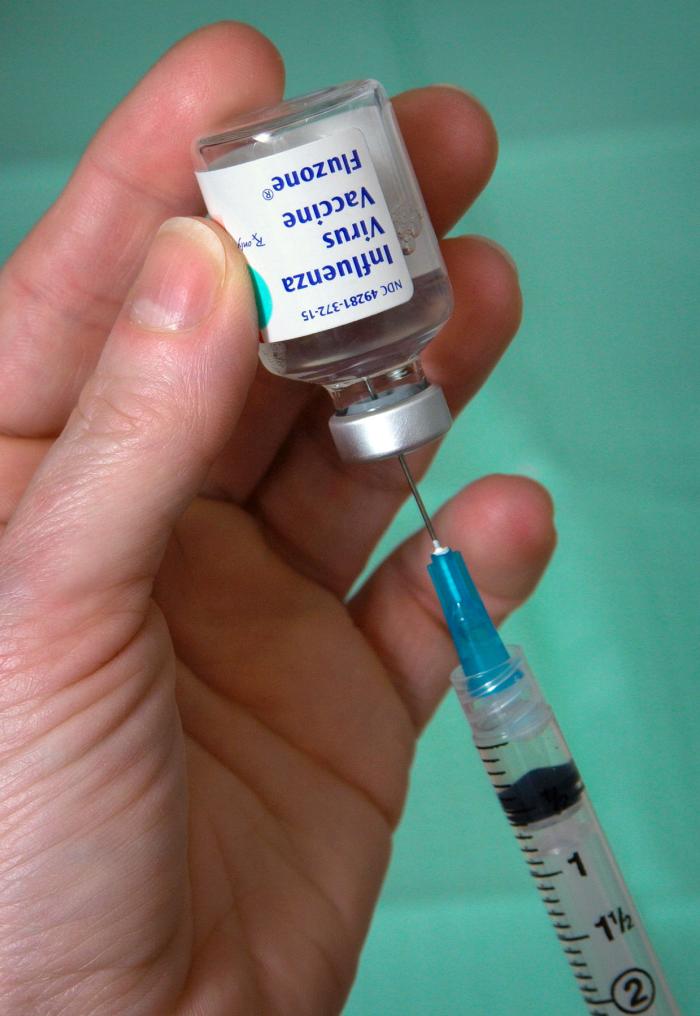
Flu vaccine. Hopefully future research will allow for individualized vaccines against cancer (photo from Wikimedia Commons)
   Although advances such as the human papillomavirus vaccine (HPV) have worked to prevent the onset certain strains of cancer, treating cancer itself is a more difficult task. Over the years, researchers have strived to create treatments tailored specifically to the patient's needs. Now, they are one step closer.
    This article highlights several recent studies that suggest the possibility of tailoring cancer treatment specifically to patients. In the past, failed vaccines targeted specific cancer proteins that were present across people with the same type of cancer. However, now work has been done to include multiple mutated genes (neoantigens) from a specific patient's tumor, in hopes of priming their immune system to fight off the cancer. In one of the studies, a patient's tumor was removed, sequenced, and the neoantigen sequences were predicted using a computational system.
    Although promising, these studies were originally designed to test the safety of such techniques. However, hopefully further studies can one day verify this as an effective means to treat cancer. This pertains to class because it suggests an application for sequencing DNA in order to create mutated proteins (through transcription and translation).

Wednesday, November 23, 2016

Progress Made on Vaccine for River Blindness

Onchocerciasis, most commonly known as river blindness, is an eye and skin infection that is predominant in sub-Saharan Africa. Blackflies live and breed on their river banks and streams, and they typically bite humans to transmit the tiny parasitic worm responsible for river blindness, Onchocerca volvulus. The worms reproduce inside the body, and their offspring migrate to the skin, where they cause intense itching and rashes, and to the eye where they cause ocular symptoms and, ultimately, blindness. A complete cure requires decades of treatment, and it can get complicated if Loa loa, another parasitic worm infection, is also involved. The World Health Organization (WHO) estimates that river blindness currently affects an approximate 18 million people worldwide. Researchers are concerned that the recent widespread use of the anti-parasitic medication ivermectin may cause the worms to eventually develop resistance to the drug.

The research initiative, The Onchocerciasis Vaccine for Africa (TOVA), was launched as a result of the London Declaration on Neglected Tropical Diseases, which called for tools to eliminate river blindness from Africa.

In the newly published research, the scientists describe sequencing the complete genome of O. volvulus worms gathered from Ecuador, Uganda and West Africa and reconstructing the genetic makeup of Wolbachia, the symbiotic bacteria that lives within the worms. The researcher identified genes that coded for common proteins and molecular reactions essential to infection. The authors noted the significance of their study towards developing potential new treatments for diseases associated with parasitic worm infections, specifically, river blindness.

The research, published this week in Nature Microbiology, was conducted in part by scientists of the National Institute of Allergy and Infectious Diseases (NIAID).  Their work has revealed insights into the workings of the parasite, and they’re now working towards designing better treatments.  Ideally, they're expecting to develop a preventive vaccine.  So far, they've identified 16 different proteins that could be used towards developing potential new medications to combat the disease.  The researchers state that their findings will support future basic and translational onchocerciasis research.

It's amazing that the genome sequencing of the worm and of its symbiotic bacteria are being utilized as a tool for the development of a vaccine.  A lot can be learned about the biological makeup of a species simply by analyzing their full genome.  This can allow us to see the problem from a fundamental perspective, or even to strategize a different approach.  Optimistically, a successful vaccine will be developed from these studies, and it'd be awesome to see the disease fully eradicated.

Tuesday, November 22, 2016

The Race for a Zika Vaccine

A vaccine for the Zika virus is much closer than anyone would anticipate. Scientists and researchers everywhere are working tirelessly to develop a vaccine from scratch that could stop Zika and its birth defects. Typically, vaccines take ten years to make, but a Zika vaccine could be available as soon as 2018, which would be a remarkable two years compared to the typical amount of time it takes to develop a vaccine. There are more than a dozen pharmaceutical and government companies working on this vaccine. Some companies are working on using DNA splicing, which has never before been approved for use in human vaccines. The motives of saving lives, along with the opportunity to make huge profits as the virus is in countries like Brazil and the US - places which can pay for public vaccination campaigns - are what is keeping this hunt for a vaccine going. Timing is crucial for the development of the vaccine. Clinical trials in South America will be done within the next few months as infection rates are expected to be high. However, if the window is missed there may be a year or longer delay as vaccines are preventative and thus will only perform as expected during a certain time frame after an outbreak.


Immunologist Dr. Fauci has led the National Institute of Allergy and Infectious Diseases for over 30 years and has played a role in every infectious outbreak since then. He is confident that a vaccine will be created for a number of reasons. The economic motivation is clear, being that the first team to create an effective vaccine will likely reap billions in profit from governments trying to eliminate the virus. Zika also belongs to a family of viruses called flaviviruses, which scientists having been fighting for years and years, and of which many vaccines already exist. Some teams went with the basic killed vaccine approach, the same one that is used for polio and the flu. It is reliable but can take decades to develop. Dr. Fauci and his team took a different approach which involves inserting a harmless part of the virus's DNA into humans which will then form Zika proteins in the body and lead the body to creating antibodies against the Zika virus in case it arrives. However, this technology has only been approved for animals, not humans. Clinical trials are starting throughout Central and South America, along with at a clinic in the University of Maryland School of Medicine. Dozens of people around the world have received potential vaccines for the virus thus far, so hopefully one will be successful. I believe that there is a very high amount of motivation around the world to form a successful vaccination for Zika, especially money. With all the new technology and techniques being tested by several different companies, at least one of them is bound to be effective very soon. This vaccine will be a huge breakthrough, considering how many people the Zika virus has already afflicted.

Monday, November 21, 2016

Researchers Race for a Zika Vaccine


As the Zika virus continues to alarm the public, government organizations from around the world race to create a vaccine. Although it is primarily in South America, the virus is quickly spreading to other regions of America. With no treatment available, it is unknown how far it could spread. Scientists are trying a number of methods to create an effective vaccine. One innovative method is DNA splicing, a method that has potential to be game-changing but has never been approved for use in humans. The most reliable method is injecting a dead virus into the body and allowing it to build immunity. The only problem with this method is that is takes time. Generally, vaccines take about a decade to make, but some researchers say one could be available as soon as 2018. We can only hope that the outbreak is brought under control in the meantime. In September, President Obama approved a package which would allocate $400 million towards vaccine research so hopefully significant progress is made soon.

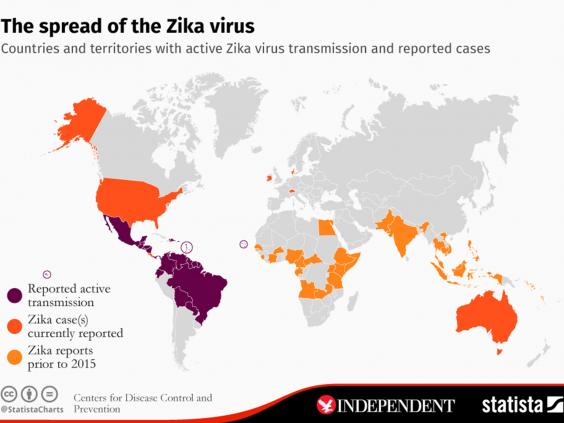
The Zika virus has spread quickly across the world. It has led to serious birth defects in infected fetuses. It is spread predominantly by mosquitoes, but can also be passed from person to person through sexual intercourse and pregnancy. The virus is in mostly warm-weather places, but it has reached the United States. Several cases have been reported in Florida. Our nation needs to be prepared to stop the virus if it reaches the rest of the country. A vaccine must be made as soon as possible.

The Race for a Zika Vaccine

The Zika virus has spread very rapidly in South America and now has said to be found in over 70 countries around the world. The Zika virus comes from mosquitos. It is a virus that effects the immune system, adult bodies are able to fight off the virus where as children and especially infants can not and the virus can kill them if they are affected. In this article they talk about how the race to who can find a vaccine to the virus has become very serious.  Many researchers all over the world mentioned that many of the companies trying to find a vaccine for the zika virus are trying to do it as quick as possible because of how fast the virus spread. There is also a lot of money involved for the first company that finds a cure. Although many of these companies  want to be the first to find the vaccination that cures zika, researchers were saying that it is more important to find a vaccine for it but it is MORE important that researchers take their time and make sure they do a good job rather then rushing the process. I completely agree with this notation because it is important that they make a product that will be effective. They are also trying to make the process quicker by trying to make the vaccine go through RNA rather then DNA because RNA is more flexible. Researchers think that they might be able to find a vaccine by 2018 but nothing is absolute, it could maybe take decades.

Zika: Researchers create powerful tool for vaccine, antiviral development

The Zika virus is a mosquito-borne member of the genus flavivirus, which includes dengue fever, yellow fever, West Nile virus, and other viruses that cause significant human diseases. The symptoms include but are not limited to: fever, rash, joint pain, muscle pain, red eyes and headache. Although not particularly deadly in most adults, the virus is extremely deadly to pregnant woman. The virus is known to cause severe birth defects. Zika reportedly causes microcephaly, and other problems that affect the eyes, hearing, and growth. Areas that are affected with Zika also have higher rates of Guillain-BarrĂ© syndrome, a rare and serious disorder of the nervous system.
Image result for where zika is most prevalentFuture Zika vaccine

Researchers from University of Texas Medical Branch (UTMB) in Galveston, Southwest University in Chongqing, China, and the University of Leuven in Belgium have come up with a powerful new tool for studying the Zika virus, as well as creating vaccines and antiviral drugs. This tool is known as a "replicon system". The replicon system creates versions of the virus that are stripped of genes that make them infectious, making them safer to work with. Replicons are portions of the viral genome that can replicate on their own, without relying on the machinery of the host cell. Thus, the replicons can be used to locate portions of the viral molecule that block production, becoming extremely effective in vaccine development.

http://www.medicalnewstoday.com/articles/314237.php
https://www.cdc.gov/zika/about/

Friday, November 18, 2016


DNA-Based Zika Vaccine Showed Protection from Infection, Brain Damage and Death


The Zika Virus has wreaked havoc on the lives of millions throughout the globe. Prior studies on Zika virus treatments have only been studied on animals who are naturally resistant to the disease, however, this new clinical study by researcher David B. Weiner, Ph.D., Executive Vice President and Director of the Vaccine Center at the Wistar Institute and the W.W. Smith Charitable Trust Professor in Cancer Research at Wistar is in the midst of establishing how a synthetic DNA vaccine approach can protect against infection, brain damage and death caused by the mosquito-borne Zika virus in vivo.1                           
                                                            
In the clinical study all animals survived when exposed to Zika and even the cerebral cortex and hippocampus areas of the brain was protected from degeneration. As the first of its kind to research using animals susceptible to the virus, this breakthrough can possibly lead to a preventative vaccine that can be used in the future. Its neuroprotective abilities can alleviate concerns over newborns developing microcephaly, which is characterized by small heads and underdevelopment of the brain.2

Currently, two human studies are being conducted in Quebec City and the United States; the results of phase I will be complete by the end of the year. A second study is also being conducted in Puerto Rico, where about 25% of people are expected to be infected. This statistic means that a placebo-controlled design for the vaccine might soon be plausible.


                             In this preclinical study, 100 percent of the animal models were protected from Zika after vaccination followed by a challenge with the Zika virus. Credit: Gino Santa Maria/Fololia


This article demonstrates the importance of epidemiological research. The Zika Virus has proven to be extremely threatening to the livelihood of both newborns and adults whom are susceptible. The consequences of infection long-lasting neurological effects. 

These new studies afford a chance to conquer the Zika Virus and prevent the neural degeneration of populations in areas that are high-risk.


SOURCES:
     1. The Wistar Institue. "DNA-based Zika vaccine showed protection from infection, brain damage and death." ScienceDaily. ScienceDaily, 10 November 2016.
<www.sciencedaily.com/releases/2016/11/161110125203.htm>

     2. David B Weiner et al. In vivo protection against ZIKV infection and pathogenesis through passive antibody transfer and active immunization with prMEnv DNA vaccine. npj Vaccines, November 2016 DOI: 10.1038/npjvaccines.2016.21

Wednesday, October 26, 2016

New Science Behind The Flu

With each flu season that comes and goes there are new vaccines created. In addition to these new vaccines there are new findings that explore possible ways to enhance the benefits of the flu vaccine as well as determine factors that cause more harm than good for patients that receive the vaccine. For instance, research has shown that nasal flu spray has not combat the flu virus and as a result researchers have advised doctors to refrain from giving patients the option of the nasal spray which is popular among children. Children will need to still get the vaccine injected since it is recommended that anyone 6 months and older receive the shot by the end of October. One difference that may be the cause of the nasal spray being less effective than before is the actual viruses it is designed to target. In previous years the nasal spray was only designed to target three different viruses, but in recent years it can target four.

 Another issues that comes about when receiving the vaccine is whether or not it will actually be effective each flu season. If a patient receives a vaccine that is design to target a specific strain of the flu repeatedly year after year, the vaccine will become less effective because the antibodies that are produced due to vaccine will decline. However, if the vaccine targets a different virus each year the body will generate an abundance of antibodies ready to attack the virus. Although it is recommended that one receives a flu vaccination to combat the flu virus it should be enough for people to practice good hand washing and mouth covering. The vaccine only protects patients from the most common strain of the virus. The strains of the flu do not change over the course of a couple of years , however, if one does not receive the correct vaccine to protect themselves from a particular strain one year they would still be safe from the other strains ,but susceptible to that one other strain.

https://www.scientificamerican.com/article/a-guide-to-the-changing-science-of-flu-shots/

http://www.cdc.gov/flu/protect/preventing.htm

Monday, March 7, 2016

Treating HIV Like Spam


David Heckerman is a Microsoft Research scientist as well as a medical doctor who has found similarities between HIV mutations and spam. In the late 1990's, Heckerman created the spam filter by using machine filtering. At first, the filter worked by filtering spam from other emails by finding specific words. Spammers then caught on to this and started ti manipulate the messages to look the same to the human, but different to the computers. Heckerman then changed the filter so that it filtered out emails that were meant to collect money.


The researcher began to find interest in finding the treatment for HIV. He stated, "Spammers mutate their spam messages to work around our filters, and HIV mutates itself to avoid attack by our immune
system." Based on this analogy, Heckerman and his team used machine learning to find weak links in mutated HIV. Their first approach was finding out where the immune systems of people who were infected by HIV, but not extremely ill were attacking HIV. They compared the location of this attack to people who were infected and very sick. The researchers did find some differences in the location of the attacks between the controlled and non-controlled. The other method was to simulate the physical properties of the protein after mutation and see which mutations destabilized the proteins. The results for the 2 methods were quite similar. 


Heckerman and his team have a new and unique approach to treating HIV. Heckerman's next step is to find a safe and effective vaccine that will attack vulnerable regions instead of attacking at random. This research could lead to a breakthrough in treating a virus that kills 1.8 million people yearly. Being able to relate his research on spam to HIV will hopefully have a significant impact on many people's lives.