Showing posts with label HIV. Show all posts

Friday, March 15, 2024

New Approach to Fight HIV

 mRNAs were found to be valuable in the COVID-19 pandemic. Researchers used the knowledge that they had from mRNAs and found that siRNAs are also a valuable tool in genetics. These siRNAs, or small interfering RNAs, regulate which genes or proteins are turned on or off in our cells. It was discovered that these showed a 73% reduction in HIV replication. HIV has two important aspects to it, Nef, a protein that prevents cells from activating autophagy, and CCR5, a gene that allows the virus to enter the cell. It would be these siRNAs that would target both Nef and CCR5 to help reduce the HIV replication. This particular form of gene therapy would be applied vaginally and the siRNAs would only release once inside the cells. 

This is truly an important breakthrough in medicine, as HIV has been a problem for many years now. With new knowledge and new ways to test pharmaceuticals, we can hopefully reach a cure soon. While this article talks about the female treatment, it leaves out any discoveries on male treatment for this disease. Both male and female populations are at risk for HIV and should both be studied and tested for treatments and cures. If they found that siRNAs can be used for HIV treatment in females, shouldn't it be possible for treatment in males?


Saturday, April 9, 2022

Ethical Debate Surrounding the Protection of "CRISPR babies"


There are discussions in China’s bioethics community to set up a research center to ensure the well being of the first children born with edited genomes. He Jianki announced that he had created babies with altered genomes in 2018, and these discussions began following the possibility of his release from prison. In the latest proposal, researchers have said that these children would need special protection as they are a “vulnerable group”. Gene editing could create errors in their genome which could potentially be passed to their children, and their genome should be sequenced regularly just to ensure that there aren’t any abnormalities. Because there are no updates on the children’s current condition, it’s difficult to make recommendations. 

He implanted embryos in which he used CRISPR-Cas9 to edit CCR5 in an effort to make them resistant to HIV. As a result of this, twins were born in 2018. The parents agreed to this because of the fact that the father was HIV positive. In 2019 He was sentenced to 3 years in prison. The children are toddlers now, and are the only children with an edited genome. Despite promising that these children would have medical insurance, they were born prematurely which interfered with that promise and were initially denied medical insurance. He stepped in to pay.

This article brings up the issue of excessive surveillance. While these children are vulnerable, there are also social and psychological risks to be accounted for in the recommendations on how to properly protect them. These children would have to endure medical testing regularly throughout their life, which could have an effect on their mental health and a variety of other components of their lives. It is interesting to see the ethical side to certain medical situations, as the editing of their genome could have a long term effect on their psychological health.

Thursday, December 9, 2021

mRNA HIV Vaccine


Scientists at the National Institute of Allergy and Infectious Diseases have recently tested an experimental mRNA HIV vaccine in mice and non-human primates and found promising results. The tests have shown that it is safe and is effective against HIV-like diseases. Rhesus monkeys received a priming vaccine and multiple boosters which resulted in a 79% lower exposure risk of infection to simian-human immunodeficiency virus when to compared to monkeys who had not received the vaccines. The vaccine works similar to the mRNA COVID-19 vaccines by carrying coded instructions for making two key HIV proteins instead of carrying instructions for the coronavirus spike protein. Some mild, temporary side effects were seen such as loss of appetite in the animals who received the vaccines, but the vaccine was highly tolerated. Macaques were immunized weekly for thirteen weeks, and after the thirteen weeks, 2 out of the 7 immunized remained uninfected. The other 5 had a delayed reaction at just after 8 weeks, and those not immunized became infected after three weeks. The scientists are working to refine their vaccine protocol to lower the amount of inoculations needed to produce an immune response. These results are promising to take control of one of the world's most serious health challenges.

Tuesday, August 3, 2021

HIV: Defeated Naturally By A Human's Immune System

 This HIV/AIDS Specialist Explains Its Similarities — And Differences — To  COVID-19

In this article, it discusses multiple cases of people who naturally cured their own HIV. In the past, there has been two cases where people have been cured of HIV when receiving a bone marrow transplant, but now we have seen someone cure it with their own immune system. A patient who had the virus, eventually showed no functional HIV copies in any of their cells, even though they still had some nonfunctional copies of the virus, it suggests that some people's immune systems can eliminate the virus on its own like usual. Another patient, only had one functional copy out of 1 billion blood cells, and it was stuck in a genetic prison, which can hold the key to controlling the virus because they did not need antiretroviral drugs. In understanding the extensive nature of this, the first patient had undetectable levels of the virus without drugs for 24 years.

Studying their immune systems on how it fights the virus, could change all treatments of HIV as we know it and could lead us to cure, but it is still a huge question right now.

Links:

https://www.sciencenews.org/article/hiv-immune-system-elite-controllers

https://www.cdc.gov/hiv/basics/whatishiv.html


Friday, July 30, 2021

Rescuing Children Born Without Immune Systems With HIV Gene Therapy Methods

    Experimental gene therapy leads to 48 out of 50 young children born without immune systems being able to acquire an essentially normal immune system.  Children born without an immune system can experience life-threatening illnesses from simple day-to-day activities. 50 of the young children had a form of immune deficiency called ADA-SCID. This is where a faulty gene causes a buildup in the bloodstream with a common and natural biochemical called adenosine. By utilizing experimental gene therapy inside a newborn's body the genetic defect that causes immune deficiency is able to be fixed. The procedure uses a modified, harmless version of AIDS-causing human immunodeficiency virus (HIV) in order to cure the patient.  During the procedure, doctors extract some of a child's bone marrow and expose it to a modified version of HIV containing a cloned, normal copy of their broken gene. "We collect blood-forming stem cells from the bone marrow of these patients, bring them to the laboratory, use this lentiviral vector to insert this normal gene into their stem cells, and then they're given back to the patients by intravenous infusion," said lead researcher Dr. Donald Kohn. Then children undergo chemotherapy to destroy their faulty bone marrow, and the new genetically modified cells are put back in as a replacement. Children who have had this procedure have not needed any other medical assistance pertaining to their previous immune deficiency after the gene therapy.

Helpful Links:

Gene Therapy Uses HIV to Rescue Kids Born Without Immune System

Adenosine deaminase deficiency


By Katherine Morone

Friday, April 16, 2021

A person's immune system beat HIV


It was recently discovered that small number of people are able to naturally cure themselves of an HIV infection. A person referred to as EC2, once had HIV but showed no functional copies of the virus in the 1.5 billion cells analyzed. However, EC2 did still have some nonfunctional copies of HIV left behind. In another person labeled EC1, only 1 of 1 billion cells contained functional copies of HIV. These two people are referred to as "elite controllers" and they are some of the few people to have kept the HIV under control without medication. It has been difficult for researchers to determine the mechanism for how the elite controllers keep functional HIV copies at a minimum. Studies indicate that elite controllers have a genetic variant in their immune system that contributes to their control of viruses. Researchers then inserted the functional HIV into DNA from 64 elite controllers and 41 HIV-infected participants on antiretroviral drugs. The DNA from elite controllers maintained low levels of functional HIV for a median of 9 years. It has been hypothesized that elite controllers were rather lucky when first being infected with HIV because it was stored in the heterochromatin. Therefore, the HIV was most likely to stay inert and not replicate rapidly as if it were in other parts of the human genome. Overall, the suspicion is that the elite controllers' immune system first destroys cells producing functional HIV, which then leaves only fragments of HIV, which is then stored in heterochromatin for containment. The exact mechanism for this process is still under investigation. 

References 

C. Jiang et al. Distinct viral reservoirs in individuals with spontaneous control of HIV-1. Nature. August 26, 2020. doi: 10.1038/s41586-020-2651-8

Saey, T. H. (2021, January 30). In a first, a person's immune system fought HIV - and won. Retrieved from https://www.sciencenews.org/article/hiv-immune-system-elite-controllers

Friday, February 5, 2021

When will "Designer Babies" be ready?


CRISPR technology has been the newest technology in the science world that will continue to move forward. But it is still not ready to create “designer babies” yet. Although it was recently used to create the COVID vaccine, CRISPR-Cas9 more specifically is reportedly still not ready for use, also from an ethical standpoint as well. One reason is still due to the unknown long-term effects it can have. Studies have shown that there have been still some unwanted changes occurring, even with how accurate the technology is. 

Still remembering back to the illegal experiments performed by Chinese biophysicist in 2018, He Jiankui, carried out when editing and allowing the birth of twin girls for resistance to HIV infection. HIV would enter through a protein, and Jiankui disabled this protein by editing & disabling CCR5. Many scientists disagreed with this approach and one main reason is due to the fact that is not the only way HIV can enter a cell. CRISPR-Cas9 still has a lot to prove in terms of precisely editing without causing other adverse effects as well as ethically being allowed by nations. But I also believe it will be the future of technology and hopefully help eradicate the genetic variations & diseases that cause distress to so many families. 


https://www.nature.com/articles/d41586-020-02538-4

https://www.nature.com/articles/d41586-018-07545-0

Wednesday, November 18, 2020

A Genetic Mystery

 Subject: HIV and Elite Controllers 

Article: ¨In a first, a person's immune system fought HIV-- and won¨ 


Summary: The immune system is vital to our existence when it comes to the ability to fend diseases and illness. It's a defense system that consists of cells and tissues that form proteins and organs that detect any harmful foreign bodies. HIV, a degenerative condition attacks the immune system that can turn critical and in some cases rather lethal. HIV is a human immunological deficiency virus that infiltrates the blood system and spreads the infection at a rapid pace. In most cases if untreated can become much more serious and can develop into AIDS. In the article ¨In a first, a person's immune system fought HIV-- and won¨ a study has shown that there is a rare group of people known as the ¨elite controllers¨ whose immune system had been able to attack or isolate the disease to a point where it is nearly undetectable. While treatment had consisted of drugs to manage the disease as well as other alternatives like marrow cell transplants. HIV is a disease that takes over the immune system depleting the defense mechanism of white blood cells and antibodies.  As the disease latches onto the RNA and DNA of its host, allowing replication of the virus to occur. After studying millions of blood cells from two patients known as EC2 and EC1 what seemed to have occured is that there were whole intact viruses that had been isolated into heterochromatin. Which leaves many questions for scientists, how does the immune system know how to do this? 


Article Link: https://www.sciencenews.org/article/hiv-immune-system-elite-controllers 

Supporting Link(s): https://www.medicalnewstoday.com/articles/320101 

https://www.cdc.gov/hiv/basics/whatishiv.html 


Wednesday, November 27, 2019

Removal of HIV from Mice

Image result for hiv

https://www.medicalnewstoday.com/articles/325653.php#1

Related Article:
https://www.nature.com/articles/s41467-019-10366-y


Two sequential treatments are necessary to completely remove HIV from mice. The first treatment involves a long-acting slow-effective release (LASER) form of antiretroviral therapy (ART; the use of HIV medicines to treat HIV infection). The second treatment requires the removal of viral DNA using a gene editing tool called CRISPR-Cas9. LASER antiretroviral therapy medications take the form of nanocrystals that can quickly penetrate tissues with inactive HIV. Once inside the cells infected by HIV, the nanocrystals will release their payload gradually over several weeks. The purpose of LASER is to suppress HIV replication long enough for CRISPR-Cas9 to completely rid the cells of the viral DNA. Researchers treated mice models (with human T cells that could easily contract HIV) with LASER antiretroviral therapy followed by CRISPR-Cas9 and saw that there was no trace of HIV DNA in around one-third of the animals.

I thought this article was cool because there could be a possibility that HIV could be removed from humans using this method or a variation of it. I hope that it becomes possible in the near future because there is currently no cure for HIV. This article made me feel optimistic about how there will be many new discoveries of cures for incurable conditions in the near future.

Saturday, September 21, 2019

Scientists Try CRISPR To Fight HIV


A study was performed by Chinese researchers in the New England Journal of Medicine where they used CRISPR to try to cure a patient's HIV.  They did this by using blood cells that were altered to resist AIDS.  This was also the first published study where scientists used CRISPR to treat a disease where the DNA that was changed was restricted to that person only.  They tested this on a 27-year-old man who had HIV.  He needed a blood stem cell transplant in order to treat cancer.  In two prior cases, two men were cured of both diseases by transplants from donors who had a gene mutation that actually prevented HIV from ever entering the cells.


Because donors with this resistance to HIV are rare, these Chinese researchers tried to "edit" the genes in order to imitate this mutation.  Although this transplant didn't cure the mans HIV, it did put him in remission and the genes that were "edited" were still working even 19 months later.  Of course, scientists need to continue to work on this to make gene editing more efficient, but one of the upsides to this gene-editing technique was that in multiple different tests, it was shown that gene-editing didn't have any unwanted effects on any other genes.

This study shows how big of an advancement CRISPR could be in curing and preventing diseases if they continue to test it.  What I found the most important in this research was that even though the purpose of curing the HIV virus in this particular study didn't work, it showed that it didn't have any unwanted effects on other genes that weren't being edited.  If that were the case, it could have led to many more issues with different genes being edited that were never meant to be.

https://japantoday.com/category/features/health/a-gene-editing-first-scientists-tried-crispr-to-fight-hiv
http://sites.tufts.edu/crispr/applications/hiv-treatment/
https://www.cbsnews.com/news/gene-editing-crispr-remove-hiv-infection-in-mice/

Monday, July 29, 2019

HIV Eliminated From the Genomes of Living Animals

       Researchers at the Lewis Katz School of Medicine at Temple University and the University of Nebraska Medical Center have for the first time eliminated HIV-1 DNA from the genomes of living animals. Kamel Khalili, Laura H. Carnell, and Lewis Katz say that their study "shows that treatment to suppress HIV replication, when given sequentially, can eliminate HIV from the cells and organs of infected animals. HIV is currently being treated with antiretroviral therapy (ART) which does not eliminate HIV from the body, and consequently requires lifetime use. If this therapy is stopped, HIV rebounds, and begins to integrate its genome into cells of the immune system where it can no longer be targeted by ART.

Image result for hiv molecule     
       Previously Dr. Khalili's team developed a method using CRISPR technology to develop a gene editing system which aims to remove HIV DNA from genomes that contain it, named CRISPR Cas9. This system proved effective in mice as it was able to remove large fragments of HIV DNA which greatly slowed HIV expression. However, this can only slow HIV, not eliminate it.

      In this study Khalili combined this system with another antiretroviral therapeutic strategy known as LASER (long acting slow effective release) He hypothesized that LASER ART could suppress HIV replication long enough for CRISPR Cas9 to excise the viral DNA. To test this theory, the team used mice engineered to produce human T cells susceptible to HIV infection. These cells were then treated with LASER ART prior to treatment using CRISPR Cas9. After the treatment cycle genomes of mice were then analyzed and it was found that HIV DNA had been completely eliminated in roughly 1/3 of infected mice. Khalili says that after this finding the path to curing HIV now becomes more clear and he plans to further test this system on primates and is optimistic that human clinical trials could begin within the next year.
Image result for crispr cas9https://www.sciencedaily.com/releases/2019/07/190702112844.htm

Monday, December 3, 2018

Implications of Jiankui's Genetically Modified Babies


The latest news in genetics comes out of Shenzhen, China where an associate professor of bioengineering at the Southern University of Science and Technology, He Jiankui, claims that two little girls are the world’s first genetically edited newborn babies. Using CRISPR, Jiankui has modified the babies’ genes to make them resistant to infection from HIV. The father of the babies is said to be positive for HIV. As of November 27th (the date of the article), there was no data to demonstrate how this experiment took place but is said to speak on more on the topic. The University has condemned the topic and even issued a statement saying that they had no idea that the project was going on.


How HIV infects cells via CCR5


In a Youtube video, Jiankui claimed that he used CRISPR to disable CCR5, a protein receptor that allows HIV to infect blood cells. On specific mutation, Delta32, disables HIV from locking onto the cell. In theory, if all individuals carried this mutant allele, then nobody would be able to get AIDs from HIV. CRISPR has been used in the laboratory for many situations, like eliminating diseases and improving the health of different crops. This technique, though, has never been used on human embryos, and therefore the results are unknown. One major problem is that CRISPR can cause off-target mutations to genes away from the target genes, and therefore can have many other implications.

Many companies are already looking to gene therapies in adults to edit the CCR5 cells in adults. In theory, scientists would remove blood from HIV positive patients, delete the CCR5 protein and return the cell back to the patient. It seems like every action has a reaction, and in this sense, getting rid of the CCR5 protein would increase susceptibility to West Nile virus, which is already seen in the real world when individuals are born without the CCR5 protein. Overall, Jiankui wrote a piece that discussed the core principles in the genetic editing of human embryos.

I am very interested in ethics in relation to science, and especially in relation to genetic editing. I believe that it should be interesting to see the effects of this experiment over time. I do not feel strongly for or against human genome editing or the idea of “designer babies”. If this experiment works and is able to basically eliminate HIV and AIDs ability to infect humans, think of what other uses human genome editing could have. Genetic cancers could be cured, and other genetic diseases could be edited. I think the use of genome editing for superficial purposes is unethical at this point in time. I think that the world has a ways to go in terms of being able to accept genetic editing and there will always be disagreement for it. Overall, the effects of this experiment will be interesting to see how it changes genetics forever, and it is so cool to see this monumental moment in scientific history.
Thursday, May 4, 2017

HIV vs. CRISPR


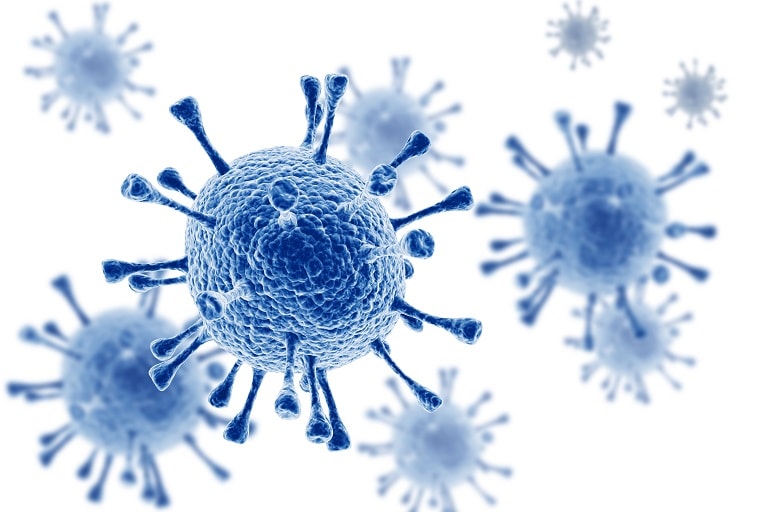
HIV is one of the most prolific viruses out there capable of killing not only individuals but entire communities, because of the way it spreads and humanities inability to cure it.  However new information is coming out from the Lewis Katz School of medicine at Temple University that could halt HIV in its tracks.  This new technology, which is based off of the CRISPR/Cas9 technology, was built of the premise that you could use gene editing to remove the HIV-1 gene from infected cells in an infected victim.  Recently the researchers provided a proof of concept where they removed the gene from transgenic mice.  The technology even managed to find the HIV-1 gene that was carried in latent T cells, which can usually avoid detection.  
      VS.


For the original article here 
For more information on Aids Here

Tuesday, May 2, 2017

Eliminating HIV-1

One major reason it is so hard to find a cure for HIV is that it has the ability to hide itself in latent reservoirs. Researches have just found they can extract HIV DNA from the genome of living animals to keep the virus from spreading. The scientists were able to infect mice with a human sample and successfully extracted the HIV DNA. These scientists from the Lewis Katz School of Medicine at Temple University, were the first to be able to turn off replication of the virus. This is a huge discovery because even though there is no cure for HIV, we can at least keep it from spreading which in the long run could eliminate the virus from existence.


https://www.sciencedaily.com/releases/2017/05/170501112514.htm

http://www.sciencedirect.com/science/article/pii/S1525001617301107

Saturday, November 26, 2016

HIV Resistant Embryos

There is a new evolution in human genetics - researchers in China have successfully edited the genes of a human embryo to be resistant to HIV infections. They did this by modifying a gene that is known to be linked to a blood disease. This is only the second time that gene editing in humans has been published.
To make the embryos resistant to HIV infection, researchers had to introduce a mutation that shut down the gene CCR5. This mutation is found in some humans, which explains why they are resistant to HIV. This mutation does not allow the infection to enter blood cells, preventing HIV. The scientists were among the first to introduce this mutation by using a system called CRISPR. Some scientists argue that this experiment just made headway with this way of manipulating cells, they did not make any significant scientific findings in working with human embryos.
There are still others that argue that there are things wrong with the way the experiment was conducted. The research was done on human embryos. Although they were embryos with extra chromosomes, making them not viable, there is still a question about ethics. Some scientists wonder if this experiment was necessary. While others wonder where this information can lead us to. There are a few that see nothing wrong with the experiments with embryos.
With this research on the table, there is no saying where embryo experiments can start, what types of eggs they use, and when they end. Will it get to the point that scientists can create a genetically modified human? Only time, and evolution of laws and ethics, can tell.

Sunday, November 6, 2016

H.I.V. Arrived in the U.S. Long Before ‘Patient Zero’

There is a legend that Patient Zero, Gaetan Dugas, a French Canadian flight attendant supposedly picked up H.I.V. in Haiti or Africa and spread it to many men before he died in 1984. He is also sometimes blamed for almost all AIDS cases in the United Sates, from Zaire to Haiti to New York in 1969-1971. A new genetic analysis of blood samples that were stored declared that Dugas is innocent. The analysis showed that Digas’s blood that was sampled in 1983 contained a viral strain that was already infecting men in New York before he went to gay bars in New York in 1974.  Dugas was originally the focal point of the epidemic because he kept a diary about his travels and he gave names to investigators. The researchers also reflected on the fact that they originally believed that the epidemic could be blamed on just one person, but now looking at it, it seems like it is not plausible because the epidemic was too widespread in Africa.
New Research Sheds Light On How to Penetrate HIV's Hiding Spots


            Dr. Jacques Pepin is an infectious disease specialist at the University of Sherbrooke in Quebec showed that H.I.V. was carried from Kinshasa to Haiti in the 1960s. It was probably carried by one the Haitian civil servants that was recruited by the United Nations to work in the Beglian Congo. He also explained that Haiti was a sex-tourism destination for gay men, which is another way that the virus could have travelled to New York. More blood samples that were stored away in 19798 and 1979 from New York and San Francisco were analyzed. They showed that all of the New York samples all derive from one Haitian strain and the San Francisco strain were so closely related that they probably both derived from one person, or multiple people introducing the strain in New York. The myth of patient zero is being put to an end because of the new genetic studies that have been under analysis. Before reading this article I was confused on who Patient Zero actually was, and it came to a surprise that it was all blamed on one person, because as mentioned above, the researchers on this case thought that was absurd as well. It is crazy to think that the researchers are coming across this information now after so much time has passed after the discovery of H.I.V. and after publishing all of the data that they already had about Patient Zero.