Showing posts with label mRNA. Show all posts

Wednesday, April 29, 2026

DNA Picks Favorites


Research from Kyoto University claims that cells can recognize inefficient genetic instructions and basically silence them. The protein DHX29 plays a fundamental part in this research. DHX29 identifies and silences

inefficient messages. The research from scientists at Kyoto University showed that the protein recognizes weaker

messages when it is physically interacting with the 80S ribosome. Once it notices the weak message, it uses another

protein called CGIGF2•4EHP to specifically suppress that mRNA, and therefore, halting that gene's output. This research suggests that our DNA does not simply control which genes go on and off, but how the particular makeup of those genes affects their endpoint. This could help elucidate how "silent" mutations disrupt expression and contribute to disease.

Photo/Article: https://www.sciencedaily.com/releases/2026/04/260408225946.htm 

Second Article: https://www.kyoto-u.ac.jp/en/research-news/2026-03-23 

Saturday, March 15, 2025

Tardigrade Protein Could Help Cancer Patients Handle Radiation

 A recent study by MIT and other institutions has found a way to potentially protect cancer patients from the harmful effects of radiation therapy. Scientists were inspired by tardigrades, also known as "water bears," as these tiny creatures are known for their extreme survival abilities, including resistance to radiation. Researchers identified a special protein called Dsup that protects the tardigrade's DNA from any damage. On injecting the mRNA that encodes for Dsup protein in mice, they found that it decreased radiation-induced damage by 50%. Since radiation therapy is essential for treating many types of cancer but often causes painful side effects like mouth sores or internal bleeding, this could be a game changer for cancer patients who suffer from the painful side effects of radiation treatment.


                This discovery could make radiation therapy safer and more tolerable for patients. If this technique is refined for human use, it could also help protect astronauts from space radiation or reduce damage from chemotherapy. However, there are still some challenges, like ensuring that the protein does not trigger any immune responses in humans. Therefore, more research is needed before it can become a treatment, but it's still an exciting step forward in cancer therapy.

Wednesday, November 20, 2024

Alternative Transcription Initiation Sites in Soybean Genes


 The discovery of DNA's double helix structure occurred more than 70 years ago. Scientists have found a new way to read this structure within genes. Many species of plants and animals have reference genomes which are used by researchers for their own genetic analysis. The soybean genome is used widely in agricultural research for commercial and industrial purposes. While the soybean reference genome may be very advanced, it was missing locations for transcription initiation sites for individual genes within it-- until now.

Transcription initiation sites are locations in DNA that act as the start of transcription, where an mRNA copy of DNA is synthesized to then be translated into a protein. By finding where these sites are within a genome, it allows for a better understanding of how genes are expressed. Normally, transcription initiation sites are located around a TATA box (a thymine and adenine rich DNA sequence), but researcher and major contributor to the soybean reference genome Jianxin Ma disagrees. He and his researchers found that the predicted transcription initiation sites on the reference gene had only about 3% accuracy based on their new study. They identified transcription initiation sites in roughly 40,000 genes. These sites had sequences that varied from what was normally expected. By further completing the database, it improves its effectiveness as a research tool for many geneticists.

https://www.sciencedaily.com/releases/2024/11/241119181836.htm
https://academic.oup.com/plcell/advance-article/doi/10.1093/plcell/koae288/7900478#493737809


Sunday, March 17, 2024

Gene Therapy for High Cholesterol

 In 2023, two new gene therapies for high cholesterol were researched and found promising results. One of these therapies involved the gene-editing that targets the PCSK9 gene, this approach would make a small change in the gene. This editing would delete the gene's ability to charge a rise in the cholesterol levels. From extensive research, in theory, this would be a one time treatment that would last a lifetime. The second treatment focused on a particular type of cholesterol [lipoprotein(a)], which is a genetic condition, therefore diet and exercise would not make a difference. The study uses a drug called lipodisiran, which targets the mRNA. This targeted mRNA tells the body to produce Lp(a), but it is this drug that shuts down that process. Of course, there still needs to be more trials for both of these therapies, as they are new and had only a small sample size. 

In the United States many people face high cholesterol, whether it be from birth, genetic, or through their diet. If the situations are bad enough, diet and exercise can only go so far and the statins that they are prescribed might become too mild for their levels. Having these intense therapies would help millions of people, not only in America, but also all around the world. Dietary health is very important to a human being's wellness. Having a balanced diet can aid in other health problems and potentially prevent some. 


Friday, March 15, 2024

New Approach to Fight HIV

 mRNAs were found to be valuable in the COVID-19 pandemic. Researchers used the knowledge that they had from mRNAs and found that siRNAs are also a valuable tool in genetics. These siRNAs, or small interfering RNAs, regulate which genes or proteins are turned on or off in our cells. It was discovered that these showed a 73% reduction in HIV replication. HIV has two important aspects to it, Nef, a protein that prevents cells from activating autophagy, and CCR5, a gene that allows the virus to enter the cell. It would be these siRNAs that would target both Nef and CCR5 to help reduce the HIV replication. This particular form of gene therapy would be applied vaginally and the siRNAs would only release once inside the cells. 

This is truly an important breakthrough in medicine, as HIV has been a problem for many years now. With new knowledge and new ways to test pharmaceuticals, we can hopefully reach a cure soon. While this article talks about the female treatment, it leaves out any discoveries on male treatment for this disease. Both male and female populations are at risk for HIV and should both be studied and tested for treatments and cures. If they found that siRNAs can be used for HIV treatment in females, shouldn't it be possible for treatment in males?


Monday, November 20, 2023

New Research Points to Promise of Gene Therapy for High Cholesterol

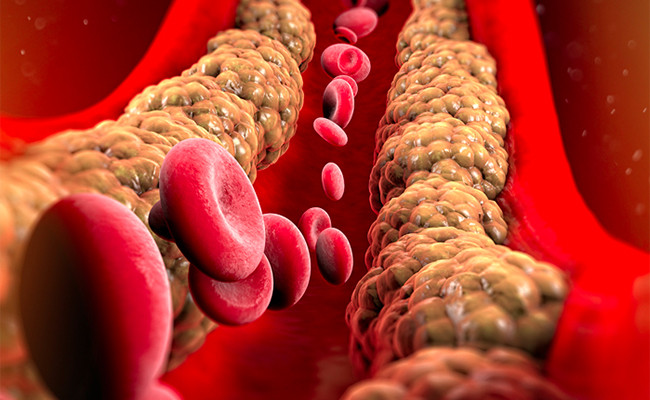
 What Are the Symptoms of High Cholesterol? | Everlywell

        Two new gene-editing treatments that target extremely high levels of cholesterol in people genetically predisposed to the condition were found safe and effective in two new studies. One of the treatments, from Verve Therapeutics based in Boston, targets the PCSK9 gene using a gene-editing approach. A tiny change is made to the gene, affecting the gene as an eraser, deleting the gene’s ability to fuel a rise in cholesterol levels. In Verve’s preliminary study, 10 patients received doses that did not make a measurable difference in their LDL levels, however 3 patients were given higher doses and their LDL levels decreased by more than half. Verve’s research was limited to people with the genetic disorder familial hypercholesterolemia. With this condition, cholesterol levels are high from birth and many patients suffer from heart attacks in their 30s or 40s.  The second study demonstrated the possibility of treating high levels of lipoprotein(a) cholesterol. People with this genetic condition of high lipoprotein(a) are at a higher risk of having their arteries clogged because Lp(a) attaches itself to LDL making them stickier and more likely to cause plaque. The study involved 48 patients who were given a drug called lepodisiran, which targets mRNA. In this condition, mRNA tells the body to produce Lp(a) but the drug stops this process. Via the study, the drug was found to be safe with no major side effects but also dramatically lowered Lp(a) levels, decreasing levels by 94% for nearly one year. 

The results presented by these two studies show really exciting, promising results. Even though there are still years of additional research before the FDA would consider approving them, these results show results that could be incredibly beneficial for individuals with high cholesterol levels. The first PCSK9 gene study could theoretically be a one-time treatment that would last an individual their lifetime. The mRNA gene study could also theoretically become a treatment similar to that of a yearly vaccination to treat the disorder. The possibilities created from both these studies could relieve individuals with those disorders of the daily prescriptions and injections, and from the strict diet and exercise. And more importantly, the expected lifespan could increase by a lot with a decrease in other medical risks like expected heart attacks. While these studies on gene therapy have made a big impact on treatments for genetically disposed high cholesterol levels, it also paves the way for a broader look into therapeutic gene therapies for different cardiovascular diseases. 

https://www.usnews.com/news/health-news/articles/2023-11-13/two-new-studies-point-to-the-promise-of-gene-therapy-for-high-cholesterol 

https://www.cdc.gov/genomics/disease/lipoprotein_a.htm 

https://www.cdc.gov/genomics/disease/fh/FH.htm#:~:text=Familial%20hypercholesterolemia%20(FH)%20is%20a,sometimes%20called%20%E2%80%9Cbad%20cholesterol.%E2%80%9D

Wednesday, November 15, 2023

How Octopi Can Edit Their Own RNA to Rapidly Respond to Environmental Changes

How octopi can edit their own RNA to rapidly respond to environmental changes

 Organisms have multiple ways that they change their gene expression in response to stimuli. For example, an octopus thats suddenly put into frigid water can slow their enzyme activity. Some organisms can control their genetic responses to stimuli in another way, RNA editing. RNA editing involves the insertion and deletion of nucleotides in the RNA and has been visualized in mRNAs, tRNAs, rRNAs. It has not been yet visualized in prokaryotes. RNA editing is divided into two categories. One categories being insertion and deletion of nucleotides that changes the length of the target DNA. The second category is editing by base modification that changes a nucleotide into a different nucleotide, without changing the length of the RNA. The article describes how cephalapods, octopi, squid, and cuttlefish can change their mRNA in ways that can alter enzymes. Since the edits are in RNA and not DNA, they can go away quickly. The nucleotide adenine in the mRNA is replaced with inosine, a nucleoside that acts similar to guanine. This RNA edit can be known as "A-to-I RNA editing" and if it occurs in a protein, it alters its function. Finding out what the cephalopods use this RNA editing for was the big question. Researchers tested this by using the California two-spot octopus, which cannot generate its own body temperature, and placed both captive and wild octopi in tanks of 13 degress celcius. In these tanks, the researchers observed an increase in 13,285 mRNAs where the edited genes altered the proteins functions. When placing the animals back into warmer water of 22 degrees celcius, the amount of mRNAs decreased to 550. These RNA edits affected their nervous system and the scientists could hypothesize that the octopi were using these gene edits to cope with the change in temperature. 

Sunday, November 27, 2022

A multivalent mRNA influenza vaccine

In a recent study discussed in the article; A multivalent nucleoside-modified mRNA vaccine against all known influenza virus subtypes, a new vaccine was developed and encodes hemagglutinin antigens from all of the twenty known influenza A and B viruses and their subtypes and lineages. Seasonal influenza vaccines vary in effectiveness due to the difficulty in predicting what influenza virus subtype will be prevalent. The new mRNA influenza vaccine showed protection against the antigenically variable influenza virus by inducing antibodies against the multiple antigens. Not only do multivalent vaccines work for influenza but are now also being used to battle the new COVID-19 variants. According to Paul C Guest  in order to manage the pandemic more effectively a multivalent vaccine needs to be made that recognize the mutated regions in SARS_CoV-2 spike protein. 

As an individual entering the healthcare profession it is vital to know how the influenza vaccine works and how it protects individuals from the virus. I find it astonishing that people within this profession are able to still improve vaccines that have been around for so long and as a community we are close to being able to have one shot that protects from most influenza A and B subtypes. Influenza has a large death rate for elderly and as someone who sees geriatric patients daily I am happy a solution is being presented for extra protection for them and others. 

Thursday, September 15, 2022

Researchers found a species of Jellyfish that are effectively immortal


In an article written by author Veronique Greenwood, she talks about how a small species of jellyfish known as Turritopsis dohrnii, that although these jellyfish swim and eat like many other jellyfish, they have a secret that sets them apart from other sea creatures. Turritopsis dohrnii live in the Mediterranean Sea and are secretly known to turn their old age back into their young selves. For Turritopsis dohrnii, when their bodies get damaged, the mature medusas can turn back time and transform themselves to their immature life stages. To do this, T. dohrnill sheds its limbs, allowing them to drift around in the water column and morph into a polyp form, which then allows them to attach themselves to rocks, plants or other sea life. After researching the jellyfish’s genome to search for the gene that controls this unusual life cycle, the only scientist, Shin Kubota at Kyoto University in Japan, found, after sequencing the genome, is that the jellyfish had extra copies of a particular gene. These additional genes allowed the researchers to see that these genes protect and repair the jellyfish’s DNA, which is an essential aspect of their survival. To test this rejuvenation process, the researchers put Turritopsis dohrnii under stressful conditions by not feeding them. The adult medusas shrank into smaller sizes, sprouted into polyps, and began remaking their adult bodies. During this process, the scientists captured snapshots of what genes the jellyfish were using in each stage of their development. In each phase, the scientists took jellyfish and froze them to turn them into mush to extract their mRNA, which gave them records of which genes were being used to make proteins. The scientists found that in the adults, their genes were relatively active, meaning they were used more frequently to make proteins. And as the jellyfish descended into the polyp phases, their genes became quieter, making less protein to form those smaller sizes.


I personally think that this type of science is so fascinating and could possibly help for future research for humans and for other living species. If jellyfish and humans have the same genes this could lead to a new era in medicine. Since researchers were able to figure out which genes were being used for each life stage, this could be a glimpse into future research of possible cancer treatments or other treatments of human health and medicine. 

Thursday, December 9, 2021

mRNA HIV Vaccine


Scientists at the National Institute of Allergy and Infectious Diseases have recently tested an experimental mRNA HIV vaccine in mice and non-human primates and found promising results. The tests have shown that it is safe and is effective against HIV-like diseases. Rhesus monkeys received a priming vaccine and multiple boosters which resulted in a 79% lower exposure risk of infection to simian-human immunodeficiency virus when to compared to monkeys who had not received the vaccines. The vaccine works similar to the mRNA COVID-19 vaccines by carrying coded instructions for making two key HIV proteins instead of carrying instructions for the coronavirus spike protein. Some mild, temporary side effects were seen such as loss of appetite in the animals who received the vaccines, but the vaccine was highly tolerated. Macaques were immunized weekly for thirteen weeks, and after the thirteen weeks, 2 out of the 7 immunized remained uninfected. The other 5 had a delayed reaction at just after 8 weeks, and those not immunized became infected after three weeks. The scientists are working to refine their vaccine protocol to lower the amount of inoculations needed to produce an immune response. These results are promising to take control of one of the world's most serious health challenges.

Friday, December 11, 2020

mRNA Vaccines for COVID-19


    COVID-19 has been rapidly taking away lives this year and scientists all over the world have been racing against the clock to find a vaccine to help people gain immunity to this deadly disease. Until recently, mRNA vaccines never made it to phase 3 of trials. Traditional vaccines used DNA and RNA wrapped in proteins as well a small piece of the virus itself so the body becomes immune. mRNA vaccines seem to worker better against traditional vaccines. In my opinion, I am interested to see if the mRNA vaccine will make it's way to people around the world. Although no vaccine is 100% immunity or safe I believe mRNA vaccines are our best shot in defeating COVID-19.
    

https://www.health.harvard.edu/blog/why-are-mrna-vaccines-so-exciting-2020121021599

https://www.phgfoundation.org/briefing/rna-vaccines

Sunday, November 15, 2020

Studying Squids to Help Find a New Way of Pain Relief


    Some organisms can make edits or changes to their genetic material. Most organisms perform this function of editing their RNA in the nucleus and then are sent out to the rest of the cell. Squids however, discovered a way to change up the genetics of their cytoplasm. This is a first for animals editing genetic information outside of the nucleus. Studying how the squid species perform this odd function could aid in medical research. A study on this matter was conducted by extracting cytoplasm for a squid's axons after they discovered that mRNA editing proteins were found in the squids nerve cells. The protein ADAR2 was found to be located in both the squids cytoplasm and the nucleus of neurons. This would explain why these squids were able to change the genetic material in the cytoplasm. 

I believe that these findings are important because they could help scientists find a way to reduce long term pain in human nerve cells. I think manipulating the genetics of the mRNA can help find new advances in modern medicine. Axon dysfunction in humans is linked to neurological disorders, these new findings and studies could potentially also help humans therapeutically.


https://www.sciencenews.org/article/squid-edit-their-genetic-material-uniquely-weird-place


https://www.sciencedaily.com/releases/2020/03/200323125629.htm#:~:text=In%202015%2C%20Rosenthal%20and%20colleagues,produced%20in%20the%20nervous%20system

Wednesday, May 1, 2019

Using mRNA Molecules To Repair Heart Tissue


MicroRNAs function in the is to control gene function when the heart is developing. Da-Zhi Wang, Ph.D is a cardiology researcher at Boston's Children's Hospital and he is looking at two specific types of mRNA. He is looking at miR-19a and miR-19b.The findings could help prevent heart failure following a heart attack, which is, according to the researchers, "the leading cause of mortality and morbidity in humans." Wong and his team used a mouse model of a heart attack and delivered the mRNA and the results were positive.The first 10 days after a heart attack, the microRNAs reduced cell death and stopped the inflammatory reaction that typically damages the heart muscle during a heart attack. This research is promising and Professor Wong concludes  by saying "MicroRNAs hold tremendous promise to become powerful tools to battle cardiovascular disease," 
 

Website Article

Sunday, February 26, 2017

Is the key to weight-loss in our genes?

According to an article Can we harness our genes to burn more calories? on Science Daily, Obesity Society states “Researchers may have identified a potential pathway in our muscle tissue to improve the rate at which our bodies burn calories”.


Continued studies have shown that our ability to lose weight may not lie entirely on individuals behavior but may lie in their genes. In a study at NIDDK’s Phoenix Epidemiology and clinical research branch a gene expression from skeletal muscle biopsies of 219 people were studied for long term weight loss over several years. In the skeletal muscle they found a gene THNSL2 that had a strong association between low energy expenditure and weight gain. Through this finding they found that an mRNA might be the culprit for manipulating the energy expenditure through inflammatory pathways that related to obesity and energy expenditure. These studies are bringing people closer to understanding why individuals bodies respond differently to contrasting diets.

I think this is an amazing advancement in the field of obesity studies. With obesity rates skyrocketing and the rate of eating disorders on the rise any advancement in what actually defines how our body handles calories is remarkable. With studies like this hopefully we can continue to learn more about the variation in weight gain among people and hopefully this could help find more efficient treatments for obesity and possibly prevent obesity in all. We might finally crack the code as to why some people can eat junk food everyday and perpetually stay skinny, while other people need to exercise and eat right everyday to maintain just to maintain a healthy weight.      


Sunday, December 4, 2016

Study Reveals Key Role of mRNA's 'fifth nucleotide' in Determining Sex in Fruit Flies

A team of scientists led by the University of Birmingham has shown how a common mRNA modification, N6-methyladenosine (m6A), regulates gene expression to determine the sex of fruit flies.

The function of m6A, an mRNA modification known as the 'fifth nucleotide', has long been a mystery. But a new study, published today in Nature, has revealed that m6A plays a key role in the regulation of the Sex-lethal (Sxl) gene, which controls sex determination of the fruit fly Drosophila.
Sxl is a 'switch gene', meaning that Drosophila sex is determined by whether or not Sxl protein is made. The Sxl gene is transcribed into mRNA in both males and females, but through a process called 'alternative splicing' only the female mRNA can be made into a functional protein.

Alternative splicing is a widespread mechanism of gene expression and occurs in almost all human genes, allowing the synthesis of many more proteins than would be expected from the 20,000 protein-coding genes in our genome.

The new study shows that m6A mediates this process for Sxl in Drosophila, ultimately determining whether a fly develops as male or female. The findings offer an important insight into a classic textbook example of an essential and widely studied process.

'Despite sex determination being so fundamental, nature has found many ways of determining sex,' says Dr Matthias Soller from the School of Biosciences at the University of Birmingham and lead author on the paper.


'Our study suggests that m6A-mediated adjustment of gene expression might be an ancient yet unexplored mechanism for the development of this diversity.'

The collaboration began after co-author Dr Rupert Fray's group at the University of Nottingham found that a plant enzyme required for putting the modified nucleotide into Arabidopsis mRNA interacted with the plant version of the Drosophila sex determination factor FEMALE-LETHAL(2)D.
'The revelation connecting m6A to Drosophila sex determination though came much later thanks to sensitive genetic interactions affecting the development of female flies,' Dr Soller explains.

The study also found that in addition to its role in determining the sex of somatic cells, Sxl regulation by m6A is required to initiate germline stem cell differentiation for developing eggs. Without this regulation, lack of Sxl expression in stem cells can result in the development of ovarian cancer.

'The reversible nature of the m6A methylmark adds a new layer to the regulation of gene expression now termed "epitranscriptomics" and warrants further research to establish links with human disease such as cancer,' adds Dr Irmgard Haussmann of Coventry University.

Saturday, October 31, 2015

"AAAAA Is for Arrested Translation"


In a post by Ruth Williams focusing on recent research results, a study conducted on the halt of protein translation found that multiple adenosine nucleotides in messenger RNA was the reason behind the interruption. The finding contradicted the idea that protein sequences were responsible. The importance behind the failure of the ribosome protein to translate the codon sequences of mRNA into amino acids lies on the fact that the mRNA and developing protein are degraded during the process.
Due to Rachel Green and her research team at Johns Hopkins University School of Medicine, it was found that there is a significance in the difference between mRNA sequences and associated amino acids. Bacterial ribosomes were found to halt on lysines in the presence of AAA codons as opposed to AAG codons. The research team, utilizing human cells, went on to find that reporter gene constructs with lysines encoded by AAA sequences had far less protein production then lysines encoded by AAG, as well as arginines encoded by AGG and CGA codons.
Two outcomes from this research were particularly important- bioinformatic analyses of vertebrate genomes proposed that the AAA codons are not favored evolutionary, and previously thought silent mutations may actually alter protein expression. The AAA sequence was thought to not be favored, being that the chance of lysines encoded by such a sequence was much lower than the chance of being encoded by AAG codons. The rejection of the silent mutation inference to instead be of greater importance, stemmed from mutating AAG codons to AAA codons and finding a decrease in protein expression. The opposite result was found from mutating AAA codons to AAG codons.
It is particularly interesting how failing to discover one tiny aspect of the translation process could later result in finding reasons behind translation failure. This may suggest that silent mutations are even more rare than previously thought, and that perhaps these mutations are simply misunderstood rather than inactive in many processes.

Friday, March 20, 2015

The First Discovery of When and Where Proteins are Made

     Scientists from Albert Einstein College of Medicine have developed a technique using fluorescence microscopy to reveal where and when proteins are produced. This process allows scientists to see individual mRNA's as they are translated into proteins in living cells. This technique focuses on the first occurrence of translation in which the ribosome attached to the mRNA must displace the RNA binding proteins from the mRNA's. Researchers synthesized identical copies of mRNA molecules and colored one red and one green. This allowed the nucleus, where mRNA's are made, to turn yellow by containing both colors. When they travel to the cytoplasm, their color may change again based on their new function. 
     When the mRNA's land on the ribosomes, they displace its green fluorescent protein resulting in a red appearance. Meanwhile, all the untranslated mRNA molecules remain yellow. This technique has been named TRICK (Translating RNA Imaging by Coat protein Knock-off). TRICK has also enabled scientists to discover that protein translation does not start immediately after the mRNA's exit the nucleus, but intact begin a few minutes after the mRNA's have entered the cytoplasm. 

     I found this discovery amazing. Not only was the place in the cell where proteins are made discovered, but also the timing. This technique of using color cues is very creative, but at the same time simple enough for non-scientists to understand. I think this discovery  proves how far we have come in the medical field, but also how much further we can go. 

Tuesday, March 10, 2015

Crop Pests Stopped by Plants That Cripple Attackers' RNA


Invasive species are known to be the cause of many devastating agricultural failures throughout history. One insect in particular, dubbed the "international super pest", is the Colorado potato beetle (pictured above). This beetle eats different crops all across the world, and costs the agricultural industry billions of dollars per year. The worst thing about this beetle is that it is resistant to practically every insecticide and has very few predators. The good news is scientists have finally come up with a way to protect crops from this pest.

A team of researches in Germany are using RNAi (RNA interference) to kill-off this beetle. First, the scientists found a gene that is essential to the insect; this gene codes for a "cytoskeleton protein vital to maintaining a cell's shape." Then, plants were engineered to produce a special type of RNA. When the beetle eats this plant, the plant's RNA interferes with the beetles'. In turn, the insects ribosomes are unable to read the mRNA (or messenger RNA), and code for the essential protein previously mentioned. Without that, the insect dies. 

The idea to use RNAi has been around for about a decade, however, it was unsuccessful in killing all the pests when tested years ago. This time, scientists modified the technique by inserting the plant's "instructions" for the unique RNA into their chloroplasts instead of the nucleus, which proved to work much more efficiently. This new mechanism can possibly help put a stop to crop devastation by pests in the future. The question still remaining is will the pests develop resistance to the RNAi like they have insecticides? 

I liked this article because it has brought a possible scientific solution to insects destroying crops around the world. Farmers try everything to protect their crops from being attacked by pests, but many times it makes the problem worse. For example, when an invasive insect is introduced to a crop, one possible solution is to bring a predator of that insect to the crop, too. This strategy can go very bad, very fast. If this new technique works, it could be revolutionary for farmers and consumers everywhere. 


Sunday, November 16, 2014

Has mRNA been looked over too much?


Everyone knows that damage done to DNA is a problem. However, no one assumed that the damage done to mRNA would ever be a problem. Well they were very wrong. A group of scientists at Washington University in St. Louis discovered one very important factor that may be key to understanding diseases like Alzheimer's.
"Everybody thought, 'Why care about the messenger RNA? These molecules have high turnover rates and are quickly degraded, so what does it matter if one is damaged?'" said Hani Zaher, PhD, assistant professor of biology in Arts & Sciences at Washington University in St. Louis.

"In organisms like E. coli or yeast, that's probably true," Zaher said. "You don't have to worry about mRNA because it turns over really fast. But in neurons you can't use that argument because an mRNA can persist, in some cases for days. And if that mRNA is really damaged it can become a big problem." He also stated that Under normal conditions only about 1 percent of the cellular mRNAs are oxidized, but if you have oxidative stress, for whatever reason, a higher percentage can be damaged.

One of the hallmarks of Alzheimer's is oxidative stress, and studies have shown that in people with advanced Alzheimer's, half of the RNA molecules in the neurons may be oxidized."

When the team at Washington fed oxidized mRNA to ribosomes it appeared that they jammed and stopped. It was said that a frozen ribosome could be rescued by factors that released it from the mRNA however, later chewed up and damaged. With these certain factors missing, damaged mRNA accumulated in the cell, just as it does in Alzheimer's.

It's known that when DNA is transcribed to mRNA, there is a mistake 1/10,000 times. This means when the mRNA is translated to protein, there might be an error 1/1000 times. To test the theory the team was given mRNA transcripts to ribosomes. They damaged one letter in a three-letter mRNA coding unit, oxidizing a G (the base guanine), to create what is called 8-oxo-G.

"We expected that we might get aberrant proteins," Simms said. "But the ribosome didn't make mistakes. It just stopped. It couldn't deal with the mRNA at all"

Because of their finding, they wanted to go further into detail. Simms built a longer 300-nucleotide mRNA to use. And instead of adding the damaged mRNA to a reconstituted bacterial system, she put it in extracts of plant and animal cells. They wanted to rear it with something called "no-go decay"What they found made them question whether or not if oxidized mRNA was the target. To further test everything they turned to yeast. The yeast ribosomes jammed on the oxidized mRNA but were rescued by no-go decay…This caused very little damaged mRNA to accumulate in the cell.  Because of this discovery, Simms was able to delete a gene for a factor that releases the ribosomes from the mRNA when it jams. When she did that, the level of oxidized mRNA went up so she then deleted a gene factor that is recruited to degrade the mRNA after the ribosome is released, and again the level of oxidized mRNA rose. Without no-go decay, the cells were clearly in trouble.

Zaher said "The system that translates mRNA into protein is highly conserved, so what's true for yeast is probably true for people as well… Is oxidized mRNA implicated in disease? Science recently published work showing that mice with a double defect in their translation system have severe neurodegenerative disease”

With the information they now have, who knows how far they can go to repair these damaged mRNA in patents with Alzheimer's? After that who knows how far it could go with all neurodegenerative diseases. This is an amazing discovery and I think a lot of progress will be made within the next couple of years.

Friday, November 14, 2014

Patent Awarded for Genetics-Based Nanotechnology Against Mosquitoes

            The Mosquito (Culiseta longiareolata) is arguably the most annoying insect humans interact with on a regular basis. During the mild weather of spring and the sweltering heat of summer, mosquitos swarm their victims in droves, surreptitiously sucking blood from a choice of several animal species. In addition to this grievance, mosquitos are primary carriers of HIV, Malaria and West Nile virus in the Eastern hemisphere. However, these petty creatures may no longer pose such a significant threat to overall health and quality of life in the near future.
            Researchers at Kansas State University have developed a method of keeping mosquitos and even other annoying insects at bay from their victims. It is United States patent number 8,841,272, formally called "Double-stranded RNA Based Nanoparticles for Insect Gene Silencing." This technique uses genetics-based technology to kill these insects with minimal repercussions, especially upon juxtaposing alternative methods such as using pesticides that have detrimental effects on the environment. Kun Yan Zhu, professor of entomology and Xin Zhang, a research associate in the Division of Biology, developed the technology. They said it utilizes nanoparticles comprised of a non-toxic, biodegradable polymer matrix and insect derived double-stranded ribonucleic acid, or dsRNA. The purpose of this process would be to interfere with RNA interference, or RNAi, to destroy the genetic code of an insect in a specific DNA sequence.


            This technology could be the near perfect solution for the inundation of these types of insects, particularly in Africa. Once ingested the nanoparticles act as a "Trojan horse," releasing loosely bound dsRNA into the insect gut. This subsequently triggers a genetic chain reaction, thus destroying messenger RNA and killing the insect. If these studies ultimately come to fruition, this method of killing insects could save hundreds of thousands of lives per year.