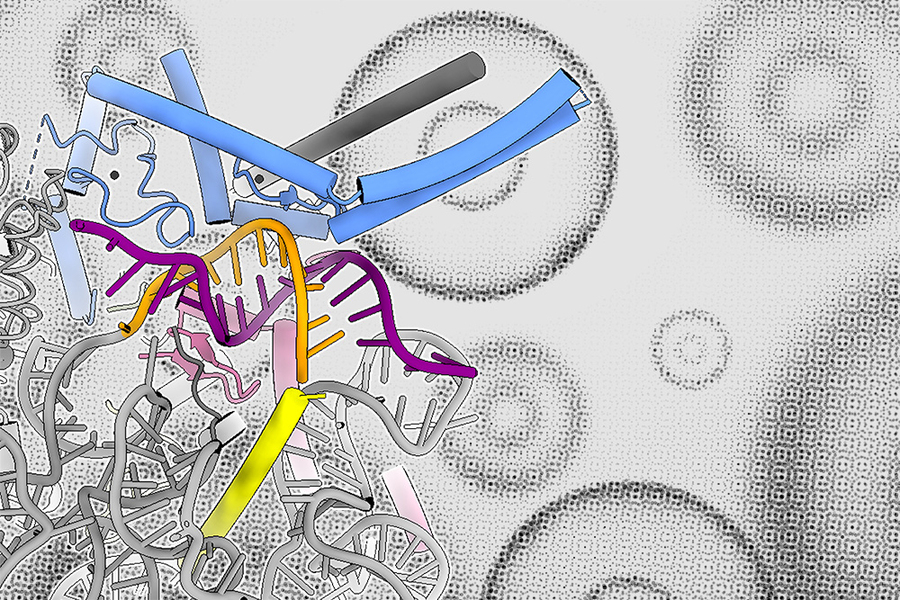
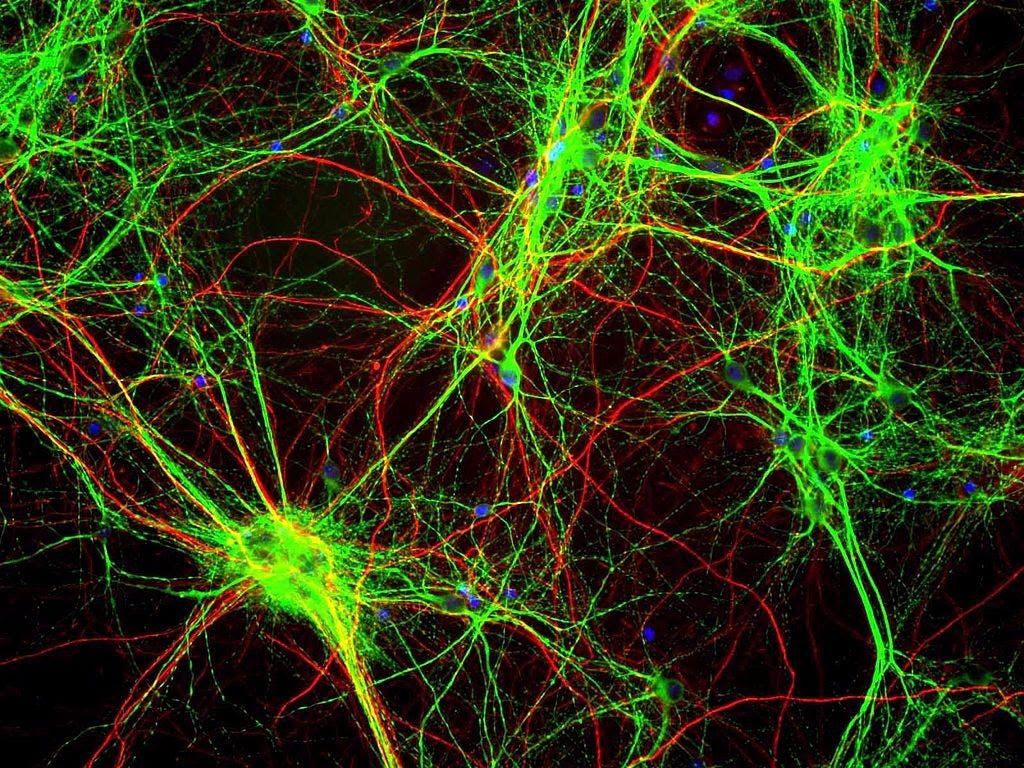
A recent study, published in the MIT News, discusses how scientists have uncovered a new way RNA splicing is regulated, making gene expression more complex than before. RNA splicing is an important process where non-coding sections (introns) are removed from messenger RNA, allowing genes to create proteins. Scientists previously believed that splicesome, a RNA-protein complex, determined the splicing sites, but this study found that a family of proteins called Luc7 also play a major role. These proteins help decide which introns get spliced out, affecting almost half of all human genes. The researchers also found this process in plants, indicating it evolved early in life's history.
Friday, March 14, 2025
MIT Biologists Found a New Layer of Gene Regulation in RNA Splicing
Wednesday, December 11, 2024
Discoveries Between Desert Relatives Gives Insight to Unique Trait Differences
The study of specific genetic traits and their utility in adaptation to specific climates has been a consistently evolving field of study. Recently, a genetic difference between the Sonoran and Mojave tortoises has been identified which might indicate the adaptational differences necessitated by each climate and how the two organisms interact distinctly with the weather differences and similarities. While the Mojave is exceedingly dry and arid, the Sonoran desert receives winter rains and summer monsoons that make temperature regulation strategies uniquely different depending on the species and their location, even when each desert is in such close proximity. By identifying these genetic differences, researching them allows us to further understand organisms commonly adapting genetically expressed strategies for survival in other climates.
The identification of specific genes and their roles in trait expression has continued to become a more increasingly relevant topic. Genetic modification of both food and organisms opens massive new windows into dozens of genetic utilities, currently most commonly seen methods being reducing climate change and improving sustainability. By furthering the study of organisms and their unique genetic traits and expression, we can better understand how to “improve” other organisms as a whole.
Sunday, November 26, 2023
Cell Division: A Proposed Model for Cell Identity Preservation
While all cells in the human body contain the same DNA (genetic instructions), each cell expresses only the genes needed to become the cell type it is (i.e. neuron, lymphocyte, cardiomyocytes). Each cell’s fate is largely determined by chemical modifications to the histone proteins around the DNA, which control gene expression. Considering that these cells lose half of their modifications when replicating in cell division, a new MIT study suggests that these cells maintain their memory of what cell type they’re supposed to be through the 3D folding pattern of its genome determining which portions will be marked by chemical modifications. Essentially, the way that these chromosomes were folded are like a blueprint to determine where the remaining marks should go. Thus, by juggling between 3D folding and the marks, the epigenetic memory can be preserved over hundreds of divisions.
In general, this proposed model provides valuable insight into how epigenetic markings play a role in establishing cell identity and maintaining this memory after cell division. Through this model, biologists may be able to better understand how this epigenetic memory of cell identity is lost as cells begin to age and potentially better understand the epigenetic mechanisms underlying our genome.
For more information, view the news article linked here and the journal publication of the research study linked here.
Friday, November 17, 2023
Mutation in Cells Linked to Alzheimer's Risk
There is a rare but potent genetic mutation that causes a protein located in the brain's immune cells, which are called microglia. This mutation can give individuals up to three times of a greater risk of acquiring or developing Alzheimer's disease. They label this mutation as TREM2 R47H/+ and study it further. They found that TREM2 R47H/+ has a proinflammatory gene expression signature, can cause impairments in the movements of microglia and the uptake of various substrates, and rendering microglia hyper responsive to inflammatory stimuli. They further studied this one mice by implanting them with the TREM2 R47H/+. After their findings a number of detrimental effects from the TREM2 R47H/+ mutation on microglial gene and function are most likely to underlie the mutation's association with Alzheimer's Disease.
Sources:
https://neurosciencenews.com/microglia-alzheimers-genetics-25230/
https://alzres.biomedcentral.com/articles/10.1186/s13195-020-00709-z#:~:text=TREM2%20is%20a%20microglial%20cell,changes%20to%20microglial%20activation%20state.
https://www.cdc.gov/aging/aginginfo/alzheimers.htm#:~:text=Alzheimer's%20disease%20is%20the%20most,thought%2C%20memory%2C%20and%20language.
Wednesday, November 15, 2023
How Octopi Can Edit Their Own RNA to Rapidly Respond to Environmental Changes
Organisms have multiple ways that they change their gene expression in response to stimuli. For example, an octopus thats suddenly put into frigid water can slow their enzyme activity. Some organisms can control their genetic responses to stimuli in another way, RNA editing. RNA editing involves the insertion and deletion of nucleotides in the RNA and has been visualized in mRNAs, tRNAs, rRNAs. It has not been yet visualized in prokaryotes. RNA editing is divided into two categories. One categories being insertion and deletion of nucleotides that changes the length of the target DNA. The second category is editing by base modification that changes a nucleotide into a different nucleotide, without changing the length of the RNA. The article describes how cephalapods, octopi, squid, and cuttlefish can change their mRNA in ways that can alter enzymes. Since the edits are in RNA and not DNA, they can go away quickly. The nucleotide adenine in the mRNA is replaced with inosine, a nucleoside that acts similar to guanine. This RNA edit can be known as "A-to-I RNA editing" and if it occurs in a protein, it alters its function. Finding out what the cephalopods use this RNA editing for was the big question. Researchers tested this by using the California two-spot octopus, which cannot generate its own body temperature, and placed both captive and wild octopi in tanks of 13 degress celcius. In these tanks, the researchers observed an increase in 13,285 mRNAs where the edited genes altered the proteins functions. When placing the animals back into warmer water of 22 degrees celcius, the amount of mRNAs decreased to 550. These RNA edits affected their nervous system and the scientists could hypothesize that the octopi were using these gene edits to cope with the change in temperature.
Monday, November 13, 2023
Study Connects Neuron Gene Expressions to Differing Functional Distinctions
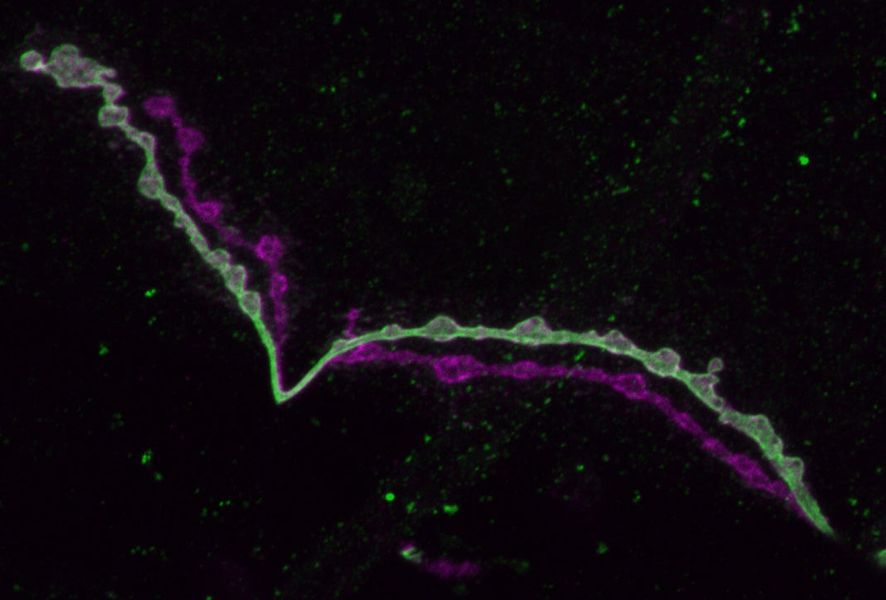
In a new study in Neuron, neurobiologists at the Picower Institute for Learning and Memory found that two closely related neuron subtypes in drosophila differed from each other in how they expressed more than 800 genes, about 5% of the total amount of genes in the fly genome. The two neuron types studied were both from what could be considered the spinal cord of the fruit fly. These neuron types control the muscles by releasing the neurotransmitter, glutamate. The main functional differences of the two subtypes are that the “phasic” neurons connect to a lot of muscles and emit big, occasional bursts of glutamate, and the “tonic” neurons connect to only one muscle and emit a constant, small amount of glutamate. Phasic neurons make fewer synapses on an individual muscle than tonic ones do, but make about 4 times as many synapses in total because they innervate so many more muscles. Tonic neurons have more inputs from other neurons due to it having more widely branching dendrites. Of the expressed genes of the neuron types, a significant amount helped with the growth of the axon branches, some helped with the structure and function of synapses, and others played a role in the types of chemicals the neurons were sensitive to as inputs. Researchers disrupted the functions of some genes to see which were the most different between the two subtypes. By disrupting the Wnt4 gene, a gene expressed 40 times more by the tonic neurons, the synaptic growth decreased significantly in the tonic neurons. By mutating a calcium ion buffering gene found 30 times more in phasic neurons, the phasic neurons had higher resting calcium levels similar to tonic neurons.
This study holds a lot of significance in not only discovering how different genes can overlap and differ in different cell types, but also specifically in how neuron subtypes can differ. The research presented in this article is exciting because figuring out how different kinds of neurons develop from their expression of different genes helps in advancing how a brain works. It could also help in understanding what can change or go wrong in disease. The study compares two similar cells in a very detailed manner and shows that even similar cells can have a lot of differences in gene expression to develop specific, distinct functions.
Wednesday, October 25, 2023
How male mosquitoes compensate for having only one X chromosome
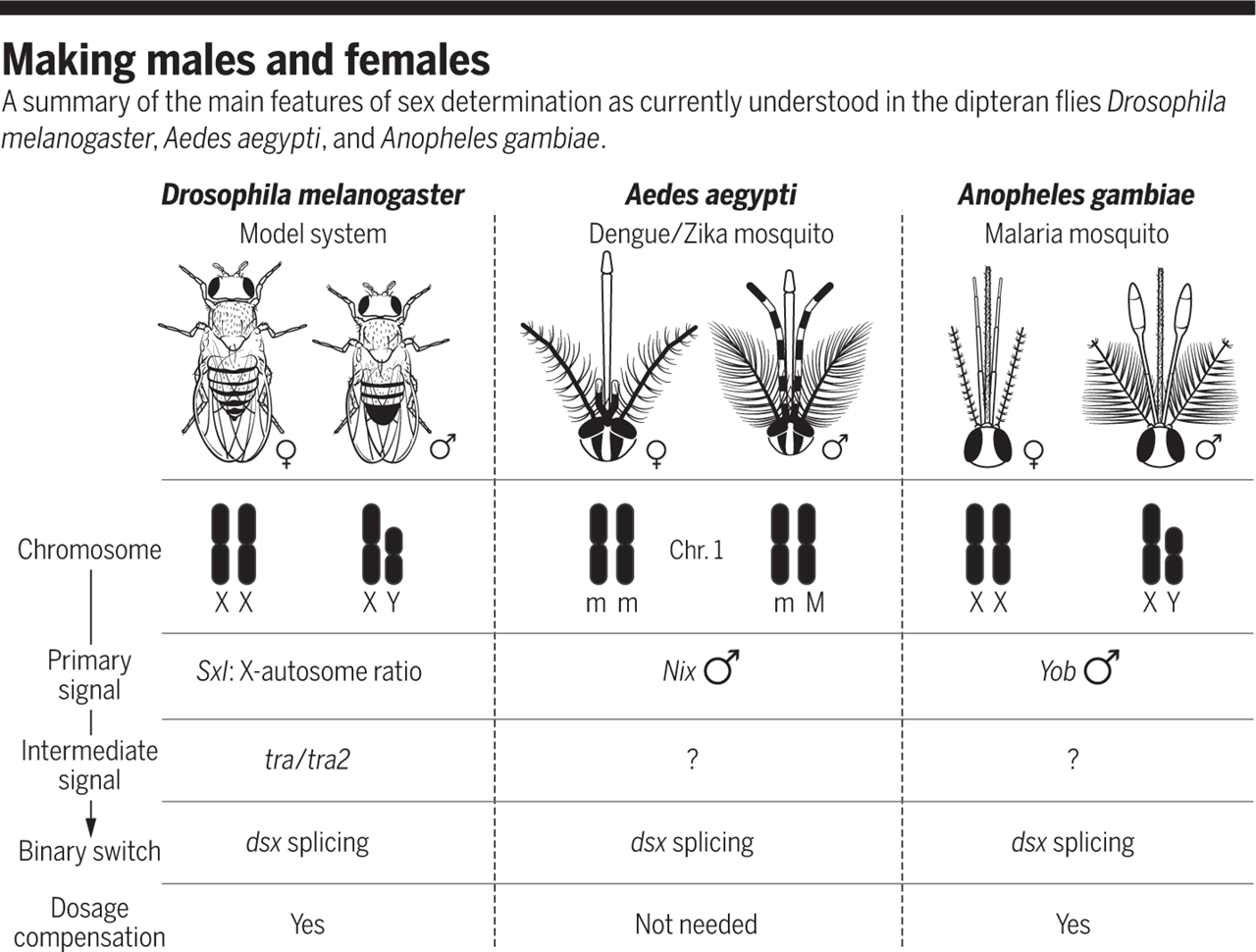
Dr. Claudia Keller Valsecchi's research team at IMB in Mainz discovered the master regulator, SOA, responsible for balancing X chromosome gene expression in male mosquitoes. This understanding is crucial for equalizing gene expression between male and female mosquitoes, which might lead to new malaria prevention strategies. Only female mosquitoes spread malaria, making understanding the molecular differences between mosquito genders essential. The study found that SOA binds to X chromosome genes, increasing their expression in males, while females produce a non-functional version.
The groundbreaking research led by Dr. Claudia Keller Valsecchi's team at IMB in Mainz is truly commendable and shows how research on small organisms like mosquito genetics can be applied to humans. Discovering the role of the SOA protein in balancing X chromosome gene expression opens the door to a deeper understanding of mosquito biology. Targeting the molecular differences between mosquito sexes could revolutionize our approach to combating this deadly disease. In the second article, Omar Akbari and his team at the University of California are using CRISPR genetic engineering to combat mosquito-borne diseases. They've developed techniques that either block viral transmission in mosquitoes or cause mosquito lethality. A notable approach being explored is pgSIT, which makes the mosquitoes sterile, preventing the need for insecticides in population control.
Links:
https://www.sciencedaily.com/releases/2023/10/231006104515.htm
https://www.the-scientist.com/news-opinion/combating-mosquito-borne-diseases-with-crispr-70607
Tuesday, November 22, 2022
MicroRNAs Can Improve Gene Expression
MicroRNAs are a class of non-coding RNAs that play an important role in controlling gene expression. That is, they help cells control the types and amounts of protein they make. MiRNA mainly controls gene expression by binding with messenger RNA(mRNA) in the cell cytoplasm. Instead of immediately translating, the marked mRNA will either be destroyed or have its components recycled, or preserved and translated later. In addition, if the level of a specific miRNA is underexpressed in the cell, the protein that is normally regulated will be overexpressed in the cell. In so, they are inversely proportional.
Wednesday, April 13, 2022
Epigenetic treatments: New allies for chemotherapies?
The epigenetic changes acquired by tumor cells during chemotherapy treatment were examined cell by cell by a research team directed by Celine Vallot, CNRS Research Director in the Laboratoire Dynamique de l'information Génétique: Bases Fondamentales et Cancer (CNRS/Institut Curie/Sorbonne Université). The scientists found the genes whose expression allowed cells to endure treatment, as well as the epigenomic alterations that govern them, in collaboration with Léila Périé's team at the Physico-chimie Curie (CNRS/Institut Curie/Sorbonne Université). Scientists discovered that in the absence of treatment, epigenomic markers lock the expression of certain genes, and that this lock is broken by chemotherapy in rare cells. All cancer cells remain responsive to treatment if this lock is kept from jumping. Scientists demonstrated this by employing epi-drugs, which are pharmacological substances that prevent epigenetic marks from being removed, on animal models of breast cancer. These compounds must yet be modified for human usage.
These findings show that the epigenome has a role in cancer treatment resistance. Scientists are currently working hard to figure out how to apply this principle to humans in a therapeutic way. Scientists believe that if future clinical trials are successful, these epi-treatments could be used in concert with chemotherapies to extend their effectiveness in patients.
Personally, if this treatment does become successful, this would open up of a lot opportunities, as well as give hope to a lot patients that are going through chemotherapy, or any other cancer treatment. This study will also help better understand cancer cells, and also might lead to a step forward into finding a cure to cancer in a foreseeable future.
Sunday, July 12, 2020
Scientists discover Protective Alzheimer's Gene and Develop Rapid Drug Testing Platform
There has been a gene discovered that can naturally suppress the signs of Alzheimer's in human brain cells. This research has been led by Queen Mary University of London. Once an individual shows symptoms of Alzheimer's, it's usually too late for treatments since the brain cells are already starting to die. Treating those who are at a higher risk for Alzheimer's disease is the ideal way to see if it prevents the onset of the disease.
In the study in the Nature journal group Molecular Psychiatry, researchers collected hair samples in those who had Down Syndrome and reprogrammed them to become stem cells and turned them into brain cells. The researchers saw Alzheimer's like pathology develop rapidly. This is the first cell-based system that has full trio of Alzheimer's pathologies without artificial gene expression. This could be used as an early preventative drug testing platform. Two different drugs which inhibit amyloid production were tested on brain cells and in six weeks it prevented the onset of Alzheimer's pathology.
BACE2 gene was found which is a naturally functioning Alzheimer's suppressor gene. This could open up more possibilities for researchers to help prevent the onset of Alzheimer's disease in individuals by determining ways to boost this gene, or determining why it slows or decreases function.
https://www.sciencedaily.com/releases/2020/07/200709210456.htm
https://theconversation.com/alzheimers-disease-protective-gene-uncovered-in-human-cell-model-bringing-promise-for-new-drug-discoveries-142398
Saturday, November 16, 2019
New Genetic Links Reveal Anorexia Could Be Much More Than a Psychiatric Condition
https://www.sciencealert.com/new-genetic-links-reveal-anorexia-could-be-much-more-than-a-psychiatric-condition
https://www.scientificamerican.com/article/anorexia-may-be-linked-to-metabolism-a-genetic-analysis-suggests/
Most psychiatric disorders are not usually thought to be associated with genetics. When thinking about any psychiatric disorder it is frequently thought to be the cause of mental and behavioral problems that impede an individual’s personal functions. However, in the case of anorexia nervosa, it was recently discovered that this disorder is not just a psychiatric problem.
Anorexia nervosa is an eating disorder that is identified by an extremely low body mass index, an unwillingness to eat, and distorted body images. Most people with anorexia nervosa view themselves as overweight when in reality they are extremely underweight. This disorder affects about 0.5-3.7 percent of women in America.
With anorexia nervosa being a non-substance abuse psychiatric disorder with the highest mortality rate, there is a lot of stigma around it. A large number of parents of anorexia nervosa patients express their concern for their children or they try to help them as much as possible. Because of these concerned parents, Cynthia Bulik, a professor of eating disorders from the University of North Carolina put together a research team and discovered that eating disorders are heritable. With her research team, she studied identical and fraternal twins and discovered that it has a 50 to 60 percent heritability. Further research was done by Bulik and her team also suggested that there are eight genetic variants that are associated with anorexia. This research was done with tens of thousands of people and the genetic variants found may increase vulnerability to the illness. This research has not found out exactly how these genetic variants contribute to the increase in vulnerability to anorexia but they may be linked to metabolic problems.
I thought this article was interesting because of how psychiatric disorders are linked to genetics. It was interesting to see how recent research has been revolutionizing the potential causes of psychiatric problems. I look forward to more research done on this subject in terms of treating these disorders not just as psychological or psychiatric.
Friday, November 1, 2019
No "Gay Gene"
In my opinion, I do not believe genetics is a major contribution to sexual orientation. We are a complex species and one can not help who are what they are attracted to. For someone to say being gay is a choice is the same thing as saying being straight is a choice. We can not help who we are, only the decisions we make. I also think it is unfair how 23andMe is taking advantage of people by saying they can provide answers when they are just providing false claims and making money.

http://blogs.discovermagazine.com/d-brief/2019/08/29/same-sex-attraction-genetic-study-gay-gene/#.Xby_k5NKjjA
Related Article:
https://www.nature.com/articles/d41586-019-02585-6
Monday, October 7, 2019
Can Genetics Explain Human Behavior?
Supporting article: PMC2944040
In this article, the author talk about how humans have "met their maker" by discovering their DNA structure and genome. Basically, it was discovered that our DNA has the ability to determine many of our behaviors such as procrastination, extraversion, adultery, alcoholism, liberalism and more. However there's more to it that the genome itself, also known as epigenetics. It is all tied to "genes encoding transcription factors that regulate gene expression" which is dependent on the environment of an individual. A person's environment alters the chemicals that influence gene expression. "More recent studies show that mRNA can also be modified in ways that affect protein synthesis, a process called epitranscriptomics that adds yet another layer of complexity to the prediction of phenotypes from genotypes." Through research it was found that maternal care and child abuse alters the hypothalamic-pituitary-adrenal and the ability of individuals ability to handle stress, making them more suicidal and/or more likely to suffer from mental disorders. Upon examining the neuron-specific glucocorticoid receptor (NR3C1) promoter of suicide victims with childhood abuse and those without, it was found that there is a decrease in glucocorticoid receptor mRNA, as well as mRNA transcripts bearing the glucocorticoid receptor 1F splice variant and increased cytosine methylation of an NR3C1 promoter.
:max_bytes(150000):strip_icc()/3-D_DNA-56a09ae45f9b58eba4b20266.jpg)
I found this article very interesting as it shows the affect of an individual's environment on their behaviors. This proves that we can get rid of undesirable traits and create a mentally healthy, none abusive, productive individuals that demonstrate high ethics if they were granted a stable environment where they can live up to their potential.