Showing posts with label AML. Show all posts

Friday, March 14, 2025

MIT Biologists Found a New Layer of Gene Regulation in RNA Splicing

A recent study, published in the MIT News, discusses how scientists have uncovered a new way RNA splicing is regulated, making gene expression more complex than before. RNA splicing is an important process where non-coding sections (introns) are removed from messenger RNA, allowing genes to create proteins. Scientists previously believed that splicesome, a RNA-protein complex, determined the splicing sites, but this study found that a family of proteins called Luc7 also play a major role. These proteins help decide which introns get spliced out, affecting almost half of all human genes. The researchers also found this process in plants, indicating it evolved early in life's history.
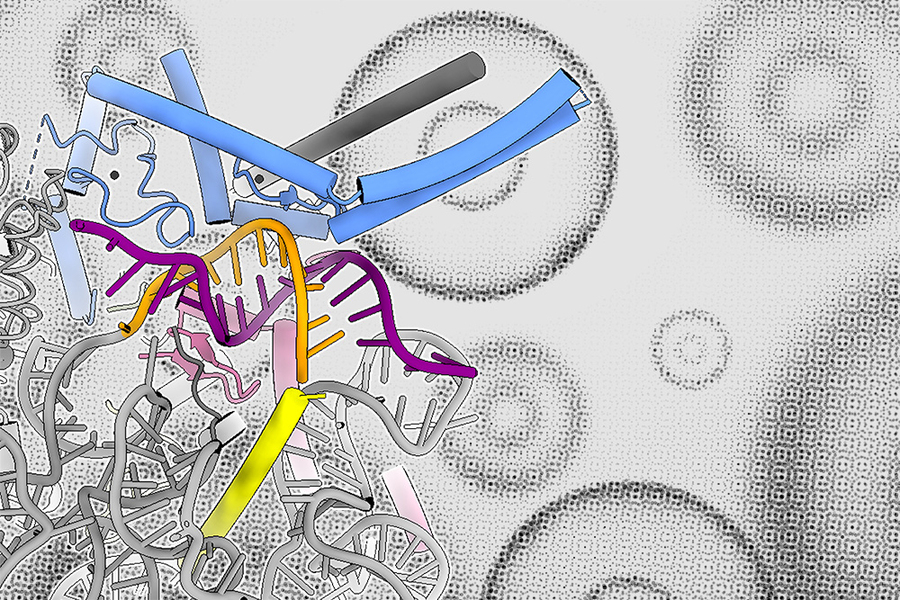

             This discovery could offer insights into diseases like acute myeloid leukmeia (AML), where faulty splicing is linked to cancer. It could also be helpful for targeted treatments like small-molecule drugs that stabilize RNA splicing at specific sites. Undertsanding how genes are expressed at such fine level is important in improving treatments in genetic disorders and cancer research.


Sunday, May 5, 2013

Scientists Find Mutations That Cause AML

Researchers may have possibly found every gene mutation that is associated with the dangerous blood cancer acute myeloid leukemia, or AML. An article from HealthDay published in US News has reviewed the findings from a study found in the New England Journal of Medicine. In the study, the researchers took leukemia cells and normal cells from each of the 200 AML patients included in this study.


This allowed them to pick out mutations that were only found in the cancer cells and not in the normal cells. From the findings, the researchers hope that they can develop better treatments and diagnosis procedures for the disease. They now have an idea of how severe patients’ diseases are and what type of treatment method they should put them through. Hopefully, this information will be able to fight this disease that affects about 15000 Americans per year with only 5000 surviving.