Showing posts with label "mutation". Show all posts

Sunday, November 23, 2025

New Gene Therapy Brings Hope For Timothy Syndrome Blog #3

 Angelina Tadros

November 23, 2025

Genetics

Dr. Barbato


New Gene Therapy Brings Hope For Timothy Syndrome

Timothy syndrome is an extremely rare and severe genetic disorder caused by mutations in the CACNA1C gene, which encodes for a calcium channel that is crucial for normal cellular communication functioning. Calcium channels are active in many tissues, therefore the syndrome unfortunately affects multiple organ systems. Children with Timothy syndrome commonly present with dangerous cardiac arrhythmias (which is an abnormal heartbeat caused by malfunctioning electrical impulses, this could result in a heartbeat too fast, too slow, or irregular) neurodevelopmental delays, autism related behaviors, seizures, immune dysfunction, and physical abnormalities like syndactyly (webbed fingers or toes). This condition is usually life threatening in early childhood, and until now there hasn't been any treatments, or talk of treatments, to address the underlying cellular pathology.

A new NIH backed study published in Nature shows a new gene based treatment approach for Timothy syndrome that may be promising. Researchers at Stanford University used cells from patients to create brain organoids and assembloids, which are 3D tissue models that mimic human neural development. They then tested antisense oligonucleotides (ASOs), short strands of genetic material made to change gene expression, these specifically targeted the mutated exon 8a of CACNA1C that causes the disorder. By guiding cells to use the healthy version of the gene (exon 8), the ASO treatment successfully restored normal calcium channel functionality The improvements lasted for at least 90 days in human derived tissue, from the lab grown organoids and in organoids transplanted into rat brains.

This study is huge and represents a major step forward in this area of study, it uncovers something brand new that no one has been able to come close to as of now. This is major for Timothy disease and for gene based therapies targeting neurodevelopmental disorders in general. Restoring normal function in the calcium channel in the patient derived organoids shows that this mutation is reversible and provides a pathway to fully correct this rare disorder. This is important because this disorder was previously thought to be untreatable. While more work will obviously be needed in order to ensure safety and figure out how to successfully deliver this therapy to patients, these results provide hope and point to a possible first treatment that could change the course of the disease entirely and save many lives.

Figure 1

This image from the study published in Nature, shows transplanted human cortical organoids from people with Timothy Syndrome.

Sources

https://www.nimh.nih.gov/news/science-updates/2024/gene-based-therapy-restores-cellular-development-and-function-in-brain-cells-from-people-with-timothy-syndrome 

https://www.nature.com/articles/s41586-024-07310-6

https://techfinder.stanford.edu/technology/treatment-timothy-syndrome-using-antisense-oligonucleotide


Saturday, November 8, 2025

A New Chapter in Gene Therapy

        Recent advances in gene editing are turning what once seemed like science fiction into real treatments. One striking example is a personalized therapy developed for a baby born with a rare metabolic disorder. Researchers at Children's Hospital of Philadelphia and Penn Medicine used a base-editing version of the CRISPR-Cas9 system to correct a mutation in the CPS1 gene of a child who suffered from carbamoyl phosphate synthetase 1 deficiency. Within months of receiving the therapy, the child was able to tolerate increased protein in his diet and required fewer nitrogen-scavenging medications.

        This breakthrough shows the feasibility of tailored gene-editing for ultra rare diseases, where traditional drug development isn't practical. However, as discussed in Innovative Genomics Institute's review, the case raises ethical questions about cost, accessibility, and equity in access to gene therapy.  


Thursday, May 8, 2025

No Sleep, No problem

 As new discoveries are made, scientists often ask, how can we use this to help others. That is the case with a new mutation found regarding sleep. The SIK3 gene is linked to processes of magnesium binding, protein phosphorylation, and ATP binding. A mutation in the gene was recently found to be linked to people who can function on less sleep. 


The mutation, when studied in mice, showed that the mutation allowed the mice to sleep for half and hour and be fully functional. They typically sleep for 12 hours. This mutation was discovered in a women in her 70's. She sleeps for about 6 and a half hours a night. This is one of 5 mutations discovered already that is linked to sleep.  The SIK3 mutation allows for a higher release of a kinase, that is present in the synapse of neurons, and allows for better signal transmission despite lack of sleep. This discovery may be able to help people with sleep disorders be able to function at higher levels then before.

Article

SIK3 Gene

Sunday, May 4, 2025

Horse Discovery Leads to Hope for Humans

 A new genetic discovery within horses may open the door to many new medical advancements, and may provide new treatments for cystic fibrosis and many more inherited diseases. Horses with improves stamina have adapted to overcome a mutation in the KEAP1 protein structure. KEAP1 is part of a pathway alone with NRF2 that exists in all vertebrates and plays a role in protecting the bodies cells from oxidative stress. This pathway is also critical in metabolism. The mutation in the KEAP1 protein leads to a premature STOP codon. 


What surprised the researchers is that the horses have figured out a way to work around this STOP codon. The cells have evolved to be able to recode the signal, and allow for full translation of the gene. This is the first time this kind of skill has been seen outside of viruses, which need to alter cell DNA in order to replicate itself. What a discovery! This opens the doors for more ideas on how this can be used for treatments of diseases that are caused by a premature STOP codon. 

This evolved trait also shows that it makes the KEAP1 protein much more efficient, boosting NRF2 and allowing for more endurance and stamina during intense physical activity, and protecting the cells from reactive oxygen species. This means that this mutation may also help aid in treating age related diseases. 

Article

Viruses exhibiting similar process

Friday, November 17, 2023

Mutation in Cells Linked to Alzheimer's Risk

     There is a rare but potent genetic mutation that causes a protein located in the brain's immune cells, which are called microglia. This mutation can give individuals up to three times of a greater risk of acquiring or developing Alzheimer's disease. They label this mutation as TREM2 R47H/+ and study it further. They found that TREM2 R47H/+ has a proinflammatory gene expression signature, can cause impairments in the movements of microglia and the uptake of various substrates, and rendering microglia hyper responsive to inflammatory stimuli. They further studied this one mice by implanting them with the TREM2 R47H/+. After their findings a number of detrimental effects from the TREM2 R47H/+ mutation on microglial gene and function are most likely to underlie the mutation's association with Alzheimer's Disease. 


Sources:

https://neurosciencenews.com/microglia-alzheimers-genetics-25230/

https://alzres.biomedcentral.com/articles/10.1186/s13195-020-00709-z#:~:text=TREM2%20is%20a%20microglial%20cell,changes%20to%20microglial%20activation%20state.

https://www.cdc.gov/aging/aginginfo/alzheimers.htm#:~:text=Alzheimer's%20disease%20is%20the%20most,thought%2C%20memory%2C%20and%20language.


Saturday, August 5, 2023

The Influence of Genetics on Cystic Fibrosis


Cystic fibrosis is a recessive genetic disorder caused by mutations in the cystic fibrosis transmembrane conductance regulator gene. There is a broad range of the age for the onset of cystic fibrosis. Cystic fibrosis is considered a monogenic disorder. Monogenic means inherited conditions that arise from mutations on a single gene. The picture shown above there are likely major contributions from the non-CFTR gene as well as environmental influences. Cystic fibrosis is one of the most common autosomal recessive disorders for Caucasians and the median age of survival is 39. 

Monday, September 19, 2022

A mutation that may have given Homo sapiens a neurological advantage over Neanderthals


 A group of molecular biologists and geneticists in Germany had an interesting breakthrough when studying differences between the brains of Homo sapiens and Neanderthals.  Although scientists have known for a while how the brain sizes of these two hominin species compared, there was not much evidence about the structure or neurology of the brain. Now, however, these German scientist have identified a key genetic mutation between the two. Modern humans have a mutated version of the TKTL1 gene found in Neanderthals and it appears to allow for a more efficient creation of neurons in the brain. A great number of neurons could have contributed to an increase in neuroactivity/intelligence and therefore Homo sapiens' evolutionary success as opposed to Neanderthal's extinction. That would be incredibly significant for a mutation that is only different by one amino acid.

Other scientists are a little more hesitant to accept this proposal. The article discusses how this researched focused on only one cell line and that they largely ignored data that was not Western European. These critics are not turning down the proposal altogether. They are simply calling for wider and more extensive studies that could contribute to this finding.

Personally I think the concept of this research is very fascinating. One of those big life questions that I have is why out of all the early hominin species, we were the only ones to make it this far. This article exposed me to a potential contributing factor and gave me hope that more could come soon. Overall, I think the article was well written. I do wish, however, they had talked more about how the German scientists accessed the Neanderthal DNA to compared it to modern humans.


Monday, December 2, 2019

Designer Babies

Genetically modifying embryos to have certain desired traits is far from being done. The ability to select different traits is much more difficult than targeting genetic diseases. This is because genetic diseases can be caused by a single mutation, while selecting certain traits is influenced by multiple genes. Shai Carmi said how it is much more accepted to alter a baby if it is for a disease versus an outward identity. Also traits can be very unpredictable, even if altered.

In my opinion, I do not think genetically modifying embryos should be allowed with the purpose of a "designer baby." I think it is acceptable to modify in the interest of the health and well being of a child, but to completely change their characteristics should not be okay. If somebody wants to change the way they are, it should be decided by them, not their parents. Also all life should be accepted the way it is, parents should be happy with the way their baby looks without genetically modifying them. I hope this is never something that is available to the public when it does become successful.


https://www.usnews.com/news/health-news/articles/2019-11-21/designer-babies-a-long-way-off

Related Article:
https://embryo.asu.edu/pages/ethics-designer-babies

Monday, September 16, 2019

Fatal Genetic Mutation in Rat Lungs

Recent discoveries in rats has shown one of the causes for pulmonary hypertension, the increase of blood pressure in the arteries of the lungs.  Individuals can be examined to be completely healthy and still be victim towards the disease.  These symptoms originate from a dormant mutation in the genes of rats and becomes active once the rat is effected by another condition.  For example, if the rat is exposed to something as simple as the flu, it can activate the mutation in the gene, leading to pulmonary hypertension.
Scientists have discovered that most individuals with the mutation live completely healthy lives, and only a small percentage (about 20%) of individuals are effected by the mutation.  On the other hand the version of the gene that is most lethal is the mutation on the BMPR2 gene.  The only form of treatment and cure is to have a lung transplant that involves only a 30% chance of survival.
Due to the small chance of survival from the lung transplant, scientist could perhaps work on another pulmonary hypertension preventative.  Perhaps scientist can develop a genetically modified gene that can be directed to decrease the risk or amount of inflammation in the lungs and manually place it into the DNA of humans.
Link to original article: here

Thursday, April 4, 2019

Does 'Jumping Genes' control certain cancers?

In an article on Medical Press's website, researchers from Washington University School of Medicine in St. Louis pointed out that many tumors are not just caused by a mutation of one of your genes but also by something called "jumping genes." "Jumping genes" are when DNA segments randomly move in a genome during human development. These researchers looked into many types of cancers and looked for these "jumping genes" in hope to further find a therapeutic way to try to treat these "jumping genes." After looking into about eight thousand tumors of about fifteen different cancers, they found that over one hundred jumping genes were pretending to be cancerous genes in about four thousand of those tumors. They also figured out that these types of genes are more aggressive than some cancer genes.


These researchers hope that further studies could help find a way to treat cancer and that this discovery is significant to different roles in cancer. I think that with further research it could open more doors to trying to fight and cure cancer in the future.

Monday, November 19, 2018

The Discovery of Over 100 Genes Linked to Autism


Autism affects several thousand people across the United States. The discovery of autism in a child usually ranges between the ages 2 and 3. A child or individual who suffers from autism experiences symptoms such as difficulty communicating and struggling with social interactions. Not only do they struggle with socially communicating with others, they are also sensitive to to certain sounds or sensations. Many scientists do not know the origin of autism but they now believe genetics may play a role in the development of the disability. Originally, it was found that 65 genes were involved in the development of autism, until new studies have recently found new mutations that are linked to the disorder.

The new study the discovers 102 genes that are linked to autism, was done at Harvard University by Jack Kosmicki. Him and his team gathered genes from over 37,000 people where they found new mutations and difference in genes in affected and controlled individuals. The discovery of the new genes has lead to being able to identify the differences between autism and other disorders such as intellectual disability and developmental delay. The hope for the discovery is to combine with other studies to create a better understanding while showing the linkage between all of the traits and genes that affect this disorder. Personally, I believe it will help identify the correct disorders for children in the developing stages to provide them with the correct course of action. Also, by continuing the discover the linkage between autism genes, there may be so way in the future to use CRISPR technology in early developmental stages of the disorders and many others.

Article: http://blogs.discovermagazine.com/d-brief/2018/10/17/scientists-discover-102-autism-linked-genes-in-largest-study-to-date/#.W-y5mi3Mx-U
Related Article: https://www.medicalnewstoday.com/info/autism

Thursday, May 3, 2018

Living in Colder Areas May Increase Your Chance of Migraines

Populations that live in more northern areas show a mutation in DNA that codes for TRPM 8, a protein that responds to cold sensations. A recent study has uncovered that people with this mutation have a notably higher risk of developing migraines. The mutation is obviously seen more in populations with colder climates, 88% of the population in Finland have it while only 5% of those from Nigeria do. Scientists still aren't quite sure how the mutation works or why it was developed but they do believe it may have conferred some sort of early benefit and the increased risk of migraines just happens to be a side effect of the mutation.

This article is interesting me because it shows that current Genetics is still guess work in some areas. Sure a mutation can be identified by sampling the population but determining exactly what it does or why it came about in the first place is like solving a puzzle if it is not blatantly obvious. Like TRPM 8 from the article, there is a clear environment where it is more prevalent in and it must have survived for centuries and have been important for some reason to be in such a large portion of the population but scientist still aren't sure exactly what that reason is.

Article - https://www.sciencenews.org/article/adapting-life-north-may-have-been-real-headache?mode=topic&context=88&tgt=nr

Journal - http://journals.plos.org/plosgenetics/article?id=10.1371/journal.pgen.1007298

Sunday, April 22, 2018

Is Parkinson's disease passed on through genetics?


     Parkinson's disease is a condition that affects the brain, specifically the areas that contribute to controlling movement and balance. It involves tremors and muscle rigidity when worsening neurological changes. It can even increase depression and dementia. While the exact cause of the disease is unknown, it is known that genetics affects the development of the disease. They also have discovered how mutations in some genes can be passed down through generations and may lead to an increased risk of Parkinson's disease.
      Some genes appear to influence the ability of the brain to break down proteins that are present in neurons where dopamine is produced, and Parkinson's disease causes a decrease of dopamine in the brain. According to the National Human Genome Research Institute, genes that are associated with Parkinson's disease include: SNCA (PARK1), UCHL1 (PARK5), LRRK2 (PARK8), and PARK3. There are also recessive genes that cause an increased risk of Parkinson's disease. There genes include: PARK2 (PARK2), PARK7 (PARK7), PINK1 (PARK6), DJ-1, and Parkin. If someone wishes they can talk to a doctor or genetic counselor about genetic testing and if it is a good choice for them is the disease runs in the family. Genetic testing exists for the PINK1, PARK7, SNCA, and LRRK genes, which may influence Parkinson's disease. 
     Some common risk factors of Parkinson's Disease are age, usually occurs in people 50 or older, being male, family history, if it runs in the family or they have the gene, history of exposure to toxins, and history of head trauma. Some early signs of the disease are as follows: problems with balance, lack of arm swing when walking, problems creating facial expressions, speech problems such as slurring words, and unexplained muscle stiffness.
      As of now doctors have no prevention for Parkinson's disease. However some studies have shown that exercise can reduce the affects of it. As for the outlook of the disease, one study showed that the presence of one of the six known gene mutations is detected in only 3 to 5 percent of people who develop Parkinson's disease without a family history. Therefore there are many other factors that may contribute to its development. 
     In my opinion, having the resources to even contribute to genetic testing makes researchers a step closer to hopefully finding a prevention for the disease. Since they know what the risk factors are, early symptoms, and the dominant and recessive genes associated with the disease they can now work on fixing the mutations in the genes that cause Parkinson's. Many people suffer from it and it is hard watching someone and for the person themselves to lose control over their own body. It is also painful for them. Hopefully these discoveries can bring science a step closer to finding out more about curing the disease and or stopping the development. 

Link to Article: 

https://www.medicalnewstoday.com/articles/320560.php
Link to more information: 
https://www.genome.gov/10001217/learning-about-parkinsons-disease/

Monday, April 16, 2018

Mutant ferrets' shine a light on human brain evolution

People are honored with moderately expansive brains. What's more, amid the previous 7 million years; a brief span traverse in trans-formative terms — the measure of our brains has tripled.

The cerebral cortex, the convoluted and collapsed external layer, is especially so in people. Precisely why and how our brains turned out to be so darned extravagant is a state of much level headed discussion and the confirmation is as of now sparse.

Discovering intimations as to hereditary and organic moves that happened a huge number of years back is like searching for a needle in a bundle on the opposite side of the universe. From time to time, be that as it may, Lady Serendipity favors researchers.


As of late, analysts from various establishments, including the Howard Hughes Medical Institute in Chevy Chase, MD, Yale University in New Haven, CT, and Boston Children's Hospital in Massachusetts, directed a progression of concentrates taking a gander at microcephaly.

Image result for mouse brainTheir examinations were productive and assist our comprehension of microcephaly, yet they additionally crawled us nearer to that needle in the far off bundle. Their discoveries were as of late distributed in the diary Nature.

Mouse brains are, as you may expect, minor. Likewise, mice despise an indistinguishable different determination of mind cells from people, and their cortex is much smoother.

Image result for ferrets vs miceThe quality most usually engaged with microcephaly is one that codes for a protein known as Aspm. At the point when this quality is changed, a human's mind will associate with a large portion of the typical size.

Notwithstanding, in mice without the quality — called Aspm knockout mice — their brains shrivel by only one tenth. This scarcely perceivable change is of little use to researchers.

On the chase for a superior model of microcephaly, the specialists — who were driven by Dr. Walsh and Byoung-Il Bae, from Yale University — swung to ferrets.

Sunday, April 15, 2018

Cancer Treatment Based on Inherited Genetics


About 1 in 10 patients with advanced cancer exhibit a mutation in their DNA that can be useful for the treatment of cancer. Because of this, testing for that same genetic mutation in families has become more common. When a test comes back positive for a hereditary mutation, the family members who carry it have to take preventative measures and get regularly checked. Dr. David Nanus, chief of hematology and oncology at Weill Cornell Medicine and NewYork-Presbyterian, studies hereditary genetic mutations and he stated, "If you have a patient that's positive, that means statistically, seven out of his children are going to be positive. It's a one out of two chance of inheriting it."

 Being able to detect cancerous mutations in a person is impactful, especially to those who carry the same genetic code, your family. It can also give rise to a better understanding of a hereditary risk of cancer. Knowing the specific mutations that are either inherited or found in the tumor, gives the potential to treat it with more accuracy.

However, there is some uncertainty the follows. There are genetic mutations called "variants of unknown significance" which are not specifically linked to any disease, which makes it harder to pinpoint.

I think family health problems should always be looked at, no matter what condition. It's always important to see what diseases are in a family because it can be potentially life-saving.

Original Article: http://www.businessinsider.com/oncologists-confront-hereditary-link-with-cancer-and-how-to-talk-to-families-2018-4


Monday, April 9, 2018

Yeast Engineered to Manufacture Complex Medicine


Noscapine's cough-suppressing capability was found in 1930. The medicate has been broadly utilized since the 1960s as a hack pharmaceutical all through Asia, Europe and South America, as well as in Canada, Australia and South Africa. Preclinical trials show potential for noscapine as a cancer sedate with less harmfulness to solid cells than as of now accessible chemotherapies.


However the only viable source of noscapine is opium poppies. Numerous tons of noscapine are extricated every year from the plant, which takes a full year to develop. While noscapine itself is safe, the poppies' unlawful potential requires exorbitant controls and prohibitive directions. The plants can be lawfully developed as it were in a concentrated topographical zone. Half of all poppies delivered for noscapine are in Australia, and the rest are for the most part in India, France, Turkey and Hungary, making worldwide noscapine yield subject to neighborhood natural occasions and to changing soil and supplement conditions.


In expansion, noscapine must be altogether isolated from various atomic companions, opiate and something else, that don't take place in yeast. The yeast Smolke's gather bioengineered can heave out significant sums of noscapine in three or four days. The examiners accomplished this result by sewing three partitioned segments of the noscapine biosynthesis pathway into a single yeast strain.

As interesting as this is, and in hopes to possibly combat cancer more effectively. Check out the full article at Link 1 & Link 2


Friday, April 6, 2018

The Genetics of Skeletal Muscle Development and Regeneration


Scientists at Brigham and Women’s Hospital discovered that there was reduced muscle growth and impaired regeneration in zebrafish larvae that had a mutation in DDX27. They discovered this mutation and its affects using genetic mapping. The researchers found that DDX27 is associated with protein synthesis and ribosome biogenesis in the skeletal muscles. Protein production and regulation is disrupted by the loss of DDX27, which affects the function of skeletal muscle. Skeletal muscle mass is maintained by a balance between degradation and protein synthesis, a disruption of this balance leads to a loss in skeletal mass. The loss of skeletal muscle mass is a common component of many diseases; it often leads to a reduction of muscle function, which is debilitating and can lead to death. "A major hindrance in the development of effective therapies for skeletal muscle diseases thus far has been a lack of understanding of the biological processes that promote muscle growth and repair," said Vandana Gupta. "Our study is one of the first efforts to provide specificity to the processes controlling protein synthesis in muscles, which will hopefully allow for the development of effective targeted treatments for skeletal muscle diseases." The researchers plan to do further research to look at how protein synthesis is altered in different diseases and they hope to target an approach to regulate DDX27 pathways which will allow restoration of muscle growth and regeneration.

For more information on the genetics of skeletal muscle growth and regeneration, take a look at this scientific paper by Stephen M. Roth. 

Wednesday, March 14, 2018

How One Child's Sickle Cell Mutation Helped Protect the World from Malaria


Recently a study conducted by the Center of Research on Genomics and Global Health, a part of the National Institutes of Health looked into how humans obtained sickle cell anemia. This genetic mutation alters ones hemoglobin which is the molecule on the red blood cell that moves oxygen throughout the body. Roughly 7,300 years ago in Africa, scientists have found that if a person had two copies of a mutated hemoglobin gene led to the sickle cell shape attributed to the name, sickle cell anemia. However, researchers were left in a, "genetic mystery," onto why this mutation never died off. It was discovered that if a person had one mutated hemoglobin gene this allowed that individual to survive the mosquito transmitted disease, malaria, a wide spread disease in Africa at the time. Essentially, if an individual had only one copy of this allele they were safe however, if one was to have two copies of this allele, their blood cells would be defective and clog the blood vessels in the body. This discovery led researchers to believe that the development of sickle cell anemia is linked to human survival of malaria.

Article: https://www.nytimes.com/2018/03/08/health/sickle-cell-mutation.html
Original Study: http://www.cell.com/ajhg/fulltext/S0002-9297(18)30048-X

Sunday, December 3, 2017

Research validates five new genes responsible for ALS

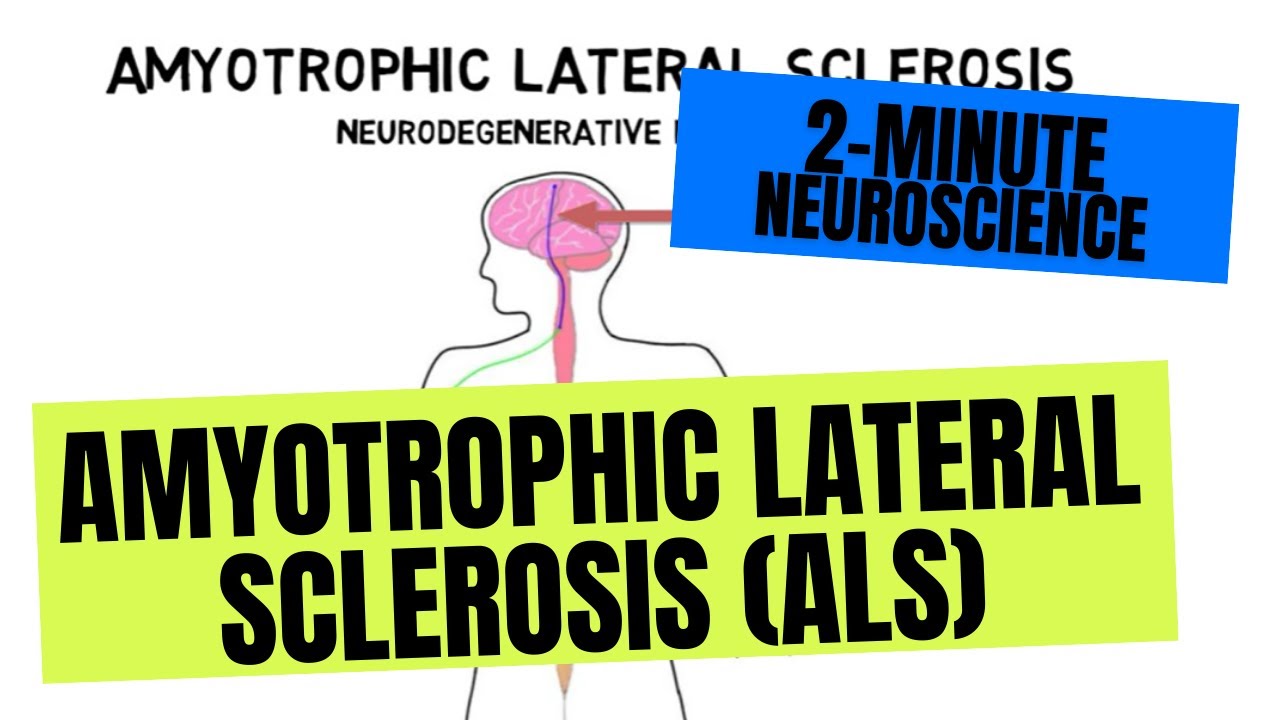
An article on Science Daily states the study Dr. Robert Bowser conducted at St. Joseph's Hospital and Medical Center.  The experiment found a link between genes and Amyotrophic Lateral Sclerosis. ALS is a fatal disease that progresses over time affecting the motor neurons and ultimately muscle control. A new technology, IBM Watson for Drug Discovery, was used that provided evidence that RNA metabolism has an effect on the development of ALS. It was found that 11 out of the 30 genes linked to ALS were mutated and caused different forms of ALS. These mutations alter RNA metabolism which affect the motor neurons, leading to a loss in muscle control/movement and paralysis. There are 1,500 RNA binding proteins so it is plausible other genes contribute to ALS. With IBM Watson for Drug Discovery, those genes will be tested for and that information will be able to be obtained faster.
Image result for als
I believe the advancement of technology will change medicine. ALS is a horrible disease, with no known cure. Finding five genes that contribute to the disease will be helpful in understand the disease better and coming up with an effective treatment. As technology improves, more genes will be tested and identified. This is just the beginning and the future of medicine seems to be brighter.

https://www.sciencedaily.com/releases/2017/12/171201104101.htm
https://ghr.nlm.nih.gov/condition/amyotrophic-lateral-sclerosis

Sunday, November 26, 2017

Rare Genetic Mutation found in Amish community could combat ageing

Amish boys watch a game of baseball. In the population studied, those with the mutation were found to have better metabolic health, far less diabetes, and tended to live a decade longer than others without the mutation.

Although there are many factors that contribute to longevity, scientists believe that carriers of a certain mutation allow parts of this Amish community to live a full 10 years longer than non-carriers. The scientists at Northwestern University in Chicago studied 177 people in one Amish community, identifying 43 that contain one normal version and one mutated version of the serpine1 gene. This gene provides instructions to make a protein called PAI-1 which "has a hand in a process called senescence, where cells go into a state of suspended animation and steadily buildup in the body's tissues". Some studies in animals showed that a decreased level of this protein can help protect against age-related disease. Trials are already underway to slightly reduce levels of PAI-1 in the blood. 
I think the fact that humans are living longer than ever and even mores science is on it's way to keep us here longer might be a problem in the future. For now however, it's interesting to see the lengths people will go to live a longer life. 

https://www.theguardian.com/science/2017/nov/15/rare-genetic-mutation-found-in-amish-community-could-combat-ageing
http://www.rarecoagulationdisorders.org/diseases/plasminogen-activator-inhibitor-type-1-deficiency/disease-overview-2