Showing posts with label "disease". Show all posts

Thursday, November 21, 2024

Solution for cancer, aging, and motor neuron disease?

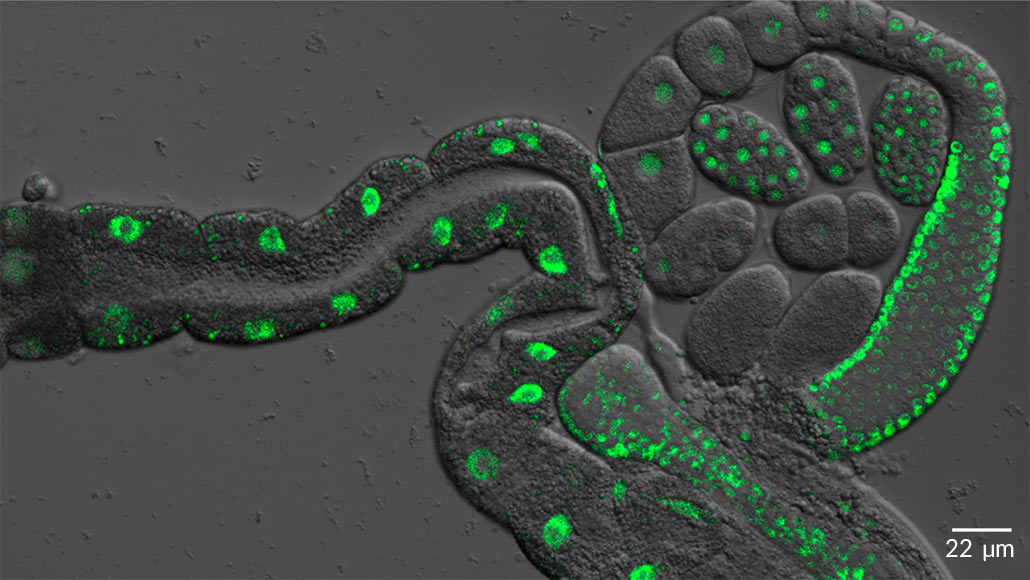
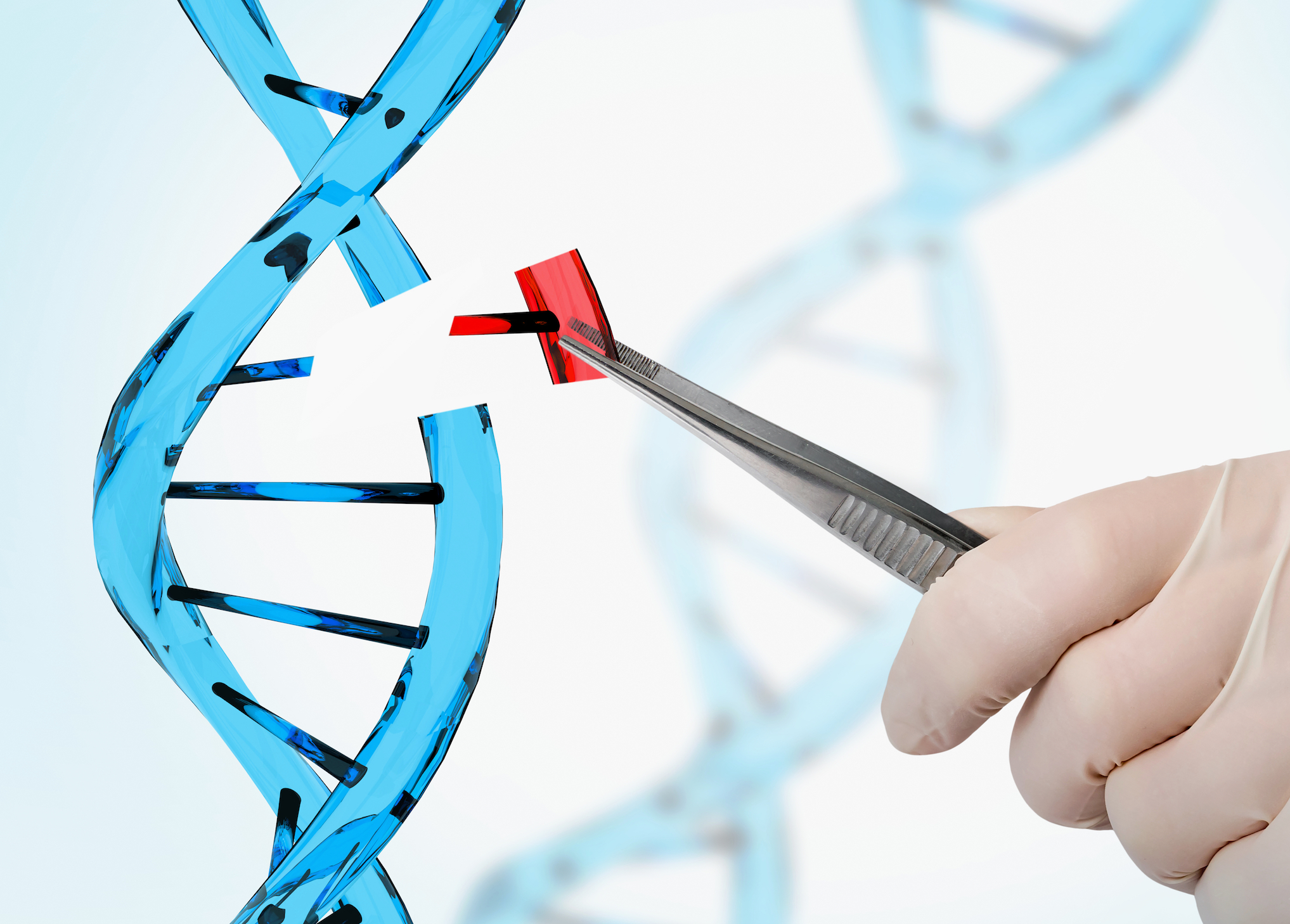
Scientists at the university of Sheffield and Oxford have discovered a new "toolkit" which can repair DNA that would otherwise lead to aging, cancer, and motor neuron disease. For some background, when damaged or destroyed DNA begins to accumulate inside cells and throughout the body, it can cause cellular aging, cancer, and even neurological diseases like motor neuron disease. When a protein by the name of TEX264 is mixed with a variety of other enzymes, it can recognize and break down toxic proteins that damage DNA and cause it to accumulate in the first place. Preventing these proteins from causing the build up can protect us from the problems listed before.


There really was no idea on how to prevent and protect against this kind of damaged DNA buildup before this discovery so the researchers are hoping to be able to implement this toolkit into modern medical practices. A possible use case could improve or replace chemotherapy which itself intentionally breaks down and destroys DNA to kill cancer. Chemotherapy is often a brutal, blunt force way to target cancer cells because it unintentionally attacks every cell. The new toolkit is hoped to be able to target specific DNA that would only be in cancer or other buildups. TEX264 is hoped to be a new method of treating cancer.

I am hopeful that this discovery can truly become a viable method, and an excellent one at that, to fight against cancer. I have experiences loss in my family because of cancer and a lot of other families experience it too. Current methods of fighting cancer are not guaranteed to work and often can be even more harmful to the person with cancer.

Links:

https://www.cancer.gov/about-cancer/understanding/what-is-cancer

https://medicalxpress.com/news/2024-11-scientists-toolkit-dna-aging-cancer.html

Saturday, November 16, 2019

New Genetic Links Reveal Anorexia Could Be Much More Than a Psychiatric Condition


https://www.sciencealert.com/new-genetic-links-reveal-anorexia-could-be-much-more-than-a-psychiatric-condition

https://www.scientificamerican.com/article/anorexia-may-be-linked-to-metabolism-a-genetic-analysis-suggests/

Most psychiatric disorders are not usually thought to be associated with genetics. When thinking about any psychiatric disorder it is frequently thought to be the cause of mental and behavioral problems that impede an individual’s personal functions. However, in the case of anorexia nervosa, it was recently discovered that this disorder is not just a psychiatric problem.

Anorexia nervosa is an eating disorder that is identified by an extremely low body mass index, an unwillingness to eat, and distorted body images. Most people with anorexia nervosa view themselves as overweight when in reality they are extremely underweight. This disorder affects about 0.5-3.7 percent of women in America.

Image result for anorexia nervosa stats
With anorexia nervosa being a non-substance abuse psychiatric disorder with the highest mortality rate, there is a lot of stigma around it. A large number of parents of anorexia nervosa patients express their concern for their children or they try to help them as much as possible. Because of these concerned parents, Cynthia Bulik, a professor of eating disorders from the University of North Carolina put together a research team and discovered that eating disorders are heritable. With her research team, she studied identical and fraternal twins and discovered that it has a 50 to 60 percent heritability. Further research was done by Bulik and her team also suggested that there are eight genetic variants that are associated with anorexia. This research was done with tens of thousands of people and the genetic variants found may increase vulnerability to the illness. This research has not found out exactly how these genetic variants contribute to the increase in vulnerability to anorexia but they may be linked to metabolic problems.


I thought this article was interesting because of how psychiatric disorders are linked to genetics. It was interesting to see how recent research has been revolutionizing the potential causes of psychiatric problems. I look forward to more research done on this subject in terms of treating these disorders not just as psychological or psychiatric.

Friday, September 27, 2019

In Utero Transplant in First Clinical Trial Successful


At the University of California, pediatric surgeons have treated a fetus, in the second trimester, using stem sells from the mother's bone marrow. After being born in February of 2018, this baby was officially the "first patient enrolled in the world's first clinical trial using stem cells transplanted prior to birth"(Daley 2018). Although the baby is still living with alpha thalassemia, a deadly genetic disease, pediatric surgeon, Tippi Mackenzie states, "her healthy birth suggests that fetal therapy is a viable option to offer to families with this diagnosis”(Daley 2018). In 2016, the trial officially began to investigate stem cell research to treat thalassemia. In this specific case, the baby had a lethal form caused by "abnormalities on the HBA1 and HBA2 genes,"(Daley 2018) called alpha thalassemia major, which typically causes babies to die before birth or are stillborn.


This unfortunate diseaese "is an inherited blood disorder that affects the body's ability to produce hemoglobin,"(Falck 2018) and can cause swelling of the liver or heart. Therefore, after four months in a clinical trial, five blood infusions, and one stem cell transplant, it is amazing that Elianna Constantino was born healthy. Elianna's enlarged heart, a sign of thalassemia, was detected during pregnancy through an ultrasound. According to the UCSF statement, "intrauterine blood transfusions were required to treat the swelling before the stem cell transplant could be performed"(Daley 2018). Even though it was a lengthy process, Elianna is said to be "doing great." Therefore, which once was a universally fatal disease, "can now be managed as a chronic disease," says Elliott Vichinsky, a hematologist and the founder of the Northern California Comprehensive Thalassemia Center. Today, Vichinsky is overseeing the baby's treatment and everything is looking healthy.


Sunday, September 22, 2019

Gene In Worms Promote Age and Reproduction, but Supress Immune Response

A study is being done by geneticists to see how a gene in worm DNA is affecting the worm's lives. First, they noticed that the worms were producing more offspring and were living longer unless exposed to a disease. They recognized the gene, TCER-1 as responsible for producing the protein that has this affect. At first, they though the gene would increase immune response along with reproductive capabilities. They observed the complete opposite. What was observed was that the worms with the gene produced more offspring but fought off diseases worse. When exposed to Alzheimer's disease protein, which paralyzes worms, worms with the gene survived nearly 1/3 of the time that worms with the genes did. Although, the gene made it possible for sick worms to produce healthy offspring.

protein microscopy

Recently, a similar gene was discovered in humans. While not a worry at the moment, scientists say it is a "warning bell"(Saey). Particularly this could affect anti-aging therapies as some can cause unexpected frailty. Personally, the research is important and is something humans need to keep an eye on. It is especially important now that humans are living longer and longer and as more resistant diseases are beginning to emerge.


https://www.sciencenews.org/article/gene-may-help-worms-live-longer-not-healthier
https://www.nature.com/articles/s41467-019-10759-z

Monday, September 16, 2019

Genes that Are Harmless on Their Own Cause Disease When Combined


"Genes that Are Harmless on Their Own Cause Disease When Combined" Chia-yi Hou

This article of the idea that harmless genes, on their own, can cause disease when combined relates back to a family case study. In this case study, "different genetic mutations from two parents cause severe heart disease symptoms in the children." So where did this idea come from? Back in 2008, a pediatric cardiologist that goes by the name Deepak Srivastava had a newborn patient, Tatiana, that had to put on life support due to having acute heart failure. The baby's parents also had lost their first child 24 weeks into the pregnancy. This tragic event sparked suspicion in Srivastava that their must have been a genetic component to the disease.
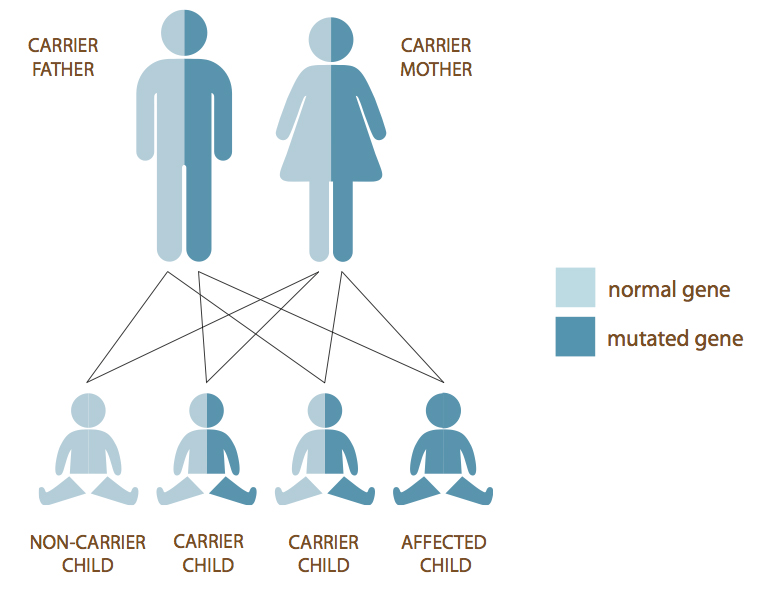
Moving forward, in 2011, the research began using "whole-exome sequencing to search for genetic variants"(Hou 2019) in Tatiana and her parents. Research shows that the father had mutations in "MYH7 and MKL2", which are genes that are important for heart and muscle development. The mother, on the other hand, "had a variant of the NKX2-5 gene, which encodes a cardiac-specific protein involved in regulating embryo development"(Hou 2019). This mutation led to a single amino acid difference at the protein level. Results show, the father has signs of lower function within the heart, although the mother was unaffected by the mutation. Meanwhile, all three children acquired a failed left ventricle that will never work to it's potential, therefore, unable to pump blood effectively. All of this is due to all three genetic mutations that they have inherited. The National Human Genome Research Institute states, "Genetic disorders can be caused by monogenic disorder, by multifactorial inheritance disorder, or by a combination of gene mutations"(NHGRI 2019). So basically, a disease is simply a genetic disorder that is caused by some change away in the normal DNA sequence.

                                                              Image result for genes causing disease from parents

Furthermore, the children’s symptoms were results of the parents’ mutated genes. They used "CRISPR technology to recreate the same genetic mutations in mice and found that, although animals with just one of the mutations had normal phenotypes, mice with all three mutations had heart pathology similar to the children’s"(Hou 2019). This makes sense due to the tissue found in Tatiana showed "reduced adhesion to the cell-culture dish, along with lowered expression of adhesion-related genes and higher expression of genes associated with immature heart-cell stages"(Hou 2019).
Overall, this outcome of having a plethora of genes together that determine a specific phenotype is known as "oligogenic inheritance." Therefore, this study comes down to a very interesting theory that most diseases are a result of a combination of genes. In order to test different combinations of gene variants, Srivastava is working with collaborators to develop a CRISPR-based single-cell technology. In the future, this technology should be able to help them test hundreds of gene variants in thousands of different cells.

https://www.the-scientist.com/notebook/genes-that-are-harmless-on-their-own-cause-disease-when-combined-66328https://www.genome.gov/For-Patients-and-Families/Genetic-Disorders


https://www.genome.gov/For-Patients-and-Families/Genetic-Disorders

Wednesday, May 1, 2019

Gene editing with CRISPR to stop disease before birth


Recently researchers have edited genes with CRISPR technology to prevent lethal lung disease. Scientists are able to do this by inserting CRISPR reagents into the amniotic fluid while the fetus is still developing. The gene editors were introduced four days before mice gave birth and a change in the airway. After doing this there is much to be discovered but they were able to save 22 percent of the animals from this disease. It's proven that there gene editing worked because otherwise the mice would've died within 24 hours.


More research will be done to see how effective the treatment is in the trial phase. However, I can't help but think about how groundbreaking that would be in order to prevent diseases in people before they actually happen. This research isn't the first of it's kind though and actually started with working on liver disease which can also kill in a relatively quick amount of time. I think that also looking into pancreatic cancer or other cancers would also be influential in there research because of the large effect it has on the human population. Maybe someday we'll be able to edit out all of the diseases out of a person's genome using advanced technology like CRISPR.

Sunday, April 7, 2019

Transforming Fungus into a Cure

An article by Science Daily describes how researched turned a fungus into a cure for a tropical disease called African sleeping sickness. The disease infects thousands of people in remote areas of sub-Saharan Africa every year. The fungus Acremonium egyptiacum produces two different types of antibiotic. One is toxic, but the other is a specific antibiotic that is a treatment for African sleeping sickness. Researchers wanted to engineer the fungus to produce that antibiotic because it is not cost effective to chemically synthesize it. Professor Abe from the University of Tokyo identified that the fungus's two antibiotics are both made from the same precursor molecule. Researches deleted the genes that were responsible for producing the toxic antibiotic, so only the desired one was produced. The antibiotic used for treatment is called ascofuranone and is also a candidate for cancer treatment.


I think that this study is a good example for how helpful and important genetic engineering is in the science world. It is impressive that scientists can alter the genes of an organism so that it produces a desired product. It is also good that this specific antibiotic is a candidate treatment for cancer. I wonder what other diseases can be treated in the future by genetically altering the genes of other organisms. 

Thursday, March 28, 2019

Sharks May be the Key to a Cure

Sharks may be the Key to a Cure

Shark

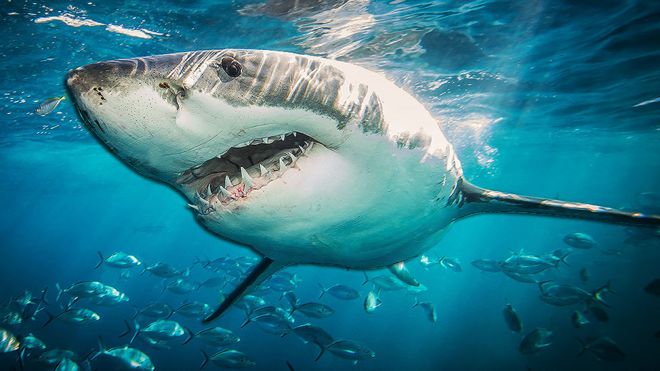
Scientists believe that sharks hold secrets to cancer and other age related diseases found in humans. Shark DNA reveals mutations that protect them from these diseases. Sharks have the ability to repair strands of their DNA in ways humans are not able to. Our genome is unstable and that leads to use acquiring these age dependent deficiencies. Currently, sharks have DNA 1.5x bigger than human DNA which obviously means they code for things we cant. This research may be the key for us to understand DNA and how it can be applied to help with our own DNA.