Showing posts with label "DNA repair". Show all posts

Thursday, November 21, 2024

Solution for cancer, aging, and motor neuron disease?

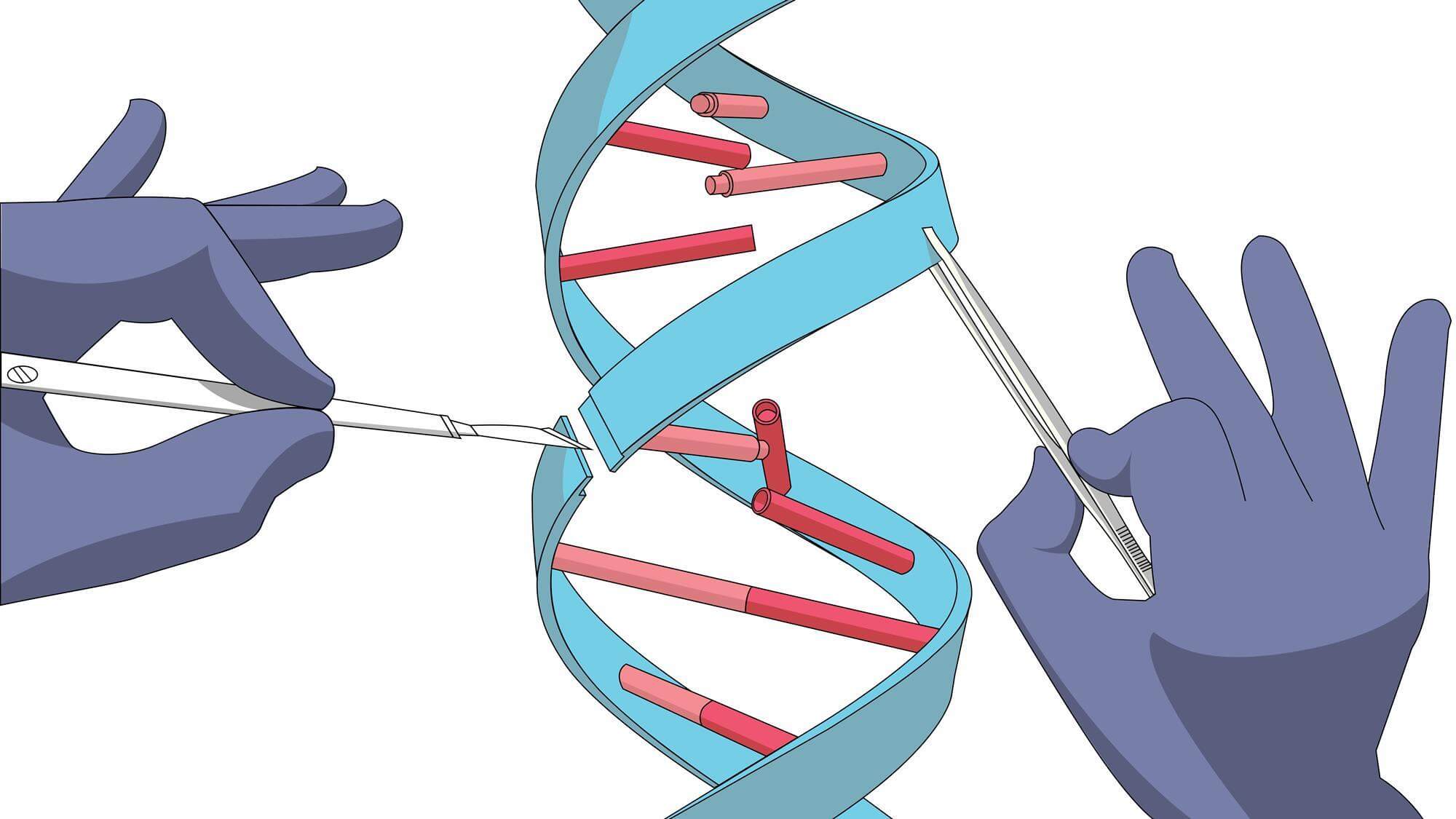
Scientists at the university of Sheffield and Oxford have discovered a new "toolkit" which can repair DNA that would otherwise lead to aging, cancer, and motor neuron disease. For some background, when damaged or destroyed DNA begins to accumulate inside cells and throughout the body, it can cause cellular aging, cancer, and even neurological diseases like motor neuron disease. When a protein by the name of TEX264 is mixed with a variety of other enzymes, it can recognize and break down toxic proteins that damage DNA and cause it to accumulate in the first place. Preventing these proteins from causing the build up can protect us from the problems listed before.


There really was no idea on how to prevent and protect against this kind of damaged DNA buildup before this discovery so the researchers are hoping to be able to implement this toolkit into modern medical practices. A possible use case could improve or replace chemotherapy which itself intentionally breaks down and destroys DNA to kill cancer. Chemotherapy is often a brutal, blunt force way to target cancer cells because it unintentionally attacks every cell. The new toolkit is hoped to be able to target specific DNA that would only be in cancer or other buildups. TEX264 is hoped to be a new method of treating cancer.

I am hopeful that this discovery can truly become a viable method, and an excellent one at that, to fight against cancer. I have experiences loss in my family because of cancer and a lot of other families experience it too. Current methods of fighting cancer are not guaranteed to work and often can be even more harmful to the person with cancer.

Links:

https://www.cancer.gov/about-cancer/understanding/what-is-cancer

https://medicalxpress.com/news/2024-11-scientists-toolkit-dna-aging-cancer.html

Monday, April 15, 2024

Tardigrades Are Almost Radiation Proof


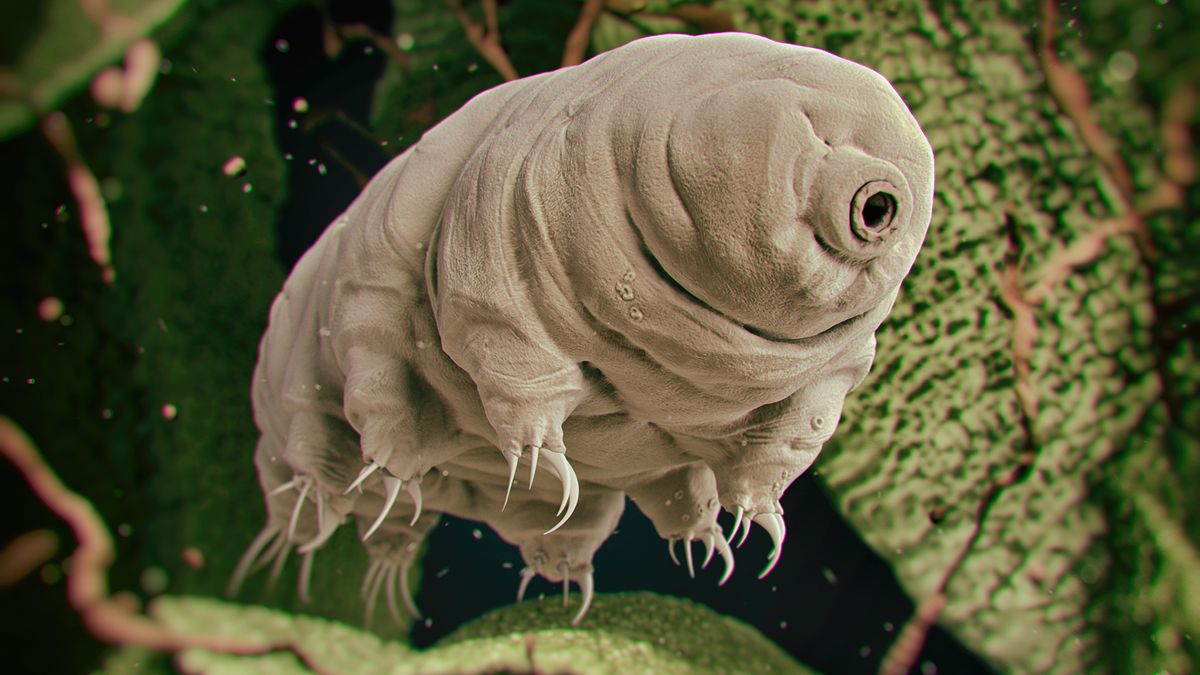
 Tardigrades are able to withstand 1,400 times more radiation than a human with no side effects. Tardigrades are able to do this by repairing their broken DNA from the radiation. Radiation is dangerous to most organisms because it damages DNA strands. Sometimes the radiation can cause cells to alter which then can attack DNA which will also cause damage. Tardigrades were also found to have a protein called Dsup. Dsup shields the genes of the Tardigrade from energy rays and errant molecules. The researchers who found the Dsup protein tested this on human cells by then putting x-ray on them. The cells with the Dsup proteins were less damaged than the cells without the protein. The protein does not necessarily prevent the DNA to break since other testing has been done that breaks Tardigrade DNA. However, there will now be more testing done to understand how Tardigrades fix their broken DNA quickly. Another protein that could withstand damage to human DNA is TRD1. This research will continue into understanding how Tardigrades can survive such harsh environments.

In my opinion I think it is really interesting to see how Tardigrades can help human cells be able to protect DNA. This can be very helpful for humans especially those who need radiation or x-rays a lot. 


Article Link: https://www.nytimes.com/2024/04/12/science/tardigrades-moss-piglets.html?searchResultPosition=2

Additional Link: https://www.ncbi.nlm.nih.gov/pmc/articles/PMC6770827/


Thursday, November 9, 2023

The Role of Genetics in Cancer Research

Genetics has played a fundamental role in the study of cancer for several decades even though most cancers are not exactly linked t inherited genes from parents. Normally, when cells grow old or destroyed, they die and new cells replace them. Now, during this process, it is possible for some genes in a cell to become abnormal, thereby making the cell to grow and divide when they should not. These abnormal cells can form lumps of tissues in the body called tumors. Some tumors are cancerous while others are not.


Some of the genetic changes cause cancer affect three main types of genes: tumor suppressor genes, proto-oncogenes and DNA repair genes. Another name for these changes is drivers of cancer. Due to the progress in studies by biologists on molecular changes that cause cancer, biologists have discovered certain mutations usually occur in many types of cancer. This progress has also led to the creation of many cancer treatments that combat gene mutations that are in cancer.

Sources

American Cancer Society

https://www.cancer.org/cancer/risk-prevention/genetics.html#:~:text=Some%20types%20of%20cancer%20run,person's%20life%20cause%20most%20cancers.

National Cancer Institute

https://www.cancer.gov/about-cancer/understanding/what-is-cancer#:~:text=When%20cells%20grow%20old%20or,or%20not%20cancerous%20(benign).

Tuesday, April 23, 2019

Working to Detect the Off-Target Effects of CRISPR

The CRISPR genome editing technology was developed in 2012.  It has potential to eventually cure multiple genetic diseases. However, there are still some unknown aspects of this technology. Scientists have not been able to consistently identify off-target effects in "theurputicallly relevant cell types". This is what is keeping CRISPR from moving to the clinic. An article by Science Daily writes that Gladstone Institutes have developed a method to distinguish these off-target effects. When CRISPR cuts DNA, the cell recruits different DNA repair factors to that region to fix the break. The goal of the scientists was to find the location of the DNA repair factors in order to identify the sites that have been cut by CRISPR. One specific repair factor, MRE11, is always present in repairing the DNA. Scientists developed "DISCOVER-Seq", which uses MRE11 to identify the precise areas in which the genome has been cut.


I think that DISCOVER-Seq will be very important in moving CRISPR to the clinics. It is crucial that scientists are able to identify and effects on DNA that occur away from the target region. This new technique also uses the cell's natural response to cuts in DNA, so it may be the most accurate method developed thus far.

Friday, April 12, 2019

DNA Imaging Improved

DNA Imaging Improved in Record Time

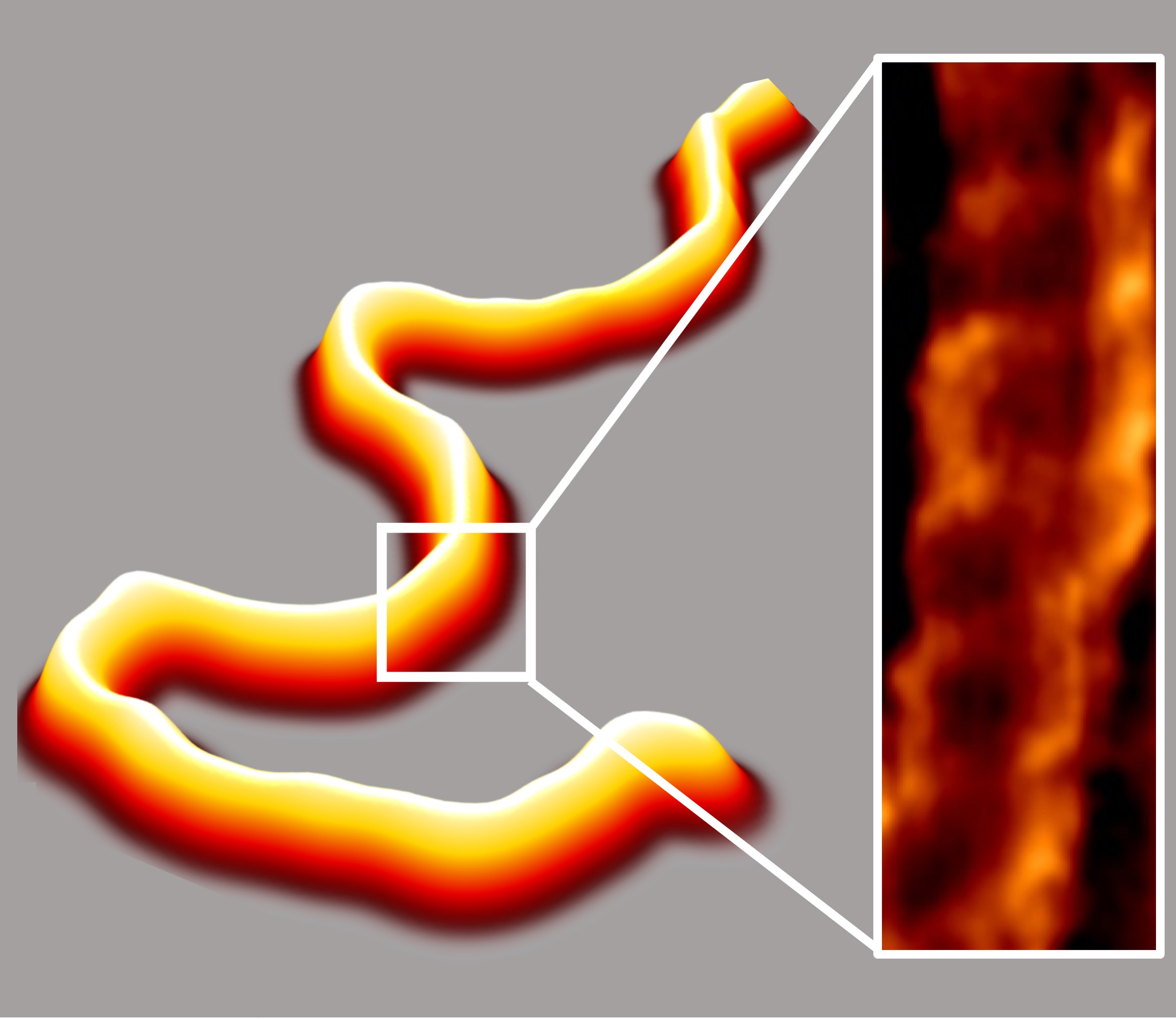
Three-dimensional rope the color of Candy Corn snaking across the field of view, with an inset close-up of a small piece showing a twisted ladder shape

JILA scientists have developed a new DNA imaging technique involving mica and a liquid solution. Several liquid based DNA images have been proposed however none were determined to be ideal for gathering an image.  Tests have shown full length pictures of DNA confirming the double helix formation and also scientists are able to study protein complexes involved with DNA repair and metabolism. Also, the imaging process takes 5 minutes to develop an enhanced image; in time these images will help to unlock more secrets DNA holds.

Thursday, March 28, 2019

Sharks May be the Key to a Cure

Sharks may be the Key to a Cure

Shark

Scientists believe that sharks hold secrets to cancer and other age related diseases found in humans. Shark DNA reveals mutations that protect them from these diseases. Sharks have the ability to repair strands of their DNA in ways humans are not able to. Our genome is unstable and that leads to use acquiring these age dependent deficiencies. Currently, sharks have DNA 1.5x bigger than human DNA which obviously means they code for things we cant. This research may be the key for us to understand DNA and how it can be applied to help with our own DNA.