Showing posts with label ADAR2. Show all posts

Tuesday, August 1, 2023

How Cephalopods Modify Their RNA

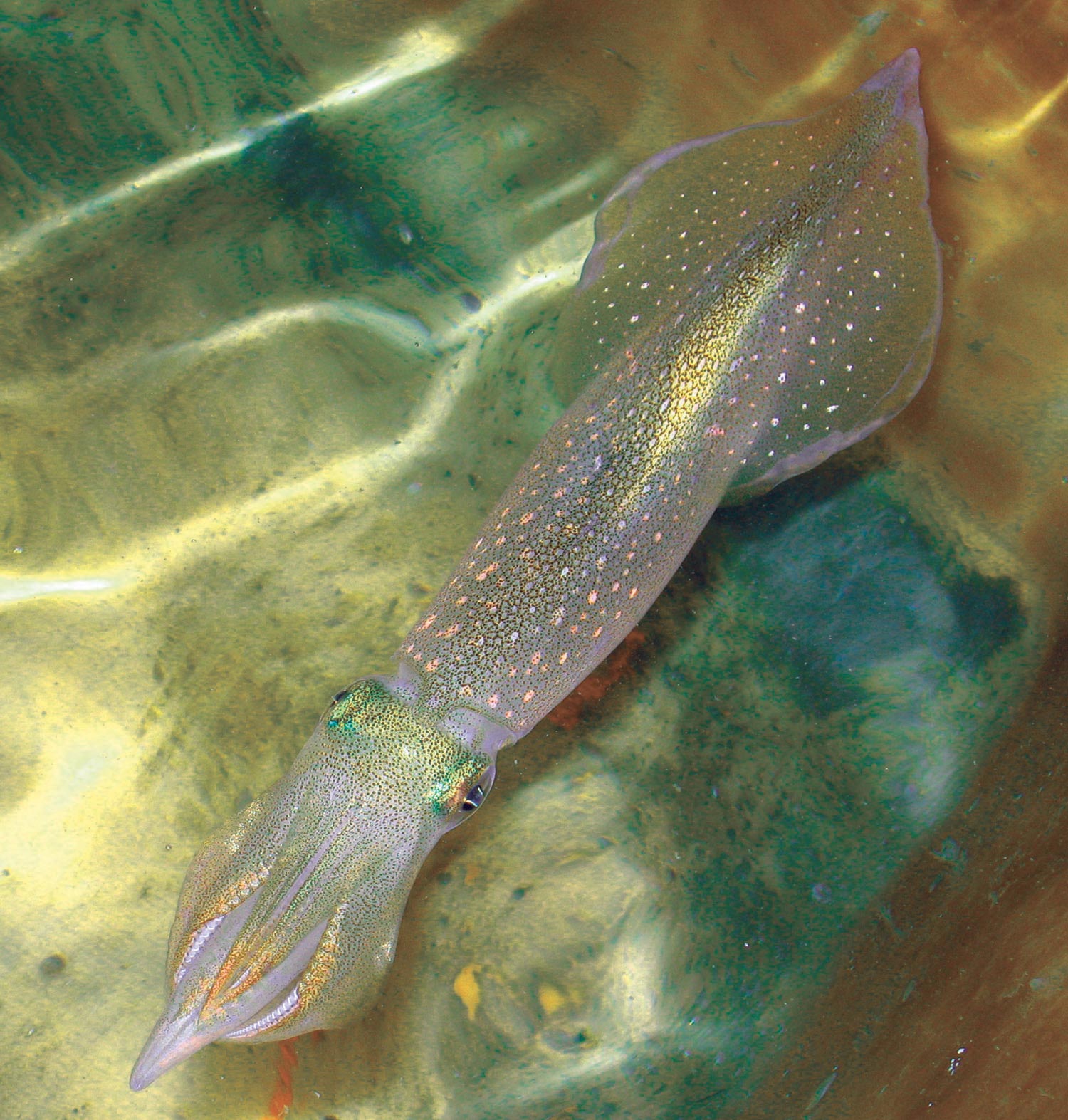
Soft-bodied cephalopod's main source of RNA editing is known as adenosine to inosine (A-to-I) editing. A-to-I editing happens when the enzyme ADAR2 takes one nitrogen and two hydrogen atoms from adenosine which turns it into inosine. Inosine is read as guanine by ribosomes which can change the amino acid into something other than what it used to be if there was still an adenine. This type of RNA editing is known as RNA recoding. Mollusks, humans, and other mammals do not seem to do it to the same extent. For example, Rosenthal, Eisenberg, and colleagues reported that longfin squid have 57,108 recoding sites. Multiple species of octopus, squid, and cuttlefish had been examined and each had tens of thousands of recoding sites. Coleoids have these many opportunities to recode because of their ADAR2 enzyme can be found in the cytoplasm. 


Sunday, November 15, 2020

Studying Squids to Help Find a New Way of Pain Relief


    Some organisms can make edits or changes to their genetic material. Most organisms perform this function of editing their RNA in the nucleus and then are sent out to the rest of the cell. Squids however, discovered a way to change up the genetics of their cytoplasm. This is a first for animals editing genetic information outside of the nucleus. Studying how the squid species perform this odd function could aid in medical research. A study on this matter was conducted by extracting cytoplasm for a squid's axons after they discovered that mRNA editing proteins were found in the squids nerve cells. The protein ADAR2 was found to be located in both the squids cytoplasm and the nucleus of neurons. This would explain why these squids were able to change the genetic material in the cytoplasm. 

I believe that these findings are important because they could help scientists find a way to reduce long term pain in human nerve cells. I think manipulating the genetics of the mRNA can help find new advances in modern medicine. Axon dysfunction in humans is linked to neurological disorders, these new findings and studies could potentially also help humans therapeutically.


https://www.sciencenews.org/article/squid-edit-their-genetic-material-uniquely-weird-place


https://www.sciencedaily.com/releases/2020/03/200323125629.htm#:~:text=In%202015%2C%20Rosenthal%20and%20colleagues,produced%20in%20the%20nervous%20system.