Showing posts with label mutations. Show all posts

Wednesday, November 12, 2025

How a Few Small Mutations Allowed for Bipedalism in Humans


How a Few Small Mutations Allowed for Bipedalism in Humans

Benjamin Pruss
BIOL-2110-001 GENETICS
Professor Guy F. Barbato
November 11th, 2025


    Recently, two small genetic mutations were found that helped early man achieve bipedalism. All of our cousins, the great apes, are quadrupeds that can only walk on two legs for short periods of time. However, because of a set of small mutations, we can live our lives on two legs.

    These mutations, which affect the pelvis, or more specifically, the ilium, did two things: firstly, they rotated the pelvis 90 degrees. This changed the way the muscles were attached to the pelvis, becoming better suited to standing on two legs than walking around on four. Secondly, the amount of time it takes for the ilium to harden increased, allowing the pelvis to grow wider, which helped stabilize the body for an upright lifestyle.

    The discovery was made by Gayani Senevirathne and peers in 2025, when they were comparing human, chimp, and mouse pelvic tissue while studying hip disorders. Bipedalism was an important evolutionary change that helped shape humanity as a species. "One of the most significant things about this change is it shows how critical it was to establish the ability to stand on one foot at a time, which lets us walk on two feet," says anthropologist Carol Ward from the University of Missouri. One of the authors of the research article, Terence Capellini, also believes that the widening of the hips also led to a larger birth canal, which would have allowed for larger-brained babies.

Sources

Monday, October 27, 2025

Fatal Familial Insomnia


    Fatal Familial Insomnia (FFI) is an exceptionally rare and invariably fatal genetic disorder caused by an autosomal dominant mutation in the PRNP gene. This mutation leads to the production of an abnormal prion protein that causes severe neurodegeneration, primarily in the thalamus, the brain region that regulates sleep. The disease is characterized by a relentless progression of symptoms, beginning with intractable insomnia, vivid dreams, and autonomic dysfunction (like high blood pressure and sweating), and advancing to cognitive deficits, motor problems like ataxia and myoclonus, and eventually coma and death. Diagnosis is primarily clinical, supported by genetic testing for the specific mutation, with an average disease duration of only 18 months. There is currently no cure; treatment focuses entirely on symptomatic relief and palliative care, as traditional sedatives are ineffective and no therapy has yet been found to halt the disease's progression.

    The article on Fatal Familial Insomnia is a stark and somber reminder of the power of genetic diseases. The mechanism is particularly harrowing that a single gene defect can systematically dismantle the brain's ability to sleep, turning a basic biological necessity into a direct path to death. It's fascinating yet terrifying how the pathology is so localized initially, targeting the thalamus to produce its signature symptom, before spreading to cause widespread neurological decline. The complete ineffectiveness of standard sedatives underscores that this isn't ordinary insomnia but a fundamental failure of the brain's circuitry. This condition highlights a critical frontier in medicine, where our understanding of neurodegenerative pathways is growing, but our ability to intervene remains heartbreakingly limited. The ongoing research into treatments like doxycycline and immunotherapy offers a bit of hope, but for now, FFI stands as a powerful example of a disease where compassionate, interprofessional palliative care is the only option, emphasizing the importance of supporting both the patient and their family through an unimaginably difficult journey.


References 

1. Khan, Zalan, and Pradeep C Bollu. “Fatal Familial Insomnia.” Nih.gov, StatPearls Publishing, 3 June 2019, www.ncbi.nlm.nih.gov/books/NBK482208/.

2.  Cleveland Clinic. “Fatal Familial Insomnia: Symptoms, Causes & Outlook.” Cleveland Clinic, 28 Apr. 2023, my.clevelandclinic.org/health/diseases/25001-fatal-familial-insomnia.


Sunday, March 23, 2025

Unraveling the Genetic Prelude to Gastric Cancer

The article discusses research by Coorens et al., which analyzes human stomach tissues to explore the mutational landscapes across normal, precancerous, and cancerous stages. It highlights how normal gastric glands accumulate mutations over time, and how this mutational burden increases in metaplastic glands, potentially setting the stage for cancer. Normal gastric glands accumulate mutations over time primarily due to two factors: the natural aging process and the high turnover of cells. DNA replication errors can occur as cells divide to replenish the gastric epithelium, leading to mutations. Environmental factors such as diet, toxins, and even normal metabolic processes can also introduce DNA damage. These accumulated mutations can then contribute to the development of metaplasia and potentially lead to gastric cancer. This study offers insights into how early mutations in normal tissues could lead to cancer, emphasizing the importance of early detection and understanding mutational processes for cancer prevention.

The findings by Coorens et al. underscore the value of genomic surveillance in seemingly normal tissues. By identifying mutational signatures that appear early in the disease process, researchers may be able to develop biomarkers for early detection or risk assessment. This could pave the way for preventative strategies or targeted surveillance in individuals at higher risk for gastric cancer. Furthermore, understanding the mutational mechanisms at play may guide the development of therapies that interrupt the progression from metaplasia to malignancy.


Links:

https://www.nature.com/articles/d41586-025-00803-y 

https://www.nature.com/articles/s41586-021-03790-y

Wednesday, November 13, 2024

Detecting Cancer Risk in Gene Variants Using CRISPR

 CRISPR technology has been used in many novel ways in modern genetic research through its ability to modify the DNA of living organisms. By utilizing two different gene editing methods, researchers at ETH Zurich have found a way to investigate how genetic mutations relate to cancer. Using CRISPR, the researchers modified the EGFR gene in two human cell lines in more than 50,000 different variations to create mutated cells which they tested. This was achieved by first modifying the base pair sequence in the genes using base editing, which allows for the replacement of cytosine with thymine and adenine with guanine. Prime editing, a less reliable technique that can swap any DNA base, was then used afterwards to finish the base pair replacement. 

The researchers found that there were ten formerly uncertain variants which now have evidence suggesting that they are significant to cancer, either in its onset or its resilience. They also found a mechanism by which the EGFR gene could cause cancer. Lastly, they found six new variants that have never been observed that could play a role in cancer.

The research described above has only scratched the surface of the potential this new method has. The variants in all other genes are now at researchers' disposal to be decoded and analyzed using this method, and could lead to further understanding in the fields of genetics and oncology as a whole. 


Diagram demonstrating how CRISPR technology modifies DNA.

https://www.nature.com/articles/s41587-024-02439-1#Sec2

Tuesday, April 9, 2024

A protein found in human sweat may protect against Lyme disease


In this article written by Anne Trafton, the author discusses how researchers have discovered a protein in human sweat that can protect against Lyme disease. They hope to use this discovery to develop skin creams to prevent the disease or treat infections that don't respond to antibiotics.

The researchers ran a genome-wide association study to find genetic markers of disease susceptibility. They discovered SCGB1D2, a secretoglobin primarily produced by sweat glands. They exposed SCGB1D2 and a mutated version of the protein to the bacteria that causes Lyme disease and discovered the unmutated version significantly inhibited its growth. They then injected mice with the bacteria, along with the mutated and unmutated protein. The mice with the unmutated protein did not become infected, while the ones with the mutated proteins did.

I found this article to be quite interesting. I was exposed to Lyme disease as a kid, so seeing new research about it is intriguing. I do think the notion of a preventative cream, though interesting, is unrealistic. I'm unsure how many people would routinely use a cream whose sole purpose is to help prevent against Lyme disease. I think a better course of action would be to add it to insect repellants. I do however hope the cream will be able to help people with antibiotic-resistant bacteria. Living with Lyme disease is incredibly difficult. 


Article: A protein found in human sweat may protect against Lyme disease

Additional Link: A protein found in sweat may protect people from Lyme disease

Saturday, December 2, 2023

Clever dosage control mechanism of biallelic genes


            Clever dosage control mechanism of biallelic genes

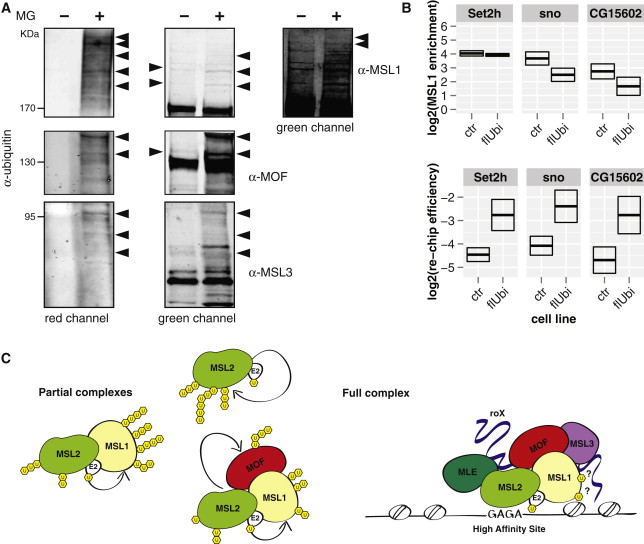
In a remarkable study led by Asifa Akhtar's team at the Max Planck Institute of Immunobiology and Epigenetics in Freiburg, researchers discovered a critical mechanism that ensures the appropriate expression of haploinsufficient genes. The study provides light on the relevance of having two copies of each chromosome and presents the epigenetic regulator MSL2 as an "anti-monoallelic" component that acts as a guardian of biallelic gene dosage.

Nature's built-in redundancy mechanism is the human body's presence of two alleles for each gene. This redundancy protects against the deleterious effects of mutations or decreases in messenger RNA production from a single allele. A subset of genes known as haploinsufficient genes, on the other hand, rely on the continuous expression of both intact alleles, making them vulnerable to disorders if only one allele is damaged.

In my opinion this is a very useful study that they have done here to help when both haploinsufficient genes are not compromised. This can help prevent many people from getting diseases that are caused by this. I believe this can help us discover even more genetic procedures to help cure even more diseases.

Links: https://www.sciencedaily.com/releases/2023/11/231129112532.htm

https://www.ivanhoe.com/news_flash/clever-dosage-control-mechanism-of-biallelic-genes-click-here/


Sunday, November 19, 2023

Chaos in the Bay: Odd Phenomenon Amongst Shellfish

  Seafood, or specifically shellfish, is popular worldwide. When these delicacies living populations starts dwindling, concerns may arise. Especially when this happened to clams (soft-shell) in both the Chesapeake and Maine Bays in the 1970s and researchers could not find the cause. Not until now. Dr. Metzger and his team of researchers found that the cause is a form of cancer which is not only unstable but also contagious. Similar occurrences have been affecting other species of shellfish (cockles, mussels, etc.) as well. These cells go through unorthodox changes (which would normally destroy the cell) and survive anyway. 

  This isn't isolated from only shellfish either, this is also found in certain mammals (Tasmanian Devil and Dogs). The big question is, what if this happens to humans? The Tasmanian Devils are an endangered species because of it, but dogs' immune systems can destroy the cells with ease. Now we are facing an unknown that may be scary but at the same time, it opens a whole new door. Dr. Metzger expresses that this could be a way to uncover secrets about cancer which could help other animals and people as well. A potential breakthrough in medical technology would be astounding and may save numerous lives one day.

Links:


- 

Tuesday, September 26, 2023

Gene Mutation Linked to Esophageal Cancer


 Esophageal Cancer affects the throat and typically begins in the cells lining the esophagus. It is more common in men than in women. Symptoms include difficulty swallowing, weight loss, chest pain, indigestion, and coughing. Smoking tobacco and alcohol use can be risk factors for developing it. The exact cause of esophageal cancer is unknown but mutations in the cell's DNA cause the cells to grow and divide rapidly, resulting in cancerous cells. There are 2 main types of esophageal cancer, adenocarcinoma being the most common. Esophageal cancer is the sixth most common cause of cancer deaths. Recently, researchers have found a gene mutation linked to esophageal cancer, specifically esophageal adenocarcinoma. Being able to identify the gene mutation allows those with a high risk of developing the cancer to find treatment strategies before it is too late. Researchers studied patients with the disease and found that the gene Caveolin-3 (CAV3), is related to the cause of the gene mutations in the cell. Cavoleins are components of a cell that deal with the regulation of the proteins involved in the cell's proper function. Specifically, CAV3 cells are found in mucosal glands. When esophageal cells are injured, such as from smoking or acid reflux, these cells come to the surface to repair the damaged proteins. With an inherited CAV3 mutation, the cells are not able to heal properly and can cause adenocarcinoma. I found this article to be extremely interesting. A small mutation in a specific part of the cell can cause drastic damage to the body. More research needs to be done to identify other possible causes of different types of esophageal cancer.

Thursday, August 5, 2021

THE DETECTION OF ALBINISM

 THE DETECTION OF ALBINISM 


    Albinism is a medical condition that affects a person's skin color, eye color, and hair color; it tends to be white. This condition is cause by the decrease of tyrosinase activity. Albinism has different types of patterns, it depends on the genes of the chromosomes and the mutation that occurs. It is an inherited condition, that is considered to be an autosomal recessive defect. This means that it is passed on from family members; meaning there must be a history of this condition in the family. According to one of the websites, "In certain ethnic groups we found at least one mutation in all, and two mutations in over 90% of albinos."  

    This medical condition can be detected by a "..light and electron microscopic examination of melanogenesis in fetal scalp biopsies or by molecular genetic tests" during pregnancy. The physical appearance of the individual can involve a major factor for detection; their skin pigmentation, eye color, and hair color is white and abnormal. This condition can also be associated with bowel disease and bleeding problems. When an individual suffers from this condition it is important for the individual to speak with their doctor to explain the treatment and restrictions; such as avoiding a long time in the sun, and wearing sunscreen. 


1. Prenatal diagnosis and carrier detection of albinism | Genetics in Medicine (nature.com)

2. Albinism | Genetic and Rare Diseases Information Center (GARD) – an NCATS Program (nih.gov)

Friday, April 23, 2021

Kids born to survivors don't show more genetic mutations

Back in 1986 the Nuclear Power Plant at Chernobyl had a meltdown and exposed people living in, near or liquidators that had to clean up the aftermath.  In this article it goes talks about a study that was done that showed promising results that the parents of the kids don't pass down any excess mutations.  Researches hope this is a good sign because they hope the information can benefit others in this situation.  The article also talks about the fallout and Thyroid Cancer among the people that were exposed to the radiation.  In the picture on the right you can see one of the most iconic things in Chernobyl the Ferris Wheel.  In the picture on the left you can see the aftermath of the Chernobyl meltdown.  I think that is is promising that the kids of these people don't have a higher chance of having a mutation in their genes.  I also think that knowing this information will help anyone who has been affected by a nuclear accident. 


Friday, April 2, 2021

1 in 5 People have a mutation for increased resilience in the cold

In an article published by the Karolinska Institutet (in Sweden), researchers were able to about one in five people don't have the alpha-actinin-3 protein in their muscle fibers. Individuals lacking this protein had a higher composition of slow-twitch muscle fibers. Note the there is a distinction between the different muscle fibers found in skeletal muscle tissues. As explained by Daniel Bubnis in the article, "Flexing Slow Twitch Muscle Fibers", slow-twitch muscle fibers and fast-twitch muscles differ mainly in the rate at which they use up energy and the length at which this energy is used for, as assumed by their names. The researchers in the study found individuals lacking the protein have a higher composition of slow-twitch fibers tolerated low temperatures due to its energy-efficient qualities. The alpha-actinin-3 protein is found in fast-twitch muscle fibers and lacking in close to 20% of the population due to a mutation in the gene. Scientists believe that this mutation may have occurred when humans began migrating to colder climates from places like Africa. While this protein influences many other processes, research has shown that people that lack the alpha-actinin-3 protein are better at staying warm under cold conditions. 

Friday, November 20, 2020

The Genetic Potential of Mitochondria

Subject: Mitochondrial Gene tool 

Article: ¨A bacterial toxin enables the first mitochondrial gene editor¨ 


The mitochondria is the powerhouse of any living organism. It not only functions as an organelle that produces energy (ATP) but it also helps facilitate other functions within the cell to keep it alive. In a human the mitochondria is prone to mutations because it does not have the repair mechanisms that nuclear DNA possess. In the article ¨A bacterial toxin enables the first mitochondrial gene editor¨  researches had worked on how the mitochondria could be a potential and safe tool to solve for genetic diseases through gene editing that would normally use the technique of CRISPR/Cas9. CRISPR and Cas9 solve for a mutation by chemically changing DNA bases in the nuclei, normally by cutting into DNA before deleting any defective strands. Upon the discovery of how toxin released from Burkholderia cenocepacia attached itself to DNA and allowed for there to be a base change of C (cytosine) and T (thymine). It was vital to acknowledge that because the correction could be made on a double stranded DNA without breaking apart the DNA strand Cas9 was no longer needed. However, this method is dangerous to mammalian mitochondria because it uses bacteria as its prey to make the base corrections. The question remains, if it is dangerous to mammals whose mitochondrial DNA was tested? Is it possible to use CRISPR Cas9 to assist in mammalian mitochondrial bases editing? 


Article Link: https://www.sciencenews.org/article/mitochondria-gene-editing-bacterial-toxin-crispr 

Supporting Link(s): https://www.britannica.com/science/mitochondrion 


Wednesday, November 18, 2020

The First Mitochondrial Gene Editor


It has never been possible to fix mutations in mitochondria... until now. Recently, a protein from bacteria has been re-engineered to change DNA in mitochondria, which has not been possible before.  Tools such as Crispr-Cas9 have attempted to be used in mitochondrial DNA, but they have not worked. But, the bacteria Burkholderia cenocepacia has been found to secrete a toxin that is capable of assisting in the creation of a mitochondria-friendly base editor. This toxin is a cytosine-converting protein, which means that it binds to DNA and converts cytosine to thymine. However, unlike all other cytosine-converting proteins, this toxin makes changes to double-stranded DNA, rather than single-stranded DNA. Most gene editors must edit DNA in single strand form, so this toxin is a huge step in the right direction for mitochondrial gene editing. In my opinion, mitochondrial gene editing would be an amazing capability of human gene editing. "Mutations in mitochondrial DNA cause over 150 distinct syndromes and affect 1,000 to 4,000 children born in the United States every year," (Lee, 2020). It could help prevent mitochondrial mutations, as well as so many types of diseases. It could also aid in the process of finding cures for these diseases. Mutations in mitochondrial DNA often involve multiple organ systems and can affect the body as a whole in so many different ways. It would be a miracle to find a way to cure these diseases, and even better, prevent them. I think this work is something that needs to be rapidly pursued, but it seems like scientists are on their way to fixing mitochondrial mutations!

https://www.sciencenews.org/article/mitochondria-gene-editing-bacterial-toxin-crispr

https://www.the-scientist.com/news-opinion/new-gene-editing-tool-corrects-mutations-in-mitochondrial-dna-67726

https://medlineplus.gov/genetics/understanding/mutationsanddisorders/mitochondrialconditions/#:~:text=In%20some%20cases%2C%20inherited%20changes,often%20involve%20multiple%20organ%20systems.

Tuesday, November 17, 2020

CRISPR leading to unwanted genetic effects in embryos


Picture taken from the New York Times: "Scientist working with Crispr-Cas9"


This article brings up a crucial point in researching Crispr-Cas9: "We often hear about the successes, and not the failures". This article explains how in a study that was conducted, Crispr-Cas9 was used to extract the mutation of interest and fix the remaining DNA strand. However, the cell was unable to repair itself the way it was intended and cut out and left out crucial chromosomal DNA. This discovery that Crispr-Cas9 had this effect on manipulating human embryos raises a lot of concern. It continues to urge scientists that being able to use Crispr-Cas9 to alter embryos is far away. Scientists need to take their time in order to fully understand the abilities and defects of Crispr-Cas9 . While there are some scientists that believe that this may not have been a "deletion" but rather a "mutation" it still raises large concern due to the fact that it seems to be an unpredictable outcome at this point. Research on the effectiveness of Crispr-Cas9 is ongoing and scientists believe that it will be a while before we can fully understand its capabilities. 

    Crispr-Cas9 has been a hot topic in the science community and often raises concern. While most people believe that it can be used now for specific treatments, I believe that as scientists we should still err on the side of caution when it comes to manipulating the human genome. While there are very specific treatments that are available where it has a high success rate, we still do not know everything that Crispr-Cas9 has to offer and the effect it may have long term. In this article, it allows people to see that while Crispr-Cas9 can be successful, it can also do permanent and fatal damage. Large deletions or mutations in chromosomal DNA can lead to life threatening alterations and possibly embryonic death. While Crispr-Cas9 is amazing technology, "we have to learn how to walk before we can run". 


Articles: NYT Article and Journal including the study

Sunday, November 15, 2020

Radiation and Its Affects On Wildlife


    Chernobyl was one of the largest radioactive accidents in history. In 1986 a radioactive reactor at a plant failed and exploded causing mass contamination. The town was immediately evacuated, but the animals remained. Scientists are now able to study long term effects of large amounts of radiation. The radioactive isotopes damage DNA in the animals therefore causing mutations in their offspring. Animals were being born deformed, extra appendages, and abnormal coloring and size. Although a lot of domestic animals have suffered greatly, wildlife has blossomed. There is an increase of wild horses, wolves, elk, boars, bison and many more. These animals, although highly radioactive, have adapted to live in this harsh environment. Scientists are still looking into the detrimental effects of the radiation to the wild animals. I think that studying these animals is helpful so that scientists know how radiation affects the body. This comes in handy when considering moving people back into places like Chernobyl and it can help with treatments such as chemo radiation.

https://www.thoughtco.com/chernobyl-animal-mutations-4155348

https://allthatsinteresting.com/chernobyl-animals-red-forest

Friday, September 25, 2020

New Genetic Cause of Epilepsy Found


    Researchers have discovered two new gene mutations that cause epilepsy, more specifically the Familial adult myoclonic epilepsy (FAME). The two gene mutations are STARD7 and MARCH6 and they form the FAME2 and FAME3. These mutations form from repeat mutation which are mutations that are involved with neurological diseases. This explains why it is found in epilepsy. This new discovery proves to be extremely beneficial to families who have been affected with this disease because it allows a new treatment plan that could work out better for the patient themselves. With this knowledge testing is available to see the change thats able to be done for the patient which would include a more controlled form of the disease itself. Due to this form of mutation it can be very hard to find the mutation in the DNA sequence so special tools are used such as the expanded short tandem repeat algorithm. This tool can scan an entire genome to find the mutation and other tools aren't able to pick up repeat expansions. This discovery has relieved many families and patients that have had to deal with a disease that no one knew it was caused by. With this information we can begin to work on the important parts of the disease and maybe even find a cure.

https://medicalxpress.com/news/2019-12-genetic-epilepsy.html

https://www.aesnet.org/sites/default/files/file_attach/12.7%20-%20New%20Insight%20Into%20the%20Genetic%20Causes%20of%20Epilepsy_0.pdf


Thursday, July 11, 2019

Adaptations of the Rock Pocket Mouse

         Throughout the the southwest United States and Mexico, a tiny rodent, called the Rock Pocket Mouse, lives in the rocky deserts. Light brown sand covers most of the desert, and has for quite some time. About 1.7 million years ago, volcanic eruptions spewed lava into the desert causing portions of the land to be fractured with dark black colors. For the pocket mice, this was a huge ecological change, which in turn resulted in a rather fascinating genetic phenomenon.
         Currently, two forms of pocket mice exist. One dark colored, and one light colored. From an biological standpoint it might be rather easy to see why the two coat colors exist. Mammalian and avian predators have perfectly modeled out what is known as natural selection. Natural selection is a process in which organisms most fit for their environment survive and produce offspring. Having this knowledge, it makes sense that the mice living in the brown sand environment have a brown coat, and the mice living in the dark lava colored sand have a dark black coat. Their coat colors clearly emphasize the importance of a tactic animals use crypsis, which is essentially camouflage. Natural selection has driven these animals to evolve based on their environment being more brown, or more black. Now, these mice have different phenotypes for coat color, but the story becomes more interesting when we start to analyze the genetic information about the mice coat colors.
       Researchers have worked diligently in recent years to try to find correlation between ecological and environmental changes, and changes in animal genetics. However, in order to do this, the biologist working on the project must have a solid understanding of genetic information of the animal they are working on, AND then compare it to how the environment has newly changed that genetic information. Luckily for the researchers in the rock pocket mice, many studies have been done on the pigmentation of laboratory mice, which lended a hand in the study done on the rock pocket mice. Due to the pocket mice wild nature, they are hard to breed in captivity. This made crossing them with each other almost impossible. Instead, researchers studied the current mice comparing them with lab mice and came up with some interesting results.
     In the lava dwelling mice, four mutations were found in the MC1R gene. The MC1R plays a crucial role in normal pigmentation. From the information gathered, it was concluded that the dark colored coat was more dominant that the light colored coat, which is consistent with the observations seen on laboratory mice. All mice with that were homozygous dominant, or heterozygous dominant showed a dark coat. The change of just 4 nucleotides seem to have caused the drastic shift from a light brown, to a dark almost black coat color. These studies leave scientist to even more questions. In the dark colored sand, approximately 9% of mice are born with a light coat, and 89% are born with a dark coat. Since selection is driving these phenotypic changes, this makes perfect sense. But does this mean that all the mice in light-colored sand area have only recessive genotypes? In the future, researches hope to answer two questions that have arisen: 1.) Has the color change in mice been driven by a single nucleotide, and the other 3  have just come along for the ride? *or perhaps* 2.) It takes multiple nucleotide variants to produce the colored phenotype of the rock pocket mouse?
     This was an awesome article to read up on because it really shows how LITERALLY one nucleotide could potentially change the whole future of a species. If what the study suggests is true, imagine if the mutation of the MC1R never occurred, and all the mice stayed light colored. The species would probably not even be able to continue on because the light colored mice would be eaten by prey. It's amazing to think that one nucleotide changed the whole course of the rock pocket mouse's future.

https://www.pnas.org/content/100/9/5268
https://www.ncbi.nlm.nih.gov/pubmed/12704245
https://learn.genetics.utah.edu/content/selection/comparative
https://www.biointeractive.org/classroom-resources/making-fittest-natural-selection-and-adaptation

Monday, April 8, 2019

Effects of Socioeconomic Status on DNA

       A new finding from researchers at the Northwestern Laboratory for Human Biology Research suggests that the stress of living at a lower socioeconomic status (SES) actually impacts one's genes. Thomas McDade, the principal investigator for this study, explained that lower SES correlates to differences in DNA methylation, a process which leads certain genes to be turned on or off. This concept is supported by our understanding that lower education and income levels often lead to an increased risk of contracting infectious diseases, developing cancer, heart disease and diabetes. Therefore it is a major public health concern, that people of lower SES may face changes to up to 10% of the genes in their genome due to DNA methylation that is different from the normal conditions, or that of a person who didn't face similar challenges. 

This is an important area of study, as the understanding of how something such as income and chronic stress could result in physical changes and mutations in one's body. Although further study is required to determine the exact effects of different SES, there is a basic understanding that the genes which are most affected have functions related to the development of skeletal and nervous systems. In addition, related studies are continually being done to confirm that childhood poverty as well as adult stress impact genes which affect our immune function. 

Image result for mutated dna

Friday, October 19, 2018

Researchers Explore a Cancer Paradox

          Cancer is one of the most widely studied diseases in the world, not just because it is so deadly, but because it affects so many people and families all around the world. Tumors are associated with cancer, however, not all tumors are cancerous. In the article they describe tumors as cells with an abundance of genetic mutations and states that in order for a cell to become cancerous, at least five to ten cells in the tumor must be genetically mutated. 
          Genetic mutations are not always made by the fault of cell division. Mutations can occur due to the environmental surroundings such as exposed to an excess amount of radiation, smoking or being exposed to cigarettes, and being exposed to ultraviolet rays for a prolonged period of time. Because mutations are such a huge factor in cancer, more recently researchers have been studying these mutations to try and comprehend how the mutations appear in healthy cells and what causes these once healthy cells to develop into cancer. 


          Through research scientists have discovered that our so called, 'healthy cells', are riddled with different mutations and some of these mutations were previously thought to be the leading causes of cancer. For the fact that we did not have this type of technology up until recently, the mutations that were detectable had to be very common, which is why we also find these common mutations in our healthy cells. The hidden story lies behind the rare types of mutations which is what these scientists sought to unearth. 
          A study done in 2015 on epithelial cells that were left over from cosmetic surgeries (specifically the eyelid) were put under a microscope and genetically tested. They took 74 genes that are known to be cancer causing and used them as a list to look for. The scientists found that mutations that were found in the cancerous cells were also found in these healthy skin cells too. Statistically they said, "one in every four epithelial cells carried a mutation on a cancer-linked gene" which would in turn speed up the growth of the cell. 
          Because the scientists found so many cancerous cells in the epithelial cells, they decided to dig deeper into the body and study the cells of the esophagus and see if the same would be for them. What the scientists discovered is that they did turn out the same, and because of this, these scientists are lead to believe that the cause of cancer lies with age. With age, they say, comes more mutations and more loss of the original genetic information as the cells are divided over and over again.
          Since finishing the study, scientists have not come up with a proper way to cure or treat it. In this case, the study that was done opens up a new can of worms for cancer studies. What generation of cells is more susceptible to cancer? Is genetic modification the cure to these cancerous cells and if so, what will this do about aging if this theory is true? I think this is a wonderful beginning of a new way to look at cancer. For years we have been focused on it as an overgrowth of cells with mutations and now we are more focused on what those mutations are and how are those mutations created inside the human body. I'm very excited to hear about the next study that these scientists will conduct, I wonder if it will open up yet another door into the unknown world of the cancer cell.