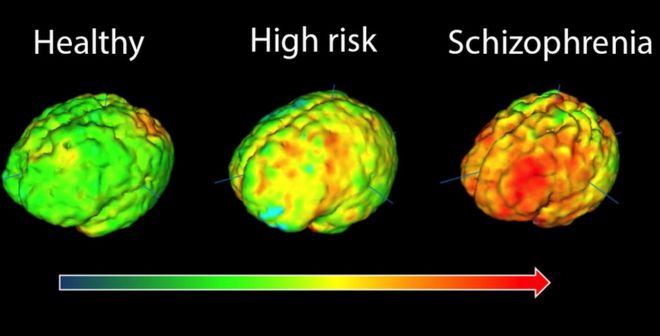
Showing posts with label schizophrenia. Show all posts

Wednesday, December 3, 2025

Researchers Find a Gene That Can Cause Mental Illness By Itself

Researchers Find a Gene That Can Cause Mental Illness By Itself

Benjamin Pruss

BIOL-2110-001 GENETICS

 Professor Guy F. Barbato

December, 2025

    In October, a group of researchers from the Institute of Human Genetics at the University of Leipzig Medical Center found that mutations in a certain gene could lead to mental illness. This is unusual because mental illness is usually caused by several genes acting together. "Our current findings indicate that GRIN2A is the first known gene that, on its own, can cause a mental illness. This distinguishes it from the polygenic causes of such disorders that have been assumed to date," said the lead author of the study. This gene, called GRIN2A, can cause several mental illnesses, including schizophrenia. 

    The GRIN2A gene influences the electrical signaling of nerve cells, helping to regulate their activity. Some mutations can reduce how well brain cells can communicate by affecting the NMDA receptor, which can lead to neurological disorders.

    In the study, the researchers analyzed 121 subjects with mutations to their GRIN2A gene. They found that some individuals displayed only psychiatric symptoms, while in others, the mental illnesses appeared before adulthood, both of which are unusual. They found that taking supplements of L-serine, an activator of the NMDA receptor, could improve symptoms.

    

Sources

Friday, April 12, 2024

The Roles of Nature and Nurture in Creating Schizophrenia

     Gene-Environment Interactions in Schizophrenia: A Literature Review is an article attempting to call attention to needed research into risk factors that contribute to the development of Schizophrenia. Historically, schizophrenia has been a notoriously misunderstood and misdiagnosed disorder. This article highlights research that focuses on identifying genetic and environment risk factors. It also identifies gene-environment interactions as the most promising theories of schizophrenia. This is when the environment of an organism and its genes interact in a way that influences phenotype. Genetic and environmental factors alone appear not be as reliable of indictors.

    The main gene-environment interactions identified in this article are as follows: prenatal maternal infection and inflammation regulators, cannabis use and the COMT gene, psychosocial stress/childhood adversity and the COMT gene. Though identified as promising risk factors of schizophrenia, larger research studies are needed to include a larger range of demographics. Hopefully, this research can help identify at risk individuals early and lead to more personalized treatments including preventative care.

    I personally enjoyed this article as it draws attention to how genetics and environment pay a role together to form individuals. When asked nature or nurture, I believe more often than not the answer is both. In science its important to be detailed and consider all options. When focusing research its important to be specific but if the field is too narrow its possible to miss part of the picture.

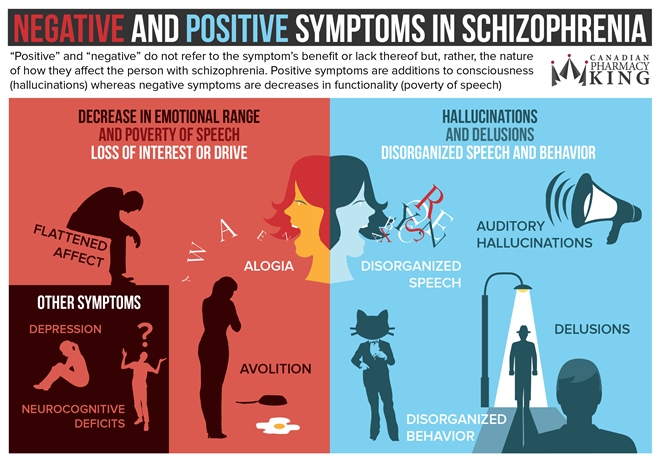
What Are Negative and Positive Symptoms in Schizophrenia?

Sunday, February 18, 2024

Bipolar Disorder Linked to Genetics?

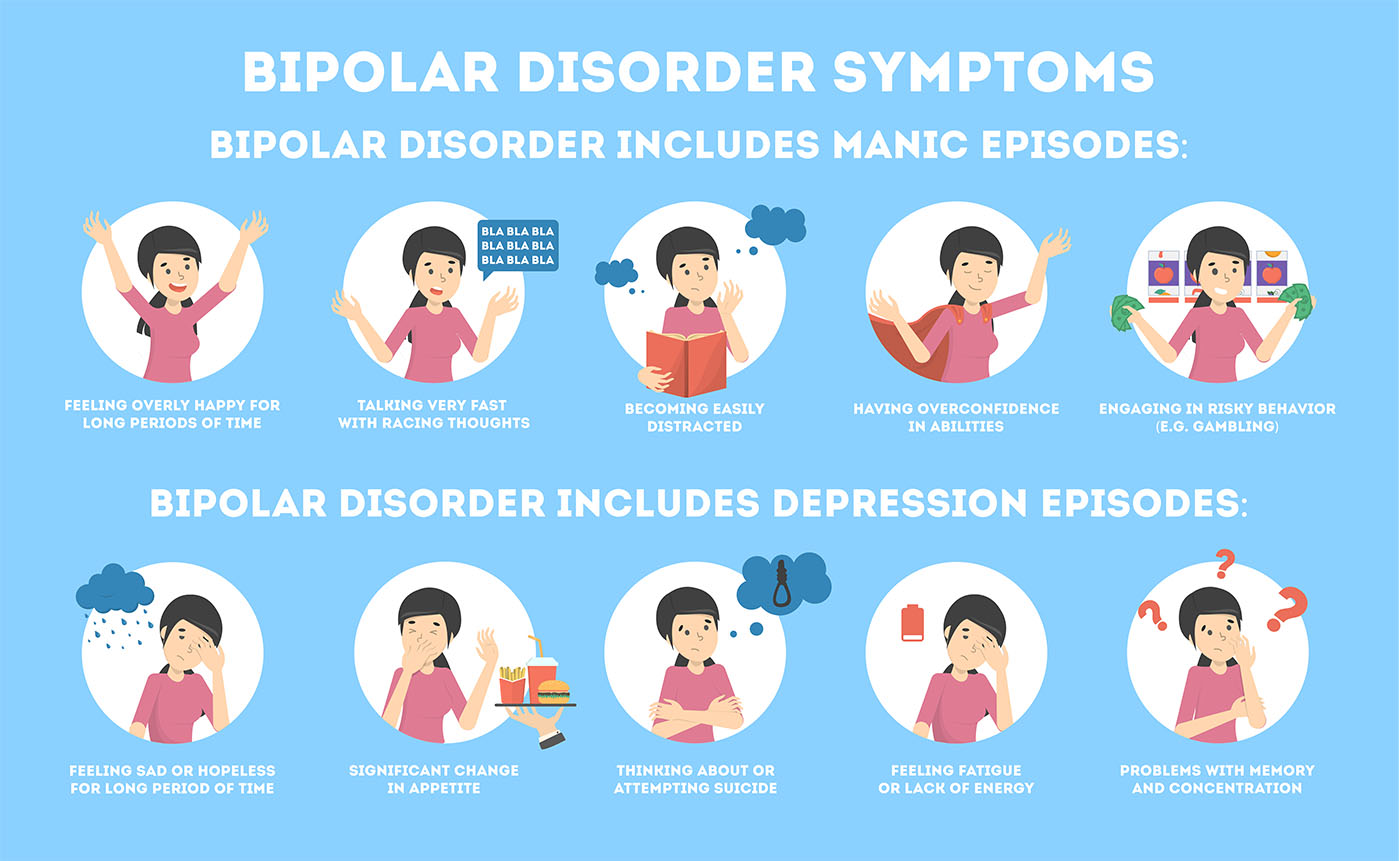
    In the article written by the National Institute of Mental Health, researchers have identified genetic locations related to bipolar disorder and tell us the possible biological cause for the disorder. The study also compared the overlap between bipolar I disorder (manic and sometimes depressive episodes) and bipolar II disorder (depressive and hypomanic episodes). Bipolar I disorder shows a stronger genetic correlation with schizophrenia, while bipolar II disorder correlates with major depression. Now it is also noted that traits such as excessive alcohol consumption, smoking, and sleeping issues can also affect bipolar disorder. To test the genome and understand differences researchers sampled 57 groups across Europe, North America, and Australia. This includes about 41K people with bipolar disorder, and 371K without. 64 genomic locations were noted as risk loci pertaining to this issue, which means this study identified 33 more than previously identified in previous studies. Those 64 genomes include 161 individual genes where some involve how brain neurons signal each other. This allows targets for biological treatments with specific medication to help treat bipolar disorder.

    Bipolar disorder is a mental illness known for its highs and lows. I truly believe that more research into not just environmental causes but also genetic risks could make someone more susceptible to exhibiting symptoms of this illness. It is interesting to see how they can identify differences in loci that can cause the neurons to not signal properly, but also affect how the medication given to treat it affects our brain. If research can understand biologically how bipolar disorder affects people's brains, we can create more personalized treatments for those who have this disorder.

Sources:

Genomic Data From More Than 41,000 People Shed New Light on Bipolar Disorder. 2021 Sep 29. National Institute of Mental Health (NIMH). https://www.nimh.nih.gov/news/science-news/2021/genomic-data-from-more-than-41000-people-shed-new-light-on-bipolar-disorder.

Bipolar disorder - Symptoms and causes - Mayo Clinic. 2022 Dec 13. Mayo Clinic. https://www.mayoclinic.org/diseases-conditions/bipolar-disorder/symptoms-causes/syc-20355955.

Wednesday, November 22, 2023

Cannabis: Who's More Susceptible to Health Risks?

 Over the past few decades, Cannabis has not only been legalized medically in certain places in the U.S. and other countries but also for recreational use as well. As shown in the article, it can alleviate the negative effects of certain conditions (such as chronic pain and cancer). Even with the benefits associated with the drug, there are also risks that come with taking it as well. This consists of increased risks of mental disorders and cancer (specifically lung cancer). According to a new study, people with certain genes will have an increased likelihood of becoming addicted to cannabis (One-third of users become addicted) along with the health risks stated previously. 

  Cannabis is a drug that's important to many people throughout the world with, for some, it being a major part of their lives. Yet, I never knew about the actual risks that the drug that could come with the use of this drug for certain people. It seemed obvious that lung cancer would be a possible risk but I didn't think the same for mental disorders. As stated by Joel Gelernter (co-author of the study) in the article, researchers will need to continue building on top of this data to understand the risks better. One day, there will be a way to determine who is best suited to be prescribed cannabis.

Links

-      https://www.nature.com/articles/d41586-023-03629-8

-      https://www.nature.com/articles/s41588-023-01563-z

Monday, October 9, 2023

Promising Brain Assembloids Advance Genetic Understanding of Neuropsychiatric Disorders

Assembloids and Neurological Medical Treatment


       Dr. Sergiu Pasca, a professor of psychiatry at Stanford University, recently published research that advances the field of neuroscience and psychiatry immensely. Previously, much of the neurological information regarding conditions such as autism, epilepsy, and schizophrenia, were known, but directions for treatment have been unclear and also unspecific to neural pathways and genetic causes. Thus, Dr. Pasca's research unlocked promising details into the world of psychiatric or neurodevelopmental disorder treatment. He created brain organoids or "assembloids" as they are referred to, using stem cells to grow nervous system models similar to a brain, in which they used CRISPR gene editing techniques to target interneurons and distinguish the roles they play in various neural networks. An example of this would be which neurotransmitters are involved or inhibited (excitatory vs inhibitory), and what this could mean for psychiatric and neurodevelopmental disorders in addition to their treatment. As a result, this use of an assembloid is quite promising for medical treatments going forward, due to a particularly useful model.

      I really liked this article, and thought it was fascinating to see the overlap of cell cultures and genetic techniques using CRISPR gene editing. I also believe that from a medical standpoint, this is quite advanced, especially because there is so much we do not know about neurological conditions such as autism and schizophrenia, which has created a lot of stigma. I would hope that further research in treatments for these conditions could help diminish the stigma surrounding them, but also because treatments can improve the quality of life for people, especially in a neurological sense. I also enjoyed seeing the implications of genetics in neuroscience research because neuroscience is something I particularly enjoy learning about. The brain is such a fascinating organ and any new advancements about its function are always pleasant to read about, especially when it further applies to medicine, as that is the field I hope to join after Stockton!


Links:

https://www.npr.org/sections/health-shots/2023/10/02/1202749791/new-tool-study-genetics-autism-schizophrenia-brain-disorders 

https://www.nature.com/articles/d41586-021-02628-x

Thursday, September 21, 2023

Mental Disorders and Their Heritability

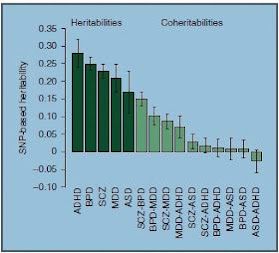
Chart showing genetic overlap of mental disorders


Mental disorders, such as ADHD, BPD, SCZ, MDD, and ASD, are traceable to the same genetic variations. People who have any of these mental disorders are more likely to have variations at the same four chromosomal sites. Since the extent of this overlap still remained unclear, researchers looked into this by looking for any comparisons and similarities in the genetic variations among a population of those who have those mental disorders. The population of those with the mental disorder was compared to a control group (those who have not been diagnosed with a mental disorder), to be able to calculate the extent of any overlaps between genetic variants and these mental disorders. Bipolar disease and depression had a 10% heritability and common genetic variation overlap, schizophrenia, and depression had a 9% overlap, schizophrenia and autism had a 3% overlap, and schizophrenia and bipolar disorder had a 10% overlap. Although some of these overlaps may seem minor or insignificant, it is a good starting place to continue research and learn more about the genetic inheritance of these mental disorders.


Mental disorders are greatly affecting our population, so it is crucial to look into the origin of these disorders. If researchers are able to find a greater overlap in the connection between these disorders and heritability, then maybe we can learn more about mental disorders and how to better treat and manage them. I would be curious to know if any other mental disorders have significant overlaps between heritability and genetic variation.


https://www.nih.gov/news-events/news-releases/new-data-reveal-extent-genetic-overlap-between-major-mental-disorders 


https://www.healthline.com/health/are-mental-illness-genetic 


Friday, April 15, 2022

New Study Identifies 120 Genes Linked to Schizophrenia


    An article by Robert Preidt for U.S. News unveils a study that identified 120 genes linked to schizophrenia. This is currently the largest genetic study done on schizophrenia and includes 45 countries. Researchers analyzed DNA from roughly 77,000 people who suffer from schizophrenia and 244,000 without the disease. The study has identified specific genes that are linked with the disease, which could lead to new and more effective treatments, as many people with schizophrenia do not respond well to current treatments. 

    The inheritance pattern of schizophrenia is usually unknown. The probability of developing schizophrenia is higher for family members of affected individuals. Genetic variation is the most likely cause of the disease, and usually it is a combination of multiple genetic changes. There are also environmental factors associated with schizophrenia, such as exposure to infections before birth and extremely high stress during childhood.


Monday, April 11, 2022

Genetic Origin of Schizophrenia Find Common Ground


Two recent studies have shed light on how rare and common genetic causes of schizophrenia seem to often disrupt the same biological processes that end up resulting in schizophrenia. According to Nature, one study used genome-wide association studies, also known as GWASs, to look at the genomes of approximately 77,000 people diagnosed with schizophrenia and approximately 244,000 healthy people as a control. This study was able to identify over 300 common genetic variants that very slightly increases risk of schizophrenia. Understanding these factors helps to understand what regions of the genome are affected, but not what genes exactly are affected. However, being able to narrow down the region and processes affected still gives us a lot of new knowledge that can be further studied going forward.

While this first study looked at common risk factors that slightly increased risk, the second study looked for rare risk factors that significantly increased risk. This study examined the sequenced protein-coding parts of roughly 24,000 people with schizophrenia and roughly 97,000 healthy control's genomes. This studies data combined with that of the first study revealed 10 genes that were major contributors to schizophrenia. Looking further into these 10 genes found that 6 of them were also linked to developmental delay and intellectual disability, and 3 were found linked only to schizophrenia as they caused protein blocking. More studies are still being done to further understand the overlap between the developmental disorders and schizophrenia as well as the biological processes that are disrupted and cause schizophrenia.

Thursday, April 15, 2021

Genetic Predisposition to Schizophrenia May Increase Risk to Psychosis from Cannabis use


    According to Translational Psychiatry, researched showed that people with genetic predisposition to schizophrenia had higher rates of psychotic experiences compared to general cannabis users. The researched showed that “the true influence of genetics on the cannabis-psychosis relationship may be even greater than what we found here.” The study was done on general cannabis user and participants with the highest genetic risk scores for schizophrenia. For people who used cannabis before, about fifty percent reported psychotic experiences. For the participants who had the highest genetic risk scores for schizophrenia, sixty percent of them showed psychotic experiences. Overall, researchers are still trying to gain a deeper understanding about the connection between cannabis and psychosis. The findings of this research will help make more informed decisions about drug use.


Articles:

https://neurosciencenews.com/cannabis-psychosis-schizophrenia-18235/

https://www.nature.com/articles/s41398-021-01330-w

Friday, December 13, 2019

Schizophrenia: Genes related to circadian rhythms may be disrupted


New research examines the brains of people with schizophrenia and finds disrupted patterns of expression in genes linked with sleep-wake cycles. Prof. McClung and the team obtained postmortem gene expression data from 150 people, 46 of whom had lived with schizophrenia. The people had been younger than 65 years old when they died, and the researchers had access to the times of death. Specifically, the researchers looked at gene expression in the dorsolateral prefrontal cortex, a brain area involved in cognition and memory. In their present study, Prof. McClung and the team examined the rhythms by which some genes switched on and off in the brains of people with schizophrenia and compared these rhythms with those in the brains of people who did not have the condition. Some of these disruptions affected the functioning of mitochondria. When Seney and McClung compared gene expression in brains from people who died during the day, the control and schizophrenia subjects were not different, but in those who died at night, there were major differences, since genes that had gained a rhythm had hit their low point during the night.

https://www.sciencedaily.com/releases/2019/08/190809085738.htm
https://www.medicalnewstoday.com/articles/326017.php#1


Saturday, October 26, 2019

Genes Linked to Schizophrenia?


 Schizophrenia is a long-term mental disorder that involves a breakdown between emotion, behavior, and thought. This disorder tends to run in families and is mostly inherited. Researchers began to gather patients’ exomes for 24,000 people with schizophrenia and about 97,000 people without schizophrenia. Ten genes believe in finding that promote schizophrenia. GRIN2A, SP4 overlap with GWAS markers suggests high-risk mutations that boost schizophrenia risk. GRIN2A and GRIA3 encode for brain receptors for the neurotransmitter glutamate also suggest high-risk mutations as well. Scientists also suggest that the glutamate pathway is also the factor of schizophrenia due to how PCP and ketamine receptors blocked can boost the high risk of schizophrenia symptoms. Since scientists believe there might be something involved with the glutamate pathway, many are experiencing how to develop drugs that can prevent the receptors from being block.


Image result for schizophrenia
Picture from Verywell Mind
This is good to know that there is hope of finding treatments to help treat symptoms of schizophrenia or maybe to prevent it. Since schizophrenia is hereditary, genetics is just one possible factor risk that may be inherited and pass down to family. Scientists already found ten genes that likely promote schizophrenia, and by finding ways to revert these genes, the risks of developing schizophrenia will decrease?

https://www.sciencemag.org/news/2019/10/intensive-dna-search-yields-10-genes-tied-directly-schizophrenia

https://www.news-medical.net/news/20191024/Gene-linked-to-schizophrenia-likely-confers-risk-for-illness.aspx


Wednesday, October 23, 2019

LSD1 Gene Might be the Key to Treating Memory Issues in Schizophrenic Patients


Schizophrenia is a neurodevelopmental disorder that has symptoms such as paranoia, auditory hallucinations, delusions, reduced speaking, movement disorders, and memory issues. Antipsychotic medications have been used to treat paranoia, delusions, and hallucinations, but there hasn't been anything to help patients dealing with memory problems. The SETD1A gene was the focus of this study. Mutations in this gene are associated with schizophrenia. Mice that had the SETD1A gene that produced half as much protein as usual, were studied and the exhibited memory problems. The neurons of these mice showed short and stunted neural branches, causing poor connections between neurons. These connections are important to memory, so poor connections can cause issues. Researchers first attempted to manipulate the SETD1A gene in order to try and fix it. This caused some problems because the SETD1A gene seemed to play a role in other genes expressions, meaning if it is manipulated, other genes might turn on or off. Another gene was then studied, the LSD1 gene. When this gene was turned off, the harmful affects of the SETD1A gene was nullified. By giving the mice an LSD1 inhibitor, their memory was able to improve and their axons also grew. With these findings, personalized treatments for people with SETD1A mutations may be produced in order to help their memory improve.

Big data can make lab-mice studies more relevant to humans ...

Memory issues can cause a lot of stress in peoples lives. It can put a strain on relationships and make it difficult to keep a job. A lot of people with schizophrenia might feel disconnected from everyone around them due to these problems. It's amazing to see that there might be new treatments in development to help them. This can really help improve their lives, making them feel happier and fulfilled.

Link:
https://www.sciencedaily.com/releases/2019/10/191009132401.htm

Related Article:
https://www.nimh.nih.gov/health/topics/schizophrenia/index.shtml


Sunday, December 2, 2018

Schizophrenia symptoms alleviated in model mice


Researchers from Case Western Reserve University, studied a brain cell receptor called ErbB4. This specific receptor is altered in adults who have schizophrenia. The purpose of this brain receptor is to maintain a neurotransmitter, GABA, which prevents brain cells from overreacting as well as keeping fear and anxiety at normal levels. In this specific study the researchers engineered two new mice models of schizophrenia, the first mouse model  was treated with a chemical that switches the "off" gene encoding ErbB4 while in the second mouse model the receptor was missing from the beginning which in turn hampered brain cell development. The researchers found that in restoring the brain receptor in the first mouse model the mice had reduced hyperactivity and normalized fear responses. This information was super useful in the treatment of patients because researchers believe by adding or restoring ErbB4, it could reduce symptoms of schizophrenia in patients.

Image result for schizophrenia


References:
https://www.webmd.com/schizophrenia/schizophrenia-symptoms
https://www.sciencedaily.com/releases/2018/11/181130120442.htm

Thursday, May 3, 2018

New clues to genetics of depression are 'game-changing'

     Recent research has identified 44 gene loci with significant association to depression. The analysis involved nearly 135,000 people with major forms of depression and more than 344,000 controls. And of those 44 loci found, 30 of them were new discoveries. With the other 14 having been identified in previous studies. That is roughly 70% of the loci being newly discovered. In addition to this, there was also another study done in Nature Genetics. In which they identified 153 genes and also found that depression shared six loci associated with schizophrenia. The study has been described as "a game-changer" by study co-leader Patrick F. Sullivan. The study shows that all people carry genetic variants for depression, but some people's are just higher in volume. Thus resulting in major depression. 

     There were a number of other findings in this study. Including ways to improve therapies because known antidepressant medications were enriched in the genetic findings. The researchers also found that the genetic basis of depression had overlaps with other psychiatric disorders such as bipolar disorder and schizophrenia. The basis also has overlaps with obesity, daytime sleepiness, insomnia and tiredness. I believe this is important in today's society as depression as become somewhat of a 'silent killer' in the United States. As depression usually leads to suicide. Reducing the affects of depression could save a lot of lives. 

Article Link: https://www.futurity.org/44-genomic-variants-depression-1741752-2/
Nature Genetics study: https://www.nature.com/articles/s41588-018-0090-3

Wednesday, April 11, 2018

The Gene's Role in Opioid Addiction

     A recent study published in the journal Biological Psychiatry showed there is a possible link between the human gene and addiction to opioids. Researchers analyzed over 5,000 Americans that had been exposed to opioids. They analyzed the differences between those who developed a dependence to the pain killers and those who did not exhibit any signs of dependence. As an opioid epidemic is currently affecting a large portion of our population, it is imperative that we find a way to combat it. Researchers found a genetic abnormality on a chromosome. Located near gene RGMA, it has been associated with opioid dependence in European and also in African-Americans. As a testament to the quality of the research, members of the same team found other genetic variants that were closely related to opioid dependence in the past as well. They also discovered that through analyzing human gene expression in the brain that there was a direct correlation between the RGMA gene and a handful of other genes which have been linked to disorders like autism, Alzheimer’s and schizophrenia.

     This research is vital more than ever in society today. Millions of Americans suffer from opioid dependence across the country. With consequences as severe as death, this problem needs a solution and fast. And although this is merely a potential solution to the epidemic, it is still a step in the right direction. Also, they found correlations with the other disorders listed above. This research could serve as a stepping stone toward furthering our knowledge and possibly curing them in the long run. 


Thursday, March 29, 2018

Genetic Links associated with Schizophrenia Discovered

Professor Sir Mike Owen, at the MRC Centre for Neuropsychiatric Genetics and Genomics at Cardiff University have found more than fifty new genes that may increase your risk of developing schizophrenia. In a study, titled, Common Schizophrenia alleles are enriches in mutation-intolerant genes and in regions under strong background selection, conducted using more than one-hundred thousand individuals, and of those forty-thousand with diagnosed schizophrenia, genes associated with the development of schizophrenia and other neurodevelopment diseases, such as autism, have been isolated.

From this experiment, a major link between the genes associated with schizophrenia and the genes dealing with development has been discovered. If your genes associated with development are compromised, then your risk for developing schizophrenia is increased. For the first time, it is understood that the mutation of these fifty genes can increase your risk for development schizophrenia. In addition, an important question was answered: if people with schizophrenia have, on average, fewer children than people without the disorder, why does schizophrenia still affect so many people? The answer is that the genes affiliated with the mental disorder occur in a good majority of the population, and the area, on the genome, where these genes reside, is where natural selection is not very effective. With that, these genes have yet to disappear from the genome, which is why people are still affected by schizophrenia.


This study will be furthered, but, for now, has opened the door for many new treatment options. By understanding the complexity and genetics behind schizophrenia, personalized treatment options may be available, in the future. With better treatment options, those suffering from the schizophrenia will be able to live a better life, without worrying about their illness.

Tuesday, April 18, 2017

Changes in RNA splicing: A new mechanism for genetic risk in schizophrenia


New research has identified sections of DNA associated with changed gene expression that causes schizophrenia. the loci effects the risks of schizophrenia by affecting alternative splicing. This is when the DNA is coded into different proteins. This finding will allow scientist to make more precise classification of culprit genes for schizophrenia and other brain disorders. throughout the research 4 disease susceptibility genes for schizophrenia that are effected through alternative splicing. 

schizophreniaAlternative splicing

Wednesday, March 1, 2017

Schizophrenia Development

Since mental illness is a big topic lately, I thought this would be appropriate. This is a type of disorder that is found to be developed in the womb, and although this site was from a few years ago, there is new evidence of the same kind of information. They have new experiments and new ways to find their information, definitely worth a read. 


Wednesday, December 14, 2016

Why Left Handedness?

Why is left handedness so puzzling? It only accounts for 12% of the world's population. Yet, so many famous people have been left handed as well as five out of our last seven presidents to Einstein to the first man on the moon. What is it, genetically speaking, about left handedness, that explains this phenomenon?

To begin, the left handed origins have been observed in Neanderthals. Scientists studied the grooves in their teeth from them scratches they made while carving their food up and found that one in every ten Neanderthal scratched their teeth towards the left side. This can give us some insight as to how long the genes have influenced left handedness. However, scientists still do not understand what genes and how many are in play to cause left handedness.

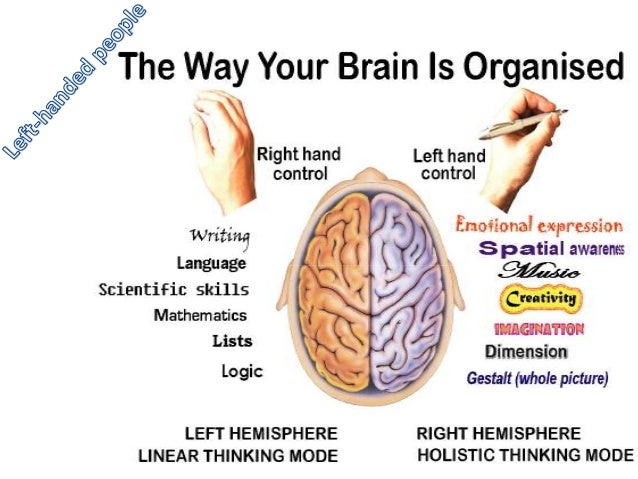
We do have a clue as to how it affects left handed people, however. Left handedness and intelligence seem to go hand in hand. Left handers disproportionately make up the small amount of people with a genius iq. For example, twenty percent of Mensa members (society where one must have a high iq) are left handed. For only about ten percent of left handed people making up the population, this is an interesting fact. There are some drawbacks to being left handed, however. 40% of schizophrenic people are left handed. Scientists believe this happens to left handed people who have equal access to both sides of the brain. This can cause complex messages to the brain that can result in misconnections in neural networks and thus causing the symptoms of schizophrenia. The science is not in on this yet, however.


Image result for left handedness


One thing is for sure. Left handedness should be studied more and understood. Many household names are left handed people that changed the world with their way of thinking. Science could have a breakthrough if they can understand how schizophrenia develops by studying the biological markers in left handed people. In any case, the left handed people are an important anomaly to understand, and essential in shaping our music, politics, and technology.


http://www.mirror.co.uk/news/technology-science/science/lefty-righty-here-astonishing-statistics-4757193

http://www.bbc.com/future/story/20160930-the-mystery-of-why-left-handers-are-so-much-rarer

http://www.anythinglefthanded.co.uk/being-lh/lh-info/advantages.html

http://healthland.time.com/2013/11/01/the-connection-between-left-handedness-and-schizophrenia/