Showing posts with label neural pathways. Show all posts

Monday, October 9, 2023

Promising Brain Assembloids Advance Genetic Understanding of Neuropsychiatric Disorders

Assembloids and Neurological Medical Treatment
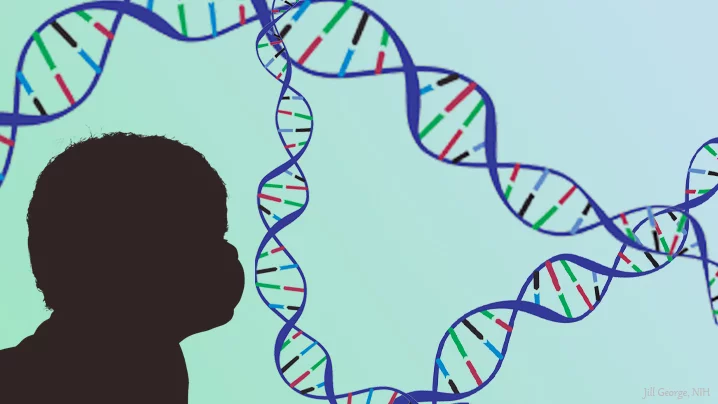

       Dr. Sergiu Pasca, a professor of psychiatry at Stanford University, recently published research that advances the field of neuroscience and psychiatry immensely. Previously, much of the neurological information regarding conditions such as autism, epilepsy, and schizophrenia, were known, but directions for treatment have been unclear and also unspecific to neural pathways and genetic causes. Thus, Dr. Pasca's research unlocked promising details into the world of psychiatric or neurodevelopmental disorder treatment. He created brain organoids or "assembloids" as they are referred to, using stem cells to grow nervous system models similar to a brain, in which they used CRISPR gene editing techniques to target interneurons and distinguish the roles they play in various neural networks. An example of this would be which neurotransmitters are involved or inhibited (excitatory vs inhibitory), and what this could mean for psychiatric and neurodevelopmental disorders in addition to their treatment. As a result, this use of an assembloid is quite promising for medical treatments going forward, due to a particularly useful model.

      I really liked this article, and thought it was fascinating to see the overlap of cell cultures and genetic techniques using CRISPR gene editing. I also believe that from a medical standpoint, this is quite advanced, especially because there is so much we do not know about neurological conditions such as autism and schizophrenia, which has created a lot of stigma. I would hope that further research in treatments for these conditions could help diminish the stigma surrounding them, but also because treatments can improve the quality of life for people, especially in a neurological sense. I also enjoyed seeing the implications of genetics in neuroscience research because neuroscience is something I particularly enjoy learning about. The brain is such a fascinating organ and any new advancements about its function are always pleasant to read about, especially when it further applies to medicine, as that is the field I hope to join after Stockton!


Links:

https://www.npr.org/sections/health-shots/2023/10/02/1202749791/new-tool-study-genetics-autism-schizophrenia-brain-disorders 

https://www.nature.com/articles/d41586-021-02628-x

Thursday, December 1, 2016

First validated canine behavioral genetics findings of nine fear, aggression traits in dogs

Although anxiety has been a topic that is well-understood regarding what exactly happens to the body, little is known about the genetic variation causing anxiety; so a study was conducted focusing on the genetic cause for aggression in dogs, which can frequently be read through their body language since we communicate in different ways. But, although there are several breeds that have unfair, negative stigmas, there are a few breeds that have been proven to be more fearful or aggressive when compared to other breeds.

Scientists found 12 genes linked to traits in which the predisposition of aggression towards a familiar person or animal is distinct from that of new, unfamiliar people/pets. They discovered the genes in two genome regions which were consistent with the core fear/aggression neural pathway, otherwise known as the amygdala to hypothalamic-pituitary-adrenal-axis.


According to the scientists, the results are relevant to the most serious dog aggression problems, and should likely correlate to human anxiety disorders as well. They hope to eventually determine which neuronal circuits are affected by the risk variations, which could aid in locating drugs that could alter the behavioral effects. If successful, the goal would then be to determine the appropriate drugs for humans and develop a new drug therapy/treatment. Scientists say that if they identify the affected pathways, then biomarkers can be used to see who would positively respond to the treatment.

Anxiety is the most common type of mental disorder in the United States which validates how essential identifying the link between genetics and anxiety would be. Not only would we gain a deeper understanding for man's best friend, but it would benefit the human race immensely in terms of possibly alleviating the strains of a mental illness, or at least educating oneself on what to do if you're genetically prone to anxiety.

https://www.sciencedaily.com/releases/2016/08/160810180908.htm