Showing posts with label health. Show all posts

Wednesday, April 30, 2025

Chronotypes: Sleep, Addiction, and More

In the modern age one will often be bombarded by health tabloids with snappy titles attempting to sell you on their new diet, supplement, or lifestyle when looking for health advice. They often expound a new diet that is proven by SCIENTISTS to be ideal for sleep, lifestyle, and weight loss(compared to the other ones that are also proven to be ideal by the ever-pervasive scientists). Among this buzz of marketing it can often be difficult to get any concrete info on what's best for oneself, which is why we need to look to genetics. 


Examples of some chronotype categories

Chronotypes are a term utilised by sleep scientists to categorise individuals based on inborne preferences related to their internal clock/circadian rhythms. This genetic predisposition can be positively correlated with a variety of interesting things that one may be believe are simply lifestyle-related. Things like preferring late nights or mornings for work, risk for video game or internet addiction, and even appetite have been positively correlated to chronotypes. Being more of a "neutral" chronotype, as in following the sun more or less, is correlated with less risk of obesity, normal metabolism, and less risk for addiction. On the contrary, a more "extreme" chronotype, those being extreme night owls or early risers, are more at risk for sleep-related illness, addiction, and potentially more. Overall, if one is concerned about their health it may be worth looking into chronotype studies to figure out how their genetics may be affecting their day to day. 


Sources: 

https://www.yahoo.com/lifestyle/best-time-wake-day-genetics-194209285.html?guccounter=1

https://www.sleepfoundation.org/how-sleep-works/chronotypes

https://www.sciencedirect.com/topics/psychology/chronotype#:~:text=Chronotype%20refers%20to%20the%20endogenous,to%20personality%20and%20lifestyle%20aspects.

Wednesday, April 23, 2025

Gut Feeling: The Link Between Sugar Cravings and Gut Bacteria

    There was a recent study done by Nature Microbiology that found a gut bacterium called Bacteroides vulgatus and the molecule it produces, which is vitamin B5. This can help reduce the craving of sugar in mice. The mice used by the researchers were genetically engineered to be missing the FFAR4 sensor, this sensor normally detects certain fatty acids in the gut. Since these mice were missing the FFAR4 sensor, they had lower levels of B. vulgatus and vitamin B5, which resulted in them overeating sugar. When the mice were introduced to the bacteria and vitamin, their sugar intake decreased. This was most likely due to a chain reaction involving a protein called GLP-1, which is known for balancing blood sugar and appetite. Keep in mind, these side effects were heavily dependent on the fact that these mice lacking FFAR4 sensor. This means that animals' genetic makeup plays an important role on whether B. vulgatus actually helps with sugar cravings. Relating this to human, most of us also have an intact FFAR4 sensor, so theres a chance that the vitamin and bacteria might not affect people the same way. Some mice have genetic mutations that have been linked to B. vulgatus leading to gut inflammation. This shows us how much genetics can really influence how bacteria impacts health. The results of this study demonstrate the impact gut bacteria can have on behaviors such as sugar cravings. This study is difficult to apply in humans because we all have different genetics and microbiomes. 


        This article opened my eyes to how much gut bacteria can impact sugar cravings and it's actually more interesting than I thought. I think it would be incredibly beneficial for people's overall health and nutrition if we could do studies like this in humans in the future, but the fact that genetics vary from person to person makes it difficult. It would truly be amazing if scientists could discover how to manage sugar cravings with solutions that are created uniquely for our DNA and microbiomes. I know I personally get sugar cravings that I would love to put a stop to them. I feel like many people struggle with sugar cravings, and it would be beneficial to many if we could understand what causes the cravings in the first place. 

Friday, April 12, 2024

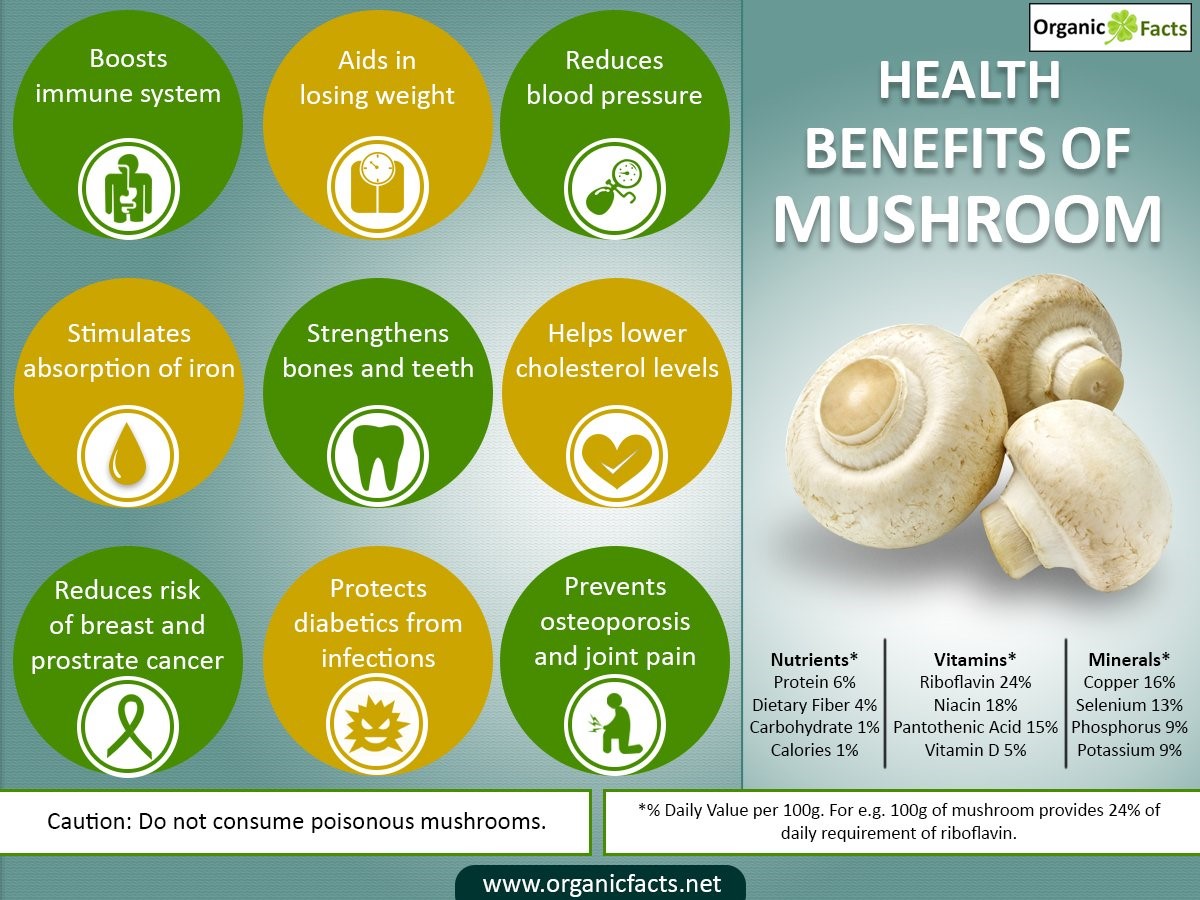
Mushrooms: The Underestimated Superfood!

     The article, Mushrooms as Future Generation Healthy Foods, meticulously identifies mushrooms as potentially revolutionary in health and nutrition. Mushrooms have the potential to influence multiple disease processes including immune, inflammatory, neurological, behavioral/psychological, and digestive disorders. This is due to mushrooms containing bioactive molecules that carry antiviral, anti-inflammatory, prebiotic, and other properties. This article is massive, detailing numerous ways in which mushrooms have potential health benefits. I found its neurological and anti-tumor effects most interesting. In these areas the mushrooms function by regulating inflammation pathways and promoting cytotoxic activity in overactive cells, respectively.

    While mushroom are a rising superfood, they are not magic. Mushrooms do not cure all problems and many social media scams portray. In reality, they mainly operate by regulating and initiating certain functions/pathways in the body. If that sounds a little vague to you, its not by chance. Another important note highlighted in this article is that the active molecules within mushrooms that impart all of the previously mentioned health benefits have not yet been reliably identified. This is because different types of mushrooms have vastly different compositions and properties. As further research is done on mushrooms, we we likely see them appear more and more in our everyday diet. They have strong potential in both the treatment of certain disorders, and in preventative care. There are plenty of edible mushrooms that are easily available can cant hurt to add to your diet!

Do You Have “Mushroom” in Your Life for Mushrooms? - Fill Your Plate Blog Cute Kawaii Happy Mushroom" Sticker for ...

Thursday, March 7, 2024

Are genes the only factors that affect human health ?

     This article gives its readers insight on information about how genes can affect a person’s overall health, including both physical and mental health.  However they also claim that changes to lifestyle can help counteract a person's genetic predisposition to certain illness. Evidence used to prove this claim includes, a set a identical twins one who developed Alzheimer’s and one who didn't, they justify this by stating that the twin who developed Alzheimer's lead an unhealthy lifestyle compare to his/her brother. The Article then goes on to state that  performing genetic testing to look for future illness come with positive and negative results. It ends with stating that although genetics play a large role in human health, leading a healthy lifestyle can decrease the likelihood of illness.  

    Initially I found this article interesting because it was informative and provided some scientific evidence. However I couldn't help but notice that some of the scientists behind the evidence supporting
the claims in the article work for a company that provides genetic testing. The article also uses names of famous celebrities such as Kim Kardashian and Chris Hemsworth to help them with their credibility. I think that the information in this article is valuable however more research is needed in order to form an educated opinion on the topic. 


Wednesday, November 22, 2023

Cannabis: Who's More Susceptible to Health Risks?

 Over the past few decades, Cannabis has not only been legalized medically in certain places in the U.S. and other countries but also for recreational use as well. As shown in the article, it can alleviate the negative effects of certain conditions (such as chronic pain and cancer). Even with the benefits associated with the drug, there are also risks that come with taking it as well. This consists of increased risks of mental disorders and cancer (specifically lung cancer). According to a new study, people with certain genes will have an increased likelihood of becoming addicted to cannabis (One-third of users become addicted) along with the health risks stated previously. 

  Cannabis is a drug that's important to many people throughout the world with, for some, it being a major part of their lives. Yet, I never knew about the actual risks that the drug that could come with the use of this drug for certain people. It seemed obvious that lung cancer would be a possible risk but I didn't think the same for mental disorders. As stated by Joel Gelernter (co-author of the study) in the article, researchers will need to continue building on top of this data to understand the risks better. One day, there will be a way to determine who is best suited to be prescribed cannabis.

Links

-      https://www.nature.com/articles/d41586-023-03629-8

-      https://www.nature.com/articles/s41588-023-01563-z

Thursday, April 14, 2022

Most Dog Breeds Highly Inbred

 Most Dog Breeds Are Really Inbred | Smart News| Smithsonian Magazine

    It seems as if there are more dogs who are showing up with health problems to the veterinary. Many individuals have also seen the trend of dogs health diminishing. Fortunately scientists have seen the concern and have done some studies on a dogs health. 

A recent study has shown DNA samples from nearly 50,000 dogs of over 200 different breeds. The study has found on average dogs have showed about 25% inbreeding. That is the equivalent of your parents being brother and sister or parent and child. The study involves data from pet insurance and dog genetics companies. Pet insurance and dog genetics companies were used in the study to compare a dog's health and the death rate of different dog breeds. The pet insurance data was used from Sweden. 

    The study wanted to compare more than just inbreeding, the study also measured the "identify a relationship between body size, body morphology, inbreeding and health in dogs." (Bannasch et al. 2021). Overall the study was very informative as to the health of dogs breeds. Showing inbreeding can cause some kind of health problem for a dog was very interesting to read. For another article similar to this one, please click here. 

Monday, September 13, 2021

Gut microbes of chickens independent from genetics in regulation of fat deposits.


A recent study of the gut microbes of yellow broiler chickens has yielded unique results regarding their fat regulation and body distribution. As found in the data of Chaoliang Wen, Wei Yan, Congjiao Sun, and their colleagues, the heritable genetics of the birds had little correlation to the fat deposits in the chickens, and rather the microbial health of the birds (from feces, found in the duodenum and jejunum, as well as other locations) was correlated with the health of the animal in question. This is a departure from previous ideas that fat and health in animals is more majorly dependent on genetics and heritage, rather than gut health.

This is in direct contrast with an earlier claim by Sylwester ÅšwiÄ…tkiewicz, who regarded the genetic breeding program to have direct influence on the health and fat deposits on chickens.

I am not well versed in genetics, but I am interested in both zoology and farming. I was a farmhand for a short time for a family friend's farm. In terms of the gut health having influence on body mass and fat, it's fairly straight forward. However, I don't believe either argument (made by Wen et al, or by ÅšwiÄ…tkiewicz ) are completely cut and dry. There is much still mysterious to us about the minor influences that habits, diet, gut biotics, and other things have on animal metabolisms.

I personally would be very interested in a more layman's terms translation of that data, showing the correlation much more graphically digestible. It was with no small amount of trail and error that I had to go through to even comprehend this concept, as well as some minor confusion as to what parts of the bird's anatomy was being referred to.

Saturday, October 17, 2020

Yoga and Meditation Can Change Your Genes, Study Says

DW Fitness First on Twitter: "Fancy striking some yoga poses amongst new  scenery? Book into one of these four incredible yoga retreats this summer  https://t.co/ew8eeGfDLh… https://t.co/9p8gi0MOMT"

Do you exercise or do yoga when you're stressed? Well according to the article by Amanda Macmillan on the NYTimes, yoga and meditation may do more than just helping you relax. British researchers analyzed previous studies of the biological effects of "meditation, yoga, breathing exercises, Qi gong and Tai Chi. The authors say, the studies show that these mind-body exercises appear to suppress the expression of genes and genetic pathways that promote inflammation."People who practiced these forms of exercises, had fewer signs of inflammation as well as a decrease of inflammatory proteins. This may eventually lead to a reduced risk of inflammation-related diseases and conditions. The more interesting thing about this article was that different types of mind-body techniques had similar effects at the genetic level. I think this article was interesting because there is a lot of stress from the life we live and the environment we surround ourselves with. It's good to see that even 15 minutes of yoga a day could benefit your health and help you live a better life style.  

Sunday, September 29, 2019

What are Genetic and Lifestyle Risks associated with Dementia

Experts are hoping to intervene in the lives of those afflicted with dementia before they have even faced a diagnosis. They hope to do this by encouraging changes to the lifestyles of those who may develop the condition.

Experts believe that dementia is brought on by both genetic and environmental factors. The genetic factors include genes passed from the mother and father of an individual while environmental factors are lifestyle choices such as smoking, diet and exercise. Since the genes that cause dementia are not modifiable, researchers hope that positive changes in lifestyle can decrease the possibility of developing dementia. A recent study in JAMA explores the extent of each factor on dementia. The study used information from a UK based biobank. A biobank holds health information about individuals including disease history and lifestyle choices. The study looked at 20,000 individuals aged 60 or older. Using pre-set lifestyle choices the researchers gave each individual a score in which a higher score denoted a "better" or healthier lifestyle. There can be errors with this method of scoring such as only accounting for specific factors and being unable to distinguish which factors have an effect on the results. Similarly a genetic risk score was created by looking for gene variants strongly associated with patients who have Alzheimer's. Together these numbers created the polygenic risk score.

It was found that while both factors have an effect on the development of dementia, they work independently of each other. Individuals who came up with a bad score for both genetic and lifestyle factors had a risk of developing dementia two and a half  times higher than those with better scores. This study does not prove that lifestyle choices are the cause of dementia but only that they may influence the development.

I believe that more studies should be conducted to look further into the relationship between lifestyle and dementia. This way high risk patients can start to make changes early in life and possibly delay the onset of the dementia. This would give them and their families more time to enjoy each others company.

Original Article: https://www.health.harvard.edu/blog/your-risk-of-dementia-do-lifestyle-and-genetics-matter-2019091317671

Research: https://jamanetwork.com/journals/jama/article-abstract/2738355


Monday, April 22, 2019

Hepatitis B

An article by PLOS explains how new research sheds light on how a hepatitis B viral protein stimulates the expansion of immune cells that impair antiviral responses. The findings potentially explain how the hepatitis B virus (HBV) establishes and maintains chronic infection, and could lead to the development of novel therapeutic strategies.


An estimated 257 million people are living with hepatitis B virus infection (defined as hepatitis B surface antigen positive). In 2015, hepatitis B resulted in 887 000 deaths, mostly from complications (including cirrhosis and hepatocellular carcinoma)

Breast cancer's drug resistance

A article by Beth Israel Deaconess Medical Center explains how researchers have discovered an unexpected relationship between levels of the amino acid leucine (found in beef, chicken, pork and fish and other foods) and the development of tamoxifen resistance in estrogen-receptor positive breast cancer. These findings reveal a potential new strategy for overcoming resistance to endocrine drugs in ER positive breast cancer patients.


Image result for cancer drugs

Not counting some kinds of skin cancer, breast cancer in the United States is—The most common cancer in women, no matter your race or ethnicity.The most common cause of death from cancer among Hispanic women.The second most common cause of death from cancer among white, black, Asian/Pacific Islander, and American Indian/Alaska Native women.

Thursday, April 18, 2019

Animal Protein

A article by the University of Eastern Finland explains how A diet rich in animal protein and meat in particular is not good for the health, a new study finds, providing further backing for earlier research evidence. Men who favored animal protein over plant-based protein in their diet had a greater risk of death in a 20-year follow-up than men whose diet was more balanced in terms of their sources of protein.

Image result for how much meat do americans eat

According to data published by the US Department of Agriculture (USDA), consumers are expected to eat 222.2 pounds (100.8 kilo) of red meat and poultry this year, up from 216.9 pounds per person in 2017. That will surpass the previous record of 221.9 pounds per person, set in 2004,

Friday, March 22, 2019

A Genetic Mutation in the Khoe-San People of Africa Reduces Complications in Pregnancy


The Khoe-San people of Africa, a group that was thought to have broken off from other tribes 100,000 years ago, have been shown to have a genetic mutation in the formation of their placentas. This gene variant alters the size of placentas of mothers so that placentas are larger. This leads to healthier babies, and reduces the chances of the congenital disease pre-eclampsia, which can be fatal. It is therefore said by scientists that the Khoe-San people of Africa have developed a genetic mutation that reduces complications in pregnancy

Image result for khoe san


I believe that such a genetic mutation is amazing news for the Khoe-San people. One might believe that genetic mutations can usually cause so much harm to individuals if they come to negatively affect a bodily function, however this mutation in particular is good news. This genetic mutation leads to healthier babies, and can reduce the chances of complications in pregnancy, which is particularly helpful for tribe people who may or may not have proper medical services nearby. This genetic mutation is also good news because hopefully scientists will be able to ascertain the reason behind this mutation, and in time, be able to simulate it in order to reduce pregnancy complications in the future.

Monday, February 11, 2019

Long Lived Lonesome George Clues to Longevity

Charles Darwin developed the idea of natural selection using the tortoises he found on the Galapagos island back in 1835. He preached the idea that these amazing animals adapted there shell to help them survive the lifestyle they endured. In 2012, Lonesome George- the longest living original turtle from the islands- passed away. However he was still giving hints to scientists about longevity and good health. Dr. Aldagisa Caccone,  sequenced the entire genome of Lonesome George and then compared it to other genomes of living animals. She found that there was a gene mutation, IGF1R, that is also found in humans that could be key to longevity in the turtle AND humans.  This gene has one copy in the human genome however the tortoise carried 12. This makes it much more effeceint to carry out these processes to help the turtle live a century.

The amazing part about these tortoises is that they offer so much information to humans. If we can study them more and learn about there genome, we could have solutions to regeneration of body parts. They could survive temperatures that humans could not possible survive. And much like in 1835, were the tortoises were helping the world understand evolution, Lonesome George is once again teaching the world about adaptation and longevity.

Sunday, March 4, 2018

Sweet Tooth Genetic?


             There has been a recent study done to test whether or not snacking habits are genetic.  It's said that a lot majority of children carry the genes that can result in poor snack choices.  The taste receptors were tested to identify which children generally were drawn to because they thought it tasted better.  There needs to be more research done to support this claim and to think of ways to help children to eating better.
taste test
https://www.news-medical.net/news/20180223/Childe28099s-snacking-patterns-could-be-linked-to-genetics-study-finds.aspx

Tuesday, November 21, 2017

Genetics influences Immunity


A new study in London has developed and the results show that nearly 3/4 immune traits are influenced by genes. The author of "Genetics play a significant role in immunity" talks about the research in a little more detail. 497 adult female twins were involved and 23,000 immune traits were analyzed. I found it interesting that more adaptive immune traits are influenced most by genetics. The study also focused on the "importance of environmental influences" to strengthen one's immunity. I agree with a statement in the article that this research could help us understand the immune system better and how our body interacts with various environmental factors. This will lead to an increase in future research on treatments for autoimmune diseases. Everyone reacts differently when they get sick and the responses are more individualized towards fighting an infection.
I could only imagine how exciting this discovery is for health care researchers. A way to prevent certain autoimmune diseases will provide an increase in efficient patient outcomes. For someone who gets sick very often due to a weak immune system, I found this article very captivating. I was intrigued to know if my likeliness of getting sick is due to genetics and how this research will improve the future of health care. I believe that this discovery encourages us to improve our diet and strengthen our immunity in order to avoid getting ill. I feel that there should be further research because this could help our health and wellness in the future.


https://www.sciencedaily.com/releases/2017/01/170105082755.htm
https://www.health.harvard.edu/staying-healthy/how-to-boost-your-immune-system

Tuesday, October 3, 2017

Breakthrough in Gene Regulation

"Rendering of DNA"

In an article published by Science Daily, structures that resemble a microscopic footballs were discovered to play a crucial role in gene regulation. Transcription factors are not in fact single molecules, however are around 7-10 molecules in size, and work together to express certain genes. The discovery was made at the University of York utilizing super-resolution microscopy, and researchers watched the transcription happen in real time. Professor Mark Leake, who led the project, was quoted saying "We had no idea that we would discover that transcription factors operated in this clustered way. The textbooks all suggested that single molecules were used to switch genes on and off, not these crazy nano footballs that we observed." Gene regulation, and the process of turning genes on and off is crucial to life and health. And although currently the research is being done in yeast cells, it will soon be applied to humans and advancing knowledge in medicine and beyond.

I feel this is an incredible breakthrough in how genes are regulated, and its exciting to know this could be the next big thing in health and medicine.

Thursday, April 6, 2017

Identification of mutation makes treatment possible

The location of a genetic mutation which leads to a disease of the immune system has been identified. The gene responsible codes for the protein ZAP70 (70 kDa), which is involved with intracellular signaling with T-cells, which help fight viruses and other invaders in the body. The hypomorphic mutation of this gene can create combined immunodeficiency and new research has lead to the creation of a molecule that blocks this mutation and allows the fully functioning expression of ZAP70. It may be possible to use this as treatment for those with this immunodeficiency or similar hypomorphic mutations. This work matters because the more we know about these slight mutations the closer a proper treatment is to being developed and utilized. Through genetics, it may be possible to save a lifetime of suffering.


Thursday, March 9, 2017

Can a Roommate's Genes Influence Your Health?

In this article it discusses how studies have now shown that a roommate's genes can influence and individuals health. Researchers have found that the genetics of a mouse cage mate can in fact affect its health in a number of ways. It has already been known and studied that social interaction like peer pressure contribute to health and disease. However, what researchers now are finding that ones genetic makeup can impact the traits of another. This concept has been identified as social or indirect genetic effects, but is still poorly understood. An example that the article made was a individual who is a morning person in comparison to their partner who is a night owl. The morning person could find themselves staying up later with their partner therefore inclining the morning person to stay up later resulting from an illness of lack of sleep.
I find this article interesting because I can see how interactions with others can influence behaviors which in turn can influence genes. When reading this article I thought of partners when together can influence weight gain. Myself personally have experienced and can see how this would influence my genetic make up.