Showing posts with label hepatitis. Show all posts

Tuesday, November 29, 2022

Benefits and Safety of Bepirovirsen in Chronic Hepatitis B Infection


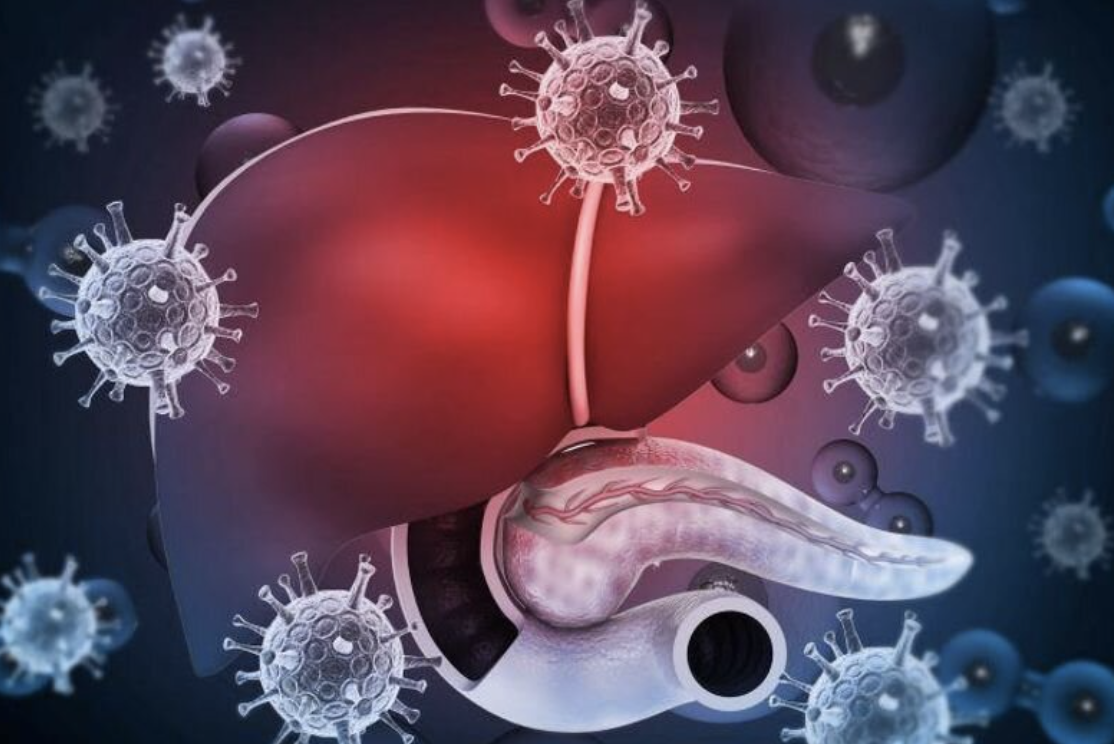
Bepirovirsen is an antisense oligonucleotide that produces sustainable clearance of hepatitis B virus (HBV) and hepatitis B surface antigens (HBsAg). Bepirovirsen is designed to specifically recognize the RNA that HBV uses to replicate in infected liver cells and to make the viral antigens that facilitate the severity of the virus by helping to avoid being cleared by the immune system. In addition, bepirovirsen is able to stimulate immune responses through Toll-like receptor 8 (TLR8), which may enable the immune system to achieve a long-lasting clearance of HBV from blood circulation.

Researchers conducted a phase B trial involving participants with chronic HBV infection or not receiving nucleoside or nucleoside analog therapy. Participants were randomly assigned to receive weekly injections of bepirovirsen at a dose of 300 mg for 24 weeks (group 1), 300 mg for 12 weeks then 150 mg for 12 weeks (group 2), 300 mg for 12 weeks then placebo for 12 weeks (group 3), or placebo for 12 weeks then bepirovirsen at a dose of 300 mg for 12 weeks (group 4). It was found that bepirovirsen at a dose of 300 mg for 24 weeks resulted in the most sustained HBsAg and HBV DNA loss in participants with chronic HBV infection. 

Bepirovirsen has shown many positive results in the treatment of hepatitis B. Although, many of the participants who were injected with bepirovirsen experienced pyrexia, fatigue, and increased alanine aminotransferase levels.  Even though some of these are common reactions that may occur when injected with treatments, I believe that more trials should be done to prove the efficacy and safety of bepirovirsen. It is also important to remember that hepatitis B is a chronic medical condition like diabetes and high blood pressure that can be successfully managed if you take care of your health and liver. 


Monday, April 22, 2019

Hepatitis B

An article by PLOS explains how new research sheds light on how a hepatitis B viral protein stimulates the expansion of immune cells that impair antiviral responses. The findings potentially explain how the hepatitis B virus (HBV) establishes and maintains chronic infection, and could lead to the development of novel therapeutic strategies.


An estimated 257 million people are living with hepatitis B virus infection (defined as hepatitis B surface antigen positive). In 2015, hepatitis B resulted in 887 000 deaths, mostly from complications (including cirrhosis and hepatocellular carcinoma)

Monday, March 23, 2015

Protection Without a Vaccine?

In February 2015, scientists at Scripps Research Institute said that they were able to develop an artificial antibody that, after being injected into monkeys infected with HIV, was able to inactivate the virus and protect them from future infections. They haven't limited this to just HIV, but Ebola, malaria, influenza and hepatitis as well. Dr. Michael Farzan, among other scientists at Scripps, believes that this treatment is a very large step forward against HIV. According to the article, it is not a vaccine, but rather re-engineering the animals in order to boost their immunity and cause resistance. The first human trial is still underway and there are several others planned for the future. 

 Whether or not it will work in humans is still a question. Again, it is not a vaccine and therefore may take some convincing in the community. Vaccines work by triggering the immune system to create antibodies in order to fight off the disease by introducing weakened or dead pathogens. Their work, however, is a gene therapy isolating particular genes that produce the powerful antibodies and also synthesizing artificial ones, because vaccines aren't always effective. The reason HIV vaccines aren't very effective is because there are multiple strains and a vaccine can only protect against one of them. Dr. Baltimore states that it is essentially going around the immune system rather than trying to stimulate it. 

I think that it's an interesting idea, although a human trial is necessary before I can have a proper opinion on it. It's understandable why people may not want synthetic modification in their bodies because who knows how long it might take to see any repercussions, if there are any. Vaccines are still very important, but if this can help with diseases where vaccines fail, then it could be a very good and useful things. But again, a human trial is necessary because even if it worked in their animal testing, that doesn't mean it will be guaranteed to work with humans the same way.