Showing posts with label nutrition. Show all posts

Wednesday, April 23, 2025

Gut Feeling: The Link Between Sugar Cravings and Gut Bacteria

    There was a recent study done by Nature Microbiology that found a gut bacterium called Bacteroides vulgatus and the molecule it produces, which is vitamin B5. This can help reduce the craving of sugar in mice. The mice used by the researchers were genetically engineered to be missing the FFAR4 sensor, this sensor normally detects certain fatty acids in the gut. Since these mice were missing the FFAR4 sensor, they had lower levels of B. vulgatus and vitamin B5, which resulted in them overeating sugar. When the mice were introduced to the bacteria and vitamin, their sugar intake decreased. This was most likely due to a chain reaction involving a protein called GLP-1, which is known for balancing blood sugar and appetite. Keep in mind, these side effects were heavily dependent on the fact that these mice lacking FFAR4 sensor. This means that animals' genetic makeup plays an important role on whether B. vulgatus actually helps with sugar cravings. Relating this to human, most of us also have an intact FFAR4 sensor, so theres a chance that the vitamin and bacteria might not affect people the same way. Some mice have genetic mutations that have been linked to B. vulgatus leading to gut inflammation. This shows us how much genetics can really influence how bacteria impacts health. The results of this study demonstrate the impact gut bacteria can have on behaviors such as sugar cravings. This study is difficult to apply in humans because we all have different genetics and microbiomes. 


        This article opened my eyes to how much gut bacteria can impact sugar cravings and it's actually more interesting than I thought. I think it would be incredibly beneficial for people's overall health and nutrition if we could do studies like this in humans in the future, but the fact that genetics vary from person to person makes it difficult. It would truly be amazing if scientists could discover how to manage sugar cravings with solutions that are created uniquely for our DNA and microbiomes. I know I personally get sugar cravings that I would love to put a stop to them. I feel like many people struggle with sugar cravings, and it would be beneficial to many if we could understand what causes the cravings in the first place. 

Friday, April 12, 2024

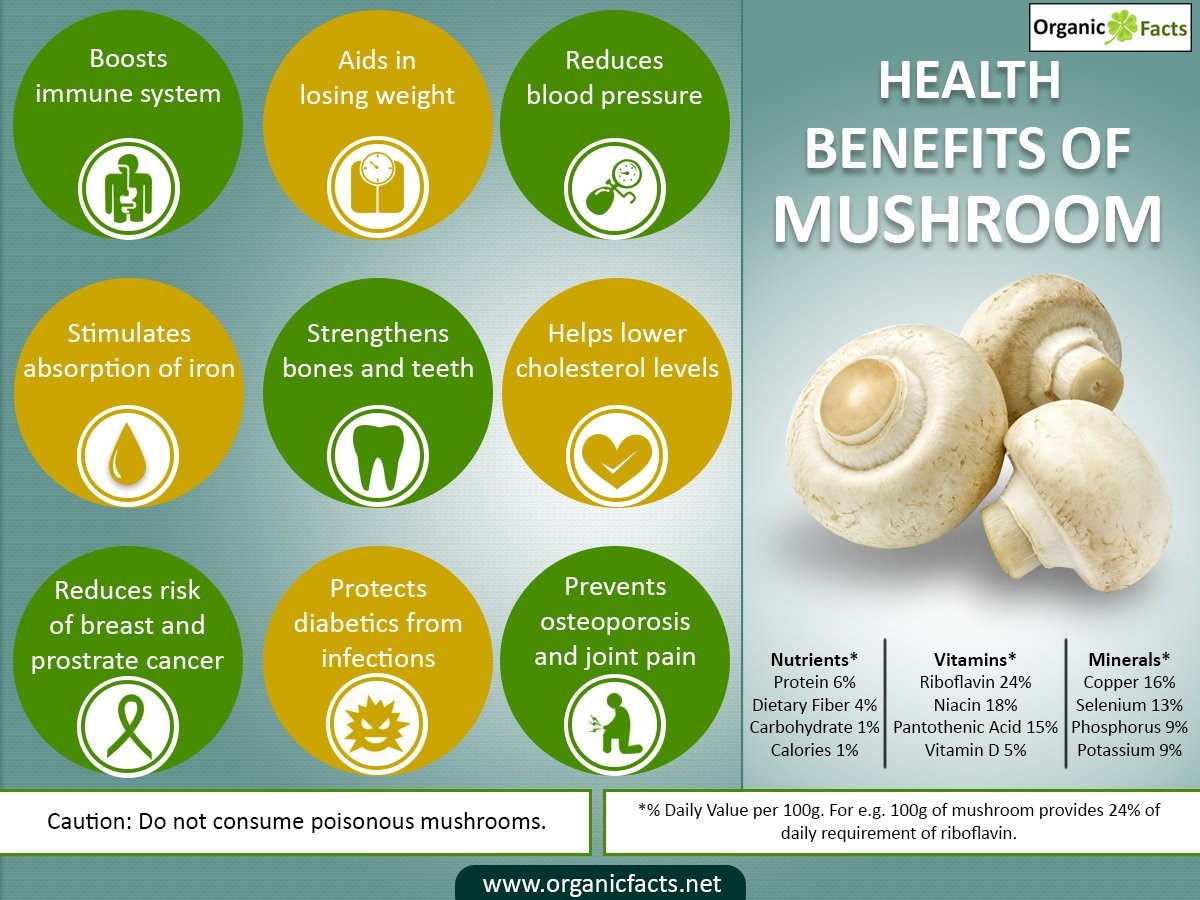
Mushrooms: The Underestimated Superfood!

     The article, Mushrooms as Future Generation Healthy Foods, meticulously identifies mushrooms as potentially revolutionary in health and nutrition. Mushrooms have the potential to influence multiple disease processes including immune, inflammatory, neurological, behavioral/psychological, and digestive disorders. This is due to mushrooms containing bioactive molecules that carry antiviral, anti-inflammatory, prebiotic, and other properties. This article is massive, detailing numerous ways in which mushrooms have potential health benefits. I found its neurological and anti-tumor effects most interesting. In these areas the mushrooms function by regulating inflammation pathways and promoting cytotoxic activity in overactive cells, respectively.

    While mushroom are a rising superfood, they are not magic. Mushrooms do not cure all problems and many social media scams portray. In reality, they mainly operate by regulating and initiating certain functions/pathways in the body. If that sounds a little vague to you, its not by chance. Another important note highlighted in this article is that the active molecules within mushrooms that impart all of the previously mentioned health benefits have not yet been reliably identified. This is because different types of mushrooms have vastly different compositions and properties. As further research is done on mushrooms, we we likely see them appear more and more in our everyday diet. They have strong potential in both the treatment of certain disorders, and in preventative care. There are plenty of edible mushrooms that are easily available can cant hurt to add to your diet!

Do You Have “Mushroom” in Your Life for Mushrooms? - Fill Your Plate Blog Cute Kawaii Happy Mushroom" Sticker for ...

Thursday, October 27, 2016

‘Habit’ Uses Your DNA to Act as Your Personal Nutritionist


A new company open now to beta testing is boasting that it can help achieve your diet goals by going far beyond any other diet trend. Because every person is different, these generalized plans don’t affect everyone the same, and if one person metabolizes one food better or more efficiently than another, two people eating the same health food will see different effects. Instead of taking a generalized approach at helping their clients, Habit asks for a DNA sample and formulates a nutrition plan based solely on each individual client. But it gets better (and weirder) they will also pair you with a Habit nutrition coach and they deliver meals cooked according to your personal genomic blueprint and health goals.
So how do they make this blueprint? Well, DNA codes for every process your body undergoes metabolism is no different and the company lab checks for over 60 individual biomarkers that together describe how the individual will ‘react’ or metabolize food. They also require the client to take a liquid meal supplement once in the beginning of the service to check “phenotypic flexibility” which just gives a working understanding of your metabolism in action (think of it like a control in an experiment). From this information, they make a blueprint of an optimal balanced diet for the individual.

It’s not all about losing weight either--the clients express their goal and the coaches and personalized food help them reach that goal. So whether it’s lose some weight, training for a sport, healthily putting on weight, Habit claims to be the best help to you. The company has a very interesting goal and procedure and personally I’m excited to hear more about the results of their beta testing.

Links:
http://www.popsci.com/personalized-nutrition-company-will-use-your-dna-to-tell-you-what-to-eat?dom=currents&src=syn
https://habit.com/our-science/

Thursday, May 5, 2016

Intake of Red Meat May Cause Colon Cancer

        A new study involving 1.5 million people all-causes of mortality increases with daily intake of red or processed meats. The study confirms the knowledge of physicians that diet can either heal or harm the body. The data found the steepest rise in mortality at the smallest increases of intake of red meat. They also found a 3.6 year increase in life expectancy for people with a vegetarian diet for more than 17 years.
          The intake of red and processed meat has also been linked to an increased rate of colon cancer. Most studies show that the fat consumed from the red meat is what increases the risk of colon cancer. Large amounts of red meat cause colonic cytotoxicity and epithelial proliferation. This also causes cells within the colon to mutate and creates cancerous polyps.  
        In my opinion these study provide very useful information for the public. The data shows how beneficial cutting reducing or cutting red meat out of your diet can be.Hopefully physicians can spread the word to patients about how important nutrition is and how it can improve your health.
   

Friday, April 15, 2016

Why you should be eating your fruits and vegetables

Does your diet consist of a lot of fruits and vegetables? Or do you take a multivitamin every morning to make up for the nutrition you don’t get from eating?  A study was recently done on how genetic and dietary factors influence the progression of nuclearcataracts.  Cataracts cloud the vision of the eye, making it difficult to see things clearly.  Over a ten-year period, approximately 1000 sets of twins were studied for this particular experiment.  The researchers concluded that vitamin c from the diet was protective against nuclear cataracts at baseline as well as the progression of nuclear cataracts.  Those who used vitamin c supplements instead of primarily getting it from their diet were only protective against cataracts at baseline only.  The study also suggest that heredity is only 35% accountable, whereas your diet is 65% responsible.


According to this study, it shows that dietary vitamin C is drastically more beneficial than taking supplements.  Not enough studies have been done on the ways that micronutrients and vitamins effect the progression of cataracts.  This leads me to believe that there are other contributing factors in determining what protects your eyes from acquiring cataracts.

Sunday, April 10, 2016

Studies of Domesticated Wheat Genome Reveal Information About Evolutionary Past

Grain and high carbohydrate diets have recieved a bad reputation today for being lacking in nutritional content.  Instead, many grain diets, pasta grains in particular, are regarded as 'empty calories'.  Recently, scientists have attempted to explain the lack of nutritional content in our grains.  A study by Romina Beleggia, Roberto Papa, et al.,  published in the journal of Molecular Biology and Evolution (Oxford University Press), examined study populations of wheat for metabolic content and population genomics.
Three populations were studied to identify two evolutionary changes between each stage.  These were representative of wild emmer, which was domesticated to the emmer grain.  And durum, which came about from emmer.  The domestication of this grain showed a trend of increaing yield by mass.  However, metabolic analyses show that the first domestation of wild type to emmer resulted in a lower production of unsaturated fats.  The change from emmer to durum was found to alter the protien content of the grain.  Co-author Roberto Papa is cited saying that, "not necessarily all of the metabolic variations that occured during domestication have proceeded towards an amelioration of the nutritional quality, probably because yield-related traits were given priority".
The methods of assessment for this study are interesting as they are very large in scale.   The population genomics survey that was performed is a wide-range assesment of the genetic diversity within the selected populations.  The test measures the frequency and variability of selected alleles to give a quantitative measurement of genatic divergence.  To view the free article, click here.

Tuesday, October 13, 2015

The Affect We Have on our Children's Genes

Recently, a new study, published by Science Magazine shows that its not just the women who need to keep an eye on their own lifestyle as far as passing things onto their children, men should too.  More explained by Discover Magazine, human traits such as height, weight, intelligence, and more can partially be inherited, and researchers are coining this inheritance as epigenetics.  "Epigenetics refers to the information in the genome over and above that contained in the DNA sequence.  This information takes a number of forms, but the most popular ones scientists have studied relate to the chemical modification (known as methylation and acetylation) of DNA and the proteins called histones that together make up the human genome" (Discover).  In other words, this information helps to influence which form of our genes are expressed and these forms could then supposedly be inherited through generations and "can even persist within a lifetime in a person's tissues and organs, even as their cells are replenished" (Discover).  Therefore, even a person's nutrition and weight during reproduction, can affect the genes inherited by the child; however, both women and men are included in this passing down.  

It has already been proven that a signature epigenetic gene in men's sperm are liked to their child's Autism.  And "they also suggest that if certain factors in a man’s environment disrupt this same epigenetic process during the production of sperm, this could also be an underlying cause of birth defects and disease that may be traceable to the father" (Discover). The way in which both men and women live their lives, are related to the health of their children.  I do not believe that this is an excuse to use genetic counseling, but instead a huge eye opener to watch more carefully at the choices we make in our lifetime.

Wednesday, December 10, 2014

Obesity Genes? Fried Foods Worse for Some People


Researchers have discovered that certain genes allow for enhanced effects on fried food. The higher the genetic risk of obesity, the greater fried food affected their BMI. The study was conducted with 37,000 men and women. For women in the study, this obesity person was approximately 6 pounds heavier. The main findings encourages those that are obese to truly stay away from fried foods because they are more susceptible to the weight gain due to the genes. The study did find that whether you have the genes that lead to higher risks of obesity or not, you should still not consume increased amounts of fried foods because your health will be negatively effected. Researchers did note that their are other factors that play a role in obesity but this study did not particularly look at them. 

I really liked this article for the information they found. I found it interesting that at the end a professor from the Nutrition Department at Harvard Lu Qi says "In the future, it may be possible to tailor diet recommendations for people based on their genes." I think this idea could really go a long way, considering your genes are what make you up to be unique from the next individual. Because we are all made differently, I think that diets tailored per person can have a greater effect on results.

Main Article: http://www.livescience.com/44180-fried-food-genes-obesity-risk.html

Monday, November 24, 2014

Personalized nutrition based on genetic testing

     At the University of Toronto in Canada, researchers have been studying personalized nutrition advice based on genetic makeup, rather than the common "one-size-fits-all"dietary advice. This study of genetics-based nutrition is also called nutrigenomics, a field of study that intends to understand why people respond differently to the same foods. Ahmed El-Sohemy, an associate professor in Nutritional Sciences at the University of Toronto stated "We found that people who receive DNA-based advice improve their diet to a greater extent than those who receive the standard dietary advice. They're also the ones who need to change it the most". In this study they gathered 138 young healthy adults, and collected the data on their intake of caffeine, sodium, vitamin C and sugar levels. They then randomly split them into two different groups, they gave one group DNA based dietary advice, and the other group was given current standard dietary advice with no genetic information. Each subject's change in diet was observed after three months, and again after twelve months. Those that were given DNA based advice had more changes in diet in three months and a more dramatic result after 12 months time. Those that were told they had a genetic link to high blood pressure showed the most results and had a significant decrease in salt intake. The subjects in this study received advice that was developed by a start-up company that develops genetic test kits for personalized nutrition only through certified healthcare professionals. In my opinion, I think this is a great study and should become more widely available to the public. We are all worried about the increase in obesity rates and staying healthy, I think this can be the perfect way to change the increase and start living a healthier lifestyle.

Original site: http://www.medicalnewstoday.com/releases/285505.php
Related site: http://www.medicalnewstoday.com/articles/160774.php

Thursday, November 20, 2014

DNA Used to Personalize Diets


     The days of a one size diet are coming to an end.  Everyone has heard of all the fad diets such as the South Beach and Atkin diets.  Previous results not only depended on discipline and dedication, but also a person's genetic makeup. Current research has developed DNA based counseling to see where a person's diet can be improved.  The researchers found that people who received DNA based diet counseling greatly improved their dietary results over a 3 to 12 month period.

     University of Stanford is currently holding research for these type of diets based on personal DNA evaluation.  People are broken up into either very low fat or very low carbohydrate diets. The study will make available a strong support and guidance program by a team of qualified health care professionals.  High nutritional values will be strongly be emphasized according to the research.  The goal is to find a connection between the proper diet matching certain genes.  In the future we may have our nutritional needs mapped out at an early age to avoid obesity all together.


http://www.newswise.com/articles/view/626446/?sc=rsmn
http://nutrition.stanford.edu/projects/DietbyGenotype-Study.html

Sunday, November 9, 2014

How Diet and Pesticides Change Bees Gene Expression

Feeding a bee an artificial pollen diet is not beneficial. A bee that has a natural diet of pollen is more resistant to pesticides than a bee with an artificial diet. Pesticides also cause a change in expression of genes in bees that deal with detoxification, immunity, and nutrition.
Help me I'm a poor little cute bee.

The first part of the study, done by Christina Grozinger at Penn State, showed that even when bees are exposed to nonlethal doses of pesticides, larges changes in gene expression are made. There is a link between nutrition, diet, and pesticide exposure when dealing with the health of a bee. The diet impacts how long bees live after given lethal doses of pesticides. Danial Schmehl at the University of Florida states that a bee's natural diet makes them "significantly more resistant to lethal doses of a pesticide than feeding them a more simple, artificial diet."
The impact of pesticide exposure on gene expression was done by feeding bees pesticides that have been detected in hives for a period of seven days. On the last day the RNA of the bees was extracted, attached to a fluorescent marker, and then the differences in gene expression patters were examined. The patterns of fluorescence between the treated bees and controlled bees showed the changes. Over 1100 pieces of RNA showed change in genes involved in detoxification, nutrition, and immunity. The researches then did the tests giving bees a natural and artificial diet, and the natural diet showed less changes.
This study is very useful because it could help the future of honey bees. Many honey bees have been dying off due to pesticides and it is negatively impacting the environment since honey bees are a major contributor to spreading pollen. This study could help scientists make sure bees are getting a proper diet that can help them survive harmful pesticides. The amount of pesticides used needs to be greatly reduced first, but this study could also help honey bees survive. This study also shows how gene expression could be affected and this may be helpful for humans and what could affect their gene expression diet, nutrition, and detoxification wise.

Article: http://news.psu.edu/story/332959/2014/11/03/research/diet-affects-pesticide-resistance-honey-bees

Saturday, November 8, 2014

The Effects of Poor Eating Can Persist Long After Changing Diet


In a new report that was published in the November 2014 issue of Journal of Leukocyte Biology, a study done on mice has shown that the effects of poor eating habits can last for a long time, long after those eating habits were improved. This is due to the poor eating habits altering the way that genes express themselves, which can lead the immune system functioning poorly.

In the study, the scientists used mice that had an altered gene, making them more likely to develop high blood cholesterol and atherosclerosis. They fed these mice a high-fat, high-cholesterol diet. The bone marrow of these mice were transplanted into genetically similar mice, who had their own bone marrow eliminated. Then, these mice with the transplanted bone marrow were fed a more nutritional diet of chow for many months. The control group of mice had bone marrow transplanted into them from chow-fed mice, and were fed chow for many months. The two groups were measured for the development of atherosclerosis in the heart, and the number/condition of their immune cells. The mice with the bone marrow from the “unhealthy” mice were found to have large differences in their immune system and more likely to have atherosclerosis than those mice with the “healthy” mice bone marrow.


This study can have implications for the treatment of diseases with immune underpinnings in humans, and new treatments that can modify gene expression.

This article shows moreso how our diets affect us in more ways than just weight. I wish the article would have gone more in-depth into the diets given to the mice, because nutrition is more complicated than just “high-fat, high-cholesterol”, knowing that there are good and bad fats/cholesterol. Either way, it never occurred to me that our diets could have such a long term effect on the expression of our genes and gives even more importance to striving to eat healthy.

Monday, October 27, 2014

Diet for your DNA: Novel Nutrition Plan Sparks Debate Around Data Protection


New research called the Food4Me project, led by Newcastle University, uses human DNA to not only understand age, sex, BMI and physical activity, but also how the food we eat affects our gene interactions. From this, nutrition plans may be developed to help aid humans and fight numerous lifestyle-caused diseases related to diet like obesity, heart disease, and Type II diabetes, cardiac disease, stroke, and 40% of cancers.

Research shows that the diet plans will not be accepted publicly if  regulations are not placed to protect DNA information; however, Professor Lynn Frewer explained that the people who were questioned saw many benefits of this research and were more than willing to share data about their DNA. On the other hand, the 9,381 participants questioned n European countries were hesitant about this since this type of research is often a commercial basis, and not common.


An individual's likeliness to a certain disease or illness based on genetic variation will determine what that individuals "optimal diet" is. Individualized medicine and nutrigenomics can also aid that individual. We consist of different genes which makes us all different: how our bodies metabolize sugar to how we burn calories. Nutrigenomics can start to figure out the differences to create dietary plans for an individual.


Once regulations on DNA are placed, I believe nutrigenomics will be very important in promoting human health across the globe. It is important to identify the gene interactions within the body per individual and understand what makes us different to promote growth in the field of genetics. If enough people follow the diet plans given to them once nutrigenomics becomes more popular, fast food and processed food may become healthy to prevent profit loss.

Article:
http://www.medicalnewstoday.com/releases/284240.php

Related Article:
http://www.brightsurf.com/news/headlines/102076/Diet_for_your_DNA_Novel_nutrition_plan_sparks_debate_around_data_protection.html


Tuesday, October 7, 2014

Coffee Consumption Driven by Genetics

A large-scale study has recently identified six new genetic variants connected to coffee drinking. "Coffee and caffeine have been linked to beneficial and adverse health effects. Our findings may allow us to identify subgroups of people most likely to benefit from increasing or decreasing coffee consumption for optimal health," said Marilyn Cornelis, the lead author of the study. 


Genetic response to coffee and caffeine has been largely questioned by science. The only issue was the challenge of finding the specific gene with variants that would cause such varied responses. The Coffee and Caffeine Genetics Consortium analyzed the genome of over 120,000 coffee consumers of different ancestries (mainly European and African American). They found two variants that linked the genes involved in caffeine metabolism, POR and ABCG2. These variants were located near genes BDNF and SLC6A4 which could influence the "rewarding effects of caffeine."

That means that, depending on the variant, we each would respond differently to caffeine based on our genetic makeup. Therefore, each individual consumes enough coffee/caffeine to experience the "optimal effects" of the caffeine. This means that the stronger an individuals genetic factors linking to coffee intake would increase their caffeine metabolism, meaning they would need to intake more caffeine than the "average" person. The research is still ongoing, but focusing on certain ancestries such as European and African Americans has greatly helped with the organization's research. 

I found this article interesting because I had always thought one's response to coffee was more of a tolerance than an actual genetic makeup. The fact that genetics can influence certain habitual behaviors is extremely interesting to me. This explains why some people (myself included) need at least a cup of coffee a day to seem alive, whereas others don't require any caffeine at all. 


Article: http://www.sciencedaily.com/releases/2014/10/141007092352.htm  

Wednesday, October 2, 2013


                                          'GMO'  'OMG'

           In the world of genetics there has been a growing controversy over Genetically Modified Organisms (GMO). Recently there has been a documentary released by the director Jeremy Seifert. The documentary follows the director on his quest to find food in America that is not genetically modified. Throughout the documentary he is constantly throwing statistics about our food that I and most people don’t seem to know about. Facts such as 85% of all corn grown in America is genetically modified, there are 420 million acres of GMO’s worldwide, and how the world’s demand for pesticides is reaching up to 52 billion dollars. 
           
            The documentary also targets Monsanto and how they refuse to disclose what chemicals they put in the food and other details on how it’s harvested and stored. Interestingly enough the government through a budget provision gave Monsanto its own Protection act for their genetically modified seeds and allows them to get by without any lawsuits in regard to the food they are creating. So instead of enforcing judicial scrutiny on company who doesn’t have the decency to let the American people know what they are putting in their bodies the government protects them so they can keep making GMO’s and making money off the health of the American people.


Nice to know our government cares more about the economy behind the food and the business instead of the people who are putting genetically, biologically, and chemically modified foods in their body. And we wonder why the cancer rate is so high. Watch what you eat!!!! Monsanto is everywhere.
This is a link will take you to the documentary:
More on Monsanto Protection Act

Sunday, March 17, 2013

You Are What Your Mom Eats

In an article posted on the NewsMedical website, researchers from the U.S. Department of Agriculture (USDA) have made some remarkable discoveries that help explain how the diets of pregnant mothers in the days and weeks around the time of conception may affect genetic function in their children, and ultimately their children's health. Lead by molecular geneticist Robert A. Waterland, investigators examined the gene functions of 50 healthy children living in rural villages in the West African nation of The Gambia.

Specifically, Waterland was examining the effects of nutrition on what geneticists refer to as "epigenetic mechanisms" which impact the levels at which DNA methylation, occurs at regions of certain genes. Their studies revealed higher levels of DNA methylation at regions of five genes in children conceived during the peak rainy season months, when food would typically have been less available to mothers.
“We thought that peak rainy season hunger would lower levels of DNA methylation in children conceived at that time, but we found exactly the opposite. We don’t yet know why that happens, but we have more detailed studies under way that may give us the answer.”

Waterland stated that, two of the five elevated genes warrant further study because they are associated with risk of disorders such as Tourette's syndrome and hypothyroidism.

I struggle with Tourette's syndrome myself so this article was of particular interest to me. However, I do not think it had much to do with whether my mother conceived me during the rainy seasons in New Jersey. After reading this article, I am curious though as to whether or not her diet may have had any impact. I also have a hyperthyroid but here they are referring to hypothyroidism. Either way, both are closely related thyroid disorders.

Friday, April 20, 2012

Dieting While Pregnant Can Cause Epigenetic Gene Changes

A recent study published in the FASEB journal have shown connections between diet and nutrition during pregnancy and the likelihood of the offspring getting type II  diabetes or suffer from obesity. It has been found that dieting during the time of pregnancy, especially during the final stages, as well as having twins can affect the offspring's ability to control and handle blood glucose levels. THese connections are both interesting and important for research because they are epigenetic, or not inherited from the parent to the offspring.


These changes occur during the fetal changes and are caused by behavior in the mother. This is leading to a knew saying, "We are what our mothers ate" since a mothers diet is now being connected to these epigenetic changes. These changes are not changes in the sequence of DNA, but an alteration of structure or histone/protein arrangement in the DNA molecules.