Showing posts with label agriculture. Show all posts

Wednesday, November 26, 2025

A New “Super Wheat” Created Through Gene Editing

 China has approved its first gene-edited wheat variety, signaling a major step toward wider acceptance of genetically modified food crops in the country. The newly approved wheat was edited to improve disease resistance by altering the plant’s existing genes rather than adding foreign DNA, a method many scientists consider safer and more precise. This move is especially important because China is the world’s largest producer and consumer of wheat, and boosting crop resilience is key for food security. The approval also aligns with China’s recent efforts to expand the use of gene-edited and genetically modified crops, following similar decisions involving corn and soybeans, even as public hesitation toward GM foods remains a challenge.


Link : https://www.reuters.com/markets/commodities/china-approves-first-gene-edited-wheat-step-open-up-gm-tech-food-crops-2024-05-08/
Additional link: https://www.researchgate.net/figure/The-CRISPR-Cas9-system-is-utilized-to-improve-wheat-grain-quality-by-precisely-editing_fig4_372910165

Commentary: Researchers used gene editing to create a new wheat strain that is resistant to drought and fungal infections. The edited wheat has higher yield potential and requires fewer pesticides, making it more sustainable for global food production. This article shows how genetics is not only used in medicine but also in solving environmental and agricultural challenges. Genetically edited crops could help feed growing populations while reducing climate impacts, though public concerns about GMOs still influence acceptance.


Thursday, April 24, 2025

GMOs: Pros and Cons, Backed by Evidence

    As of 2024, according to the USDA, 90% of all corn, cotton, and soy grown in the United States are genetically modified organisms (GMOs), meaning that many of the foods you eat likely contain GMOs. The article, written by Ryan Raman and medically reviewed by Katherine Marengo, discusses the basics of GMOs as well as their pros and cons backed by scientific evidence. GMOs refer to organisms with DNA modified using genetic engineering technologies. The author stated that: “In the food industry, GMO crops have had genes added to them for various reasons, such as improving their growth, nutritional content, sustainability, pest resistance, and ease of farming”. 

    The advantages of GMO crops are that they have genes that protect them from pests and insects, improve survival and yield, enhance flavor, and improve nutritional content. Despite the advantages of GMOs, many concerns involve allergies, cancer, and environmental issues. While current research suggests that there are few risks associated with this type of food, extensive studies should be conducted to provide more evidence supporting the benefits of GMOs and determine whether their benefits outweigh any potential cons. 

WORKS CITED

Raman, R. (2024). GMOs: Pros and Cons, Backed by Evidence. Healthline. https://www.healthline.com/nutrition/gmo-pros-and-cons

U.S. Food & Drugs Administration (2024). GMO Crops, Animal Food, and Beyond. U.S. Food & Drugs Administration. https://www.fda.gov/food/agricultural-biotechnology/gmo-crops-animal-food-and-beyond

Wednesday, November 20, 2024

Rice, rice, and more rice, a sustainable future ahead of us.

 Researchers from UC Davis in 2019 found that, by activating the gene BBM1 in rice egg cells, it could switch on the ability of a fertilized egg o form an embryo, basically, creating a clonal hybrid without the need for fertilization that provide a high yield of the crop consistently. This method only worked about 30% of the time. That is until collaborators from UC Berkeley’s innovative genomics institute discovered that, by activating the WOX9A gene, the success rate increases to around 90%. It is a remarkable discovery that provides us the great benefits of hybrid rice strains without the need for creating the hybrid and buying an extra seed of seed every year. “In a world where resources are increasingly limited it provides a path forward for sustainable agriculture for rice farmers, and in the future, for other crops as well”.

According to the original research from the UC Davis staff, there are about 400 species of wil plants that can produce viable seeds without fertilization. They are called apomixis, but this process did not seem to have evolved in commercial crops. The gene BBM1, that belongs to a family of plant genes called “Baby Boom” or BBM, is expressed in sperm cells but not in eggs. They argue that BBM1 switches on the ability of a fertilized egg to form an embryo. The researchers first used gene editing to cut the ability of the plants to go through meiosis, meaning that the egg cells formed by mitosis, inheriting a full set of diploid chromosomes from the mother, then they caused these egg cells to express BBM1, which would not happen without fertilization. “so, we have a diploid egg cell with the ability to make an embryo, and that grows into a clonal seed”.

I fall short of words to express how much I enjoy the continuous development of this research. As a fellow rice enthusiast, and as someone with a conscience that can understand the need for sustainable agriculture in a world that likes to overproduce, methods like these can provide affordable sustenance options for folks all over the world. Rice has kept many different cultures alive and thriving for hundreds of years, and I am so glad that the trend does not seem to stop.


https://phys.org/news/2018-12-rice-clones-seed.html

https://phys.org/news/2024-11-biologists-genes-trigger-embryo-formation.html


Monday, October 2, 2023

Gluten-Free Wheat?

Who would've thought gluten-free wheat could become a reality...


    A recent article published in July 2023 by the European Union details plans to utilize genomic techniques to alter the genome of an ingredient found in many of our delicious foods: wheat. Those with Celiac Disease and gluten-intolerance have been struck with the unfortunate loss of eating wheat-containing foods, and at an unfortunate price (almost 200% more than what the average person spends on food/groceries). For reference, gluten is a protein found in wheat, which those who are sensitive to/allergic to gluten cannot consume. Recently scientists in the EU; however, have proposed using cisgenesis -- a method to cross beneficial alleles from one plant to another -- to not only make wheat grown in the EU gluten-free, but also pesticide free as well. This is an immense step forward in the field of economic agriculture and the environmental well-being of citizens everywhere, as food for those who are gluten-free can become more affordable and levels of pesticide toxicity will slowly cease to impact those in the EU, in addition to the rest of the world who consumes their agricultural products. Cisgenesis has greater implications than just gluten-free wheat and pesticide-free plants, and as a matter of fact, this is what humans have been doing for centuries, except it has now become more mainstream due to pertinent implications in our everyday lives. 

    As someone with Celiac Disease and (unfortunately) not living in the EU, I found this article to be really promising and I am secretly hoping the U.S. starts taking some notes. I personally like this approach of utilizing genomic techniques that are not harmful like some GMOs, and don't require the introduction of chemicals into the food we consume on a daily basis. The European Union has clearly thought this decision out, and I appreciate that they have considered the economic burden of this autoimmune disease as it is not really discussed in the media. Having this representation makes those of us with Celiac more inclined to speak up and condone the improvements being made on the agricultural forefront. As I mentioned previously, the United States should truly consider implementing this in our domestic crops, especially considering how expensive gluten-free food is (for reference, try buying a $10 loaf of bread that needs to be frozen, with only 10 slices, and half of which have holes in them so they become useless anyways...doesn't sound so appealing, right?). I also believe this becomes a public health concern due to 1) the prevalence of the disease and 2) the food available and the affordability factor that comes with it. The EU is taking things in the right direction, and I can only hope that the U.S. will consider using similarly effective genomic techniques in our wheat sometime soon! 


To read up more on this topic:

1) https://joint-research-centre.ec.europa.eu/jrc-news-and-updates/new-genomic-techniques-can-help-cut-pesticides-use-or-shield-celiac-disease-2023-07-05_en 

2) https://www.frontiersin.org/articles/10.3389/fpls.2014.00389/full

Monday, December 5, 2022

Using CRISPR/Cas to suppress chromosomes in genetically modified plants

 An article from ScienceDaily discussed research being done in regards to challenges when genetically modifying plants and crops. The location of genes on a chromosome greatly impacts how they are passed on. The closer they are together, the more likely they are to be linked and inherited together. However, genes that are farther apart are more likely to get separated. In agriculture, there are a plethora of favorable traits that farmers and geneticists are trying to breed for. For example, they want the crops to have high yields, taste good, be nutritious, and more. Unfortunately, the genes involved in these traits are not always close together on the chromosome.

In order to combat this issue, researchers have been working on a solution based on CRISPR/Cas. They used this molecular scissor to cut the middle portion of genes that are in between the favorable traits they want. They then invert the sequence and put it back in. This essentially deactivates the middle portion of the chromosome. During the breeding process, the deactivated portion acts as though it is invisible or not really there. The resulting effect is that the favorable genes they want now appear to be right next to each other and are more likely to be linked and passed on together.

I think this is a really important discovery in the agricultural field. As population size increases, we need more and more food. If we can grow more crops more quickly and reduce susceptibility to disease, the chance of feeding future generations will greatly increase In addition, if we can develop crops that taste great and have a high nutritional value, we can improve the overall health of our societies.

Thursday, November 25, 2021

Potential for Gene Editing to Support Sustainable Agriculture


This article from GEN talks about how gene editing can be used to support sustainable energy. Gene editing through the use of CRISPER has the potential to climate proof our food, reduce inputs, and improve nutrition and flavor. Due to rising temperatures, crops have been facing an increase in biotic and abiotic pressures such as drought and disease. Many organizations are trying to find ways to make crops more resilient to these pressures. Gene editing can be used to create crops that are resilient to these changes. Gene editing can also be used to improve animal welfare. In the poultry and dairy industry, male chickens and male calves have little value and are usually sold or killed to reduce costs. Thanks to gene editing, it could be possible to put an end to the disposal of unwanted animals. For example, one gene editing company can identify male eggs before incubation meaning that their would be no need to euthanize male chicks. Gene editing can also be used to reduce the need of resources for the crop such as water. 

When Crisper was first revealed in 2012, many people believe it would be a big part of the agriculture industry but that has not quite happen yet. There are two reasons for this: investing new technologies in this sector is difficult because the seasonality of agriculture leads to long timelines to commercialization and major players in the agriculture industry consolidate gene editing companies stifling competition. This lack of competition has led to low incentives for these companies to invest and develop new technology that can help improve crop production. However, thanks to increasing distrust of these companies and consumers being more aware of environmental issues, an chance exists to use gene editing technologies to improve crop production while also aligning with social issues. Though care should be taken so that commercialization proceeds in a way that promotes competition. 

https://www.genengnews.com/topics/bioprocessing/avant-and-bti-to-focus-on-scalable-production-of-cultivated-fish-cells/

Wednesday, March 17, 2021

CRISPR may Solve Certain Climate Change Problems


    Climate change has become one of the biggest issues facing our life on this world. According to many scientists severe changes in our weather and climate will lead to significantly less agricultural yield. Floods and droughts can destroy existing agricultural land. Even if the land being affected by climate change isn't agricultural land, the Animalia that once existed there, could be driven to rural land and become an invasive species on our crops. 

    CRISPR is a gene editing tool that uses the Cas-9 enzyme to cut out specific genes in our DNA sequence and can insert new genetic code. In 2019 CRISPR was used to cure patients with the hemophilic mutation diseases sickle cell and Î²-Thalassemia; which usually are treated either by regular blood transfusions, or a bone marrow transplant.

    Dr. Karen Massel of the University of Queensland Centre for Crop Science recently published a review article about using CRISPR for agricultural benefits. CRISPR can benefit our crops by changing its anatomical design to be more water efficient, letting more crops be grown with less recourses. CRISPR can also edit the the ability of proteins to be digested, making crops have more nutritional value. To know what genes to edit in farmed crops the team at UQ find wild variants of the crops and find genes that could make the farmed crops more useful. "These kinds of changes can be so subtle that they are indistinguishable from the naturally occurring variants that inspired them." said Massel. I think the CRISPR modified crops are going to be able to curb the amount of land we will need to feed the world population with climate change.


Links Below


Saturday, November 21, 2020

Rice Has Two Moms

How to Cook Rice on the Stove Recipe - Love and Lemons

Researchers from the University of Queensland found that all rice variants have two maternal genomes. There are two main categories of rice that were used in this study: wild and domesticated. Domesticated rice is pollenated by the nearby wild rice, which therefore incorporated the wild rice genome into the domestic rice. The maternal lineages are reserved within the seeds, so the researchers looked more closely with them. They found that the seeds contained both genomes from the domesticated rice and the wild rice, but both genomes were maternal, therefore the new rice that will grow from this seed will have two maternal genomes, one domesticated and one wild. I think this is really interesting, especially since rice is a huge portion of the diets of many people around the world. It is really cool to know that rice can become more varied than it already is, and that the rice we eat is a hybrid of domesticated and wild species. Although this new discovery may help with the supplying of food, I hope these rice farmers, especially big corporations, do not over grow rice and overuse the land. Agriculture and livestock, mostly from large corporations that focus on supply and demand more than the quality of what they're producing, is the number one usage of water in the world and leaves a huge carbon footprint. Therefore, I hope the rice industry uses this information and new discovery wisely, because were all affected by this. 

https://scitechdaily.com/genetic-heritage-rice-has-many-fathers-but-only-two-mothers/ 

https://www.oecd.org/agriculture/ministerial/background/notes/4_background_note.pdf


Friday, March 1, 2019

Genes giving Crops Renewed Resistance to Disease

In an article posted on Science Daily entitled "Harvesting wild genes gives crops renewed resistance to disease", it describes how a group of scientists have "pioneered" a new and efficient method to transfer disease resistance genes from wild plants into domestic crops; increasing global food supply. This new method is called AgRenSeq developed by researchers at the John Innes Centre in Britain along with colleagues in Australia and the US. This method combines DNA sequencing with bioinformatics that is able to rapidly discover resistance genes from a genetically diverse panel of wild crop relatives. It has created a library of disease resistant genes enabling researchers to scan that library and find functional resistance genes.


This new gene helps plants fight against pathogens that currently threaten popular food crops including rice and wheat. These researchers claim how reintroducing disease resistance genes from wild relatives is an economically and environmentally sustainable way to breed resilient crops. AgRenSeq has successfully been trailed in a wild relative of wheat and is now being used to prepare the way for other crops with wild relatives like soybeans, potato and cocoa.

Photo credit to University of Sydney and Science Direct Article

Monday, July 9, 2018

Bumblebees Thrive in the City but Struggle on the Farm

As many may know, bumblebees are beneficial to the pollination of flowers and crops. Curiously enough, more bumblebees have been noticed around populated cities rather than vast agricultural fields. The reason for this is that city parks and gardens provide a wide variety of flowers throughout the seasons whereas agricultural fields only offer one type of flower for a short period of time. In a study performed by Ash Samuelson, a graduate student at Royal Holloway University, she transferred more than a hundred colonies of wild queen bees into London’s cities, suburbs and farms. The results concluded that the city bees thrived more than the country bees. It is possible that agricultural fields are not as advantageous because farms offer fewer flowers and potentially have more pesticides.


Samuelson’s research suggests that by planting more wildflowers around crops could increase pollination and foraging opportunities. It is a natural way that could replace other crop enrichment methods. I find this research helpful for farmers who are looking to enhancing their crop population, however, I think the downside to planting more flowers is the possibility of welcoming more animals that may eat the crops.
Article link
Related article

Saturday, April 14, 2018

US Gene-Editing Ruling Delights Plant Scientists


Analysts in the US have been given the approval to utilize quality altering systems to change products and plants. The choice opens the entryway for researchers to make another age of hereditarily adjusted harvests without genuine confinement and prepares for endorsements for comparable work in Britain and whatever is left of Europe.

A field of oilseed rape. Few genetically modified crops have been grown in the UK, but scientist hope gene editing will not be so controversial.
The choice – by the US Department of Agriculture; has charmed researchers who had expected that confinements on the creation and developing of hereditary changed products would likewise be forced on crops made utilizing far less complex quality altering procedures.
Image result for farming and genes


Personally, I could not have said it better myself: "I think this decision by American legislators will have all sorts of benefits in the long run,” said Professor Denis Murphy of the University of South Wales. “This is a win-win situation because agriculture for gene-editing is cheaper, faster, simpler and more precise than the genetic modification of plants, in which a gene is taken from one organism and moved to another.”
To read more on this topic follow these links to read the complete article!
Link 1 
Link 2

Monday, July 31, 2017

A Possible Change For Agriculture


A new discovery in the growth of plants by Dr. Nick Pullen at John Innes Centre in the United Kingdom has given light on plant growth and possibly changed the way agricultural product may be obtained. The idea of optimal plant growth has always been to make sure the plant receives all necessities from water, nutrients, and sunlight to photosynthesize. Dr. Pullen has discovered that a plants genes may actually be the controlling factor of its net growth rate or lack there of. The main way genetics play a role in the plant growth is the regulation of their genetics and the rate of cell division occurring with the plants structure. A research project was conducted by altering growth repressors in the plant Arabidopsis. To measure photosynthesis rates and respiration they looked at the difference in metabolic rates of plant strains that were altered compared to ones that were not and looked at the rates of growth. This gave Dr Pullen a way to compare how certain genes in plants allowed their growth rates to be more productive than other types.

Saturday, July 29, 2017

There is A New Mum In Town


The color blue is found all over the earth from the sky to what we see on the ocean, though one place a true blue color is not found in abundance is in mums, being the flower. From a scientific breakthrough mums are finally able to truly grow blue as can be by the correct manipulation of their genes. Scientist Naonobu Noda who works at the National Agriculture and Food Research Organization located in Tsukuba, Japan along with other colleagues has been credited this accomplishment. By taking a gene from the Canterbury bells and adding a gene from butterfly peas the manipulation in mums allowed an important enzyme to create the compound needed for a blue color. The compounds for natural blue colors in flowers that have now been activated in mums, which were not present before are known as delphinidin-based anthocyanin pigments. In the experiment a total of 19 out of the 32 mums treated bloomed into a blue color rather than their normal pinkish colors. These results made the experiment quite a success and will allow gardeners and flower lovers to lavish in blue mums in a true blue natural setting.

Wednesday, May 3, 2017

Understanding plant responses to a limited nutrient environment

Recent work has increased the understanding of changes plant root mechanisms that occur as response to a limited environmental factor (water, nutrients, etc.). This work focused on two proteins involved in the changes of thale cress (Arabidopsis thaliana) root morphology, creating hair-like roots, in a phosphorus deficient environment. The hair-like roots are better at nutrient uptake and can increase a plants resilience to adverse conditions. The understanding of these proteins involved in the change in growth mechanisms can lead to possible genetic manipulation in future agricultural crops. With the changing climate and increase in global human populations, increasing agricultural resilience and productivity will be key to the survival of humanity.


Article:


Popular News Article:


Video:


Tuesday, April 18, 2017

The Importance of "Refuge Crops"


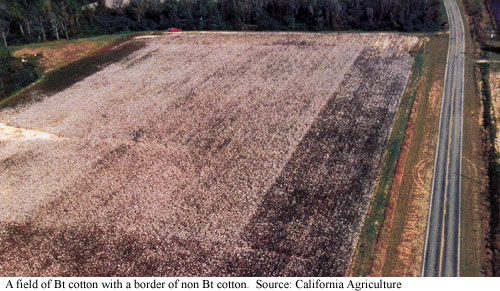
All over the United States, many farmers have been planting Bt crops each year as a way to increase yields and cut costs. These Bt crops - which includes corn, potatoes, and cotton - are designed with the ability to produce a protein called Bacillus thuringiensis, which kills many pests that would otherwise harm the crops. This alteration allows farmers to use less pesticides while growing, which puts the consumer's mind at east while at the same time saving farmers money. It's a win-win right?

Except that many of the pests the Bt gene was designed to kill have adapted to it in the past 20 years that is has been in use, leading to Bt resistant bugs; a danger to both Bt crops and non-Bt crops. This has caused regulations to be enacted by the EPA the mandate the use of refuge crops, which are non-Bt crops meant to be a buffer of sorts where pests who are not resistant will flock and breed with the pests who are, diluting the gene pool of resistance. Currently, farmers are required to plant at least 20% of their total acreage as refuge crops to combat this issue, as explained by UCSD's website, but many farmers, unfortunately, do not follow this regulation.

To understand more about why farmers choose to not follow this regulation, Professor Dominic Reisig at North Carolina State University decided to interview farmers across more than twelve counties in his state to figure out what would lead farmers away from using refuge crops, and how they could be encouraged to do so. His findings were insightful. First, he found a correlation between acres of land farmed and the amount of refuge crops planted. The more acreage a farmer plowed, the greater the amount of refuge crops planted. This suggests that farmers who run smaller or private operations are less likely to use refuge crops, as they are in need of greater yield. Another observation was that farmers who were pressured by others in the surrounding area or by enforcement of regulations were in fact less likely to plant refuge crops. Reisig was astounded to find that a majority of farmers understood the function of the refuge crops and knew the importance of them, which he originally hypothesized would be the problem, and instead had other reasons for not planting them.

Some suggestions that farmers in North Caronlina gave for incentives to plant refuge crops were rebates and a higher yield, affordable refuge crop seed. Though it is no definite answer to the problem of Bt resistance and refuge plants, Professor Reisig feels it a good starting point.

Monday, April 17, 2017

Using RNA interference in corn to prevent fungal aflatoxin production

A major economic problem and health concern of the world is the harmful effect of fungi on the agricultural production of food. Fungi can destroy crops in the field or food during storage/shipment. Great effort is made to control this including the use of biocontrols, strict storage methods, and fungicides with decreasing efficiency. Recent work attempts to suppress aflatoxin production in certain fungi (aspergillus strains) with genetic technology. The research involves RNA interference in corn to control the production of aflatoxins in two aspergillus strains. RNA interference is an important natural process that helps defend against foreign invaders in a cell through the production of micro-RNAs or siRNAs (short interfering). The micro-RNA or siRNA binds to target messenger RNA sequences and prevents translation into protein. This has been used as a tool to induce gene silencing and has helped advance genetic understanding. In this study, transgenic corn has been produced using RNA interference that prevents the production of a certain protein in the biosynthetic pathway of aflatoxin production. It is possible that this is an effective way to prevent aspergillus harm to crops and increase global food security. It must be noted that this may stop fungal aflatoxin production in living crops but airtight storage must be coupled with this strategy in order to prevent fungal contamination in food being stored/shipped.


Article:


Pop news article:


RNA interference:


Aflatoxin info (end of video discusses a different biocontrol):


Sunday, April 16, 2017

Deciphering plant immunity against parasites


Nematodes are known to have a parasitic relationship with important agricultural crops such as wheat, soybeans, and bananas.  The nematodes bore into the plants and withdraw water and nutrients from them.  This process damages the plant and can cause root and shoot structural damage, as well as leave the plant susceptible for further infection from other pathogens.  The plants however, may be able to prevent this without the use of pesticides.  The plant thale cress was found to have a specific gene, NILR1, that can help the plant sense the presence of a nematode and therefore turn on immune responses to protect itself.  This gene was shown to be conserved among numerous crop plants, and although other genes have been shown to provide resistance to nematodes, this one does so on a much larger scale.  This gene is thought to be turned on by a specific molecule possessed by the nematodes, although this exact molecule has yet to be identified.  The discovery of this gene opens up many possibilities for sustainable farming, including specific breeding to pass the gene along to other plants.  This could be vital in the future because nematodes have been known to decrease certain crop yields be over ten percent.  

Sunday, November 20, 2016

Genetic Modifications to Tobacco May Result in a Solution to World Hunger

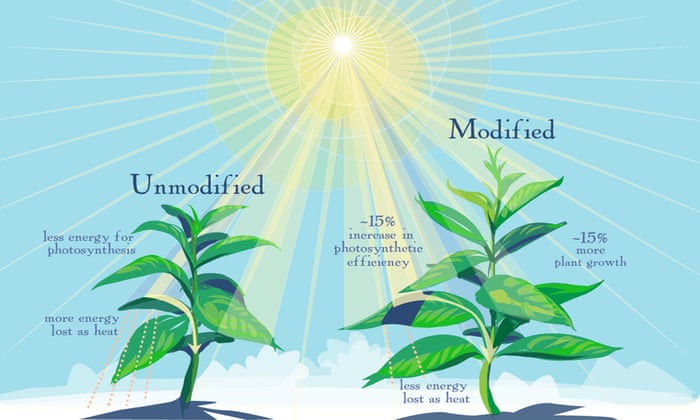
Ten years ago, scientists at the University of Illinois thought of the idea to alleviate world hunger by tinkering with photosynthesis in crops. Funded by the Bill and Melinda Gates Foundation, they have made significant progress. Working with tobacco as the test crop, the scientists were able to increase productivity by 20 percent. This is an incredible number considering other agricultural methods only result in a 1 or 2 percent increase. When plants receive excessive sunlight, they activate a mechanism that sheds the extra energy off as heat. The genes that are introduced are to minimize the amount of time the mechanism takes so that the plants can get back to carbohydrate production more quickly.


The scientists and the foundation have no interest in increasing the productivity of tobacco, but it is a fast and easy plant to genetically alter, making it ideal. The plan is to begin doing the same alterations on food crops. They think that crop yields can be improved by certain genetic changes. The head scientist on the work claims that, if all goes well, productivity increases of 50 percent may eventually be achievable. This would completely change the face of the agricultural world. Global hunger would virtually vanish. If this experiment is a success, genetically modified organisms would undoubtedly be essential, squashing the debate over whether or not it is just. This research has not yet proved that the international food supply could increase. The scientists still have a long way to go towards proving their goal, but the work is very promising.

As the global population continues to grow, world hunger is becoming an increasingly troublesome issue. Scientists are testing all sorts of ideas to solve this problem. This study is one of the more intriguing experiments that I have come across. Genetically modified organisms have already proved to be useful in the agriculture industry. If the scientists of this work are able to deliver the same results in food crops, the solution to world hunger may be taking a massive step forward.

Genetically Modifying Plants for Efficient Food Production

Agricultural scientists at the University of Illinois have modified plant genes by allowing them to use sunlight more efficiently. Dr. Stephen P. Long, the lead author of the study, is a professor of crop sciences at the University of Illinois, and is a leading figure in crop science/photosynthesis research. Dr. Long and his team of scientists used genetic engineering techniques to alter photosynthesis in tobacco plants. Their study, published by the journal Science, found a 20% increase in biomass compared to wild-type plants grown in the same field environment. They used tobacco because it is easy to manipulate when trying new genetic alterations, and they hope food crops will also be as successful.
Check out the Science Magazine video on Youtube!

The point of the study was to improve a plant’s recovery time from photoprotection after light stress.  It allows for a plant to release some of that absorbed energy as heat so that they can efficiently use the carbon dioxide available from their environment. Think of it as photosynthesis on steroids, and photosynthesis is how plants convert sunlight, carbon dioxide and water into new, energy-rich carbohydrates, also known as a majority of our food sources. Dr. Long has long argued that the process is inefficient because it uses less than one percent of the energy that’s available to them. His team of scientists were able to increase leaf growth between 14 and 20 percent by genetically modifying part of a plant's protective system that is activated when in the presence of excessive sunlight. Generally, plants don’t take the optimal amount of energy available to them, and it takes ten minutes to an hour for a plant to adjust its protective system.  Dr. Long and his team have genetically modified the plant to turn that protection system off and on faster.
"Now that we know it works, it won't be too difficult to do it with other crops," said Dr. Long, a professor of crop sciences at the University of Illinois. "If you look at crops around the world, it would (increase yield) many million tons of food.” 
“A plant's protective system is like a pressure relief valve in a steam engine. When there's too much sunlight, it turns on and gets rid of excess energy safely. When the plant is in the shade, the protective system turns off, but not quickly, said study co-author Krishna Niyogi, a plant scientist at the Howard Hughes Medical Institute and the University of California, Berkeley.
This is the first time scientists have been able to do something like this, and it is an amazing step towards solving world hunger.  Hopefully the public's collective fear of GMO’s won't keep this breakthrough from being utilized. All the awesome science in the world can be crippled by the rejection of consumers.  The breakthrough could eventually dramatically increase the amount of food that can be grown in the world. The Bill and Melinda Gates Foundation are in support of this technology and they hope it might help alleviate global poverty.

It can also be argued that plants don’t have a “glitch” that needs fixing, and that people shouldn't fix what’s not broken. Speeding up a naturally occurring process can be considered to be detrimental towards progress.  When you haste, you waste. The conservative approach may indeed be best for a plant’s offspring, but what is best for the plant is not the same as is what is best for the farmer.

Tuesday, November 15, 2016

Farming and its Effect on Dogs

Dogs were domesticated around 15,000 years ago, and as companions to hunter-gatherers ate a lot of meat and extra food not eaten by the humans that they traveled with. As farming emerged in human culture, the genome of the dog began to be transformed. More starch-filled foods were integrated into the human diet, prompting a demand for adaptations in both humans and dogs in the digestion of foods containing starchy grains like wheat and millet. 

Eric Axelsson, an evolutionary geneticist, and his colleagues discovered that domesticated dogs have four to thirty copies of the Amy2B gene, a gene that helps digest starch. Wolves and wild dogs only have two of the Amy2B gene, suggesting that the change in the dogs genome had to do with starch consumption. To further study this discovery, scientists such as Morgane Ollivier and Ecole Normale Supeieure de Lyon collaborated with Axelsson to study DNA extracted from the bones of dogs and wolves from 7000 and 5000 year old archaeological sites. They discovered that these domestic dogs also had many of the Amy2B gene; they had eight compared to the much lower number of the Amy2B found in non-domesticated dogs and wild wolves. This indicated that the increase in the Amy2B gene was not just due to modern dog-breeding, but to the effects of farming. More recent research conducted this year also supports this research. This adaptation has allowed dogs to continue to be a big part of human life.