Showing posts with label GMO. Show all posts

Saturday, October 25, 2025

World Skepticism About Genetically Modified Foods


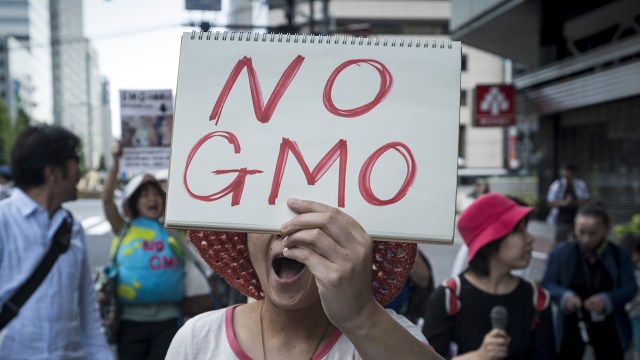
    A Pew Research Center survey of 20 global publics revealed widespread public skepticism about the safety of genetically modified (GM) foods, a stark contrast to the scientific consensus on the issue. A global median of 48% of respondents believe GM foods are unsafe to eat, compared to only 13% who consider them safe, with significant concern in countries like Russia, Italy, and India. The article highlights a notable demographic divide: women are consistently more skeptical of GM food safety than men, and individuals with higher education, particularly in science, are more likely to view them as safe. This public apprehension persists despite expert reports from bodies like the U.S. National Academies of Science that affirm the safety of GM foods, and it influences starkly different regulatory approaches between regions, with many European nations banning GM crops while countries like the U.S. and Brazil are major producers.

    This article highlights a critical and persistent challenge in modern science: the significant gap between expert consensus and public perception. It's fascinating and somewhat concerning that skepticism is so deeply entrenched globally, even in the face of pretty concrete scientific agreement. The demographic findings are interesting as well; the gender and education gaps suggest that feelings about GM foods are not just about the science itself, but are influenced by deeper social, cultural, and informational factors. The fact that more science education correlates with greater acceptance points to a failure in science communication rather than a failure of the science itself. This disconnect has real-world consequences, shaping disparate government policies that can hinder global collaboration on using biotechnology to address pressing issues like food security. The article serves as a powerful reminder that for technology to progress, winning public trust is just as important as winning the scientific debate.


References : 

1. Kennedy, Brian, and Cary Lynne Thigpen. “Many Publics around World Doubt Safety of Genetically Modified Foods.” Pew Research Center, 11 Nov. 2020, www.pewresearch.org/short-reads/2020/11/11/many-publics-around-world-doubt-safety-of-genetically-modified-foods/. 

2. Bawa, A. S., and K. R. Anilakumar. “Genetically Modified Foods: Safety, Risks and Public Concerns—a Review.” Journal of Food Science and Technology, vol. 50, no. 6, 2013, pp. 1035–46, https://doi.org/10.1007/s13197-012-0899-1.


‌

Thursday, April 24, 2025

GMOs: Pros and Cons, Backed by Evidence

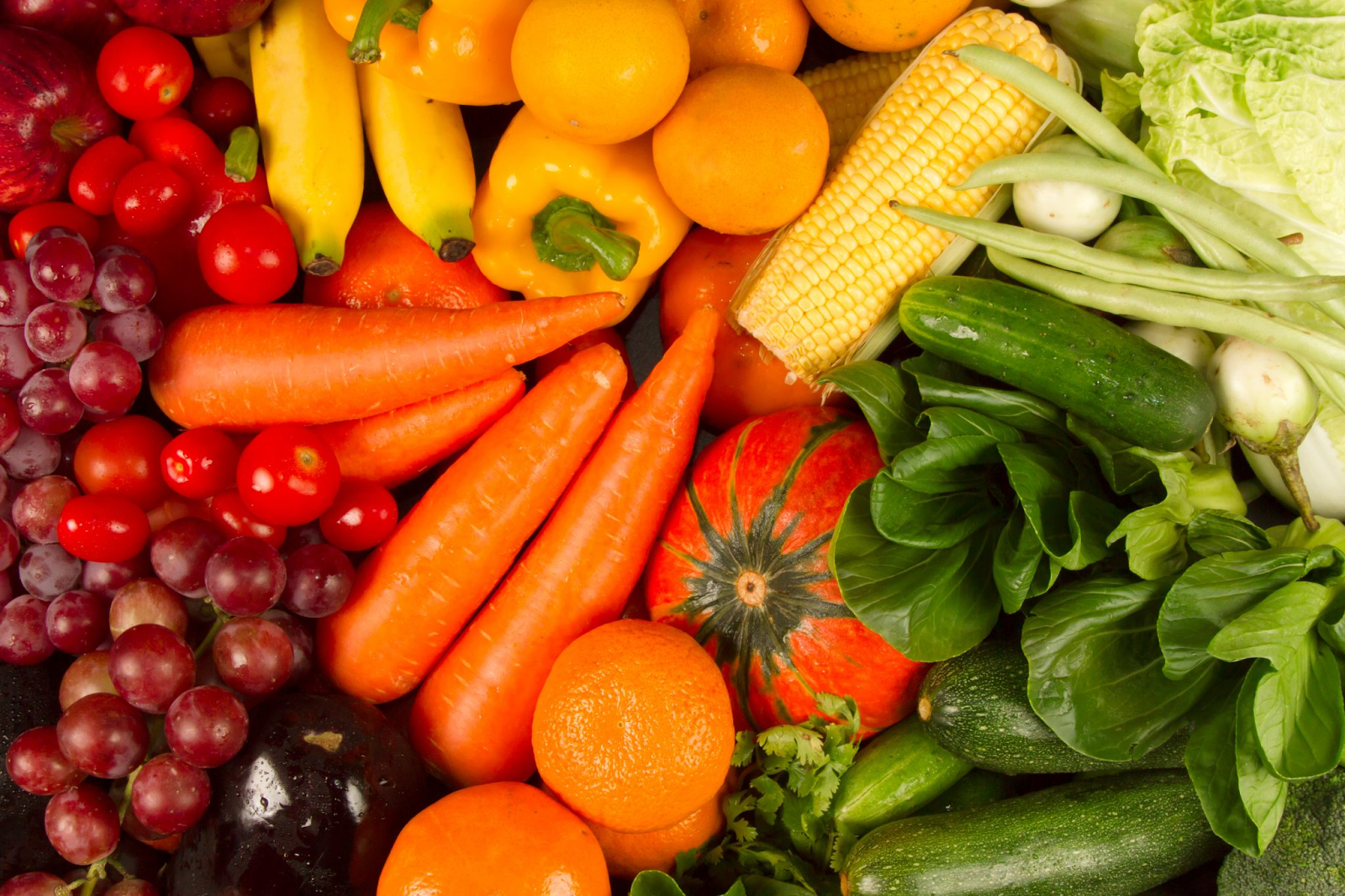
    As of 2024, according to the USDA, 90% of all corn, cotton, and soy grown in the United States are genetically modified organisms (GMOs), meaning that many of the foods you eat likely contain GMOs. The article, written by Ryan Raman and medically reviewed by Katherine Marengo, discusses the basics of GMOs as well as their pros and cons backed by scientific evidence. GMOs refer to organisms with DNA modified using genetic engineering technologies. The author stated that: “In the food industry, GMO crops have had genes added to them for various reasons, such as improving their growth, nutritional content, sustainability, pest resistance, and ease of farming”. 

    The advantages of GMO crops are that they have genes that protect them from pests and insects, improve survival and yield, enhance flavor, and improve nutritional content. Despite the advantages of GMOs, many concerns involve allergies, cancer, and environmental issues. While current research suggests that there are few risks associated with this type of food, extensive studies should be conducted to provide more evidence supporting the benefits of GMOs and determine whether their benefits outweigh any potential cons. 

WORKS CITED

Raman, R. (2024). GMOs: Pros and Cons, Backed by Evidence. Healthline. https://www.healthline.com/nutrition/gmo-pros-and-cons

U.S. Food & Drugs Administration (2024). GMO Crops, Animal Food, and Beyond. U.S. Food & Drugs Administration. https://www.fda.gov/food/agricultural-biotechnology/gmo-crops-animal-food-and-beyond

Tuesday, November 26, 2024

The Fight Against Disease: A Strike Against Malaria

Malaria is an Epidemic

Malaria has been a growing problem in many third world countries, with mosquitos infecting an estimated 682,191 people a day in 2022. That is an increase of 5 million year over year from 2021. With the growing concern of how to stop this epidemic, researchers are looking at using a second-generation genetically attenuated parasite to create a "favorable immune induction profile and protective efficacy" response in humans infected with the virus. The trials show favorable results and it appears that the research is moving forward. This is great news, and to subdue any concerns, although the parasite does invade hepatocytes, it never reaches a blood stage infection due to the limitations placed on it via genetic modification. 


This is a great example of how genetic research can impact medicine and help save lives where other methods fall short. I'm excited to see where this goes, and if we can apply this to other parasite originated diseases. The next problem to work on in this case is a solution for those who have been previously infected, as this performs best in first infection cases, and sub optimally otherwise. Below is an important infographic relating to the study, easily digestible by those unfamiliar with the subject matter

.


Links:

https://www.nejm.org/doi/full/10.1056/NEJMoa2313892

https://www.nature.com/articles/s41541-024-00975-0

Monday, November 18, 2024

How Genetically Modified Crops Are Changing Farming


Genetically modified (GM) crops solve potential problems that range from food shortage to waste to climate change and pests. These include crops designed to resist insect pests, diseases, and even harsh climatic conditions, to mention but a few; GM corn and cotton, for instance, have developed natural insects-toxins aimed at specific target pests, while drought-resistant crops, such as GM corn and soybeans, are bringing farmer relief to water-scarce areas of the world where water is unavailable or inadequate. These crops offer the means for farmers to produce more food while reducing the application of harmful pesticides, which makes farming more predictable for production, particularly with the dreaded occurrence of climate change. By and large, they may be instrumental in availing food for the world's burgeoning human population.

There are concerns over the environment the GMOs might crossbreed with wild plants, herbicide or insect-resistant weeds, and thus become harder to control and eliminate. There are also concerns about their health safety, despite the general consensus of safety from studies that have been carried out on GM food products. Also, there is a control of the technology that produces GMOs by a handful of massive companies holding a monopoly, which means that smallfolk would either find them too expensive or find it difficult to access them. However, this provides a huge opening for food production, which GM crops could fill; it just needs caution and more research and regulations to ensure safety and fairness to the public.

Tuesday, November 14, 2023

The Return of American Chestnuts, A Triumph of GMOs

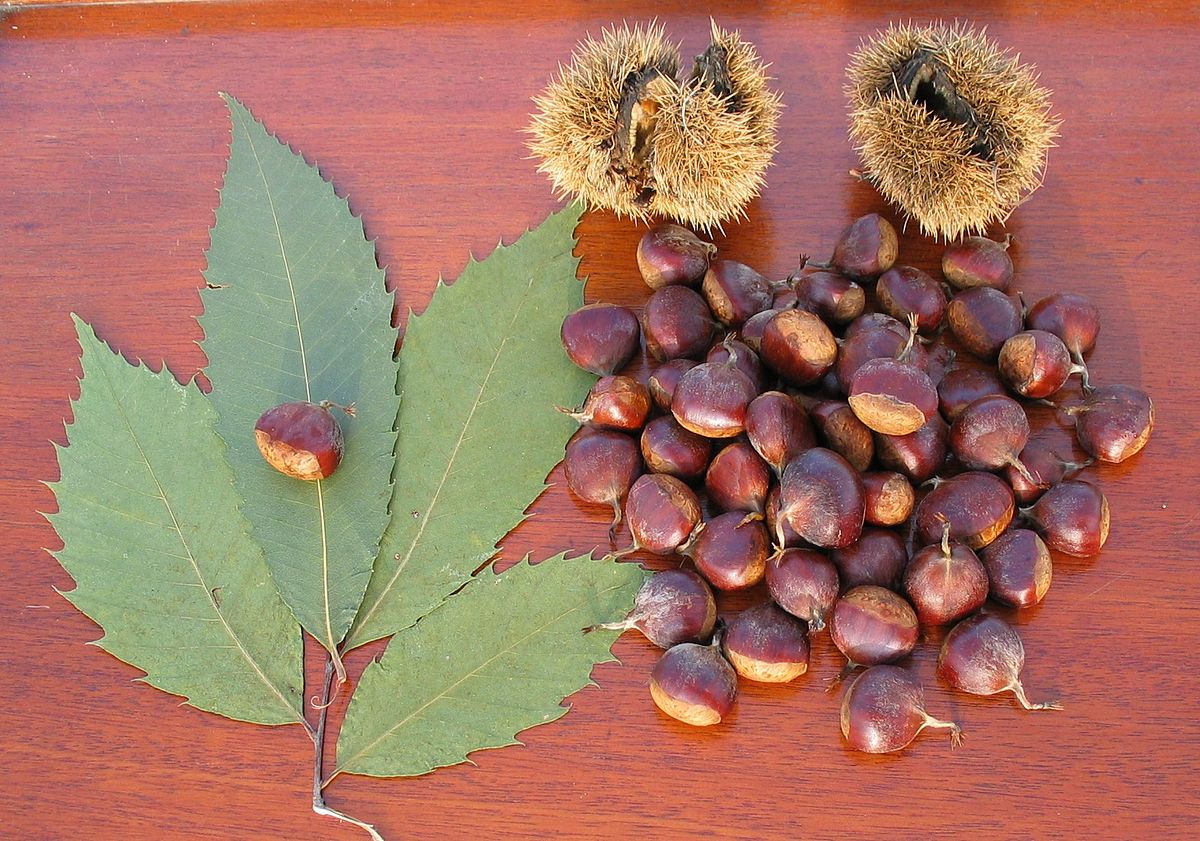
 The American Chestnut Castanea dentata used to be a critical component of the North American Eastern Forests for centuries, what happened to them? At the turn of the 20th Century, a fatal fungal blight was introduced from Asian Chestnut Trees. By the 1950s, around four billion American Chestnut trees were dead, with only100 individuals persisting in isolated geographic areas.

Historic Range of the American Chestnut

With such few individuals and no viable means to reliably pollinate them to produce new offspring across such broad geographic areas, the American Chestnut seemed destined to extinction. This imminent extinction prompted a concerted effort by botanists, foresters, and geneticists to save the species. Through a combination of identifying American Chestnuts that survived the blight naturally and genetic modification blight resistant cultivars were developed and planted. One such blight resistant cultivar was developed at Salt Air Farm in Long Island NY. In 1998 a single resistant individual was planted on the property, with six more planted since then. The largest individual of the Long Island population has produced nuts as well highlighting the success of these conservation projects.

The leaves and nuts of the American Chestnut 

Another blight resistant cultivar, Darling 58, was developed at SUNY ESF by inserting a gene named Oxalate Oxidase (OxO). OxO is found naturally in wheat and helps to break down the acidic byproducts of the blight fungus' lifecycle. This allows Darling 58 Chestnuts to be infected by the blight fungus without suffering the ill effects, a sort of win-win scenario for both the American Chestnut and the fungal blight. Darling 58 is unlikely to hit the public market until after 2025 but the hope this additional cultivar brings to conservationists cannot be understated. 

A historic photo of a massive old growth American Chestnut


It cannot be understated how wonderful this effort is as it could very well bring back a species from the brink in a thunderous fashion. It is far from perfect though as with such few individuals to pull from, the genetic composition of future American Chestnuts will likely be bottlenecked, making them potentially more susceptible/sensitive to novel diseases or climate changes. This worry at this stage is only hypothetical however, and this news should be celebrated at this point with a grain of salt. 


Friday, July 7, 2023

New Genomic Techniques can make agricultural production more sustainable


NGTs (New Genomic Techniques), are methods for creating targeted mutations in the genome of living organisms. An example is CRISPR/Cas9, which allows for precise editing of DNA on the level of individual units of genetic code. The precise editing by NGTs allows for rapid results over traditional methods, which can be useful considering that plant diseases are spreading due to climate change. The difference between a GMO and an NGT is that the makeup of a GMO has been modified using biotechnology to create a desirable product. NGTs do not have any foreign genetic material, just an edited version of their original genome.

A few examples of plants produced using NGTs are salt-tolerant rice varieties and virus-resistant cassava. NGT crops can increase yield and reduce the need for harmful insecticides, which would increase sustainability in agriculture overall. There is precariousness around the idea of releasing new genetic traits into nature. The unknown effects that NGT has on wild crops. Some may be more welcome to NGTs, because the mutations like this occur naturally, unlike GMOs. Many countries are treating them differently as well when it comes to regulations. In my opinion, with a rapidly growing population, we have to start introducing these biotechnological methods to feed everyone on our planet.


Wednesday, November 24, 2021

Safer Pastures, Happy Cows!

Gene Editing Makes Cows Without Horns


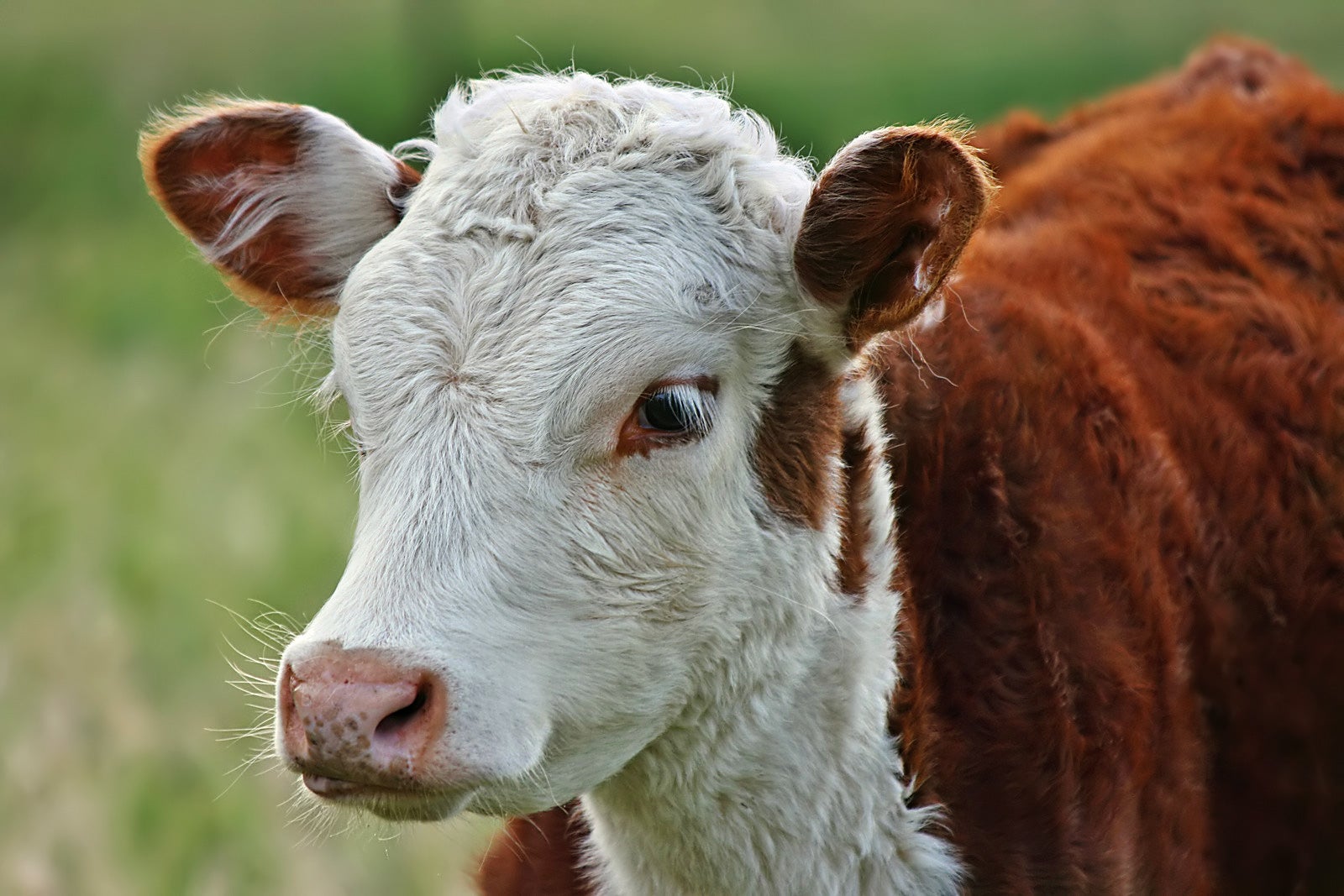
    Scientists have found a way to produce dairy cows that do not grow horns. Farmers have to routinely cut the horns of their cows because when they fight, they fight with their horns. Keeping the horns long runs the risk of the cows injuring each other. Researchers have found a way, through genetic modification, to insert an allele associated with the trait of lacking horns. The allele is called POLLED, and it is much more common in beef cattle than dairy cattle. Genetic modification was used instead of selective breeding because obtaining this trait through selective breeding could take decades, and the process of genetically modifying alleles is much shorter. 

    This discovery is not only important to farmers, but the cows as well. The dehorning process can be painful, and takes time for the farmers to complete. If the cows are born without horns in the first place, they will not have to endure the painful process of dehorning. These cows, though, are not approved by the FDA to be used for meat or for their milk, due to the negativity surrounding GMOs. The hope is that the FDA will approve these cows to be used for their food products so more farmers can utilize this discovery on their own farms. 

Wednesday, April 14, 2021

Heirloom Vs GMO's


 Heirloom plants are among the most desirable plants because of their reliability and sustainability if you know how to save the seeds. Heirlooms may go through  'stabilization' where the plant reverts back to the parent. These plants, because of their long history are reliable sources of food for years to come. GMO's (genetically modified organisms) are modified in order to give them desirable traits found in other organisms such as size, taste, color and yield. Heirlooms and GMO's are both beneficial to farmers as they are both working toward a common goal to increase quality crop.


At the end of the day all GMO's are not bad and Heirlooms are good. GMO's have been around long before the hype. Yes, heirlooms are beneficial, however, GMO's should not be written off because the fear labeling on food products.


https://agfundernews.com/the-role-of-heirloom-crops-vs-genetic-engineering-in-future-food-systems.html


https://migardener.com/difference-gmo-hybrid-organic-heirloom-seeds/

Sunday, November 29, 2020

Genetically modified wheat and barley to help in the future


This article discusses the new variations seen within wheat and barley genomes respectively, that will allow for the future of agriculture to thrive based on the ability to modify these organisms. The various research groups conducting the projects discuss the difficulty behind these specific genomes is due to their complexity unlike corn or rice, along with the fact that there are various genomic structures that are associated with various traits. The various groups working on the project has allowed for the discovery of hidden genetic variation within these crops, and the research will allow for the production of these next generation crops. The traits discussed allow for various acclimations the plants would not normally have, such as cold resistance, yield, and drought tolerance, and with these additions now these crops may have the ability to keep up with other major crops in terms of production. The reason this is interesting is because while maize is known to already be modified in other various ways to support life in different environments, I did not know that these specific grains were relatively more difficult. It is very interesting to see that while something may appear simple in nature by proxy, it is not and I think the information with regards to these grains specifically will be incredibly helpful for the future of food. With the ability to produce in changing climates, production may not decrease with the changing climate and the article provides a sense of hope in that regard for the future to come. 

https://www.sciencedaily.com/releases/2020/11/201125114358.htm

https://www.nature.com/articles/s41586-020-2961-x

https://www.nature.com/articles/s41586-020-2947-8


Wednesday, July 3, 2019

The End of the Cavendish Banana


Tropical Race 4 (TR4) is a strain of the fungus Fusarium oxysporum cubense which kills banana plants by infesting the soil and robbing the bananas of necessary nutrients and water. TR4 is resistant to pesticides and primarily affects the Cavendish banana, a fruit that accounts for more than 40% of the world's banana exports and is the banana that is the most available at grocery stores.

The destruction of common banana species to fungi is nothing new. The Gros Michel banana was once the favored banana amongst Western households due to its sweet taste and creamy texture. However, the Gros Michel succumbed to Tropical Race 1 (TR1), another strain of the Fusarium fungus. When the fungus destroyed the plantations of powerful companies such as the United Fruit Company and the Standard Fruit Company, they switched to Cavendish bananas since they were resistant to TR1. Half a century later, we see history repeat itself with the TR4. The downside is that there is no readily available commercial banana to replace the Cavendish.

Methods to rid of the fungus have proven ineffective since TR4 is spreading in many countries. One solution to save the Cavendish is genetic modification. By isolating a TR4 resistance gene (RGA2) from Musa acuminata malacensis and transferring it to the Cavendish through transgenic bacterial mediums, researchers were able to find a single plant line that had total resistance to the TR4. The other four plant lines were mostly resistant and had low rates of infection. To get the new genetically-modified banana to the market poses another challenge. There are many legislative restrictions on GMO products, and consumers tend to be afraid of GMO products. However, without these genetically modified bananas, the Cavendish banana will share the same history as the Gros Michel.

As an avid banana eater, I don't want to see bananas disappear from grocery shelves. We should change our perspective on GMOs because genetic modification techniques can help solve nutritional deficiencies in many regions and save small family banana farms. Chiquita (United Fruit Company) and Dole (Standard Fruit Company) should have seen this coming and properly prepared for it since they have gone through this before in the 1960s. On a positive note, hopefully GMO techniques can be useful tools in bringing other banana subspecies to the forefront. Personally, I would love to try Blue Java bananas which are blue and taste like vanilla ice cream.

Image result for cavendish bananaImage result for gros michel bananasImage result for blue java banana
                Cavendish                                       Gros Michel                                Blue Java

https://www.wired.co.uk/article/cavendish-banana-extinction-gene-editing
https://www.nature.com/articles/s41467-017-01670-6

Thursday, May 3, 2018

The Battle over Gene-Edited Food

Since the 1980s when Genetically modified foods were introduced, there has been controversy and according to a study showing that 39% of people believe that genetically modified foods are less healthy that non-GMO foods, even though the World Health Organization (WHO) and the FDA have stated that they are safe and have had many global benefits such as increased food production. Originally, GMO crops have had genes from outside organisms, such as fish genes in strawberries, or other genes such as an added resistance to pesticides. However, due to advances in gene-editing technology, scientists can now change the cut and change the DNA sequence of crops and have been working on making drought-resistant corn, reduced-gluten wheat, and tomatoes with easy to remove stems.
Opponents of CRISPR technology such as the Non-GMO project, believe that even though this new type of GMO doesn't contain foreign genes, it is still unnatural because the Cas9 protein that cuts the DNA is from bacteria. Currently, the USDA does not plan to regulate gene edited crops the way they do with crops using genes aside from their own which means it will be faster and cheaper to get these new gene edited crops to the market.

Article: Is This Tomato Engineered? Inside the Coming Battle Over Gene-Edited Food
Related: What are genome editing and CRISPR-Cas9?

Tuesday, November 21, 2017

Gene Discovery May Halt Wheat Epidemic

Stem rust

In a study published by the University of California in Science Daily, a new gene was discovered in a wheat plant that enables resistance to a new strain of stem rust, a type of fungal infection in wheat plants. The strain of stem rust, Ug99, has been infecting wheat plants across Africa and Asia, but has a global impact. A wheat shortage threatens food security worldwide, and with approximately 90% of global wheat plants being susceptible to Ug99, this new fungus is a crisis.

This new gene could provide a new level of protection against this fungus. New strains of wheat plants can be grown next season that are resistant to the fungus, and solving the crisis. Although a new GMO is a great solution to this problem today, like many diseases, a simple mutation in Ug99 could render the resistance gene useless. I think it is great that we are solving these disease problems in our food supply, however when can we begin to find long term solutions that will work regardless of the diseases changing in the future?

Thursday, November 16, 2017

Tomatoes with enhanced antioxidant properties created with genetic engineering

Researchers at the University of Hong Kong and the Institut de Biologie Moléculaire des Plantes have discovered how to genetically modify tomatoes to enhance their antioxidant properties.  The scientists used a variant of 3-hydroxy-3-methylglutaryl-coenzyme A synthase (HMGS) to manipulate the isopropenoid pathway of the tomato plant. The increase of HMGS in the tomato plant cause an increased production of many compounds, including phytosterols, squalene, provitamin A, lycopene, and vitamin E. The vitamin E production in the tomatoes increased by an incredible 494 percent.
            The research group then furthered their experiment by using the HMGS variant S359A, which differed from the original HMGS because the amino acid serine was replaced by the amino acid alanine in the 359 position. Switching the HMGS to the S359A variant increased the enzyme activity within the tomatoes by 10-fold.  The introduction of the S359A variant of HMGS did not alter the size or overall appearance of the tomatoes. However, the tomatoes had an antioxidant level that was 89.5-96.5 percent higher than the unaltered tomatoes. The tomatoes that were genetically modified with the S359A variant of HMGS also had higher levels of vitamin E, squalene, and phytosterols because of the increased expression of genes in the isoprenoid pathway.
            I thought that this article was very interesting because I never realized how much the properties of an organism can change due to genetic manipulation. The tomatoes in this study experienced an increase of four different substances within them, all because one amino acid in the DNA sequence was changed. The researches who completed this study hope to begin providing the public with vegetables that have added-value in them. They also hope to enrich the feed given to livestock and fish in aquaculture farms. In addition, phystolerols, vitamin E, and carotenoids function as inflammatories and can be utilized in the production of anti-aging lotion and sunscreen. Overall, I think that this research could have many positive effects that, eventually, span the globe.
 
Link to Article: Tomatoes with enhanced antioxidant properties created with genetic engineering
 More information about genetic engineering can be found here