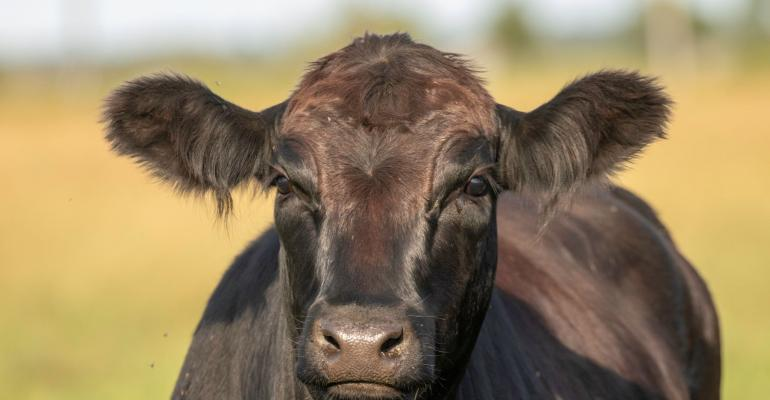
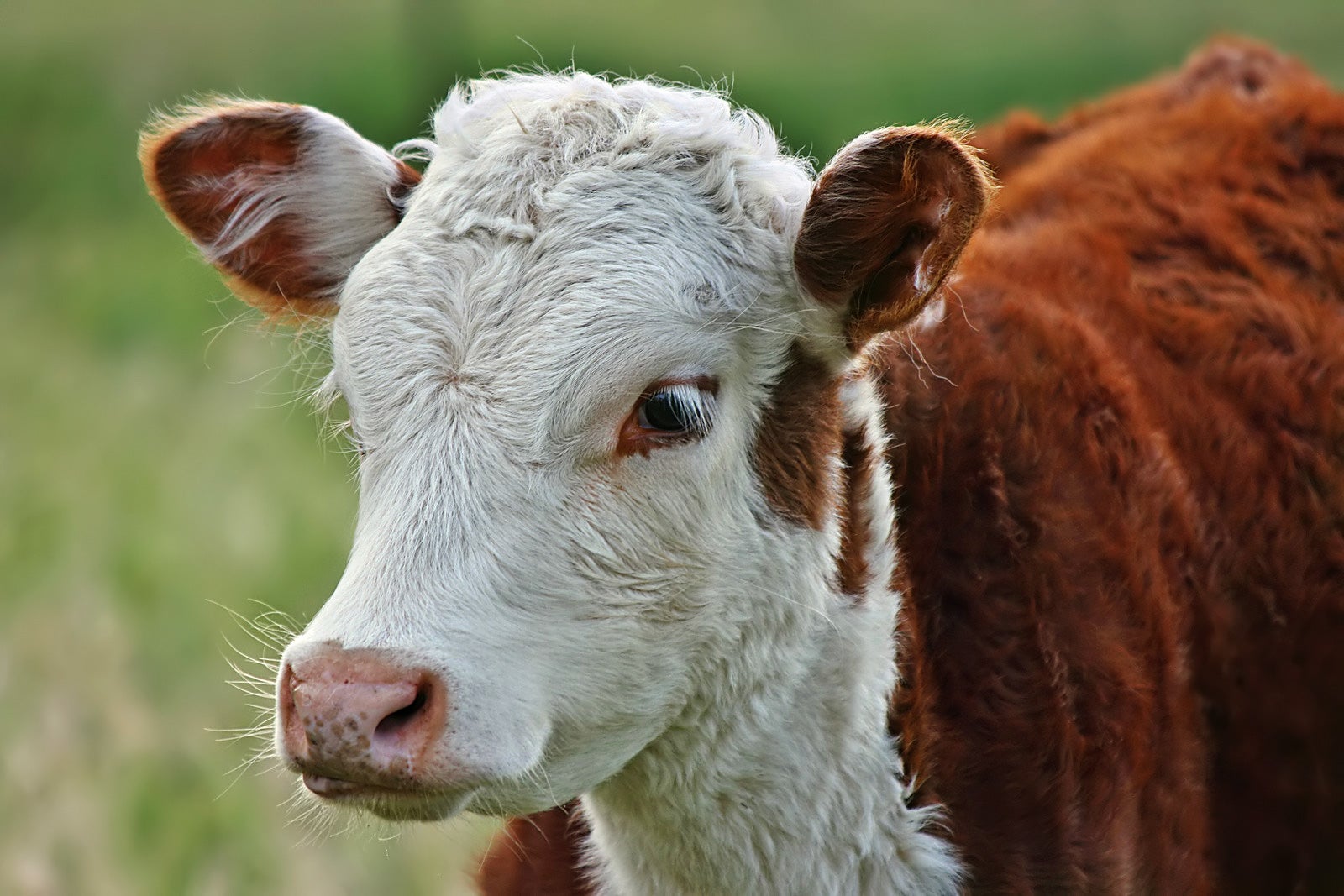
Selecting the right genetics is important for beef farmers aiming to improve their herds' productivity and sustainability. Drawing insights from research articles such as "Text Mining and Topic Analysis of Beef Cattle Welfare Research Published in English From 1990 to 2019" on Frontiers in Veterinary Science and educational resources like the University of Minnesota Extension, farmers can access valuable information and tools to enhance their breeding programs. Various tools aid in this process, such as genetic indexes, which evaluate multiple traits to identify animals excelling in desired areas. Expected Progeny Differences (EPDs) and breed-specific indexes are commonly used tools, helping farmers make informed decisions about breeding stock selection.
Sire selection emerges as a primary driver of genetic progress due to its significant impact on herd improvement. While cow families and pedigrees hold importance, sire selection contributes significantly to advancing genetic traits. By focusing on superior sires, farmers can expedite genetic advancements within their herds, leading to more efficient and profitable operations. Furthermore, breed choice and crossbreeding strategies play vital roles in shaping herd genetics. Farmers must consider various factors, including production needs, market demands, and environmental conditions, when choosing breeds. Crossbreeding offers benefits like increased fertility and longevity, with resulting hybrids often exhibiting superior traits. By aligning genetic goals with farm requirements and market trends, farmers can optimize their operations for long-term success and sustainability.

https://extension.umn.edu/beef-cow-calf/beef-cattle-genetics#use-genetic-indexes-2179710
https://www.frontiersin.org/articles/10.3389/fvets.2020.588749/full