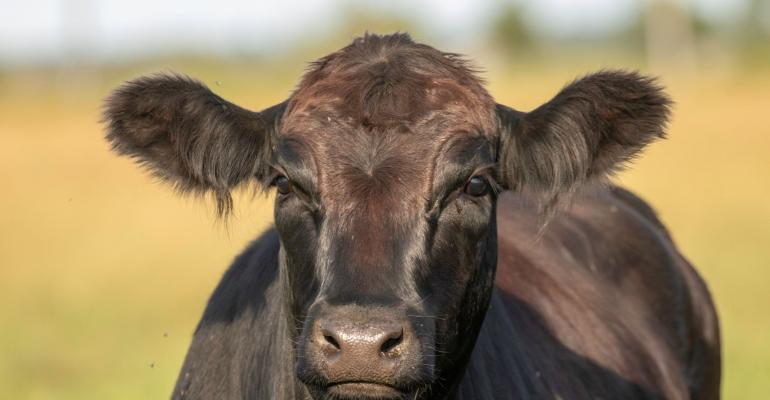
This article summarizes a study led by Yana Safonova in which black angus cows were studied as well as their responses to the Bovine Respiratory Disease vaccine. BRD is the leading cause of natural death for cows, and the medicine is extremely expensive, causing the cattle industry to spend about $900 million dollars a year. Vaccination of the cows would help decrease these expenses greatly. The question that the researchers wanted to answer was why are certain black angus cows reacting differently to the same vaccine. Using a computational tool, the research team analyzed sequenced data from the antibodies black angus cows produced as a result of the vaccine.
The researched found that there unique structure of the antibodies produced by the vaccine, and the how efficient the vaccine was is determined prior to an immune response. Because the team’s method can reveal these genetic markers. This way, cattle producers can use this information to selectively breed cows that are less susceptible to this disease based on their genetic information. This is the largest immunogenetics study across any species to date. Research projects similar to this will allow scientists to find certain patterns in the human genome that can determine a person's reaction to a vaccine prior to receiving it.
This finding was extremely fascinating, and after reading it, I immediately began to think about how the methods used during this study could impact human beings that are genetically predisposed to certain diseases. With the new strains of COVID 19 and the increased need for vaccines, this type of study would work for a plethora of subjects. The vaccination process can be properly examined across different genomes. More information pertaining to this study can be found here.


