Showing posts with label plants. Show all posts

Friday, November 7, 2025

The Genetic Adaptations for Heat Survival of Arizona Honeysweet in Death Valley


The Genetic Adaptations for Heat Survival of Arizona Honeysweet in Death Valley

Benjamin Pruss
BIOL-2110-001 GENETICS
Professor Guy F. Barbato
November 7th, 2025


    Most plants don't survive very well in extreme heat, much less thrive. However, the Arizona honeysweet (Tidestromia oblongifolia) does just that— in Death Valley, no less. All because of a unique cellular ability it has.

    T. oblongifolia can change the shape of the chloroplasts within its cells, the organelles that convert light, water, and carbon dioxide into energy and oxygen. Chloroplasts are usually disc-shaped; however, the Arizona honeysweet plants' chloroplasts can change to a cup shape. Although not certain, scientists believe this shape helps the chloroplasts better trap carbon dioxide. This, combined with other plant responses to heat, such as smaller leaves, allows the plant to thrive in Death Valley's extreme heat. 

    In an experiment conducted by Karine Prado and her associates, Arizona honeysweet growth was measured at 31°C and 47°C, the usual summer temperature in Death Valley. Seeds grown under Death Valley conditions grew significantly larger than those grown at 31°C. This suggests that the plant actually grows better under such harsh conditions. "These plants wait [for] the hottest month just to grow fast," said Prado about the plants. Some scientists believe that this plant's special adaptations could help future crops survive global warming. 

Sources:

https://www.sciencenews.org/article/death-valley-shrub-survival-heat

https://www.sciencedirect.com/science/article/abs/pii/S0960982225013120

Thursday, May 8, 2025

Plants That Smell Like Rotting Flesh?

A recent change in several plants' genetics has caused them to give off a very putrid odor. This new change makes the plants smell of rotting flesh to attract flies and pollinate them. Scientists in Japan duplicated the gene SBP1 and mutated a few Amino Acids in the gene's enzyme. The SBP1 gene makes a specific enzyme to help break down methanethiol, the compound responsible for bad breath in humans. However, the mutated enzymes in the plants combine two methanethiol molecules, making the smell ten times worse. 


The thought of plants smelling like rotting flesh is disgusting, but it's very interesting to see how easily genes can be manipulated. For example, poppy plants have evolved the ability to produce morphine. I'm curious to see what scientists will try to do next in the plant world.


Wednesday, March 19, 2025

Researchers Find a Way to Give Plants "Meaty" Nutrients

     Plants Now Have "Meaty" Nutrients:

    Our body needs certain vitamins and nutrients to keep it powered. In meat we can get so many more benefits, than just eating plants and veggies. Recently, in the month of February researches have been working on a study to take some of those same benefits found in meat and give them to plants. It is said in the article, "This might one day let vegetarians and vegans rely on plants for the full range of nutrients their bodies need." In order to get the animal-type nutrients, the plant leaves need certain enzymes that they don't typically have. Enzymes are proteins that typically speed up chemical reactions inside living things. The team made up multiple sets of genetic instructors and each different set had a different combination of amino acids and nutrients that they can make. The treated leaves gave two kinds of animal-type nutrients with one being creatine and the other created was carnosine. 


    It is just incredible what technology we have today, and the vast things we can accomplish. I knew plants don't have as many nutrients and benefits as eating meat, but I didn't know we could inject plant leaves, and boom, they now have similar/same benefits. There are a lot of individuals that are vegans or vegetarians like mentioned in the article who just eat plants and not meat. Meat is crucial in our diet and they aren't getting the same benefits. It is a game changer that they can still participate in what they believe in and now get more nutrients you wouldn't be able to receive before. 

Sources:


Wednesday, March 20, 2024

Simple trick could improve accuracy of plant genetics research

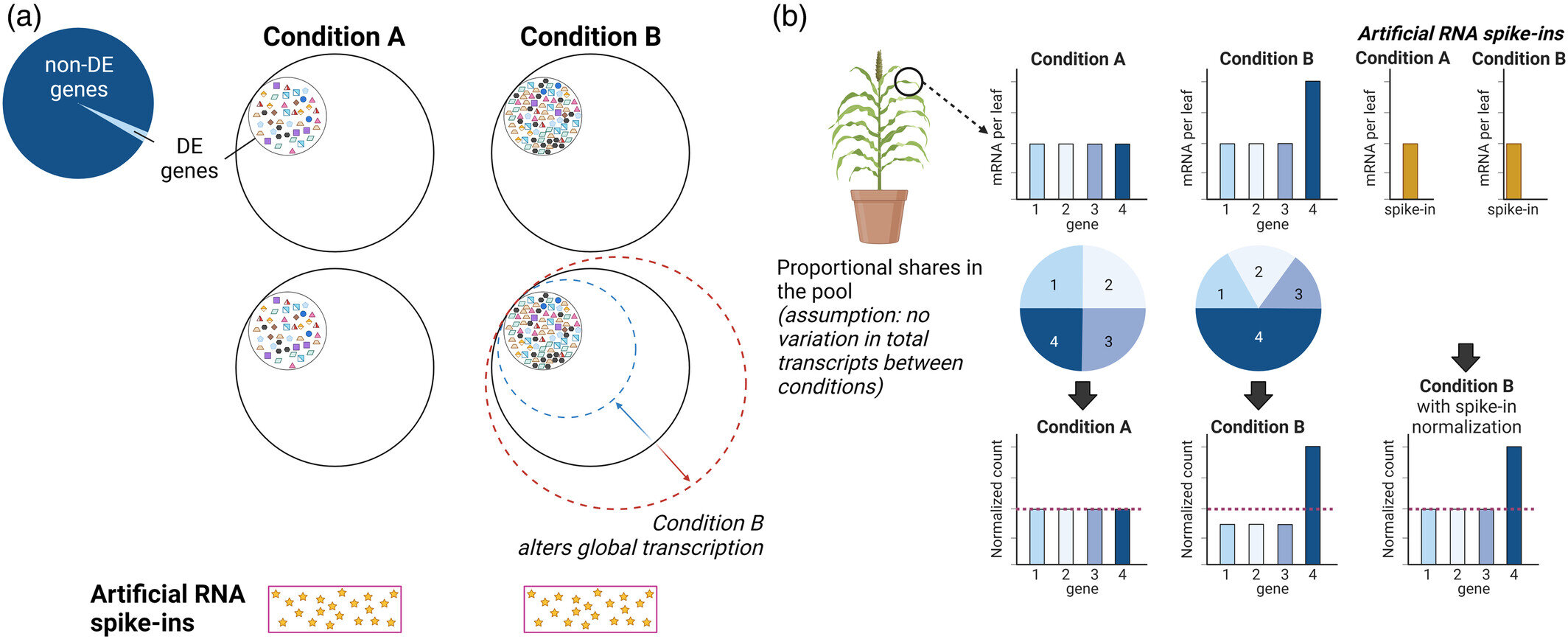
Researchers have published a technique that improves the accuracy of RNA-sequence analysis techniques to understand how external values, such as temperature, affect gene activity in plants. The gene technique measures when genes are actively transcribing to produce proteins. Also, the researchers discovered that the time of day can increase or decrease the transcription in all genes, which causes a divergent result in RNA-sequence analysis. In addition, the article introduced the artificial spike-ins that have been developed using foreign RNA that is unlike anything in the plant's genome. The artificial spike-ins have shown that the differences in plants exposed to temperature changes at different times of the day are even greater than anticipated. The gene technique can potentially improve the accuracy of transcriptional analysis in various conditions that can affect global transcription in plant species, potentially helping researchers gain new insights into the species they study. 

Simple trick could improve accuracy of plant genetics research

I thought the article was interesting and informative. Also, I liked how the article elaborated on the concept of gene activity in plants and the ways that can improve having an accurate analysis of RNA sequence. Also, the researchers provided insight into the relationship between artificial spike-in standards for RNA sequence.

Sources: 

https://www.sciencedaily.com/releases/2024/03/240313135355.htm 

https://www.ncbi.nlm.nih.gov/pmc/articles/PMC3166838/

Tuesday, November 14, 2023

The Return of American Chestnuts, A Triumph of GMOs

 The American Chestnut Castanea dentata used to be a critical component of the North American Eastern Forests for centuries, what happened to them? At the turn of the 20th Century, a fatal fungal blight was introduced from Asian Chestnut Trees. By the 1950s, around four billion American Chestnut trees were dead, with only100 individuals persisting in isolated geographic areas.

Historic Range of the American Chestnut

With such few individuals and no viable means to reliably pollinate them to produce new offspring across such broad geographic areas, the American Chestnut seemed destined to extinction. This imminent extinction prompted a concerted effort by botanists, foresters, and geneticists to save the species. Through a combination of identifying American Chestnuts that survived the blight naturally and genetic modification blight resistant cultivars were developed and planted. One such blight resistant cultivar was developed at Salt Air Farm in Long Island NY. In 1998 a single resistant individual was planted on the property, with six more planted since then. The largest individual of the Long Island population has produced nuts as well highlighting the success of these conservation projects.

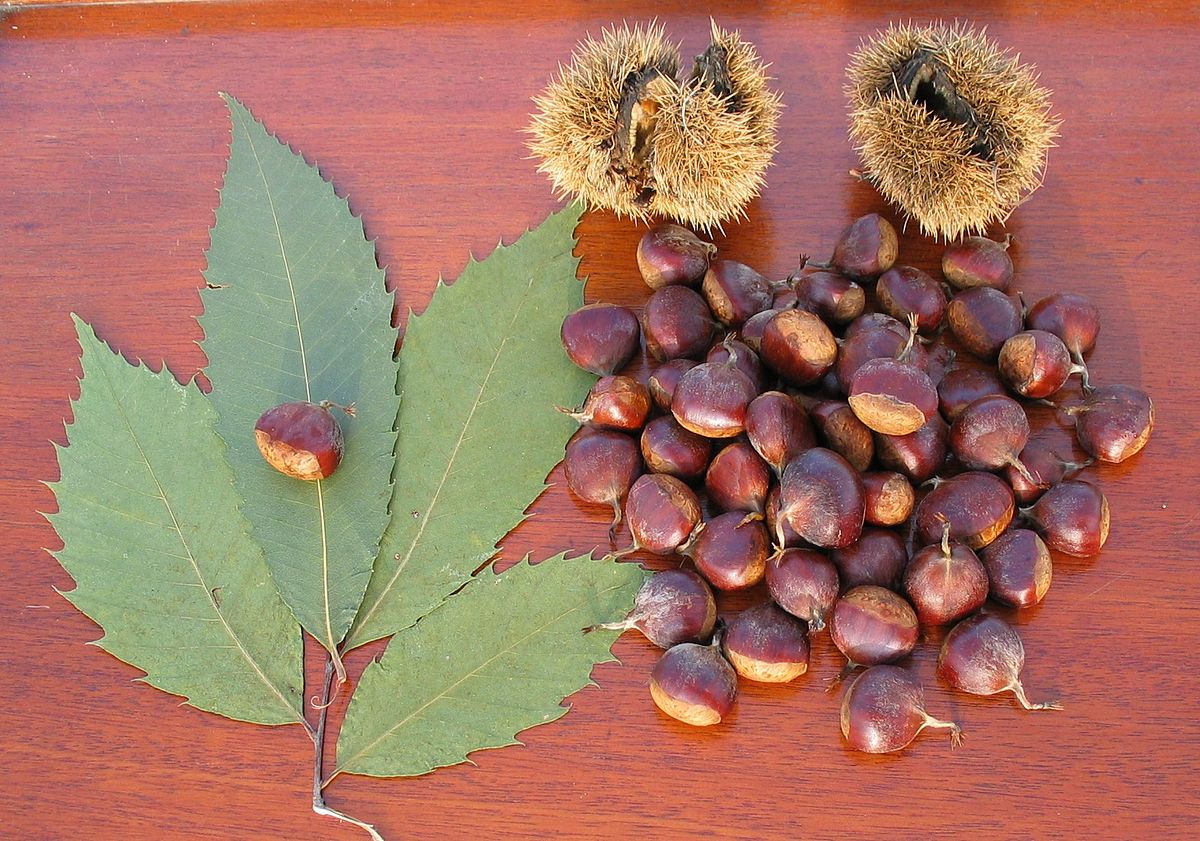
The leaves and nuts of the American Chestnut 

Another blight resistant cultivar, Darling 58, was developed at SUNY ESF by inserting a gene named Oxalate Oxidase (OxO). OxO is found naturally in wheat and helps to break down the acidic byproducts of the blight fungus' lifecycle. This allows Darling 58 Chestnuts to be infected by the blight fungus without suffering the ill effects, a sort of win-win scenario for both the American Chestnut and the fungal blight. Darling 58 is unlikely to hit the public market until after 2025 but the hope this additional cultivar brings to conservationists cannot be understated. 

A historic photo of a massive old growth American Chestnut


It cannot be understated how wonderful this effort is as it could very well bring back a species from the brink in a thunderous fashion. It is far from perfect though as with such few individuals to pull from, the genetic composition of future American Chestnuts will likely be bottlenecked, making them potentially more susceptible/sensitive to novel diseases or climate changes. This worry at this stage is only hypothetical however, and this news should be celebrated at this point with a grain of salt. 


DNA testing on Leaves to Determine Biodiversity

Monitoring the biodiversity of different environments have been fundamental in protecting the habitats. For aquatic species, water samples have been collected to study the DNA. Aquatic life sheds its DNA, making it easy to collect from the water. Scientists could only observe the biodiversity by setting up cameras for terrestrial species. The cameras were very inaccurate as some species would avoid them, or the cameras could not be set up in an area that was harder to reach. Scientists have started to collect eDNA (environmental DNA) from the air, but that was time consuming as it takes hours. There have been small 

Recently scientists have begun to collect DNA samples from random leaves by using swabs. The swabs could be used to determine the biodiversity in the habitat. Before this, the swabs had been only used to find the for one specific species DNA on plants. The DNA collected from the swabs were then processed by Lynggard Gogarten. The sequences were then compared to the eDNA data available. The team had found DNA sequences from 50 species in only 72 minutes of swabbing the leaves, with each swab collecting on average DNA from 8 different species. Lynggard is looking to research how long the eDNA stays on the leaves and if the climate and weather affect how well the DNA sticks onto the leaves. 

If the swab method shows that it is reliable, then it will most likely be very useful in collecting data on biodiversity. I believe that this method will prove to be useful because scientists can just find DNA samples on leaves instead of trying to find the animals. This method could also potentially become more widespread due to only needing a swab and a procedure to compare genetic sequences. The current method requires scientists to go into the habitats and set up multiple cameras and hoping to see an animal or spending hours collected airborne eDNA. Although the procedure is very new, there is no downside to being able to determine the biodiversity in an area without harming the environment. 


Sources:


Tuesday, August 3, 2021

Researchers Find Genetic Mechanisms Behind Fractal Formation in Romanesco Cauliflower


 Elij. “Romanesco Cauliflower.” Jioforme.com, 2021, www.jioforme.com/strange-fractal-romanesco-cauliflower-begins-life-as-a-failed-flower/585921/.


      The science behind the fractal formation of the Romanesco cauliflower has been a mystery to scientists for a long time. The Romanesco cauliflower is unique as the head of the plant is made up of fractals, layers of swirling cones. Recently, found what genetic components cause this fractal structure to form and have even replicated the plant Arabidopsis thaliana. Christophe Godin and his colleagues utilized computer simulations and lab-grown plants to search for what caused the fractal patterns to form. The researchers manipulated three genes and, by doing so, were able to replicate the fractal pattern in the Arabidopsis thaliana plant. The research team found that two of the genetic manipulations caused shoot growth and hindered the development of flowers. Rather than a flower growing, a shoot grew, and another grew on that shoot in a chain reaction. The third gene manipulated by the research team resulted in the expansion of growing space at the end of each shoot. This increase in area provided room for the “spirling conical fractals” to form. Godin and the research team intend to altar the three genes in the cauliflower for further study. By further researching how plant structures develop, we can better understand the underlying genetics and mechanisms beneath different plants' beautiful and unique structures.


Link to Article:https://www.sciencenews.org/article/romanesco-cauliflower-fractal-spiral-genetics-biology


Link to Supporting Study: https://science.sciencemag.org/content/373/6551/192


Monday, July 26, 2021

RNA Breakthrough Leads to Increased Food Production


A group of scientists from the University of Chicago, Peking University, and Guizhou University have manipulated RNA in a way that increased drought tolerance in plants and also allowed them to produce over double the amount of crops. These scientists added the FTO protein to both rice and potato plants. The FTO protein is the first of its kind to erase chemical marks on RNA. Researchers had already come across the phenomenon of this protein's effect on RNA as they had observed this increased cell growth in humans and animals.

Adding the FTO protein to the plants resulted in increased rates of photosynthesis, larger plants, longer root systems, and more drought-tolerant crops. While this may be beneficial to food production, the FTO gene is also responsible for the increased risk of obesity. While there is a downside to this experiment, there are significant upsides as well. First and foremost, many parts of the world continue to suffer hunger challenges, a climate change crisis, among other pressures. Increased crop production can prove to be incredibly beneficial to the ecosystem. We as humans use plants for just about anything and everything: food, medicine, oil, and much more. Not only can this discovery address the food insecurity crisis, but it addresses issues of poverty as well.

With the global population increasing each year, we must continue to make scientific advancements to address global issues such as climate change, hunger, and poverty.


Article Link: https://news.uchicago.edu/story/rna-breakthrough-crops-grow-50-percent-more-potatoes-rice-climate-change


Related Link: https://www.ncbi.nlm.nih.gov/pmc/articles/PMC2906751/

Friday, April 16, 2021

Modified genes can distort wild cotton’s interactions with insects


    In Mexico, acquired herbicide resistance and insecticide genes can disrupt cotton’s ecosystem. Operations created to modified genes can have a big impact on how they can affect an ecosystem, specifically, Mexico's Yucatan Peninsula cotton plants. These plant genes in Mexico that originated from genetically modified crops have been discovered to affect other native plants around them. For example, their newfound biology has a gene that can cause cotton to exclude less nectar. This essentially prohibits the plant’s ability to attract ants to protect it from plant-eaters, allowing them to be eaten. This is only one example of an escaped gene. Another example includes plants producing excessive amounts of nectar, allowing more ants to protect it and repel pollinators. Discovering altered genes in wild plants is important because many ecosystems can be drastically altered if plant genes continue to become modified. It's important to observe these changes to see if it’s beneficial or harmful to the environment. It is very controversial whether or not to allow genetic modification in plants and I find it interesting the impact that the modification caused to these wild cotton. 

Links

1.https://www.sciencenews.org/article/modified-genes-distort-wild-cotton-plant-insect-interactions

2.https://www.dailyadvent.com/news/a76181c3e120a8d5c173d7d6cf6b01fa-Genetically-modified-genes-can-distort-wild-cottons-interactions-with-insects


Tuesday, March 30, 2021

A plant gene may have helped whiteflies become a major pest


In this article written by Jonathan Lambert, a gene has been found to let insects neutralize the toxins found in plants commonly used for defense. This gene was first found 35-80 million years ago when a whitefly landed on a plant and somehow the gene made its way to the whiteflies genome. The gene then allowed the whiteflies to feed on flora. Ten or 20 years ago, many scientists thought that gene swapping wasn't possible and that a gene had to overcome many barriers in order to move from plant to insect. Now, we know that gene swapping is common and can occasionally happen between a plant and insect. This process is known as a horizontal gene transfer.

Researchers were able to determine that the gene is BtPMaT1. They think that this gene either came from a common ancestor of both plants and insects or that whiteflies somehow acquired the gene from plants. A study was done where RNA was inserted into tomato plants and they were later ingested by whiteflies. The RNA was made to disable the BtPMaT1 gene and after a week of feeding on altered plants 2,5000 whiteflies were dead. These effects suggest that the BtPMaT1 plays an important role in helping whiteflies go through plant defenses. 

I think that its crazy that whiteflies somehow acquired this gene from plants and can know use it to get through plant defenses. I hope more research is done on other insects or animals to see if maybe they have the gene as well. I also really liked how the study showed just how important the gene has become to whiteflies. I have also attached an article that looks at the genes more closely.

Links:

https://www.sciencenews.org/article/whitefly-plant-gene-transfer-pest-biology-chemical-toxin

https://www.theatlantic.com/science/archive/2021/03/whiteflies-gene-transfer/618407/


Sunday, October 4, 2020

A New Tomato Ideal For Urban Gardens and Even Outer Space


Scientists have discovered a new form of planting crops. The Urban Agriculture Tomato prove to be efficient and beneficial to our environment. The gene-editing of the tomato has allowed it to bunch up closer together rather than in vine like fashion. The whole point of this new idea was to be able to grow plants in Urban areas that would likely not be able to produce the plants. This way more plants can be grown almost anywhere. They are even talking about growing them in space! This new advancement has made it possible for the tomatoes as well as other plants to be produced faster, easier, more efficiently and taste better. More people will be able to be fed as well. This also allows us to save land as well as decrease the amount of fertilizer used to aid crops from entering the soil and rivers. This ultimately proves to be beneficial to everyone and everything! The gene responsible for it all is SIER. This gene was modified with the CRISPR gene which led to the amazing, tasty tomatoes. 

https://www.agritechtomorrow.com/story/2019/12/a-new-tomato-ideal-for-urban-gardens-and-even-outer-space/11907/

https://www.frontiersin.org/articles/10.3389/fgeed.2020.00005/full

Monday, April 8, 2019

Rabbit genes could help pollution

New research has shown that if scientists slightly alter the genes of plants, they could degrade different air pollutants.  Even better, the air pollutants that collect in our houses and could have an effect on our health.  The goal is to see if common houseplants can be modified to break down volatile organic compounds (VOCs).  To do this scientists inserted a synthetic version of a rabbits gene into a houseplant called Devils Ivy.  This gene caused the plant to make toxin-neutralizing enzymes and suck up chloroform and benzene turning them into useful molecules for the plant.  The only catch to these plants is that, if used in a house, there would need to be a fan constantly blowing air over the plants leaves.  The team is still currently doing research to see if the plants can be modified to remove other VOCs in the air.  Scientists are also wary about how people will react to "genetically engineered houseplants" since there is such a big issue about genetically modified organisms (GMOs).  They also voice issues about if these plants are released to the wild with modifications, how they would survive, if they would be resistant to certain herbicides, or severe weather, etc.  After more testing they are hoping to get approval to put the plants on the market within the next two years in the U.S.
Image: The researchers put both types of plants in glass tubes and then added either benzene or chloroform gas into each tube. Over 11 days, the team tracked how the concentration of each pollutant changed in each tube.

Monday, August 6, 2018

Genetics Technology Could Lead to More Crops, Fresher Food

The J.R. Simplot Company is the first company to ever receive a license for gene editing technology created by DowDuPont Inc, Broad Institute of the Massachusetts Institute of Technology, and Harvard University. This type of technology will be used to edit genes of crops so they can stay fresher longer in grocery stores. It's an issue for some people because they don't believe that it's naturally right to edit something that is natural in the world. There is no current evidence of what genetically modified crops could do to humans, but it is possible that something can happen in the long-run. The technology is called CRISPR-Cas9 (clustered regularly interspaced short palindromic repeats) and it speeds up the breeding process. Simplot has already used different genetic techniques to improve bruising and blight in potatoes and will continue to use this technology to improve their expertise of it.

I believe that gene-editing should not be used on crops because we don't know what it will do to our body in the future. If it comes down to the very last moment where crops are scarce, then I believe that it is necessary to perform this technique. But right now, we have enough resources to keep crop production going.

Article Link
Related Article

Friday, July 13, 2018

The Sunscreen Gene


Unlike humans, plants are not mobile. This being said, a scorching hot summer day can be terrible for these immobile species.  Japanese researchers from RIKEN Center for Sustainable Resource Science have identified the gene that keeps the chloroplast membranes from destabilizing in high temperatures. They named the gene Heat Inducible Lipase (HIL1).  This newfound knowledge can help researchers develop plants that are more heat tolerant, which could be incredibly important in combating global warming.


Engineering plants to tolerate extreme heat conditions could allow agriculture to expand to regions where plants are usually unable to grow. With ever-changing temperature and precipitation levels, plants that are more tolerant in heat and stressful conditions would be extremely beneficial to our warming world.  


Friday, July 6, 2018

koalas genetic code had been sequenced

To date there has not been a marsupial genome that has the quality as the human genome, until now. Called 'The Koala Genome Consortium' has sequenced over 3.4 billion base pairs and more then 26,000 genes in the Koala genome. The Human genome has 3 billion base pairs making the Koala genome larger. This has been completed with a 95.1% accuracy(1), being comparable to the human genome.
Professor Johnson wanted to use genomics to conserve the species, she believes that with the genetic blueprint will "unearth a wealth of data regarding the Koalas unusual and highly specialized diet of eucalyptus leaves, but also provides important insights into their immune system, population diversity and the evolution of Koalas."(1)
"This was led by 54 scientists from 29 different institutions across seven countries."(1) The Koalas have given scientists a bit of a headache in terms of researching them, and many believe this high quality sequencing will lead to the betterment of conservation in a scientific standpoint.
This project began in 2013 driven by the want to ensure the survival the Koala, while also increasing Australia's genomic capabilities.
A few findings have unearth the Cytochrome P450 gene family of metabolic enzymes. These genes are expressed throughout the koalas tissues. This was found also mainly in the liver for detoxification that allows Koalas to be dietary specialists.
Professor Johnson states, "this probably helped them to find their niche to survive, as they could rely on a food source that would have less competition from other species who were not able to detoxify as effectively." also he believes " the next efforts must be in the application of these findings to genetically manage koala populations, advance the treatment of the diseases affecting koalas, with the goal of conserving this very important species."(1)
This genome project has already lead the advancement for understanding Koalas and will lead to the preservation of these beautiful marsupials. They have been misplaced due to the destruction of their environment, this has made them loose numbers in the northern region of Australia and been relocated slowly to the southern regions. They are thriving in the southern regions however with growing number of people these creatures will have less and less space to inhabit. 
All the data is also open to the public.

refferences:
(1)University of Sydney. (2018, July 2). Cracking the genetic code of koalas. ScienceDaily. Retrieved July 3, 2018 from www.sciencedaily.com/releases/2018/07/180702111201.htm
(2) https://rdcu.be/2AG0


Wednesday, November 15, 2017

Circadian clock discovery could help boost water efficiency in food plants

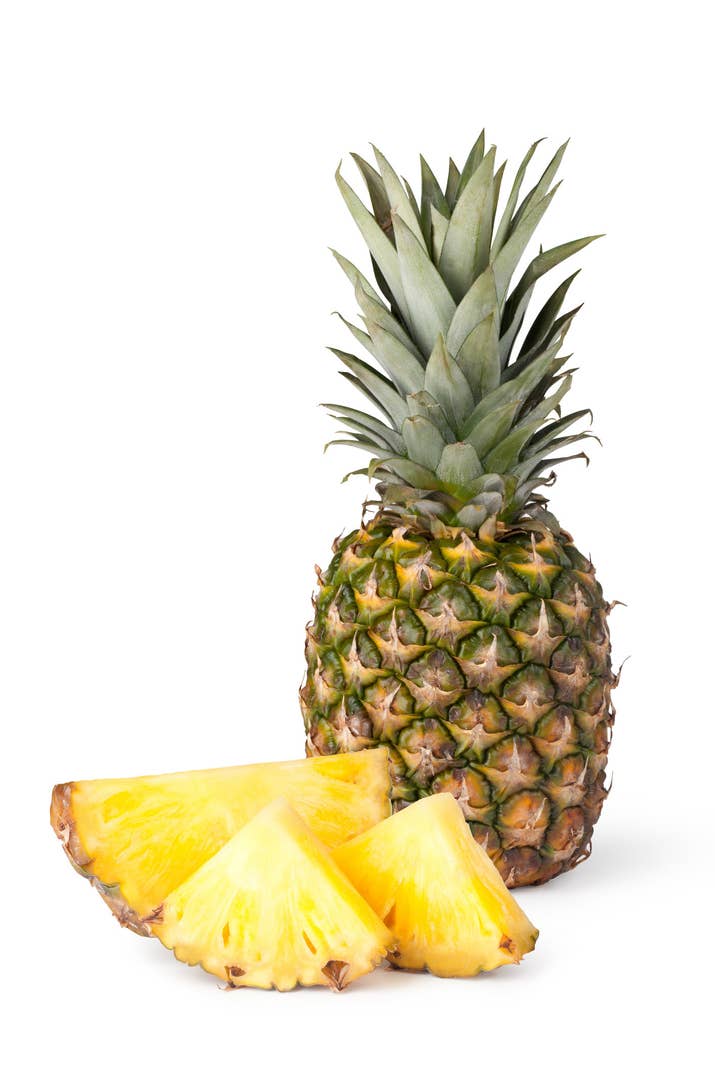
          Research scientists at the Texas A&M AgriLife Research Center have discovered how the circadian clock functions in pineapples. In the study, the researchers identified 1,398 transcription factors, proteins that regulate expression of certain genes in pineapples. Half of the transcription factors were discovered to exhibit diurnal gene expression patterns, meaning that their gene expression is regulated by the time-of-day. The researchers now hope to use this information to learn more about how efficiently all plants, namely food plants, regulate water in their systems.    
      Pineapples function by using CAM photosynthesis, meaning that they only open their stomata during the nighttime to minimize water loss. Other plants, like rice, wheat, soybean and cotton, use C3 photosynthesis, which entails opening their stomata in the daytime. C3 photosynthesis is less efficient than CAM photosynthesis because more water evaporates from a plants’ stomata if they are open in the daytime than if they are open at night.
       The researchers also found individual components of the circadian clock that regulates the CAM photosynthetic activity in pineapples. The next step for the scientists is to confirm the functions of the circadian oscillator, with hopes of understanding more about the genetic mechanisms of highly water-efficient CAM photosynthesis. The main goal of this research is to understand CAM photosynthesis and learn how to apply it to C3 plants, allowing them to use both methods of photosynthesis. If food plants can use the CAM pathway to photosynthesize, they will be able to adapt to changing climates more easily, and grow in locations uninhabitable to them today. 
      Since the human population on Earth is constantly growing, more food sources are always needed. If scientists can figure out how to give C3 plants the ability to also photosynthesize using the CAM pathway, the food plants will become more water efficient and will be able to grow in more places, giving humans a larger food supply. Many people go hungry throughout the world, so, I think that this is a great idea; by making food crops like wheat and rice more plentiful, there will be more food to go around, for humans and animals. 

Article : Circadian clock discovery could help boost water efficiency in food plants
For more information on photosynthetic pathways click here