Showing posts with label wild cotton. Show all posts

Friday, April 16, 2021

Modified genes can distort wild cotton’s interactions with insects


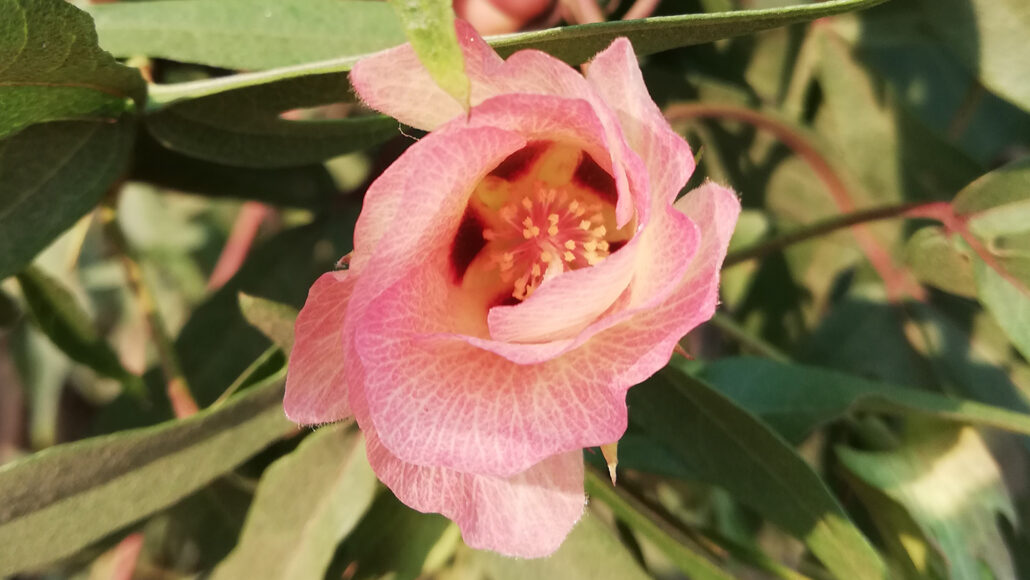
    In Mexico, acquired herbicide resistance and insecticide genes can disrupt cotton’s ecosystem. Operations created to modified genes can have a big impact on how they can affect an ecosystem, specifically, Mexico's Yucatan Peninsula cotton plants. These plant genes in Mexico that originated from genetically modified crops have been discovered to affect other native plants around them. For example, their newfound biology has a gene that can cause cotton to exclude less nectar. This essentially prohibits the plant’s ability to attract ants to protect it from plant-eaters, allowing them to be eaten. This is only one example of an escaped gene. Another example includes plants producing excessive amounts of nectar, allowing more ants to protect it and repel pollinators. Discovering altered genes in wild plants is important because many ecosystems can be drastically altered if plant genes continue to become modified. It's important to observe these changes to see if it’s beneficial or harmful to the environment. It is very controversial whether or not to allow genetic modification in plants and I find it interesting the impact that the modification caused to these wild cotton. 

Links

1.https://www.sciencenews.org/article/modified-genes-distort-wild-cotton-plant-insect-interactions

2.https://www.dailyadvent.com/news/a76181c3e120a8d5c173d7d6cf6b01fa-Genetically-modified-genes-can-distort-wild-cottons-interactions-with-insects

Monday, March 1, 2021

Wild Cotton and their interaction with Ants

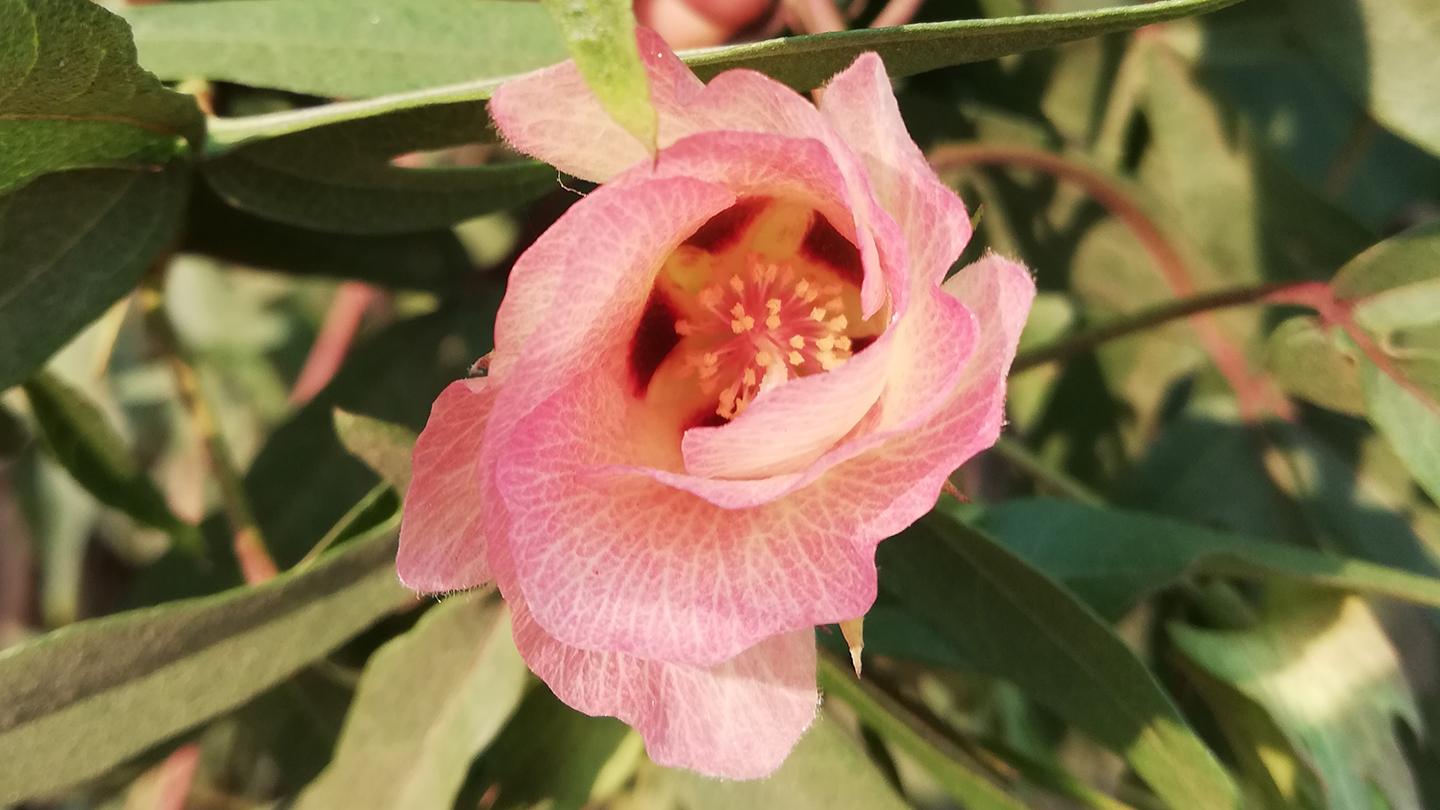
In the article from Science News, it was found in a study that acquired herbicide resistance and insecticide genes are able to disrupt cotton's ecosystem. These wild cotton have made it possible in the way that they are able to change their genetic modification to release excess nectar, therefore allowing more ants to keep insects and pollinators away from them. These genes are known as escape genes, it is when their genes are genetically modified to the extent that the cotton crops have produced very different native plants and changing their biology and how it interacts with the insects. 


Wild cotton is a species that can be found in Mexico as it is one of its centers of origin. In a recent study, it was shown that the transgenic offspring that were tested produced insecticides (Bt toxins) and those resistant to glyphosate. Since the study was conducted, the number of wild cotton varied greatly in the amount of nectar that it was producing and the ants that were feeding off of the plant.

As the environment is changing, plants also sometimes start modifying their genes to try and adjust to them which sometimes leads to them producing and attracting different kinds of pollinators as previously stated. When this change occurs it also affects the ants because they normally are the ones who defend the plants against pest insects.