Showing posts with label C3 photosynthesis. Show all posts

Thursday, November 21, 2024

Increasing the Efficiency of Photosynthesis


There are two types of photosynthesis that occur within plants- C3 and C4 photosynthesis. C3 photosynthesis is believed to have evolved first, and this photosynthesis occurs in mesophyll cells. C4 photosynthesis is believed to have evolved after C3 and fixed some of the inefficiencies of C3 photosynthesis by using bundle sheath cells along with mesophyll cells. This allows plants with C4 photosynthesis to conserve more energy and water. C4 photosynthesis is 50% more efficient than C3 photosynthesis, but 95% of plants use C3 photosynthesis. New research has discovered that C3 and C4 plants have the genes and transcription factors required to perform C4 photosynthesis. Gene expression in rice (a C3 plant) and sorghum (a C4 plant) was measured and it was found that the genes to make bundle sheath cells in both species are controlled by a transcription factor family called DOFs. The DOFs were binding to the same regulatory element in both species, and this regulatory element in C4 plants was associated with both bundle sheath identity genes and was turning on the photosynthesis genes. This suggests that C4 plants at some point added the regulatory elements for bundle sheath genes onto photosynthesis genes, allowing both to be turned on at the same time by the DOFs and explaining how bundle sheath cells in C4 plants gained the ability to photosynthesize.

In my opinion, this is an extremely important discovery. Since we now know that C3 plants have both the genes and the transcription factors required to perform C4 photosynthesis, it may be possible to genetically engineer C3 plants to express C4 photosynthesis. Plants could be engineered to better survive increasing temperatures and climate change. The ability to do this would be an extreme benefit to many people, as this could increase the production of so many major sources of food, including rice. This could potentially help reduce hunger worldwide. I think that this is something that needs more attention and focus upon because this is something that could have major benefits for so many people in the future if successful.


Wednesday, November 15, 2017

Circadian clock discovery could help boost water efficiency in food plants

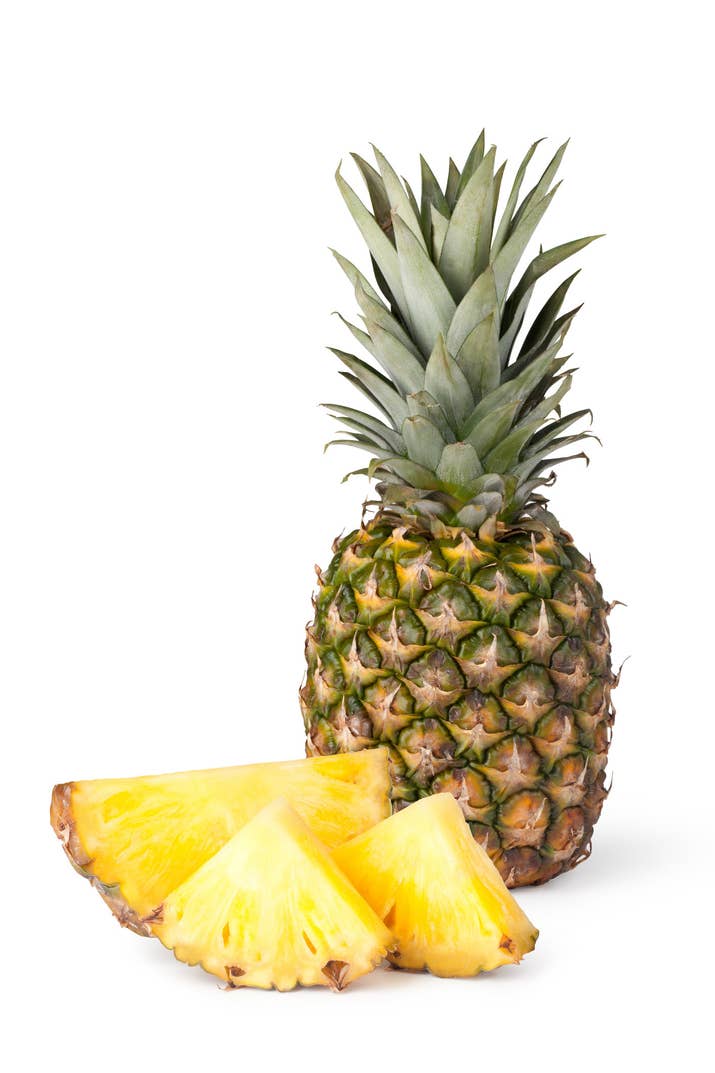
          Research scientists at the Texas A&M AgriLife Research Center have discovered how the circadian clock functions in pineapples. In the study, the researchers identified 1,398 transcription factors, proteins that regulate expression of certain genes in pineapples. Half of the transcription factors were discovered to exhibit diurnal gene expression patterns, meaning that their gene expression is regulated by the time-of-day. The researchers now hope to use this information to learn more about how efficiently all plants, namely food plants, regulate water in their systems.    
      Pineapples function by using CAM photosynthesis, meaning that they only open their stomata during the nighttime to minimize water loss. Other plants, like rice, wheat, soybean and cotton, use C3 photosynthesis, which entails opening their stomata in the daytime. C3 photosynthesis is less efficient than CAM photosynthesis because more water evaporates from a plants’ stomata if they are open in the daytime than if they are open at night.
       The researchers also found individual components of the circadian clock that regulates the CAM photosynthetic activity in pineapples. The next step for the scientists is to confirm the functions of the circadian oscillator, with hopes of understanding more about the genetic mechanisms of highly water-efficient CAM photosynthesis. The main goal of this research is to understand CAM photosynthesis and learn how to apply it to C3 plants, allowing them to use both methods of photosynthesis. If food plants can use the CAM pathway to photosynthesize, they will be able to adapt to changing climates more easily, and grow in locations uninhabitable to them today. 
      Since the human population on Earth is constantly growing, more food sources are always needed. If scientists can figure out how to give C3 plants the ability to also photosynthesize using the CAM pathway, the food plants will become more water efficient and will be able to grow in more places, giving humans a larger food supply. Many people go hungry throughout the world, so, I think that this is a great idea; by making food crops like wheat and rice more plentiful, there will be more food to go around, for humans and animals. 

Article : Circadian clock discovery could help boost water efficiency in food plants
For more information on photosynthetic pathways click here