Showing posts with label Photosynthesis. Show all posts

Wednesday, May 7, 2025

Scientists Engineer Bacteria to Make Soil And Crops 'Glow' Different Colors

Researchers at MIT have developed a groundbreaking method to monitor soil and crop health using genetically engineered bacteria that "glow" in different colors when they detect specific environmental triggers like nutrients or pollutants. These engineered microbes produce unique pigments—such as biliverdin and bacteriochlorophyll—when exposed to certain stimuli, and these signals can be captured from afar using hyperspectral cameras mounted on drones or buildings. Unlike traditional bacterial sensors that require microscopic analysis, this system enables rapid, large-scale environmental monitoring in under 30 seconds across hundreds or thousands of square meters.
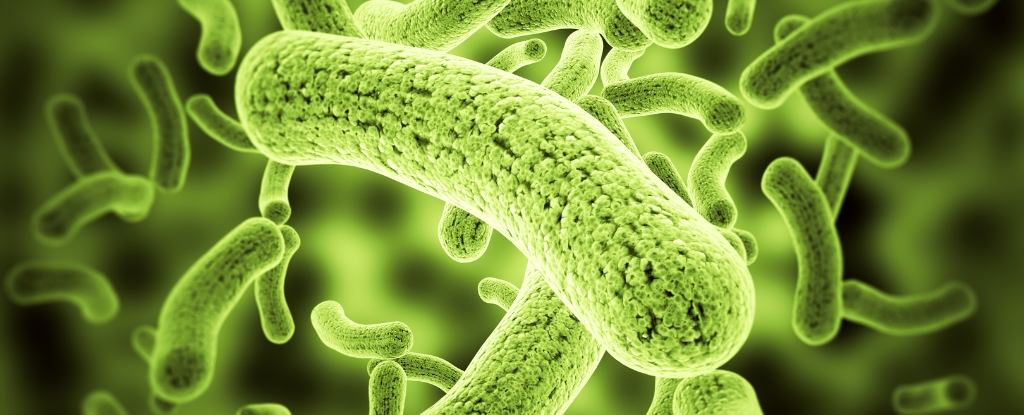
The engineered bacteria, including Pseudomonas putida and Rubrivivax gelatinosus, were designed to emit distinct light wavelengths when detecting specific targets, such as toxic metals or beneficial nutrients. The emitted signals, although invisible to the naked eye, are easily detectable by hyperspectral imaging, which identifies subtle spectral shifts. This “plug and play” system can be adapted to sense a wide variety of chemical or biological cues, making it a versatile tool for agriculture, pollution detection, and land management.

Funded by the U.S. and Israeli defense departments, the researchers emphasize the need to navigate regulatory and safety concerns. Still, they highlight the system’s potential as a sustainable, low-power, and persistent environmental monitoring technology.

Thursday, November 21, 2024

Increasing the Efficiency of Photosynthesis


There are two types of photosynthesis that occur within plants- C3 and C4 photosynthesis. C3 photosynthesis is believed to have evolved first, and this photosynthesis occurs in mesophyll cells. C4 photosynthesis is believed to have evolved after C3 and fixed some of the inefficiencies of C3 photosynthesis by using bundle sheath cells along with mesophyll cells. This allows plants with C4 photosynthesis to conserve more energy and water. C4 photosynthesis is 50% more efficient than C3 photosynthesis, but 95% of plants use C3 photosynthesis. New research has discovered that C3 and C4 plants have the genes and transcription factors required to perform C4 photosynthesis. Gene expression in rice (a C3 plant) and sorghum (a C4 plant) was measured and it was found that the genes to make bundle sheath cells in both species are controlled by a transcription factor family called DOFs. The DOFs were binding to the same regulatory element in both species, and this regulatory element in C4 plants was associated with both bundle sheath identity genes and was turning on the photosynthesis genes. This suggests that C4 plants at some point added the regulatory elements for bundle sheath genes onto photosynthesis genes, allowing both to be turned on at the same time by the DOFs and explaining how bundle sheath cells in C4 plants gained the ability to photosynthesize.

In my opinion, this is an extremely important discovery. Since we now know that C3 plants have both the genes and the transcription factors required to perform C4 photosynthesis, it may be possible to genetically engineer C3 plants to express C4 photosynthesis. Plants could be engineered to better survive increasing temperatures and climate change. The ability to do this would be an extreme benefit to many people, as this could increase the production of so many major sources of food, including rice. This could potentially help reduce hunger worldwide. I think that this is something that needs more attention and focus upon because this is something that could have major benefits for so many people in the future if successful.


Wednesday, November 15, 2017

Circadian clock discovery could help boost water efficiency in food plants

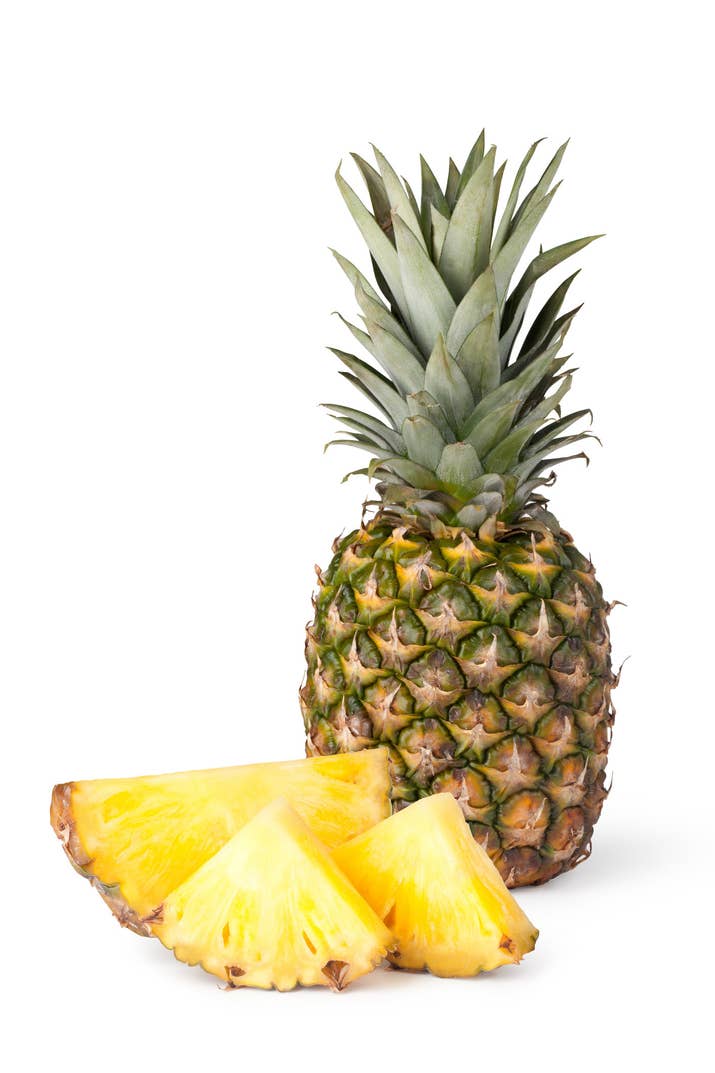
          Research scientists at the Texas A&M AgriLife Research Center have discovered how the circadian clock functions in pineapples. In the study, the researchers identified 1,398 transcription factors, proteins that regulate expression of certain genes in pineapples. Half of the transcription factors were discovered to exhibit diurnal gene expression patterns, meaning that their gene expression is regulated by the time-of-day. The researchers now hope to use this information to learn more about how efficiently all plants, namely food plants, regulate water in their systems.    
      Pineapples function by using CAM photosynthesis, meaning that they only open their stomata during the nighttime to minimize water loss. Other plants, like rice, wheat, soybean and cotton, use C3 photosynthesis, which entails opening their stomata in the daytime. C3 photosynthesis is less efficient than CAM photosynthesis because more water evaporates from a plants’ stomata if they are open in the daytime than if they are open at night.
       The researchers also found individual components of the circadian clock that regulates the CAM photosynthetic activity in pineapples. The next step for the scientists is to confirm the functions of the circadian oscillator, with hopes of understanding more about the genetic mechanisms of highly water-efficient CAM photosynthesis. The main goal of this research is to understand CAM photosynthesis and learn how to apply it to C3 plants, allowing them to use both methods of photosynthesis. If food plants can use the CAM pathway to photosynthesize, they will be able to adapt to changing climates more easily, and grow in locations uninhabitable to them today. 
      Since the human population on Earth is constantly growing, more food sources are always needed. If scientists can figure out how to give C3 plants the ability to also photosynthesize using the CAM pathway, the food plants will become more water efficient and will be able to grow in more places, giving humans a larger food supply. Many people go hungry throughout the world, so, I think that this is a great idea; by making food crops like wheat and rice more plentiful, there will be more food to go around, for humans and animals. 

Article : Circadian clock discovery could help boost water efficiency in food plants
For more information on photosynthetic pathways click here

Tuesday, August 8, 2017

Make Tomatoes Great Again

Studies have shown that over the last few decades, the taste of supermarket tomatoes has changed and become less flavorful.  Professor Harry Klee has been doing research on tomatoes for years to try and fix the problem, which he foresees happening within a few years.  Tomatoes are chemically made up of three primary components: sugars, acids, and volatile chemicals.  On average, people prefer sweeter fruit; farmer's prefer bug fruit because they get paid by the pound.  This has become a dilemma because a tomato plant can only produce a certain amount of sugar through photosynthesis.  The sweetness also depends on other chemicals as well; researchers have identified 26 genes involved in producing flavorful volatiles.  They found that modern tomato varieties had versions of the genes that produced smaller amounts of the volatiles.  They have already begun working to breed a hybrid that restores flavor and retains the traits for a large size.  Although genetically modifying the tomatoes would be quicker, researches have chosen to take a natural route since most people fear the words "genetically modified organism." For people who garden at home, in exchange for a ten dollar or more donation, Dr. Klee will send a packet of these seeds.  Taste-testing is hard because everyone has different preferences; however, Klee believes they are making progress.

Monday, July 31, 2017

A Possible Change For Agriculture


A new discovery in the growth of plants by Dr. Nick Pullen at John Innes Centre in the United Kingdom has given light on plant growth and possibly changed the way agricultural product may be obtained. The idea of optimal plant growth has always been to make sure the plant receives all necessities from water, nutrients, and sunlight to photosynthesize. Dr. Pullen has discovered that a plants genes may actually be the controlling factor of its net growth rate or lack there of. The main way genetics play a role in the plant growth is the regulation of their genetics and the rate of cell division occurring with the plants structure. A research project was conducted by altering growth repressors in the plant Arabidopsis. To measure photosynthesis rates and respiration they looked at the difference in metabolic rates of plant strains that were altered compared to ones that were not and looked at the rates of growth. This gave Dr Pullen a way to compare how certain genes in plants allowed their growth rates to be more productive than other types.

Thursday, April 13, 2017

The Survival Masters; Grasses

Brachypodium distachyon

Grasses have stomata, which are small pores in their leaf that respond to humidity, temperature, and sunlight by opening and closing. Grasses are specially equipped to do this extremely effectively making them one of the best photosynthesizers than can withstand a large range of environmental effects. Scientists have found the subsidiary cells in grasses allow the stomata to open next to neighboring cells easier. Researchers mutated the MUTE gene in the grasses and found that they were not able to photosynthesize as effectively. This new research of their photosynthetic effectiveness due to this gene could potentially help to genetically modify plants in being drought resistant.

I think this study will help to save some major crops from drought related issues. As the climate changes, storms become stronger and temperatures warm, water will become more scarce in some areas. This engineering of modifying plants to retain water and maximize photosynthesis could be major in food production.


Friday, December 2, 2016

Scientists Modify Plants to Improve Photosynthesis

Photosynthesis is the process in which plants convert light energy, carbon dioxide, and water into glucose and oxygen. According to scientists, it's an inefficient process which uses less than 1% of the energy available. This is because plants have a protective system (Photoprotection) in their leaves, which turns on if there is too much sunlight and prevents the plant from absorbing any more light energy until there is shade from a cloud or anything else that covers the leaf. How this works is that enzymes in the leaf create a surge of a paprika-colored called zeaxanthin, which helps in getting rid of the excess energy as heat. The problem with this process is that even in the shade, the protection system takes a long time to turn off, which costs up to 20% of the plant's potential yield. A group of scientists modified three genes in tobacco plants which altered the photoprotection mechanism in their leaves to enhance photosynthesis.

tobacco leaves
The blue and purple spots show where tobacco leaves waste energy by partially shutting down in response to bright light. The red and yellow spots show where the leaves are running closer to full capacity.


The research team modified the ZEP enzyme,which functions to dismantle the protective system.  The problem with only enhancing ZEP production in the plant is that it can disrupt the initiation of the protective system, which could cause the plant to take in too much sunlight and harm itself. So the research team also enhanced an enzyme called VDE which builds the zeaxanthin, to create a good balance between the two processes. The scientists also enhanced a third protein PsbS, which also helped, although the scientists aren't certain how it did. The results were that the tobacco plants with all three of the modified proteins grew bigger than those without the modified proteins. This confirmed that the photosynthetic process was enhanced. 

The protective system in the tobacco plant is also in other many important crop plants such as rice. Therefore, this is an important economic gain because it can help in meeting global food demands to keep up with the growing global population. I believe that this is a great example of how genetic engineering can be very beneficial. I never thought that this would be a pro to genetic engineering and I hope to learn about other important pros.


Links:
https://www.sciencenews.org/article/tweaking-how-plants-manage-crisis-boosts-photosynthesis

http://science.sciencemag.org/content/354/6314/857.full

Monday, November 21, 2016

Decreasing the "Sunshield" in Plants Could Result in Higher Crop Yield


Photosynthesis is a very essential process in the plant world. However, too much sun can damage a plant; therefore, the "sunshield" is simply just a process that converts bright sunlight into heat that cannot hurt the plant. However, this "sunshield" isn't allowing photosynthesis to work at its full potential. Researchers may have found a way to solve this problem.
Image result for crops

Plant biologists have found a way to modify the amount of time a plant reacts to the shade. They realized that if the plant adjusts much quicker to the shade then photosynthesis is much more efficient. Researchers first started off by genetically altering tobacco plants; the results they ended up with were very pleasing. These tobacco plants increased by 20% in biomass.

After this experiment, researchers would like to apply this modification to other crops. They've considered adding the C4 photosynthesis pathway and adding it to rice. Improving RuBisCO was also another option. However, they decided to focus on nonphotochemical quenching (NPQ), as explained below.

To guard themselves from bright light—as well as balance their metabolic processes—plants rely on a mechanism called nonphotochemical quenching (NPQ), in which chloroplasts divert photons from their light-harvesting molecules and simply waste them as heat. In dim conditions, plants can turn off NPQ to boost photosynthetic efficiency.
In order to turn off the NPQ, researchers have added extra copies of three genes. The proteins of these genes turn the NPQ off much quicker than before. They tried this in tobacco plants again. After 22 days, the plants came back 14%-20% larger and heavier than unmodified plants. Researchers would like to attempt the same modification among multiple species.

This research is one of the more interesting ones I have read about. It's amazing that researchers can modify a plant so much as to increase the growth and yield. Increasing crop yield could be both good and bad for society. Hopefully, the crops aren't affected in a negative way as they begin to test this modification amongst other species.

http://www.sciencemag.org/news/2016/11/how-turning-plants-sunshield-can-grow-bigger-crops

http://www.ibtimes.com/genetically-modified-crops-gene-tweaking-boosts-photosynthesis-efficiency-increase-2448128

How Modified Plant is Making Better use of Sunlight

This is a ground breaking study that would benefit farmers by providing bigger yields. This can benefit civilization as a whole since the demand for more food gets higher every day due to an increasing population. It takes advantage of the fact that shadows are produced on plants either by nearby trees or the leaves themselves. When this happens, this creates a spot of darkness. Most people don't notice this spot of darkness, but it is a problem for plants. The problem is that it takes a while for plants to go from the dark stage back to photosynthesis. So scientists found a way to speed up the process. They grabbed DNA from a mustard plant (mustard Arabidopsis thaliana) and inserted it into the tobacco plant. The inserted DNA produced proteins that help speed up the transition from the dark stage to photosynthesis. It reduces the limits on plant photosynthesis and bypasses millions of years of evolution.

Tobacco was the first plant that this was successfully done to but scientists are looking to do this to multiple plants. The one thing that is a concern is that, yes the tobacco plant weighed 14-20% more than the unmodified tobacco plants but does that mean that if the transfer of protein modification was done to another plant, would it just increase in weigh because of bigger stems, roots and leaves or will the crop itself yield bigger product? That question right now cannot be answered but according to the theory of the tobacco plant experiment it should be possible.

http://www.sciencemag.org/news/2016/11/how-turning-plants-sunshield-can-grow-bigger-crops

Sunday, November 20, 2016

SCIENTISTS TWEAK PLANT GENES TO ENHANCE PHOTOSYNTHESIS AND INCREASE CROP YIELDS

With the looming problems of overpopulation as well as global warming, agricultural plants must be able to adapt as well as increase their yields to mirror human needs. The world population is almost 7.5 billion people, and increasing day by day. In order to keep up with the increase in people, as well as different climate conditions, plants must be genetically modified to increase their efficiency as well as their yield.

In order to increase crop yield, scientists found a way to change plants at the genetic level so they use the suns energy more effectively. When the plant takes in more light energy than it can handle, it initiates a process called nonphotochemical quenching of chlorophyll fluorescence (NPQ). NPQ is a defense mechanism where the plant releases light energy as heat it doesn't get burned. As the sun moves through the sky and the plants no longer need to release excess light energy, NPQ is usually still ongoing, slowing photosynthesis. By changing the frequency at which NPQ occurs, the plant will not have a "slow photosynthesis" time frame, the speed at which the plant collects light energy will be able jump from high to low. 

tobacco flower in a field in mecklenburg, VA

http://www.popsci.com/scientists-tweak-plant-genes-to-enhance-photosynthesis-and-increase-crop-yields?dom=currents&src=syn

http://www.plantphysiol.org/content/125/4/1558.full


Genetically Modifying Plants for Efficient Food Production

Agricultural scientists at the University of Illinois have modified plant genes by allowing them to use sunlight more efficiently. Dr. Stephen P. Long, the lead author of the study, is a professor of crop sciences at the University of Illinois, and is a leading figure in crop science/photosynthesis research. Dr. Long and his team of scientists used genetic engineering techniques to alter photosynthesis in tobacco plants. Their study, published by the journal Science, found a 20% increase in biomass compared to wild-type plants grown in the same field environment. They used tobacco because it is easy to manipulate when trying new genetic alterations, and they hope food crops will also be as successful.
Check out the Science Magazine video on Youtube!

The point of the study was to improve a plant’s recovery time from photoprotection after light stress.  It allows for a plant to release some of that absorbed energy as heat so that they can efficiently use the carbon dioxide available from their environment. Think of it as photosynthesis on steroids, and photosynthesis is how plants convert sunlight, carbon dioxide and water into new, energy-rich carbohydrates, also known as a majority of our food sources. Dr. Long has long argued that the process is inefficient because it uses less than one percent of the energy that’s available to them. His team of scientists were able to increase leaf growth between 14 and 20 percent by genetically modifying part of a plant's protective system that is activated when in the presence of excessive sunlight. Generally, plants don’t take the optimal amount of energy available to them, and it takes ten minutes to an hour for a plant to adjust its protective system.  Dr. Long and his team have genetically modified the plant to turn that protection system off and on faster.
"Now that we know it works, it won't be too difficult to do it with other crops," said Dr. Long, a professor of crop sciences at the University of Illinois. "If you look at crops around the world, it would (increase yield) many million tons of food.” 
“A plant's protective system is like a pressure relief valve in a steam engine. When there's too much sunlight, it turns on and gets rid of excess energy safely. When the plant is in the shade, the protective system turns off, but not quickly, said study co-author Krishna Niyogi, a plant scientist at the Howard Hughes Medical Institute and the University of California, Berkeley.
This is the first time scientists have been able to do something like this, and it is an amazing step towards solving world hunger.  Hopefully the public's collective fear of GMO’s won't keep this breakthrough from being utilized. All the awesome science in the world can be crippled by the rejection of consumers.  The breakthrough could eventually dramatically increase the amount of food that can be grown in the world. The Bill and Melinda Gates Foundation are in support of this technology and they hope it might help alleviate global poverty.

It can also be argued that plants don’t have a “glitch” that needs fixing, and that people shouldn't fix what’s not broken. Speeding up a naturally occurring process can be considered to be detrimental towards progress.  When you haste, you waste. The conservative approach may indeed be best for a plant’s offspring, but what is best for the plant is not the same as is what is best for the farmer.

Saturday, November 19, 2016

Scientists see promise in genetic tinkering of plants

Last decade, agricultural scientists at the University of Illinois suggested tinkering with genes responsible for photosynthesis in plants  in order to increase yield. Despite original skepticism, the project has now been receiving funding for several years by the Bill and Melinda Gates foundation.

Results have been remarkable; using genetic engineering techniques on tobacco, productivity has increased by as much as 20%, as described in a study published by Science journal. The significance of this percentage is evident by the fact that conventional methods used by plant breeders increase gains by only 1-2%.


One of the lead researchers of the project believes production gains of 50% may be possible. Another lead researcher, Dr. Stephen Long, believes that should such production gains actually come to fruition, it would ultimately lead to a "second green revolution". Named after the original green revolution of the 1960's and 1970's which transferred advanced agricultural techniques to developing countries.

Though the New York Times article states that these new advances in crop engineering will work to combat "world hunger" in impoverished regions, I am skeptical as to what this term actually means in the current year. By all accounts, population is exploding in regions with the lowest HDI values, while countries with the highest HDI values see stagnant or decreasing population. For instance, Niger, which is currently at the bottom of the HDI list (ranked 188th), has an average fertility rate of 7.6 children per woman. At current projections, the total population of Niger will triple by the year 2050, and this is without a "second green revolution". Perhaps it is important to first get population growth under control and focus on increasing standard of living per individual, before introducing technologies which, if left unchecked, will lead to immense and unsustainable population growth, until the next "green revolution" is necessary.

Photosynthesis Will Save the World!


About a decade ago researchers at the University of Illinois suggested that editing the photosynthetic process in plants, could help to increase the plants yield.  This idea was approached with skepticism, but after years of research, a breakthrough has been made.  The model organism for this theory was tobacco.  It was injected with a portion of DNA form mouse-ear cress, a common lab plant, and after some time, some remarkable data was seen.  The edited tobacco strain was producing approximately 20% more yield than the standard plant.

Researchers have no use for increasing the yield of tobacco, but because it grows and fruits the same way as edible plants, it is planned to be used in these plants.  Due to the process, which involves speeding up the process of photosynthesis by turning off the plants "sunshield" faster.  Since plants get their energy form the sun, they need a mechanism to prevent the leaves from getting a form of sunburn.  That is where the sunshield comes in.  The only problem is that it stays on for too long after it is needed, and so the plant wastes time with that instead of carrying on with photosynthesis.  This edited tobacco strain simply turns off the sunshield much faster than the unedited plants, which ultimately lead to more photosynthesis, and more yield in the plant.

I think that this is a really ingenious way to increase plant productivity.  If this process works in the fruiting plants that we consume, this will lead to an extreme change and a whole new agricultural revolution.  This new production of plants can lead to solving hunger and poverty problems across the globe, and also help the global economy a little.  Overall, if this works out, we have some big news to look forward too.

http://www.nytimes.com/2016/11/18/science/gmo-foods-photosynthesis.html?rref=collection%2Fsectioncollection%2Fscience&_r=0 

http://www.sciencemag.org/news/2016/11/how-turning-plants-sunshield-can-grow-bigger-crops 

Wednesday, November 25, 2015

Pineapple genome offers insight into drought-tolerant plants


The production of pineapples began in 
southwest Brazil and northeast Paraguay. Pineapples have been cultivated by humans for more than six-thousand years and are now produced in more than eighty-five countries. In a recent study, scientists are homing in on the genes and the genetic pathways which allow the pineapple plant to prosper in environments that are water-limited by sequencing the juicy plant’s genome. Similar to many plants, the ancestors of pineapple and grasses experienced several doublings of their genomes. Although, the analysis shows that unlike the grasses that share an ancestor with pineapple, the pineapple genome has one-less whole genome duplication. This information indicated that pineapple plant is the best comparison group for the study of cereal crop genomes. Overall, the findings provided evidence of two-whole genome duplications in the pineapple plant’s history and a new opening on the evolutionary history of grasses. 

A majority of crop plants make use of a type of photosynthesis called C3. The juicy pineapple plant uses a special type of photosynthesis, called crassulacean acid metabolism, also known as CAM. CAM has evolved in more than ten-thousand plant species independently and the pineapple plant is valued the most economically out of all ten-thousand. Biology professor Ray Ming states “CAM plants use only 20 percent of the water used by typical C3 crop plants, and CAM plants can grow in dry, marginal lands that are unsuited for most crop plants.” By looking more closely at the pineapple genome, it was revealed that some genes which contribute to CAM photosynthesis are actually regulated by the plants circadian clock genes. Circadian clock genes allow plants to distinguish between day and night and alter their metabolism as a result. 

This study allowed scientists to find a link among regulatory elements of CAM photosynthesis genes and the circadian clock regulation for the first time. “CAM photosynthesis allows plants to close the pores in their leaves during the day and open them at night,” states Professor Ming, illustrating how that contributes to the pineapple plant’s resilience in hot climates and that the plant loses very little moisture through its leaves during the course of the day. CAM plants greatly reduce water loss by keeping their stomata closed during the day.
The team involved in this study wrote “All plants contain the necessary genes for CAM photosynthesis and the evolution of CAM simply required rerouting of pre-existing pathways.” The team is responsible for the discovering in which CAM photosynthesis evolved by reconfiguring molecular pathways involved in C3 and CAM photosynthesis. 

Having many farmers within the family and understanding how devastating a drought can be for the crops and overall production for that year, this article was attention-grabbing. The scientists now look to use their understanding of the evolution of the different types of photosynthesis in effort to develop drought-tolerant crops. “Higher water-use efficiency is a highly desirable trait, given the need to double food production by 2050 in the context of a changing climate,” stated Ray Ming. Furthermore, the adaptation of food crops to be more tolerant of a drought will also help humans become accustomed to climate change.