Showing posts with label Genetic testing. Show all posts

Saturday, March 14, 2026

Genetic “Scoring” of IVF Embryos Raises Ethical Concerns


    A new reproductive technology is enabling scientists to analyze the DNA of embryos created through in vitro fertilization (IVF) and rank them by predicted traits. This process, known as polygenic embryo screening, examines thousands of genetic variants in an embryo’s DNA to calculate a score that predicts the likelihood of certain characteristics, such as disease risk or physical traits.

    Polygenic screening goes beyond traditional genetic testing used in IVF. In the past, embryos were typically screened for serious genetic diseases caused by single-gene mutations. However, newer technologies aim to predict complex traits influenced by many genes acting together.

    Although the technology may help reduce the risk of certain inherited diseases, many scientists argue that it remains unreliable and requires stronger regulation. Predicting complex traits such as intelligence or height is extremely difficult because they are influenced by thousands of genes and environmental factors.

    This technology is significant because it raises major ethical and social concerns. Some experts worry that selecting embryos based on predicted traits could increase social inequality if only wealthy families can access these technologies. Others believe it could lead to a future where parents attempt to design children with preferred characteristics.

    Overall, this research highlights both the potential and the challenges of modern genetic technology. While genetic screening could help reduce certain inherited diseases, scientists emphasize the need for careful regulation to ensure that these technologies are used responsibly.


Source: 

https://www.livescience.com/health/genetics/new-tech-allows-parents-to-score-ivf-embryos-for-desirable-traits-and-its-in-desperate-need-of-regulation-opinion


Additional Link: 

https://medlineplus.gov/genetics/understanding/testing/uses/


Wednesday, November 26, 2025

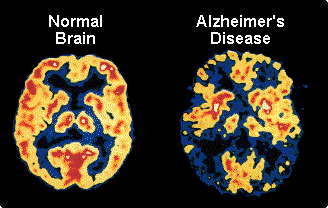
New Genetic Test Predicts Alzheimer’s 10 Years Earlier

 You don’t need to have a family history of Alzheimer’s to develop the disease, but having a parent or sibling with Alzheimer’s does increase your chances. The risk becomes even higher if more than one close family member is affected. When Alzheimer’s appears repeatedly in the same family, it can be due to inherited genes or lifestyle factors like poor sleep, smoking, high blood pressure, or diabetes that make the risk even greater.

Link : https://www.alz.org/alzheimers-dementia/what-is-alzheimers/causes-and-risk-factors/genetics

Researchers at the University of Oxford used brain scans and genetic data from the UK Biobank to study how our genes shape both the structure and function of the brain. By analyzing thousands of brain imaging measurements, they identified over 100 genetic regions linked to differences in brain size, connectivity, tissue makeup, and other features. Some of these genes are involved in how brain pathways develop, while others relate to iron levels in the brain, which are important for understanding diseases like Alzheimer’s and Parkinson’s. Overall, the study provides a major resource for discovering how genetics influences brain health and may help scientists better understand and treat neurological disorders in the future.

Link : https://www.ox.ac.uk/news/2018-10-12-first-genetic-analysis-brain-function-and-structure-using-uk-biobank-imaging-data

Commentary: A new genetic screening test can predict Alzheimer's disease a decade before symptoms begin by analyzing a combination of risk genes and epigenetic markers. This test could be used to identify individuals who may benefit from early interventions. The work demonstrates how genetics is reshaping preventive medicine. It also raises ethical concerns: should people know their future disease risks, especially when treatment options are limited? Still, this discovery brings science closer to early detection and intervention in neurodegenerative diseases.


Monday, April 21, 2025

Hereditary cancer, can it be prevented?


    In a recent article posted on Veritas, the Veritas Scientific Department discussed the study of hereditary diseases, including cancer, and whether they are preventable. They stated that :
"During their lifetime, 1 out of every 3 people will suffer from some type of cancer. Of the total number of cases, between 5 and 10 percent are hereditary." (Veritas Scientific Department, 2025).

    This statistic showed that it is very common for people to develop some kind of cancer in their lifetime, and 5 to 10 percent is hereditary. Therefore, it is crucial to find a way to predict and maybe prevent the chance of developing cancer due to heredity. The article introduced a method called multigene panels, which is used for genetic studies in families with suspected hereditary cancer syndrome.

    But before diving into the multigene panels, the author breaks the topic down to the origin of cancer, whether it is sporadic or hereditary. Sporadic cancer is due to a genetic alteration that is not hereditary. After being able to understand the origin of the cancer, the scientists can use a unique process to conduct a genetic study in families with suspected hereditary cancer syndrome. In an effort to find a way to predict hereditary diseases, scientists have developed a test called multigene panels to predict hereditary cancer. This process utilized the Next Generation Sequencing, an advanced biotechnology also known as NGS. 

    The information the test provides is valuable because it can allow us to take numerous preventative measures to reduce the risk of developing cancer. In some cases, clinical guidelines by specialists indicate management and follow-up measures for individuals at risk. If you suspect yourself with chances of having hereditary cancer, it is important to gather as much information on those affected (age at diagnosis, specific type of cancer, and its evolution) and go to a physician or genetic counselor as they will be the best resource to determine risk and assess for the need of genetic testing. 

WORKS CITED

Veritas Scientific Department (2025). Hereditary cancer, can it be prevented? Veritashttps://www.veritasint.com/blog/en/hereditary-cancer-can-it-be-prevented/

Cancer Research UK (2024). Inherited genes and cancer types. https://www.cancerresearchuk.org/about-cancer/causes-of-cancer/inherited-cancer-genes-and-increased-cancer-risk/inherited-genes-and-cancer-types


Monday, March 17, 2025

The spread of breast cancer may be inherited

    According to recent study, breast cancer susceptibility and spreadability may both be inherited. This builds on the previous work of Mary-Claire King, who found the BRCA1 gene, which has been linked to an increased risk of breast and ovarian cancer. While around 10% of breast cancer cases are inherited, recent research indicates that genetic factors may also influence how the disease spreads, or metastasizes, which can impact treatment and prognosis.

 AI May Help Predict Real Risk For Breast Cancer | Science 2.0

Genetic testing is becoming increasingly crucial for those who have a family history of breast cancer in order to determine risk and guide prevention efforts. Early identification and targeted therapy may improve results for people who are at higher risk as our understanding advances.

Monday, March 10, 2025

black children are less likely to get gene testing for different neurological disorders:

    In the recent article from US News, it has been proven that black children are less likely to get different neurological tests compared to children who are white. These neurological tests can assist with the diagnosis for certain diseases such as autism, epilepsy, and any other kinds of cognitive delays. In addition to determining a diagnosis, these kinds of tests are very important in order to identify which gene(s) are instrumental to certain disorders and figure out a treatment plan. A huge contribution to these low numbers is due to the fact that many insurance companies are more likely to deny black children rather than white children for genetic testing. 

Study finds more barriers to genetic testing for Black children than white  children - North Dallas Gazette

    During an 18 month study, where health records were analyzed by researchers, there were approximately 11,400 participants. Of that sample size, around 78% of the children were white and 15% were black. This is a significant difference between the two races. There are definitely more reasons, other than insurance, as to why black children are less likely to get genetic testing. Regardless of the reasons, these tests should be advocated more to the black community. It is an added layer of protection and can give individuals a head start of any diseases or disorders that may potentially arise. Genetic testing is a good option for all individuals, despite their race. 

Thursday, March 7, 2024

Are genes the only factors that affect human health ?

     This article gives its readers insight on information about how genes can affect a person’s overall health, including both physical and mental health.  However they also claim that changes to lifestyle can help counteract a person's genetic predisposition to certain illness. Evidence used to prove this claim includes, a set a identical twins one who developed Alzheimer’s and one who didn't, they justify this by stating that the twin who developed Alzheimer's lead an unhealthy lifestyle compare to his/her brother. The Article then goes on to state that  performing genetic testing to look for future illness come with positive and negative results. It ends with stating that although genetics play a large role in human health, leading a healthy lifestyle can decrease the likelihood of illness.  

    Initially I found this article interesting because it was informative and provided some scientific evidence. However I couldn't help but notice that some of the scientists behind the evidence supporting
the claims in the article work for a company that provides genetic testing. The article also uses names of famous celebrities such as Kim Kardashian and Chris Hemsworth to help them with their credibility. I think that the information in this article is valuable however more research is needed in order to form an educated opinion on the topic. 


Saturday, November 11, 2023

Largest Ever Study of Suicide Genetics Gives Clues to Who's at Risk

 Largest Ever Study of Genetics Gives Clues to Who's at Risk 


    New research has discovered that 12 genes can be linked to an increased risk of attempting suicide. People from 22 different populations, also ethnically diverse, were studied for this research. The data also included about 44,000 documented suicide attempts as well as more than 915,000 ancestors of these people who served as the control group. What they found was that not only one gene influences risk, but multiple of them at once. "If we can use genetic information to characterize the health risks of those who attempt suicide, we can better identify those patients who need contact with the mental healthcare system." Anna Docherty, study author states.  
    I believe that this study can save a lot of lives. I do understand that there are environmental, work-related, school-related, and other factors that contribute to depression which can lead to attempting suicide, but I never thought about how genetics plays a role in this. I think it would be good if doctors could target these people because of genetic testing because they could then get these people the help that they need before they get to their breaking point. I think it would be good because they can catch this before the person is even in that state and they can just go to preventative therapy. I think this can be used in many ways depending on the person and how exactly they are feeling. 

LINKS: 

Thursday, April 14, 2022

New Genetic Clues Could be Key to Saving Sea Turtles from Mysterious Disease


According to an article published in University of Central Florida Today, a group of UCF researchers discovered new gene variants in the immune systems of sea turtles, which could be the key to saving this species from another major disease: fibropapillomatosis (FP). This study was published in the journal Royal Society Open Science and sheds a light on the role of gene variants (MHC class I alleles) in protecting sea turtles from this disease.


This is the first time researchers have studied variation in MHC genes in green sea turtles. MHC proteins help recognize pathogenic threats and then key the immune system to respond to them. FP causes sea turtles to develop tumors on their bodies, which inhibits their mobility and ability to catch prey.


About half of the green sea turtles observed in the Indian River Lagoon have FP. Central Florida’s Atlantic coastline hosts about one-third of all green sea turtle nests in the state. Green sea turtles are important because they contribute to healthy oceans by grazing and maintaining seagrass beds. All turtles are considered threatened or endangered due to threats from pollution, coastal development, and fishing, in addition to infectious diseases.


A better understanding of the role genes play in protecting sea turtles can help inform management strategies, such as captive breeding using turtles who are genetically resistant to FP, as stated by UCF Associate Professor of Biology Anna Savage. Simply knowing a baseline of how much variation is out there can help give researchers a better idea of what sea turtle populations will look like in the future. Knowing the relationships between genetic variants and disease susceptibility can be used as a tool if one knows which of the MHC alleles is really important for surviving disease threats.


The lead author of the study, Katherine Martin, helped sequence MHC class I genes from 268 green sea turtles and 88 loggerhead sea turtles. The researchers found 116 newly-discovered alleles, some of which were linked to the development of FP but also potentially the regression of tumors. Even with all of these alleles discovered, however, there needs to be more sampling to get a better picture of what MHC alleles do to protect sea turtles. The next step of the experiment is to expand the sampling of green sea turtles and loggerheads as well as examine genetic information from other turtle species.


Related article: https://pubmed.ncbi.nlm.nih.gov/16181327/

Thursday, December 9, 2021

A Genetic Test May Reveal the Reason Behind Unexplained Epilepsy in Kids

A new study, led by Dr. Isabel Haviland, a postdoctoral research fellow in neurology/neurobiology at Boston Children's Hospital and Harvard Medical School, reveals that genetic testing may be the key to managing and treating unexplained epilepsy in children.  

The medical records of 152 children diagnosed with epilepsy were analyzed, all of which were from between 2012 and 2019. For 72% of the children who were diagnosed with epilepsy, management of their epilepsy was improved in one of four areas after genetic testing. These four areas were care coordination (48%); treatment (45%); prognosis (28%); and diagnosis (1%).

"Among the children whose treatment was affected by genetic testing: 36% had an impact on anti-seizure medication choice; 10% were eligible for gene-specific clinical trials or experimental drug use; 7% were started on a gene-specific vitamin or metabolic treatments, such as the ketogenic diet; and 3% were treated with a drug not yet approved for their type of epilepsy." (USNews)

Saturday, November 20, 2021

Europe’s Roma people are vulnerable to poor practice in genetics

In this article, it had mentioned that numerous journalistic and scientific reports in recent years have increased awareness concerning the unethical misuse of DNA databases. In Europe, there are between 10 and 12 million Roma people. The word Roma was used in the 1980s to replace labels such as 'Gypsy,' which were deemed offensive in many European nations. Since the 1990s, DNA has been obtained from thousands of Roma individuals all around Europe. Researchers have evaluated over 450 publications produced between 1921 and 2021 during the last five years. In the last three decades, over two-thirds of these papers have been published. Researchers also searched five public databases for DNA information on Roma people. The Y-STR Haplotype Reference Database (YHRD), the Allele Frequency Net Database (AFND), the Allele Frequency Database (ALFRED), the Estonian Biocentre Human Genome Diversity Panel (EGDP), and the European DNA Profiling Group's Mitochondrial DNA Population Database are among them (EMPOP). For example, the incorporation of Y-STR analysis is used in many ways, including examining Y-chromosomal short tandem repeat polymorphisms (Y-STRs) haplotypes to distinguish paternal lineages of undiscovered male trace donors, and are especially useful when both men and females are added to the same evidence. Samples have been gathered from people including prisoners without proper consent or any record of consent in many situations, notably in the late twentieth century, and subsequently shared between research organizations or stored in public databases. In other research, Roma people were approached by medical practitioners who assigned an ethnic designation to specific data sets and then shared the individuals' personal information with researchers. Many people from genetically isolated societies are vulnerable to de-anonymization for a variety of reasons, particularly those with unique genetic diseases. It is doubtful that Roma people, like many other underprivileged groups, would gain from the collection of their DNA. The creation of rare illness treatments based on data from genetically isolated groups might, in theory, help such communities' people. Yet, in the case of Roma people, scientists have yet to identify an example of really cooperative research, such as incorporating members of the community or initiatives to increase the population's access to health care, including medications that may already be accessible. Hopefully, ethical breaches in sample collection and associated overrepresentation in databases accessed by law enforcement agencies — which are indicative of a problem with "morally reprehensible uses" of DNA databases — will be reduced among the thousands of minority groups that are often victimized.

Wednesday, August 4, 2021

Genetic Testing in Pregnancies

 
GENETIC TESTING IN PREGNANCIES 


During pregnancy some testing are needed to make sure the fetus will be born healthy and without any complications. Some are testing are amniocentesis, CVS also known as chorionic villus sampling and sequential screening. Amniocentesis is performed when a health care provider injects a needle into the mother's pregnant sac and collects amniotic fluid and is send to the lab to be examined and tested for the number of chromosomes. These are diagnostic tests for genetic disorders and/or birth defects; these tests should be performed especially if there is a history of genetic disorder or birth defects on either side of the mother or father's side. Some of the tests and/or screening can only be performed during pregnancy, but others can be performed before pregnancy if needed. For example, some birth defects that can be tested for are Down syndrome, and open neural tube defects. Unfortunately, when performing some of these tests, there is a chance of having a miscarriage. These test make it controversial if the mother needs to have these type of test performed.


1. Genetic Screening and Testing During Pregnancy (nm.org)

2. Risk, age, and pregnancy; a case study of prenatal genetic screening and testing. - Biological Science Collection - ProQuest (stockton.edu)


Tuesday, April 6, 2021

Feline Genetic Testing

An article by the NIH discusses how more testing on domestic cat diseases is being done. There are around 33 genes that have 50 different mutations in which result in health problems or physical appearance within a cat. Commercial laboratories are able to perform cat genetic diagnostics, which can then allow vets and pet owners to receive DNA test results. The DNA can be obtained simply by a buccal swab or cytological brush and sent to any lab in the world. These can identify whether the cat is a carrier of any trait, predict the incidence of a trait showing up, and then create possible treatments. The article further discusses genetic tests for domestic cats, potential sources of error for genetic testing as well as the disadvantages of DNA results in veterinary medicine. In addition, this article also emphasizes further studies on felines regarding diseases.


Wednesday, May 1, 2019

Medieval Crusaders Were Very Diverse Based on Recent DNA Analysis

A 13th century sea castle built by Crusaders in Sidon, Lebanon.

In a mass grave around the ruins of the Castle of St. Louis, just outside the city of Sidon, south Lebanon, the burnt skeletons of roughly 25 soldiers were found. The castle was a stronghold for the Crusaders from the 12th to 13th centuries. Based on the evidence that many suffered violent deaths and the origin of artifacts that were found – an Italian coin minted in 1245 and European belt buckles, it was concluded that these were Crusader soldiers.


During those late medieval centuries, soldiers and civilians from Europe were pouring into the Levant, a region in West Asia that borders the Mediterranean Sea. They had arrived seeking to control holy sites that were sacred among all the Abrahamic religions (Christianity, Judaism, and Islam). With their arrival, however, came the murder and displacement of native populations, most of which who were Muslim. This was the time of a series of religious wars, known collectively as the Crusades, that would span 200 years. The date on the Italian coin, the location, and radiocarbon dating of the material from the mass grave points to idea that these men were presumably soldiers of the Seventh Crusade who had died in a failed battle at Sidon in 1253. This war was led by the French king Louis IX.


Geneticist Marc Haber and his colleagues from the Wellcome Sanger Institute obtained DNA sequences from nine of the skeletons. The results of their genetic analysis were astounding. The Crusader armies were much more ethnically diverse than historians had previously believed. In fact, when they compared the DNA of the soldiers to reference databases of modern people’s DNA, they found that three were probably European (two Spaniards and one Sardinian), four were probably Lebanese, and the final two were intermediate between European and Near Eastern.


The last two individuals are evidently of mixed ancestry. When the researchers then analyzed the Y chromosome and Mitochondrial DNA sequences, they discovered that the three European and the two mixed ethnicity soldiers all belonged to Y chromosome haplogroups typical of Europe. However, the latter two had Mitochondrial DNA broadly found across both Europe and the Near East. This suggests that these men were most likely the children of European men who intermarried with local Near Eastern women, or that they were the children of parents who were of mixed ancestries themselves.


This research truly illustrates how long the Crusades lasted. For two hundred years, men from many cultures converged in one place to live, fight, and die together, united by the same religious goal. During their lives, these groups of people forged lasting connections with one another despite coming from different places. This multicultural brotherhood is evident in the genetic legacy they passed on to subsequent generations of Crusaders, born of intermarriages.

Thursday, April 26, 2018

Caffeine for Athletes

            Caffeine is a part of most people’s daily routine. A new study came out on the genetics of caffeine metabolism that proved that some athletes have a particular variant of one gene that shows improvements in their endurance performance after drinking caffeine. There are some athletes who show the opposite effect after drinking caffeine, they perform worse. Different people respond differently to caffeine which is a known side effect. Some people may get very antsy or have trouble sleeping 12 hours after a single cup of coffee, while others can increase their alertness and sleep just fine with the same cup. This range of reactions also occurs in athletes and effects their ability to perform. Some athletes were faster or stronger after a moderate dose of athletes while others performed the same, and others performed worse. 
A professor of nutritional science in Canada who studies how genes influence the body’s reaction to food and diet was interesting in this topic. By the time he was interested, other geneticists already discovered that one specific form of one gene affects how people digest and metabolize caffeine. There are different variants of this gene that give you different reactions: a quick metabolism of coffee making you hyper or jittering for a short period of time and then feeling regular shortly, a moderate metabolism that makes you just digest coffee regularly with a prolonged greater alertness and no crash, and a slow metabolism. The Canadian professor studied the effect on athletes specifically and found that they had the same reaction; he concluded that athletes should get a genetic testing to see what kind of caffeine metabolizer they are before blindly trying to increase their athletic abilities. 

2D structure of caffeine


https://www.nytimes.com/2018/03/21/well/move/can-coffee-rev-up-your-workout-it-may-depend-on-your-genes.html

https://www.ncbi.nlm.nih.gov/pubmed/29509641

Friday, April 7, 2017

F.D.A. Will Allow 23andMe to Sell Genetic Tests for Disease Risk to Consumers

Image result for 23andme

      A company named 2andMe based in Mountain View, California has long sought the green light to sell consumers genetic tests. The Food and Drug Administration is allowing the company 23andMe to sell genetic test kits to consumers, this will allow them to test for the likelihood that they will inherit genetic diseases such  as Alzheimer's. Currently the companies test only include ten diseases including Parkinson , Celiac disease, Alzheimer's, Gaucher disease type 1, etc.  This landmark decision for the FDA is expected to allow more companies to release tests directly to the consumer. The health kit sold by 23andMe is retailed for $199.00 and is a simple process.
   
    After a customer purchases the kit they then spit into a tube and mail it o the 23andMe headquarters. The companies lab will extract DNA from the saliva and test it against genetic markers for certain diseases. The customer can then log into their account and see the report and its interpretation. Although i believe this is a big step in allowing the public to readily know if they are carrying a disease, i also find man drawbacks. Most who have a family history of illness may want to know right away if they too inherited the disease and with the new technology can know in a matter of days without properly preparing themselves mentally for the news. Once you have received the results there is no unknowing and that could lead to depression. Also the tests could confuse customers as the results do not indicate you have the disease but that you have a higher likelihood.


https://www.nytimes.com/2017/04/06/health/fda-genetic-tests-23andme.html?_r=0
https://techcrunch.com/2017/04/06/23andme-is-finally-allowed-to-tell-you-if-you-have-the-genes-for-parkinsons/
https://www.23andme.com

Thursday, April 6, 2017

Would you like to know if you would develop Alzheimer's?

No one anticipates developing a disease throughout their life but too many of us have experienced or have seen family with the difficulties of an illness. What if there was the possibility to predict what age someone would develop Alzheimer’s disease? Futurism magazine defines the disease as a “progressive deterioration of brain function”, over 5.5 million people are diagnosed in the US, as well as 200,000 suffer from early-onset Alzheimer’s.A genetic test that can calculate age-specific risk of Alzheimer’s development has been created by researchers at the University of California San Diego School of Medicine and University of California San Francisco. The method consists of searching for mutations in genes found in DNA, there are 31 markers, separately the genes would not lead to any abnormal effects, although when established together Alzheimer’s can be predicted to occur in someone’s future. APOE (Apolipoprotein E), the one gene stands out among the rest because with the mutation there is a 15% increase of chance of getting the disease.


The genetic research and testing has opened a new opportunity for the medical field. Pre-testing will lead to using medication for prevention and control. Being able to help someone prepare for their future, but with benefits there are always concerns. Such as, job discrimination if one day the human gnome is required for job applications will someone hesitate to hire someone if they know that the person has a higher chance of developing Alzheimer's disease.

Overall, this research has led to amazing insight into the development of Alzheimer's disease and will continue to flourish as more people donate their DNA. I think this research will be beneficial for patients to have a piece of mind knowing they are doing all in preparation for themselves and their loved ones. For example, if you know that you are going to developed Alzheimer's, if you wish you can stare medication for prevention can be administered, prepare your family when when you may no longer be able to communicate all you would like, spend time doing things that you love and just enjoy life. Knowing that you have something does not always have to be bad news, it allows for appreciation all the little things in life.

https://futurism.com/a-new-genetic-test-predicts-if-and-when-youll-develop-alzheimers/


http://www.telegraph.co.uk/science/2017/03/21/genetic-test-can-tell-age-person-likely-develop-alzheimers/

Friday, February 24, 2017

Why We Need to Rethink Ethnicity-Based Genetic Testing

     This article discusses the importance of abolishing ethnicity- based genetic testing for mothers who are pregnant, but rather open up the genetic testing without ethnicity being the sole testing standards. Currently the data is skewed toward a European Caucasian population. This makes it hard to to interpret due to the genetic variance in minority races. This should be concerning and important because the US has been increasingly diversifying. Genetic testing is offered to women during pregnancy and allows the mother to see if there are any diseases or complications with the offspring before birth. However, the genetic testing is currently ran biased on the self reported ethnicity the mother provides. An example would be African patients are offered testing for sickle cell disease. Although, there are some diseases that are prevalent in certain minority groups, it doesn't inhibit other disease from happening that might not be getting tested for. With updated technology there is an inexpensive way to genetically screen multiple diseases at a time. This doesn't only allow physicians to better a universal disease panel to the parents but also promoting equality in genetics.
     I agree with this article that it is important to do genetic testing regardless of what ethnicity the child is. With so much diversity amongst individuals that are reproducing it is hard to determine the exact ethnicity of a child. Being able to create a common screening to check for multiple mutations and diseases regardless of race or ethnicity allows physicians to provide parents a more in depth result of the child's health.

Monday, November 21, 2016

Gene Study Finds Link to Thyroid Cancer


Scientists have recognized two genetic variations that account for fifty-seven percent of cases of thyroid cancer. A team of scientists led by Julius Gudmundsson stated that the two variants are on the human genome near the genes that control growth of the thyroid gland. The variants are changes in a single chemical unit of the genome, which is about three billion units in length. The study was led among those of European descent, and it was found that approximately four percent of the people had both variants. Scientists did not have information on other ethnicities. Each year in the United States, there are about 35,000 cases of thyroid cancer, with about 1,500 deaths.

Since the price of genetic testing is reasonably high, and the number of deaths are pretty low, it is not worth screening the entire population for the two new variants. The test could be useful for individuals at high risk, such as families that have a history of thyroid cancer. Having a first generation relative, such as a parent, brother, sister, or child, with thyroid cancer, increases an individuals risk of thyroid cancer. These tests can lead to an earlier detection for those who are at a high risk of thyroid cancer, saving the lives of many human beings.

This article was very fascinating. I am glad scientists found the link to thyroid cancer. I am extremely happy that scientists are trying to develop new and cost-effective methods to screen individuals for the two new variants. This will save the lives of many individuals.