Showing posts with label Breast cancer. Show all posts

Tuesday, October 7, 2025

Genes, Not Just Cells: A New Lens on Breast Cancer Risk

 Researchers at King's College London have discovered that women diagnosed with in-situ carcinoma (abnormal cells in breast ducts or lobules) face varying risks of developing full breast cancer based on their genetic makeup. In a study performed over 2,000 women with ductal carcinoma in situ (DCIS) and nearly 200 with lobular carcinoma in situ (LCIS), a genetic blood test using 313 markers assisted in predicting cancer risk. Women with DCIS who scored high on the test were twice as likely to develop cancer in the opposite breast. Meanwhile, those with LCIS had twice the risk of developing cancer in the same breast. This genetic test in combination with family history greatly enhanced the accuracy of identifying women at higher risk.

The findings imply that treatment and monitoring for women with DCIS and LCIS should not rely only on how abnormal cells appear under a microscope. Lead researchers highlight how genetic testing and family history should be part of the decision-making process. This broad approach could allow doctors to better personalize care. This could help women make more informed decisions about treatment options like surgery or hormone therapy. 


This study emphasizes the growing importance of precision medicine in cancer care. By combining genetic insights with traditional pathology, doctors can provide more accurate and individualized treatment plans. This will ultimately improve outcomes and empower women to take an active role in their health decisions.


Monday, March 17, 2025

The spread of breast cancer may be inherited

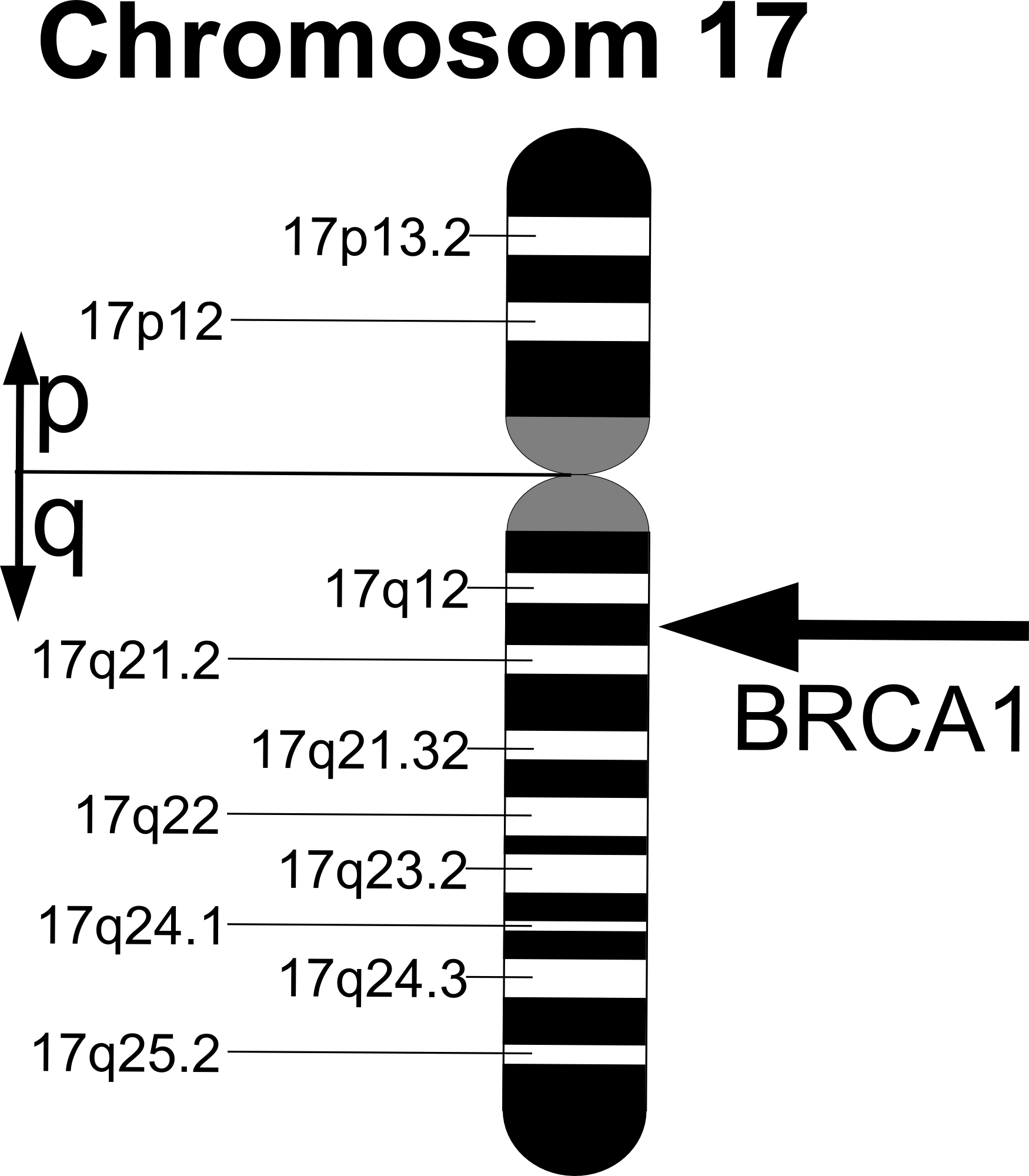
    According to recent study, breast cancer susceptibility and spreadability may both be inherited. This builds on the previous work of Mary-Claire King, who found the BRCA1 gene, which has been linked to an increased risk of breast and ovarian cancer. While around 10% of breast cancer cases are inherited, recent research indicates that genetic factors may also influence how the disease spreads, or metastasizes, which can impact treatment and prognosis.

 AI May Help Predict Real Risk For Breast Cancer | Science 2.0

Genetic testing is becoming increasingly crucial for those who have a family history of breast cancer in order to determine risk and guide prevention efforts. Early identification and targeted therapy may improve results for people who are at higher risk as our understanding advances.

Monday, November 20, 2023

Feasible or Fluke? Debate Ensues Amidst Revelation of Cancer Microbes

 Studies worldwide have been finding microbes within tumors. If true, this could potentially create a whole new way to fight against cancer. The very implication shows how important this is for those affected by such diseases. End of story, right? If only it were that simple. Inevitably, other research teams would attempt to follow the experiments themselves, yet this is where the problem occurred. Other teams weren't able to procure similar results no matter how closely they followed the other teams’ methods (even with little experimental procedures to go off of), writing off the studies as insufficient. Meanwhile, researchers who worked on these studies adamantly defended and continue to defend their work.

  So, which is it? An extraordinary discovery which may lead to beneficial medical breakthroughs or simply sullied data? It can certainly be both, or at least the latter which may lead up to the former. Although, this is something that may take some time. The research teams of the original studies need to go back and try their experiments many more times, tweaking their methodologies until they are able to reproduce their results reliably. Until then, the critics of their studies will continue to push them and that should be expected. Progress can only be made by questioning whether claims have a foundation to stand upon. As stated by Dr. Casadevall (microbiologist) from within the article, "This is a story of the scientific process at work." 

Links

https://www.nytimes.com/2023/08/25/health/cancer-microbes-debate.html

https://www.cell.com/trends/microbiology/fulltext/S0966-842X(23)00030-6

Tuesday, November 19, 2019

P53 in breast cancer and its role in chemotherapy efficacy

The TP53 gene is one of the most common genes seen in breast cancer tumor cells which codes for the P53 protein. For years scientists have known about the frequency of P53 seen in breast cancer cells, but only recently have they begun to explore the role of mutations in this protein and how they affect the overall effectiveness of chemotherapy.

The first paper I read was written in 1998 and it studied 40 tumors; 29 of which were linked to BRCA1 and 11 of which were linked to BRCA2. The scientists examined the tumors for mutations in various genes linked to breast cancer development, one of which being the TP53 gene. One of the most staggering statistics gathered from this study was the fact that P53 mutations were seen in 80% of the tumors, affecting 83% of BRCA1-linked tumors and 73% of BRCA2-linked tumors. Mutations of P53 most commonly resulted in the upregulation of the protein which was most likely the result of a change in the cell cycle checkpoints. The paper concluded that even though P53 may not be mutated in every case, different components of the P53-dependent cell cycle could have been altered which may have a direct effect on the tumors.

The second paper I read was written by French scientists in 2013, and the study was prompted because the scientists realized that even though previous findings showed an obvious central role of P53 in cancer, the status of TP53 has never been studied as a way to manage breast cancer. Mutations of the TP53 gene are the most common across all breast cancer sub-types, seen in 30% of tumors. In breast cancer patients, tumors are determined to be ER(+) or ER(-), meaning they are either receptive (+) or nonreceptive (-) to estrogen. The paper suggested that having a tumor that is ER(-) with TP53 mutations is the best case scenario for patients, because the accumulation of genetic mutations and abnormalities in these tumors lead to a better response to chemotherapy compared to ER(+) TP53 wild type tumors.

After reading these two articles, it is clear that there is much more research needed in this field for any hope of finding a way to completely eliminate these tumors. The largest challenge when treating breast cancers is the fact that there are so many types of tumors which can range in their response to chemotherapy. I believe these studies are huge leaps forward for the field of oncology, but more studies need to be conducted on P53 as well as any other genes thought to play a role in any stage of tumorigenesis. I think for now studies should focus on P53 due to its widespread activity in breast cancer because it may hold the secrets to the main pathways that allow for tumor growth. If we can find even one pathway responsible for tumor growth, we may be able to break the pathway and cure cancers that were difficult to near impossible to treat before.

Links to articles:

Molecular genetic characterization of BRCA1- and BRCA2-linked hereditary ovarian cancers:
https://cancerres.aacrjournals.org/content/canres/58/15/3193.full.pdf

p53 in breast cancer subtypes and new insights into response to chemotherapy:
https://reader.elsevier.com/reader/sd/pii/S0960977613001409?token=928B8AEBFB15502B20406BA94D56BD2D5DFDEB8F1AE42F99BBCC1C8D495CC458BC5BB9A7324D713715B1B69FE7332585

Friday, November 2, 2018

Using Genetic Abnormalities in Tumors to Kill Cancer

It is common for cancers, once they are treated by standard therapies, to return in different forms. Teresa McKeown had breast cancer that returned eleven years later in the triple-negative disease. After the detection of the cancer, a tumor had started to grow making it hard to eat while filling her abdomen with fluids. She had weeks to live, but everything changed though clinical trials at Moores Cancer Center. The test revealed genetic abnormalities inside tumors and found a large number of them in McKeown’s tumor. Doctors suggested she take Opdivo, which was used to treat melanoma, and could be used to kill cells in McKeown. After two infusions of the drug, her tumor markers dropped significantly, and within eight weeks, McKeown was back to living a cancer-free life.

How Opdivo works in the body

Although the story of Teresa is miraculous, it shows the important of sequencing the genomes of tumors. This practice, known as comprehensive tumor profiling, allows researchers to see the mutant genetics in the DNA of tumors and is slowly becoming a major part of cancer treatment. Running the profile of tumors allows doctors to determine the correct drugs that are able to fight the genetic mutations, although it might not be the intended use (using melanoma drugs to treat breast cancers).
Every individual with cancer is different, so individuals suffering from the same cancers may have tumors with completely different profiles. The FDA also approved 31 target therapies that allow individuals to be treated for their various cancer forms.

Looking at tumors is not new. For example, oncologists have checked specific mutations in tumors (BRAF in melanoma, ROS1, ALKr, EGFR in lung cancer. However, the use of the complete sequencing of tumors allows for a more detailed approach for the tumors and the treatments. Although this process is beneficial, many cancer doctors are not on board because most individuals don’t benefit from it. The reality is that the profiling of tumors is beneficial when there are not other options for treatments.

I think that the profiling of tumors can be very beneficial for cancer patients. I unfortunately lost my father from lung cancer because it seemed like none of the treatments were helping. As the article states, they check for specific mutations in lung tissue of tumors, however, it would be interesting to see if a complete profile would have impacted what drugs he would have taken. I am always so interested in cancer and cancer genetics. Thinking that there is no other solution for people is disheartening, but seeing that you are able to treat different mutations with non-traditional drugs gives hope. Although there is not complete consensus on this technique, it seems like it can be a viable test to do for individuals. Overall, I am satisfied seeing growth in cancer treatment techniques and shows that we are one step further to curing all cancers. 

Tuesday, November 21, 2017

72 New Genetic Mutations Linked to Breast Cancer


In an article written in CNN Health, 72 new genetic mutations have been linked to breast cancer, with 7 of them predisposing women to a specific type of breast cancer that does not respond to hormonal therapies such as the drug Tamoxifen. This breakthrough brings the new total count of genetic variants linked to breast cancer to nearly 180. This research, which was done in conjunction with nearly 300 institutions around the world and over 550 researchers, almost doubled the amount of identifiable genetics markers towards predicting breast cancer in women.

This new information is incredibly valuable in testing for risk factors for cancers like breast cancer, and will be used in getting women screened. Early detection and treatment is crucial in cancer treatments, and being able to tell women they are at risk for developing breast cancer is vital in making sure they receive screenings and cancers can be treated early on in their development. This is an exciting breakthrough in cancer research, I cant wait to see how it plays out in the long run at reducing cancer rates.

Tuesday, April 18, 2017

Scientists Discover New Gene that is Driving Drug Resistance

Image result for tamoxifen

In all of the medications and treatments that are used for breast cancer, no drug is more commonly used then tamoxifen. Recently, scientists have discovered a gene in humans that makes the body resistant to the drug and, in turn, is causing more problems with patients diagnosed with breast cancer. Breast cancer cells need the hormone estrogen in order to grow and multiply, tamoxifen is used to block the receptors that receive this hormone. Scientists discovered that about 50% of the patients that are being treated with the drug eventually become resistant to the treatment. After several trial and error tests, they discovered that the gene NQ01 is the 'trigger' that will determine if a cell survives tamoxifen.

In the resistant cells, tamoxifen actually stimulates the mitochondria in the cell, causing it to fight against the drug. Scientists at the University of Salford used protein profiling, genetics, and metabolism to identify which genes were causing these cells to be resistant to the drug and found that with just the NQ01, a genes drug resistance will be compromised. With this discovery, they developed a chemical inhibitor that sensitizes the tamoxifen-resistant cells. With this discovered, this chemical inhibitor could be added to the medication in order to successfully treat patients with breast cancer. However, this may be an indication that cells are able to become resistant to other cancer-treating drugs that doctors and scientists are unaware about. This shows us just how far we are from finding a cure for breast cancer and all other types of cancer as well.

Links:
http://www.medicalnewstoday.com/releases/316772.php
https://medicalxpress.com/news/2017-04-gene-drug-resistance.html

Saturday, April 15, 2017

Why Most Women Shouldn't Undergo BRCA Testing for Breast Cancer Risk


It is not necessary for all women to be tested for the BRCA gene to determine breast cancer risk. In the article "Why Most Women Shouldn't Undergo BRCA Testing for Breast Cancer Risk" Michael Schroeder talks about why BRCA testing is recommended and why it is not necessary for most women. The BRCA gene is a mutation that was found in women with breast cancer and is passed down creating a higher risk of breast cancer in future generations. According to Dr. Jennifer Litton, an associate professor of breast medical technology, only about 5 to 10 percent of women with breast cancer have a mutated BRCA gene. However, physicians still recommend getting tested if there is family history of having breast cancer. This is a preventative screening if there is a higher risk of the cancer. All women do not need to get the test done if they do not have family history of the mutation or breast cancer. This is interesting because people tend to think if they have the mutation they will definitely get breast cancer or if they have breast cancer they have the gene. This is not necessarily true, the BRCA test is a preventative screening not a definite yes or no of having breast cancer.

http://health.usnews.com/wellness/articles/2017-01-05/why-most-women-shouldnt-undergo-brca-testing-for-breast-cancer-risk

https://ghr.nlm.nih.gov/gene/BRCA1

Wednesday, December 7, 2016

Rethinking Usage of Antibodies Against Cancer

After years of trying to use antibodies as the next big thing in cancer research, a new generation is going through drug trials. These new antibodies are called antibody-drug conjugates. These ADCs are different than past antibodies in that once they dock onto the cell, the cell cleaves the molecular links that bind the drug to the antibody, this frees the drug to kill the cell from within. Problems with these ADCs include not being able to penetrate deeply enough into the cell and being too unstable to release drugs into the cells and releasing them near healthy cells. Two drugs using ABCs have been approved to treat breast cancer and more than 40 others are now in clinical testing.


Other companies like Tarveda Therapeautics, a biotechnology company in Massachusetts, have bypassed the idea of antibodies and are now using short strands of amino acids to target cancer cells. This drug is much smaller than those using antibodies and likely to penetrate much deeper than antibody using drugs, solving one issue of ADCs.

Friday, September 23, 2016

Gene Testing that lets Breast Cancer Patients Skip Chemo

      A new study performed by doctors in Europe have shown that not all breast cancer patients have to go through chemo therapy. The study shows that about half of woman with early stage breast cancer who would receive chemotherapy, actually don't need it and would have little to no risk of the cancer coming back.

      The study uses a genetic test called MammaPrint to look at 70 different genes involved in breast cancer growth. If 50 genes were active and 20 genes were inactive, the patient was considered high risk for cancer spread. If the patient had 20 active genes and 50 inactive genes, the patient was considered low risk for cancer spread.

     This test will be good for patients who fall into an area of uncertainty, mostly for patients who show high clinical risk but low genomic risk. The study included women with the most common type of breast cancer in its early stages that tested negative for a receptor called her2. The studied involved 6,693 women at 112 hospitals in 9 European countries. All patients had the usual initial treatments of surgery, hormonal therapy, and radiation. Then genomic testing was performed to see if the patient had a high or low risk for recurrence. Clinical features were also looked at such as tumor size and number of positive lymph nodes.

     Patients who had a high clinical risk but low genomic risk were of most interest in the study. 1,550 patients in this study fell into that category. These were assigned at random to be treated based on their clinical risk or genomic risk. Some patients received chemotherapy and others did not. The patients were then watched for the spread of cancer.

     After 5 years 94.4% of women who did not receive chemotherapy did not have distance spread of cancer and 95.9% of women who received chemotherapy had no distant spread. Based on this study, researchers conclude that it is safe for women with high clinical risk and low genomic risk to skip chemotherapy. An editorial the went along with this study noted that the study was not large enough and that more research needed to be done to say it is actually safe for women to skip chemotherapy.

     I found this article really interesting because it was talking about this use of genetics in the help of treating cancer. Women could now have the option to skip chemotherapy all together without enduring the harmful side effects of chemotherapy such as weight loss, hair loss, nausea/vomiting, infection, and other effects. This is a huge step in the treatment of breast cancer and in the future hopefully in the treatments of other types of cancer.

For more information on genetic testing in breast cancer please visit:


Thursday, May 5, 2016

A Closer View of Breast Cancer

Recently new research has been done on the sequencing of the breast cancer genome. This research is said to have given scientists the clearest picture to date of breast cancer and what factors influence tumor development. Research was done by an international team led by the Wellcome Trust Sanger Institute in the UK. 560 breast cancer genomes were analyzed in this study, 556 from women and 4 from men, and patients were sourced from countries around the world. While analyzing the genomes researchers were looking for patterns in DNA mutations, these mutations could be due to environmental factors, or simply just the aging process. 13 mutational signatures were found in common in all genomes. These 13 factors influence tumor development which give rise to 93 protein coding cancer genes that act as instructions to turn normal tissue its cancerous tissue. Knowing that these genes exist is a crucial step in cancer treatments. Pharmaceutical companies and biotech companies can use this information to begin to developing drugs tailored to affect these 93 proteins coding genes.
During research scientists also found that women who presented with BRCA1 or BRCA2 genes had highly distinctive genomes. Scientists believe the uniqueness of these genomes can help develop newer methods for patient treatment classification, depending on the patients presented risk.
This new information can open more doors for researchers working to battle against cancer. All of the identified cancer causing factors can be targeted by treatments or drugs to halt the progression of tumor growth. The genome information can also allow for a more personal care to cancer, treatments can be targeted to the mutation one individual possess. Making cancer treatments much more effective in the long run.
This research is a great step for battling an awful condition. Personalized cancer treatment, I think, can be greatly beneficial if specific cancer genes an individual possess can be targeted. Hopefully with new information such as this we will begin to see a drastic drop in fatalities due to breast cancer, and maybe other cancers as well.

Monday, May 2, 2016

Milestone for Breast Cancer

A Recent study published in Nature is said to be a milestone for breast cancer research. Cancer research UK found an important stepping stone to new drugs for treating cancer. Three billion letters of people’s genetic code were taken apart to look at, of which 560 were of breast cancer. Out of the 20,000 genes (approximately) in the human genome, if 93 of those could convert healthy breast tissue into the cancerous tissue if mutation takes place. The team of researchers identified 12 types of damages in the DNA that cause mutation in the breast tissue. Some are related to genetic factors but most are still unknown. The new findings have been released to pharmaceutical and biotech companies to develop new drugs.


I think this is a really important discovery because many suffer from cancer that are ‘unknown’ of their origin. As taught in genetics, not all cancers are hereditary so therefore people who have cancer have no way of tracing it. This study is nice because it is bringing us closer to knowing the genetic changes made in the DNA and we can understand things better.  

Tuesday, April 19, 2016

Genetic connection between breast cancer & children

http://medicalxpress.com/news/2016-04-genetics-breast-cancer-chest-radiotherapy.html

In a study scientist have found a connection between two gene variants that can cause breast cancer in a female if they have gone through a course of radiotherapy as a treatment for their cancer in childhood. After study they have found both chromosome and the position on those chromosomes. Chromosome 1 position q41; and chromosome 11 position q23. They have distinguished that these are the risk alleles because referring to the survivors of childhood cancer that did not receive radiotherapy; their alleles seem to not have an effect. Only times those alleles were affected is when radiotherapy was received as a child. More research has to be done to find other risk, but with the research better and safer methods to treat cancer may come out of it.

Wednesday, April 13, 2016

Gene expressions can lead to better treatments

             A study was conducted in the Netherlands about breast cancer and specifically the function of GATA3 in response to tamoxifen. The patients studied showed different responses to the drug, and the researchers attributed these responses with mutations found within GATA3. While mutations themselves were not the reason for indicating the expected or desired response to tamoxifen, their expression of the gene indicated whether or not the patient would have a longer progression-free survival period. Compared to the wild-type or common type those with cells that expressed GATA3 in higher amounts typically higher survival rates than those who expressed lower amounts of it. For the first few months on the other hand those with GATA3 polymorphous genes had better chances of survival up to 10 months and then quickly became worse at surviving against the wild-type from 15 to 30 months and then equaling out at about 35 months. The presence of a mutation in DNA isn't always a precursor of cancer. But when cells begin to multiply out of control it causes problems within the body.


               Cancer is a serious illness in any part of the body. Situations like these are what families often worry about. Often when a cancer is detected it has been present in the body and growing for some time. Gene markers that respond such as GATA3 tend to help doctors and pharmaceutical companies alike because they can indicate if a treatment is working and give the patient more time for possible recovery. Ovarian cancer is another serious cancer that happens to be rising in awareness. In a related article ovarian cancer has similar markers that can be seen be 'turned on' in CCL5 markers. As research improves over time detecting cancers may be easier, and their treatments much more accurate and likely designed to fit the needs of the individual.

Wednesday, March 30, 2016

When Gene Tests for Breast Cancer Reveal Grim Data but No Guidance


Image result for breast cancer
This article discusses a real life situation about Angie Watts, 44. A genetic test showed she had inherited an alteration in a gene needed to repair DNA. Radiation breaks DNA, so the treatment might actually spur the growth of her cancer. He urged her not to take the risk and to have a double mastectomy instead. Shaken, Ms. Watts called Dr. James P. Evans, a professor of genetics and medicine at North Carolina. He told her the opposite: The mutation she had was not known to be harmful, so he urged her to go ahead with the radiation.

A group of doctors met but could not reach a consensus, so, Ms. Watts said, “they left it up to me to decide.” Ms. Watts’s experience highlights an unsettling side to the growing use of genetics in medicine, particularly breast cancer care. Doctors have long been tantalized by a future in which powerful methods of genetic testing would allow treatments to be tailored to a patient’s genetic makeup. Today, in breast cancer treatment, testing of tumors and healthy cells to look for mutations has become standard.The ambiguities and disappointments play out in two areas: There is genetic testing of patients to see if they inherited mutations that predisposed them to cancer, and there is genetic testing of cells from the cancer to look for mutations that drive the tumor’s growth.  However if found it often cannot be targeted by any drug on the market.

This article is very interesting to me because the ability to understand and interpret genetic tests needs to surely improve. It is scary to know to know that a simple test can leave patients with frightening information but no clear options or guidance for treatment decisions. Breast Cancer affects so many women AND men and a cure for it needs to be found soon.

Friday, March 11, 2016

Genetic Testing will be Publicly Avaiable

A genetic testing company, AmbryGenetics, is making genetic information from the people it has tested publicly available, which will have an enormous amount of data available to researchers looking for genes linked to various diseases. The public available test are made of 10,000 of their current customers into a database called AmbryShare. Image result for ambry genetics with gene of caNCER


AmbryShare will not contain the actual exome, it is the part of the genome formed by exons, the sequences which when transcribed remain within the mature RNA after introns are removed by RNA splicing, of each person. though it will include aggregated information on the genetic variants. Having information from numerous citizens is considered vital to identifying the genetic fundamentals that give to illnesses.
The people tested all have or currently had breast or ovarian cancer and were tested to see if they have genetic differences that amplify the risk of those diseases. they then sequenced their exomes, which they found to have the roughly 1.5 percent of a person’s genome that holds the contents for the proteins formed by the body.
The best part of the data being publicly available will be, for instance, a researcher could see how often a certain mutation occurs among the tested people available. Ones which occur regularly in the 10,000 people, but not within healthy people, could elevate the risk of developing those certain cancers.
I believe this will be beneficially to not only researcher but to all people. Being able to see others genes may be able to lead people in the direction of finding out their own. This study will bring on many new technologies and findings of diseases to come.

Monday, November 30, 2015

DNA repair protein BRCA1 implicated in cognitive function and dementia

DNA repair protein BRCA1 implicated in cognitive function and dementia


Researchers at Gladstone Institutes have found compelling new evidence of the BRCA1's involvement with cognitive function and dementia. BRCA1's known function is in DNA repair, which is why it is a key player in breast and ovarian cancer risks because a mutation would equate to flawed functioning of the gene. Researchers were shocked to find BRCA1's role in the neurons where cells do not divide. The gene typically mends double strand breaks in damaged cells so it can have this function in the brain when neurons become damaged just from intense brain activity. The cycle of damage and repair supposedly strengthens neural connections and memory. BRCA1's function in neurons was studied in mice which had lower levels of BRCA1. The mice were found to have DNA damage, memory/learning deficits and neuronal shrinkage. These symptoms are very similar Alzheimer's, so researchers also studied the BRCA1 levels in post-mortem brains of Alzheimer's patients. Not only were the BRCA1 levels reduced 60-75% from normal levels, but it was also found that amyloid-beta proteins (accumulate in Alzheimer's patients' brains) depletes BRCA1. Now, researchers are looking at whether or not an increase in BRCA1 levels can alleviate neurodegeneration and other cognitive issues in mice. 

I find this critical research in the field of genetics and neurology because it can lead us to finding answers on alleviating the symptoms of Alzheimer's, which typically causes a lot of emotional stress from a patient's loved ones. It has been unfortunate that scientists cannot stop the progression of the disease, but now it is possible for progress in this field to be made. 

Wednesday, November 11, 2015

Living With a BRCA1 Mutation: One Mom's Story

Katrina Wells and her family, is currently pregnant ---and is BRCA-1 positive

       Ovarian and breast cancer is a genetic mutation that runs heavily in Katrina Wells' side of the family. Cancer has taken the lives of her grandmothers, aunts, sisters, and now it has intruded into Katrina's body. When Katrina found out she was pregnant with her second child, she found out she was a carrier for Canavans disease. Luckily, Canavan's disease is a recessive gene and her husband did not carry the disease in his genes, so their kids were not at risk. When she went through all the testing for Canavans disease, her need for BRCA testing became even more evident.

Katrina Wells and her daughters
   She took matters into her own hands and realized that waiting until she was in her 70s would only increase the chances of her getting ovarian and breast cancer. She enrolled herself in a research institute and used different approaches to test for the disease. She knew that her grandmothers and aunts did not have as many resources, so she wanted to do whatever she can to spare the lives of her daughters.
The main point she wants to share with others is that if a disease runs in your family, then pursue genetic testings before the     disease can get to you. Also take advantage of the resources we have today. She mentions in the article that its better to know the odds, instead of living in the dark.

"I think a lot of people are just afraid to know that they have a chance of getting a disease. All the clues could be sitting right in front of their face, but seeing it on actual paper, is nerve-wrecking. If a disease runs in your family, I think it is best to get early screenings. You can increase your chances of living longer, by starting now then later."

Click here for the article!

Sunday, November 1, 2015

The Roots of BRCA1 Mutations for Ashkenazi Jews

The BRCA1 gene is associated with breast cancer. Recently it has been found it has been found that this gene mutation is found at a higher rate in Ashkenazi Jewish women than in other Jewish women in present day. This is because this specific gene mutation appeared in Central and Eastern European Jews, around the time when 350 of the ancestors of modern day Ashkenazi Jews were alive. Another reason is because of the longstanding tradition of them marrying within the group which allows for no genetic variation and the continuation of the BRCA1 reoccurrence within the families.
In a study done in 2012 of modern carriers' DNA, concluded that the mutation was present in other European populations for hundreds of years and entered the Ashkenazi gene pool in Poland 400 to 500 years ago. In the late medieval period, according to a study done in 2014, researchers claimed that the reason the gene came into the pool was because of the 350 people and the rapid expansion of the Jewish population.
BRCA1 mutation are not the only problem with the Ashkenazi Jews. The harmful mutations in the BRCA2 gene are more commonly found in the population of Ashkenazi Jew in the United States as well as other groups around the would. The mutation in these genes are associated with breast cancer and ovarian cancer.
This study is extremely important because the public, especially these specific group, can have knowledge of their possible risk factors and how they could possibly be prevented or treated earlier.
Original Article

Saturday, October 3, 2015

Can We Extend Reproductive Life?

    Genetic variation affects at what age a woman enters puberty and menopause. The variability of the genes is half of the reason women experience these changes and the other half is due to environmental factors such as smoking. A new study is being conducted at the University of Exeter Medical School in Exeter, England. The team hopes that studying genes that link the age of women to menopause could one day help them closely predict the age a woman will enter menopause. Nowadays menopause is occurring when women are around 50, and if a woman smokes she will be closer to 40 when she enters menopause. With predicting the age of menopause, geneticists could also be able to tell when women become infertile. Infertility increases about 10 years before menopause occurs.
     So far the study has shown over 50 genetic variations that could link the age of a woman and the age when menopause occurs. A good amount of those genetic variations are used for repairing DNA. This could explain why geneticists believe that eggs are lost prior to menopause due to damage in DNA within the egg. By now knowing a little bit more of why and when menopause occurs, the team hopes to be able to delay menopause in order to extend reproductive life. Increasing the fertility of women by delaying menopause would give women over the age of 50 a chance to have children. They also hope this study can give insight on why women who go through menopause late have a higher risk of breast cancer. 
      I think it is great that this study could extend reproductive life. Some women are unable to find a man or do not settle down until later in life due to bad luck, career ambition, or simply because they did not want to. This study could give women a chance later on in life to have children. Some women feel that they have finally found a man that they see a future with and wish that they could have children, with the help of this research it may give couples another chance! Although I think this research is great and groundbreaking I could not imagine being 50 or older and bearing a child. I would imagine at least 50 to be hoping for grandchildren instead of children. 
     I am excited to see what this study will find about the linkage between late menopause and increased risk of breast cancer. Hopefully they will be able to speed up menopause, much like delaying it, to decrease the risk of breast cancer. 
For the full article, visit here!
Here is an article about women over 50 giving birth!