The TP53 gene is one of the most common genes seen in breast cancer tumor cells which codes for the P53 protein. For years scientists have known about the frequency of P53 seen in breast cancer cells, but only recently have they begun to explore the role of mutations in this protein and how they affect the overall effectiveness of chemotherapy.
The first paper I read was written in 1998 and it studied 40 tumors; 29 of which were linked to BRCA1 and 11 of which were linked to BRCA2. The scientists examined the tumors for mutations in various genes linked to breast cancer development, one of which being the TP53 gene. One of the most staggering statistics gathered from this study was the fact that P53 mutations were seen in 80% of the tumors, affecting 83% of BRCA1-linked tumors and 73% of BRCA2-linked tumors. Mutations of P53 most commonly resulted in the upregulation of the protein which was most likely the result of a change in the cell cycle checkpoints. The paper concluded that even though P53 may not be mutated in every case, different components of the P53-dependent cell cycle could have been altered which may have a direct effect on the tumors.
The second paper I read was written by French scientists in 2013, and the study was prompted because the scientists realized that even though previous findings showed an obvious central role of P53 in cancer, the status of TP53 has never been studied as a way to manage breast cancer. Mutations of the TP53 gene are the most common across all breast cancer sub-types, seen in 30% of tumors. In breast cancer patients, tumors are determined to be ER(+) or ER(-), meaning they are either receptive (+) or nonreceptive (-) to estrogen. The paper suggested that having a tumor that is ER(-) with TP53 mutations is the best case scenario for patients, because the accumulation of genetic mutations and abnormalities in these tumors lead to a better response to chemotherapy compared to ER(+) TP53 wild type tumors.
After reading these two articles, it is clear that there is much more research needed in this field for any hope of finding a way to completely eliminate these tumors. The largest challenge when treating breast cancers is the fact that there are so many types of tumors which can range in their response to chemotherapy. I believe these studies are huge leaps forward for the field of oncology, but more studies need to be conducted on P53 as well as any other genes thought to play a role in any stage of tumorigenesis. I think for now studies should focus on P53 due to its widespread activity in breast cancer because it may hold the secrets to the main pathways that allow for tumor growth. If we can find even one pathway responsible for tumor growth, we may be able to break the pathway and cure cancers that were difficult to near impossible to treat before.
Links to articles:
Molecular genetic characterization of BRCA1- and BRCA2-linked hereditary ovarian cancers:
https://cancerres.aacrjournals.org/content/canres/58/15/3193.full.pdf
p53 in breast cancer subtypes and new insights into response to chemotherapy:
https://reader.elsevier.com/reader/sd/pii/S0960977613001409?token=928B8AEBFB15502B20406BA94D56BD2D5DFDEB8F1AE42F99BBCC1C8D495CC458BC5BB9A7324D713715B1B69FE7332585
Showing posts with label BRCA1. Show all posts
Showing posts with label BRCA1. Show all posts
Tuesday, November 19, 2019

Monday, April 9, 2018
The Parent has a Gene for Cancer - Should the Child Get Preventative Surgery?
The Wall Street Journal wrote a story about cases where a parent has a cancer gene and the child must decide whether or not to get preventative surgery. One case follows Dennis Reilly who lost both of his brothers to stomach cancer and made the decision to have his stomach removed after testing positive for the cancer gene at 68 years old. With his positive diagnosis in the mutation of the CDH1 gene, his daughter also tested positive for the mutation and decided to have her stomach removed as well with preventative surgery. With the rise of genetic testing, more families are able to be tested for common gene mutations likely to cause cancer and make decisions about how to deal with their diagnosis.
CDH1 gene testing is becoming more common with the rise of gene testing for abnormalities in the BRCA1 genes testing for breast cancer. People with mutations in the CDH1 gene has a 55-70% risk of developing Hereditary Diffuse Gastric Cancer (HDGC) which is the deadly and aggressive form of cancer the Reilly family had inherited which is difficult to diagnose until it has already spread, and women also have a 42% lifetime risk of developing breast cancer.
Another case was with 63 year old Kathy Hayes who was diagnosed with breast cancer. Years earlier, her daughter died of stage 4 breast cancer but the connection with the mutation in the HDGC gene were connected until she received her diagnosis. Many of her family members were also tested for the mutations and the results came back positive for many, leading some to have preventative surgery.
I find this article interesting because a diagnosis in one family member with a mutation can save the lives of mamy other family members who may have also inherited the cancer gene. In the case with Mrs. Hayes, it was two late for her daughter, but the connection made from her death and Mrs. Hayes diagnosis helped discover the hereditary gene mutation that lead many members of her family to get tested and get preventative surgery. I have great hopes for the growth of genetic sequencing and the access people have to be able to get tested for many different mutations that could possibly save lives.
Original Article: The Parent Has a Cancer Gene—Should the Child Get Surgery?
Related Information: Hereditary Diffuse Gastric Cancer
 |
| Dennis Reilly and his daughter Cailyn Reilly Knapp |
CDH1 gene testing is becoming more common with the rise of gene testing for abnormalities in the BRCA1 genes testing for breast cancer. People with mutations in the CDH1 gene has a 55-70% risk of developing Hereditary Diffuse Gastric Cancer (HDGC) which is the deadly and aggressive form of cancer the Reilly family had inherited which is difficult to diagnose until it has already spread, and women also have a 42% lifetime risk of developing breast cancer.
Another case was with 63 year old Kathy Hayes who was diagnosed with breast cancer. Years earlier, her daughter died of stage 4 breast cancer but the connection with the mutation in the HDGC gene were connected until she received her diagnosis. Many of her family members were also tested for the mutations and the results came back positive for many, leading some to have preventative surgery.
I find this article interesting because a diagnosis in one family member with a mutation can save the lives of mamy other family members who may have also inherited the cancer gene. In the case with Mrs. Hayes, it was two late for her daughter, but the connection made from her death and Mrs. Hayes diagnosis helped discover the hereditary gene mutation that lead many members of her family to get tested and get preventative surgery. I have great hopes for the growth of genetic sequencing and the access people have to be able to get tested for many different mutations that could possibly save lives.
Original Article: The Parent Has a Cancer Gene—Should the Child Get Surgery?
Related Information: Hereditary Diffuse Gastric Cancer
Wednesday, March 28, 2018
The True Origin of Ovarian Cancer
New evidence is suggesting that ovarian cancer does not originate in the ovaries, but rather the Fallopian tubes. Douglas Levine, the Director of Gynecologic Oncology at Perlmutter Cancer Center at NYU Langone Health in New York City along with colleagues took cells from the Fallopian tubes, ovaries, and lining of the inside of the abdomen of healthy women and compared the cells to the precursor lesions and tumors of 96 women with high-grade serous cases of ovarian cancer to
see which healthy cells the cancerous cells were genetically more similar to. They found that in almost every case, the cancerous cells were genetically similar to the cells from the Fallopian tube, suggesting that ovarian cancer is actually Fallopian tube cancer.
 About 15-20% of Ovarian cancer is inherited and women that test positive for a mutation in the BRCA1 and BRCA2 gene have increased risk of developing ovarian cancer. And because there is no way to screen for ovarian cancer, it is recommended for women to receive preventative surgery between the ages of 35 and 40, by removing the Fallopian tubes. However this removal causes premature menopause, and for many, a decrease in their quality of life.
A second study by Victor Velculescu, Professor of Oncology and Co-director of Cancer Biology at Johns Hopkins University School of Medicine, and colleagues examined small lesions in the Fallopian tubes, Fallopian tube tumors, ovarian cancers, and metastases of women with high-grade serous ovarian cancer and sequenced the genomes of the tumors to identify which order the lesions appeared and found that there was a gab of seven years between the development of the lesions and ovarian cancer, and then quickly spread after a year. Using this information, doctors could possibly find these lesions early and stop them before they spread.
I think it is interesting that a common, but dangerous cancer may have been incorrectly named and had been for many years by believing it originates in the ovaries rather than being able to notice early enough to see that it is spread to the ovaries from the Fallopian tubes. By paying more attention to any lesions developing, it could be possible to prevent the cancer from spreading if found early enough and with preventative surgery, the possibility of only needing to remove the Fallopian tubes without the ovaries. I am interested to see how this information can be used with other types of ovarian cancer.
Article: Ovarian Cancer Doesn’t Begin in the Ovaries, Researchers Say
Related Study: The Origin and Pathogenesis of Epithelial Ovarian Cancer- a Proposed Unifying Theory
see which healthy cells the cancerous cells were genetically more similar to. They found that in almost every case, the cancerous cells were genetically similar to the cells from the Fallopian tube, suggesting that ovarian cancer is actually Fallopian tube cancer.

A second study by Victor Velculescu, Professor of Oncology and Co-director of Cancer Biology at Johns Hopkins University School of Medicine, and colleagues examined small lesions in the Fallopian tubes, Fallopian tube tumors, ovarian cancers, and metastases of women with high-grade serous ovarian cancer and sequenced the genomes of the tumors to identify which order the lesions appeared and found that there was a gab of seven years between the development of the lesions and ovarian cancer, and then quickly spread after a year. Using this information, doctors could possibly find these lesions early and stop them before they spread.
I think it is interesting that a common, but dangerous cancer may have been incorrectly named and had been for many years by believing it originates in the ovaries rather than being able to notice early enough to see that it is spread to the ovaries from the Fallopian tubes. By paying more attention to any lesions developing, it could be possible to prevent the cancer from spreading if found early enough and with preventative surgery, the possibility of only needing to remove the Fallopian tubes without the ovaries. I am interested to see how this information can be used with other types of ovarian cancer.
Article: Ovarian Cancer Doesn’t Begin in the Ovaries, Researchers Say
Related Study: The Origin and Pathogenesis of Epithelial Ovarian Cancer- a Proposed Unifying Theory
Monday, March 19, 2018
First Home Testing Kit for Breast Cancer Mutations

The FDA has granted a genetic testing company the rights to distribute an at-home saliva test in order to determine one’s risk for three breast cancer gene mutations. 23andMe now offers these screenings as part of their Health and Ancestry product listed at $199. These saliva samples also provide individuals with ancestral history on their country of origin, as well as the genetic health risks that are involved in said areas. The test takes approximately two weeks to be analyzed and have a return of the results. Women are at an extremely higher risk of developing breast and ovarian cancer if they test positive for one of the BRCA1 and BRCA2 gene mutations. Men are also at a higher risk if they possess one of these genes, however it is much more uncommon for men to develop breast cancer (however not impossible). These mutations however, may lead to a higher risk of prostate cancer in men. Clients need to be aware; because if the at-home test states that you are negative for the gene mutations, it does NOT mean that you can’t get breast/ovarian cancer, since there are over 1,000 mutations associated with the BRCA gene. The Ashkenazi Jews (a derivative of Judaism of central Europe) are more likely to test positive for all three gene mutations than any other ethnical group. Donald St. Pierre of the FDA states that, “The test provides information to certain individuals who may be at increased breast, ovarian or prostate cancer risk and who might not otherwise get genetic screening, and is a step forward in the availability of direct-to-consumer genetic tests…this test should not be used as a substitute for seeing your doctor for cancer screenings or counseling on genetic and lifestyle factors that increase or decrease cancer risk”.
23andMe had originally reported these gene mutations back in 2010 without being approved by the FDA, however the FDA has issued them a warning in 2013. This caused the company to stop providing all health data until the FDA had reproducible results, and was proven statistically significant. A warning label is also not made mandatory on all test kits, stating that negative results do not rule out other genetic mutations associated with cancer risks, tests should not be used to determine medical treatment, tests should not be a substitute for a doctor’s visit, and that positive test results must be reviewed with their doctor in order to determine proper medical treatment. Ann Wojcicki the CEO of 23andMe, said that this product was made available due to high public demand.
This article was interesting to say the least. It is nice for people with a background history of breast cancer to may find a a little piece of mind if they are positive or negative for these gene mutations, however I do not know about the quality of these tests. $199 seems a little to good to be true to me, and since it is a newer product, I am not sure if I would trust the results or not. I would personally stick to testing done through a licensed physician, or through a specialist with a more reputable product.
23andMe had originally reported these gene mutations back in 2010 without being approved by the FDA, however the FDA has issued them a warning in 2013. This caused the company to stop providing all health data until the FDA had reproducible results, and was proven statistically significant. A warning label is also not made mandatory on all test kits, stating that negative results do not rule out other genetic mutations associated with cancer risks, tests should not be used to determine medical treatment, tests should not be a substitute for a doctor’s visit, and that positive test results must be reviewed with their doctor in order to determine proper medical treatment. Ann Wojcicki the CEO of 23andMe, said that this product was made available due to high public demand.
This article was interesting to say the least. It is nice for people with a background history of breast cancer to may find a a little piece of mind if they are positive or negative for these gene mutations, however I do not know about the quality of these tests. $199 seems a little to good to be true to me, and since it is a newer product, I am not sure if I would trust the results or not. I would personally stick to testing done through a licensed physician, or through a specialist with a more reputable product.
Thursday, April 27, 2017
Are Ashkenazi Jews at a Greater Risk for Breast Cancer?
http://health.usnews.com/health-care/patient-advice/articles/2017-04-25/what-makes-ashkenazi-jews-more-susceptible-to-breast-cancer
http://www.nejm.org/doi/full/10.1056/nejm199705153362001#t=article
Monday, November 14, 2016
Genetic Testing After Breast Cancer Diagnosis

People thought that cancer before was just one single disease, but now we are starting to understand the unique qualities of an individual's cancer compared to someone else's. It goes beyond the type of cancer as well because on breast cancer for example could be different than another breast cancer. With individualized treatment plans there also come a lot of different tests one can take to be screened or checked.

Picture of the Breast Cancer Symbol
"With the ever growing number of tests available, which tests really matter? For women diagnosed with breast cancer, two types of genetic tests that can be especially important are genetic testing of the person for BRCA 1/2 mutations and genomic testing of the cancer, such as the Oncotype DX test."To find out if you need chemotherapy, people use the Oncotype DX test. Before, it was thought chemotherapy treats cancer, but not all chemo treatments are successful at treating certain cancers. This test gives measurements based on the recurrence of cancer. Another type of test that matters is the BRCA 1/2 gene test. This is more of a preventative measure and to try to see if you are at high risk or not in developing cancer. An abnormality in this gene could help doctors develop a special plan for a breast cancer patient, or be able to tell low risk patients that there isn't much to worry about now.
"Everyone has BRCA1 and BRCA2 genes. The function of the BRCA genes is to repair cell damage and keep breast, ovarian, and other cells growing normally. But when these genes contain abnormalities or mutations that are passed from generation to generation, the genes don't function normally and breast, ovarian, and other cancer risk increases. Abnormal BRCA1 and BRCA2 genes may account for up to 10% of all breast cancers, or 1 out of every 10 cases."I think that it is wonderful that our genetic testing has become more accurate in the past years. We are able to adjust our treatment plans from the past in order to help save more lives and we are able to educate the populous about cancer and how the solution isn't as easy as some make it to be. It is hard to help someone with cancer because it is so individual and specific to them, two different things might have caused even two cancers in the same person. Either way, it's great that genetics is impacting cancer research and most likely impacting parenthood in knowing how their children may be affected if they inherit the gene.
Thursday, May 5, 2016
A Closer View of Breast Cancer

During research scientists also found that women who presented with BRCA1 or BRCA2 genes had highly distinctive genomes. Scientists believe the uniqueness of these genomes can help develop newer methods for patient treatment classification, depending on the patients presented risk.
This new information can open more doors for researchers working to battle against cancer. All of the identified cancer causing factors can be targeted by treatments or drugs to halt the progression of tumor growth. The genome information can also allow for a more personal care to cancer, treatments can be targeted to the mutation one individual possess. Making cancer treatments much more effective in the long run.
This research is a great step for battling an awful condition. Personalized cancer treatment, I think, can be greatly beneficial if specific cancer genes an individual possess can be targeted. Hopefully with new information such as this we will begin to see a drastic drop in fatalities due to breast cancer, and maybe other cancers as well.
Friday, April 1, 2016
Genetic testing for Ovarian Cancer

There is a clinical trial to test how women with a mutation in DNA repair gene might react to combination drug therapy. The study did not show how patients responded but did affect patient outcomes. The researchers sequenced DNA from blood or tumors from 1,200 women using a gene panel test called BROCA-HR. The results were: 26 percent of women had a mutation in DNA repair gene. Women without mutation were just over a year for progression-free survival, overall survival was about 3.5 year.
Having the mutation in BRCA1 gene resulted in 15.7 months of progression-free survival and overall survival was 55.3 months. Women who had a mutation in the BRCA2, survival period was 22 months progression-free and overall more than 75 months.
Women can be tested for these genes and are encouraged to find out. The treatment guidelines may not be altered due to the finding but knowing the benefits of having one of these mutations may provide optimism for those who are affected.
I would definitely like to be tested for these genes. Being a woman is enough to motivate me to get tested. This type of research can take us a long way into creating drugs that can promote mutations for those women who are at risk of developing ovarian cancer.
Sunday, December 6, 2015
BRCA1 Gene May be Involved in Alzheimer's Disease

The gene BRCA1 is known to have a mutation that causes breast cancer and ovarian cancer. A new study done at the University of California shows that this gene may play a role in Alzheimer’s disease. The BRCA1 gene is a tumor suppressor that plays a role in DNA repair. Broken strands that do not get repaired normally results in the lysis of the cell, or cell death. It is believed that Alzheimer’s disease starts from cells with unrepaired DNA dying, which is why the researchers believe BRCA1 could be the culprit.
It was found in the study that in the brains of patients that died of Alzheimer’s, there were lowered levels of the BRCA1 protein. When tested with a model organism, healthy mice had their BRCA1 genes removed, which resulted in a large increase of breaks in the DNA. Also, the healthy mice who had their BRCA1 levels reduced, had difficulty learning and remembering.
This is a huge development. Up until this point, it was not understood how people began suffering from Alzheimer’s, let alone a way to help those suffering. If dementia is being caused from a lack of BRCA1 protein in the brain, it is quite possible pharmaceutical companies could start producing a medication that could help those affected. It seems like further research is needed, however, this is a great step forward.
Monday, November 30, 2015
DNA repair protein BRCA1 implicated in cognitive function and dementia
DNA repair protein BRCA1 implicated in cognitive function and dementia

Researchers at Gladstone Institutes have found compelling new evidence of the BRCA1's involvement with cognitive function and dementia. BRCA1's known function is in DNA repair, which is why it is a key player in breast and ovarian cancer risks because a mutation would equate to flawed functioning of the gene. Researchers were shocked to find BRCA1's role in the neurons where cells do not divide. The gene typically mends double strand breaks in damaged cells so it can have this function in the brain when neurons become damaged just from intense brain activity. The cycle of damage and repair supposedly strengthens neural connections and memory. BRCA1's function in neurons was studied in mice which had lower levels of BRCA1. The mice were found to have DNA damage, memory/learning deficits and neuronal shrinkage. These symptoms are very similar Alzheimer's, so researchers also studied the BRCA1 levels in post-mortem brains of Alzheimer's patients. Not only were the BRCA1 levels reduced 60-75% from normal levels, but it was also found that amyloid-beta proteins (accumulate in Alzheimer's patients' brains) depletes BRCA1. Now, researchers are looking at whether or not an increase in BRCA1 levels can alleviate neurodegeneration and other cognitive issues in mice.
I find this critical research in the field of genetics and neurology because it can lead us to finding answers on alleviating the symptoms of Alzheimer's, which typically causes a lot of emotional stress from a patient's loved ones. It has been unfortunate that scientists cannot stop the progression of the disease, but now it is possible for progress in this field to be made.
Thursday, April 2, 2015
Experts Back Actress in Choices for Cancer Prevention

Angelina Jolie Pitt, an actress and filmmaker, made the decision to undergo a surgical procedure called laparoscopic bilateral salpingo-oophorectomy, which removes the ovaries and fallopian tubes. Jolie carried the genetic mutation, BRCA1, which dramatically increases the risk of ovarian cancer. Ovarian cancer is typically detectable during its final and untreatable stages. 40 is the recommended age to have oophorectomy surgery for those with BRCA1 and BRCA2 mutations. It is better to remove them early since there is no accurate method to test for ovarian cancer when affect. When detectable, it is too late, and the affected patient dies. The cancer scare pushed Jolie to be proactive about her decision since her mother, aunt, and grandmother died of cancer. Previously, Jolie removed both her breasts because BRCA1 also increases breast cancer risk. Generally, doctors recommend that breast surgery take place after oophorectomy surgery since breast cancer is detectable and treatable at early stages. The negative side effects to oophorectomy surgery are early menopause and inability to conceive. Therefore, oophorectomy surgery is ideal for women after they have had the desired number of children and before the cancer risk spikes.
Testing for
CA-125 protein monitors ovarian cancer possibilities; however, this test has
been halted by some doctors since it is ineffective at detection and does not improve one’s chance at survival. There are also no evidence that BRCA mutation causes uterine cancer risk, so Jolie has decided not to remove her uterus. Jolie empathizes for those affected who want to get pregnant, and says that they might have the option to only remove the fallopian tubes. There is little evidence that fallopian tube removal is as effective towards ovarian cancer prevention. I think it is very inspirational that Jolie shared her decision with other women. She is a strong advocator that knowledge is power because while doctors give options based on diagnosis, they cannot make decisions for you. If affected women can relate to a strong icon like Angelina Jolie, it will help them take action to make an informed decision. Signs of ovarian cancer may be similar to other non-life threatening medical issues, so it is important to take any signs of precaution if at risk when possible.
Original: Link1
Supplement: Link2
Monday, February 16, 2015
The Breast Cancer Gene

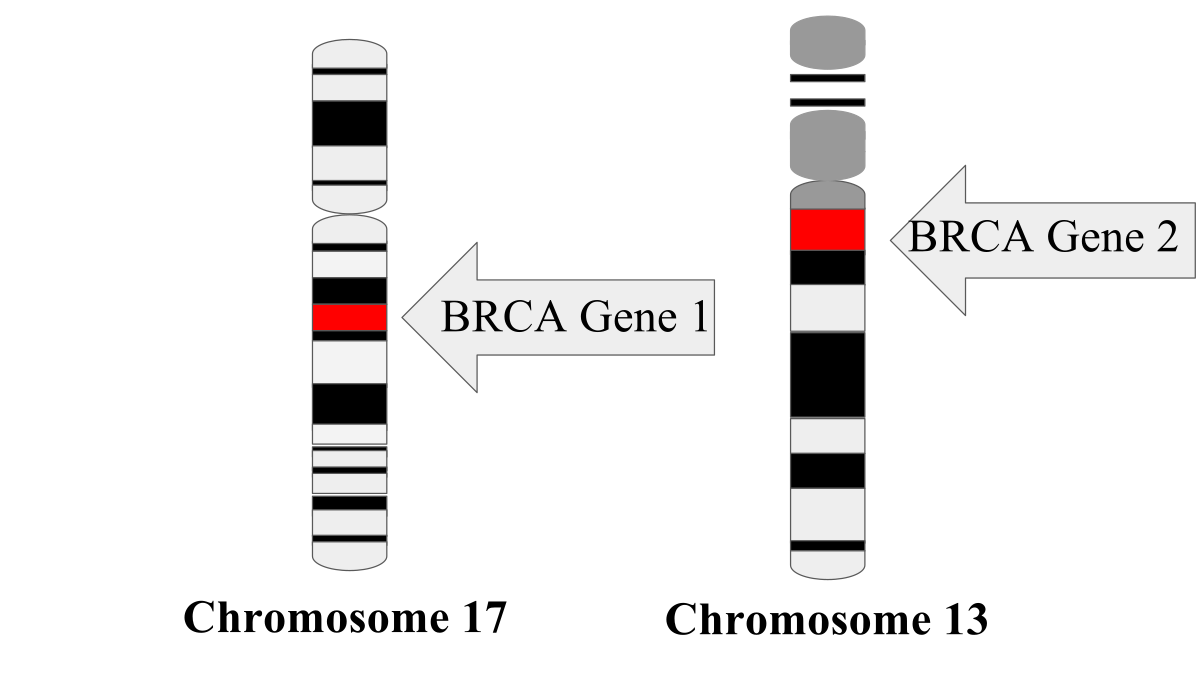
Mary-Clair King, the woman given the credit for discovering the breast cancer gene was recently interviewed by the New York Times. Her question/ answer interview style revealed some very significant medical break-through's. Not only was her and her laboratories accredited with the discovery for the breast cancer gene BRCA1 on chromosome 17, she also won a huge battle against a company called Myriad who tried to patent the rights to gene. Backed by her lab at the University of Seattle Washington, and The Attorney Generals Office she won the Supreme Court Ruling 9-0 because genes are natural and cannot be patented. King was also accredited in her contribution of using mitochondrial DNA testing to reunite displaced families in Argentina. Mitochondrial DNA testing can be used to identify parentage or lineage.
It seems as though Mary- Clair King made some extremely significant contributions to science and human rights. Locating the gene was very important, but perhaps even more important was her preventing the patenting of genes, which could have been a very terrible occurrence in the world of genetics.
Wednesday, February 11, 2015
Myriad Breast Cancer Gene Lawsuit

Myriad Genetics is a molecular diagnostic company that focuses
mainly on the developing and marketing of
predictive medicines, personalized medicine, and prognostic medicine tests. The
Myriad Genetic Company uses the information they collect from their testing to
help guide individuals toward which drug therapy they would respond best to.
They help regulate the dosages of medicine to ensure optimal treatment and assess
the likelihood of an individual to develop a disease, its progression, and its re-occurrence.
The Myriad Genetics Company has finally ended its patentdispute on breast cancer risk testing. Myriad Genetics Company was testing for
mutations on two genes, BRCA1 and BRCA2. The mutation of these genes
have been linked to an increase risk of breast cancer and ovarian cancer. This
testing caused the competitor companies to start making their own versions of
the test only they made them cheaper. Myriads sued those companies and claimed that
the competition was infringing on their patents.
Unfortunately, when brought to Judge Robert J. Shelby, he
ruled against Myriads request. Later, the Federal Circuit agreed with the decision
and ruled that human genes cannot be patented. The Myriad Company had to settle
in court against the competitors, LabCorp, Invitae and Pathway Genomics, Ambry,
GeneDx and Counsyl, and Quest Diagnostics. The agreement was that Myriad would not
sue the other companies for the patent of the test on BRCA1 and BRCA2, as long of
the other companies dropped their counter-suits against Myriad.
I think this test is needed especially in times like these
where cancer is prevalent and can happen in a blink of an eye. As someone who
has a family history of breast cancer, I think it would be beneficial to have a
test that can determine the chance of me or any family member developing
cancer. For the court to deny (rule against) Myriad’s claim, was an unfair decision.
They created the testing first and the
competitors took their idea and made it cheaper, so they could get more patients
and in turn more money.
Wednesday, February 4, 2015
Low beclin 1 Activity Linked to Triple Negative Breast Cancer
The most aggressive type of breast cancer, triple negative
breast cancer, occurs when the estrogen, progesterone, and the HER-2/neu gene receptors are not present in the cancerous
tumor. Most breast cancer growth is accelerated by the receptors aforementioned.
As a result, treatments such as hormone therapy or using drugs that target
these receptors do not work. However, chemotherapy is still a viable option for
treating the cancer. It is even thought that chemotherapy treats the earliest
stages of triple negative breast cancer better than it treats other forms of
cancer.
 At the UT Southwestern Medical
Center scientists have discovered a connection between triple negative breast
cancer and an autophagy gene, beclin 1. It was found, through the analysis of
two breast cancer databases, that a low activity level for the autophagy gene
was linked to a higher rate of the cancer as well as a poorer outcome for the
breast cancer patients. The data collected during this study is the first to
ever connect beclin 1 and triple negative breast cancer and it supports
research that was conducted through mouse models. As a result of this study, it
has been realized that this could be a new pathway to focus on in the treatment
of this aggressive cancer. It seems that therapies increasing the amount of
beclin 1 activity in those with this breast cancer could potentially be
helpful.
At the UT Southwestern Medical
Center scientists have discovered a connection between triple negative breast
cancer and an autophagy gene, beclin 1. It was found, through the analysis of
two breast cancer databases, that a low activity level for the autophagy gene
was linked to a higher rate of the cancer as well as a poorer outcome for the
breast cancer patients. The data collected during this study is the first to
ever connect beclin 1 and triple negative breast cancer and it supports
research that was conducted through mouse models. As a result of this study, it
has been realized that this could be a new pathway to focus on in the treatment
of this aggressive cancer. It seems that therapies increasing the amount of
beclin 1 activity in those with this breast cancer could potentially be
helpful.
The study, which was conducted using data from the United
States Cancer Genome and the Molecular Taxonomy of Breast Cancer International
Symposium from the UK and Canada, used 3,057 breast cancer cases to observe the
levels of expression of beclin 1 and BRCA1. BRCA1 is a gene that is linked
with the inheritance of breast cancer. The Cancer Genome provided 1,067 cases
to study, while the Molecular Taxonomy of Breast Cancer International Symposium
gave 1,992 cases.
It was already known the beclin 1 and BRCA1 genes were
missing from approximately 35% of all breast cancers, but it needed to be
discovered which of the two genes was important. This was done by looking at
the expression and seeing how that related to the clinical features of breast
cancer. Low levels of beclin 1 expression, but not BRCA1 correlated to adverse
clinical features. Breast cancer patients with low beclin 1 activity had a 67%
increase in the risk of dying of breast cancer as opposed to cancer patients
with higher activity levels of beclin 1. It was also shown that low levels of
beclin 1 activity corresponded to a 35-fold higher risk of developing triple
negative breast cancer in the first place.
As a result of this research, therapies that increase beclin
1 activity have been suggested as new treatments for triple negative breast
cancer. There are already a few drugs that increase beclin 1 activity being
used to treat other cancers. The drugs approved to treat these cancers are
divided into four classes, which are inhibitors of either beclin 1/BCL-2
binding, protein kinase B (AKT), epidermal growth factor receptor (EGFR), or
HER2. Further studies need to be completed in order to determine if these
therapies will be a viable treatment for those with triple negative breast
cancer.
I have never heard of triple negative breast cancer and had
no idea it was the most aggressive type of breast cancer. I really only thought
that there was one type of breast cancer. Now that I know more about this form
of breast cancer I think that it is awesome that they have possibly found
another route to treat it seeing as how it does not respond to hormone therapy.
If drugs increasing beclin 1 activity could treat the cancer it would most
likely save more lives and save people the misery of going through
chemotherapy. This could offer a more comfortable treatment option that is not
so hazardous on the body as well. All in all it seems like this could
potentially be something very promising. Only the future will tell if it will
actually work.
Link to Article: http://www.sciencedaily.com/releases/2015/01/150130132817.htm
Additional Links: http://www.nationalbreastcancer.org/triple-negative-breast-cancer
Thursday, January 29, 2015
Ovarian cancer risk genes identified
Ovarian
cancer is any cancerous growth that could occur in different parts of the
ovary. The major form of ovarian cancer arises from the epithelium which is the
outer lining of the ovary. It is the eighth most common cancer among women in the United States.

A team of
international scientists have identified six genes that increase a woman’s chances
of developing ovarian cancer. This discovery could help researchers find new
ways to treat and possibly prevent the disease. This form of cancer has been
referred to as a silent killer because most of the time it isn’t detected until
it is at an advanced stage.
According to the article, a woman’s lifetime risk of developing breast or ovarian cancer is greatly increased if she inherits a harmful mutation in the BRCA1 or BRCA2 genes. But the six new variants identified by the researchers have a subtle impact than the BRCA1 and BRCA2 mutations. Each of the newly discovered variants increases the risk of cancer by a very small amount.
I believe that this is a big discovery in the medical field. According to The American Cancer Society an estimated 21,290 women will receive a new diagnosis of ovarian cancer this year and about 14,180 women will eventually die from it. I think that the research completed by these scientists will help us diagnose this disease in the earlier stages in the near future before it spreads out to its final stage.
Saturday, November 22, 2014
Genes Found That Detect Breast Cancer Risk
There are many genes that are involved in cancer. Researchers
in a paper published in the journal Cancer
Epidemiology, Biomarkers & Prevention argue, “Combining the known
genetic players in breast cancer can predict with much higher accuracy a
newborn girl’s theoretical risk of developing the disease.”

Alice Whittemore, a professor at Stanford University School
of Medicine, and her colleagues found 86 genetic variants that have been linked
to break cancer. These rare genetic variants include BRCA1 and BRCA2 are proved
to be a very high risk of disease. The genetics variants were used to predict
breast cancer based on womens’ genetic makeup. Researchers found that genetic
variants could account for about 35 percent of future cancer cases.
Whittemore stated, “We took 86 known genetic variants
associated with breast cancer, and took what was in the world’s literature
about how common those variant are, and by how much a factor they increase
risk.” Several new genetic variants have been contributing in developing breast
cancer.
Women that have been born with a high genetic risk for
breast cancer still can change their risk. It has shown that lifestyle factors
are linked to lowering genetic risk. The higher genetic risk, the more it can
be reduce with healthy lifestyle choices.
Saturday, October 18, 2014
Is genetic testing right for you?
When famous actress Angelia Jolie announced to the public about having preventive mastectomy due to the mutation of BRCA gene mutation, more people started to become aware of genetic testing. However, is genetic testing right for everyone?

According to the National Cancer Institute, about 12% of American women will develop breast cancer during their lives. About 55% to 65% of women who inherited the harmful BRCA1 gene could have a mutation; around 45% of women who inherited the harmful BRCA2 gene will develop breast cancer by the age of seventy. Breast cancer can develop in both men and women since the BRCA gene can be pass down to males and females. Approximately 800 women carry the BRCA1 gene; while 1 out of 1,000 women carry the BRCA2 gene.
The good news is that the chance of inheriting this gene is rare, thus most physicians only recommend genetic testing to those who comes from a history of breast cancer. One rule of thumb to remember is that only 10% of breast cancers are attributed to inherited gene mutations. Other ways to evaluate the chance of having the gene to develop breast cancer can be:

According to the National Cancer Institute, about 12% of American women will develop breast cancer during their lives. About 55% to 65% of women who inherited the harmful BRCA1 gene could have a mutation; around 45% of women who inherited the harmful BRCA2 gene will develop breast cancer by the age of seventy. Breast cancer can develop in both men and women since the BRCA gene can be pass down to males and females. Approximately 800 women carry the BRCA1 gene; while 1 out of 1,000 women carry the BRCA2 gene.
The good news is that the chance of inheriting this gene is rare, thus most physicians only recommend genetic testing to those who comes from a history of breast cancer. One rule of thumb to remember is that only 10% of breast cancers are attributed to inherited gene mutations. Other ways to evaluate the chance of having the gene to develop breast cancer can be:
- If you have a close relative who has breast cancer
- If you have a close relative who has ovarian cancer
- If you have a personal history of breast cancer in one or both breast
- A diagnosis of breast cancer before the age of 45
- If you are a descendant of an Ashkenazi Jew
Even with all these possibilities listed above, it is always important to consult to a professional before assuming the worst possible scenario. The BRCA test is a blood test that uses DNA analysis to detect any mutations in the patient's genes. Once again, it is advise to go to a professional--such as a genetic counselor, to review your family and medical history; also to learn about different actions that can be taken should the result comes back positive or negative. While there is no medical risk taking the test, there are emotional consequences including: anxiety, sadness or depression, uncertainty and concerns regarding family relationships, depending on the outcome.
This article caught my interest because I didn't knew Angelia Jolie's raised so much awareness for the women of America on gene testing. While it isn't a pleasant topic, I do worry about my grandmother and mother each time they have their yearly check-ups. I cannot image the changes families have to go through when they learn about their loved ones having breast cancer. However genetic testing may not be a bad thing. the earlier you find the cancer the better chance you have fighting against it!
Friday, May 2, 2014
Three Sisters Choose Preventative Care after Genetic Testing Results
Three sisters, Patti Broccoli, Cathy Balsamo and Cindy Lepore decided to go for genetic testing after Cathy saw an advertisement in her doctor's office. After giving a detailed family history, the sisters were informed that they would be good candidates to be tested for the BRCA 1 and BRCA 2 gene mutations. The results showed that all three of them had the BRCA 1 gene mutation, meaning that their chances of developing breast and/or ovarian cancer in their lifetime was as high as 90%. With this new found information, they decided to all get double mastectomies and had their ovaries removed as well. This drastic measure is one that the women felt that they needed to make in order to ensure their survival. Nowadays, more and more women are opting for the preventative care of double mastectomies and oophorecomies.


Patti Broccoli, Cathy Balsamo, and Cindy Lepore
As someone who has a high prevalence of breast cancer within my family, I can understand the fear of getting the disease one day. Personally, I am planning on getting genetic testing done in the near future to see exactly how high my risk is. If it comes up that I have the BRCA 1 or BRCA 2 gene mutation, preventative care is certainly an option that I will be looking into. I simply hope that advancements in medicine will help so that such drastic measures won't need to be taken by women who have the mutations.
Link to article: http://www.nj.com/news/index.ssf/2014/04/genetic_test_results_led_three_berkeley_heights_sisters_to_opt_for_surgery.html
Link to related article: http://www.cancer.gov/cancertopics/factsheet/Risk/BRCA
Tuesday, April 15, 2014
Scientists Reveal Potential Link Between Brain Development and Breast Cancer Gene
 It has been known for awhile now that mutations in the BRCA1 gene cause breast and ovarian cancer in women, but recent studies have shown that the same gene may also effect brain development. This explains why women who are genetically prone to breast cancer also suffer from brain seizures. The team from Salk's Laboratory of Genetics found that eliminating BRCA1 in the neural stem cells of mice had profound effects on the brain making it smaller and the cerebellum to be smooth, rather then filled with ridges. Also many of the neurons died rapidly after being formed resulting in interference in balance and motor function. This happens because the protein in which BRCA1 codes for packages DNA for replication and without this protein the DNA becomes fragile and is more likely to create errors in replication.
 This information is a tremendous step towards the treatment of cancer. With this new information, doctors can identify breast cancer susceptible patients predisposed to seizures and provide appropriate treatments. The faster cancer can be spotted and treated, the higher the chances of survival.
Monday, December 9, 2013
A Herbal Approach for Breast Cancer Treatment
The second most common type of cancer is breast cancer. There have been estimates of new cases, deaths, and survivors in the United States for this year: 232, 340, 39,620, and 2,829,041, respectively. These numbers are very high for just one year that is the most recent, but with a study that has been done is being analyzed and confirmed for it to be a possible treatment.

A research team at LSU led by their research professor in Obstetrics and Gynecology, Dr. Madhwa Raj, has done a study finding a possible herbal approach to breast cancer. The group had inquired about known protective chemical nutrients in foods and found six: Curcumin, Isoflavone, Indo-3-Carbinol, C-phycocyani, Rservatrol, and Quercetin. These six compounds are found in natural foods: vegetables, fruits, spices, and tea. The research failed when each of the six compounds was tested separately on sample breast cancer cells. However, 100% death was found in the sample breast cancer cells when all six of them were combined. This super cocktail did not cause any harm to the control cells in the killing of the breast cancer cells which is a positive sign. Testing still needs to be done to confirm this approach as a treatment, and more specifically, on the BRCA1 and BRAC2 genes. Studies have been done before which show that four of the six known compounds making the super cocktail could be possible useful components.
Two other possible benefits from this treatment was found. The first is that it could be a possible treatment for ovarian cancer since two of the compounds target those genes. This brings us to the second benefit which is the identification of essential genes and this can only help researchers to confirm this herbal approach more as a treatment for breast cancer.
Two other possible benefits from this treatment was found. The first is that it could be a possible treatment for ovarian cancer since two of the compounds target those genes. This brings us to the second benefit which is the identification of essential genes and this can only help researchers to confirm this herbal approach more as a treatment for breast cancer.
Subscribe to:
Posts (Atom)